Lesson 2 of 23 · about 35 minutes
Sara Walton Brady and the Closed Playground (Meridian, Idaho)
Updated November 7, 2026
You'll be able to
- Tell, with dates, what happened at Kleiner Park on April 21, 2020 and why Brady was arrested.
- Quote the legal basis of Meridian's closure order and describe what was closed and what stayed open.
- Explain why the Attorney General moved to dismiss the case in January 2023 and how the court ruled.
- Describe the 2023 tort claim and the Idaho Tort Claims Act deadlines that govern it.
- Weigh the arguments of Meridian's mayor and police chief against Brady's stand, in their own words.
Start here: the short version
On April 21, 2020, Sara Walton Brady, a 40-year-old Meridian mother, went with other parents and their children to the playground at Julius M. Kleiner Memorial Park, which the city had closed under a pandemic order. When police told the group to leave, she argued that the closure was unconstitutional, turned, put her hands behind her back and asked the officer to arrest her. He did. She was booked into the Ada County Jail on a misdemeanor trespass charge.1 For the next two and a half years the State of Idaho prosecuted her. She pleaded not guilty and kept pleading it. In January 2023 the new Attorney General, Raúl Labrador, moved to dismiss, saying the case "should have never been prosecuted," and the court granted the motion.3 That spring she filed a $500,000 tort claim against the city.4 Her stand was small in scale and large in meaning: an ordinary citizen, in an open public park, insisting with her own name and her own liberty on the line that the government had to answer for closing a children's playground by decree.
Who she was before
Before April 2020 Sara Walton Brady was a private citizen in Meridian, the fast-growing city west of Boise in Ada County. She was a mother, and the record of her case is a record of a mother taking her children to a park. She was also already active in public causes. The Idaho Statesman described her as an activist for "parental medical rights" who ran the Facebook page Idahoans for Vaccine Freedom.5 The Idaho Press described her as an anti-vaccine activist who had worked with Health Freedom Idaho, a group that in April 2020 was urging people to disobey the governor's stay-home order.6 Those are the newspapers' descriptions, and this lesson reports them as theirs. She held no office, led no large organization and had no public platform beyond social media.
That matters for how her story should be read. The famous resisters of 2020 included pastors with congregations, business owners with storefronts and doctors with credentials. Brady had none of those. What she had was a city park, a closed playground, a phone camera in the hands of the people around her, and a conviction that the closure was wrong. This module honors that kind of citizen most of all, because she had the least protection and the most to lose by standing on principle in public.
She has said very little about her private life, and this lesson follows her lead. What is known is what she made public: her statements after the arrest, her apology to Meridian police, her plea, her posts about the cost of the case, her support of Labrador's campaign, her statements when the charge was dismissed, and her tort claim.

The order she faced
The Meridian order
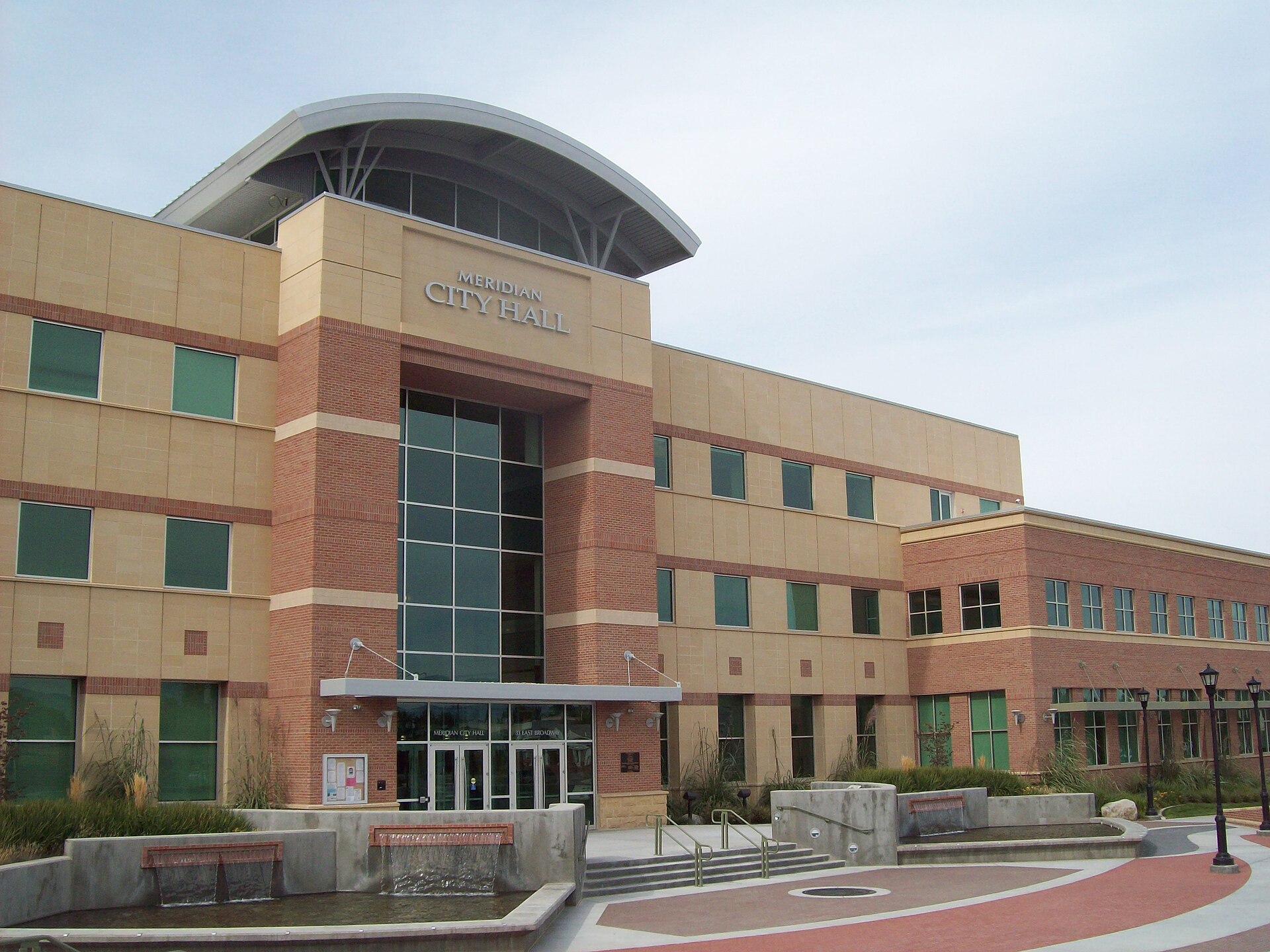
The order Brady faced was a city order, not a state one. Meridian Mayor Robert Simison issued the city's social distancing order on March 20, 2020. The Idaho Press quoted its legal basis from the text of the order: "where a public health hazard is imminent, Meridian code 4-3-3 (B) authorizes the mayor to summarily enact a social distancing order which order measures may be taken to prevent or mitigate a foreseeable, imminent or preeminent public health hazard."1 The word "summarily" is the heart of it. Under that code section the mayor could act on his own authority, without first going to the city council.
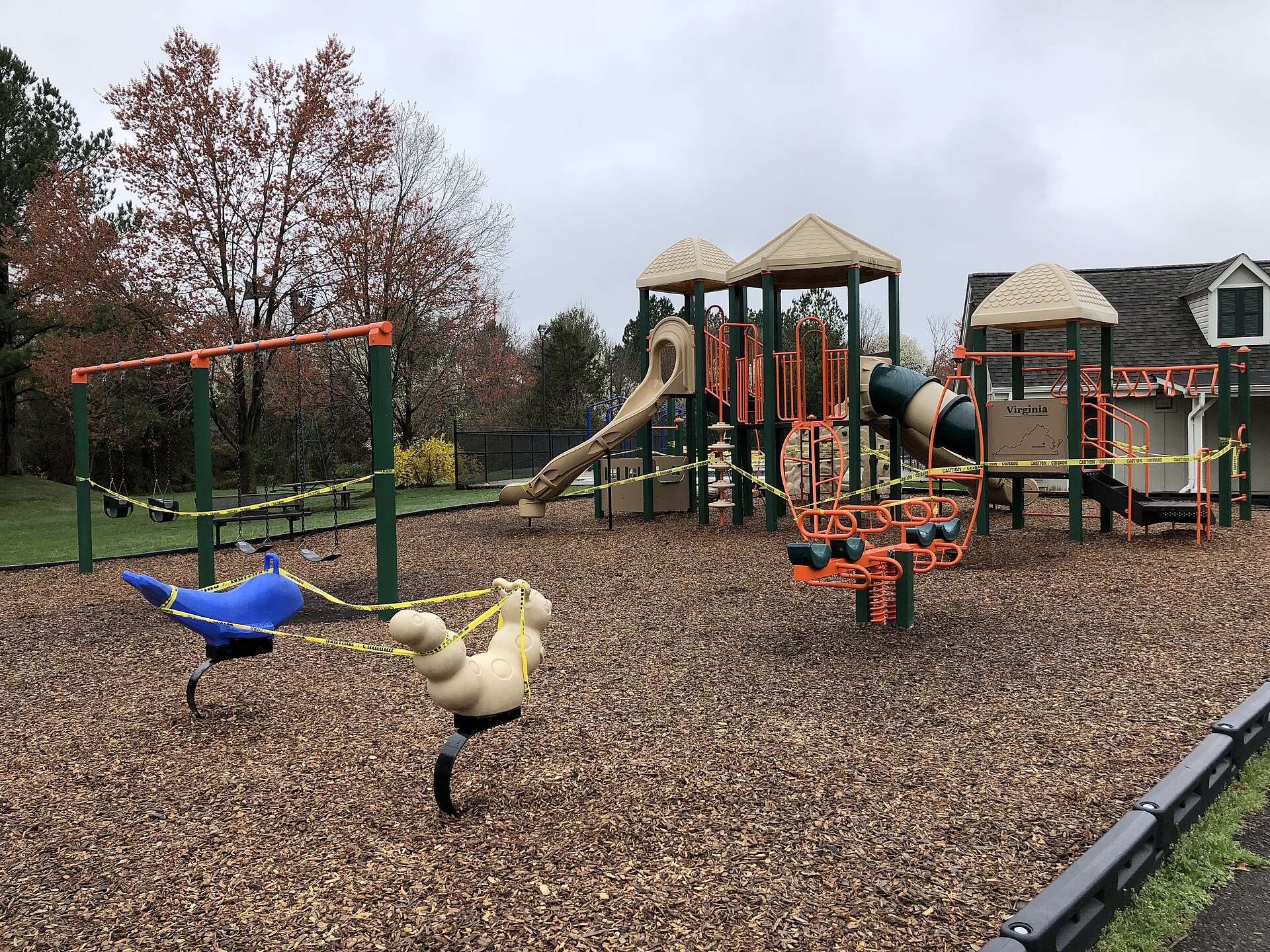
On March 23, the city closed its playgrounds and outdoor exercise equipment while keeping walking paths open, the Idaho Statesman reported.7 Kleiner Park itself stayed open. Its playground was closed and taped off. KIVI explained the official reason at the time: health experts believed the coronavirus could survive on playground equipment for days or weeks, and the closure was described as temporary.2 A family could walk the paths and use the open lawn. It could not let a child on the slide.
The state order around it
The city order sat inside a statewide one. Gov. Brad Little's stay-home order was in force, and on April 15, 2020 he extended it to the end of the month.1 Lesson 01 tells that order's text and stages. The state's legal position was set out by Attorney General Lawrence Wasden's office in a public question-and-answer page quoted by the Idaho Press: "The authority to issue orders such as the Stay at Home Order is found within Chapter 6, Title 46 of the Idaho Code. Additional authority is found within Chapter 10, Title 46. The specific statutes granting the Governor authority to issue such an order are Idaho Code § 46-601 and Idaho Code § 46-1008."1 Those are the same two statutes the Legislature rewrote in 2021, as lesson 04 tells.
How the police said they would enforce it
Meridian police had said in March how they would handle violations. Then-Police Chief Jeff Lavey said at the start of the mayor's order: "Obviously we can't arrest everybody, so what we're doing is asking you to do the right thing, make the responsible choice." He added: "But, if you force our hand we will write a report, we'll forward it to the prosecutor, and we'll prosecute you to the full extent of the law at the appropriate time."1 At the same time the Ada County Sheriff's Office said the jail population was smaller than it had been for years, as police across the valley used more discretion in arrests during the pandemic.1
What she did
A week of protest
Brady's act was part of a wider movement of protest against Idaho's spring 2020 orders. On Friday, April 17, a rally against the governor's stay-home order on the Capitol steps drew more than 1,000 people, according to the Idaho Press; Health Freedom Idaho, which worked in partnership with the Idaho Freedom Foundation, co-sponsored it.6 The Idaho Freedom Foundation, a policy group active in state politics, was running an online campaign it called "Disobey Idaho" and had posted a list of planned events. KIVI reported that the foundation's posts described events that appeared intended to provoke enforcement of the order.26 Civil disobedience of that kind has a long and honorable place in American life, from the colonial boycotts to the lunch-counter sit-ins. Its essence is that the person breaks a rule openly, on principle, and accepts the legal consequences so that the rule itself is put on trial. Lesson 08 of Ordered Liberty, Forms of Lawful Resistance, sets out the tradition and its limits.
April 21, 2020, at Kleiner Park
On Tuesday, April 21, a group of parents took their children to the playground at Kleiner Park. Police said they responded after several calls to dispatch, found that the closure signs and caution tape had been removed, and found several people gathered on the closed equipment. Officers told the group the playground was closed and that they could use the open areas of the park.27 A video of about 45 minutes, posted that night and later taken down, showed what followed. In the Idaho Press's account of the video, "Brady and others are seen arguing with Meridian police officers about the constitutionality of the decision to close the playgrounds," and "The officers in the video repeatedly asked the parents to take their children and leave the playground before Brady turns, puts her arms behind her back, and asks the officer to arrest her."1 The Attorney General's later motion to dismiss recorded that she told the officer, as he counted down, "arrest me for being at the park."5
She was booked into the Ada County Jail just after 5 p.m. on suspicion of misdemeanor trespassing.1 The Idaho Freedom Foundation's president, Wayne Hoffman, posted videos that night, including one in which he tore down the caution tape closing off a playground and urged others to do the same, and another in which he called her arrest "just terrible."6 That evening about 100 people protested in front of Meridian City Hall and blocked Meridian Road; police issued no citations but asked them not to block the street.2
The protest at an officer's home, and her apology
The same evening, dozens of people gathered on the sidewalk outside the home of one of the officers involved in the arrest. Ammon Bundy, already known for the standoff at the Malheur Wildlife Refuge in eastern Oregon, was filmed there.8 The Meridian Police Employee Association responded on Facebook: "When you release the home addresses of officers and elected officials so you can go to their house in an attempt to intimidate them and terrorize their families you have stepped over the line."8 Hoffman of the Idaho Freedom Foundation, whose group supported the playground protest, posted that it did "not condone or endorse actions against law enforcement officials at their homes, such as the one last night."8 In his January 2023 statement on the dismissal, Mayor Simison also condemned the protests at the officer's home.9
Brady did not organize the protest at the officer's home, and three days later she said so publicly and apologized to the Meridian police. KIVI reported her words on April 24, 2020: "I had nothing to do with protesters showing up at your home," and "I promise you from the bottom of my heart I personally had nothing to do with those actions." She said: "I do not condone or support them in any way." She said she had contacted the organizers and asked them not to do it again, that she had not expected the protest to go as far as it did, and that her own home address had been posted online several times, so she understood the danger that could pose to a person and a family.10 That apology is part of her story and deserves honor too. She defended her own act and refused to defend acts that threatened an officer's family.
The plea and the long wait
Brady could have ended her case quickly by pleading guilty to a misdemeanor and paying a fine. She did not. In July 2020 she pleaded not guilty at a virtual hearing to one misdemeanor count, described in the Idaho Statesman's report as "trespassing with failure to depart," and a pretrial conference was set for August 12, 2020.7 The case was prosecuted by the Idaho Attorney General's Office. In 2020 then-Rep. Dorothy Moon pleaded with the governor on Brady's behalf: "I'm pleading with you governor, please, the lady in the park, get the AG's office off of her back."9 The case went on. By January 2023 a jury trial was set for January 24, 2023, and Brady later said her trial had been canceled twice.53
Through those years she kept saying publicly that she was innocent. In September 2022 she wrote on Facebook: "Defending myself against the State of Idaho who has unlimited resources to prosecute me has been nothing short of a daunting task. Simply for taking my kids to a park."9
The 2022 election
In 2022 Raúl Labrador, a former congressman, ran for Attorney General, the office that was prosecuting her. Brady openly supported Labrador. In a Facebook post in August 2022 she called him her "favorite soon-to-be Attorney General," and she wore a red dress promoting his campaign to the Idaho Republican Party's election night party in November. Campaign finance records showed she did not donate to his campaign.39 The Idaho Statesman reported that one of her attorneys, John Alegria, had given $260 to Labrador's campaign in April 2022, and that Brady said: "I have never talked to Raul or anyone working in his campaign about my case."5

What it cost
Her liberty, for an afternoon, and her record, for years. She was arrested in front of the other families at the playground, booked into the county jail, and charged with a crime.1 For two years and nine months, from April 2020 to January 2023, she lived as a criminal defendant, with a cash bond posted and a trial date hanging over her.3
Money. She told the Idaho Press after the dismissal: "My defense has cost my family thousands of dollars."3 In her later tort claim she wrote that the prosecution "cost me tens of thousands of dollars," and on social media in April 2023 she put her legal costs at almost $50,000.4 Those are her figures, and this lesson reports them as hers.
Her privacy and safety. She said her home address had been posted online several times after the arrest.10 She became, for many in the Treasure Valley, a symbol to be cheered or scorned, and she carried that as a private person with no staff and no office.
The process itself. "I never should have been arrested that day for standing in an area of the park that was open and charges should have been dropped years ago," she told the Idaho Press. She said the legal process felt like a punishment.3 For a citizen accused of a misdemeanor for standing in a public park, two and a half years of hearings, cancellations and legal bills is a heavy price, whatever the verdict would have been.
How it ended
The motion to dismiss
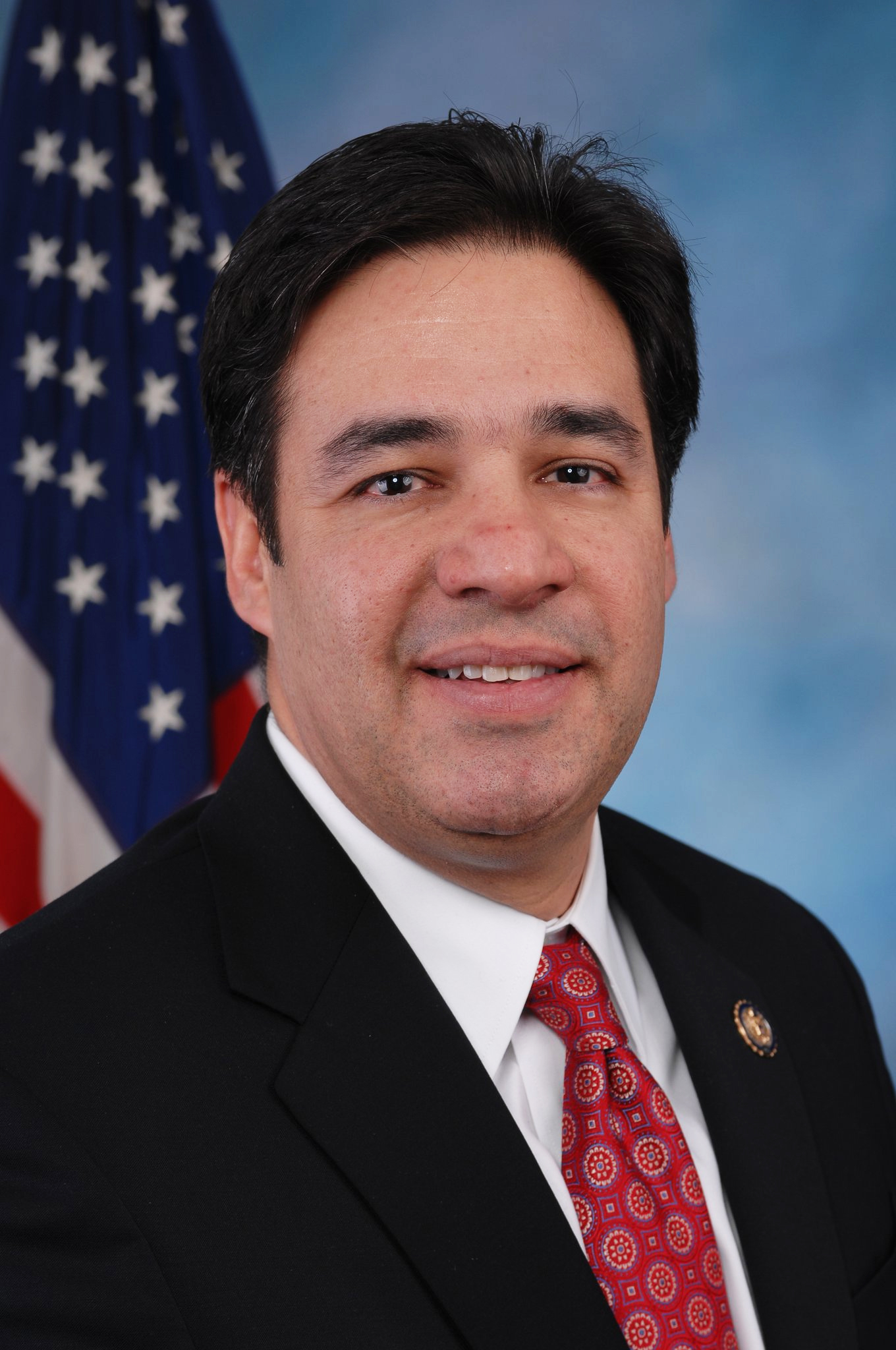
Labrador took office as Attorney General on January 2, 2023. On January 5 his office announced a motion to dismiss the charge, written by Deputy Attorney General Haylee P. Mills.5 The office gave three reasons: there was no allegation that Brady injured anyone or any property or physically resisted officers; the evidence made a conviction uncertain; and the state had spent resources beyond what is typical for a misdemeanor.5 The press release, quoted by both the Idaho Press and the Idaho Statesman, said: "This case should have never been prosecuted. It has been a profound waste of precious taxpayer resources." Labrador added that his office would focus its resources on "prosecuting child exploiters and other serious criminals" and "not mothers who take their kids to the park."95 The office said the decision followed a "unanimous recommendation" from the prosecutors assigned to the case; a spokeswoman said three prosecutors had been assigned.9
The motion did not praise everything Brady did. It said the state "does not condone Brady's belligerence with law enforcement," and that this "unwarranted belligerence" was not part of the factual basis for the charge against her.95
The dismissal
The court granted the motion. On January 12, 2023, the Idaho Press reported that the state's iCourt online records showed her criminal case closed and her cash bond exonerated, meaning returned. Labrador said in a statement: "We are grateful the judge has agreed with our motion to dismiss the charges against Sara Brady. It validates the unanimous recommendation by all prosecutors assigned to the case which the Attorney General took seriously. We agree with the court, dismissal serves the ends of justice."3 Brady told the Statesman she was happy and relieved, called Labrador "a true leader," and said she was thankful she had "maintained my innocence," which she called "the true win."5
She was never convicted of anything arising from April 21, 2020. She went to trial in the court of public opinion for two and a half years, and in the court of law she was never tried at all.
The tort claim
In April 2023 Brady filed a tort claim seeking $500,000 from the City of Meridian. Under Idaho law a tort claim is a formal notice to a government that a person believes it has wronged her; the Idaho Press explained that it "is not the same as a lawsuit" but preserves the right to sue. Her claim went to the city, the Secretary of State and Ada County.4 She wrote in it: "I was unconstitutionally and falsely arrested while lawfully standing in a public park exercising my constitutional rights," and "I was then prosecuted for trespassing which cost me tens of thousands of dollars." She listed emotional distress and attorney's fees among her damages.4
Idaho's Tort Claims Act sets the next steps. A claim against a city must be filed "within one hundred eighty (180) days from the date the claim arose or reasonably should have been discovered, whichever is later."11 The city then has 90 days to approve or deny it, and "A claim shall be deemed to have been denied if at the end of the ninety (90) day period the governmental entity has failed to approve or deny the claim."12 A claimant who wants to go further must file a lawsuit "within two (2) years after the date the claim arose or reasonably should have been discovered, whichever is later."13
The outcome of the claim is not in the public record this lesson could reach. A review of the Idaho Press and KIVI article lists through November 2026 found no report of a payment, a settlement or a lawsuit by Brady against the city, and no published decision in a case with her name was found. This lesson therefore states the outcome as unknown: the claim was filed in April 2023, and no public report shows that the city paid it or that she sued.4 If a court record or city record later shows otherwise, this paragraph should be updated.
What changed in the law
The law changed while her case was pending. In May 2021 the Idaho Legislature amended the state's emergency statute so that, during a declared disaster emergency, neither the governor "nor any agency of any governmental entity or political subdivision of the state" may "otherwise limit or suspend any rights guaranteed by the United States constitution or the constitution of the state of Idaho, including but not limited to the right to peaceable assembly or free exercise of religion," and so that emergency orders must be "narrowly tailored."14 Whether that language would have changed the Meridian order is a question no court has answered, and Meridian acted under its own city code. But the people of Idaho, through their Legislature, wrote into law the principle Brady was arrested asserting: that an emergency does not suspend the people's rights in public places. Lesson 04 tells that story.

Timeline
| Date | Event |
|---|---|
| March 20, 2020 | Meridian Mayor Robert Simison issues the city's social distancing order under Meridian code 4-3-3(B).1 |
| March 23, 2020 | Meridian closes city playgrounds and outdoor exercise equipment; walking paths stay open.7 |
| April 15, 2020 | Gov. Little extends the statewide stay-home order to the end of April.1 |
| April 17, 2020 | More than 1,000 people rally against the stay-home order at the Idaho Capitol.6 |
| April 21, 2020 | Brady asks to be arrested at the closed Kleiner Park playground; she is booked into the Ada County Jail just after 5 p.m. on a misdemeanor trespass charge.1 |
| April 21, 2020 (evening) | About 100 people protest at Meridian City Hall and block Meridian Road; others gather outside an arresting officer's home.28 |
| April 24, 2020 | Brady publicly apologizes to Meridian police for the protest at the officer's home and says she had nothing to do with it.10 |
| July 2020 | Brady pleads not guilty at a virtual hearing; a pretrial conference is set for August 12, 2020.7 |
| May 10, 2021 | Idaho enacts limits on emergency orders, including protection of constitutional rights during a disaster emergency.14 |
| August 2022 | Brady posts that Labrador is her "favorite soon-to-be Attorney General."3 |
| September 2022 | Brady writes on Facebook that defending herself against the state has been "nothing short of a daunting task."9 |
| December 30, 2022 | Per Meridian's police chief, the Attorney General's Office indicates the case will go forward.9 |
| January 2, 2023 | Labrador takes office as Attorney General.5 |
| January 5, 2023 | The Attorney General's Office moves to dismiss; Meridian's mayor and police chief condemn the decision.9 |
| By January 12, 2023 | The court grants dismissal; iCourt records show the case closed and her cash bond exonerated.3 |
| January 18, 2023 | Public records show the police chief's memo to staff and messages to the Attorney General about the dismissal.15 |
| January 24, 2023 | The date that had been set for her jury trial, which never took place.5 |
| April 2023 | Brady files a $500,000 tort claim with the City of Meridian, the Secretary of State and Ada County.4 |
| November 2026 | No public report found of a payment, settlement or lawsuit on the claim.413 |
Why it took courage
Most people who disagreed with the 2020 closures grumbled and complied. A smaller number signed petitions or wrote to officials, which is good and lawful work. Sara Walton Brady did something rarer. She stood in a public park, under her own name, in front of cameras and officers, and asked the government to show by arresting her exactly what its order meant. That is the method of civil disobedience at its cleanest: break a rule openly, accept arrest without violence, and let the public see the rule for what it is.
The liberties at stake were real ones. A public park belongs to the people who pay for it. The right of the people peaceably to assemble is written into the First Amendment, and parents gathering with their children in an open city park to object to a closure is assembly in its plainest form (see The First Amendment). Due process means that a person accused of a crime gets a fair and prompt hearing; Brady waited two years and nine months and never got a trial, and the prosecutors who finally reviewed her case all recommended dropping it.9 And behind it all was the question of who decides. A single official, acting "summarily" under a city code, had closed every city playground in Meridian. Brady insisted, at her own cost, that such a power has to answer to someone.
She also showed a kind of courage that is easy to overlook. When people acting in her name went to a police officer's home, she did not hide behind them. Within three days she apologized publicly to the police and said she did not condone what they did.10 Standing up to the government and standing up to your own supporters are both hard. She did both in the same week. That deserves admiration, and this lesson gives it plainly.
What the other side said
Meridian's officials defended the arrest and condemned the dismissal. Mayor Robert Simison called the dismissal "appalling" and "a slap in the face" to Meridian police, public servants and law-abiding citizens, and said: "The Attorney General's apparent philosophy to selectively dismiss cases of his choosing and endorse illegal behavior is abhorrent." He called the decision "a breach of his oath of office to uphold the rule of law."9 Police Chief Tracy Basterrechea said the Attorney General's Office had indicated as late as December 30, 2022 that the case would go forward, and asked: "The question we have is, what changed since Friday?" He said: "We are supposed to be a nation ruled by law, not a nation ruled by politics."9 In a memo to staff he wrote: "We absolutely support" the arresting sergeant "and his decision to arrest Brady. The prior attorneys and the courts have all confirmed the merits of the case against Brady."15 In April 2020, Luke Malek, a former state legislator interviewed by KIVI as a legal analyst, said the playground closure was legal under Idaho code and pointed to lawful channels: "The Meridian City Council still takes public comment on this kind of stuff."2 Deputy Attorney General Brian Kane wrote in 2020 that "Police powers are reserved to states under the 10th Amendment," and that "This area of law has been well settled for approximately 200 years if not longer."1
The unflattering facts
A true hero story includes the facts that cut the other way. Brady asked to be arrested; by the motion's account she told the officer "arrest me for being at the park" as he counted down, and the Attorney General's own motion said the state did "not condone Brady's belligerence with law enforcement."59 Her arrest set off a protest at an arresting officer's home, which she did not organize and for which she apologized.810 She publicly backed the candidate who later dismissed her case, and one of her attorneys gave $260 to his campaign; she said she never discussed her case with him or his campaign.5 After the dismissal, Meridian's police chief warned staff to expect "more ignorant and belligerent phone calls," and the city said the small number of calls it received were split evenly between support and dissatisfaction.15
Still disputed: Brady says she was standing "in an area of the park that was open"; police said the playground she and the others were on was closed and taped, and officers had told the group they could use the park's open areas.32 Meridian's mayor and police chief called the dismissal political; the Attorney General's Office said it followed the unanimous recommendation of the prosecutors assigned to the case.9 No court ever ruled on whether the closure or the arrest was constitutional, and no public report found shows how the $500,000 tort claim was resolved.4
Hard questions and answers
She broke the rule on purpose. Why call that courage?
Because breaking a rule openly, on principle, without violence, and accepting arrest is the classic form of civil disobedience, and it takes more nerve than complying or evading. She did not sneak onto the equipment at night. She argued her case to the officers' faces, on camera, and invited the consequence.1 The tradition has rules of its own, and she kept the most important ones: no violence, no flight, and a willingness to answer in court. She pleaded not guilty and waited for a trial for more than two years.73 For the limits of the tradition, see Forms of Lawful Resistance.
Was the dismissal a political favor to a supporter?
Meridian's officials said so.9 The record also shows that the three prosecutors assigned to the case recommended dismissal unanimously, that the motion gave case-based reasons (no injury, no damage, no physical resistance, an uncertain conviction and resources beyond the usual for a misdemeanor), that Brady did not donate to Labrador, and that a judge, not the Attorney General, made the final decision.953 A reader can weigh both. What is beyond dispute is that a misdemeanor trespass case against a mother at a playground had run for more than two and a half years without a trial.
Was the playground closure not a reasonable health measure in April 2020?
The city's reason, as reported at the time, was that health experts believed the virus could survive on playground surfaces for days or weeks, and the closure was meant to be temporary.2 A legal analyst told KIVI the closure was legal and that citizens could take their objections to the city council.2 This lesson does not judge the science; it judges the stand. Brady's objection was to how the rule was made and enforced: by one official, summarily, with criminal penalties for a parent in a public park. Reasonable people could support the closure and still honor a citizen who peacefully insisted that it be tested.
What about the officer and his family?
They were wronged. A crowd gathered at the home of a police officer who had done what his chief told the public police would do.81 His association called it an attempt to "intimidate them and terrorize their families," and the newspaper that later reported on his department's memo withheld his full name to protect his safety.815 This lesson does not name him either. Brady's public apology, three days after the arrest, was the right response, and it is part of why her stand can be honored.10
Why does one misdemeanor case matter so much?
Because the small cases show what a rule really means. A closure order backed by arrest and prosecution reaches into the most ordinary parts of life: a mother, a slide, a spring afternoon. Most people facing such a charge would plead it out to make it go away. Brady's refusal forced the state to decide, in the end, whether the case was worth trying. The prosecutors who reviewed it decided it was not.9
Would the same thing happen today?
No one can say for certain. Since May 2021 Idaho's emergency statute has said that during a state of disaster emergency no governor or agency of any political subdivision may "limit or suspend" constitutional rights, "including but not limited to the right to peaceable assembly," and that emergency orders must be "narrowly tailored."14 Meridian acted under its own city code, and no court has decided how the state statute would apply to a city playground closure. A citizen who wants a voice in such a rule before it is made can testify to the city council; see County Commissions and City Councils.
Related lessons
- 01. Emergency Power in 2020, for the statewide orders around the Meridian closure.
- 03. Dr. Ryan Cole, on the Central District Health board that set health rules for Ada County.
- 04. Idaho Takes Back the Special Session, on the 2021 laws limiting emergency orders.
- 11. Shelley Luther and 12. Karl Manke, two other ordinary citizens prosecuted in spring 2020 for defying closure orders.
- 14. Mary Daniel, another private person who became public by refusing to accept an order.
- 22. What the Stands Won, including what a mayor or council can do differently.
- Ordered Liberty: Forms of Lawful Resistance.
- Testifying and Public Comment.
- The First Amendment and The Fourteenth Amendment.
Still open
These items could not be confirmed against a primary source before publication. The lesson states them as open, and they stay on the fact-check list.
- Outcome of the April 2023 $500,000 tort claim: no public report of a payment, a settlement or a lawsuit by Brady against the city was found through November 2026, and no court decision with her name was located.
- The name of the judge and the exact date of the dismissal order were not confirmed from the court record itself; the lesson relies on the Idaho Press report of January 12, 2023 that the case was closed and the bond exonerated.
- The Attorney General's January 5, 2023 news release was not found on the Attorney General's website; its words are quoted as printed identically by the Idaho Press and the Idaho Statesman.
- Why the Attorney General's Office, rather than a Meridian or Ada County prosecutor, handled the case was not documented in the sources.
- The exact statute or code section charged was not confirmed from a charging document; the Idaho Statesman described the count as 'trespassing with failure to depart.'
- The exact date of the July 2020 not-guilty plea was not stated in the source.
- The size of the April 17, 2020 Capitol rally is given as 'more than 1,000' (Idaho Press, Eye on Boise; Boise Weekly); other Idaho Press stories said 'hundreds.'
Learn more
- Idaho Press: the arrest, April 22, 2020: The first full news account, with the city order's legal basis.
- Idaho Press: case dismissed, January 12, 2023: The court's ruling as reported, with statements from Labrador and Brady.
- Idaho Tort Claims Act, Idaho Code Title 6, Chapter 9: The deadlines and steps for a claim against a city.
- Ordered Liberty: Forms of Lawful Resistance: Where civil disobedience fits among lawful ways to resist.
Notes
- Tommy Simmons, "Meridian woman arrested during protest at closed playground after asking to be arrested," Idaho Press, April 22, 2020 (retrieved Nov. 7, 2026). Read it online. ↩
- Benjamin Harris, "Protesters block Meridian road after playground trespassing arrest," KIVI, April 22, 2020 (retrieved Nov. 7, 2026). Read it online. ↩
- Idaho Press staff, "Meridian 'park mom' cleared after Labrador's move to dismiss charges," Idaho Press, January 12, 2023 (reporting the iCourt record: case closed, cash bond exonerated) (retrieved Nov. 7, 2026). Read it online. ↩
- Carolyn Komatsoulis, "Meridian 'park mom' files tort claim for $500K," Idaho Press, May 23, 2023 (retrieved Nov. 7, 2026). Read it online. ↩
- Nicole Blanchard, "Idaho AG Labrador to dismiss trespassing charge of supporter from 2020 'park mom' arrest," Idaho Statesman, republished by East Idaho News, January 6, 2023 (retrieved Nov. 7, 2026). Read it online. ↩
- Betsy Z. Russell, "Meridian woman asks police to arrest her during playground protest; they comply," Idaho Press, Eye on Boise, April 22, 2020 (retrieved Nov. 7, 2026). Read it online. ↩
- Ximena Bustillo, Idaho Statesman, "Sara Walton Brady pleads not guilty to trespassing in Meridian park playground," published by KIVI, July 9, 2020 (retrieved Nov. 7, 2026). Read it online. ↩
- Harrison Berry, "Ammon Bundy protests arrest of stay-home order dissenter at officer's home," Boise Weekly (Idaho Press), April 23, 2020 (retrieved Nov. 7, 2026). Read it online. ↩
- Carolyn Komatsoulis, "Meridian police chief, mayor condemn Labrador's decision to dismiss charges of Meridian woman," Idaho Press, January 5, 2023 (retrieved Nov. 7, 2026). Read it online. ↩
- Katie Kloppenburg, "Sarah Brady apologizes to Meridian police after recent arrest," KIVI, April 24, 2020 (the station spelled her first name Sarah) (retrieved Nov. 7, 2026). Read it online. ↩
- Idaho Code 6-906, Filing claims against political subdivision or employee, time, as published by the Idaho Legislature (retrieved Nov. 7, 2026). Read it online. ↩
- Idaho Code 6-909, Time for allowance or denial of claims, effect of failure to act, as published by the Idaho Legislature (retrieved Nov. 7, 2026). Read it online. ↩
- Idaho Code 6-911, Limitation of actions, as published by the Idaho Legislature (retrieved Nov. 7, 2026). Read it online. ↩
- Idaho Code 46-1008, The governor and disaster emergencies, current text as amended in 2021, as published by the Idaho Legislature (retrieved Nov. 7, 2026). Read it online. ↩
- Carolyn Komatsoulis, "Records reveal more reactions to Labrador's dismissal of Meridian 'park mom' case," Idaho Press, January 18, 2023 (retrieved Nov. 7, 2026). Read it online. ↩
Check yourself
1. Where was Sara Walton Brady arrested on April 21, 2020?
She was arrested at the closed playground in Kleiner Park after refusing to leave and asking to be arrested.
2. Under what authority did Meridian's mayor issue the March 20, 2020 social distancing order?
The order cited Meridian code 4-3-3(B), as quoted by the Idaho Press.
3. What was Brady charged with?
She was booked on suspicion of misdemeanor trespassing; the Statesman described the count as trespassing with failure to depart.
4. What did Brady do on April 24, 2020?
KIVI reported her apology and her statement that she did not condone the protest at the officer's home.
5. Who moved to dismiss the charge, and when?
Labrador took office January 2, 2023, and his office announced the motion on January 5.
6. Which reason did the motion to dismiss NOT give?
No court ruled on the closure's constitutionality; the motion gave the other three reasons.
7. How much did Brady seek in her April 2023 tort claim?
She sought $500,000 from the City of Meridian, according to the Idaho Press.
8. Under Idaho Code 6-909, what happens if a city does not act on a tort claim within 90 days?
The statute says a claim is deemed denied at the end of the 90-day period if the entity has not approved or denied it.
Terms in this lesson
- Meridian's March 20, 2020 order, issued by the mayor under city code, under which the city closed playgrounds and outdoor exercise equipment.
- Summarily
- Done at once, by one official, without the usual steps of notice, hearing or vote.
- Misdemeanor
- A lesser crime, punishable by a fine or a short jail term, below a felony.
- Criminal trespass
- Entering or remaining on property without permission, including failing to leave after being told to.
- Civil disobedience
- Openly and peacefully breaking a rule on principle and accepting the legal consequences, so the rule itself is tested.
- Motion to dismiss
- A formal request asking a court to end a case; here the prosecution itself asked the court to drop the charge.
- Bond exonerated
- Bail money returned to the person who posted it when the case ends.
- iCourt
- Idaho's online court records portal, where case status can be checked.
- Tort claim
- Under the Idaho Tort Claims Act, a written notice to a government entity that a person believes it wronged her, which preserves the right to sue.
- Deemed denied
- Treated by law as rejected; under Idaho Code 6-909, a tort claim not acted on in 90 days.
- Right of assembly
- The First Amendment right of the people peaceably to assemble and petition the government.
Sources
- Tommy Simmons, "Meridian woman arrested during protest at closed playground after asking to be arrested," Idaho Press, April 22, 2020 (2020-04-22) checked 2026-11-07
- Benjamin Harris, "Protesters block Meridian road after playground trespassing arrest," KIVI, April 22, 2020 (2020-04-22) checked 2026-11-07
- Idaho Press staff, "Meridian 'park mom' cleared after Labrador's move to dismiss charges," Idaho Press, January 12, 2023 (reporting the iCourt record: case closed, cash bond exonerated) (2023-01-12) checked 2026-11-07
- Carolyn Komatsoulis, "Meridian 'park mom' files tort claim for $500K," Idaho Press, May 23, 2023 (2023-05-23) checked 2026-11-07
- Nicole Blanchard, "Idaho AG Labrador to dismiss trespassing charge of supporter from 2020 'park mom' arrest," Idaho Statesman, republished by East Idaho News, January 6, 2023 (2023-01-06) checked 2026-11-07
- Betsy Z. Russell, "Meridian woman asks police to arrest her during playground protest; they comply," Idaho Press, Eye on Boise, April 22, 2020 (2020-04-22) checked 2026-11-07
- Ximena Bustillo, Idaho Statesman, "Sara Walton Brady pleads not guilty to trespassing in Meridian park playground," published by KIVI, July 9, 2020 (2020-07-09) checked 2026-11-07
- Harrison Berry, "Ammon Bundy protests arrest of stay-home order dissenter at officer's home," Boise Weekly (Idaho Press), April 23, 2020 (2020-04-23) checked 2026-11-07
- Carolyn Komatsoulis, "Meridian police chief, mayor condemn Labrador's decision to dismiss charges of Meridian woman," Idaho Press, January 5, 2023 (2023-01-05) checked 2026-11-07
- Katie Kloppenburg, "Sarah Brady apologizes to Meridian police after recent arrest," KIVI, April 24, 2020 (the station spelled her first name Sarah) (2020-04-24) checked 2026-11-07
- Idaho Code 6-906, Filing claims against political subdivision or employee, time, as published by the Idaho Legislature (1985) checked 2026-11-07
- Idaho Code 6-909, Time for allowance or denial of claims, effect of failure to act, as published by the Idaho Legislature (1978) checked 2026-11-07
- Idaho Code 6-911, Limitation of actions, as published by the Idaho Legislature (1985) checked 2026-11-07
- Idaho Code 46-1008, The governor and disaster emergencies, current text as amended in 2021, as published by the Idaho Legislature (2021) checked 2026-11-07
- Carolyn Komatsoulis, "Records reveal more reactions to Labrador's dismissal of Meridian 'park mom' case," Idaho Press, January 18, 2023 (2023-01-18) checked 2026-11-07