Lesson 10 of 12 · about 50 minutes · Updated November 19, 2026
Buying a Home in a Growing Area: Disclosures, Water, Septic, Ditches and the Farm Next Door
You'll be able to
- Explain who must give the Idaho seller disclosure form, the 16 exemptions, and the 10-day delivery and three-business-day rescission deadlines.
- Identify what an Idaho HOA must provide a member and the member's agent under Idaho Code 55-3205, and on what timeline.
- Describe how SB 1083 (2025) and SB 1222 (2026) changed the domestic well exemption for new subdivisions.
- Describe the irrigation district assessment lien, its priority after SB 1082 (2025), and the Dec. 20 delinquency date.
- Explain a canal or ditch owner's right-of-way under Idaho Code 42-1102 as amended by SB 1304 (2026), and the rules on encroachments.
- List the public offices that hold a buyer's key records and the statute or rule behind each.
Start here: the short version
- Most Idaho sellers of a home with one to four units must fill out a disclosure form under the Property Condition Disclosure Act (Idaho Code 55-2501 to 55-2518, passed in 1994) and deliver it within 10 days after accepting an offer. Newly built homes that no one has lived in are exempt, except for three questions about annexation and city services.123
- A buyer who gets the form after signing has three business days to back out, but only in a signed, dated writing that names the specific disclosure objected to (Idaho Code 55-2515). Washington, by comparison, lets a buyer rescind within three business days "in the buyer's sole discretion."45
- An HOA must give a member a free statement of the account, including any transfer fee, within five business days of a written request, and is bound by the amounts on it (Idaho Code 55-3205(1)).6
- Irrigation district assessments are a first lien, ahead of any mortgage, and a buyer takes the land subject to any unpaid annual assessment (Idaho Code 43-706, as amended by Senate Bill 1082 (2025)). Unpaid assessments go delinquent after 5 p.m. on Dec. 20 (43-707).789
- Domestic wells changed in 2025 and 2026. Senate Bill 1083 (2025) and Senate Bill 1222 (2026) require a water right permit for new subdivision wells used for anything beyond in-home use or livestock in moratorium, critical ground water and ground water management areas, for subdivision applications filed on or after July 1, 2025 (Idaho Code 42-227(4)).101112
- A canal or ditch on or next to a lot carries a right-of-way the ditch owner may use without asking, and fences, trees or landscaping in it need the ditch owner's written permission (Idaho Code 42-1102, amended by Senate Bill 1304 (2026), effective July 1, 2026).1314
- A farm or dairy that was there first is protected from nuisance suits after it has operated for more than one year, unless it is run improperly or negligently (Idaho Code 22-4503). Part B covers the Right to Farm Act in detail.15
Law: Idaho Code as amended through the 2026 regular session of the 68th Idaho Legislature, read on the Legislature's statute pages Nov. 19, 2026; bill histories, votes, statements of purpose and session law chapters from legislature.idaho.gov; Idaho Department of Environmental Quality rules IDAPA 58.01.03 as posted Nov. 19, 2026; federal law from the U.S. Code and the Electronic Code of Federal Regulations as published Nov. 19, 2026; checked Nov. 19, 2026. Laws and data change; check the current statute and the newest release.
Buying a house in a place that is growing fast means buying into decisions other people made years ago and decisions that have not been made yet. The canal behind the fence was dug before the subdivision. The dairy across the road may have been there since the 1990s. The HOA's budget, the irrigation district's assessment roll, the health district's septic permit and the city's annexation map are all public or semi-public records, and most of them sit in different offices. This lesson walks through what Idaho law requires sellers, HOAs and agencies to tell a buyer, what a buyer can look up, and where the law leaves the buyer on their own. It does not tell anyone whether or when to buy. Part A of this series shows how fast farmland has turned into rooftops (Farmland to Rooftops), and Part B covers the land use law behind it (Property Rights and Land Use Law).
The seller disclosure law
Idaho's Property Condition Disclosure Act took effect for transfers on or after July 1, 1994 (1994 Idaho Session Laws, chapter 366). The history lines of the sections show later amendments in 1997 (chapter 229, to the definitions, coverage, exemption and rescission sections) and 2002 (chapter 333, to the exemption list and the form). The current text ties a builder's only disclosure duty to the form's annexation questions.116
Who must disclose
Section 55-2504 says "Any person who intends to transfer any residential real property, including nonowner occupied rental property" must "complete all applicable items" on the disclosure form. It covers sales, exchanges, installment sale contracts, leases with an option to buy, other options to buy, and ground leases coupled with improvements, of property with one to four dwelling units.1 The definitions in 55-2503 add one more category: "an individually owned unit in a structure of any size," which brings condominium units in large buildings under the law. The act also applies to property with "a combined residential and commercial use."17
Rental houses are covered. A landlord selling a duplex or fourplex has the same duty as an owner-occupant, which matters in Idaho's growing cities where many small rentals change hands. Lesson 02 of this course covers the landlord's other duties (Owning a Rental Legally).
Who is exempt: the 16 exemptions
Section 55-2505 lists 16 kinds of transfer that are exempt. The ones a buyer in a growing area meets most often are these:2
- New construction. Exemption 12 covers "newly constructed residential real property that previously has not been inhabited." The builder still has to answer the form's first three questions about annexation and city services. In a fast-growing subdivision this means the first buyer of a new house gets far less from the form than the second buyer does.
- Foreclosures and bank-owned homes. Exemptions 2 through 6 cover deeds in lieu of foreclosure, foreclosure sales, trustee's sales and sales by a lender that took the property back.
- Estates, trusts and inheritance. Exemption 7 covers fiduciaries such as executors, guardians, conservators and trustees; exemption 14 covers a seller who inherited the property and has not lived in it within the past year; exemption 16 covers "A transfer from a decedent's estate."
- Family and co-owner transfers. Exemptions 8, 9 and 10 cover transfers between co-owners, to a spouse or lineal relatives, and between spouses in a divorce.
- Government sellers. Exemption 11 covers transfers to or from the state, a political subdivision or another governmental entity.
- Tenants buying the home they live in. Exemption 13 covers a buyer "who has occupied the property as a personal residence for one (1) or more years immediately prior to the transfer."
- Relocation companies. Exemption 15 covers a relocation company's sale within one year after the previous owner lived there.
What the form asks
Section 55-2506 says the form must let the seller disclose "material matters relating to the physical condition of the property," including "the source of water supply to the property; the nature of the sewer system serving the property; the condition of the structure of the property including the roof, foundation, walls and floors; the known presence of hazardous materials or substances."18 Section 55-2508 prints the state's form. Its nine numbered questions are short:3
- Is the property in an area of city impact, adjacent or contiguous to city limits, "and thus legally subject to annexation by the city?"
- If outside city limits, does it receive any city services, "thus making it legally subject to annexation"?
- Is there a written consent to annex recorded in the county recorder's office?
- Are the appliances and service systems included in the sale working, and if not, which ones?
- Problems with basement water, foundation, roof condition and age, well (type), septic system (type), plumbing, drainage, electrical, heating.
- Conditions that may affect clearing title, "such as encroachments, easements, zoning violations, lot line disputes, etc."
- Known hazardous materials or pest infestations.
- Substantial additions or alterations made without a building permit.
- "Any other problems, including legal, physical or other not listed above that you know concerning the property."
The form is a floor. Section 55-2506 allows alternative forms if they carry the same information and the mandatory statements, and in practice Idaho real estate transactions often use longer forms prepared by the industry. Section 55-2514 says the chapter does not relieve a seller or the seller's agent of any obligation to disclose other information.1819
The first three questions are about growth, and they are the only ones the law requires even builders of new homes to answer. A house in a county subdivision next to a city can be annexed, and annexation can change the property tax levy, the zoning, and which agency provides water and sewer. Part B explains how annexation works and the fights over it (Annexation Fights).
What the form is not
Section 55-2507 requires every form to state that it covers only conditions "actually known by the transferor," that the seller has no more knowledge than "could be obtained by a careful inspection," that the statement "is not a warranty of any kind," and that it "is not a substitute for any inspections."20 The state form adds: "Purchaser is encouraged to obtain his/her own professional inspections."3
Section 55-2511 shields a seller from liability for an error that was not within the seller's personal knowledge, or that came from information "timely provided by public agencies" or from a hired inspector, if the seller used "ordinary care" in passing it on.21 Section 55-2517 sets the remedy for a seller who does not comply: no sale is invalidated "solely because of the failure of any person to comply," but anyone who "willfully or negligently violates or fails to perform" a duty under the chapter "shall be liable in the amount of actual damages suffered by the transferee."22
The 10-day and three-day clocks
Two deadlines run in every covered sale.
- Day 0: the seller accepts the buyer's offer.
- Within 10 days: the seller must deliver "a signed and dated copy of the completed disclosure form" to each prospective buyer or the buyer's agent (55-2509). The statute says "ten (10) days" and does not say business days.23
- Delivery method: personal delivery to the other party or the party's agent, ordinary mail, certified mail with return receipt, or fax (55-2510). Delivery to one co-buyer counts as delivery to all unless the contract says otherwise.24
- The buyer acknowledges by signing and dating a copy and delivering it back to the seller or the seller's agent (55-2509).23
- Within three business days after the buyer or the buyer's agent receives the form (or an amendment), a buyer who has already signed a purchase agreement may rescind it in "a written, signed and dated document" delivered to the seller or the seller's agent. The rescission "must be based on a specific objection to a disclosure in the disclosure statement" and must identify that disclosure (55-2515).4
- If the buyer rescinds on time, the buyer "incurs no legal liability" to the seller, including a suit for specific performance, and the seller "shall return" the buyer's deposits. If no signed rescission arrives within the period, "transferee's right to rescind is waived."4
Section 55-2512 deals with information that becomes inaccurate after delivery, and 55-2513 allows the form to be amended.19 An amended form starts a new three-business-day window under 55-2515, because the statute runs the period from receipt of "a property disclosure form or an amendment of that form."4
How Idaho compares
Washington's seller disclosure statute, RCW 64.06.030, requires the seller to deliver a completed statement "not later than five business days or as otherwise agreed to" after mutual acceptance, and gives the buyer three business days to approve it or rescind "in the buyer's sole discretion."5 Idaho gives the seller more time (10 days, not stated as business days) and the buyer a narrower exit (a specific objection to a disclosure). Federal law adds one disclosure that applies in every state: for housing built before 1978, a seller must disclose known lead-based paint and give the buyer a 10-day period to arrange a lead inspection or risk assessment before the buyer is obligated, unless the parties agree in writing to a different period or the buyer waives it in writing (42 U.S.C. 4852d; 40 CFR 745.110).2526
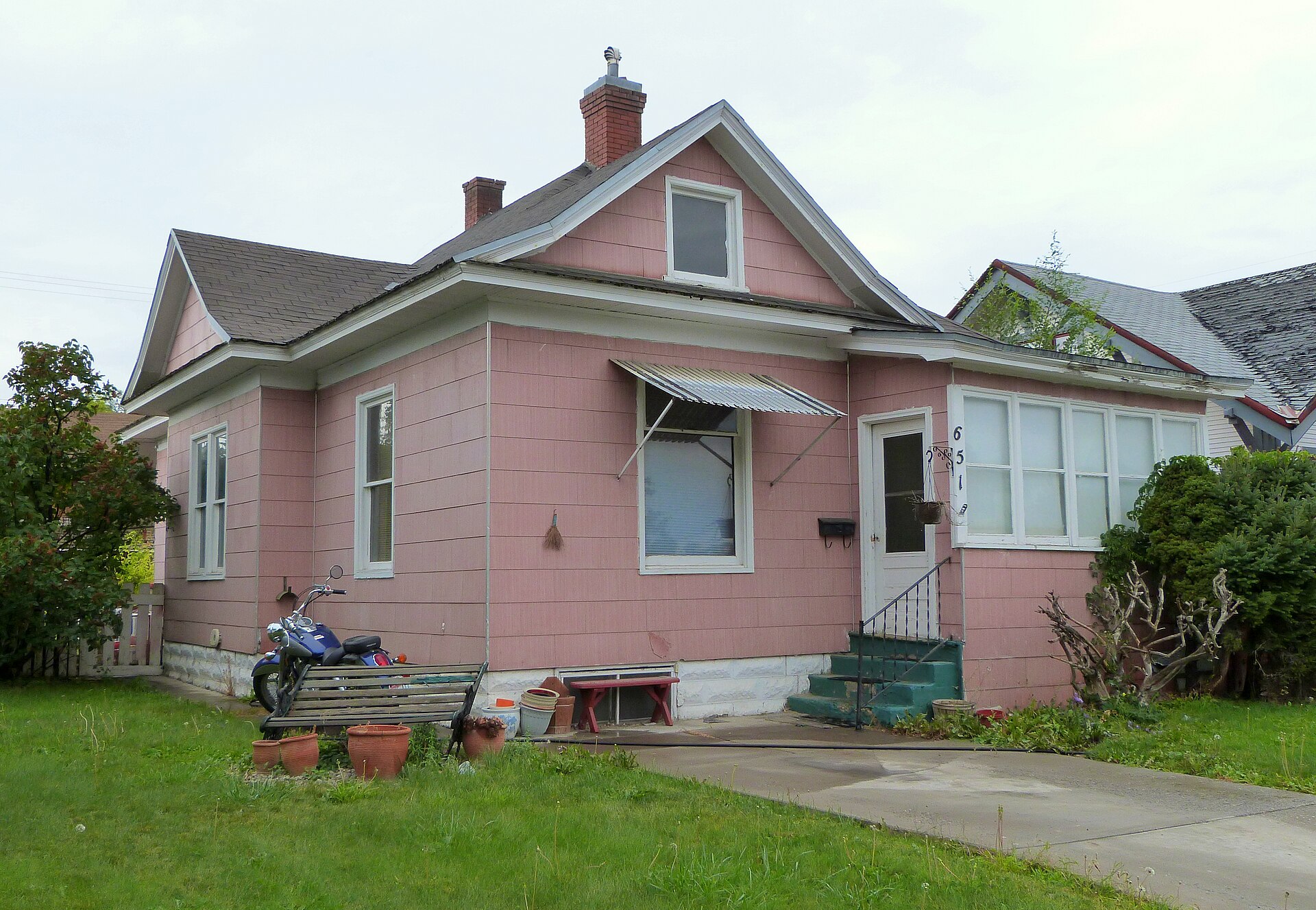

Title, covenants and HOA papers
What recording means for a buyer
Idaho Code 55-811, a rule that dates to the territorial laws of 1863, says a conveyance that is acknowledged, certified and "recorded as prescribed by law" is, from the time it is filed with the county recorder, "constructive notice of the contents thereof to subsequent purchasers and mortgag(e)es."27 Constructive notice means the law treats a buyer as knowing what the public record says, whether or not the buyer ever read it. Covenants, conditions and restrictions (CC&Rs) recorded against a subdivision, easements for canals and utilities, a recorded consent to annex, and liens all fall in that category. A title commitment from a title company lists the recorded items it finds as "exceptions" to the coverage it offers; the recorded documents themselves sit in the county recorder's index.
Part B lesson 06 explains how a plat and its CC&Rs get recorded when a subdivision is approved (Subdivisions and Plats Step by Step). Lesson 07 of this course explains how an HOA is born from those papers and who controls it (How HOAs Are Born and Who Controls Them).
HOA documents before closing
The Homeowner's Association Act (Idaho Code Title 55, Chapter 32) gives a member, and the member's agent, specific rights to financial information. A seller is still a member until closing, so these are the rights a seller or the seller's agent can use to get numbers for a buyer:6
| What | Deadline | Cost | Idaho Code 55-3205 |
|---|---|---|---|
| Statement of the member's assessment account: all outstanding assessments, charges and fees, including late fees, interest and any transfer fee; plus the amount of any transfer fee that may be charged on a transfer | No more than 5 business days after a written request is received by the manager, president, a board member or other agent | Free; charging a fee violates the Idaho Consumer Protection Act | Subsection (1); the HOA "will be bound by the amounts set forth" |
| Transfer fee | Only if the CC&Rs expressly authorize it | Charged only by the HOA; no part may go to a third party, a board member, agent or manager | Subsection (2) |
| Annual disclosure of fees that will be charged to members | On or before Jan. 1 each year | Fees for the next calendar year may not exceed the disclosure; no surcharge on a transfer | Subsection (2) |
| Updated financial disclosure on request | No more than 10 business days after the request is received | Not stated | Subsection (3) |
| Reconciled financial disclosure for the fiscal year | Within 60 days after the fiscal year closes, to all members | Not stated | Subsection (4) |
| Other records and reports | As the Idaho Nonprofit Corporation Act requires | As that act allows | Subsection (5), pointing to Title 30, Chapter 30, part 11 |
Section 55-3205 was added in 2022 (2022 Session Laws, chapter 323) and amended in 2023, 2024 and 2025 (chapters 247, 162 and 204).6 The statute does not require an HOA to hand a buyer, who is not yet a member, the CC&Rs, bylaws, rules, minutes or reserve information; those come from the recorder's office (for recorded CC&Rs and amendments), from the seller, or by agreement in the purchase contract. Lesson 08 covers dues, fines, liens and rental limits after the purchase (Living in an HOA), and lesson 05 covers short-term rental rules and HOAs (Short-Term Rentals After HB 583).
What an HOA buyer's file usually holds
- Recorded declaration of CC&Rs and every recorded amendment, from the county recorder's index for the subdivision name and the declarant's name. The plat itself often carries notes on easements, irrigation and drainage.
- Articles of incorporation and annual reports of the association, from the Idaho Secretary of State's business entity search, if the HOA is incorporated (many are nonprofit corporations; some are unincorporated, which 55-3204 recognizes).28
- Statement of the assessment account and the transfer fee, under 55-3205(1), within five business days.
- The annual fee disclosure for the current year (55-3205(2)) and the latest reconciled financial disclosure (55-3205(4)).
- Bylaws, rules and architectural guidelines, which are usually not recorded and come from the seller or the association.
- Any pending special assessment, litigation or rule change the seller knows about, which falls under question 9 of the state disclosure form ("Any other problems, including legal").
Water for the house: city systems and wells
The first question about any rural or edge-of-town lot is where the water comes from. Question 5 of the disclosure form asks the seller to name problems with the well and its type.3 The water module on this site explains how Idaho water rights work; lesson 05 there covers domestic wells in depth (Domestic Wells and Exempt Uses). This section covers what a buyer can check.
The domestic exemption
Most single-home wells in Idaho do not need a water right permit. Idaho Code 42-227(1) says wells "for domestic purposes or uses as defined in section 42-111" are not subject to the permit requirement, and "Rights to ground water for such domestic purposes may be acquired by withdrawal and use."10 Section 42-111 defines domestic use as water for homes, livestock and related purposes, "including irrigation of up to one-half (1/2) acre of land, if the total use does not exceed thirteen thousand (13,000) gallons per day," or any other use up to "two and eight-tenths (2.8) acre feet per year."29
Section 42-111 excludes some developments from the definition unless they stay under the 2.8 acre-foot volume: mobile home parks and RV parks; "Apartments, condominiums, and similar developments with multiple dwelling units"; subdivisions (with an exception for shared in-home use); and mostly commercial uses. It defines a subdivision for this purpose as land divided into five or more lots, not counting a bona fide agricultural division into lots of five acres or larger.29
The 2025 and 2026 well laws
Senate Bill 1083 (2025) was the first change in decades to how the domestic exemption works in new subdivisions. Its statement of purpose lists Sen. Kelly Anthon and Rep. Mike Moyle as contacts. It passed the Senate 32 to 1 (two absent) with Sen. Anthon as floor sponsor and the House 63 to 2 (five absent) with Rep. Pickett as floor sponsor, was signed by Gov. Brad Little on March 19, 2025, and took effect July 1, 2025, as 2025 Idaho Session Laws chapter 129.11 The statement of purpose says the bill did four things: it let multiple exempt domestic uses be combined into a single well "only" for in-home use; it limited the exemption in new subdivisions inside ground water management areas, critical ground water areas and moratorium areas to "in-home or stockwatering purposes," so that "All other uses, including irrigation, will require an Application for Permit"; it created a streamlined compliance process (Idaho Code 42-1701B); and it rewrote 31-3805 so community wells near cities fit the city system and surface water is used for irrigation when available.30
Senate Bill 1222 (2026) cleaned up the 2025 law. Its statement of purpose, with Sen. Anthon as contact, says it defines "subdivision" for these sections as a development with five lots and clarifies that the new limits in 42-227(4) and the 31-3805 changes "apply only to subdivisions with final applications filed on or after July 1, 2025." It passed the Senate 29 to 0 (six absent) and the House 69 to 0 (one absent), was signed Feb. 17, 2026, and took effect the same day as 2026 Session Laws chapter 2.12
As amended, 42-227(4) reads: for new diversions in subdivisions whose completed application is filed under the Local Land Use Planning Act "on or after July 1, 2025, in any area where the director of the department of water resources has issued a moratorium order on the development of new water rights or has designated a critical ground water area or ground water management area, a permit pursuant to section 42-229, Idaho Code, shall be required for the diversion of water for any new domestic purposes or uses ... other than for in-home uses ... or watering livestock."10
For a buyer, this creates three questions. Is the lot in a subdivision of five or more lots? When was the subdivision's completed application filed? Is the land inside a moratorium area, a critical ground water area or a ground water management area designated by the director of the Idaho Department of Water Resources (IDWR)? Much of the Magic Valley sits over the Eastern Snake Plain Aquifer, where IDWR has issued ground water management orders; the water module covers curtailment and those orders (Eastern Snake Plain Aquifer, Curtailment and Settlements). A buyer of an existing house on an older lot is not affected by 42-227(4), which applies to "new diversions."
Well records a buyer can check
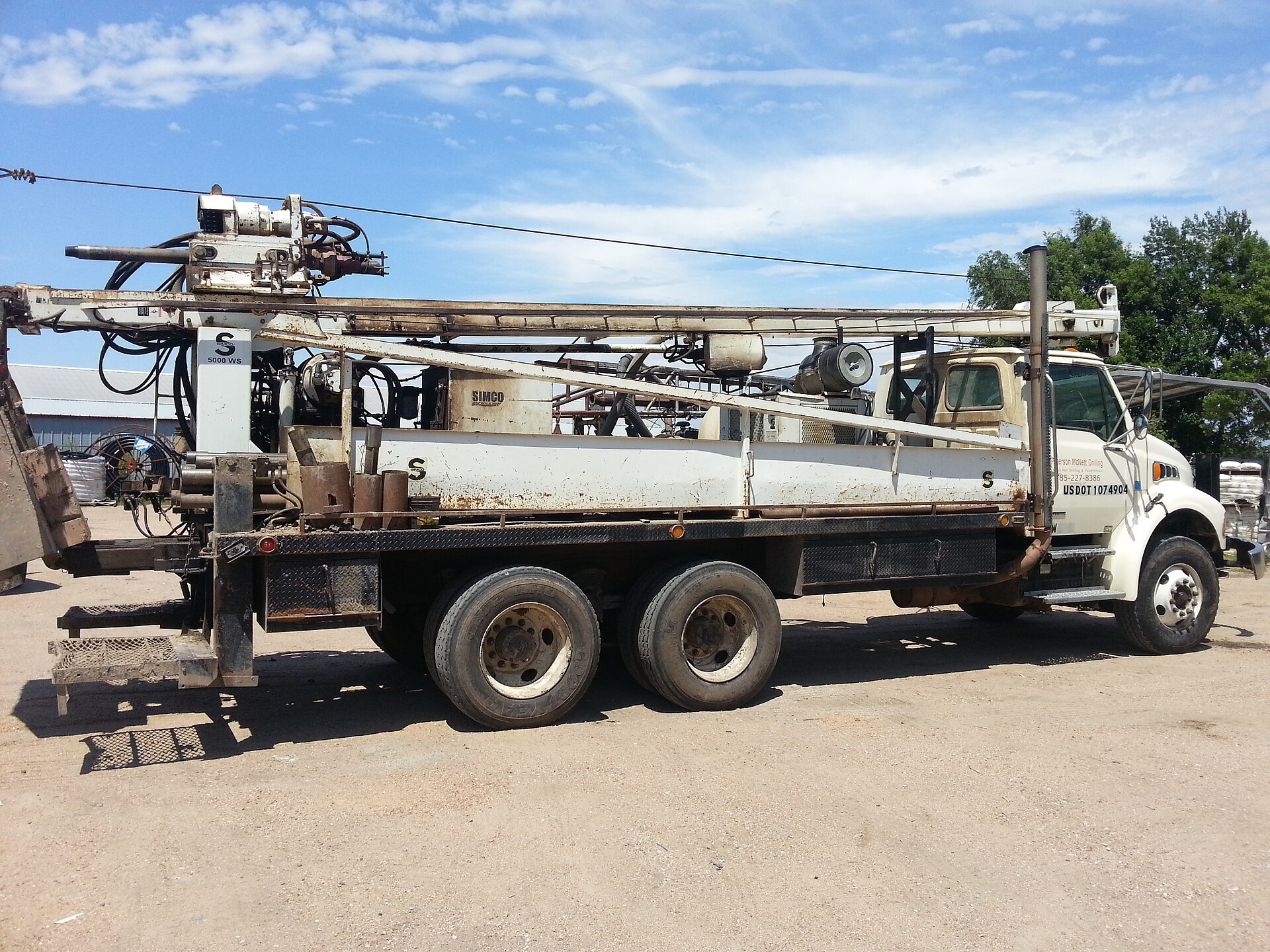
Every new well, and every change to a well's construction, needs a drilling permit from the director of IDWR before work begins. Section 42-235 sets the fee at $75 for a domestic or monitoring well and $200 for other wells, and makes drilling without a permit a misdemeanor.31 Well drillers must be licensed (42-227(3), pointing to 42-238), and domestic wells "shall be subject to inspection by the department of water resources and the department of environmental quality" (42-227(2)).10 A permit and the driller's well log, when they exist, show the well's depth, casing and the water level found when it was drilled. IDWR posts well permits and well logs in online search tools; older wells may have no log on file.
No Idaho statute requires a seller to test well water before a sale. The state disclosure form asks only about known "problems" with the well.3 Lenders and the purchase contract may require testing; the law itself does not.

Septic systems
Homes outside city sewer service use individual subsurface sewage disposal systems, usually a septic tank and a drainfield. The Idaho Department of Environmental Quality's rules, IDAPA 58.01.03, say no person may "modify, repair or expand or install any individual or subsurface sewage disposal system within the state of Idaho unless there is a valid installation permit authorizing that activity," with listed exceptions.32 Idaho's public health districts handle these permits locally; the rules refer to the health district finalizing the installation permit. In the Magic Valley that office is the South Central Public Health District; in the Treasure Valley, Central District Health (Ada County) and Southwest District Health (Canyon County).
The rules make every owner of real property "jointly and individually responsible" for storing, treating and disposing of the sewage generated on that property and for connecting every plumbing fixture to an approved system.32 A buyer inherits that responsibility at closing. The rules also set minimum distances from a septic tank to features of concern. The drainfield (also called a leachfield or soil absorption system) has its own separation rules in the same chapter.
| Feature of concern | Minimum distance to a septic tank (feet) |
|---|---|
| Well, spring or suction line serving a public water system | 100 |
| Well, spring or suction line, other (such as a private domestic well) | 50 |
| Water distribution line, public water system | 25 |
| Water distribution line, other | 10 |
| Permanent or intermittent surface water (such as a canal or creek) | 50 |
| Temporary surface water | 25 |
| Downslope cut or scarp | 10 |
| Dwelling foundation or building | 5 |
| Property line | 5 |
| Seasonal high water level, measured vertically from the top of the tank | 2 |
Source: IDAPA 58.01.03, section 008, septic tank separation table, as posted Nov. 19, 2026.32
A septic permit file at the health district usually holds the site evaluation, the permit, the system's design and its final inspection. Those files are public records of a public agency, subject to the Idaho Public Records Act (Idaho Public Records Requests). Like wells, Idaho has no statewide rule requiring a septic inspection when a house is sold; question 5 on the form asks only about known problems and the system type.3
Irrigation water and the irrigation district
Many houses on former farmland in the Treasure Valley and Magic Valley still sit inside an irrigation district's boundaries, or receive water from a canal company or a lateral ditch association. The lot may have a share of surface water delivered through a pressure irrigation system (a separate set of pipes and pumps that carries untreated canal water to lawns), or through an open ditch. The water module covers how these entities work (Irrigation Districts, Canal Companies and Ditch Rights). Here is what a buyer inherits.
Surface water in new subdivisions
Idaho Code 67-6537 requires anyone "proposing to make land use changes" to use surface water, "where reasonably available, as the primary water source for irrigation."33 Section 31-3805, rewritten by SB 1083 (2025) and amended by SB 1222 (2026), says no plat will be approved and recorded unless the owner has provided for irrigation of the lots using available surface water.34 For a subdivision served by an irrigation entity, 31-3805(5) requires notes on the plat stating:
- that the subdivision or part of it lies within the irrigation entity's service area, with the entity's name and contact information;
- that a delivery system to the lots has been provided and approved;
- "That the purchaser of each lot shall remain subject to all assessments levied by the irrigation entity"; and
- "That unpaid irrigation entity assessments are a lien on the land within the irrigation entity."
These plat notes apply to subdivisions with completed applications filed after June 30, 2025; the statute says an application "filed on or before June 30, 2025, is governed by the law as it existed at the time of filing."34 Older plats may carry similar notes under the law of their time, but a buyer cannot assume so.
Assessments and liens
An irrigation district is a local government that levies assessments on the land inside it, much like a property tax. Its lien rules are strong:
- When the lien attaches: "All assessments shall be liens against the property assessed from and after the first Monday in March of any year" (43-706(1)).7
- Priority: "Assessment liens shall be a first lien on the property assessed and shall be superior to the lien of any mortgage or deed of trust, whether prior in time or not" (43-706(2)). That sentence came from Senate Bill 1082 (2025), whose statement of purpose (contact: Paul Arrington) says it aligns 43-706 with sections 42-906, 42-2201 and 42-5240, "which all place water delivery liens in a first priority position." It passed the Senate 34 to 0 (one absent) and the House 66 to 0 (four absent), was signed March 21, 2025, and took effect July 1, 2025, as 2025 Session Laws chapter 148.78
- Buyers take subject to unpaid assessments: "Upon any sale of the property, the purchaser at such sale shall take the property subject to any annual assessment of the district that remains unpaid at the time of the sale" (43-706(4)).7
- When assessments go delinquent: the district treasurer publishes notice that assessments "will become delinquent if not postmarked by or received by five o'clock p.m. on the twentieth day of December," moved to the next Monday if Dec. 20 falls on a weekend (43-707). Districts with certain repayment contracts with the United States are excepted from that schedule.9
- Penalty and interest: delinquent assessments carry a penalty of 2 percent of the unpaid amount and interest of 1 percent per month from Jan. 1, and are entered on the roll in January (for land where half or more is unpaid) and July (for the second half) (43-708).35
- Small lots: for residential tracts of one acre or less, the board may charge a flat rate, set by dividing the total assessable against those tracts by their number, with the maximum lot size for the flat rate set anywhere from one-fourth acre to one acre (43-701B).36
The assessment is separate from any city or HOA fee for running a pressure irrigation system inside a subdivision. A buyer in a newer subdivision can owe an irrigation district assessment (on the county tax notice or billed by the district), plus an HOA or city charge for the pressure system. Which entities bill a given lot is a fact about that lot and its plat; this lesson does not have a statewide list.
How we figured it: a delinquent assessment
A sample, using the statute's numbers and a made-up assessment. Suppose a district levies $120 on a quarter-acre lot for 2026, and the owner pays nothing by 5 p.m. Monday, Dec. 21, 2026 (Dec. 20, 2026 is a Sunday, so 43-707 moves the deadline to Monday). Under 43-708 the penalty is 2 percent of the unpaid amount: $120 x 0.02 = $2.40, for $122.40. Interest runs at 1 percent per month from Jan. 1, 2027. If a buyer closes on July 1, 2027, six months later, interest is $120 x 0.01 x 6 = $7.20 (assuming the 1 percent is figured on the $120 assessment, which is how we read "interest on the amount of such delinquent assessments"). Total: $120 + $2.40 + $7.20 = $129.60, and under 43-706(4) the buyer takes the land subject to the unpaid assessment.
Inputs: Idaho Code 43-706, 43-707, 43-708 as read Nov. 19, 2026; the $120 assessment and the dates are hypothetical. Method: simple interest, whole months. A district's actual charges, costs and redemption amounts may differ; the district treasurer's statement is the record.

Canals, ditches and easements on the lot
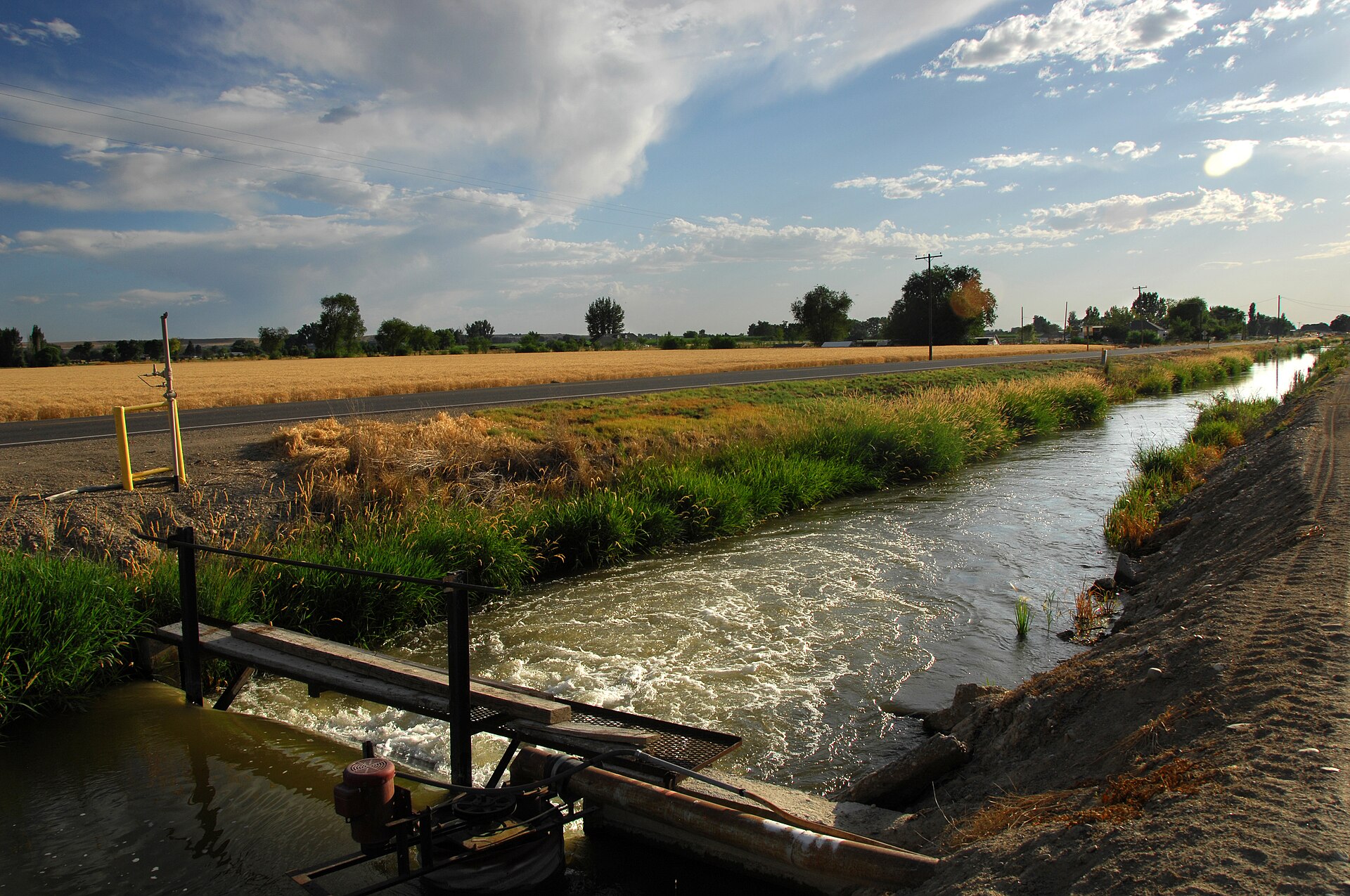
A ditch along a back fence is one of the most common surprises for newcomers to irrigated Idaho. Idaho Code 42-1102, which traces to an 1881 territorial law, gives the owners of ditches, canals, laterals, drains and other conduits a right-of-way across other people's land. The landowner whose property the ditch crosses is called the servient estate owner. Senate Bill 1304 (2026) amended the section again; its revised statement of purpose (contacts: Paul Arrington of the Idaho Water Users Association and Sen. Van Burtenshaw) says it "clarifies that the rights of an irrigation easement extend to structure on the ditches (including headgates, check boxes, etc.)" and that "the ditch owner is not required to obtain written permission from the underlying landowner." It passed the Senate 29 to 5 (one absent) and the House 45 to 25, was signed March 24, 2026, and took effect July 1, 2026, as 2026 Session Laws chapter 109.1314
As amended, 42-1102 says:13
- The right-of-way includes the right to enter to access, inspect, operate, clean, maintain and repair the ditch and its embankments and structures, and to occupy the width "necessary to properly perform such work" with the equipment commonly used (subsection (2)(a)).
- The ditch owner may remove debris, soil and vegetation and may deposit the material within the right-of-way (2)(b).
- The ditch owner may occupy the right-of-way "during any season of the year" to do that work "without prior notice to the owner or occupant of the land" (2)(c).
- The ditch owner may build, modify or relocate headgates, measuring devices, roads, fences and gates in the right-of-way (2)(d), and "is not obligated to maintain or control the right-of-way or vegetation for the benefit of" the landowners (2)(e).
- "A servient estate owner's permission shall not be required to exercise the rights described in this section" (2)(f).
- A landowner is "deemed to have notice" of the right-of-way if the landowner knows of the ditch or if the ditch or any feature of it "is visible or reasonably discoverable" (subsection (3)). For a buyer, that means a visible ditch is notice even if no easement was ever recorded.
- No one may place encroachments in the right-of-way, "including public or private roads, utilities, fences, gates, pipelines, structures, landscaping, trees, vegetation," without the ditch owner's written permission, which "shall not be unreasonably withheld" (subsection (4)). Encroachments placed without permission that "unreasonably or materially interfere" must be removed at the expense of whoever placed or allowed them, and the ditch owner may do the work and charge for it if the owner does not act in time (subsection (5)).
Section 42-1205 sets the same encroachment rule for easements of irrigation districts, Carey Act operating companies, nonprofit irrigation entities, lateral ditch associations and drainage districts.37 Section 42-1204 says those entities' easements and rights-of-way "are not subject to adverse possession," and no one may block their personnel's access; SB 1304 renumbered that section from 42-1208.38 Section 42-1203 lets the servient owner relocate or pipe a ditch on the owner's land at the owner's expense, if the change does not impede the flow or injure users and the pipe meets public works standards; operation and maintenance stay with the ditch owner, but the landowner and later owners are responsible for "any increased operation and maintenance costs."39 A buyer of a lot where a prior owner piped a ditch inherits that cost responsibility.
A companion bill, Senate Bill 1307 (2026), added Idaho Code 42-1210, which makes a person who, without consent, wrongfully diverts water, opens or shuts a gate to take water without a right, cuts or alters a ditch, or breaks a gate or diversion structure liable "at three (3) times the actual damage sustained." It passed the Senate 34 to 0 (one absent) and the House 60 to 10, was signed March 24, 2026, and took effect July 1, 2026, as 2026 Session Laws chapter 112.4041
Farms and dairies next door
Part B lesson 10 explains the Right to Farm Act, the 2025 penalties for repeat complaints, and how counties site large dairies and feedlots, with Jerome and Gooding county examples (Right to Farm Act and CAFO siting in the Magic Valley). The water module covers agricultural zoning in counties (Agricultural Land in County Zoning and Right to Farm). This section only lists what a buyer needs to know from the statutes.
- The one-year rule. Idaho Code 22-4503: "No agricultural operation, agricultural facility or expansion thereof shall be or become a nuisance, private or public, by any changed conditions in or about the surrounding nonagricultural activities after it has been in operation for more than one (1) year, when the operation, facility or expansion was not a nuisance at the time it began or was constructed." The exception is "improper or negligent operation."15
- What counts as farming. Section 22-4502 lists, among other things, applying pesticides and herbicides; raising and feeding "livestock, dairy animals, swine," poultry and other animals and handling "animal waste, animal compost"; transporting products; and "Noise, odors, dust, fumes, light and other conditions associated with an agricultural operation."42
- Permits and practices. Section 22-4505(2) says an operation run "in accordance with generally recognized agricultural practices or in compliance with a state or federally issued permit shall not be found to be a public or private nuisance," again except for improper or negligent operation.43
- Fees and fines. A farm that wins a nuisance suit because it operated within the chapter gets its "reasonable attorney's fees and costs" from the losing party (22-4505(3)). A second "meritless complaint" against the same operation within two years to the Idaho State Department of Agriculture, DEQ, the Department of Lands or a law enforcement agency is an infraction with a $150 fine, a third is $300, and a fourth or later is a misdemeanor (22-4505(4), amended by 2025 Session Laws chapter 147).43
- County siting hearings. Idaho Code 67-6529(2) requires each county to regulate the siting of large confined animal feeding operations and to hold at least one public hearing on each proposed site; "Only members of the public with their primary residence within a one (1) mile radius of a proposed site may provide comment at the hearing," though the board may widen that distance.44 A buyer who wants to know what has been approved near a lot can look for those hearing records at the county planning office.
The one-year rule is about time, not distance. It protects an operation that predates the neighbors' change in conditions. A house built next to a dairy in 2026 arrives after the dairy for purposes of the act. The act does not protect operations that were a nuisance when they began, or that are run improperly or negligently; whether either is true in a given place is a question for a court.
Flood, wildfire and radon
Flood zones
The Federal Emergency Management Agency (FEMA) publishes flood insurance rate maps through its Flood Map Service Center, searchable by address.45 Federal law ties the maps to lending. Under 42 U.S.C. 4012a(b), federal regulators must direct regulated lenders not to "make, increase, extend, or renew any loan secured by improved real estate or a mobile home" located in an area FEMA has identified "as an area having special flood hazards," in a community where flood insurance is available, unless the building is covered by flood insurance for the term of the loan in at least the outstanding principal balance or the maximum coverage available, whichever is less.46 The Idaho disclosure form does not ask about flood zones directly; its question 5 asks about "Basement water" and "Drainage."3 Canals themselves are not always shown as flood sources on FEMA maps, and a map shows modeled risk, not every flood that has happened.
Wildfire risk
Idaho's seller disclosure form does not mention wildfire. Wildfire risk for a specific address comes from federal and state hazard maps and from the local fire district, not from the seller's form. Many homes at the edge of Boise, Eagle, Star and the mountain resort towns sit where houses meet wildland vegetation. Insurance availability and price are set by private insurers under Idaho Department of Insurance oversight; this lesson does not cover insurance pricing.
Radon
Radon is a colorless, odorless radioactive gas that comes from the breakdown of uranium in soil and rock. The Idaho Department of Health and Welfare says 2 out of 5 Idaho homes have high radon levels, and that levels above the EPA guideline of 4.0 picocuries per liter "should be mitigated." The department offers free test kits, "One per address every two years," when in stock.47 EPA's Map of Radon Zones, made in 1993, identifies areas with potential for high indoor radon, and EPA says the map "should not be used to determine if individual homes need to be tested."48 Idaho's disclosure form asks about "hazardous materials," which a seller may or may not read to include a known radon test result.3
Taxes, annexation and the future next door
Three things about a lot are set by governments, not by the seller, and Part B covers each in depth.
- Property taxes. A home's tax bill depends on the assessed value, the homeowner's exemption if the buyer lives there, and the combined levy of every taxing district that covers the lot, including school districts, highway districts, fire districts and sometimes an urban renewal district. Part B shows how to read an assessment notice and a levy (Reading Your Assessment and Levy) and how property tax law changed (Property Tax History).
- Annexation. The disclosure form's first three questions exist because annexation can bring city taxes and city zoning. Part B explains how it works (Annexation Fights).
- Impact fees and future zoning. Impact fees are paid when a building permit is issued, usually by the builder, and are folded into the price. Part B explains who pays them and how urban renewal works (Impact Fees and Urban Renewal). The field next door is governed by its current zoning and the city or county long-range plan's future land use map; Part B explains how those change (State Preemption and Local Control and The 2026 Housing Laws).
Water supply also ties into schools and roads in fast-growing places; Part A covers that pressure (Water, Schools and Roads).
A buyer's records checklist, step by step
The steps below list public and private records that exist for most Idaho homes, the office that holds each one, and the law behind it. They describe where information lives; they are not advice about any purchase.
- Seller disclosure form. Due within 10 days after the seller accepts the offer, unless an exemption applies (55-2505, 55-2509). Note the date the buyer or the buyer's agent received it: the three-business-day rescission window runs from that date (55-2515).
- Title commitment and recorded documents. From the title company and the county recorder: deeds, CC&Rs and amendments, easements, recorded consents to annex, and liens. Recording is constructive notice (55-811).
- The plat. From the county recorder or the city or county planning office. Look for notes on irrigation, drainage, easements, building setbacks and, for newer plats, the irrigation entity's name and the assessment lien statement (31-3805(5)).
- HOA account statement and fee disclosure. From the HOA, free, within five business days of a written request by the member or the member's agent (55-3205(1)); the annual fee disclosure and the latest reconciled financial disclosure (55-3205(2) and (4)). Lessons 07 and 08 cover what the rest of the HOA file means.
- Irrigation district or canal company. Which entity serves the lot, the current assessment, whether anything is delinquent (delinquent after Dec. 20 under 43-707), and any pressure irrigation charges. The assessment is a first lien (43-706).
- Well records. From IDWR: the drilling permit and well log, if any (42-235). For a new well in a new subdivision, whether 42-227(4) requires a water right permit.
- Septic permit file. From the public health district: the permit, design and final inspection (IDAPA 58.01.03).
- Flood map. From FEMA's Flood Map Service Center, by address. A special flood hazard area means a federally regulated lender will require flood insurance (42 U.S.C. 4012a).
- Radon. A test result, if the seller has one; Idaho Health and Welfare's free kit program and certified testers list exist.
- Neighbors' land. County or city zoning maps, the long-range plan's future land use map, pending applications and hearing notices. For large dairies and feedlots, the county's siting hearing records (67-6529).
- Taxes. The county assessor's record for the parcel and the treasurer's tax bill, including any special assessments collected with the taxes.
- Lead paint, for homes built before 1978. The seller's federal disclosure and the 10-day inspection opportunity, unless changed or waived in writing (40 CFR 745.110).
Manufactured homes and new construction
The disclosure act covers residential real property. A manufactured home in a rented-lot park is a different transaction: the buyer buys the home and rents the land under the park's rules. Lesson 06 covers the Manufactured Home Residency Act (Mobile and Manufactured Home Parks). Whether a given manufactured home is titled as a vehicle or as real property is a separate question that lesson covers.
For new construction, the disclosure act's exemption 12 means the first buyer's protection comes mostly from the purchase contract, any builder warranty, the building permit and inspection file at the city or county, and the recorded plat and CC&Rs. Part E of this series, coming later, covers permits, inspectors and construction quality.
Pictures, Numbers and Infographics
| Measure or rule | Idaho | U.S. or other states | Place or year | Source |
|---|---|---|---|---|
| Seller delivers disclosure form | Within 10 days after accepting the offer | Washington: 5 business days after mutual acceptance | Idaho since 1994; Washington RCW 64.06.030 | 55-250923; RCW5 |
| Buyer may rescind after receiving form | 3 business days, specific objection required | Washington: 3 business days, buyer's sole discretion | Current law | 55-25154; RCW5 |
| Exemptions from Idaho's disclosure act | 16 categories | Not compared | 55-2505 as amended 2002 | 2 |
| Lead paint inspection opportunity, homes built before 1978 | Federal rule applies | 10 days, all states, unless changed or waived in writing | Federal | 40 CFR 745.11026 |
| HOA account statement | 5 business days, free | Not compared | 55-3205 (2022, amended 2023 to 2025) | 6 |
| HOA reconciled financial disclosure | Within 60 days after fiscal year ends | Not compared | 55-3205(4) | 6 |
| Domestic well limit | 13,000 gallons a day with up to 1/2 acre irrigated, or 2.8 acre-feet a year | Not compared | 42-111 | 29 |
| Well drilling permit fee | $75 domestic or monitoring; $200 other | Not compared | 42-235 (last amended 1998) | 31 |
| Subdivision wells needing a permit for irrigation | Applications filed on or after July 1, 2025, in moratorium, critical or management areas | Not compared | SB 1083 (2025), SB 1222 (2026) | 1012 |
| Septic tank to private well | 50 feet minimum (100 to a public water system well) | Not compared | IDAPA 58.01.03 | 32 |
| Irrigation assessment lien priority | First lien, ahead of any mortgage | Not compared | SB 1082 (2025), effective July 1, 2025 | 78 |
| Irrigation assessment delinquency | 5 p.m. Dec. 20; 2% penalty; 1% a month interest from Jan. 1 | Not compared | 43-707, 43-708 | 935 |
| Right to Farm protection | After more than 1 year of operation | Not compared | 22-4503 (1981, amended 1999 and 2011) | 15 |
| Repeat meritless farm complaints | $150 (2nd), $300 (3rd), misdemeanor (4th) within 2 years | Not compared | 22-4505, amended 2025 | 43 |
| Who may speak at a CAFO siting hearing | Residents within 1 mile, unless the board widens it | Not compared | 67-6529(2) | 44 |
| Homes with high radon | 2 out of 5 (state estimate) | EPA guideline 4.0 pCi/L | Idaho Health and Welfare, read 2026 | 47 |
| Votes on 2026 ditch easement bill SB 1304 | Senate 29 to 5; House 45 to 25 | Not applicable | Signed March 24, 2026 | 14 |

Common mistakes
Assuming a new home comes with the full disclosure form
Exemption 12 in 55-2505 removes newly built, never-occupied homes from the act, except for the annexation questions. In a fast-growing area a large share of sales are new homes, so many buyers never receive the form the act describes.2
Treating the three-day window as a free exit
Idaho's rescission right is narrower than Washington's. It runs for three business days from receipt of the form, applies to a buyer who has already signed the agreement, and "must be based on a specific objection to a disclosure in the disclosure statement" named in the notice. Missing the window waives the right.45
Reading the form as a warranty
The statute requires every form to say it "is not a warranty of any kind" and "is not a substitute for any inspections," and it shields sellers from errors outside their personal knowledge or based on timely public agency information.2021
Assuming a ditch has no rights if no easement is recorded
Under 42-1102(3), a landowner is deemed to have notice of the ditch right-of-way if the ditch or any of its features "is visible or reasonably discoverable." The rights come from the statute, not only from a recorded document.13
Building a fence or planting trees along the canal without written permission
Fences, gates, landscaping, trees and structures in a ditch right-of-way require the ditch owner's written permission, and unpermitted encroachments that interfere can be removed at the owner's expense (42-1102(4) and (5); 42-1205). Time does not fix it: district and association easements are not subject to adverse possession (42-1204).133738
Assuming the mortgage comes first
Since July 1, 2025, irrigation district assessment liens are "superior to the lien of any mortgage or deed of trust, whether prior in time or not," and a buyer takes the land subject to unpaid annual assessments.7
Assuming any new well for a home is exempt
In new subdivisions of five or more lots with applications filed on or after July 1, 2025, in IDWR moratorium, critical ground water or ground water management areas, only in-home use and livestock watering are exempt; irrigation needs a water right permit (42-227(4)). And every new domestic well still needs a $75 drilling permit (42-235).1031
Assuming the newcomer can stop the farm's odors
The Right to Farm Act protects an operation that has run for more than one year and was not a nuisance when it began, unless it is run improperly or negligently, and it counts odors, dust, noise and light as part of the operation. Repeat meritless complaints carry fines.154243
Paying a fee for the HOA account statement
The account statement under 55-3205(1) is free by statute, and charging for it "is a violation of the Idaho consumer protection act."6
What we know, what we don't, and what the data can show
What we know
- Idaho requires most sellers of one-to-four-unit homes and individually owned condo units to complete a state disclosure form, with 16 exemptions, a 10-day delivery deadline and a three-business-day rescission right (Idaho Code 55-2501 to 55-2518).
- HOAs must provide a free account statement in five business days and an annual fee disclosure by Jan. 1 (55-3205).
- The 2025 and 2026 sessions changed the rules a buyer of irrigated or well-served land meets: irrigation assessment liens moved ahead of mortgages (SB 1082, 2025), subdivision wells in management areas need permits for irrigation (SB 1083, 2025; SB 1222, 2026), ditch owners' easement rights were widened (SB 1304, 2026), and wrongful interference with ditches now carries triple damages (SB 1307, 2026).
What we don't know
- How many Idaho home sales each year are exempt from the disclosure act (new construction, foreclosures, estates). No agency counts them.
- How often buyers rescind under 55-2515, or how often sellers are sued under 55-2517. Rescissions are private, and lawsuits are scattered across district court files.
- How many Idaho homes sit inside irrigation districts, or how many lots are in subdivisions affected by 42-227(4). No single public list ties parcels to irrigation entities statewide.
- How many homes have private wells and septic systems that have never been tested or inspected since they were built.
What the data can show
- IDWR well permit and well log databases: new domestic wells by county and year, which shows where rural home building is happening, including Jerome, Gooding and Twin Falls counties.
- Public health district septic permit records: new septic installation permits by county and year, obtainable by public records request.
- County recorder indexes: recorded CC&Rs, consents to annex and irrigation district lien filings by year.
- Irrigation district assessment rolls and delinquency lists: under 43-710 and 43-711, districts prepare delinquency lists; these show how many parcels fall behind.
- FEMA flood maps and the National Flood Insurance Program's policy counts: how many structures in a county lie in special flood hazard areas.
- Idaho Health and Welfare radon test data by ZIP code: the department's Idaho radon map shows results by ZIP code.
- Idaho Code history lines and session laws: the dates and chapters of every amendment cited here.
Questions people ask
Does a for-sale-by-owner seller have to fill out the form?
Yes, if the property and the transfer are covered and no exemption applies. Section 55-2504 applies to "Any person who intends to transfer" covered property; it does not depend on whether a real estate agent is involved. Section 55-2518 says the chapter does not change real estate licensees' duties.119
Can a seller answer "unknown"?
The form covers conditions "actually known by the transferor," and 55-2512 addresses information that is "unknown or not available." The seller must complete "all applicable items" in good faith (55-2504, 55-2516). Answering "unknown" to something the seller knows would not be good faith; whether a given answer was is a fact question.11920
What happens if the form comes late or not at all?
The sale is not invalid "solely because" of noncompliance, but a seller who willfully or negligently fails a duty is liable for the buyer's actual damages (55-2517). If the form arrives after the agreement is signed, the three-business-day rescission window runs from receipt (55-2515).224
Can the irrigation district come onto my lot without asking?
For the ditch right-of-way, yes. Under 42-1102(2)(c) and (f), the ditch owner may occupy the right-of-way in any season to operate, clean and repair the ditch "without prior notice," and the landowner's permission "shall not be required."13
Can a lot owner pipe the ditch behind the house?
Section 42-1203 allows the landowner to relocate or pipe an irrigation conduit on the owner's land at the owner's expense, if the work does not impede the flow or injure users and meets public works standards. The owner and later owners then carry any increased operation and maintenance costs.39
Does a buyer owe the seller's unpaid irrigation assessment?
The statute says the buyer takes the property "subject to any annual assessment of the district that remains unpaid at the time of the sale" (43-706(4)). Who pays it between buyer and seller is set by the purchase contract and the closing statement; the lien stays on the land either way.7
Does Idaho require radon testing or disclosure?
No Idaho statute we found requires radon testing before a sale. The disclosure form asks about known "hazardous materials," and the state Health and Welfare department runs a testing program.347
Hard questions
Should new homes be exempt from the disclosure act?
For keeping the exemption: a builder selling a never-occupied home has no lived experience with leaks or drainage to report, the buyer can inspect a new home, and builder warranties and building permits exist. For narrowing it: in growing areas new homes are a large share of sales, and builders know facts about the site, such as fill, drainage, nearby canals and pending assessments, that a buyer cannot see. What the record shows: current law takes a middle path, requiring builders to answer the annexation questions only.23
Should irrigation assessments outrank mortgages?
For SB 1082: irrigation districts deliver water that keeps the land usable, and the statement of purpose says other water delivery liens already have first priority under 42-906, 42-2201 and 42-5240. Concerns: lenders and buyers must now check one more lien that can sit ahead of the mortgage. What the record shows: the bill passed both chambers without a no vote.8
How far should ditch owners' easement rights reach into backyards?
For SB 1304: ditch companies must reach headgates and banks quickly to keep water moving, and the Idaho Water Users Association said written permission from each landowner should not be required. Concerns: homeowners in subdivisions built along old canals now share their yards with crews and equipment that may arrive without notice. What the record shows: the House vote, 45 to 25, was far closer than on the other 2026 water bills.14
Should subdivision lawns run on exempt wells?
For SB 1083's limits: many exempt wells irrigating lawns in a subdivision can add up to a large draw from aquifers IDWR already manages, and 67-6537 already prefers surface water. Concerns: rural buyers and small developers face new permits and costs, and the 2026 cleanup bill was needed to say which subdivisions were covered. What the record shows: both bills passed with large margins; the 2025 fiscal note said IDWR staffing was "sufficient" for the added work.3012
For reporters and advocates
Records that exist: recorded plats, CC&Rs, consents to annex and liens at the county recorder; irrigation district assessment rolls, delinquency lists (43-710, 43-711) and board minutes (irrigation districts are public agencies); IDWR well permits, well logs and ground water management area orders; public health district septic permits; county CAFO siting hearing records under 67-6529; FEMA flood maps; legislative bill pages, statements of purpose, committee minutes and vote records for SB 1082, SB 1083, SB 1222, SB 1304 and SB 1307; district court files on iCourt for disclosure and easement suits (Idaho iCourt Portal). Lesson 12 of this course lays out a full housing records workflow (How to Report on Housing).
Public records requests: irrigation districts, health districts, cities and counties are subject to the Idaho Public Records Act in Idaho Code Title 74 (Idaho Public Records Requests). HOAs and canal companies are private, so their records are reached through member rights (55-3205) or court files, not public records requests.
Questions to ask officials: How many new domestic well permits did IDWR issue in this county this year, and how many in subdivisions under 42-227(4)? How many parcels are on the irrigation district's delinquency list, and what share are residential lots of an acre or less? How many septic permits did the health district issue, and how many repairs? Which subdivisions approved since July 1, 2025 carry the 31-3805 plat notes?
The Magic Valley angle: Jerome, Twin Falls and Gooding counties combine fast home building, large dairies, irrigation companies and wells over the Eastern Snake Plain Aquifer. The ground water management orders and the county CAFO siting records are the place to start.
Where to go next
- FEMA Flood Map Service Center: Free federal tool. Search an address to see the effective flood insurance rate map panel and any flood hazard zone. Useful for buyers, lenders, reporters and local officials.
- Idaho Department of Health and Welfare radon program: Free state program. Explains radon, posts an Idaho radon map by ZIP code, lists certified radon professionals and offers free test kits (one per address every two years) when in stock.
- Idaho Legislature statutes and bill search: Free. The official current text of Idaho Code with each section's history line; the session information pages hold bills, statements of purpose and votes.
- Idaho Department of Water Resources: Free state agency site with well permit and well log searches, water right lookups and ground water management area orders. Used by well owners, buyers and reporters.
- Idaho septic rules, IDAPA 58.01.03: Free. The state rules for septic systems that the public health districts apply when they issue permits.
- Water rights and ag land for residents (module 65 on this site): Free course on Idaho water rights, domestic wells, irrigation districts and Right to Farm, written for residents.
Still being checked (6 items)
These points could not be fully confirmed against a primary source when this lesson was written and fact checked in November 2026. The text above states each one as uncertain.
- The names and service areas of the public health districts (South Central Public Health District for the Magic Valley; Central District Health for Ada County; Southwest District Health for Canyon County) were not re-read on the districts' own sites today; their pages did not load in our downloads.
- Rep. Pickett's first name (House floor sponsor of SB 1083, 2025) is not given on the bill page; the lesson uses only the surname.
- Which 2002 amendment text (2002 Session Laws ch. 333) first added the annexation questions to the form; the lesson states only that 55-2505 and 55-2508 were amended that year.
- EPA radon zone designations for individual Idaho counties were not checked; the lesson uses only the Health and Welfare statewide estimate.
- No statewide count of homes in irrigation districts, homes on private wells or septic systems, or disclosure-exempt sales was found.
- Whether the 1 percent monthly interest in 43-708 is computed on the original assessment or the assessment plus penalty; the methods box states our reading.
Last verified November 19, 2026. General education, not legal, tax, financial or real estate advice; every figure names its source and year in the Notes and Sources below. Data is revised: check the newest release before relying on any number.
Notes
- Idaho Code 55-2504, Property condition disclosure required, added 1994 ch. 366, amended 1997 ch. 229 (read Nov. 19, 2026). Read it online. ↩
- Idaho Code 55-2505, Exemptions (16 listed), added 1994 ch. 366, amended 1997 ch. 229 and 2002 ch. 333 (read Nov. 19, 2026). Read it online. ↩
- Idaho Code 55-2508, Disclosure form (Seller Property Disclosure Form, questions 1 to 9), added 1994 ch. 366, amended 2002 ch. 333 (read Nov. 19, 2026). Read it online. ↩
- Idaho Code 55-2515, Rescission by transferee, added 1994 ch. 366, amended 1997 ch. 229 (read Nov. 19, 2026). Read it online. ↩
- Revised Code of Washington 64.06.030, Delivery of disclosure statement, buyer's options, time frame, Washington State Legislature (read Nov. 19, 2026). Read it online. ↩
- Idaho Code 55-3205, Disclosure of fees and financial disclosures, added 2022 ch. 323, amended 2023 ch. 247, 2024 ch. 162, 2025 ch. 204 (read Nov. 19, 2026). Read it online. ↩
- Idaho Code 43-706, Lien of assessment, amended 2025 ch. 148 (read Nov. 19, 2026). Read it online. ↩
- Senate Bill 1082 (2025), Irrigation district assessment liens: bill status page (Senate 34-0-1, House 66-0-4, signed March 21, 2025, Session Law Chapter 148, effective July 1, 2025) and Statement of Purpose RS31979 (read Nov. 19, 2026). Read it online. ↩
- Idaho Code 43-707, Payment of assessments, when delinquent (read Nov. 19, 2026). Read it online. ↩
- Idaho Code 42-227, Drilling and use of wells for domestic purposes excepted, amended 2025 ch. 129 and 2026 ch. 2 (read Nov. 19, 2026). Read it online. ↩
- Senate Bill 1083 (2025), Domestic water use: bill status page (Senate 32-1-2, floor sponsor Anthon; House 63-2-5, floor sponsor Pickett; signed March 19, 2025; Session Law Chapter 129; effective July 1, 2025) (read Nov. 19, 2026). Read it online. ↩
- Senate Bill 1222 (2026), Water, domestic use: bill status page (Senate 29-0-6, House 69-0-1, signed Feb. 17, 2026, Session Law Chapter 2, effective Feb. 17, 2026) and Statement of Purpose RS32962 (read Nov. 19, 2026). Read it online. ↩
- Idaho Code 42-1102, Owners of land, right to right-of-way, history from 1881, amended 2026 ch. 109 (read Nov. 19, 2026). Read it online. ↩
- Senate Bill 1304 (2026), Irrigation: bill status page (Senate 29-5-1, House 45-25-0, signed March 24, 2026, Session Law Chapter 109, effective July 1, 2026) and Revised Statement of Purpose RS33307 (read Nov. 19, 2026). Read it online. ↩
- Idaho Code 22-4503, Agricultural operation not a nuisance, exception, added 1981 ch. 177, amended 1999 and 2011 (read Nov. 19, 2026). Read it online. ↩
- Idaho Code Title 55, Chapter 25, Property Condition Disclosure Act, history lines of sections 55-2503 to 55-2517 (1994 Idaho Session Laws ch. 366; amendments 1997 ch. 229 and 2002 ch. 333) (read Nov. 19, 2026). Read it online. ↩
- Idaho Code 55-2503, Definitions (residential real property; seller), added 1994 ch. 366, amended 1997 ch. 229 (read Nov. 19, 2026). Read it online. ↩
- Idaho Code 55-2506, Disclosure information (read Nov. 19, 2026). Read it online. ↩
- Idaho Code Title 55, Chapter 25, section list: 55-2512 (information subsequently rendered inaccurate, required information unknown or not available), 55-2513 (amendment to form), 55-2514 (chapter does not relieve seller or agent of obligation to disclose other information), 55-2516 (good faith required), 55-2518 (duties of real estate licensees unchanged) (read Nov. 19, 2026). Read it online. ↩
- Idaho Code 55-2507, Mandatory required disclosure statements (read Nov. 19, 2026). Read it online. ↩
- Idaho Code 55-2511, Errors, inaccuracies or omissions, liability of transferor (read Nov. 19, 2026). Read it online. ↩
- Idaho Code 55-2517, Failure to comply (read Nov. 19, 2026). Read it online. ↩
- Idaho Code 55-2509, Delivery of disclosure form and acceptance (read Nov. 19, 2026). Read it online. ↩
- Idaho Code 55-2510, Delivery requirements (read Nov. 19, 2026). Read it online. ↩
- 42 U.S.C. 4852d, Disclosure of information concerning lead upon transfer of residential property (authority for 40 CFR Part 745, Subpart F) (read Nov. 19, 2026). Read it online. ↩
- 40 CFR 745.110, Opportunity to conduct an evaluation (10-day period for target housing), Electronic Code of Federal Regulations (read Nov. 19, 2026). Read it online. ↩
- Idaho Code 55-811, Record as notice, from 1863 territorial law (read Nov. 19, 2026). Read it online. ↩
- Idaho Code Title 55, Chapter 32, Homeowner's Association Act, section list including 55-3204 (administration of an incorporated or unincorporated homeowner's association) (read Nov. 19, 2026). Read it online. ↩
- Idaho Code 42-111, Domestic purposes defined (read Nov. 19, 2026). Read it online. ↩
- Senate Bill 1083 (2025), Statement of Purpose and Fiscal Note RS32278 (contacts Sen. Kelly Arthur Anthon and Rep. Mike Moyle) (read Nov. 19, 2026). Read it online. ↩
- Idaho Code 42-235, Drilling permits, amended through 1998 (read Nov. 19, 2026). Read it online. ↩
- IDAPA 58.01.03, Individual/Subsurface Sewage Disposal Rules and Rules for Cleaning of Septic Tanks, Idaho Department of Environmental Quality, sections 004, 005 and 008 (septic tank separation table) (read Nov. 19, 2026). Read it online. ↩
- Idaho Code 67-6537, Use of surface and ground water (read Nov. 19, 2026). Read it online. ↩
- Idaho Code 31-3805, Delivery of water within subdivisions, added 2025 ch. 129, amended 2026 ch. 2 (read Nov. 19, 2026). Read it online. ↩
- Idaho Code 43-708, Delinquent assessments, entry on roll, penalties (read Nov. 19, 2026). Read it online. ↩
- Idaho Code 43-701B, Flat rate assessments for tracts of one acre or less (read Nov. 19, 2026). Read it online. ↩
- Idaho Code 42-1205, Encroachments on easements and rights-of-way (read Nov. 19, 2026). Read it online. ↩
- Idaho Code 42-1204, Easements, rights-of-way and other real property not subject to adverse possession, formerly 42-1208, amended and redesignated 2026 ch. 109 (read Nov. 19, 2026). Read it online. ↩
- Idaho Code 42-1203, Relocation and piping of irrigation conveyance facilities and drainage facilities (read Nov. 19, 2026). Read it online. ↩
- Idaho Code 42-1210, Injuring ditch or headgate, triple damages, added 2026 ch. 112 (read Nov. 19, 2026). Read it online. ↩
- Senate Bill 1307 (2026), Delivery of water: bill status page (Senate 34-0-1, House 60-10-0, signed March 24, 2026, Session Law Chapter 112, effective July 1, 2026) (read Nov. 19, 2026). Read it online. ↩
- Idaho Code 22-4502, Definitions (agricultural facility, agricultural operation) (read Nov. 19, 2026). Read it online. ↩
- Idaho Code 22-4505, Nuisance actions, added 2011 ch. 229, amended 2025 ch. 147 (read Nov. 19, 2026). Read it online. ↩
- Idaho Code 67-6529, Applicability to agricultural land, counties may regulate siting of certain animal operations (read Nov. 19, 2026). Read it online. ↩
- FEMA Flood Map Service Center, Federal Emergency Management Agency (read Nov. 19, 2026). Read it online. ↩
- 42 U.S.C. 4012a(b), Flood insurance purchase and compliance requirements, requirement for mortgage loans (read Nov. 19, 2026). Read it online. ↩
- Idaho Department of Health and Welfare, Radon page (2 out of 5 Idaho homes with high radon; EPA guideline 4.0 pCi/L; free test kits) (read Nov. 19, 2026). Read it online. ↩
- U.S. Environmental Protection Agency, The EPA Map of Radon Zones (developed 1993) (read Nov. 19, 2026). Read it online. ↩
Check yourself
1. Within how many days after accepting an offer must an Idaho seller deliver the property condition disclosure form?
Idaho Code 55-2509 requires delivery of the signed and dated form within ten (10) days of the seller's acceptance of the buyer's offer.
2. A buyer who receives the disclosure form after signing the purchase agreement may rescind within what period?
Idaho Code 55-2515 allows rescission within three business days after receipt, in a signed, dated writing based on a specific objection to a disclosure.
3. Which sale is exempt from Idaho's disclosure act except for the annexation questions?
Idaho Code 55-2505(12) exempts newly constructed, never-inhabited homes, but the builder must still answer questions 1 to 3 on annexation and city services under 55-2508.
4. How soon must an Idaho HOA provide a member's agent a statement of the member's assessment account after a written request, and at what cost?
Idaho Code 55-3205(1): no more than five business days, no fee may be charged, and charging one violates the Idaho Consumer Protection Act.
5. After SB 1082 (2025), where does an irrigation district assessment lien rank against a mortgage?
Idaho Code 43-706(2), as amended by 2025 Session Laws ch. 148 (SB 1082).
6. When do unpaid Idaho irrigation district assessments become delinquent?
Idaho Code 43-707 sets 5 p.m. on Dec. 20, moved to the following Monday if Dec. 20 falls on a Saturday or Sunday.
7. Under 42-227(4) as amended in 2025 and 2026, a new well in a subdivision of five or more lots filed on or after July 1, 2025 inside a ground water management area may be used without a water right permit for:
Idaho Code 42-227(4), from SB 1083 (2025) and SB 1222 (2026), requires a permit for new domestic uses other than in-home use or watering livestock in those areas.
8. Under Idaho Code 42-1102 as amended by SB 1304 (2026), may a ditch owner enter the right-of-way on a homeowner's lot to clean the ditch without notice?
Idaho Code 42-1102(2)(c) and (2)(f).
9. How long must a farm or dairy operate before the Right to Farm Act shields it from a nuisance claim based on changed surrounding conditions?
Idaho Code 22-4503: more than one (1) year, if it was not a nuisance when it began and is not run improperly or negligently.
10. What is the minimum distance from a septic tank to a private (non-public) well under Idaho's septic rules?
IDAPA 58.01.03, section 008 separation table: 50 feet to an 'other' well, spring or suction line; 100 feet for a public water system.
Terms in this lesson
- Property Condition Disclosure Act
- Idaho Code 55-2501 to 55-2518 (1994): requires most sellers of homes with one to four units, and of individually owned units, to give buyers a disclosure form.
- Rescission
- Undoing a signed contract. Under 55-2515 a buyer may rescind within three business days after receiving the disclosure form, based on a specific objection.
- Constructive notice
- The legal rule that a buyer is treated as knowing what a recorded document says, whether or not the buyer read it (Idaho Code 55-811).
- Title commitment
- A title company's promise to insure title on stated terms, listing recorded items such as easements and CC&Rs as exceptions.
- Statement of assessment account
- An HOA's statement of everything owed on a lot, including any transfer fee; free and due within five business days under 55-3205(1).
- Transfer fee
- A charge an HOA collects when a lot is sold; allowed in Idaho only if the CC&Rs expressly authorize it (55-3205(2)).
- Domestic exemption
- The rule in Idaho Code 42-227 and 42-111 that a well for a home and up to one-half acre of irrigation, within 13,000 gallons a day, needs no water right permit, with 2025 limits in some subdivisions.
- Ground water management area
- An area the director of the Idaho Department of Water Resources designates for special management of an aquifer; it triggers the 42-227(4) permit rule for new subdivision wells.
- Well log
- The driller's report of a well's depth, construction and water level, filed with IDWR.
- Drainfield
- The trenches or beds that spread septic tank effluent into the soil; also called a leachfield (IDAPA 58.01.03).
- Irrigation district
- A local government formed under Idaho Code Title 43 to deliver irrigation water, which levies assessments that are liens on the land.
- Pressure irrigation
- A separate pipe system that delivers untreated canal water to lawns and gardens in a subdivision.
- Servient estate
- Land that carries an easement or right-of-way for someone else's benefit, such as a lot crossed by a ditch.
- Encroachment
- A fence, structure, tree, landscaping or other object placed in a right-of-way; in a ditch right-of-way it needs the ditch owner's written permission (42-1102(4)).
- Special flood hazard area
- An area FEMA maps as having special flood hazards; federally regulated lenders must require flood insurance on loans there (42 U.S.C. 4012a).
Sources
- Idaho Code Title 55, Chapter 25, Property Condition Disclosure Act (2026-11-19) checked 2026-11
- Idaho Code 55-3205, Disclosure of fees and financial disclosures (2026-11-19) checked 2026-11
- Idaho Code 42-227, Domestic wells excepted (2026-11-19) checked 2026-11
- Idaho Code 42-1102, Ditch rights-of-way (2026-11-19) checked 2026-11
- Idaho Code Title 43, Chapter 7, Levy and collection of irrigation district assessments (2026-11-19) checked 2026-11
- Idaho Code Title 22, Chapter 45, Right to Farm (2026-11-19) checked 2026-11
- Senate Bill 1083 (2025), Domestic water use (2026-11-19) checked 2026-11
- Senate Bill 1082 (2025), Irrigation district assessment liens (2026-11-19) checked 2026-11
- Senate Bill 1222 (2026), Water, domestic use (2026-11-19) checked 2026-11
- Senate Bill 1304 (2026), Irrigation (ditch easements) (2026-11-19) checked 2026-11
- Senate Bill 1307 (2026), Delivery of water (2026-11-19) checked 2026-11
- IDAPA 58.01.03, Individual/Subsurface Sewage Disposal Rules (2026-11-19) checked 2026-11
- 40 CFR 745.110, Lead-based paint: opportunity to conduct an evaluation (2026-11-19) checked 2026-11
- 42 U.S.C. 4012a, Flood insurance purchase requirements (2026-11-19) checked 2026-11