Lesson 3 of 12 · about 50 minutes · Updated November 19, 2026
Renting Safely: Tenant Rights in Idaho
You'll be able to
- Explain the six landlord failures in Idaho Code 6-320 and the three-day notice, service and 12-day trial rules that make up the repair remedy.
- Identify what Idaho law does not provide: general rent withholding, repair and deduct (except smoke detectors), a statewide retaliation statute and a domestic violence lease-termination statute.
- Describe federal protections that apply to Idaho renters: screening report notices under the FCRA, VAWA housing protections and the Servicemembers Civil Relief Act.
- Trace a deposit dispute from move-out through the 21- and 30-day deadlines to small claims court under the $15,000 limit set by SB 1330 (2026).
- Compare Idaho's tenant protections with Oregon, Washington, Montana and Nevada statutes and with Boise's city ordinances.
- Find the public records that show how repair, deposit and discrimination disputes are handled in Treasure Valley and Magic Valley counties.
Start here: the short version
- A tenant's main repair tool is a written notice and a three-day clock. Under Idaho Code 6-320(d), a tenant must give the landlord three days' written notice listing each problem before suing; if the problems are not fixed, the tenant may sue for damages and for a court order to make the repairs, and a suit asking only for the repairs gets a trial within 12 days of filing.12
- Idaho has no general repair-and-deduct or rent-withholding right. The single exception in the statute is smoke detectors: after a certified letter, a landlord has 72 hours to install working detectors, and if that does not happen the tenant may install them and deduct the cost from the next month's rent (6-320(a)(6)).12
- Small claims court now hears claims up to $15,000. Senate Bill 1330 (2026) raised the limit from $5,000, passed the Senate 35-0-0 and the House 67-0-3, was signed March 27, 2026, and took effect July 1, 2026 (Idaho Code 1-2301, Session Laws 2026, ch. 196). A deposit dispute fits easily.34
- No Idaho statute bars retaliation against an ordinary tenant. Title 6, Chapter 3 has no retaliation section. The Manufactured Home Residency Act does (Idaho Code 55-2015), Boise's Ordinance 35-23 does inside Boise city limits, and the Attorney General's July 2026 manual states that landlords "may not evict a tenant because the tenant requests that repairs be made or because the tenant joins a tenants' association," without naming a statute.2567
- Federal law adds protections Idaho does not. Tenants in federally assisted housing cannot be evicted because they are victims of domestic violence, dating violence, sexual assault or stalking (34 U.S.C. 12491); servicemembers with orders of 90 days or more may end a lease early (50 U.S.C. 3955); and a landlord who rejects an applicant because of a credit or screening report must say so and name the reporting company (15 U.S.C. 1681m).8910
- Idaho received $352 million in federal Emergency Rental Assistance allocations in 2021: $200 million in the first round (including Ada County and Boise) and $152 million in the second (including Ada County, Boise and Canyon County, which declined its $8.8 million share), according to U.S. Treasury allocation tables.111213
- Discrimination complaints have deadlines. One year to file with the Idaho Human Rights Commission (Idaho Code 67-5907), one year to file with HUD (42 U.S.C. 3610), and two years to sue in court under the federal Fair Housing Act (42 U.S.C. 3613).141516
Law: Idaho Code as amended through the 2026 regular session of the 68th Idaho Legislature, read on the Legislature's statute pages Nov. 19, 2026; bill histories, votes and session law chapters from legislature.idaho.gov; the Idaho Attorney General's Landlord and Tenant Manual, July 2026 edition; federal law from the U.S. Code as published by the Legal Information Institute and the Federal Register, read Nov. 19, 2026; City of Boise renter protection pages read Nov. 19, 2026; Emergency Rental Assistance figures from U.S. Treasury allocation tables dated Jan. 26, 2021, and May 7, 2021; checked Nov. 19, 2026. Laws and data change; check the current statute and the newest release.
This lesson is the tenant's side of the Idaho rental relationship. Lesson 01 laid out where the law lives, the history from 1863, the six duties in Idaho Code 6-320, the deposit statute and Idaho's day counts. Lesson 02 covers the same ground from the owner's chair. Here the focus is what a renter can check before signing, how the repair remedy actually works step by step, what happens with retaliation, domestic violence and military orders, where help exists, and how a deposit comes back. Evictions get their own lesson, Evictions Step by Step, and reporters will find the records side in How to Report on Housing. Rent levels and how they have run against wages are in Part A, Prices and Rents vs. Inflation.
This course explains the law for general education. It states what the statutes say and how the courts and agencies describe them. It does not tell any reader what to do in a particular dispute.

Before signing: what the law lets a renter check
Most tenant disputes in Idaho turn on what was agreed in writing at the start. The Attorney General's manual puts it plainly: "Absent a violation of public policy, the lease is the sole contract that will govern the landlord-tenant relationship for the duration of the tenancy." It also says "When a dispute between the parties arises, look first to the lease for a resolution."2 Idaho has no statewide standard lease form and no list of required lease terms for ordinary apartments and houses (manufactured home lots are different; see Mobile and Manufactured Home Parks).
What it will cost up front
No Idaho statute caps rent, deposits or the size of an application fee. The manual says, "Idaho does not restrict the amount of rent or deposits that landlords can charge."2 Idaho Code 55-305 requires that "Any fees imposed on a residential tenant, including fees for the late payment of rent, shall be reasonable," and bars charging any fee, fine, assessment, interest or other cost that is larger than the written rental agreement allows or not in it at all, unless the agreement is oral or the landlord gives a written 30-day notice of the change. The section applies to rental agreements entered into or renewed on or after July 1, 2023, and says nothing in it limits "the amount that can be charged for rent."17
Cities cannot fill that gap with their own caps. Idaho Code 55-306 says a local government "shall not enact, maintain, or enforce" an ordinance that would force owners into "an optional federal housing assistance program or any other program or law that would otherwise regulate rent, fees, or deposits charged for leasing private residential property." The current wording dates to Senate Bill 1043 (2025), Session Laws 2025, ch. 65.18 Lesson 01 traces how House Bill 545 (2024) and that 2025 bill reached this text.
Bills to limit application fees statewide have been filed and have not passed. The Legislature's 2026 subject index lists House Bill 701 (2026), "Limitations on fees for rental applications," with no session law chapter, meaning it did not become law; lesson 01 describes it and Senate Bill 1042 (2025), which passed the Senate and stalled in a House committee.19
Boise is the one Idaho city we found with its own application-fee rules on the books. The city's renter protection page says an ordinance "Passed in 2019" (Boise City Code, chapter 16) requires landlords to give applicants their screening criteria and the fee amount, requires that fees "be reasonable," requires "an explanation and receipt detailing how the fee was used, including copies of paperwork generated as a result of the screening," and requires that landlords only advertise and screen for units "that will be available within a reasonable time period."6 How that ordinance sits next to the 2024 and 2025 state preemption language on "fees" has not been tested in a published Idaho appellate opinion that we found; we list it as unsettled below.
Screening reports and the federal credit reporting law
Idaho law does not require a landlord to run a credit or background check. The manual says most do, and that "Before running a credit check, the landlord should obtain the prospective tenant's written consent."2 The binding rules on what happens after a rejection come from federal law, the Fair Credit Reporting Act. Under 15 U.S.C. 1681m(a), anyone who takes "adverse action" against a consumer "based in whole or in part on any information contained in a consumer report" must:
- Give notice of the adverse action, orally, in writing or electronically.
- Disclose any numerical credit score used in the decision.
- Give the name, address and telephone number of the consumer reporting agency that furnished the report, with a statement that the agency "did not make the decision" and cannot explain the specific reasons.
- Tell the applicant of the right to a free copy of the report from that agency, including "the 60-day period" to ask for it, and the right to dispute the accuracy or completeness of anything in it.
The Attorney General's manual summarizes the same duty in three points (the reason, the agency's name and address, and the free report within 60 days).102 In practice, a rejected applicant who learns which company supplied the report can see whether an old eviction filing, a debt that is not theirs, or a record that Idaho law now shields was on it. Idaho Code 6-303A, added in 2024, shields some eviction records from public disclosure; lesson 01 explains when, and lesson 04 covers how the shielding works in the court file.
A landlord may still turn down an applicant for lawful business reasons. The manual says a landlord "may select prospective tenants based on any lawful business criteria," may reject an applicant for "inability to pay rent or the person's criminal history," and may enforce "A valid occupancy policy limiting the number of people per rental unit" that is "based on health and safety standards." What a landlord may not do is use a criterion "that serves only as an excuse for discriminating against a protected class."2
Reading the lease: the manual's twelve terms
The Attorney General's manual lists twelve terms a written lease "should include": contact information for the landlord or manager, the owner, the tenant and after-hours maintenance; the property address and permitted use; beginning and ending dates; rent, due date and late fees; the deposit amount, "the name of the financial institution where the landlord will hold the deposit" and how it will be used at the end; insurance requirements; who pays which utilities and who maintains what, including garages, carports and storage; policies on occupants, pets, smoking, quiet hours and subletting; how to give notice to end the lease; the tenant's right to attend the move-out inspection; when and how the landlord can enter; and signatures and dates.2 None of the twelve is required by statute for an ordinary apartment; they are the manual's checklist.
The manual also sorts problem clauses into two groups. "Improper" provisions are ones that misstate the law: clauses that conflict with a tenant's rights under Idaho landlord-tenant law or the right "to appear in court and defend," limit the landlord's liability for duties Idaho law imposes, allow entry without proper notice, make the deposit cover damage the tenant did not cause, make the tenant pay the landlord's attorney fees even if the tenant wins, or "allow the landlord to seize a tenant's personal property if the tenant fails to pay rent." "Restrictive" provisions are lawful but harsh: barring the tenant from the move-out inspection, charging for normal wear and tear items such as "faded carpet or toilet rings," or requiring "large non-refundable, upfront fees."2
Two statute points matter when reading fee and deposit clauses. Idaho Code 6-321(1) says the landlord "shall not retain any part of a security deposit to cover normal wear and tear," so a clause that charges every tenant for repainting or carpet replacement regardless of condition runs against the statute. And because 6-324 awards attorney fees to "the prevailing party" in actions under Title 6, Chapter 3, a lease clause giving fees only to the landlord does not change who can recover them under the statute.2021
Whether money is "rent" or "deposit" decides whether it comes back. "Rent is non-refundable, while deposits are refundable," the manual says, and it suggests asking "before signing the lease" if the label on a fee is unclear. Under 6-321(1), any amount deposited "for any purpose other than the payment of rent" is a security deposit, whatever the lease calls it.220
The move-in record
The manual recommends that landlord and tenant inspect together with "a detailed checklist" of every room, "noting everything that is broken, worn, missing or dirty," and says "The best way to record the condition of a rental is to videotape the inspection." It adds a line that matters in court: "Many court disputes concern the condition of a rental property after a tenant moves out. A case without documents and photos is difficult to win." The manual's Appendix C is a move-in and move-out checklist for that purpose.2
Cosigners and shared utility meters
A cosigner is liable much like a cosigner on a loan; the manual notes that a cosigner's credit "is impacted if the tenant stops paying rent, gets evicted or the landlord sends unpaid lease payments to a collection agency." On utilities, some complexes run several units on one gas, electric or water meter. The manual says the landlord "should inform the tenant about the shared meters before the tenant agrees to lease the property," and that the parties should agree how charges will be divided.2
The repair remedy, step by step
Idaho's tenant repair law is short. It does not set a building code, does not create an inspector, and does not let tenants hold back rent. It gives the tenant a right to sue after a written warning, and it speeds up the trial when the tenant asks only for the repairs. Here is how the statute, the service rule and the fee rules fit together.
What the landlord must keep up
Idaho Code 6-320(a) lets a tenant sue "for damages and specific performance" (a court order to do what was promised) for six failures: reasonable waterproofing and weather protection; keeping in good working order the "electrical, plumbing, heating, ventilating, cooling, or sanitary facilities supplied by the landlord"; "Maintaining the premises in a manner hazardous to the health or safety of the tenant"; failing to return a deposit as required; breaching a lease term "materially affecting the health and safety of the tenant"; and failing to install approved smoke detectors. Lesson 01 quotes the full list. The section was added in 1977 (Session Laws 1977, ch. 45) and last amended in 1994 (ch. 418). We did not read the 1994 session law, so which parts of the smoke detector rules that amendment added is not confirmed here.1
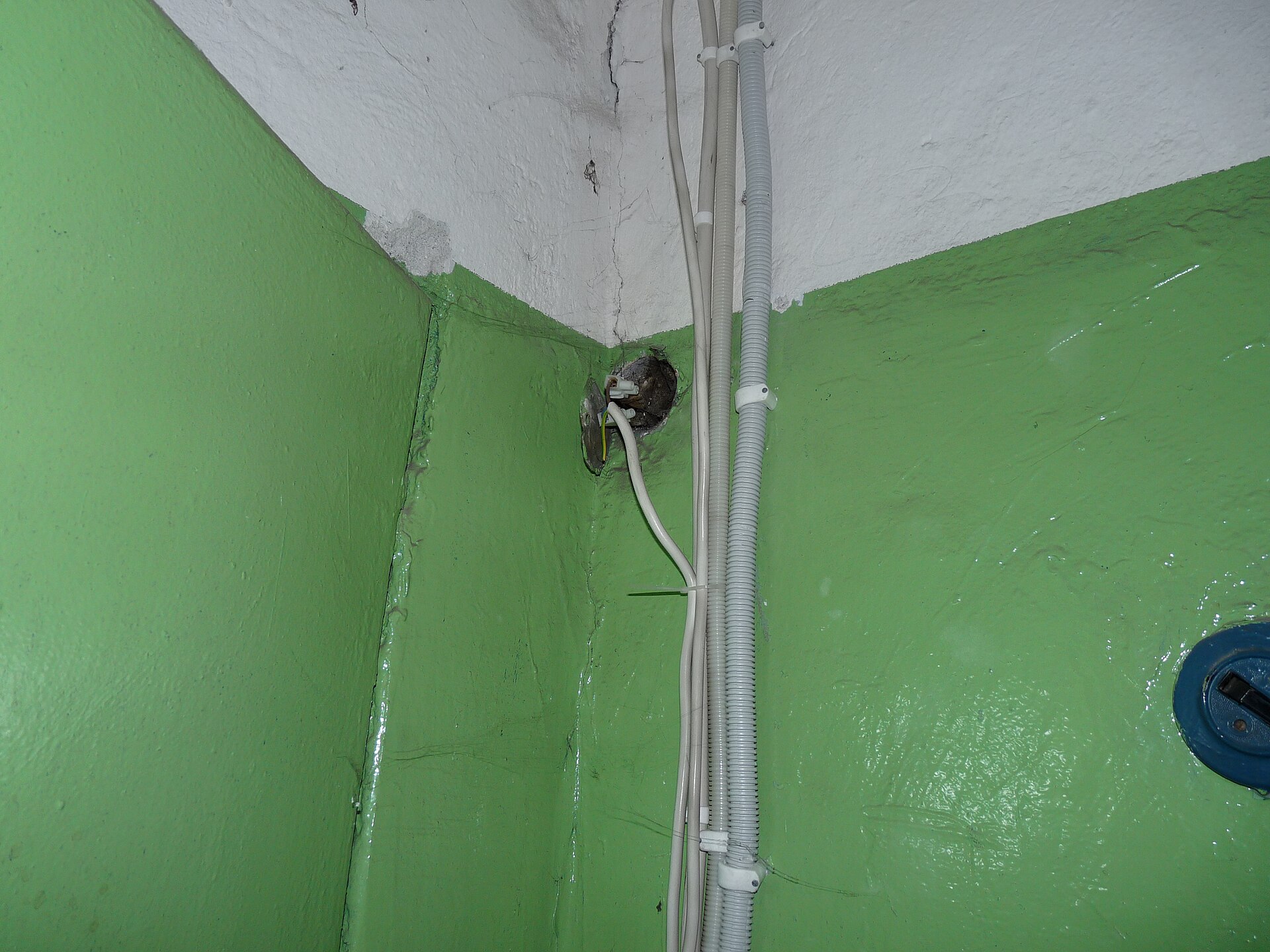
The manual gives examples of conditions that "may violate local or state housing standards": structural deterioration such as "cracked and crumbling walls and ceilings and broken or missing doors and windows"; defective plumbing, including "a broken toilet, lack of hot/cold water, absent sinks or bathing facilities and serious leaks"; "Exposed wiring"; "Nonfunctioning heating units"; "No means to remove or store garbage"; "Insect infestations"; leaking roofs or walls; and "Dismantling or not installing smoke detectors."2

The procedure in the statute's order
- Write the notice. Under 6-320(d), "Before a tenant shall have standing to file an action under this section, he must give his landlord three (3) days written notice, listing each failure or breach upon which his action will be premised and written demand requiring performance or cure." A problem left off the list is not one the suit can be "premised" on.1
- Serve it in a way the statute recognizes. Idaho Code 6-323 allows delivery to the landlord or the landlord's agent personally, or, if the landlord or agent is absent from the usual place of business, leaving it with an employee there, or sending it by certified mail, return receipt requested. The manual lists the same three ways.222
- Wait three days. If "within three (3) days after service of the notice, any listed failure or breach has not been performed or cured," the tenant "may proceed to commence an action." The statute does not say whether weekends count or how to count from a mailed notice; see the methods box below.1
- File the complaint. Under 6-320(b) the complaint "must set forth the facts on which he seeks to recover, describe the premises, and set forth any circumstances which may have accompanied the failure or breach." The Idaho Court Assistance Office publishes housing forms on its self-help site.123
- Choose the track. If the case asks only for specific performance, "the court shall schedule a trial within twelve (12) days from the filing of the complaint," and the landlord must be served "not less than five (5) days before the day of trial." If the tenant asks for money damages, alone or with repairs, "the early trial provision of this section shall not be applicable," and the case runs on the normal civil schedule.1
- Trial and judgment. Under 6-320(c), if the tenant wins, "judgment shall be entered for the amount of the damages assessed," and the court may also order "specific performance for any breach of agreement showing by the evidence, and for costs and disbursements."1
- Fees and triple damages. Idaho Code 6-324 awards attorney fees to "the prevailing party" in any action under the chapter, unless triple damages are awarded, and 6-317 allows judgment for three times actual damages in an action under 6-320. Those two rules cut both ways: a tenant who loses can owe the landlord's fees.2124
The section has one carve-out. Under 6-320(e), it "shall not apply to tracts of land of five (5) acres or more used for agricultural purposes," which matters for farmworker and ranch housing in Jerome, Gooding and Twin Falls counties.1
How we figured it: the repair notice clock
A sample, using the statute's words. A tenant hands a written repair notice to the apartment manager at the leasing office on Monday, Feb. 2, 2026. Section 6-320(d) gives the landlord "three (3) days after service of the notice." Counting calendar days and starting the day after service, day three is Thursday, Feb. 5, 2026, and the earliest filing day would be Friday, Feb. 6. If the tenant files a suit asking only for repairs on Feb. 6, 6-320(a) requires the court to set trial "within twelve (12) days from the filing of the complaint," so no later than Wednesday, Feb. 18, 2026, and service on the landlord must be at least five days before the trial date.
Inputs: Idaho Code 6-320(a) and (d); 6-323. Method: calendar days, day one is the day after service. The statute does not say whether weekends and holidays count or when a certified-mail notice counts as served (on mailing or on receipt). How to count it is a question for a court in a particular case. This is our illustration, not a reading by any court.
What the statute does not allow
The manual is direct: "Generally, Idaho law does not allow tenants to withhold rent based on unsafe living conditions and does not allow tenants to complete necessary repairs and then seek reimbursement from their landlords. The only exception is with respect to the installation of smoke detectors."2 Because nonpayment is a ground for a three-day notice and an expedited eviction under Idaho Code 6-303, a tenant who stops paying over a repair dispute risks an unlawful detainer case regardless of how bad the condition is. Lesson 04 explains that process.25
There is one wording difference to note in the smoke detector exception. The statute, 6-320(a)(6), describes "written notice by certified mail, return receipt requested" and a 72-hour window measured from "receipt of the letter." The manual's rent-withholding paragraph describes it as "after providing three-day notice." The statute's text controls; the 72-hour period is what the Legislature wrote. Detectors bought by the tenant and deducted "become the property of the landlord and shall not be removed from the premises."12

Utilities, mold and pests
Utilities. The manual says a landlord or utility "may shut off a utility for a reasonable amount of time if repairs need to be made." When service is cut because of the landlord's "actions or inactions," the manual describes a written notice to the landlord that service must be restored and says the tenant may ask the utility about putting service in the tenant's own name, though "A utility company is not required to take action on a tenant's behalf." It also notes that the Idaho Public Utilities Commission bars public utilities from shutting off gas or electric heat in December, January and February for nonpayment when the home has "children, elderly, or ill people," a rule that covers only regulated public utilities. Shutting off utilities to force a tenant out is a different matter: the manual lists it among unlawful self-help eviction methods, with changing the locks and taking the tenant's property.2
Mold. "Idaho does not have a government agency that regulates the inspection or removal of toxic mold within rental property," the manual says. The Department of Health and Welfare's Indoor Environment Program gives education only. The manual reprints the department's tenant steps, beginning with telling the landlord "immediately" about leaks, excess moisture or mold that reappears after cleaning, then running exhaust fans, venting dryers outside, keeping furniture a few inches off walls, and reporting heating and ventilation failures. Mold is not named in 6-320; whether a particular mold problem amounts to a failure of waterproofing, a failed plumbing or ventilating facility, or a condition "hazardous to the health or safety of the tenant" is a question of fact for the court. Boise's housing inspectors list "Mold concerns" among the things the city "Cannot Investigate."26
Bedbugs and other pests. No Idaho statute mentions bedbugs, and no state agency licenses or orders bedbug treatment in rentals. The manual's list of conditions that may violate housing standards includes "Insect infestations," and the 6-320 categories of hazardous conditions and sanitary facilities are the hooks a tenant's suit would use. Who pays for treatment when the source is disputed is usually a lease and evidence question.2
City housing codes and inspectors
Idaho has no statewide rental inspection program, and the statute's remedy runs through the courts. Some cities add a second path. The City of Boise's Office of Code Compliance and Community Resources says it "can investigate rental housing conditions that could affect your health or safety." The city requires, "As a required first step," a repair request to the landlord or property manager; if the problem is not fixed "within a reasonable timeframe," the tenant files a Substandard Housing Inspection Request. The city lists the problems it treats as code violations: no working smoke or carbon monoxide alarms, blocked exits, broken windows and doors that will not lock, "Exposed or unsafe wiring," no hot or cold running water, sewage backup, no heat or a temperature that "can't be maintained to 68°F in winter," sagging floors and leaking roofs, and broken stair rails. It will not investigate "Mold concerns, AC, asbestos, lead paint, radon, pet stains / odors, or general maintenance requests." Closed cases appear in a public case lookup tool by address.626
We did not find a published rental housing inspection program in the Magic Valley's core towns (Twin Falls, Jerome, Kimberly, Gooding, Buhl and Hagerman) during this review. Most Idaho cities enforce nuisance, building and fire codes through code enforcement officers who respond to complaints; whether those codes reach the inside of an occupied rental varies by city ordinance. A city's code enforcement complaint log is a public record (see the reporting box below).
Injuries from bad conditions
The manual describes a separate path for injuries: a tenant hurt by a landlord's failure to maintain the property "may sue for damages," and "If the tenant wins, the judge may require the landlord to pay three times the tenant's damages, along with the tenant's attorney fees and court costs." The triple-damages authority is 6-317 and the fee authority 6-324, which allows fees to the prevailing party "except in those cases where treble damages are awarded." Small claims cannot hear pain and suffering claims (1-2301), so injury suits go to the regular magistrate or district court.2243
Retaliation: what Idaho law says and does not say
"Retaliation" in housing law means a landlord punishing a tenant for using a legal right: raising the rent, cutting services, refusing to renew or filing to evict because the tenant asked for repairs, complained to a city inspector, or joined a tenants' group. Idaho never adopted the 1972 Uniform Residential Landlord and Tenant Act (see lesson 01), and the states compared below, which wrote their own landlord-tenant codes, each have a retaliation section.
Idaho's pieces
- Ordinary rentals, statewide: no statute. The Legislature's index of Title 6, Chapter 3 (sections 6-301 through 6-324) has no retaliation section, and neither does Title 55, Chapter 3 (55-301 through 55-315).527
- The Attorney General's statement. Under the heading "RETALIATORY EVICTIONS," the July 2026 manual says: "Landlords may not evict a tenant because the tenant requests that repairs be made or because the tenant joins a tenants' association." The manual does not cite a statute or case for it, and the manual's introduction says it "is not a restatement of Idaho law."2
- Manufactured home parks: a statute. Idaho Code 55-2015 bars a park landlord from terminating or refusing to renew a tenancy, raising rent, decreasing services, or threatening to sue for the lot "as retaliation" because the resident complained in good faith to a code enforcement agency, complained to the landlord about maintenance, rent or rules, organized or joined a resident association, or "Retained counsel or an agent." It was added in 1980 and last amended in 2011.7
- Boise: a city ordinance. Boise's Ordinance 35-23 protects renters who raise code concerns, make repair requests, join "a community resident association" or retain counsel; the city lists "terminating a tenancy, refusing to renew, increasing rent, decreasing services, or harassing tenants" as possible retaliation. Complaints go to the city and "must be filed within 6 months of the alleged violation."6
- Fair housing complaints: federal and state statutes. The federal Fair Housing Act makes it unlawful "to coerce, intimidate, threaten, or interfere with" anyone for exercising fair housing rights (42 U.S.C. 3617), and the Idaho Human Rights Act bars discriminating against a person who opposed a practice the act forbids or who "made a charge, testified, assisted, or participated" in a proceeding under it (Idaho Code 67-5911). These cover retaliation tied to discrimination complaints, not repair complaints.2829
How an Idaho court would treat a claim of retaliatory eviction from an ordinary rental outside Boise, without a statute, is not settled by any published Idaho appellate opinion we found in this review. We list it under "unverified."
How neighboring states handle it
Idaho's neighbors and other Western states write retaliation into their landlord-tenant codes. Oregon bars a landlord from retaliating "by increasing rent or decreasing services, by serving a notice to terminate the tenancy or by bringing or threatening to bring an action for possession" after protected complaints (ORS 90.385).30 Washington bars "reprisals or retaliatory action" against a tenant in compliance with the chapter for good faith complaints to a government authority and for asserting rights (RCW 59.18.240).31 Montana's Residential Landlord and Tenant Act of 1977 has a parallel section (MCA 70-24-431), and Nevada's law (NRS 118A.510) bars terminating, refusing to renew, raising rent or threatening possession "in retaliation" after a good faith code complaint.3233
| Tenant protection | Idaho | Oregon | Washington | Nevada |
|---|---|---|---|---|
| Statute barring retaliation in ordinary rentals | None in Title 6, Ch. 3 or Title 55, Ch. 3; parks only (55-2015); Boise Ord. 35-23 in city limits | Yes, ORS 90.385 | Yes, RCW 59.18.240 | Yes, NRS 118A.510 |
| Tenant may repair and deduct | Smoke detectors only, after 72 hours (6-320(a)(6)) | Minor defects up to $300 (ORS 90.368) | Yes, with limits (RCW 59.18.100) | Yes, when cost is under a set amount (NRS 118A.360) |
| Early lease termination for domestic violence victims | No state statute found; federal rule for assisted housing (34 U.S.C. 12491) | Yes, ORS 90.453 | Yes, RCW 59.18.575 | Yes, NRS 118A.345 |
| Tenant's pre-suit notice for repairs | 3 days' written notice (6-320(d)) | Varies by remedy (ORS ch. 90) | Varies by remedy (RCW 59.18) | Varies by remedy (NRS 118A) |
Sources: Idaho Code 6-320, 55-2015 and the Title 6, Chapter 3 and Title 55, Chapter 3 indexes; Boise renter protections page; ORS chapter 90 sections 90.368, 90.385 and 90.453; RCW 59.18.100, 59.18.240 and 59.18.575; NRS 118A.345, 118A.360 and 118A.510; 34 U.S.C. 12491; all read Nov. 19, 2026. The last row summarizes; each state's repair remedies have their own notice periods, which we did not tabulate.3031343533
Special protections: violence, military service and discrimination
Domestic violence, dating violence, sexual assault and stalking
We found no section in Idaho's landlord-tenant chapters (Title 6, Chapter 3 and Title 55, Chapter 3) that lets a victim of domestic violence end a lease early, change locks over a landlord's objection, or keep a landlord from evicting because of the abuser's conduct.527 Washington, Oregon and Nevada have such statutes (see the table above). An Idaho tenant who leaves a fixed-term lease early is, under the manual's description, "like breaking a contract," with the landlord able to apply the deposit to "actual expenses in re-renting the property."2
Federal law covers tenants in federally assisted housing, which in Idaho includes public housing, Housing Choice Vouchers administered by the Idaho Housing and Finance Association and regional housing authorities, and other "covered housing programs" listed in the statute. Under the Violence Against Women Act housing provisions, 34 U.S.C. 12491(b), an applicant or tenant "may not be denied admission to, denied assistance under, terminated from participation in, or evicted from the housing on the basis that the applicant or tenant is or has been a victim of domestic violence, dating violence, sexual assault, or stalking," if otherwise qualified. An incident of actual or threatened violence "shall not be construed as" a serious lease violation or "good cause" to end the victim's tenancy. Agencies must adopt emergency transfer plans that let victims move to another safe assisted unit when they expressly request it (12491(e)).8
Part D of this series, coming later, covers vouchers and public housing in depth.
Servicemembers: the Servicemembers Civil Relief Act
Idaho has active-duty and Guard populations around Mountain Home Air Force Base in Elmore County and Gowen Field in Boise. Two federal sections protect them as tenants:
- Ending a lease (50 U.S.C. 3955). A servicemember may end a residential lease signed before entering military service, or signed during service and followed by orders for "a permanent change of station or to deploy with a military unit, or as an individual in support of a military operation, for a period of not less than 90 days." For a lease with monthly rent, the termination "is effective 30 days after the first date on which the next rental payment is due and payable after the date on which the notice" is delivered. A joint lease ends for the servicemember's dependents too, and a surviving spouse or dependent may end the lease within one year after the servicemember's death in service.9
- Evictions (50 U.S.C. 3951). "Except by court order," a landlord may not evict a servicemember or dependents during military service from a residence whose rent does not exceed a threshold adjusted each year for housing inflation. The court may on its own, and must on request when military service materially affects the ability to pay, stay the case for 90 days or adjust the lease. The Department of War's Federal Register notice of March 10, 2026, set the 2026 threshold at $10,542.60 a month (it was $10,239.63 for 2025).3637
Fair housing complaints and their deadlines
Lesson 01 explains who is protected under the federal Fair Housing Act and the Idaho Human Rights Act. For a renter, the timing matters most:
- Idaho Human Rights Commission: a complaint under oath "within one (1) year of the alleged unlawful discrimination" (Idaho Code 67-5907(1)). The commission first tries "to resolve the matter by informal means."14
- U.S. Department of Housing and Urban Development: "not later than one year after an alleged discriminatory housing practice has occurred or terminated" (42 U.S.C. 3610(a)(1)(A)(i)).15
- Court: a civil action in federal or state court "not later than 2 years after the occurrence or the termination" of the practice (42 U.S.C. 3613(a)(1)(A)).16
The Attorney General's manual lists examples of illegal conduct when based on a protected trait: "falsely denying that a rental unit is available," advertising a preference, "setting restrictive standards for certain tenants," refusing to accommodate disabled tenants "such as allowing service animals," inconsistent policies and discriminatory lease terminations. It adds that support, service and companion animals "are not legally considered 'pets.'"2 Boise's Ordinance 37-23 adds a city rule against denying tenancy because of "an applicant's lawful, verifiable source of income," which the city says does not apply to owners who self-manage two or fewer units or to "sources of income which require a landlord to participate in an optional federal housing assistance program," the carve-out that tracks the state preemption in 55-306.618
Where help exists in Idaho
The Attorney General's office states that it "does not enforce Idaho's landlord-tenant laws. Rather, tenants and landlords enforce these laws through private actions." It also says its office "cannot assist tenants (or landlords) with property repair or maintenance issues."2 That leaves courts, a few agencies and a set of nonprofits. The list below describes what each one says it does; it is not a referral, and each sets its own eligibility rules.
- Idaho Court Assistance Office and Self-Help Center (state courts)
- Publishes court forms, including "Housing" and "Small Claims" forms, and lists local offices in every county from Ada to Twin Falls, Jerome and Gooding. Court staff can explain forms and procedures; they do not represent parties.23
- Idaho Legal Aid Services (nonprofit law office)
- Describes itself as providing "high-quality civil legal assistance" to "low-income individuals, seniors, and vulnerable communities," with a library of "self-help guides, forms, and links to resources" for problems that threaten a person's "safety, housing, health, or financial stability." Income rules apply.38
- Intermountain Fair Housing Council (nonprofit, Boise-based)
- A fair housing organization; its site says it is "prioritizing housing discrimination cases," takes requests through an online intake form, and publishes tenant self-advocacy, reasonable accommodation and eviction resources. The Attorney General's manual gives its number for questions about assistance animals.392
- Jesse Tree (nonprofit, Treasure Valley)
- Says it works to "prevent eviction & homelessness in the Treasure Valley." Its emergency rental assistance program serves tenants with "a legal eviction notice" or court summons through a waitlist and case management; for tenants who have not received a notice, it says "we cannot pay your rent but we can provide information." It also publishes an eviction report (see lesson 04).40
- South Central Community Action Partnership (community action agency, Magic Valley)
- The community action agency for south central Idaho, with offices in Twin Falls and Burley, lists homeless assistance, housing, energy assistance, weatherization and food programs, with a mission to help "people with an economic disadvantage."41
- 211 Idaho CareLine (Idaho Department of Health and Welfare)
- "a free, statewide community information and referral service" reached by dialing 2-1-1 or 800-926-2588 or texting 898211, Monday to Friday, 8 a.m. to 6 p.m. Mountain time, with listings for food, housing and financial assistance programs.42
- Idaho Human Rights Commission and HUD (government)
- Take discrimination complaints under the deadlines above.1415
- City code enforcement (local government)
- Boise's Office of Code Compliance and Community Resources takes substandard housing inspection requests and renter protection complaints (208-972-8150, option 4, per the city's page). Other cities handle complaints under their own codes.6
Rental assistance: the 2021 to 2023 federal money
Congress created two rounds of Emergency Rental Assistance during the pandemic: ERA1, $25 billion under section 501 of the Consolidated Appropriations Act, 2021, and ERA2, $21.55 billion under section 3201 of the American Rescue Plan Act of 2021, both run by the U.S. Treasury.43 Treasury's tables show Idaho's shares:
| Recipient | ERA1 (payments as of Jan. 26, 2021) | ERA2 (allocations, May 7, 2021) |
|---|---|---|
| State of Idaho | $175,746,360.60 | $124,769,752.40 (minimum payment to the state) |
| Ada County | $12,722,827.70 | $9,669,349.00 |
| Boise City | $11,530,811.70 | $8,763,416.90 |
| Canyon County | Not listed as a direct recipient | $8,797,481.70 (declined; Treasury lists the State of Idaho as the recipient) |
| Idaho total allocation | $200,000,000.00 | $152,000,000.00 |
Which state agency ran Idaho's share, and through which program names, is not shown in the Treasury tables we used.1112132 Treasury later moved unspent ERA1 money among grantees in several reallocation rounds, so the January 2021 figures are first payments, not final spending; how much of Idaho's allocation was spent, returned or reallocated is not in the tables we downloaded and is listed under "unverified." Treasury's ERA2 cumulative program data file (second quarter 2021 to second quarter 2025) is the place to check final Idaho spending. Part D of this series, coming later, covers today's assistance programs.
How we figured it: Idaho's ERA totals
ERA1: $175,746,360.60 (state) + $12,722,827.70 (Ada County) + $11,530,811.70 (Boise) = $200,000,000.00, matching Treasury's "Total allocation." ERA2: $124,769,752.40 (state minimum) + $9,669,349.00 (Ada) + $8,763,416.90 (Boise) + $8,797,481.70 (Canyon) = $152,000,000.00. Two rounds together: $352 million. Canyon County's ERA2 share is counted once, in the $152 million total, even though the county declined it. Inputs: Treasury, "Payments to States and Eligible Units of Local Government" (ERA1) and "ERA2 Allocations, Eligible Entities" (May 7, 2021), and "ERA2 Grantees that Declined Allocations."
Renters' insurance
Idaho law does not require renters' insurance, though a lease may. The manual describes it as "an insurance policy that covers a tenant's personal belongings in case of loss by fire or other accident" that "may cover claims or lawsuits brought against the tenant." It warns that "Most policies only cover personal property and do not include motor vehicles or animals," and that "some policies exclude floods or earthquakes." The landlord's own policy generally covers the building, not the tenant's belongings; a lease term listing insurance requirements is one of the manual's twelve recommended terms.2 The Idaho Department of Insurance licenses insurers and agents and takes consumer complaints about policies.44
Moving out and getting the deposit back
Notice to move out
For a month-to-month tenancy, Idaho Code 55-208(2) lets the tenant end it by "giving notice in writing to the landlord that the tenant will be vacating the premises, on a date as specified in the notice, but not less than one (1) month from the date of notice." The landlord's notice runs the same minimum, "not less than one (1) month."45 For a fixed-term lease, the manual says: "If the lease does not specify a certain number of days, the lease expires at the end of the stated period and no notice is required," but tenants "always should consult their leases" because many require notice. A tenant who ends a lease early without proper notice may see the landlord apply the deposit to "actual expenses in re-renting the property."2
Two other notice rules affect the end of a tenancy. Under 55-304(2), a residential landlord must give written notice of a rent increase or of "the landlord's intention of nonrenewal of the lease at least thirty (30) days before" the increase or nonrenewal. Under 55-304(1), on a month-to-month lease, other changes in terms take effect at the end of the month if written notice is given "at least fifteen (15) days before the expiration of the month." Section 55-304 was formerly numbered 55-307; it was amended in 2020, 2024 and 2025 and renumbered by Senate Bill 1043 (2025), Session Laws 2025, ch. 65.46
The move-out inspection
The manual says the tenant "should participate in the move-out inspection, and both parties should document the inspection in writing and through video or photographs." If the landlord will not allow it, the tenant "should document, photograph or video the rental once it is vacant and cleaned," and "Having an additional individual present during the inspection also may be useful if the tenant needs a witness to testify at a hearing to recover the security deposit."2
The manual's wear-and-tear table is the most cited part of the document in deposit disputes. In the landlord's column (ordinary wear): faded curtains, carpet and paint; "Water-stained linoleum by shower"; minor marks or nicks in walls and floors; moderate dirt on carpet; warped cabinet doors; "Worn out thermostat on dryer"; mineral deposits in toilets; stains on old porcelain; and "Black spots on mirrors (de-silver)." In the tenant's column (damage or excessive filth): cigarette burns; broken tiles and torn linoleum; excessive wall damage; pet damage; missing or broken blinds; water-damaged cabinets; water stains on wood floors; a broken washer or dryer; plugged toilets; a "Grime-coated bathtub & toilet"; and mirrors with makeup or hairspray.2
The deposit clock and the demand letter
Under 6-321(2), "Refunds shall be made within twenty-one (21) days if no time is fixed by agreement and, in any event, within thirty (30) days after surrender of the premises by the tenant," with "a signed statement itemizing the amounts lawfully retained" and "a detailed list of expenditures made from the deposit" for any partial refund.20 Lesson 01 walks through a sample count of those days. The steps after a missed deadline, as the manual lays them out:
- A written demand. "Send written notice by certified mail to the landlord demanding return of the deposit. Be sure to keep a copy of the letter."2
- A short wait. The manual says the landlord "has three business days from the date the letter is received." The statute behind it is the 6-320(d) notice, which says "three (3) days written notice"; failure to return a deposit "as and when required by law" is item (4) on the 6-320(a) list.21
- A small claims filing. "If the landlord fails to return the deposit, the tenant can file a complaint in small claims court."2
- The hearing. The manual lists the evidence to bring: "a copy of all communication with the landlord, photographs and/or videos," and witnesses from the final inspection. "If the tenant wins, the judge may award the tenant three times the security deposit, plus court costs and attorney fees." The statutes put a limit on that pairing: 6-324 allows attorney fees "except in those cases where treble damages are awarded."221
The manual adds that the Idaho Consumer Protection Act "prohibits landlords from misrepresenting to a tenant that a repair is necessary when it is not," and describes an objection letter when a landlord deducts for "imaginary repairs" or for damage that predates the tenancy.2
Small claims court after Senate Bill 1330 (2026)
Small claims is a department of the magistrate division of each county's district court. Its rules are in Idaho Code Title 1, Chapter 23.47
- How much. Claims for money "where the amount of each claim does not exceed fifteen thousand dollars ($15,000)," and claims for personal property worth up to $15,000. The department "shall not award punitive damages or damages for pain or suffering" (1-2301).3
- Where. In the county "where the defendant resides or the county where the cause of action arose" (1-2301).3
- Cost. A filing fee of $33.00 collected in advance, plus the cost of serving the claim (1-2303(3)).48
- Answer. The defendant must sign and file an answer within 21 days of service, or judgment may be entered as requested in the claim; if an answer is filed, the court sets "trial or mediation" (1-2303(1) and (2)).48
- No lawyers at the hearing. "No attorney at law shall appear before the court on behalf of any party at any trial, pretrial matter or posttrial motion in the small claims department," though a lawyer may help a party prepare. A business, including a property management company or landlord LLC, appears through "an owner of a substantial interest in the organization or any nonattorney employee" (1-2307). No jury trials (1-2315).4947
- Appeal. Either side may appeal "within thirty (30) days from the entry of said judgment" to a different, lawyer magistrate, with a $20 appeal fee; a party who loses again pays the prevailing party an attorney fee "as provided in section 12-120 (6), Idaho Code" (1-2311).50
What Senate Bill 1330 changed. The Senate Judiciary and Rules Committee bill, with Sen. Codi Galloway listed as the contact on the statement of purpose, raised the limit "from $5,000.00 dollars to $15,000.00 dollars," which the statement says "reflects inflation and allows individuals and small businesses to resolve common disputes," giving "repairs or unpaid bills" as examples, "without the cost and complexity of attorneys and expensive lawsuits." A Senate floor amendment, moved by Sen. Galloway and seconded by Sen. Lakey, added a change to 1-2311: the appeal attorney fee had been fixed "in the sum of twenty-five dollars ($25.00)," and the amendment struck that amount so the fee now runs "as provided in section 12-120 (6)." The amended bill passed the Senate 35-0-0 on March 19, 2026 (floor sponsor Galloway) and the House 67-0-3 on March 25 (floor sponsor Rep. Shirts), was signed by the governor on March 27, and took effect July 1, 2026, as Session Laws 2026, ch. 196. The fiscal note said "no reliable estimate of added cost to the judicial system can be made." A separate bill with a similar title, House Bill 685 (2026), did not become law.419
For renters, the higher limit means that a deposit claim trebled under 6-317 is likely to fit in small claims. Before July 1, 2026, a $2,000 deposit trebled to $6,000 exceeded the $5,000 limit; now it does not. It works the other way as well: landlords can now bring claims for unpaid rent and damage up to $15,000 in small claims, where neither side has a lawyer at the hearing. Civil, Small Claims, Family and Probate Records in the court records module explains how small claims files look on iCourt.
How we figured it: a sample deposit claim
Illustration only. A tenant paid a $1,500 deposit and surrendered the apartment Tuesday, Sept. 1, 2026, under a lease that sets no refund date. Day 21 under 6-321(2) is Tuesday, Sept. 22, 2026. Suppose the landlord sends nothing. The tenant mails a certified demand that the landlord receives Friday, Sept. 25; three calendar days later is Monday, Sept. 28 (the manual's "three business days" would run to Wednesday, Sept. 30). If a court found $1,500 wrongfully withheld and chose to treble it under 6-317, the judgment could reach $4,500 (3 times $1,500), plus the $33 filing fee and service costs as court costs, well under the $15,000 small claims limit. The trebling is discretionary ("judgment may be entered for three (3) times"), and the landlord may show deductions were lawful.
Inputs: Idaho Code 6-321(2), 6-320(a)(4) and (d), 6-317, 1-2301 and 1-2303(3); Attorney General manual, pages 23 and 24. Method: calendar days, day one is the day after the event. Our illustration, not a prediction of any outcome.

Belongings left behind
The manual says that after an eviction a residential tenant "has 72 hours to remove his or her personal property from the rental before the landlord may dispose of it," and that a court may allow longer. It says "Idaho law does not provide for a landlord's lien on the tenant's property, but a lease may include such a provision," which a court may uphold "if the tenant knowingly and voluntarily entered into the lease." Lesson 04 covers the writ of restitution and the sheriff's role.2
Pictures, Numbers and Infographics
The numbers a renter in Idaho runs into most often, with the comparison point where one exists. Each row cites the statute or table it comes from.
| Measure or rule | Idaho | U.S. or other states | Place or year | Source |
|---|---|---|---|---|
| Tenant's written repair notice before suing | 3 days | Varies by remedy in OR, WA, NV | Idaho Code 6-320(d), since 1977 | 1 |
| Trial in a repairs-only suit | Within 12 days of filing; served 5 days before | None comparable found | 6-320(a) | 1 |
| Smoke detector repair and deduct | 72 hours after receipt of certified letter | OR: minor defects up to $300 (ORS 90.368) | 6-320(a)(6), as amended 1994 | 130 |
| Deposit refund deadline | 21 days default, 30 days maximum | See lesson 01 comparison | 6-321(2) | 20 |
| Possible damages in a 6-320 action | Up to 3 times actual damages | Not compared | 6-317 | 24 |
| Small claims limit | $15,000 (was $5,000) | Not compared | Since July 1, 2026 (SB 1330) | 34 |
| Small claims filing fee; time to answer; appeal window | $33 plus service; 21 days; 30 days | Not compared | 1-2303, 1-2311 | 4850 |
| Month-to-month notice to move out | Not less than one month | Not compared | 55-208 | 45 |
| Notice of rent increase or nonrenewal | 30 days written | OR limits increases (SB 608, 2019; see lesson 01) | 55-304(2) | 46 |
| Retaliation complaint window, Boise ordinance | 6 months (Boise only) | OR, WA, MT, NV have statewide statutes | Boise Ord. 35-23 | 6 |
| Discrimination complaint deadlines | 1 year (Human Rights Commission) | 1 year (HUD); 2 years (federal or state court) | 67-5907; 42 U.S.C. 3610, 3613 | 141516 |
| Free copy of a screening report after rejection | Request within 60 days | Same nationwide | 15 U.S.C. 1681m | 10 |
| Servicemember eviction protection rent threshold | $10,542.60 a month | Same nationwide | 2026 (2025: $10,239.63) | 37 |
| Servicemember lease termination | Effective 30 days after next rent due date | Same nationwide | 50 U.S.C. 3955 | 9 |
| Emergency Rental Assistance allocated to Idaho | $200 million (ERA1) and $152 million (ERA2) | $25 billion and $21.55 billion nationwide | 2021 | 111243 |
Common mistakes
- Withholding rent over repairs. The Attorney General's manual says Idaho law "does not allow tenants to withhold rent based on unsafe living conditions." Nonpayment gives the landlord grounds for a three-day notice and an expedited eviction under 6-303, whatever the condition of the unit.225
- Making repairs and deducting the bill. Outside the smoke detector rule in 6-320(a)(6), there is no Idaho statute allowing it. Tenants who move from Oregon, Washington or Nevada, where such statutes exist, often assume Idaho works the same way.134
- A verbal or texted repair request treated as the statutory notice. Section 6-320(d) requires "written notice, listing each failure or breach," and 6-323 names the delivery methods: in person to the landlord or agent, left with an employee at the landlord's business, or certified mail with return receipt. A problem that was never listed is not one the suit can rest on.122
- Asking for money and expecting a 12-day trial. The fast track applies only to "an action exclusively for specific performance." Adding a damages claim moves the case to the normal schedule.1
- Using the old $5,000 small claims limit. Many online guides still give $5,000. Since July 1, 2026, the limit in 1-2301 is $15,000.3
- Assuming Boise's renter ordinances apply statewide. Boise's retaliation, notice, deposit, source-of-income and application-fee rules apply within Boise city limits only; the city says "Only alleged violations that occur within Boise city limits will be investigated." A renter in Meridian, Nampa or Twin Falls is under state law alone unless that city has its own code.6
- Assuming the Attorney General will take a landlord-tenant complaint. The manual says the office "does not enforce Idaho's landlord-tenant laws" and "cannot assist tenants (or landlords) with property repair or maintenance issues."2
- Calling a refundable deposit "rent" or a nonrefundable "fee." Under 6-321(1), money deposited "for any purpose other than the payment of rent" is a security deposit, and the wear-and-tear rule applies to it.20
- Missing a fair housing deadline. One year for the Idaho Human Rights Commission and HUD; two years for a court case.141516
What we know, what we don't, and what the data can show
What we know
- The text of Idaho's tenant repair remedy (6-320), unchanged since 1994, with its three-day notice, 12-day repairs-only trial and smoke detector exception.1
- That Idaho's landlord-tenant chapters contain no general retaliation section and no domestic violence lease-termination section, while Oregon, Washington and Nevada have both.527
- That the small claims limit rose to $15,000 on July 1, 2026, by unanimous votes in both chambers.4
- Idaho's federal Emergency Rental Assistance allocations in 2021, by recipient.1112
- What Boise's renter protection ordinances cover and how its inspection program works.6
What we don't know
- How many 6-320 repair suits Idaho tenants file each year, or how often they win. Idaho Courts do not publish counts by statute section.
- How many deposit cases go to small claims, and whether filings rose after the July 2026 limit change.
- Whether an Idaho court would recognize a retaliatory eviction defense for an ordinary rental outside Boise without a statute.
- Whether Boise's 2019 application-fee rules and 2023 deposit rule survive the state's 2024 and 2025 preemption language on "fees" and "deposits." No published appellate opinion has addressed it that we found.
- How much of Idaho's ERA money was spent in Idaho, returned or reallocated, and how many households it reached.
- Which Idaho cities besides Boise inspect rental units on complaint.
What the data can show
- iCourt case search (Idaho's statewide court records portal; see The Idaho iCourt Portal): small claims and civil filings naming a landlord or property company, by county and year, including Twin Falls, Jerome and Gooding counties.
- Boise's code compliance case lookup tool: closed substandard housing and renter protection cases by address and status.26
- Treasury's ERA2 cumulative program data file (Q2 2021 to Q2 2025): payments, households served and spending by grantee, including the State of Idaho, Ada County and Boise.43
- Idaho Human Rights Commission annual reports and HUD complaint data: housing discrimination complaints by basis and year.
- Jesse Tree's eviction report: Ada and Canyon county eviction filing counts (an advocacy group's compilation; see lesson 04).40
Questions people ask
Can a tenant stop paying rent until repairs are made?
Idaho law gives no general right to withhold rent; the Attorney General's manual says so, and nonpayment is a ground for a three-day notice under 6-303. The remedy the statute provides is the 6-320 notice and lawsuit.225
How fast can a repair case be heard?
If the suit asks only for the repairs, 6-320(a) requires the court to set trial within 12 days of filing, with service at least five days before trial. A suit that also asks for money runs on the normal civil schedule.1
Does Idaho protect tenants who complain to a city inspector?
Statewide statute protection exists only for manufactured home park residents (55-2015). Boise's Ordinance 35-23 protects renters inside Boise. The Attorney General's manual says landlords "may not evict a tenant because the tenant requests that repairs be made," without citing a statute. Retaliation for a fair housing complaint is barred by 42 U.S.C. 3617 and Idaho Code 67-5911.7622829
Can a domestic violence victim end a lease early in Idaho?
We found no Idaho statute that allows it for private rentals. In federally assisted housing, 34 U.S.C. 12491 bars evicting or denying a person because they are a victim and requires emergency transfer plans. Otherwise the lease terms govern, and the parties may agree to end it.82
What if a tenant gets military orders?
Under 50 U.S.C. 3955, orders for a permanent change of station or a deployment of at least 90 days allow ending the lease with written notice; for monthly rent, the end date is 30 days after the next rent due date following delivery of notice.9
How much can a small claims court award?
Up to $15,000 since July 1, 2026, with no punitive damages or pain and suffering awards. Lawyers may not appear at the hearing.349
What happens to a deposit if the landlord sells the building?
Under 6-321(3), when property changes hands during a tenancy, "the new owner shall be liable for refund of the deposits."20
Is mold a repair the landlord must make?
Idaho has no mold statute and no agency that regulates mold in rentals, according to the Attorney General's manual. A mold claim under 6-320 would have to fit one of its categories, such as waterproofing, a failed plumbing or ventilating facility, or a condition hazardous to health or safety, and a court decides that on the facts.21
Hard questions
Should Idaho let tenants repair and deduct?
For: The case for it points to Oregon's $300 minor-defect rule (ORS 90.368), Washington's RCW 59.18.100 and Nevada's NRS 118A.360 as tested models that fix small problems without a lawsuit, and note that a 12-day trial still requires filing, service and a court date. Against: Tenant-hired repairs can be poorly done, void warranties or insurance, and invite disputes over cost; the three-day notice and the fee-shifting in 6-324 already give landlords a reason to act. Evidence: No Idaho data show how many repair notices end in repairs, suits or moves; the effect of other states' rules on repair times in Idaho-like markets has not been measured in any study we reviewed.303433
Should retaliation protection be written into state law?
For: The repair remedy depends on tenants being willing to give written notice, and Idaho already bars retaliation for manufactured home park residents (55-2015) and Boise does for city renters. Against: A retaliation defense can be raised against any eviction filed after a complaint, slowing legitimate cases, while month-to-month tenancies in Idaho can end on one month's notice for any lawful reason under 55-208. Evidence: The Attorney General's manual already states the rule for repair requests and tenants' associations, but without a statute or case citation; no Idaho appellate opinion we found settles it.7245
Does a $15,000 small claims limit help tenants or landlords more?
Tenants: Deposit and repair-damage claims, even trebled under 6-317, now fit in a court with a $33 filing fee and no lawyers at the hearing. Landlords: Owners and management companies can now pursue larger rent and damage claims there, through an owner or nonattorney employee, against tenants who also cannot bring a lawyer to the hearing. Evidence: The fiscal note said no reliable estimate of the caseload effect could be made. Small claims filings by plaintiff type, before and after July 1, 2026, on iCourt would answer it.449
How far may a city go in protecting renters?
City position: Boise says its ordinances improve "housing stability and access," and its source-of-income rule exempts voucher programs to respect 55-306. State position: Idaho Code 55-306 forbids local laws that "regulate rent, fees, or deposits," and so treats those subjects as statewide matters. Evidence: The line between "regulating" a fee and requiring a receipt for it has not been drawn by an Idaho appellate court that we found.618
For reporters and advocates
Records that exist. Repair suits, deposit claims and small claims judgments in each county's magistrate court, searchable on iCourt (see Civil, Small Claims, Family and Probate Records). Boise's closed code compliance cases by address. City code enforcement complaint logs in other cities. Idaho Human Rights Commission annual reports and, for closed cases, records available under its rules. HUD fair housing complaint data. Treasury's ERA data files and the state's own ERA reports. Bill pages, statements of purpose, committee minutes and recordings for Senate Bill 1330 (2026), House Bill 701 (2026) and Senate Bill 1042 (2025) on legislature.idaho.gov.
Questions to ask.
- To a court administrator: how many small claims cases were filed in the county in the six months after July 1, 2026, compared with the same months of 2025, and how many name a landlord or property company?
- To Boise's Office of Code Compliance and Community Resources: how many substandard housing inspection requests and retaliation complaints it received each year since Ordinance 35-23, and how many were resolved?
- To Twin Falls, Jerome and other cities: does the city inspect the inside of an occupied rental on a tenant's complaint, under what code section, and how many such complaints did it log last year?
- To the agency that ran Idaho's state ERA program: how much of the $175.7 million (ERA1) and $124.8 million (ERA2) was paid to households, how many households, and how much was returned or reallocated?
- To legislators: why has an application-fee bill passed the Senate (2025) and been filed in the House (2026) without becoming law?
Getting records. City complaint logs, inspection reports, ERA program reports and agency emails are public records under Idaho Code Title 74, Chapter 1, subject to its exemptions; see Idaho Public Records Requests. Tenant names in complaint files may raise privacy questions; How to Report on Housing discusses naming tenants fairly, and Privacy and Data Security Laws covers screening data.
The Magic Valley angle. Twin Falls, Jerome, Kimberly, Gooding, Buhl and Hagerman renters have only state law: no city retaliation rule, no inspection program we could find, and the 6-320(e) exclusion for agricultural tracts of five acres or more, which matters for farm and dairy worker housing in Jerome and Gooding counties. South Central Community Action Partnership in Twin Falls and Burley is the region's community action agency. Watch the Twin Falls County and Jerome County small claims calendars for the effect of the $15,000 limit, and ask city councils whether they plan any renter rules within the limits of 55-306.
Where to go next
- Idaho Attorney General, Landlord and Tenant Manual (July 2026): Free 53-page state guide for tenants and landlords, with a rental selection checklist and a move-in and move-out checklist in the appendices. Read the sections on repairs (pp. 11 to 15) and deposits (pp. 21 to 25).
- Idaho Court Assistance Office and Self-Help Center: Free court forms for housing and small claims cases and a directory of court assistance offices in every county, including Twin Falls, Jerome and Gooding. Staff explain forms; they do not represent parties.
- Idaho Legislature statute search, Title 6, Chapter 3: Free official text of Idaho's landlord-tenant procedure sections; updated each July 1 after the session. Use it to read the current version of any section cited here.
- City of Boise Renter Protections: Free city page describing Boise's renter ordinances and the substandard housing inspection request form; applies only inside Boise city limits.
- 211 Idaho CareLine: Free statewide information and referral line run by the Idaho Department of Health and Welfare: dial 211 or 800-926-2588 or text 898211, weekdays 8 a.m. to 6 p.m. Mountain time, for listings of housing, food and financial assistance programs.
- Idaho Legal Aid Services: A nonprofit that provides free civil legal help to eligible low-income Idahoans and publishes free self-help guides and forms, including on housing. Eligibility rules apply.
- Intermountain Fair Housing Council: A Boise-based nonprofit fair housing organization with an online intake form for discrimination concerns and free resources on reasonable accommodations and tenant self-advocacy.
- Idaho State Bar Lawyer Referral Service: The state bar's referral service exists for people looking for a private lawyer by practice area; consultation fees are set by participating lawyers. Listed here as a resource that exists, not a recommendation.
Still being checked (8 items)
These points could not be fully confirmed against a primary source when this lesson was written and fact checked in November 2026. The text above states each one as uncertain.
- Whether an Idaho court would recognize a retaliatory eviction defense for an ordinary rental outside Boise: no Idaho statute covers it and we found no published Idaho appellate opinion on it; the Attorney General's manual states the rule without a citation.
- Whether any Idaho statute outside Title 6, Chapter 3 and Title 55, Chapter 3 lets a domestic violence victim end a private lease early; we checked only those chapter indexes and found none.
- Whether Boise's 2019 application-fee ordinance and the deposit provision of Ordinance 35-23 remain enforceable under Idaho Code 55-306 (2025); the city page still lists them, and we found no court ruling.
- Which state agency administered Idaho's state ERA1 and ERA2 funds, how much was spent, returned or reallocated, and how many households were served; the Treasury tables used show allocations and first payments only.
- Whether any Magic Valley city (Twin Falls, Jerome, Kimberly, Gooding, Buhl, Hagerman) inspects occupied rentals on complaint; we did not find a published program but did not read each city code.
- Idaho Legal Aid Services office locations and income limits (its website blocked automated download; description taken from its home page via a text fetch).
- How Idaho courts count the three-day period in 6-320(d) (calendar or business days, and when a mailed notice is served); the Attorney General's manual says three business days for the deposit demand.
- Which parts of the smoke detector provisions of Idaho Code 6-320(a)(6) were added by the 1994 amendment (Session Laws 1994, ch. 418); the statute history line shows only that the section was amended that year.
Last verified November 19, 2026. General education, not legal, tax, financial or real estate advice; every figure names its source and year in the Notes and Sources below. Data is revised: check the newest release before relying on any number.
Notes
- Idaho Code section 6-320, Action for damages and specific performance by tenant, Idaho Legislature statute page; history: added 1977, ch. 45, sec. 4; am. 1994, ch. 418, sec. 1 (read Nov. 19, 2026). Read it online. ↩
- Idaho Office of the Attorney General (Attorney General Raul R. Labrador), Landlord and Tenant Manual, July 2026 edition, 53-page PDF: Before Renting (pp. 1 to 5), Lease Agreements (pp. 6 to 9), Maintaining the Rental Property (pp. 11 to 15), Special Property Issues including utilities and mold (pp. 15 to 17), Withholding Rent (p. 18), Moving Out and Return of the Security Deposit (pp. 21 to 25), Retaliatory Evictions and Unlawful Evictions (pp. 25 to 28) (read Nov. 19, 2026). Read it online. ↩
- Idaho Code section 1-2301, Small claims department, creation, scope of claims, venue, Idaho Legislature statute page; history: added 1969, ch. 103; am. 2026, ch. 196, sec. 1 (read Nov. 19, 2026). Read it online. ↩
- Idaho Legislature, bill page for Senate Bill 1330 (2026), as amended, Small Claims Department of the Magistrate Division, Judiciary and Rules Committee: introduced Feb. 19, 2026; Senate amendment moved by Sen. Galloway, seconded by Sen. Lakey; passed Senate 35-0-0 March 19, 2026 (floor sponsor Galloway); passed House 67-0-3 March 25, 2026 (floor sponsor Shirts); signed by the governor March 27, 2026; Session Law Chapter 196; effective July 1, 2026. Also the statement of purpose and fiscal note RS33312C1 (contact Sen. Codi Galloway), amendment S1330A1 and engrossed text S1330E1 (read Nov. 19, 2026). Read it online. ↩
- Idaho Legislature, Idaho Code Title 6, Chapter 3, Forcible Entry and Unlawful Detainer, chapter index listing sections 6-301 through 6-324 (read Nov. 19, 2026). Read it online. ↩
- City of Boise, Office of Code Compliance and Community Resources, Renter Protections page (Ordinance 35-23 on retaliatory conduct, notice and security deposits; Ordinance 37-23 on source of income; Boise City Code chapter 16 rental application fees, passed 2019; Housing Conditions and Substandard Housing Inspection Request; complaint deadline of 6 months) (read Nov. 19, 2026). Read it online. ↩
- Idaho Code section 55-2015, Retaliatory conduct by landlord prohibited (Manufactured Home Residency Act), Idaho Legislature statute page; history: added 1980, ch. 177; am. 1988, ch. 196; am. 2011, ch. 184 (read Nov. 19, 2026). Read it online. ↩
- 34 U.S.C. 12491, Housing protections for victims of domestic violence, dating violence, sexual assault, and stalking, subsections (b) and (e), Legal Information Institute (read Nov. 19, 2026). Read it online. ↩
- 50 U.S.C. 3955, Termination of residential or motor vehicle leases (Servicemembers Civil Relief Act), subsections (a), (b) and (d), Legal Information Institute (read Nov. 19, 2026). Read it online. ↩
- 15 U.S.C. 1681m, Requirements on users of consumer reports (Fair Credit Reporting Act), subsection (a), Legal Information Institute (read Nov. 19, 2026). Read it online. ↩
- U.S. Department of the Treasury, Emergency Rental Assistance: Payments to States and Eligible Units of Local Government (ERA1), Idaho: total allocation $200,000,000.00; Ada County $12,722,827.70; Boise City $11,530,811.70; payment to the state $175,746,360.60; payments as of Jan. 26, 2021, and subject to change (read Nov. 19, 2026). Read it online. ↩
- U.S. Department of the Treasury, ERA2 Allocations, Eligible Entities (May 7, 2021), Idaho: total allocation $152,000,000.00; Ada County $9,669,349.00; Boise City $8,763,416.90; Canyon County $8,797,481.70; minimum payment to the state $124,769,752.40 (read Nov. 19, 2026). Read it online. ↩
- U.S. Department of the Treasury, ERA2 Grantees that Declined Allocations, listing Canyon County, Idaho, $8,797,481.70, with the State of Idaho as recipient (read Nov. 19, 2026). Read it online. ↩
- Idaho Code section 67-5907, Complaints, procedure on complaint (Idaho Human Rights Act), subsections (1) and (2), Idaho Legislature statute page (read Nov. 19, 2026). Read it online. ↩
- 42 U.S.C. 3610, Administrative enforcement; preliminary matters (Fair Housing Act), subsection (a)(1)(A)(i), Legal Information Institute (read Nov. 19, 2026). Read it online. ↩
- 42 U.S.C. 3613, Enforcement by private persons (Fair Housing Act), subsection (a)(1)(A), Legal Information Institute (read Nov. 19, 2026). Read it online. ↩
- Idaho Code section 55-305, Limitation on fees for tenants of a rental property, Idaho Legislature statute page; history: formerly 55-314, added 2023, ch. 67; am. and redesig. 2025, ch. 65, sec. 14 (read Nov. 19, 2026). Read it online. ↩
- Idaho Code section 55-306, Local government, no rent control, Idaho Legislature statute page; history: added 2025, ch. 65, sec. 6 (read Nov. 19, 2026). Read it online. ↩
- Idaho Legislature, 2026 Legislation list and subject index (Landlords and Tenants: H0695, Ch. 82; H0701, no chapter; Small claims: S1330, Ch. 196, signed 03/27/26, effective 07/01/2026; H0685, no chapter) (read Nov. 19, 2026). Read it online. ↩
- Idaho Code section 6-321, Security deposits, subsections (1) to (3), Idaho Legislature statute page; history: added 1977, ch. 45, sec. 5; am. 2021, ch. 197 (read Nov. 19, 2026). Read it online. ↩
- Idaho Code section 6-324, Attorney fees, Idaho Legislature statute page; history: added 1985, ch. 144 (read Nov. 19, 2026). Read it online. ↩
- Idaho Code section 6-323, Service of notice to landlord, Idaho Legislature statute page; history: added 1977, ch. 45, sec. 7 (read Nov. 19, 2026). Read it online. ↩
- Idaho Court Assistance Office and Self-Help Center (Idaho courts), home page with Housing and Small Claims forms and local offices by county (read Nov. 19, 2026). Read it online. ↩
- Idaho Code section 6-317, Treble damages, Idaho Legislature statute page; history: C.C.P. 1881, sec. 475; am. 1977, ch. 45; am. 2017, ch. 276 (read Nov. 19, 2026). Read it online. ↩
- Idaho Code section 6-303, Unlawful detainer defined, Idaho Legislature statute page; history: C.C.P. 1881, sec. 797; am. 2001, ch. 203; am. 2020, ch. 340 (read Nov. 19, 2026). Read it online. ↩
- City of Boise, Code Compliance page (Office of Code Compliance and Community Resources; Renter Protections; Case Lookup Tool for closed code cases) (read Nov. 19, 2026). Read it online. ↩
- Idaho Legislature, Idaho Code Title 55, Chapter 3, Rights and Obligations of Owners, chapter index listing sections 55-301 through 55-315 (read Nov. 19, 2026). Read it online. ↩
- 42 U.S.C. 3617, Interference, coercion, or intimidation (Fair Housing Act), Legal Information Institute (read Nov. 19, 2026). Read it online. ↩
- Idaho Code section 67-5911, Reprisals for opposing unlawful practices, Idaho Legislature statute page; history: added 1982, ch. 83; am. 2005, ch. 278 (read Nov. 19, 2026). Read it online. ↩
- Oregon Revised Statutes chapter 90, Residential Landlord and Tenant, sections 90.368 (repair of minor habitability defect, up to $300), 90.385 (retaliatory conduct) and 90.453 (release of victim from tenancy), Oregon State Legislature (read Nov. 19, 2026). Read it online. ↩
- Revised Code of Washington 59.18.240, Reprisals or retaliatory actions by landlord, prohibited, Washington State Legislature (read Nov. 19, 2026). Read it online. ↩
- Montana Code Annotated 70-24-431, Retaliatory conduct by landlord prohibited (Residential Landlord and Tenant Act of 1977), MCA 2025, Montana Legislature (read Nov. 19, 2026). Read it online. ↩
- Nevada Revised Statutes chapter 118A, Landlord and Tenant: Dwellings, sections 118A.345 (termination due to domestic violence, harassment, sexual assault or stalking), 118A.360 (repairs where cost is less than a specified amount) and 118A.510 (retaliatory conduct), Nevada Legislature (read Nov. 19, 2026). Read it online. ↩
- Revised Code of Washington 59.18.100, Landlord's failure to carry out duties, repairs effected by tenant, procedure, deduction of cost from rent, limitations, Washington State Legislature (read Nov. 19, 2026). Read it online. ↩
- Revised Code of Washington 59.18.575, Victim protection, notice to landlord, termination of rental agreement, procedures, Washington State Legislature (read Nov. 19, 2026). Read it online. ↩
- 50 U.S.C. 3951, Evictions and distress (Servicemembers Civil Relief Act), subsections (a) and (b), Legal Information Institute (read Nov. 19, 2026). Read it online. ↩
- Federal Register document 2026-04689, Notice of Publication of Housing Price Inflation Adjustment, March 10, 2026 (2026 SCRA rent threshold $10,542.60 as of Jan. 1, 2026); and document 2025-08911, May 20, 2025 (2025 threshold $10,239.63) (read Nov. 19, 2026). Read it online. ↩
- Idaho Legal Aid Services, home page (civil legal assistance for low-income individuals, seniors and vulnerable communities; self-help guides and forms) (read Nov. 19, 2026). Read it online. ↩
- Intermountain Fair Housing Council, home page (service update prioritizing housing discrimination cases; intake form; resource library) (read Nov. 19, 2026). Read it online. ↩
- Jesse Tree, home page (emergency rental assistance waitlist for tenants with an eviction notice or summons; tenant resources; eviction report), an eviction prevention nonprofit in the Treasure Valley (read Nov. 19, 2026). Read it online. ↩
- South Central Community Action Partnership, home page (Twin Falls and Burley offices; homeless assistance, housing, energy assistance, weatherization and food programs) (read Nov. 19, 2026). Read it online. ↩
- Idaho Department of Health and Welfare, 211 Idaho CareLine page (dial 211 or 800-926-2588, text 898211; Monday to Friday, 8 a.m. to 6 p.m. MST) (read Nov. 19, 2026). Read it online. ↩
- U.S. Department of the Treasury, Emergency Rental Assistance Program page (ERA1 $25 billion under section 501 and ERA2 $21.55 billion under section 3201; ERA2 cumulative program data Q2 2021 to Q2 2025; allocation and reallocation files) (read Nov. 19, 2026). Read it online. ↩
- Idaho Department of Insurance, home page (consumer information and complaints about insurers and agents) (read Nov. 19, 2026). Read it online. ↩
- Idaho Code section 55-208, Termination of tenancy at will, Idaho Legislature statute page; history: R.S., sec. 2857; am. 2002, ch. 295 (read Nov. 19, 2026). Read it online. ↩
- Idaho Code section 55-304, Change in terms of lease, notice, Idaho Legislature statute page; history: formerly 55-307, R.S., sec. 2881; am. 1990, ch. 185; am. 2020, ch. 254; am. 2024, ch. 257; am. and redesig. 2025, ch. 65, sec. 7 (read Nov. 19, 2026). Read it online. ↩
- Idaho Legislature, Idaho Code Title 1, Chapter 23, Small Claims Department of the Magistrate Division, chapter index (sections 1-2301 through 1-2315, including 1-2315, jury trial not allowed) (read Nov. 19, 2026). Read it online. ↩
- Idaho Code section 1-2303, Filing of claim, default, Idaho Legislature statute page; history: added 2000, ch. 250; am. 2009, 2014, 2018; am. 2023, ch. 78 (read Nov. 19, 2026). Read it online. ↩
- Idaho Code section 1-2307, Attorneys at law, collection agencies, witnesses and evidence, judgment, subsections (1) and (2), Idaho Legislature statute page (read Nov. 19, 2026). Read it online. ↩
- Idaho Code section 1-2311, Appeal to lawyer magistrate, Idaho Legislature statute page (as amended by SB 1330, 2026, ch. 196, sec. 2) (read Nov. 19, 2026). Read it online. ↩
Check yourself
1. Before an Idaho tenant may sue a landlord under Idaho Code 6-320, what must the tenant do?
Idaho Code 6-320(d) requires three days' written notice listing each failure or breach, with a written demand for performance or cure, before the tenant has standing to sue.
2. If a tenant's 6-320 lawsuit asks only for repairs (specific performance), when must trial be set?
Under 6-320(a), in an action exclusively for specific performance the court shall schedule a trial within twelve days from filing, with service at least five days before trial.
3. What is the only repair Idaho's statute lets a tenant make and deduct from rent?
Idaho Code 6-320(a)(6): after a certified letter, if working smoke detectors are not installed within 72 hours of receipt, the tenant may install them and deduct the cost; the Attorney General's manual calls this the only exception.
4. What is Idaho's small claims limit as of Nov. 2026?
Senate Bill 1330 (2026), Session Laws ch. 196, raised the limit in Idaho Code 1-2301 from $5,000 to $15,000, effective July 1, 2026.
5. Which Idaho statute expressly bars a landlord from retaliating against a tenant who complains?
Title 6, Chapter 3 has no retaliation section; 55-2015 in the Manufactured Home Residency Act bars retaliation against park residents. Boise's Ordinance 35-23 covers renters inside Boise.
6. Under 15 U.S.C. 1681m, a landlord who rejects an applicant because of a screening report must tell the applicant about the right to a free copy of the report within how many days?
15 U.S.C. 1681m(a)(4)(A) requires notice of the right to a free report from the reporting agency, including the 60-day period to request it.
7. A servicemember with monthly rent due on the first delivers lease termination notice under 50 U.S.C. 3955 on March 10. When is the termination effective?
Under 50 U.S.C. 3955(d)(1)(A), termination is effective 30 days after the first date the next rental payment is due after notice: next due April 1, so May 1.
8. How long does a person have to file a housing discrimination complaint with the Idaho Human Rights Commission?
Idaho Code 67-5907(1) allows a complaint within one year of the alleged discrimination; HUD also allows one year (42 U.S.C. 3610), and a court suit two years (42 U.S.C. 3613).
9. What were Idaho's total Emergency Rental Assistance allocations in the two federal rounds of 2021?
Treasury tables show Idaho's total allocation as $200,000,000 for ERA1 and $152,000,000 for ERA2; $25 billion and $21.55 billion are the national totals.
10. Who may represent a property management company at a small claims hearing in Idaho?
Idaho Code 1-2307 bars attorneys from appearing for parties at small claims trials and says a business organization is represented by an owner of a substantial interest or a nonattorney employee.
Terms in this lesson
- Specific performance
- A court order requiring a party to do what the lease or law requires, such as making a repair; one of the two remedies in Idaho Code 6-320.
- Standing
- The right to bring a lawsuit; under 6-320(d) a tenant has standing for a repair suit only after the three-day written notice.
- Habitability
- Whether a rental is fit to live in; Idaho expresses it through the six failures listed in 6-320(a) rather than a single habitability statute.
- Retaliation
- A landlord punishing a tenant for using a legal right, such as raising rent or refusing to renew after a repair complaint; barred by statute in Idaho only for manufactured home parks (55-2015), and by ordinance in Boise.
- Repair and deduct
- A tenant fixing a problem and subtracting the cost from rent; allowed in Idaho only for smoke detectors under 6-320(a)(6).
- Rent withholding
- Not paying rent until repairs are made; not allowed under Idaho law according to the Attorney General's manual.
- Adverse action
- Under the federal Fair Credit Reporting Act, a denial or worse terms based on a consumer report, which triggers notice duties under 15 U.S.C. 1681m.
- Consumer reporting agency
- A company that compiles credit, eviction or background reports on consumers, including tenant screening companies.
- Small claims department
- A part of each county's magistrate division that hears money claims up to $15,000 without lawyers at the hearing (Idaho Code 1-2301 and 1-2307).
- Treble damages
- A judgment of three times actual damages, which a court may enter in a tenant's 6-320 action under Idaho Code 6-317.
- Covered housing program
- Federally assisted housing listed in 34 U.S.C. 12491, such as public housing and vouchers, where victims of domestic violence, dating violence, sexual assault or stalking have federal protections.
- Servicemembers Civil Relief Act (SCRA)
- Federal law letting servicemembers end leases on qualifying orders (50 U.S.C. 3955) and requiring a court order to evict them from lower-rent homes (50 U.S.C. 3951).
- Emergency Rental Assistance (ERA)
- Two federal programs, ERA1 ($25 billion) and ERA2 ($21.55 billion), that paid rent and utility arrears during and after the pandemic; Idaho was allocated $352 million.
- Substandard housing inspection
- A city inspection of a rental's condition on a tenant's request; Boise offers one after the tenant first asks the landlord for repairs.
Sources
- Idaho Code 6-320, Action for damages and specific performance by tenant (2026-11-19) checked 2026-11
- Idaho Code 6-321, Security deposits (2026-11-19) checked 2026-11
- Idaho Attorney General, Landlord and Tenant Manual (July 2026) (2026-11-19) checked 2026-11
- Idaho Code 1-2301, Small claims department, scope of claims (2026-11-19) checked 2026-11
- Senate Bill 1330 (2026), Small Claims, bill page (2026-11-19) checked 2026-11
- Idaho Code 55-2015, Retaliatory conduct by landlord prohibited (2026-11-19) checked 2026-11
- City of Boise, Renter Protections (2026-11-19) checked 2026-11
- 15 U.S.C. 1681m, Requirements on users of consumer reports (2026-11-19) checked 2026-11
- 34 U.S.C. 12491, VAWA housing protections (2026-11-19) checked 2026-11
- 50 U.S.C. 3955, Termination of residential leases (SCRA) (2026-11-19) checked 2026-11
- Federal Register 2026-04689, 2026 SCRA rent threshold (2026-11-19) checked 2026-11
- U.S. Treasury, ERA1 payments to states and local governments (2026-11-19) checked 2026-11
- U.S. Treasury, ERA2 allocations to eligible entities (2026-11-19) checked 2026-11
- Idaho Code 67-5907, Human Rights Commission complaints (2026-11-19) checked 2026-11