Lesson 6 of 12 · about 50 minutes · Updated November 19, 2026
Mobile and Manufactured Home Parks in Idaho
You'll be able to
- Explain who the Manufactured Home Residency Act covers and who it does not, under Idaho Code 55-2004.
- State the park statute's notice periods correctly: 90 days for rent and rule changes, 30 days for pass-throughs, 3 days then 20 or 30 days to vacate, 90 days for nonrenewal and 180 days for closure.
- Describe what HB 590 (2024) changed about notice to resident associations before a park sale, and what Idaho law does not give residents.
- Walk through the abandoned-home lien sale process in 55-2009A to 55-2009F and a resident's suit under 55-2014.
- Explain how a manufactured home is titled, when it may become real property under 63-304, and how the homeowner's exemption treats it.
- Use Census tables B25024 and B25032 to compare manufactured home shares across Idaho counties and towns, including the Magic Valley.
Start here: the short version
- A separate law covers the lot under the home. When a person owns a manufactured home and rents the lot it sits on, the Manufactured Home Residency Act, Idaho Code Title 55, Chapter 20 (sections 55-2001 to 55-2020), governs the lease. It does not apply when the park rents both the home and the lot, or to lots rented for ordinary recreational vehicles.1
- 90 days for a lot rent increase. Under Idaho Code 55-2006 a park may raise rent after the lease term ends only with 90 days' written notice, the increase must be uniform within each rent tier, and pass-through charges for taxes, utility assessments and services need 30 days' notice. No Idaho city or county may cap the rent (Idaho Code 55-306).23
- 3 days, then 20 or 30 days. During a lease a park may end a tenancy only for the reasons in Idaho Code 55-2010: a resident behind on rent gets a 3-day written notice to pay, then may be given 30 days to vacate; a resident breaking the lease or rules gets 3 days to comply, then may be given 20 days to vacate. Nonrenewal takes 90 days' written notice from the park.4
- 180 days if the park closes. When a park stops renting lots or land is taken by eminent domain, residents get at least 180 days' written notice, and the park may not raise rent during that period. Idaho requires no relocation payment. Oregon requires 365 days and a payment of $6,000 to $10,000; Washington requires two years.456
- A 15-day heads-up, not a right to buy. House Bill 590 (2024), signed March 21, 2024, and effective July 1, 2024, lets a resident association that has told the owner it wants to buy the park ask for notice 15 days before the owner signs a purchase agreement. The owner does not have to sell to residents. A rival 2024 bill, HB 424, died in committee.789
- Most Idaho mobile homes are owner-occupied. Census estimates for 2020 to 2024 count 55,245 mobile and manufactured homes in Idaho, 6.9 percent of all housing units (U.S.: 5.6 percent). Of the occupied ones, 72.6 percent are lived in by their owners. In Gooding County the share of all units is 15.7 percent; in Jerome County, 9.5 percent; in Ada County, 2.7 percent.1011
- Three resident-owned parks. Idaho's first resident-owned manufactured home community, Pleasant View in Caldwell, joined the ROC USA network on Sept. 23, 2019. Residents of Hamilton Place near Mountain Home bought their park for $1.13 million on July 12, 2024, the third in the state.121314
Law: Idaho Code as amended through the 2026 regular session of the 68th Idaho Legislature, read on the Legislature's statute pages Nov. 19, 2026; bill histories, votes and session law chapters from legislature.idaho.gov; the Idaho Attorney General's Landlord and Tenant Manual (July 2026); Oregon Revised Statutes chapter 90, Revised Code of Washington chapter 59.20 and Florida Statutes chapter 723 as posted by each state Nov. 19, 2026; data from U.S. Census Bureau American Community Survey tables B25024 and B25032 (2020 to 2024 5-year estimates and 2025 1-year estimates). Checked Nov. 19, 2026. Laws and data change; check the current statute and the newest release.
About one Idaho home in fifteen is a mobile or manufactured home, and in parts of the Magic Valley and rural southwest Idaho the share is one in seven or higher. Many of those homes sit on land the homeowner owns. Thousands more sit in parks, where the household owns the house but rents the ground under it. That split ownership is the reason Idaho has a separate law for parks. A renter of an apartment who is told to leave packs a truck. A park resident who is told to leave has to move a house, which can cost thousands of dollars, needs a licensed installer and a permit, and is often impossible for an older home no other park will accept.
This lesson explains the Manufactured Home Residency Act section by section: what a park lease must say, how lot rent and rules may change, when a park may end a tenancy, what happens when a park closes or is sold, how a home in a park is sold or, if abandoned, sold off to pay a lien, and what residents may sue for. It then covers titles, property tax and financing for homes on rented land, the resident-owned communities that have formed in Caldwell, Garden City and Mountain Home, how many manufactured homes each Idaho county has, and how Idaho compares with Oregon, Washington and Florida.
It builds on other lessons and does not repeat them. The general landlord and tenant law that fills gaps in the park statute is in Landlord and Tenant Law Basics. Court steps after an eviction notice are in Evictions Step by Step. What a buyer should check before buying a home, including one on rented land, is in Buying a Home in a Growing Area, and park sales and closures that ended up in court or in the news are gathered in Recent Disputes: A Casebook. What a manufactured home is under the federal HUD Code, how many are shipped to Idaho each year, what they cost, and where Idaho Code 67-6509A lets them be placed outside parks are in Part B's How Houses Changed, 1979 to 2026, and the 2026 manufactured home siting law, House Bill 800, is in The 2026 Housing Laws.
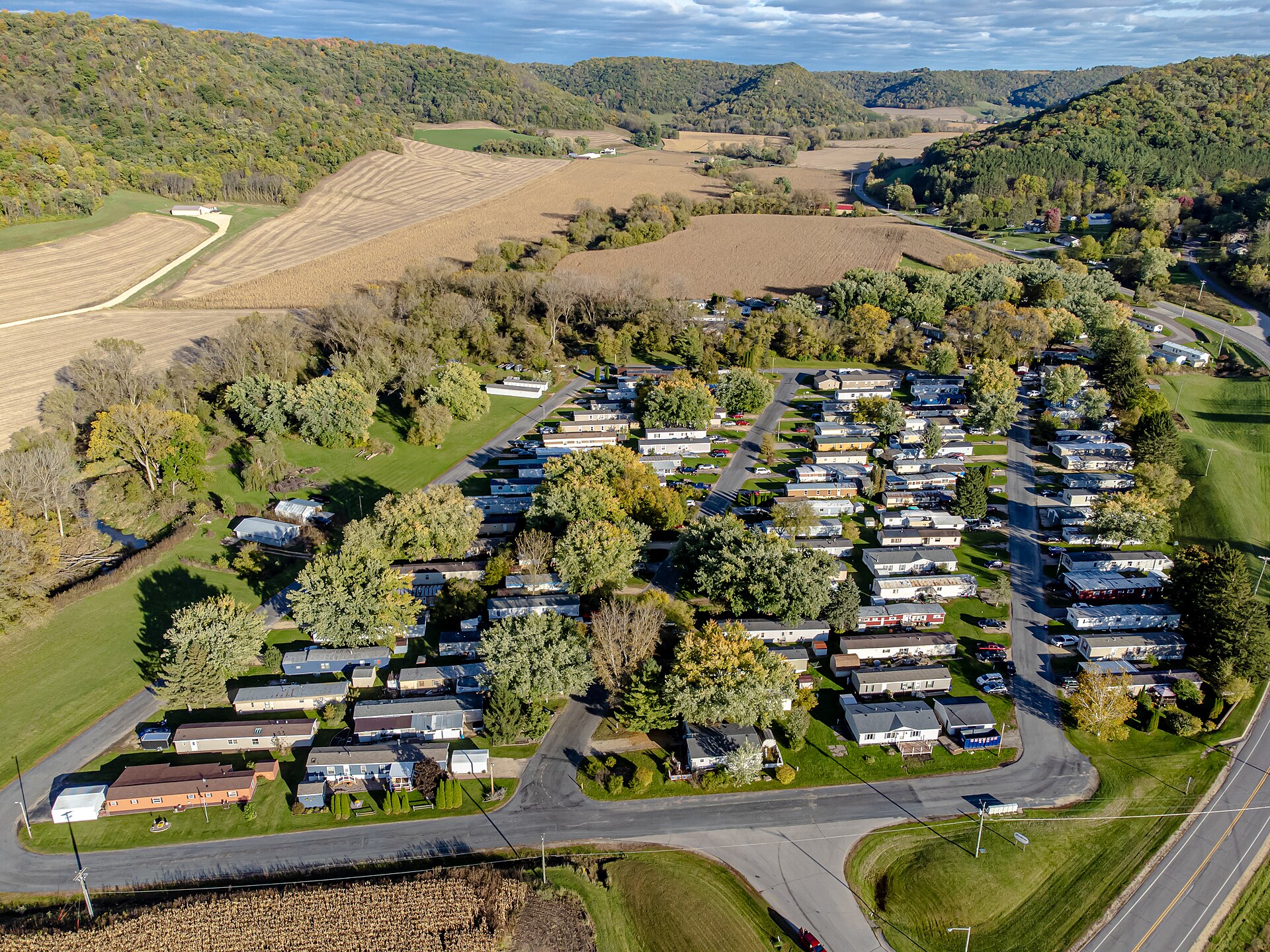

What the Manufactured Home Residency Act covers
The act begins with a short title (55-2001) and a good-faith rule: every duty under the chapter, and every act that is a condition for using a right or remedy, "imposes an obligation of good faith in its performance or enforcement" (55-2002).1516 Section 55-2004 says the chapter governs "legal rights, remedies and obligations arising from any rental agreement between a landlord and a resident regarding a lot," with two exceptions: when "the landlord is renting both the lot and the home to the resident," and when the lot is rented to a recreational vehicle or travel trailer (a park model recreational vehicle is covered). Lease terms that conflict with the chapter are unenforceable.1
That first exception matters more than it looks. A family that rents a mobile home from the park owner, or from an investor who owns several homes in a park, is an ordinary tenant under Idaho Code Title 6, Chapter 3 and the Title 55, Chapter 3 notice rules covered in lesson 01. The park statute protects the household that owns the home and rents the lot. The Attorney General's manual adds that "for areas not covered by the Act, owners, landlords and tenants can look to general landlord-tenant law for answers."17
Words the statute uses
Section 55-2003 defines the terms. The ones that come up most:18
- Community
- "Any real property that is rented or held out for rent to others for the placement of two (2) or more homes for the primary purpose of production of income." The statute says community; most people say park. Two rented home sites on one parcel are enough.
- Home
- A mobile home, a manufactured home, or, for this chapter only, a park model recreational vehicle.
- Manufactured home and mobile home
- Defined by cross-reference to Idaho Code 39-4105. In Idaho law a manufactured home is built after June 15, 1976, to the federal HUD construction and safety standards; a mobile home is the older, pre-HUD-Code unit. Part B's lesson on houses sets out the full definition.19
- Lot
- The specific area in the park designed for one home and its appurtenances (steps, decks, sheds), for the exclusive use of the approved occupants.
- Resident
- A person lawfully entitled under a rental agreement to occupy a lot to the exclusion of others; the statute adds that a resident is also a "tenant" under other state and federal laws.
- Rent, fees, service charges and other charges
- Rent is the periodic payment for the lot. Fees are charges "incidental to a resident's tenancy," such as late fees, pet fees, RV storage and use of park facilities. Service charges pay for electric and gas service improvements at the lot, trash, sewer and water. Other charges are everything else in the lease except rent.
- Abandoned home
- A home on a lot with no rent paid for the preceding 60 days when the landlord reasonably believes the resident has left with no intention of returning, or a home that is unoccupied or uninhabitable because it was totally or partly destroyed.
- Transient
- A person who rents a lot for less than one month.
How the law got here, 1974 to 2026
Idaho enacted the act in 1980 (Idaho Session Laws 1980, chapter 177). The history lines on each section show the layers added since. The 2011 statement of purpose for House Bill 183 called the law "the Mobile Home Park Landlord-Tenant Act" and said it "refers only to mobile homes"; HB 183 updated it to cover manufactured homes, added the abandoned-home lien sale sections, expanded the resident association section and set the rules for serving notices. Today's short title, "Manufactured Home Residency Act," carries the history note "am. 2011, ch. 184."152021
| Year | Law or event | What changed | Source |
|---|---|---|---|
| 1974 and 1976 | Federal Manufactured Home Construction and Safety Standards Act; HUD Code in force June 15, 1976 | A national building standard for factory-built homes; the date that divides "mobile" from "manufactured" homes | See Part B lesson 0519 |
| 1980 | Idaho Session Laws 1980, ch. 177 | Enacts the park landlord-tenant act: written leases, rent and rule notice, grounds for termination, deposits, retaliation, venue | Section history lines15 |
| 1981 | Ch. 207 | Adds 55-2009A: lienholder notice and the 60-day cap on back rent a lender owes | 55-2009A22 |
| 1988 | Ch. 196 | Adds 55-2013A, residents' right to organize an association; revises many sections | 55-2013A7 |
| 1993 | Ch. 380 | Adds 55-2014 (resident suits for damages and specific performance with a 12-day trial), 55-2016 (mediation and arbitration), 55-2018 (attorney fees); also amends 55-2006 and 55-2007 | 55-2014, 55-2016, 55-2018232425 |
| 1996 | Ch. 98 | Idaho Code 63-304 and 63-305: a manufactured home on a foundation may be declared real property, and the declaration reversed | 63-304, 63-3052627 |
| 2004 | Ch. 276 | Amends 55-2010, the section that now lets members of the armed forces end a park lease on short notice when orders require it | 55-2010(4)4 |
| 2010 | Ch. 168 | Amends 55-2008, the section that now says a rule restricting the type or size of homes does not apply to a home already in compliance | 55-2008(2)28 |
| 2011 | HB 183, ch. 184, signed April 5, effective July 1 | Renames and updates the act to cover manufactured homes; adds 55-2009B to 55-2009F (abandoned home lien sales) and 55-2020 (service of notice) | Bill page and statement of purpose2120 |
| 2017 | Ch. 134 | Amends the definitions and coverage sections, which now include park model recreational vehicles | 55-2003, 55-2004181 |
| 2024 | HB 590, ch. 127, signed March 21, effective July 1 | Resident association notice moves from "within 15 days" after a broker listing to 15 days before a purchase agreement is signed | Bill page and text829 |
| 2024 | HB 545, ch. 257, signed April 1, effective July 1 | Local governments barred from regulating rent, fees or deposits; 55-2006 cross-reference updated | Bill page30 |
| 2025 | SB 1043, ch. 65, signed March 13, effective July 1 | Renumbers Title 55, Chapter 3; the park statute now points to 55-306 for the ban on local rent control | Bill page; 55-2006(4)312 |
| 2026 | HB 800, ch. 171, effective July 1; HB 647 held in committee | Manufactured homes and manufactured duplexes in residential zones (outside parks); HB 647's ban on covenants restricting manufactured homes did not pass | Bill pages3233 |
The park lease: what it must say and may not say
Section 55-2005 requires a written rental agreement "executed in duplicate by the landlord and the prospective resident, each to receive a copy." The park must give the applicant a copy of the community rules when the application is submitted and before the lease is signed. The written-lease rule does not apply to a park acquired by eminent domain for a public works project or when the resident is the landlord's employee.34
Section 55-2005(3) also explains how a new lease or rent term takes hold when a resident does not sign it: if the landlord, "who has acted in good faith," gives the written notice required by 55-2006 and the resident does not sign and return the new agreement but stays past the notice period, "the notice shall of itself operate and be effectual to create and establish" the new terms, rent, conditions and rules. In plain words, staying after a proper 90-day notice is treated as accepting the new terms.34
Five required terms
Under 55-2007(1), every park lease must contain:35
- The terms for paying rent, including time and place, and a description of other charges; charges billed less often than monthly must be itemized.
- A description of the utilities and services included in the rent.
- The rules of the community.
- The names and addresses of the manager and the owner, or of a person who lives in Idaho and is authorized to act as the owner's agent.
- The terms under which any deposit may be withheld at the end of the lease.
Three banned terms
Under 55-2007(2), a park lease may not contain a waiver of the resident's rights under the chapter; a provision allowing an "entrance fee" or "exit fee" (repairs the park requires as a condition of approving an application are not an entrance or exit fee); or any provision "which unreasonably restricts access to the community by invitees of the resident."35
Terms built into every park lease
Section 55-2007(3) writes six terms into every lease whether or not they appear on paper. The landlord must provide a base for the home, prepared under Idaho Code 44-2201 for mobile and manufactured homes; must approve the home's position on the lot before the wheels and axles come off; may not let any part of a home, "including the tongue," extend into a roadway; and must keep street lights, entry lights and common area lighting, if any, working. The landlord may enter the lot to maintain utilities, protect the community and make periodic inspections, but otherwise may not enter without the resident's consent "except in the case of emergency or suspected abandonment." And the landlord must notify every resident within 15 days after the landlord files a petition to change the zoning of the park land.35
The zoning notice is an early warning. A rezone petition from a park owner can be the first public sign that the land may become something other than a park. Rezone procedure and hearing notice are explained in Idaho Planning and Zoning.
The disclosure statement on request
Before a lease is signed, a prospective resident may ask for a written statement, and under 55-2007(4) the park must then provide: the owner's or manager's name, address and phone number; a general description of the types of homes allowed and of the lot's boundaries; the utilities and services included in rent and others available; the zoning under which the park operates and the government with zoning jurisdiction; and "the date and amount of the most recent rent increase."35 The statement is provided only "upon request."
Lot rent and rule changes
Lot rent is the largest recurring cost for a park resident who owns the home outright. Idaho regulates how it changes, not how much.
The 90-day rent notice
Idaho Code 55-2006(1): "A landlord may increase or decrease rents after expiration of the lease term, but only with ninety (90) days' written notice to the residents." The notice must go by first class mail, certified mail or personal delivery. Two limits follow:2
- Uniform increases. "Rental increases shall be uniform throughout the community." When a park sets rent tiers by lot or home size, amenities or location, increases must be uniform among all homes in the same tier (55-2006(2)).
- No more than one lease or rule amendment every six months. The landlord must give each affected homeowner written notice at least 90 days before any amendment to the rental agreement and "may not amend the rental agreement or rules more frequently than once in a six (6) month period" (55-2006(3)).
There is one faster track. A lease may include an escalation clause passing through a pro rata share of any increase or decrease in the park's property taxes, utility assessments or other services included in the monthly rent, and "issues of public safety, health or property degradation may also be included." The landlord must give 30 days' written notice before such a change (55-2006(5)).2
The statute sets no cap on the size of an increase. Section 55-2006(4) points to Idaho Code 55-306, which says a local government "shall not enact, maintain, or enforce an ordinance or resolution" that would "regulate rent, fees, or deposits charged for leasing private residential property." That wording comes from House Bill 545 (2024), which passed the House 59-11 and the Senate 26-9 and was signed April 1, 2024, and was moved to section 55-306 by Senate Bill 1043 (2025).33031
What lot rent increases have looked like in Idaho
No Idaho agency collects lot rents, so the public record is a set of examples. Three that were documented in reporting or by the nonprofit that financed a purchase:
- Pleasant View, Caldwell (the four years before 2019). KTVB reported in August 2019 that resident Juana Romero's lot rent rose from $225 to $460 a month in four years before the park was put up for sale. After residents bought it, they voted to raise rent $40, to about $500 a month for most lots, with rent capped at $500 for five years.36
- Hamilton Place, near Mountain Home (2024). ROC USA reported that after residents bought the park in July 2024, "rent increased by about $154 to $450 per month." The Idaho Statesman reported the monthly payment rising from $385 to $475 and said it covers upkeep, loans and infrastructure. The two accounts do not match; both are cited here.1314
- Mountain Home listings (2024). The Statesman found two homes for sale less than a mile apart in Mountain Home listing lot rents of $295 and $445 a month.14
How we figured it: what a $225 to $460 increase means per year
Inputs: lot rent of $225 a month at the start and $460 a month four years later, as reported by KTVB for one Pleasant View resident in 2019.36
Total change: ($460 minus $225) divided by $225 = $235 / $225 = 1.044, an increase of 104.4 percent.
Average yearly rate: ($460 / $225) raised to the power 1/4, minus 1 = 2.0444 to the 1/4 power, minus 1 = 1.1958 minus 1 = 19.6 percent a year, compounded.
Yearly cost: $225 x 12 = $2,700 a year at the start; $460 x 12 = $5,520 a year at the end, a difference of $2,820 a year. These are our calculations from one reported case; they do not describe any other park.
Park rules
Idaho Code 55-2008 sets three rules about rules. A written park rule binds the resident "if it is part of the rental agreement signed by the resident." A rule adopted or amended later "is not enforceable unless the resident consents to it or is given ninety (90) days' notice in writing" (except pass-through changes under 55-2006(5)). And rules "shall be fairly and uniformly enforced and contain the effective date." Since 2010, a new rule restricting the type or size of homes "shall not apply to a resident whose home was in compliance with community rules prior to the adoption or amendment," which protects an older or smaller home already in the park.28
Exterior improvements are governed by 55-2012. A park may not restrict a resident's "freedom of choice in purchasing goods or services," but may reserve the right to approve exterior improvements; requests and decisions must be in writing, and decisions must "be reasonable and be uniformly applied." Improvements other than those fixed to the soil remain the resident's property, and a resident who removes them must leave the lot "in better or substantially the same condition" as when the resident moved in.37
Deposits in a park
Section 55-2013 treats any payment beyond periodic rent, utility charges or service fees that is "collected as prepaid rent or a sum to compensate for any resident default" as a deposit. The landlord must keep a separate record of deposits. When the landlord's interest in the park ends, the landlord must transfer the remaining deposits to the new owner or return them, and a resident's claim to a deposit "takes precedence over the claims of any other creditor of the landlord." The park statute sets no refund deadline of its own; the Attorney General's manual says "general landlord-tenant law concerning security deposits applies," which is the 21-day and 30-day rule in Idaho Code 6-321 explained in lesson 01.3817
Ending a park tenancy
A park lease does not simply run out. Section 55-2011 says rental agreements "shall be automatically renewed for the original term," except as provided in 55-2010.39 Section 55-2010(1) then lists the only reasons a landlord may end a tenancy during the term of a rental agreement:4
| Reason (55-2010) | First notice | Then | Notes |
|---|---|---|---|
| (1)(a) Substantial or repeated violation of the lease or written rules | Written notice to comply; 3 days to comply | If not cured, the resident "may be given notice of a twenty (20) day period in which to vacate" | For periodic violations, the notice must say a repeat of the same violation will end the tenancy |
| (1)(b) Nonpayment of rent or other charges in the lease | Written notice; 3 days to pay | If not paid, "notice of a thirty (30) day period in which to vacate" | The 30 days is longer than the 20 days for rule violations |
| (1)(c) Closure ordered by a federal, state or local authority | The notice the order requires | For example, a health or safety closure | |
| (1)(d) Eminent domain taking, or the owner stops renting lots | At least 180 days' written notice before the termination date | No rent increase during the notice period | Notice must be shown to any prospective resident or buyer whose home will stay |
| (1)(e) Abandonment | None stated | Lien sale rules in 55-2009A to 55-2009F | "Abandoned home" is defined in 55-2003(1) |
| (2) Nonrenewal by the landlord | At least 90 days' written notice of intent not to renew | Applies to every reason except abandonment | |
| (3) Nonrenewal by the resident | 30 days' written notice before the lease expires | ||
| (4) Military orders | Less than 30 days, without penalty | When reassignment or deployment orders do not allow more notice | |
| (5) Job relocation | 30 days' written notice | When a change in the place of employment requires a change in residence |
Two features set the park rules apart from ordinary rentals. First, the list is closed: during the lease, the reasons above are the only ones. An ordinary month-to-month tenant in Idaho can be given one month's notice for no stated reason under Idaho Code 55-208, as lesson 01 explains; a park resident under a lease cannot be removed mid-term without one of the 55-2010 grounds. Second, the time to vacate after a missed cure deadline is 20 or 30 days, compared with the three-day notices that start an ordinary unlawful detainer case under Idaho Code 6-303.440
The penalty and fee sections tie the two laws together. Section 55-2017 lets a court award "three (3) times the amount at which actual damages are assessed" when it finds the defendant "acted with malice, wantonness or oppression" in an action under 55-2014 "or those of section 6-302 or 6-303," the unlawful detainer sections. Section 55-2018 awards attorney's fees to the prevailing party in any action under the chapter or under 6-302 or 6-303, "except in those cases where treble damages are awarded." Venue is "the district court of the county in which the lot is located" (55-2019).412542 The court steps that follow a notice (complaint, summons, the expedited trial and the writ of restitution) are in Evictions Step by Step.
How notices must be served
Idaho Code 55-2020, added in 2011, sets two methods. A three-day notice may be served by handing it to the resident, or, if the resident is away from the lot, by leaving a copy "with someone of suitable age and discretion at the lot" and mailing a copy to the resident at the lot; if no such person is there, by posting a copy "in a conspicuous place on the lot" and sending a copy by certified mail, return receipt requested. Any notice longer than three days (the 20-day, 30-day, 90-day and 180-day notices) may be served by personal delivery or by certified mail, return receipt requested, "unless otherwise provided." Rent increase notices have their own list in 55-2006(1): first class mail, certified mail or personal delivery.432
Retaliation is barred in parks
The general landlord-tenant chapter, Title 6, Chapter 3, has no retaliation section, as lesson 01 notes. The park statute does. Idaho Code 55-2015 says a landlord "shall not terminate a tenancy, refuse to renew a tenancy, increase rent or decrease services he normally supplies, or threaten to bring an action for repossession of a lot as retaliation" because the resident has: complained in good faith to the government agency that enforces a building, safety or health code; complained to the landlord about the park's maintenance or condition, rent or rules; organized, joined or served as an official in a resident association at any level; or engaged an agent or legal representative to act for the resident.44 The statute does not say how retaliation is proved or set a presumption period, as some other states do.
When a park closes or changes use
The closure rule is one sentence in 55-2010(1)(d): "In the event of a taking of the community or any portion thereof by eminent domain or cessation of the lot rental operation or a portion thereof, the landlord shall give the affected resident and any subtenant not less than one hundred eighty (180) days' notice in writing prior to the date designated in the notice of termination." Three more duties follow in the same paragraph: after giving notice, the landlord must give a copy to any prospective resident or buyer if the home is to remain; the landlord "may not increase the rent during the notice period"; and the landlord keeps the right to end a tenancy for nonpayment or other causes during the closure period.4
What the statute does not contain is as important to residents and owners as what it does. Idaho law requires no relocation payment, no relocation plan, no report to a state agency and no notice to the city or county when a park closes, and the 180 days runs from the written notice regardless of the age of the home or the distance to the nearest park with a vacancy. The 15-day zoning notice in 55-2007(3)(f) applies only when the landlord files a rezone petition; a park whose land is already zoned for the new use need not file one.354
A Treasure Valley example: Dee Mar, Garden City
Garden City, an enclave city surrounded by Boise, has the highest share of mobile homes among the Treasure Valley's larger cities: about 13.7 percent of housing units in the Census Bureau's 2020 to 2024 estimates (810 of 5,916, margin of error 200).10 The Idaho Statesman reported on Dec. 21, 2023, that residents of the 20-unit Dee Mar Mobile Home Park at 411 E. 43rd St. had to leave by Dec. 31, 2023, so the site could become a five-story, 90-unit apartment building by Vida Properties. Chop It Up Investments LLC bought the land in 2019 and gave 180-day notices in January 2023, then extended the deadline twice. The paper quoted Garden City Mayor John Evans as saying the developers followed Idaho code for resident notification and gave twice the notice the law requires, and it reported that Intermountain Fair Housing Council letters counted 21 parks with more than 180 units closed in Garden City since 2011. The Statesman also cited the city's 2019 long-range plan update: mobile homes fell from 29 percent of Garden City's housing in 2000 to 19 percent in 2016.45
Those figures are the newspaper's and the advocacy group's, not an official count; Garden City's own plan documents and the Ada County assessor's records are where a reporter would confirm them (see the reporting box below).
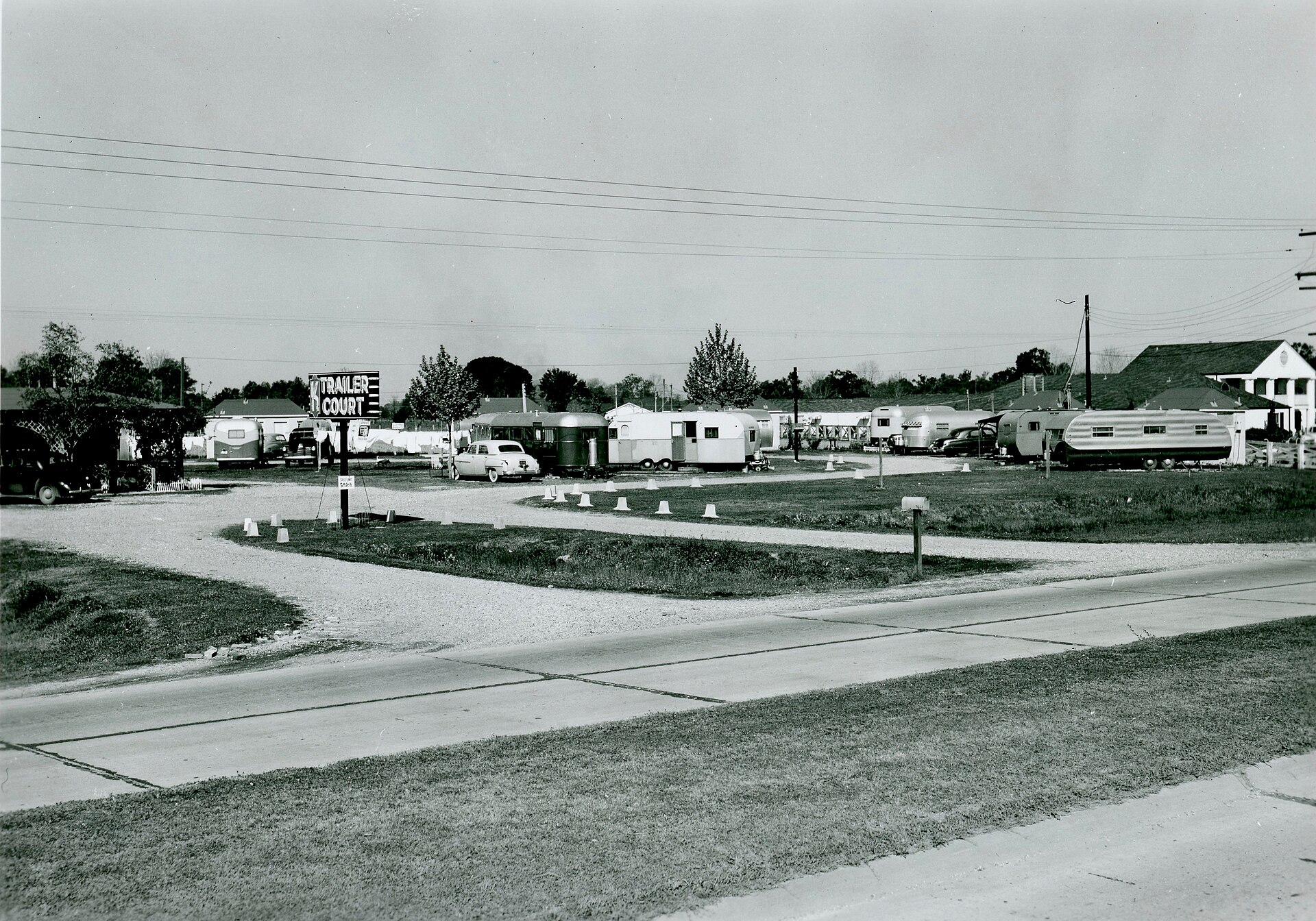

When a park is sold
A sale of the land under a park changes the landlord, not the leases. The rent notice, rule notice, termination and closure rules bind the new owner as they bound the old one, and 55-2013(3) requires the seller to transfer or return deposits.38 What residents have in Idaho before a sale is a notice right, and only if they organize first.
Resident associations and the 15-day notice
Idaho Code 55-2013A(1) gives park residents "the right to organize a resident or homeowner's association to further their mutual interest," to "peacefully assemble and freely associate," and, subject to reasonable notice and facility rules, to use park facilities for meetings, "including forums for or speeches by public officials or candidates for public office." An association must notify the landlord when it organizes.7 The purchase steps, as amended in 2024, are:
- An association "formed for the purpose of purchasing a community may give written notification to the landlord of the association's interest in purchasing the community" (55-2013A(2)).
- The association gives the landlord the names and addresses of three designated members or officers, and must do so annually (55-2013A(3)).
- Having given notice of its interest, the association "may request in writing that it be notified by the landlord, property owner, or agent fifteen (15) days prior to the property owner or agent signing a purchase agreement" (55-2013A(4)).
- The landlord sends that notice to the three designated members.
Section 55-2013A(5) lists eight transfers the section does not cover: an eminent domain taking; a forced sale in foreclosure or a deed in lieu of foreclosure; a transfer by gift, will or operation of law; a corporation's transfer to an affiliate; a conveyance incidental to financing; an exchange for other real property; a partnership's transfer to its partners; and a transfer to a person who would be an heir, or to a trust for heirs, if the owner died without a will.7
The section gives residents notice. It does not give them a right of first refusal (the right to buy on the same terms a third party has offered), a right to match an offer, or any time to raise money, and it does not require the owner to negotiate. In the Statesman's 2023 Garden City story, Vanessa Fry, director of Boise State University's Idaho Policy Institute, said some states give residents an opportunity to make a competitive offer for the land before a sale, and that Idaho has no such law.45
The 2024 bills: HB 424 and HB 590
Two 2024 bills with the same statement of purpose, "to change notification to Mobile home community associations when the property owner intends to sell their property," listed Rep. Elaine Price and Sen. Ben Toews as contacts. House Bill 424, from the House Business Committee, was introduced Jan. 24, 2024, passed out of committee, and was taken off the House calendar and sent back to the Business Committee on Feb. 26, 2024, where it ended.9 House Bill 590, from the House Ways and Means Committee, was introduced Feb. 19, 2024, passed the House 66-0 on March 1 (floor sponsor Rep. Price) and the Senate 29-3 on March 15 (floor sponsor Sen. Toews; Sens. Foreman, Lakey and Ricks voting no), and was signed by Gov. Brad Little on March 21, 2024. It is Idaho Session Laws 2024, chapter 127, and its emergency clause made it effective July 1, 2024.84629
The change was about timing. Before HB 590, the association could ask to be told when the owner "enters into a listing agreement with a licensed real estate broker," and the landlord had to notify the three members "within fifteen (15) days of the owner entering into the listing agreement." A sale that never went through a broker's listing, such as a direct offer from an investor, triggered no notice. After HB 590, the trigger is the signing of a purchase agreement, and the notice comes 15 days before it, whoever the buyer is and whether or not a broker is involved.29
Selling a home in a park, and abandoned homes
The right to sell in place
Idaho Code 55-2009 protects a resident who owns the home and wants to sell it where it sits. No landlord may deny the right to sell the home on a rented lot or require it to be removed "solely on the basis of the sale." The landlord may not take a commission or fee on the sale unless it acted as the seller's agent under a written agreement the seller entered voluntarily, and only if licensed where a license is required. A buyer who wants to keep the home in the park must sign a new rental agreement before the sale; the landlord must approve or disapprove the buyer "on the same basis that the landlord approves or disapproves of any new resident," in writing, "within five (5) working days of receiving a written application." No home may be removed until rent through the month of removal and all other charges are paid, or the lienholder rules in 55-2009A are met.47 The Idaho courts' self-help center publishes an information sheet for park residents that restates these rules.48
Lenders and back rent
Many homes in parks are financed with a loan secured by the home alone. Section 55-2009A lets a lienholder or legal owner protect its interest by notifying the landlord in writing. If the resident falls 60 days behind or appears to have abandoned the home, the landlord must notify the lienholder and legal owner in writing of their liability for rent and other charges. The lienholder is then responsible for utilities from the date of the notice, and the landlord may collect "a maximum of sixty (60) days rent due prior to notice to lienholder." The home may not be removed without a signed clearance from the landlord or manager or an agreement with the legal owner.22
Abandoned home lien sales
Since 2011, sections 55-2009B to 55-2009F have let a park sell an abandoned home to satisfy what it is owed. The landlord is treated as "the possessory lienholder." The Idaho Transportation Department, which titles manufactured homes, runs the paperwork.4918
- Grounds. The home must be "abandoned" as defined in 55-2003(1): 60 days without rent plus a reasonable belief the resident has left, or a destroyed or uninhabitable home.
- Authority to sell. The landlord needs one of three things: an authorization from the department, a court judgment on the claim, or a signed release from the legal owner and any lienholder (55-2009B(1)).
- Application. The landlord applies with a description of the home (year, make and vehicle identification number), the names and addresses of owners and others with an interest, the amount and basis of the lien, a statement that the landlord knows of no valid defense, and a $10 fee (55-2009B(2), (5)).
- Owner's chance to object. The department mails the application and a notice to the owners. Unless an owner signs and returns a "declaration of opposition" within 10 days after the notice was mailed, the department issues the authorization. If an owner objects, the landlord may sell only with a court judgment or a release (55-2009B(3), (4)).
- Notice of sale. At least 10 days' notice in one issue of a newspaper of general circulation in the county, and 20 days' notice by certified mail to the legal owner and the department (55-2009C).
- The sale. The exterior must be open for public inspection for at least one hour before the sale; sealed bids are not allowed; the sale must be "commercially reasonable" (55-2009E).
- The money. Proceeds pay the lien, then actual selling costs of no more than $200; any balance goes to the department within five days, for the legal owner or the abandoned vehicle trust account. Claims on that balance must be filed within two years (55-2009F).
An owner may also sign a release giving up any interest, stating that he or she understands the right to a court hearing and waives the right to contest the claim (55-2009D).49505152
Repairs, health and safety, and resident lawsuits
A park landlord's maintenance duties are written into the act's remedy section. Under Idaho Code 55-2014(1), a resident may sue for damages and specific performance (a court order to do what the landlord owes) for: failure to keep "in good working order, to the terminal point of service, electrical, water or sewer services supplied by the landlord"; keeping the premises in a way hazardous to health or safety, including a continuing violation of Department of Environmental Quality drinking water or hazardous waste rules, public health district rules on wastewater and septic systems, the International Fire Code as adopted locally, or the building code as adopted locally; failure to return a deposit as the law requires; and breach of a lease term "materially affecting the health and safety of the resident." Conditions that were exempt from a rule or code as of July 1, 1993, are not swept in.23
- Written notice first. Before a resident has standing to sue, the resident must give the landlord three days' written notice listing each failure or breach and demanding a cure (55-2014(5)). It may be delivered personally, left with an employee at the landlord's usual place of business, or sent by certified mail, return receipt requested (55-2014(6)).
- The case. If the problem is not cured within three days, the resident may file in district court in the county where the lot is (55-2014(5); 55-2019).
- A fast trial for orders only. In a case only for specific performance, the court "shall schedule a trial within twelve (12) days from the filing of the complaint," with service at least five days before trial. A claim for damages, alone or combined, proceeds on the ordinary schedule (55-2014(2)).
- What a court may award. Special damages that are proven; general damages "shall not exceed five hundred dollars ($500)"; specific performance; costs (55-2014(4)); treble damages for malice, wantonness or oppression (55-2017); and attorney fees to the prevailing party when treble damages are not awarded (55-2018).
- Defense. The landlord is not liable for a condition caused by the deliberate or negligent act of the resident, the resident's family or a guest (55-2014(7)).
The parties may also agree in writing to send a dispute under the chapter, the lease or the rules to mediation or binding arbitration "by an independent third party" (55-2016). Both sides must agree in writing.23244125 For tenants of ordinary rentals, the parallel process under Idaho Code 6-320 is described in Renting Safely.
Titles, property taxes and loans for homes on rented land
A title like a vehicle
In Idaho a manufactured home starts life as titled personal property. Idaho Code 49-501(2)(b) applies the motor vehicle titling chapter to "manufactured homes as defined in section 39-4105," even though they are not registered to drive. That is why the abandoned-home process runs through the Idaho Transportation Department and refers to a vehicle identification number.5349
Converting to real property
Idaho Code 63-304, enacted in 1996, lets a manufactured home "constitute real property" if the running gear is removed, the home is permanently affixed to a foundation, and the owner records with the county recorder "a statement of intent to declare the manufactured home as real property." The land must be owned or being bought by the home's owner, or leased land if the home is financed under the guidelines of Freddie Mac, Fannie Mae, the U.S. Department of Agriculture or a similar program. Once declared, county assessors must treat the home "as any other site-built residence," and lenders may treat it as real property. The form is set by the State Tax Commission, and the title or certificate of origin is attached so the step can be reversed.26
Reversal is deliberately slow. Under 63-305, a converted home is a fixture; removing it requires the consent of everyone with an interest in the land, identified by a title report. The owner must give the county assessor written notice at least 30 days before removal, the tax collector must certify that all due property taxes are paid, and within five days of removal the owner must apply for a certificate of title. A person who removes a converted home without following the section is liable for legal costs and the cost of restoring the land.27
For most park residents the question does not arise: a home in an ordinary park, on a rented lot without qualifying financing, stays titled personal property.
Property tax and the homeowner's exemption
Idaho's homeowner's exemption, Idaho Code 63-602G, exempts the lesser of $125,000 or 50 percent of the assessed value of an owner-occupied primary home. The definition of "homestead" it uses, in Idaho Code 63-701, excludes furniture and appliances but adds that "a manufactured home may be a homestead." The same definition includes up to one acre of land, which a park resident does not own.5455 How a tax bill is calculated from an assessment and levy is explained in Part B's Reading Your Assessment and Levy. Whether a park resident's own home is assessed and exempt in a given county is a question for that county assessor's records; this lesson did not survey county practice.
Chattel loans
A loan secured only by the home, not land, is a chattel loan. The Consumer Financial Protection Bureau's May 2021 analysis of national mortgage disclosure data found that "around 42 percent of manufactured housing loans are chattel loans," that "over 60 percent of manufactured housing borrowers directly own the land where their home is located," and that 17 percent of those landowners still took out a chattel loan. It reported that less than 4 percent of chattel originations in 2019 were refinances, compared with about 31 percent of manufactured home mortgages and 44 percent of site-built mortgages. The report covers the United States and gives no Idaho figure.56 This lesson describes these loan types for general education and offers no view on any loan, home or purchase.
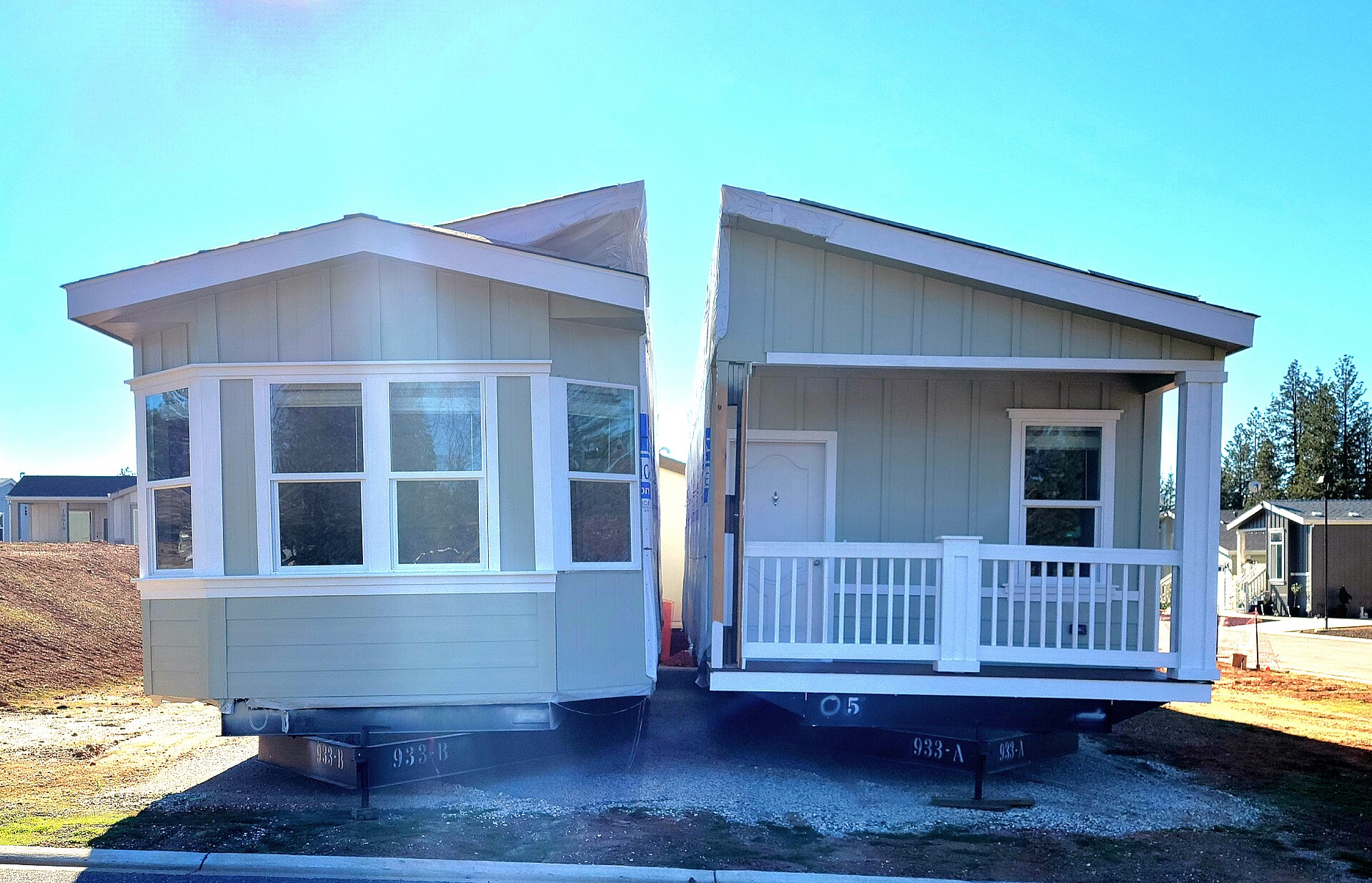

Resident-owned communities in Idaho
A resident-owned community (ROC) is a park whose land is owned by a cooperative or nonprofit corporation of the homeowners who live there. ROC USA, a national nonprofit, and its lending arm finance and train cooperatives; LEAP Housing (LEAP ROC), part of Boise-based LEAP Charities, is its certified technical assistance provider in Idaho. The model is described here because Idaho residents have used it; the description comes from ROC USA and news reports, and ROC USA is an advocacy and lending organization.1336
| Community | Place | Purchase | Size | What the record says | Source |
|---|---|---|---|---|---|
| Pleasant View Homeowners Cooperative | Caldwell (Canyon County), 20106 Lower Pleasant Ridge Rd. | Joined ROC USA Sept. 23, 2019 | 32 homes (ROC USA); 30 lots (KTVB) | KTVB reported a $1.65 million loan, $1.39 million of it for the land and the rest for improvements, including $60,000 each for septic and road repairs; seller Wawaset Parks; 29 of 30 households joined | 1236 |
| Buddy Dancer | Garden City (Ada County), near the Boardwalk development | 2020 | Not given | Residents of two parks, Buddy Manor and Native Dancer, bought their land and formed a cooperative | 4514 |
| Hamilton Place Community, Inc. | South of Mountain Home (Elmore County) | Closed July 12, 2024; $1.13 million | 33 spaces, 22 occupied homes (ROC USA) | The 329th ROC in the ROC USA network and the third with LEAP Housing; ROC USA Capital and LEAP Loan Fund financed it, with a separate infrastructure loan for water and sewer | 1314 |
The Statesman reported on July 30, 2024, that LEAP Housing applied on July 10, 2024, for a $14.1 million federal grant, asking $13.5 million to help residents buy five more parks (two in Mountain Home, one in Sandpoint, one at the western edge of Homedale and one near Caldwell) and estimating an average cost of $100,000 per lot. The owners had agreed to pause sales while the grant was pending.14 Whether the grant was awarded and whether any of those parks were bought was not confirmed for this lesson.
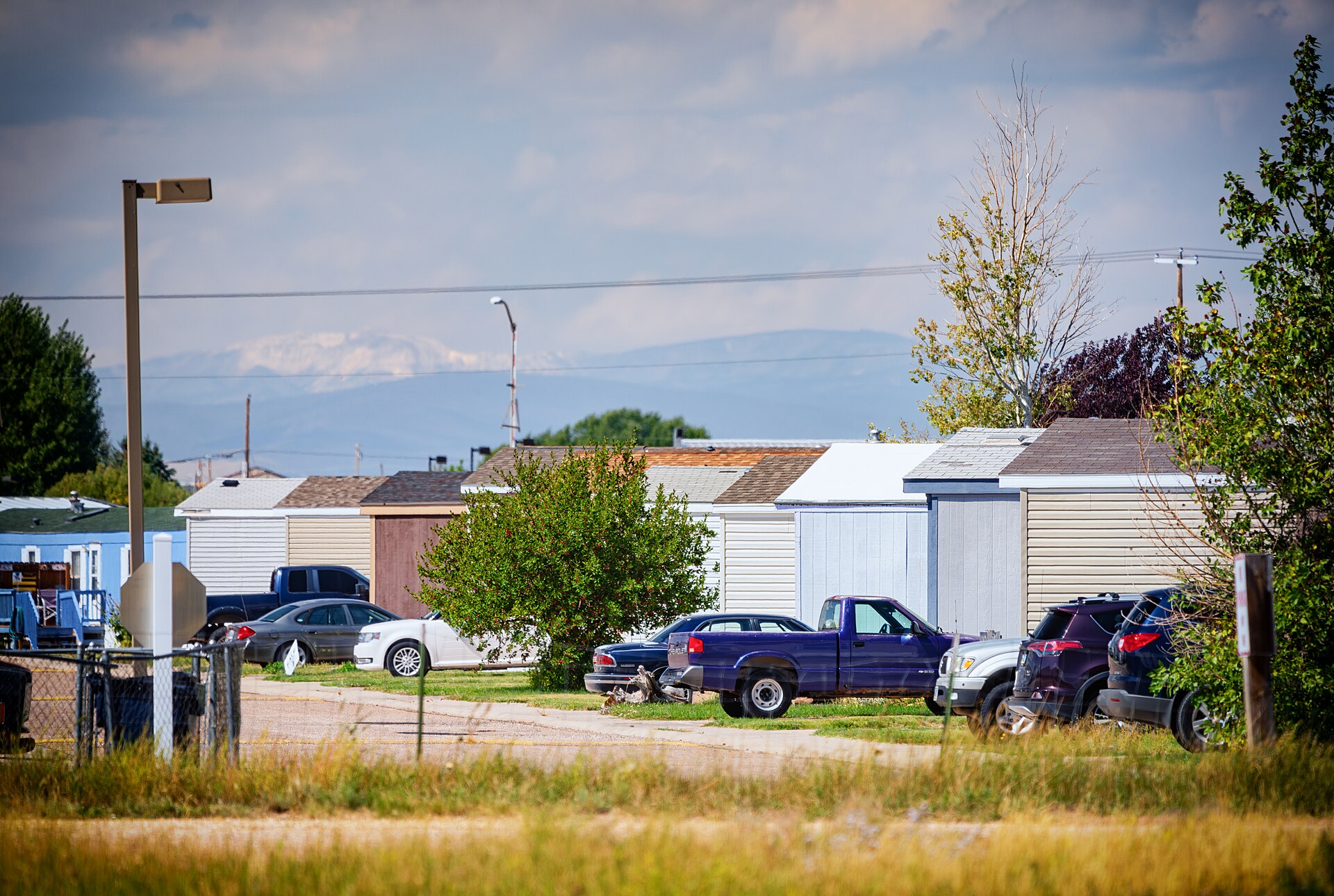

How many manufactured homes Idaho has, county by county
The American Community Survey counts housing units by "units in structure," and one category is "mobile home," which in Census usage includes manufactured homes. The survey does not separate homes in parks from homes on owned land, and no Idaho agency publishes a count of parks or park lots. The 5-year estimates for 2020 to 2024 are the only ones that reach small counties and towns.10
| Place | All housing units | Mobile and manufactured homes (margin of error) | Share of units | Owner-occupied share of occupied mobile homes |
|---|---|---|---|---|
| United States | 143,775,355 | 8,042,724 (48,445) | 5.6% | 73.4% |
| Idaho | 795,014 | 55,245 (1,405) | 6.9% | 72.6% |
| Ada County | 211,440 | 5,749 (539) | 2.7% | 76.4% |
| Canyon County | 89,135 | 6,013 (633) | 6.7% | 69.8% |
| Kootenai County | 80,260 | 5,886 (672) | 7.3% | 85.8% |
| Bonneville County | 47,489 | 1,984 (347) | 4.2% | 74.9% |
| Bannock County | 36,168 | 2,626 (379) | 7.3% | 61.7% |
| Twin Falls County | 36,429 | 2,570 (367) | 7.1% | 71.1% |
| Jerome County | 8,810 | 841 (201) | 9.5% | 56.8% |
| Gooding County | 6,141 | 964 (174) | 15.7% | 72.9% |
| Lincoln County | 1,989 | 363 (78) | 18.3% | 85.6% |
| Minidoka County | 8,644 | 855 (216) | 9.9% | 57.4% |
| Cassia County | 9,096 | 678 (155) | 7.5% | 54.8% |
| Valley County | 12,878 | 907 (246) | 7.0% | 83.2% |
| Blaine County | 15,989 | 264 (110) | 1.7% | 45.1% |
| Fremont County | 8,810 | 1,008 (185) | 11.4% | 62.0% |
| Payette County | 10,141 | 1,535 (314) | 15.1% | 68.9% |
| Owyhee County | 4,869 | 1,058 (189) | 21.7% | 71.1% |
| Elmore County | 12,271 | 1,393 (273) | 11.4% | 61.8% |
Source: U.S. Census Bureau, American Community Survey 2020 to 2024 5-year estimates, tables B25024 (units in structure) and B25032 (tenure by units in structure). Shares are our calculation.1011
Among cities, the same estimates put the mobile home share at 3.0 percent in Boise, 0.9 percent in Meridian, 4.5 percent in Nampa, 5.3 percent in Caldwell, 13.7 percent in Garden City, 2.2 percent in Idaho Falls, 6.8 percent in Pocatello, 4.0 percent in Coeur d'Alene, 4.4 percent in Post Falls and 7.8 percent in Lewiston. In the Magic Valley core towns: Twin Falls 4.1 percent (896 units), Jerome 9.7 percent (432), Kimberly 13.4 percent (247), Gooding 7.0 percent (92), Buhl 5.3 percent (101) and Hagerman 8.7 percent (60). Margins of error for the small towns are large: Kimberly's 247 has a margin of 112 and Hagerman's 60 a margin of 32.10
How we figured it: shares from the Census tables
Inputs: table B25024, line 1 (total housing units) and line 10 (mobile home); table B25032, line 11 (owner-occupied, mobile home) and line 22 (renter-occupied, mobile home), 2020 to 2024 5-year estimates, downloaded from the Census Bureau's table-based summary files for the U.S., Idaho, its counties and places.
Share of units: mobile homes divided by all housing units. Idaho: 55,245 / 795,014 = 6.9 percent. Gooding County: 964 / 6,141 = 15.7 percent.
Owner-occupied share: owner-occupied mobile homes divided by owner- plus renter-occupied mobile homes. Idaho: 34,281 / (34,281 + 12,945) = 34,281 / 47,226 = 72.6 percent. Vacant units are left out.
Limits: "Owner-occupied" means the household owns the home; the Census does not ask whether it owns the land, so owner-occupied homes in parks and on owned lots are counted together. The 2025 1-year estimate for Idaho (52,343, margin of error 3,571; 6.2 percent of 849,162 units) covers only counties of 65,000 or more and is not directly comparable with the 5-year figure.57
How Idaho compares with Oregon, Washington and Florida
Idaho's neighbors to the west have moved further toward resident protections; Florida, with one of the largest stocks of park homes, takes a different route through a homeowners' association right to buy. The table compares current statutes as posted by each state.
| Rule | Idaho (Title 55, Ch. 20) | Oregon (ORS ch. 90) | Washington (RCW 59.20) | Florida (ch. 723) |
|---|---|---|---|---|
| Notice of a lot rent increase | 90 days (55-2006) | 90 days; once in 12 months (ORS 90.600) | 3 months (RCW 59.20.090) | Not compared here |
| Cap on lot rent increases | None; local caps barred (55-306) | 6% a year in parks of more than 30 spaces; lesser of 10% or 7% plus CPI in smaller parks (ORS 90.324), with listed exceptions | Not checked for this lesson | Not compared here |
| Closure or change-of-use notice | 180 days (55-2010(1)(d)) | 365 days (180 days for conversion to a subdivision) (ORS 90.645) | 2 years, with listed exceptions (RCW 59.20.080(1)(e)) | Owner must first offer the park to the homeowners' association, which has 45 days to contract (s. 723.061(1)(d)) |
| Payment to residents on closure | None | $6,000 single-wide, $8,000 double-wide, $10,000 triple-wide or larger, indexed by rule (ORS 90.645) | Closure notice must meet RCW 59.21.030; payments not detailed here | Not compared here |
| Notice to residents before a park sale | 15 days before a purchase agreement, only if an organized association asked in writing (55-2013A) | Before marketing or when considering an offer; tenants have 15 days to form a committee (ORS 90.842) | Notice of an opportunity to compete to purchase before marketing; 70 days to form a qualified tenant organization (RCW 59.20.325) | Association may buy at the owner's price and terms within 45 days (s. 723.071) |
| Days to pay rent before termination | 3 days, then 30 days to vacate (55-2010(1)(b)) | Not compared here | 14 days (RCW 59.20.080(1)(b)) | 5 days after written demand (s. 723.061(1)(a)) |
Sources: Idaho Code Title 55, Chapter 20; Oregon Revised Statutes 90.324, 90.600, 90.645 and 90.842; Revised Code of Washington 59.20.080, 59.20.090 and 59.20.325; Florida Statutes 723.061 and 723.071; all read Nov. 19, 2026.5859560661626364
Oregon's percentage caps for parks were set by its Legislature (the history line on ORS 90.324 cites 2019, 2023 and 2025 session laws), and Oregon's notice-of-sale section dates to 2014. Washington's notice-of-opportunity section requires notice to the tenants, any known tenant organization, the state commerce department, the local government, the housing authority and the state housing finance commission. Neither state bans the sale of a park; both give residents time and information before it happens.586062 Colorado and New Hampshire, which also give residents purchase rights, were not checked for this lesson.
Pictures, Numbers and Infographics
The key numbers, deadlines and dates in this lesson, with their sources. Day counts are as the statutes state them.
| Measure or rule | Idaho | U.S. or other states | Place or year | Source |
|---|---|---|---|---|
| Written notice of a lot rent increase | 90 days | Oregon 90 days; Washington 3 months | Current law | 25961 |
| Notice of a pass-through for taxes, utility assessments or services | 30 days | 55-2006(5) | 2 | |
| Most frequent lease or rule amendment | Once in 6 months, with 90 days' notice | 55-2006(3) | 2 | |
| Cure period, then time to vacate: unpaid rent | 3 days, then 30 days | Washington 14 days; Florida 5 days | 55-2010(1)(b) | 4663 |
| Cure period, then time to vacate: rule violation | 3 days, then 20 days | Washington 20 days | 55-2010(1)(a) | 46 |
| Landlord's notice of nonrenewal | 90 days | 55-2010(2) | 4 | |
| Park closure or change of use | 180 days; no rent increase meanwhile | Oregon 365 days; Washington 2 years | Current law | 456 |
| Payment on closure | None | Oregon $6,000 to $10,000 | Current law | 5 |
| Notice to residents of a rezone petition | Within 15 days of filing | 55-2007(3)(f) | 35 | |
| Notice to an organized association before a park sale | 15 days before a purchase agreement | Washington 70 days to organize; Oregon 15 days; Florida 45 days to contract | HB 590 (2024) | 7626064 |
| Decision on a buyer's application to keep a home in the park | 5 working days | 55-2009(4) | 47 | |
| Back rent a lienholder can owe before notice | 60 days maximum | 55-2009A | 22 | |
| Abandoned home lien sale: objection window; newspaper notice; certified mail notice | 10 days; 10 days; 20 days | 55-2009B, 55-2009C | 4950 | |
| Trial setting in a resident's suit for specific performance | Within 12 days of filing | 55-2014(2) | 23 | |
| Cap on general damages in a resident's suit | $500 | 55-2014(4) | 23 | |
| Mobile and manufactured homes, share of housing units | 6.9% (55,245) | U.S. 5.6% | 2020 to 2024 | 10 |
| Owner-occupied share of occupied mobile homes | 72.6% | U.S. 73.4% | 2020 to 2024 | 11 |
| Manufactured home loans that are chattel loans | Not published | About 42% | U.S., CFPB 2021 | 56 |
| Resident-owned parks | 3 (Caldwell 2019, Garden City 2020, Mountain Home 2024) | Hamilton Place was ROC USA's 329th | Through July 2024 | 1314 |
The other graphics in this lesson: the timeline of the act (in How the law got here), the rent and rule notice clock (Lot rent and rule changes), the termination flowchart (Ending a park tenancy), the closure notice comparison (When a park closes), the sale notice steps (When a park is sold) and the abandoned-home lien sale path (Abandoned home lien sales).
Common mistakes
Using 20 days for every termination
The Attorney General's July 2026 manual, after describing nonpayment and rule violations, says "in either case" the landlord must allow three days to cure and then "must give the tenant 20 days to vacate the park." The statute is different for nonpayment: 55-2010(1)(b) provides "notice of a thirty (30) day period in which to vacate." The 20-day period in 55-2010(1)(a) is for rule and lease violations.174 When a summary and a statute differ, the statute controls.
Treating every park household the same
The act covers residents who rent the lot, not households that rent both home and lot from the park (55-2004). A family renting a park-owned home has the protections of Title 6, Chapter 3 and Title 55, Chapter 3 instead, including the one-month notice to end a month-to-month tenancy under 55-208, and has no 180-day closure notice under 55-2010.14
Assuming residents have a right to buy the park
Idaho gives an organized association a right to ask for 15 days' notice before a purchase agreement is signed. It does not give residents a right of first refusal, a right to match an offer or a waiting period, and it covers no sale at all unless the association gave written notice of its interest and the names of three designated members (55-2013A).7
Expecting a city to cap lot rent
Idaho Code 55-306 bars local governments from regulating rent, fees or deposits on private residential property, and 55-2006(4) says park rents are governed by it. A city council can hold a hearing, but it cannot pass a lot rent ordinance.32
Raising rent during a closure notice
Once a 180-day closure notice is given, "the landlord may not increase the rent during the notice period" (55-2010(1)(d)). A rent increase notice already pending when the closure notice is served is not addressed separately in the statute.4
Assuming a park manager may enter a lot at will
The implied lease term in 55-2007(3)(e) allows entry for utility maintenance, protection of the community and periodic inspection, and otherwise only with consent, in an emergency or on suspected abandonment. The AG manual's summary words it more narrowly ("with the tenant's consent, the landlord may enter the lot to maintain utilities"); the statute's text is the rule.3517
Saying Idaho gives parks no lien on abandoned homes
The AG manual says Idaho law "does not specifically provide for the creation of a lien on the manufactured home on behalf of a park owner for unpaid rent and utilities." For abandoned homes, sections 55-2009B to 55-2009F, added in 2011, do treat the landlord as "the possessory lienholder" and set out a sale process; for an occupied home, the 60-day lienholder rule in 55-2009A applies instead.174922
Reading Census mobile home counts as park counts
The ACS "mobile home" category counts the structure, wherever it is: a park, a family farm, a rural lot. Neither table B25024 nor B25032 tells how many homes are in parks.1011
What we know, what we don't, and what the data can show
What we know
- The current text of every section of the Manufactured Home Residency Act, Idaho Code 55-2001 to 55-2020, and the session laws that changed each one, from 1980 through 2025.65
- The 2024 change to sale notice (HB 590) and the failed alternative (HB 424); the 2024 and 2025 rent control and renumbering bills (HB 545, SB 1043); and the 2026 covenant bill that did not get out of committee (HB 647).89303133
- How many mobile and manufactured homes each county and city has, within the Census margins of error, and how many are owner-occupied.1011
- That at least three Idaho parks became resident-owned between 2019 and 2024.121314
What we don't know
- How many manufactured home parks and park lots Idaho has. No state agency publishes a list; the Census does not count parks.
- Typical lot rents by city or county, and how fast they have risen; only individual examples are public.
- How many parks have closed or been sold statewide since 2011; the Garden City count of 21 comes from an advocacy group's letter reported in the Statesman.45
- How many park evictions are filed each year; Idaho court data do not separate park cases from other unlawful detainer cases.
- Whether LEAP Housing's July 2024 federal grant application was funded.
- How many park residents use the 55-2013A notice; associations notify only the landlord, not the state.
What the data can show
- ACS tables B25024 and B25032 (5-year): mobile home counts and owner shares for every Idaho county and city, and change over time between non-overlapping 5-year periods.1011
- County assessor parcel and personal property rolls: manufactured homes assessed as personal property at park addresses, park parcels by owner, and assessed values before and after a sale.
- County recorder records: deeds for park sales, real property declarations under Idaho Code 63-304 and reversals under 63-305.2627
- Idaho Transportation Department title and lien sale records: authorizations to conduct lien sales of abandoned homes under 55-2009B.49
- iCourt case records: unlawful detainer and 55-2014 cases naming a park's owner, found by party name (see The Idaho iCourt Portal).
- City planning files: rezone petitions on park land, which trigger the 15-day resident notice in 55-2007(3)(f).35
Questions people ask
How much can a park raise lot rent in Idaho?
Idaho sets no limit on the amount. It sets the process: 90 days' written notice after the lease term ends, delivered by first class mail, certified mail or in person; uniform increases within each rent tier; and 30 days' notice for pass-through charges. Local governments may not cap rents.23
Can a park end my lot lease without a reason?
During the lease term, only for the reasons listed in 55-2010(1): rule or lease violations, nonpayment, a government closure order, closure of the park or an eminent domain taking, or abandonment. At the end of the term, leases renew automatically unless the landlord gives 90 days' written notice of nonrenewal (55-2010(2), 55-2011). The statute does not require the landlord to state a reason for nonrenewal.439
How much notice do residents get if the park closes?
At least 180 days' written notice, with no rent increase during that time. Idaho requires no relocation payment.4
Can a park stop a resident from selling a home in place?
No landlord may deny a resident the right to sell or require removal solely because of the sale. The landlord may screen the buyer on the same basis as any new resident and must answer a written application within five working days; the buyer must sign a new lease before the sale (55-2009).47
Do residents get told when the park is sold?
Only if they have organized an association, notified the landlord of their interest in buying, provided three designated members' names, and asked in writing. Then the landlord must notify them 15 days before signing a purchase agreement, except for the eight kinds of transfer listed in 55-2013A(5).7
Does the act cover RV parks?
Not for ordinary recreational vehicles or travel trailers. It does cover park model recreational vehicles, which are defined in Idaho Code 49-117 and were added in 2017 (55-2003, 55-2004).181
Is there a state office that enforces the act?
The act names no enforcement agency. Its remedies run through the district court of the county where the lot is (55-2014, 55-2019), or through mediation or arbitration if both sides agree in writing (55-2016). The Attorney General's Consumer Protection Division publishes the landlord and tenant manual that summarizes the act.23422417
Hard questions
Should Idaho give park residents a right to buy before a sale?
The case for: residents own homes that are costly or impossible to move, so the sale of the land decides whether they keep them; Oregon and Washington require notice before a park is marketed and give tenants time to organize, and Florida lets an association buy on the owner's terms within 45 days.606264 The case against: a waiting period or matching right can chill offers, lower the price an owner can get for private land, and delay sales; Idaho's 2024 Legislature chose a 15-day notice that does not bind the owner, and the Senate passed it 29-3 with three senators opposed.8 What the evidence shows: Idaho residents have bought parks without a statutory right to do so, in 2019, 2020 and 2024, each time with a willing seller and outside financing; how many sales residents lost for lack of time is not recorded anywhere.121314
Is 180 days enough notice to close a park?
The case for more: moving a home requires an installer, a permit and a vacant lot in a park that will accept the home's age and size; Oregon allows 365 days plus a payment, and Washington two years.56 The case for the current rule: the land is the owner's to redevelop when zoning allows, longer notice raises the cost of redevelopment and of new housing, and the Dee Mar developer gave more than the law required.45 What the evidence shows: Garden City's mobile home share fell from 29 percent in 2000 to 19 percent in 2016 according to the city plan cited by the Statesman, and is about 13.7 percent in the 2020 to 2024 Census estimates; no state data track where displaced residents went.4510
Should lot rent be capped?
The case for: a resident who cannot move the home has little bargaining power once the lease ends, a point Oregon's Legislature accepted when it set a 6 percent annual cap for larger parks.58 The case against: caps can reduce investment in roads, water and sewer, and Idaho's Legislature rewrote its ban on local rent regulation in 2024 (HB 545) and re-enacted it as 55-306 in 2025 (SB 1043).3031 What the evidence shows: the documented Idaho examples include large increases (one Caldwell lot from $225 to $460 in four years) and also increases after resident purchases tied to infrastructure loans (Hamilton Place); with no lot rent survey, neither side can show what is typical.3613
Should subdivisions be allowed to ban manufactured homes?
The case for allowing it: covenants are private agreements buyers accept when they buy, and Idaho Code 67-6509A leaves recorded restrictive covenants in place. The case against: HB 647 (2026) would have declared covenants that prohibit or unreasonably restrict manufactured homes on single-family lots "against public policy," arguing they keep the least expensive kind of house out of new neighborhoods. What the evidence shows: HB 647 was referred to the House Business Committee on Feb. 13, 2026, and went no further; HB 800, which passed, changed city and county rules and left covenants in place.3332 HOA covenants are covered in How HOAs Are Born.
For reporters and advocates
Public records that exist:
- County recorder: deeds showing park sales and buyers (often an LLC), real property declarations under 63-304 and reversals under 63-305, and any recorded leases or memoranda.2627
- County assessor: park parcel values over time (the Statesman used Ada County assessor values for Dee Mar: $704,500 in 2019 and more than $1.5 million by 2023) and the personal property roll for homes in parks.45
- Idaho Secretary of State business search: the owners, managers and registered agents of LLCs that buy parks; and the filings of resident cooperatives.
- City and county planning files: rezone petitions and development applications on park land, staff reports and hearing minutes; the resident notice in 55-2007(3)(f) is triggered by the petition filing date.35
- iCourt: unlawful detainer cases and 55-2014 suits naming the park owner; see Reading a Docket.
- Idaho Transportation Department: lien sale authorizations for abandoned homes (55-2009B) and title records.49
- Legislature: committee minutes and votes for HB 424, HB 590 (2024) and HB 647 (2026).9833
Questions to ask: When did the owner give the 180-day notice, and to whom? Did the park raise rent during the notice period? Was a rezone petition filed, and were residents told within 15 days? Did residents have an association that had asked for sale notice under 55-2013A, and was it notified 15 days before the purchase agreement? Where did displaced households move, and could their homes be moved at all? What did the city know, and when?
Public records requests: city and county planning files, code enforcement logs and council correspondence are public records under the Idaho Public Records Act, Idaho Code Title 74, Chapter 1; how to ask is in Idaho Public Records Requests.
The Magic Valley angle: Gooding County (15.7 percent), Lincoln County (18.3 percent), Minidoka County (9.9 percent) and Jerome County (9.5 percent) all have larger mobile home shares than the state's 6.9 percent, and Kimberly's estimate (13.4 percent) is one of the highest among Idaho towns, though its margin of error is wide. Twin Falls (4.1 percent) and Jerome (9.7 percent) are growing cities where park land faces the same redevelopment pressure seen in Garden City. The Twin Falls, Jerome and Gooding county assessors and recorders hold the parcel and deed records that would show which parks have changed hands since 2020.10 Part A's Magic Valley Case Study profiles those towns.
Where to go next
- Idaho Code Title 55, Chapter 20 (official text): The Idaho Legislature's free statute pages for the Manufactured Home Residency Act. Each section shows its current text and a history line naming the session laws that changed it.
- Idaho Attorney General, Landlord and Tenant Manual: Free PDF from the Consumer Protection Division (July 2026 edition) with a section summarizing the park statute and an index of sections. A summary; the statute text controls where they differ.
- Idaho Court Assistance Office (court self-help): The Idaho courts' free self-help site, with forms and information sheets on housing cases, including one for manufactured home park residents (form H-5). Court staff explain procedures but do not represent parties.
- Idaho Legal Aid Services: A nonprofit that provides free civil legal help to eligible low-income Idahoans and publishes plain-language housing guides, including material on manufactured homes. Eligibility rules apply.
- Census Bureau data.census.gov, table B25024: Free. Search the table number and pick a county or city to see mobile home counts with margins of error; table B25032 splits them by owner and renter.
- ROC USA: A national nonprofit (advocacy and lending) that finances and trains resident cooperatives buying their parks; its community pages list Idaho's resident-owned parks. Free to read.
- Intermountain Fair Housing Council: A Boise-based nonprofit fair housing advocacy group that takes housing discrimination complaints and has written to cities about park closures. Free.
Still being checked (10 items)
These points could not be fully confirmed against a primary source when this lesson was written and fact checked in November 2026. The text above states each one as uncertain.
- The original 1980 title of the act: the 2011 bill summary and statement of purpose call it the Mobile Home Park Landlord-Tenant Act; the 1980 session law itself was not read.
- KTVB's 2019 Pleasant View story: the figures ($225 to $460 lot rent, $1.65 million loan, $1.39 million for land, 29 of 30 lots) were rechecked against the KTVB article on Nov. 19, 2026, but the page shows no publication date (ROC USA republished it Aug. 26, 2019). ROC USA lists 32 homes; KTVB says 30 lots.
- Hamilton Place rent after purchase: ROC USA says rent rose about $154 to $450; the Idaho Statesman says payments rose from $385 to $475. Not reconciled.
- The Intermountain Fair Housing Council count of 21 Garden City parks (more than 180 units) closed since 2011 and the Garden City plan figures (29 percent in 2000, 19 percent in 2016) come from the Idaho Statesman's Dec. 21, 2023, story; the underlying letter and plan were not read.
- Whether LEAP Housing's July 10, 2024, federal grant application ($14.1 million) was funded, and whether any of the five parks named were bought.
- The Buddy Dancer purchase year (2020) and size come from Idaho Statesman reporting, not a recorded deed.
- Washington's 2025 rent stabilization law and any manufactured home rent cap were not checked; Colorado and New Hampshire park purchase laws were not checked.
- Florida's notice period before a park change of use was not confirmed; only the 45-day association purchase window in 723.061(1)(d) and 723.071 was read.
- No search of Idaho appellate opinions under the Manufactured Home Residency Act was completed; one quick search found none.
- Whether Idaho county assessors apply the homeowner's exemption to manufactured homes on rented lots in practice was not surveyed.
Last verified November 19, 2026. General education, not legal, tax, financial or real estate advice; every figure names its source and year in the Notes and Sources below. Data is revised: check the newest release before relying on any number.
Notes
- Idaho Code section 55-2004, Chapter governs, Idaho Legislature statute page; history: added 1980, ch. 177; am. 1988, ch. 196; am. 2011, ch. 184; am. 2017, ch. 134 (read Nov. 19, 2026). Read it online. ↩
- Idaho Code section 55-2006, Adjustments to rent, services, utilities or rules, Idaho Legislature statute page; history: added 1980, ch. 177; am. 1988, 1993, 2011; am. 2024, ch. 257; am. 2025, ch. 65 (read Nov. 19, 2026). Read it online. ↩
- Idaho Code section 55-306, Local government, no rent control, Idaho Legislature statute page; history: added 2025, ch. 65, sec. 6 (SB 1043) (read Nov. 19, 2026). Read it online. ↩
- Idaho Code section 55-2010, Terminations, Idaho Legislature statute page; history: added 1980, ch. 177; am. 1988, ch. 196; am. 2004, ch. 276; am. 2011, ch. 184 (read Nov. 19, 2026). Read it online. ↩
- Oregon Revised Statutes 90.645, Closure of park; notices; payments to tenants; rules (365 days' notice; $6,000, $8,000 or $10,000 by home size; 180 days for subdivision conversions), ORS chapter 90 as posted by the Oregon Legislature (read Nov. 19, 2026). Read it online. ↩
- Revised Code of Washington 59.20.080, Grounds for termination of tenancy (20-day rule violation notice; 14 days to pay rent; two years' closure notice with exceptions) (read Nov. 19, 2026). Read it online. ↩
- Idaho Code section 55-2013A, Community resident associations, Idaho Legislature statute page; history: added 1988, ch. 196; am. 2011, ch. 184; am. 2024, ch. 127 (HB 590) (read Nov. 19, 2026). Read it online. ↩
- House Bill 590 (2024), by the House Ways and Means Committee, Community resident associations, bill status page: introduced Feb. 19, 2024; passed House 66-0-4 March 1 (floor sponsor Rep. Price); passed Senate 29-3-3 March 15 (floor sponsor Sen. Toews; nays Foreman, Lakey, Ricks); signed by the governor March 21, 2024; Session Law Chapter 127; effective July 1, 2024 (read Nov. 19, 2026). Read it online. ↩
- House Bill 424 (2024), by the House Business Committee, Community resident associations, bill status page: introduced Jan. 24, 2024; reported out of committee with do pass Feb. 6; taken off General Orders and referred to Business Feb. 26, 2024; no further action; statement of purpose RS30915 lists Rep. Elaine Price and Sen. Ben Toews (read Nov. 19, 2026). Read it online. ↩
- U.S. Census Bureau, American Community Survey 2020 to 2024 5-year estimates, table B25024, Units in Structure, table-based summary file acsdt5y2024-b25024.dat (lines 1 and 10, mobile home), U.S., Idaho, counties and places; shares are our calculation (read Nov. 19, 2026). Read it online. ↩
- U.S. Census Bureau, American Community Survey 2020 to 2024 5-year estimates, table B25032, Tenure by Units in Structure, summary file acsdt5y2024-b25032.dat (line 11 owner-occupied mobile home; line 22 renter-occupied mobile home); Idaho 34,281 owner and 12,945 renter; shares are our calculation (read Nov. 19, 2026). Read it online. ↩
- ROC USA (national nonprofit lender and technical assistance network for resident-owned communities), community page, Pleasant View Homeowners Cooperative, Caldwell, Idaho: all ages, 32 homes, joined Sept. 23, 2019 (read Nov. 19, 2026). Read it online. ↩
- ROC USA, April Myers, "Idaho community purchase 'relieved so much pressure'," July 25, 2024: Hamilton Place, Mountain Home, purchased July 12, 2024, for $1.13 million; 33 spaces, 22 occupied homes; 329th ROC with ROC USA and third with LEAP Housing; financed by ROC USA Capital and LEAP Loan Fund (read Nov. 19, 2026). Read it online. ↩
- Nick Rosenberger, "Five Boise-area mobile-home parks may be sold. Can their residents save them?" Idaho Statesman, July 30, 2024 (as republished by Yahoo News): Hamilton Place purchase, Buddy Dancer (2020), LEAP Housing's July 10, 2024, federal grant application, Mountain Home lot rents (read Nov. 19, 2026). Read it online. ↩
- Idaho Code section 55-2001, Short title, Idaho Legislature statute page; history: added 1980, ch. 177; am. 2011, ch. 184 (read Nov. 19, 2026). Read it online. ↩
- Idaho Code section 55-2002, Good faith, Idaho Legislature statute page; history: added 1980, ch. 177 (read Nov. 19, 2026). Read it online. ↩
- Idaho Office of the Attorney General, Landlord and Tenant Manual, July 2026 edition, Consumer Protection Division, section on the Manufactured Home Residency Act (written leases, implied and prohibited terms, park rules, rent increases, deposits, lienholder liability, removal and sale of homes, renewal and termination) (read Nov. 19, 2026). Read it online. ↩
- Idaho Code section 55-2003, Definitions, Idaho Legislature statute page; history: added 1980, ch. 177; am. 1988, ch. 196; am. 2011, ch. 184; am. 2017, ch. 134 (read Nov. 19, 2026). Read it online. ↩
- Idaho Code section 39-4105, Definitions (Idaho Building Code Act), subsections defining manufactured home and mobile home, Idaho Legislature statute page; the full definition and the HUD Code history are set out in Part B of this series, lesson 05 (read Nov. 19, 2026). Read it online. ↩
- Statement of Purpose RS20457 / H0183 (2011), contact Jack Lyman, Idaho Housing Alliance; it describes the existing law as the Landlord/Tenant Act that "refers only to mobile homes" (the statement dates the mobile and manufactured home line to June 1, 1976; the federal HUD Code date is June 15, 1976) (read Nov. 19, 2026). Read it online. ↩
- House Bill 183 (2011), as amended in the Senate, by the House State Affairs Committee, Landlord-tenant act (revising the Mobile Home Park Landlord-Tenant Act), bill status page: passed House 65-1-4 March 7, 2011 (floor sponsor Rep. Bilbao); Session Law Chapter 184, signed April 5, 2011, effective July 1, 2011 (per the 2011 session law list) (read Nov. 19, 2026). Read it online. ↩
- Idaho Code section 55-2009A, Notice of lienholder, limit on back rent, abandonment, Idaho Legislature statute page; history: added 1981, ch. 207; am. 2011, ch. 184 (read Nov. 19, 2026). Read it online. ↩
- Idaho Code section 55-2014, Resident action for damages, specific performance, Idaho Legislature statute page; history: added 1993, ch. 380; am. 2001, ch. 103; am. 2002, ch. 86; am. 2011, ch. 184 (read Nov. 19, 2026). Read it online. ↩
- Idaho Code section 55-2016, Arbitration and mediation, Idaho Legislature statute page; history: added 1993, ch. 380; am. 2011, ch. 184 (read Nov. 19, 2026). Read it online. ↩
- Idaho Code section 55-2018, Attorney's fees, Idaho Legislature statute page; history: added 1993, ch. 380 (read Nov. 19, 2026). Read it online. ↩
- Idaho Code section 63-304, Manufactured homes to constitute real property, Idaho Legislature statute page; history: added 1996, ch. 98; am. 2002, ch. 61 (read Nov. 19, 2026). Read it online. ↩
- Idaho Code section 63-305, Reversal of declaration which treats a manufactured home as real property, Idaho Legislature statute page; history: added 1996, ch. 98; am. 2002, ch. 61 (read Nov. 19, 2026). Read it online. ↩
- Idaho Code section 55-2008, Rules, Idaho Legislature statute page; history: added 1980, ch. 177; am. 1988, ch. 196; am. 2010, ch. 168; am. 2011, ch. 184 (read Nov. 19, 2026). Read it online. ↩
- House Bill 590 (2024), bill text amending Idaho Code 55-2013A, showing struck listing-agreement language and the new 15-day purchase agreement notice; section 2 emergency clause, effective July 1, 2024 (read Nov. 19, 2026). Read it online. ↩
- House Bill 545 (2024), by the House State Affairs Committee, Property (local rent, fee and deposit regulation), bill status page: passed House 59-11-0 Feb. 26, 2024 (floor sponsor Rep. Mitchell); passed Senate 26-9-0 (floor sponsor Sen. Okuniewicz); signed April 1, 2024; Session Law Chapter 257; effective July 1, 2024 (read Nov. 19, 2026). Read it online. ↩
- Senate Bill 1043 (2025), by the Senate Judiciary and Rules Committee, Landlords and tenants (reorganizing Title 55, Chapter 3), bill status page: passed Senate 35-0-0 Feb. 19, 2025; passed House 67-0-3 March 10, 2025; signed March 13, 2025; Session Law Chapter 65; effective July 1, 2025 (read Nov. 19, 2026). Read it online. ↩
- House Bill 800 (2026), Manufactured home, residential area, bill status page; Idaho Session Laws 2026, chapter 171, signed March 26, 2026, effective July 1, 2026; explained in Part B of this series, lesson 03 (read Nov. 19, 2026). Read it online. ↩
- House Bill 647 (2026), by the House Business Committee, Manufactured homes, bill status page (introduced Feb. 12, 2026; referred to Business Feb. 13, 2026; no further action), bill text proposing new Idaho Code 55-619 declaring covenants that prohibit or unreasonably restrict manufactured homes on single-family lots void, and statement of purpose RS33065 (contact Rep. Jordan Redman) (read Nov. 19, 2026). Read it online. ↩
- Idaho Code section 55-2005, Rental agreement, Idaho Legislature statute page; history: added 1980, ch. 177; am. 1988, ch. 196; am. 2011, ch. 184 (read Nov. 19, 2026). Read it online. ↩
- Idaho Code section 55-2007, Required rental agreement provisions and exclusions, disclosures, Idaho Legislature statute page; history: added 1980, ch. 177; am. 1988, 1993, 2011; am. 2017, ch. 134 (read Nov. 19, 2026). Read it online. ↩
- KTVB (Boise), "Caldwell property to become first resident-owned mobile home park in Idaho," August 2019 (republished on the ROC USA blog Aug. 26, 2019): resident Juana Romero's lot rent rose from $225 to $460 a month in four years; $1.65 million loan; seller Wawaset Parks; LEAP ROC and First Interstate Bank; rent capped at $500 for five years (read Nov. 19, 2026). Read it online. ↩
- Idaho Code section 55-2012, Improvements, Idaho Legislature statute page; history: added 1980, ch. 177; am. 1988, ch. 196; am. 2011, ch. 184 (read Nov. 19, 2026). Read it online. ↩
- Idaho Code section 55-2013, Deposits, security, Idaho Legislature statute page; history: added 1980, ch. 177; am. 2011, ch. 184 (read Nov. 19, 2026). Read it online. ↩
- Idaho Code section 55-2011, Renewals, Idaho Legislature statute page; history: added 1980, ch. 177 (read Nov. 19, 2026). Read it online. ↩
- Idaho Code section 6-303, Unlawful detainer defined, Idaho Legislature statute page; history: C.C.P. 1881, sec. 797; later amendments (read Nov. 19, 2026). Read it online. ↩
- Idaho Code section 55-2017, Penalties, Idaho Legislature statute page; history: 1980, ch. 177; am. and redesignated 1993, ch. 380 (read Nov. 19, 2026). Read it online. ↩
- Idaho Code section 55-2019, Venue, Idaho Legislature statute page; history: 1980, ch. 177; am. and redesignated 1993, ch. 380; am. 2011, ch. 184 (read Nov. 19, 2026). Read it online. ↩
- Idaho Code section 55-2020, Service of notice, Idaho Legislature statute page; history: added 2011, ch. 184 (read Nov. 19, 2026). Read it online. ↩
- Idaho Code section 55-2015, Retaliatory conduct by landlord prohibited, Idaho Legislature statute page; history: added 1980, ch. 177; am. 1988, ch. 196; am. 2011, ch. 184 (read Nov. 19, 2026). Read it online. ↩
- Nick Rosenberger, "As luxury apartments spring up in Garden City, some homeowners get displaced," Idaho Statesman, Dec. 21, 2023 (as republished by Yahoo News): Dee Mar Mobile Home Park, 180-day notices, Intermountain Fair Housing Council count of 21 closed parks since 2011, Garden City plan figures, Ada County assessor values (read Nov. 19, 2026). Read it online. ↩
- Statement of Purpose RS31392 / H0590 (2024), contacts Rep. Elaine Price and Sen. Ben Toews; no fiscal impact (read Nov. 19, 2026). Read it online. ↩
- Idaho Code section 55-2009, Sales of homes and transfer of lots, Idaho Legislature statute page; history: added 1980, ch. 177; am. 1981, ch. 207; am. 1988, ch. 196; am. 2011, ch. 184 (read Nov. 19, 2026). Read it online. ↩
- Idaho Court Assistance Office (courtselfhelp.idaho.gov), form H-5, information sheet for manufactured home park residents restating Idaho Code 55-2009 and related sections (read Nov. 19, 2026). Read it online. ↩
- Idaho Code section 55-2009B, Sale to satisfy liens, Idaho Legislature statute page; history: added 2011, ch. 184 (read Nov. 19, 2026). Read it online. ↩
- Idaho Code section 55-2009C, Notice of sale, Idaho Legislature statute page; history: added 2011, ch. 184 (read Nov. 19, 2026). Read it online. ↩
- Idaho Code section 55-2009E, Inspection prior to sale, Idaho Legislature statute page; history: added 2011, ch. 184; section 55-2009D, release of owner's interest, was added by the same law (read Nov. 19, 2026). Read it online. ↩
- Idaho Code section 55-2009F, Disposition of proceeds, Idaho Legislature statute page; history: added 2011, ch. 184 (read Nov. 19, 2026). Read it online. ↩
- Idaho Code section 49-501, Titling requirements, exemptions, Idaho Legislature statute page; history: added 1988, ch. 265; later amendments; subsection (2)(b) covers manufactured homes (read Nov. 19, 2026). Read it online. ↩
- Idaho Code section 63-602G, Property exempt from taxation, homestead, Idaho Legislature statute page; history: added 1996, ch. 98; many later amendments (read Nov. 19, 2026). Read it online. ↩
- Idaho Code section 63-701, Definitions (property tax relief), subsection (2), homestead, Idaho Legislature statute page; history: added 1996, ch. 98; many later amendments (read Nov. 19, 2026). Read it online. ↩
- Consumer Financial Protection Bureau, Manufactured Housing Finance: New Insights from the Home Mortgage Disclosure Act Data, May 2021, key findings (chattel share about 42 percent; over 60 percent of borrowers own their land; 17 percent of landowners take chattel loans; refinance shares) (read Nov. 19, 2026). Read it online. ↩
- U.S. Census Bureau, American Community Survey 2025 1-year estimates, table B25024, summary file acsdt1y2025-b25024.dat; Idaho 52,343 mobile homes (margin of error 3,571) of 849,162 housing units; areas of 65,000 or more only (read Nov. 19, 2026). Read it online. ↩
- Oregon Revised Statutes 90.324, Calculation of maximum rent increase (6 percent in facilities of more than 30 spaces; lesser of 10 percent or 7 percent plus CPI otherwise); history: 2019 c.1, 2023 c.226, 2025 c.387 (read Nov. 19, 2026). Read it online. ↩
- Oregon Revised Statutes 90.600, Increases in rent; limitations; notice (90 days' notice; once in 12 months; maximum under 90.324) (read Nov. 19, 2026). Read it online. ↩
- Oregon Revised Statutes 90.842, Notice of sale of facility; contents; formation of tenants committee (notice before marketing or on an offer the owner intends to consider; 15 days to form a committee); history 2014 c.89 (read Nov. 19, 2026). Read it online. ↩
- Revised Code of Washington 59.20.090, Term of rental agreements, renewal, notices (three months' notice of rent increase) (read Nov. 19, 2026). Read it online. ↩
- Revised Code of Washington 59.20.325, Notice of opportunity to compete to purchase (notice before marketing; 70 days to form a qualified tenant organization; recipients include the department of commerce and local government) (read Nov. 19, 2026). Read it online. ↩
- Florida Statutes 723.061, Eviction; grounds, proceedings (5 days after written demand for lot rent; change of use and homeowners' association purchase notice) (read Nov. 19, 2026). Read it online. ↩
- Florida Statutes 723.071, Sale of mobile home parks (association may contract on the owner's price and terms within 45 days) (read Nov. 19, 2026). Read it online. ↩
- Idaho Code Title 55, Chapter 20, Manufactured Home Residency Act, sections 55-2001 to 55-2020, chapter index, Idaho Legislature (read Nov. 19, 2026). Read it online. ↩
Check yourself
1. A family rents both a mobile home and its lot from the park owner. Which law mainly governs their tenancy?
Idaho Code 55-2004 excludes cases where 'the landlord is renting both the lot and the home to the resident,' so general landlord-tenant law applies.
2. How much written notice must an Idaho park give before raising lot rent after the lease term ends?
Idaho Code 55-2006(1): rent may change after the lease term only with ninety (90) days' written notice.
3. A resident misses lot rent and does not pay within 3 days of written notice. How long a period to vacate may the park then give?
Idaho Code 55-2010(1)(b): after the 3-day notice, the resident may be given notice of a thirty (30) day period to vacate. The 20-day period in (1)(a) is for rule violations.
4. What does Idaho Code 55-2010(1)(d) require when a park owner stops renting lots?
Section 55-2010(1)(d) requires not less than 180 days' written notice and bars rent increases during the notice period; it requires no payment.
5. Under Idaho Code 55-2013A as amended by HB 590 (2024), when must a landlord notify an organized resident association that asked for notice of a sale?
HB 590 (2024 Session Laws ch. 127) replaced the listing-agreement trigger with notice fifteen (15) days prior to signing a purchase agreement.
6. Which of these does Idaho law give park residents when the park is sold?
Idaho Code 55-2013A provides only a notice right for an association that gave notice of interest and named three members; it contains no right of first refusal or matching right.
7. A buyer applies in writing to keep a home in the park after buying it. How long does the landlord have to approve or disapprove?
Idaho Code 55-2009(4): notice of approval or disapproval must be given in writing within five (5) working days of receiving a written application.
8. In a resident's suit only for specific performance under Idaho Code 55-2014, when must the court schedule trial?
Idaho Code 55-2014(2): in an action exclusively for specific performance the court shall schedule a trial within twelve (12) days from the filing of the complaint.
9. Which statute lets a manufactured home on a permanent foundation be declared real property?
Idaho Code 63-304 (1996) lets the owner record a statement of intent to declare the home real property if the running gear is removed and it is affixed to a foundation on qualifying land.
10. In the 2020 to 2024 Census estimates, which county had the largest share of housing units that are mobile or manufactured homes?
ACS 2020 to 2024 table B25024: Gooding County 15.7 percent, Bonneville 4.2, Ada 2.7, Blaine 1.7 (our calculation).
Terms in this lesson
- Community (manufactured home park)
- Under Idaho Code 55-2003(2), any real property rented or held out for rent for the placement of two or more homes for the primary purpose of producing income.
- Lot rent
- The periodic payment a resident makes to occupy a lot in a park; the statute calls it rent (55-2003(14)).
- Resident
- A person lawfully entitled under a rental agreement to occupy a lot in a park to the exclusion of others (55-2003(16)).
- Park model recreational vehicle
- A recreational vehicle type defined in Idaho Code 49-117; since 2017 treated as a home under the park statute.
- Pass-through (escalation clause)
- A lease term passing a pro rata share of changes in the park's property taxes, utility assessments or included services on to residents, with 30 days' written notice (55-2006(5)).
- Rent tier
- A group of lots with rent set by lot or home size, amenities or location; increases must be uniform within a tier (55-2006(2)).
- Abandoned home
- A home on a lot with no rent paid for 60 days that the landlord reasonably believes the resident has left, or one unoccupied or uninhabitable because it was destroyed (55-2003(1)).
- Possessory lienholder
- The park landlord's status as to an abandoned home under 55-2009B, which lets it seek authority to sell the home to satisfy what it is owed.
- Declaration of opposition
- The form an owner returns within 10 days to stop the Idaho Transportation Department from authorizing a lien sale, forcing the landlord to get a judgment or a release (55-2009B).
- Community resident association
- An association park residents may form under 55-2013A; one formed to buy the park may ask for 15 days' notice before the owner signs a purchase agreement.
- Right of first refusal
- A right to buy property on the same terms a third party has offered. Idaho does not give park residents one; Florida gives associations a 45-day right to contract on the owner's terms.
- Resident-owned community (ROC)
- A manufactured home park whose land is owned by a cooperative or nonprofit of the homeowners who live there.
- Chattel loan
- A loan secured by a manufactured home alone, not the land under it; the CFPB estimated about 42 percent of manufactured housing loans are chattel loans (2021).
- Specific performance
- A court order requiring a party to do what it owes, such as repairing a water or sewer line; available to park residents under 55-2014.
Sources
- Idaho Code Title 55, Chapter 20, Manufactured Home Residency Act (2026-11-19) checked 2026-11
- House Bill 590 (2024), Community resident associations, bill page (2026-11-19) checked 2026-11
- House Bill 424 (2024), bill page (2026-11-19) checked 2026-11
- House Bill 183 (2011), Landlord-tenant act (mobile home parks), bill page (2026-11-19) checked 2026-11
- House Bill 647 (2026), Manufactured homes, bill page (2026-11-19) checked 2026-11
- Idaho Code 63-304, Manufactured homes to constitute real property (2026-11-19) checked 2026-11
- Idaho Attorney General, Landlord and Tenant Manual (July 2026) (2026-11-19) checked 2026-11
- U.S. Census Bureau, ACS 2020 to 2024 table B25024 summary file (2026-11-19) checked 2026-11
- U.S. Census Bureau, ACS 2020 to 2024 table B25032 summary file (2026-11-19) checked 2026-11
- CFPB, Manufactured Housing Finance: New Insights from HMDA (May 2021) (2026-11-19) checked 2026-11
- Oregon Revised Statutes chapter 90 (90.324, 90.600, 90.645, 90.842) (2026-11-19) checked 2026-11
- Revised Code of Washington 59.20.325, notice of opportunity to compete to purchase (2026-11-19) checked 2026-11
- Florida Statutes 723.071, Sale of mobile home parks (2026-11-19) checked 2026-11