Lesson 1 of 14 · about 55 minutes · Updated October 28, 2026
Lutherans: The Book of Concord and the Synods (LCMS, WELS, ELCA and the Other Lutheran Bodies)
You'll be able to
- Name the documents in the Book of Concord and explain why the Formula of Concord (1577) was written.
- Tell the story of the Saxon emigration, the Altenburg Debate and the founding of the Missouri Synod, with the correct date, place and original name.
- Explain the Synodical Conference, the Election Controversy and why WELS and the ELS broke fellowship with the LCMS between 1955 and 1963.
- Compare the LCMS, WELS and ELS, ELCA, NALC and LCMC on church fellowship, communion, women's roles and same-sex clergy, in each body's own terms.
- Trace the mergers that made the ALC (1960), LCA (1962) and ELCA (1988), and the departures that followed (AELC 1976, LCMC 2001, NALC 2010).
- Give each body's current membership with the year and source of the count.
Start here: the short version
Lutherans are the Protestants who take their name from Martin Luther and their identity from a book: the Book of Concord, published at Dresden on June 25, 1580, fifty years to the day after the Augsburg Confession was read to Emperor Charles V.1 Every Lutheran body in this lesson says it accepts that book. They divide over how strictly it binds, how much agreement two churches need before they pray, preach and commune together, who may hold the pastoral office, and what the Bible teaches on questions the sixteenth century never debated.
In the United States the story runs through immigrants. Henry Melchior Muhlenberg organized the first lasting Lutheran synod in Philadelphia in August 1748.2 Saxon emigrants who reached Missouri in 1839 founded, with other German pastors, the synod now called the Lutheran Church Missouri Synod (LCMS), in Chicago on April 26, 1847.3 The Wisconsin Synod (WELS) first met in 1850.4 Missouri, Wisconsin and the Norwegians who became the Evangelical Lutheran Synod (ELS) worked together in the Synodical Conference from 1872 until fellowship broke between 1955 and 1963. On the other side, mergers produced the American Lutheran Church (1960), the Lutheran Church in America (1962) and finally the Evangelical Lutheran Church in America (ELCA), formed in 1988.5 The ELCA's 2009 decisions on sexuality and ministry led to new bodies, chiefly the North American Lutheran Church (NALC, 2010), joining Lutheran Congregations in Mission for Christ (LCMC, 2001).6
The current counts, each from the body's own report: the ELCA, 2,588,700 baptized members in 8,208 congregations at the end of 2025;7 the LCMS, 1,674,315 baptized members in 5,767 member congregations in its 2024 Annual Report;8 WELS, 322,000 members at the end of 2025;9 the ELS, about 15,000 members in 120 congregations by its own website.10 The two tables drawn below compare their positions and trace their family tree.
Where Lutheranism came from, in two paragraphs
Luther's protest of 1517, his stand at Worms in 1521 and the reading of the Augsburg Confession in 1530 are told in module 79, lesson 11, Luther and the Reformation. Zwingli, Calvin, the first Anabaptists, the English Reformation and the Peace of Augsburg (1555), which let each German prince choose between the Catholic and the Augsburg confession for his lands, are in lesson 12. This lesson begins where those end: with Luther dead (February 1546) and his followers quarreling over what he had meant.
Two articles of the Augsburg Confession explain most of what follows. Article IV, in the English of Philip Schaff's Creeds of Christendom, says that men "are justified freely [of grace] for Christ's sake through faith, when they believe that they are received into favor, and their sins forgiven for Christ's sake."11 Article VII adds a sentence that every later Lutheran argument about church unity has to reckon with: "And unto the true unity of the Church, it is sufficient to agree concerning the doctrine of the Gospel and the administration of the Sacraments."11 Article X teaches "that the [true] body and blood of Christ are truly present [under the form of bread and wine], and are [there] communicated to those that eat in the Lord's Supper."11 Justification by faith, a church defined by preaching and sacraments, and the real presence of Christ's body and blood in the Supper: those three marks separate Lutherans from Rome on one side and from the Reformed churches of lesson 02 on the other.
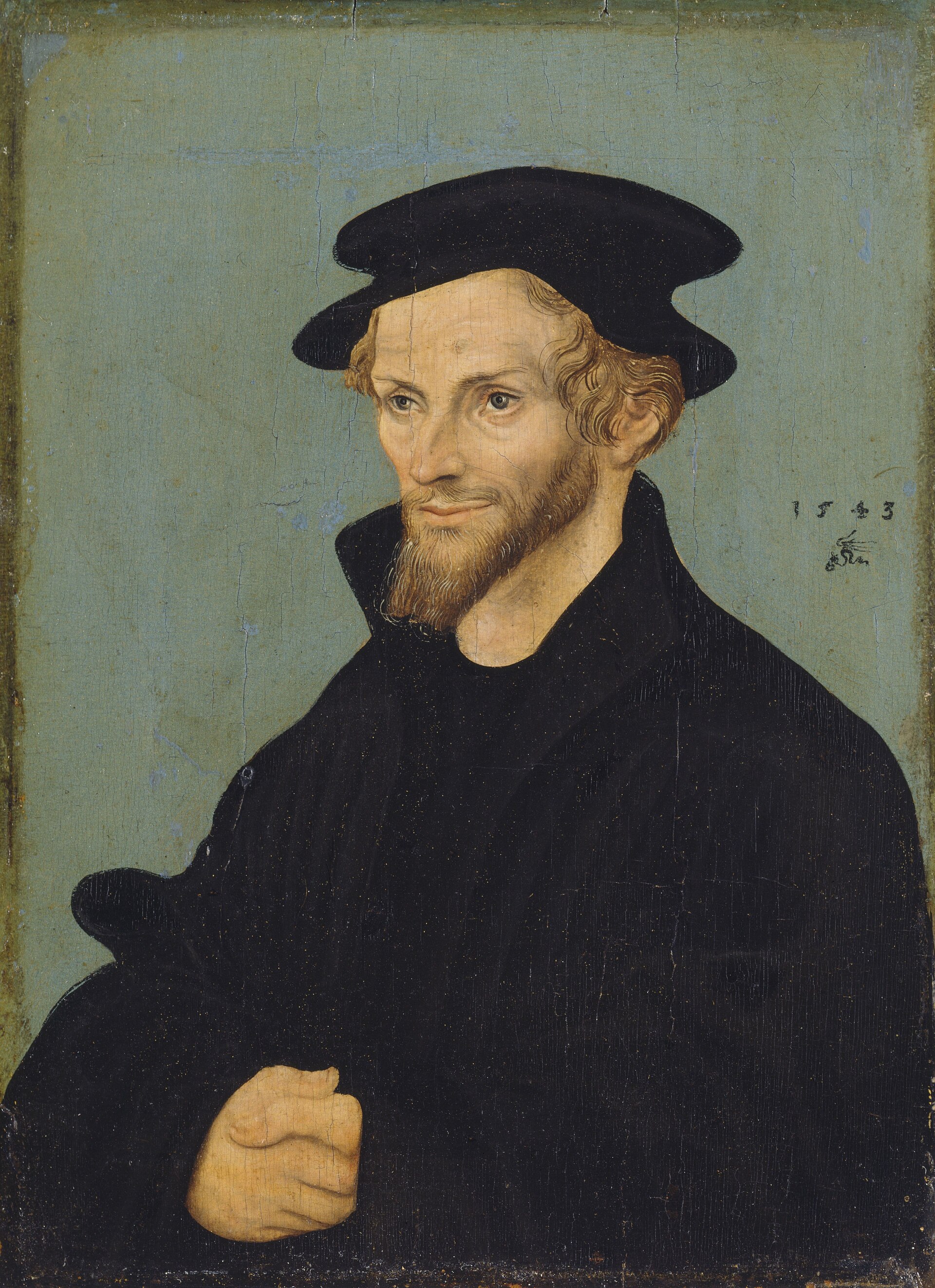

The Book of Concord (1580)
The quarrels after Luther
The thirty years after 1546 were bitter for Lutherans. Charles V defeated the Protestant princes in the Schmalkaldic War (1546 to 1547) and imposed interim religious settlements, and Lutheran theologians divided over how far they could bend. One party, often called Philippists after Philip Melanchthon, was willing to compromise on ceremonies and stated some doctrines in ways the other side found too close to Rome or to Geneva. The other party, later called Gnesio-Lutherans ("genuine Lutherans"), accused the Philippists of giving up Luther's teaching. Schaff, writing in 1877, counts the main controversies by name and date: the Flacian controversy on original sin (1560 to 1580), the synergistic controversy on free will (1550 to 1567), the Osiandric controversy on justification (1549 to 1566), the Majoristic controversy on good works (1552 to 1577), the antinomian controversy on the law (1527 to 1560), and the "crypto-Calvinistic or Eucharistic controversy" over the Lord's Supper (1549 to 1574).12 He describes the synergistic dispute as "a conflict between the original Augustinianism of the Reformers and the later Melanchthonian Synergism," and says the Osiandric controversy "touched the central doctrine of Evangelical Lutheranism, justification by faith."12
The Formula of Concord (1577)
Princes who wanted peace in their churches paid theologians to settle the disputes. Schaff names "The chief framers of the Formula: Andreæ, Chemnitz, Selnecker, and Chytræus."13 (Jakob Andreae of Tübingen, Martin Chemnitz of Braunschweig, Nikolaus Selnecker and David Chytraeus.) Their work was, in Schaff's words, "completed in 1577 and first published in 1580," and was also called the "Bergische-Buch, from the place of its composition."12 (The place was the monastery of Berge near Magdeburg.) The Formula has two parts: a short Epitome and a long Solid Declaration, each walking through the disputed articles, stating the "affirmative" (what is taught) and the "negative" (what is rejected).
Its first article is on authority. In the English of Schaff's third volume: "We believe, confess, and teach that the only rule and norm, according to which all dogmas and all doctors ought to be esteemed and judged, is no other whatever than the prophetic and apostolic writings both of the Old and of the New Testament."14 The creeds and the Lutheran confessions are, in this scheme, a "norm that is normed": a binding summary of Scripture, never above it. That distinction is the root of every later debate about what it means for a pastor to subscribe to the confessions.
Article XI, on predestination, matters for the American story. It opens by saying no public controversy had yet arisen on the subject among "the divines of the Augsburg Confession," but that the article is set out anyway "inasmuch as this article brings great consolation to pious minds, if it be rightly and skillfully expounded."14 It then distinguishes God's foreknowledge, which "extends both to good and evil men" but "is not the cause of evil, nor is it the cause of sin," from his predestination or eternal election, which concerns only the children of God.14 Lutherans read this as rejecting both a double predestination to damnation (the Calvinist position compared in lesson 03) and a teaching that God elects people because he foresees they will believe. Three centuries later, American Lutherans fought over exactly that second point.
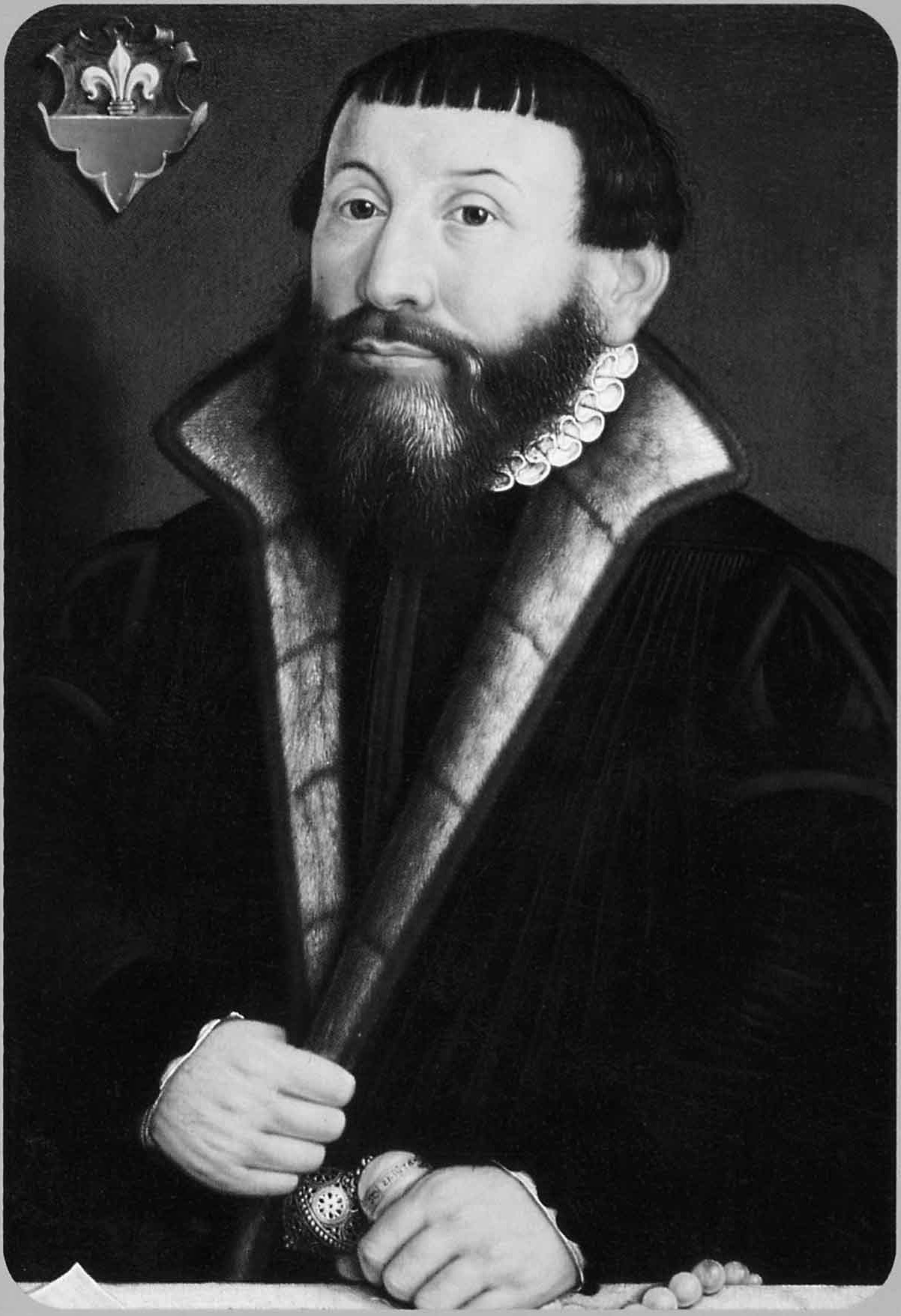

June 25, 1580: the book appears
The collected confessions went on sale at Dresden on June 25, 1580, "fifty years to the day after the presentation of the Augsburg Confession," as the Christian History Institute's account puts it.1 Schaff notes that the first edition calls the Formula itself "Das Buch der Concordien," and that the title "was afterwards reserved for the collection of all the Lutheran symbols."12 The Preface "is signed by eighty-six names representing the Lutheran state churches in the German empire," and the Formula "was also signed by about 8000 pastors and teachers under their jurisdiction."13 Not everyone signed. Schaff lists the Landgrave of Hesse, the Duke of Holstein, the cities of Strasburg, Frankfort-on-the-Main and Nuremberg, and King Frederick II of Denmark among those who rejected it, and says the Duchy of Brunswick "recalled the subscription in 1583."13
The Book of Concord contains, in order:
- the three ancient creeds (Apostles', Nicene, Athanasian);
- the Augsburg Confession (1530) and its Apology, or defense, by Melanchthon (1530 to 1531);
- the Smalcald Articles, written by Luther (1537), and Melanchthon's Treatise on the Power and Primacy of the Pope (1537);
- Luther's Small Catechism and Large Catechism (1529);
- the Formula of Concord, Epitome and Solid Declaration (1577).
Schaff's own table of contents gives the dates used here: the Augsburg Confession 1530, the Apology 1530 to 1531, the Catechisms 1529, the Smalcald Articles 1537 and the Form of Concord 1577.12
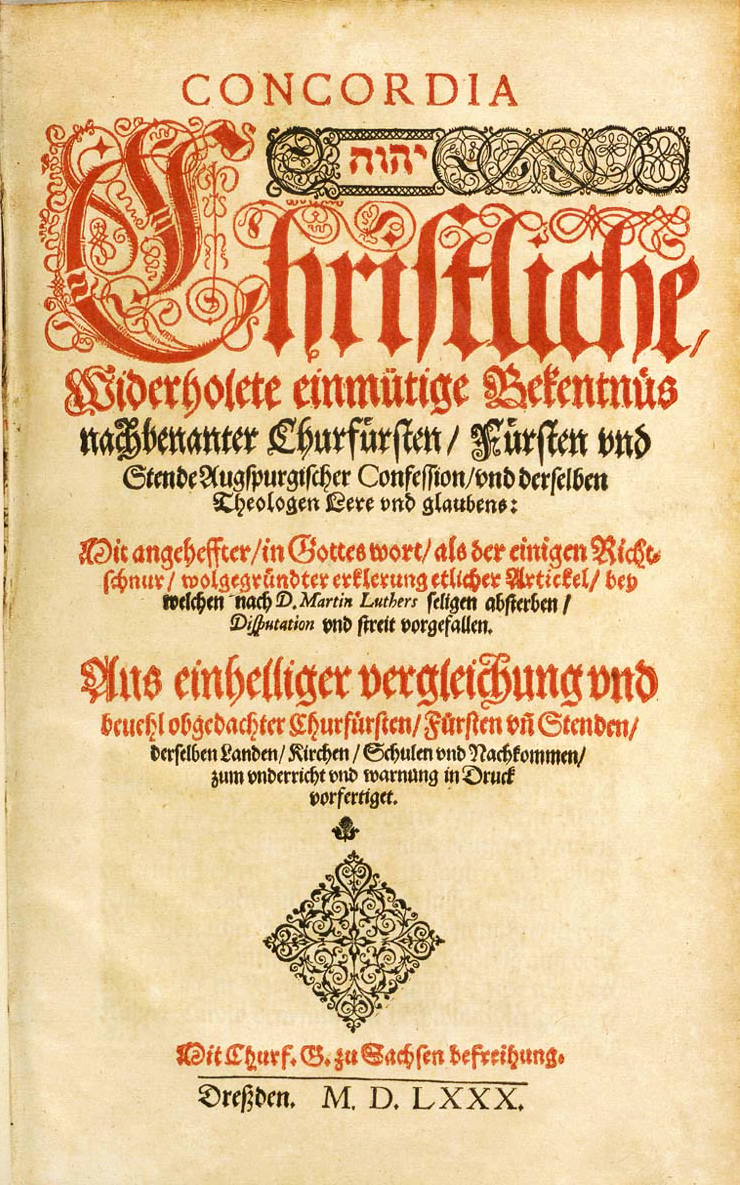

"Because" or "insofar as": what subscription means
American Lutherans have argued since the 1850s over whether a pastor accepts the confessions quia ("because" they agree with Scripture) or quatenus ("insofar as" they agree with Scripture). The first is an unconditional pledge; the second leaves the pastor free to set aside whatever he judges unscriptural. The Missouri Synod, Wisconsin and the ELS stand on the first. The LCMS's own comparison of itself with the ELCA names, among the differences, whether a pastor's commitment to the confessions is binding or merely historical.15 The ELCA's constitution also names the Book of Concord among its confessional documents (its exact wording was not opened for this lesson), and ELCA members do not accept the LCMS's description of their commitment. This lesson describes the disagreement and does not judge between them.
Lutheran orthodoxy and Pietism, in brief
The century after 1580 is called the age of Lutheran orthodoxy: university theologians such as Johann Gerhard (1582 to 1637) built large systematic works on the Book of Concord, and the Thirty Years' War (1618 to 1648) devastated much of Lutheran Germany. In the late 1600s Philipp Jakob Spener and August Hermann Francke led the reform movement called Pietism, which stressed personal conversion, small-group Bible study and works of charity, and which made the University of Halle its center. Their story, and Pietism's influence on the Wesleys, is told in module 77, lesson 01, Holiness and Pietism. For this lesson two facts matter: Halle sent the first organizer of American Lutheranism, and the tension between orthodox confessional precision and Pietist warmth ran straight into the American synods.
Lutherans come to America
The colonial congregations
The first Lutheran congregations in North America were Dutch, in New Netherland, and Swedish and Finnish, along the Delaware River, in the 1600s. German Lutherans came in large numbers in the 1700s, above all to Pennsylvania, many of them farmers from the Palatinate and southwestern Germany. They had few pastors, little money and no bishops; some congregations hired men whose ordination nobody could confirm.
Muhlenberg and the Ministerium of Pennsylvania (1748)
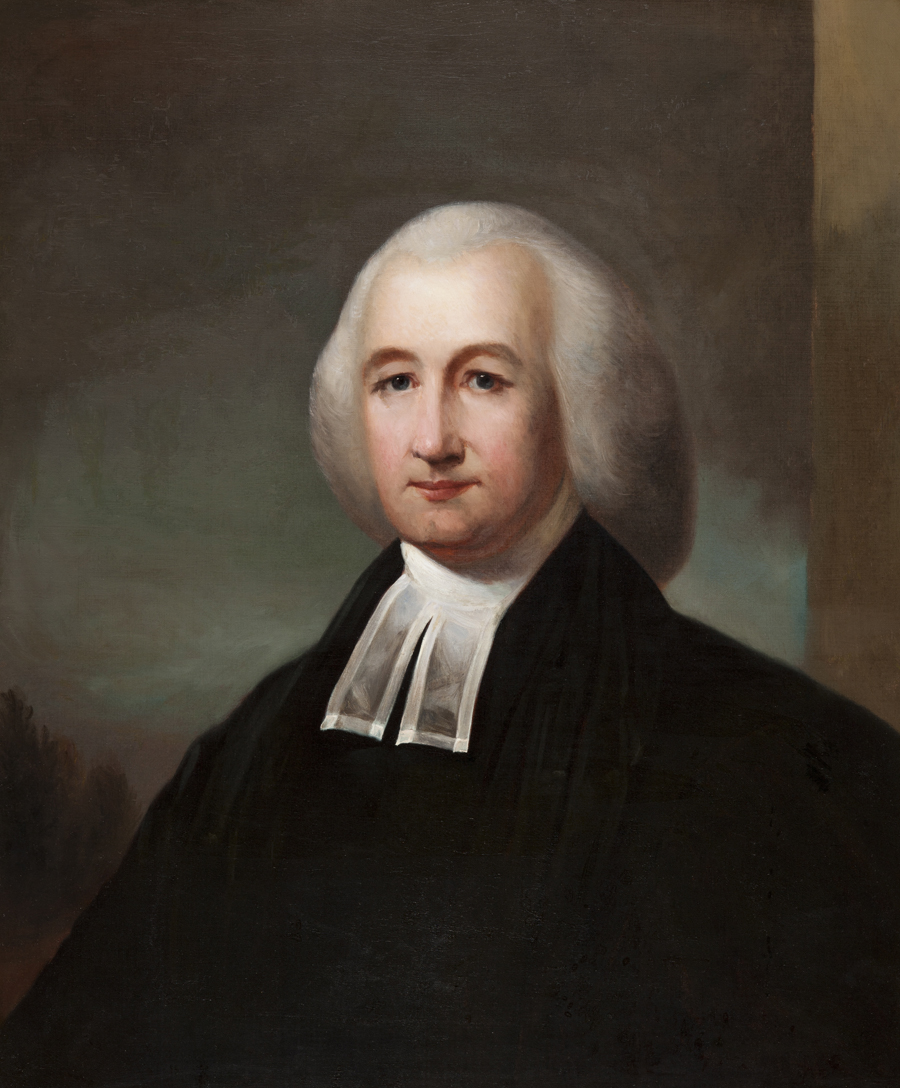
Henry Melchior Muhlenberg (1711 to 1787), a Halle-trained pastor, arrived in 1742 to serve three congregations near Philadelphia. In August 1748 the pastors and lay delegates of the "United Congregations" met at St. Michael's Church in Philadelphia. The protocol of that meeting, printed in the 1898 Documentary History of the Evangelical Lutheran Ministerium of Pennsylvania, is headed "St. Michael's Church, Philadelphia, August 15, 1748," and lists among those present "the Swedish Provost Sandin," Hartwig from New York, "Muhlenberg, Brunnholtz, Handschuh."2 (Some histories give the date in the New Style calendar, which falls eleven days later.) That meeting is counted as the beginning of the Ministerium of Pennsylvania, the first Lutheran synod in America to last. Muhlenberg also drafted, in 1762, a congregational constitution for St. Michael's that became a model for others, and his sons became, among other things, a general in the Revolutionary War and the first Speaker of the U.S. House of Representatives.

The General Synod, the General Council and the United Lutheran Church
Regional synods multiplied after the Revolution. In October 1820 the Ministerium of Pennsylvania joined others at Hagerstown, Maryland, to form the General Synod, the first national Lutheran body; the Ministerium itself withdrew in 1823 and returned in 1853.16 The General Synod's leading theologian, Samuel Simon Schmucker of the Gettysburg seminary, wanted an "American Lutheranism" that would drop parts of the Augsburg Confession he thought mistaken, such as the real presence; the proposal circulated in 1855 as the Definite Synodical Platform, and most Lutherans rejected it. The reaction ran the other way. In 1864 the Pennsylvania delegates walked out of the General Synod over the admission of the Franckean Synod, which had not adopted the Augsburg Confession, and in 1867 the Ministerium joined other synods to form the General Council, a body committed to the full Lutheran confessions.16 The southern synods had formed their own body during the Civil War, later the United Synod of the South. In 1918, a year after the four hundredth anniversary of the Reformation, the General Synod, the General Council and the United Synod of the South merged as the United Lutheran Church in America (ULCA).16
The ELCA's eastern half descends through the ULCA from Muhlenberg's Ministerium. The Missouri Synod descends from immigrants of the 1830s and 1840s who had no part in that line, which is one reason the two families developed so differently.
The Saxons and the founding of the Missouri Synod
Martin Stephan and the emigration of 1838 to 1839
In 1830s Saxony the state Lutheran church was dominated by rationalist theology and had been pressed toward union with the Reformed, as Prussia's king had forced in his lands in 1817. A Dresden pastor, Martin Stephan, gathered a following of strict Lutherans who decided to emigrate rather than stay. In November 1838 five ships left Germany carrying them. The Lutheran Witness, the LCMS magazine, gives the figures: 707 Saxon Lutherans left, the ship Amalia was lost at sea with 105 people aboard, and 602 survived the voyage; the group landed in New Orleans in January 1839 after a four-month journey and went up the Mississippi to St. Louis.17 Some settled in St. Louis, others in Perry County, Missouri, where they founded Altenburg and other villages.
Stephan had been made bishop of the group during the voyage, and the colonists had promised him obedience. Within months he was accused of sexual misconduct and of misusing the colony's money. On May 30, 1839, he was deposed and sent across the river into Illinois.17 The disgrace left the colonists asking whether they were a church at all: they had left their lawful church in Saxony behind a man now exposed, and their pastors' calls depended on that church.
The Altenburg Debate (April 1841)
The answer came from C. F. W. Walther (born October 25, 1811; died May 7, 1887), a young pastor in the group.17 In April 1841, at a public disputation in Altenburg, Walther defended a set of theses (the Altenburg theses) against the lawyer Adolph Marbach. In summary, he argued that the church is the whole number of true believers, that it exists wherever the Word of God is preached and the sacraments administered according to Christ's institution, and that a gathering of Christians who have those marks is truly a church with the full right to call pastors, even if it came into being through sinful errors. The debate settled the colony's crisis and gave the future Missouri Synod its doctrine of the church and the congregation, which Walther later developed in Church and Ministry (Kirche und Amt, 1852). The LCMS magazine dates the synod's founding "six years later."17
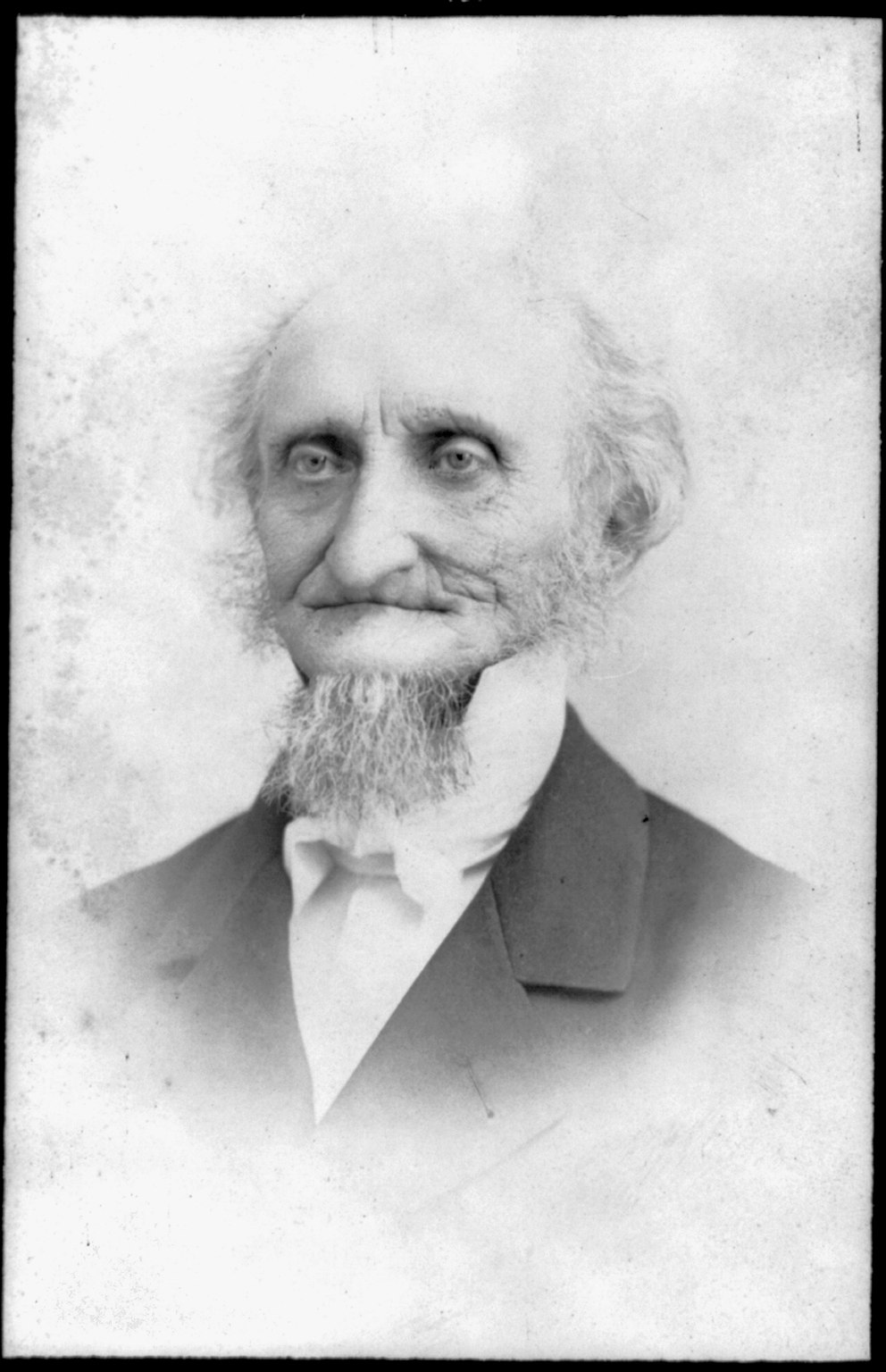

Chicago, April 26, 1847
The Saxons were not alone. Wilhelm Löhe, a pastor in Neuendettelsau, Bavaria, had been training and sending men to German settlers in Ohio, Indiana and Michigan; one group, in the words of the Witness, was "a hand-selected group of five young families, two young single men and one pastor" who founded Frankenmuth, Michigan.18 Friedrich Wyneken had served St. Paul in Fort Wayne, Indiana, before Wilhelm Sihler succeeded him there. Some of the Löhe men had broken with the Ohio Synod over its loose confessional practice and the use of English, and they found allies in Walther's paper, Der Lutheraner.
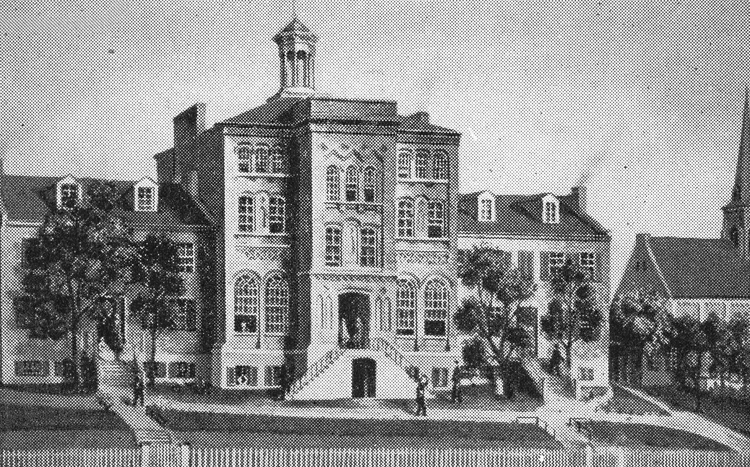
The Concordia Historical Institute, the LCMS's archives, gives the founding: the synod was founded on April 26, 1847, its full name was "German Evangelical Lutheran Synod of Missouri, Ohio and Other States," twelve pastors signed its constitution, and the constituting convention met at Pastor C. August Selle's church in Chicago (now First Saint Paul), which was not itself one of the charter congregations.3 The fourteen charter congregations stretched from Buffalo, New York, to Femme Osage, Missouri, and included Trinity in St. Louis (Walther), St. Paul in Fort Wayne (Wilhelm Sihler) and St. Lorenz in Frankenmuth (F. A. Craemer).3 The German name, as the Witness gives it, was Die Deutsche Evangelisch-Lutherische Synode von Missouri, Ohio und andern Staaten; "of the original 14 congregations, 12 remain active congregations in the LCMS."18 The name "The Lutheran Church Missouri Synod" was adopted in 1947, at the synod's centennial.40 Walther was the first president.
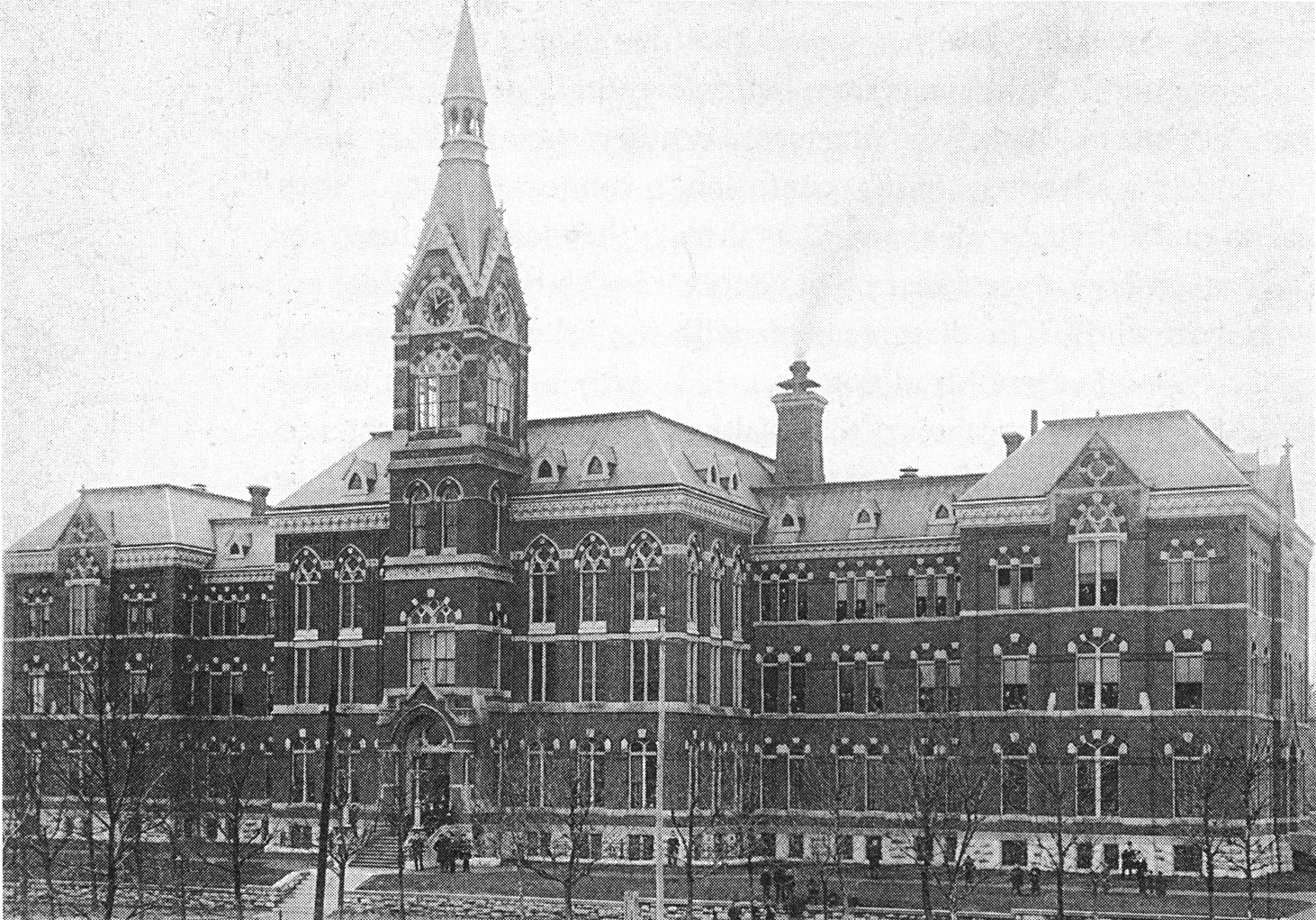
The constitution of 1847 gave the synod an unusual shape. Congregations joined as members, and the synod was declared to be advisory toward them: it could not impose a pastor or a resolution on a congregation against its will. That congregational principle, from the Altenburg theses, still governs the LCMS. The Missouri Synod also took over the Saxons' seminary, Concordia Seminary (begun in Perry County in 1839 and moved to St. Louis in 1849), and the practical seminary that Löhe's men had begun at Fort Wayne in 1846.


The Wisconsin Synod and the Norwegian Synod
The Wisconsin Synod (1850)
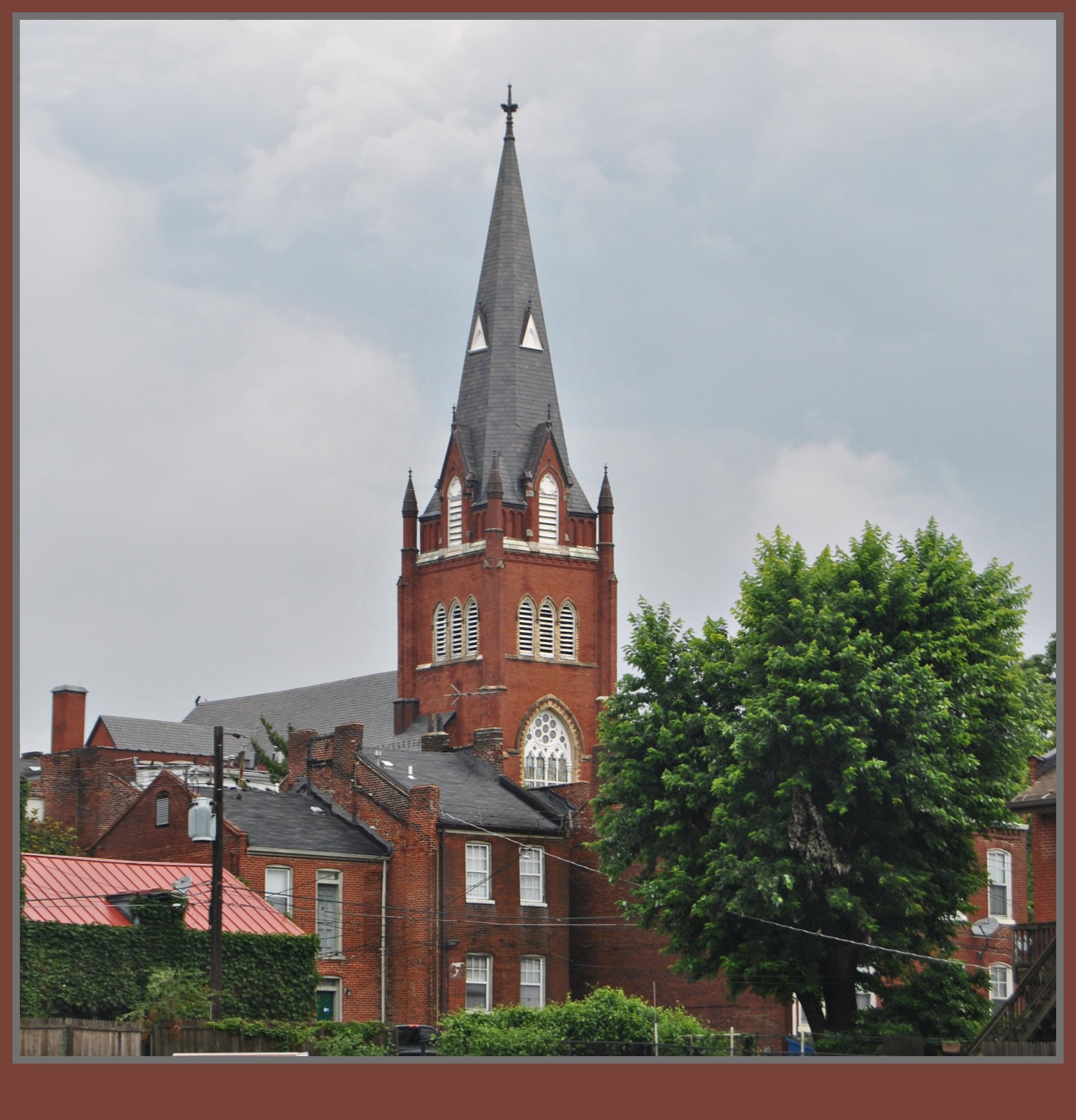
The Wisconsin Synod began among German settlers around Milwaukee. Its own timeline records the "First meeting of the new Wisconsin Synod at Granville church with Muehlhaeuser as president" in 1850.4 John Muehlhaeuser had been sent to America by a German mission society in 1837, and the early synod drew pastors from mission houses that served both Lutheran and united (Lutheran and Reformed) churches in Germany.4 Through the 1860s the synod moved toward strict confessional Lutheranism, broke with the General Council, and in October 1868 its representatives and Missouri's met in Milwaukee and recognized each other as orthodox. The timeline then records the rest: "Ohio, Missouri, Norwegian, Wisconsin, Illinois, and Minnesota Synods hold first convention of Synodical Conference" (1872); "Michigan, Minnesota, and Wisconsin Synods form federation called Evangelical Lutheran Joint Synod" (1892); the "Merger of Wisconsin, Minnesota, Michigan, and Nebraska all becoming districts of Wisconsin Synod" (1917); and, in 1959, "Synod officially becomes Wisconsin Evangelical Lutheran Synod."4

The Norwegian Synod and the Evangelical Lutheran Synod (1853, 1918)
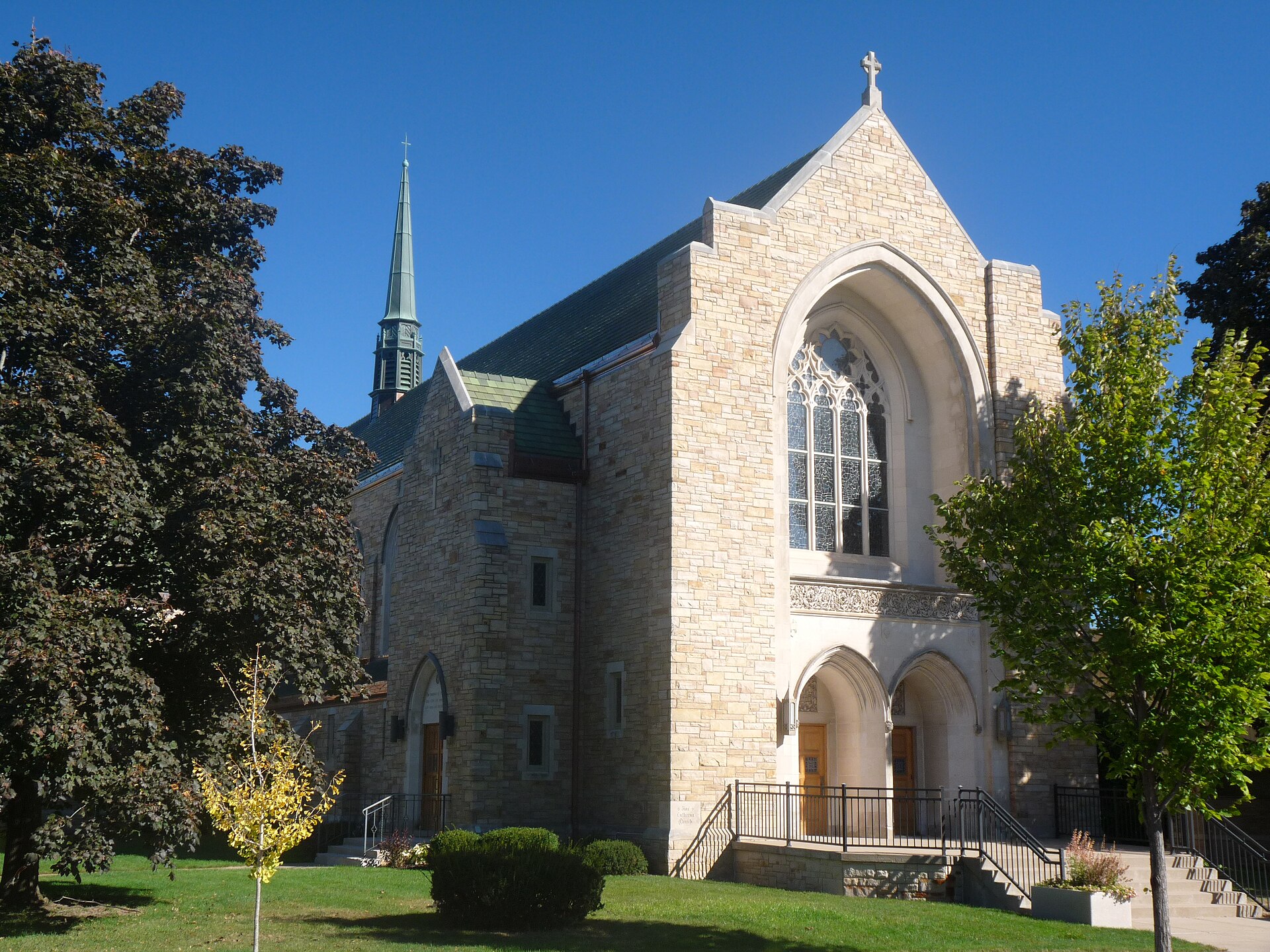
Norwegian immigrants formed several synods, which argued among themselves over Pietism, lay preaching and confessional strictness. The one closest to Missouri was organized in 1853, its history page says, "under the official name of the Norwegian Evangelical Lutheran Church in America," and was commonly called the Norwegian Synod.19 Its pastors studied at Concordia Seminary in St. Louis for decades. In 1917 most Norwegian bodies merged into the Norwegian Lutheran Church of America on the basis of a 1912 compromise on election (the "Madison Settlement"). A minority refused. At Lime Creek, near Lake Mills, Iowa, thirteen pastors formed a new synod to continue the old Norwegian Synod's confession: "The date is given as June 17, 1918."19 It took the name "The Norwegian Synod of the American Evangelical Lutheran Church," joined the Synodical Conference in 1920, took over Bethany Lutheran College in Mankato, Minnesota, in 1927 (by a convention vote of 33 to 21), and in 1957, its timeline records, took the name Evangelical Lutheran Synod.19
The Synodical Conference (1872 to 1967)
A federation of confessional synods
The Evangelical Lutheran Synodical Conference of North America held its first convention in Milwaukee in July 1872, with six synods: Ohio, Missouri, the Norwegian Synod, Wisconsin, Illinois and Minnesota.4 It was a federation, not a merger. Each synod kept its own seminaries and conventions, but they shared pulpit and altar fellowship, joint mission work (including, from 1877, a mission among Black Americans in the South, which grew into churches in Alabama, Louisiana and North Carolina), and a common goal that Walther stated more than once: one orthodox Lutheran church in America. By 1900 the Missouri Synod was much larger than its partners, and the Conference was, in practice, Missouri and its friends.
The Election Controversy (1877 to 1883)
The first break came over predestination. Missouri, led by Walther, taught that God's election of his children is a cause of their faith and salvation, and is not caused by God foreseeing their faith. The older Lutheran dogmaticians of the 1600s had often said that God elected intuitu fidei ("in view of faith"). Professor F. A. Schmidt of the Norwegian Synod and the leaders of the Ohio Synod accused Walther of teaching Calvinism; Walther replied that he taught only what the Formula of Concord Article XI says, that election is God's gracious choice in Christ and that God's foreknowledge "is not the cause of evil, nor is it the cause of sin."14 The Ohio Synod withdrew from the Synodical Conference in 1881 and the Norwegian Synod in 1883, the second partly to keep peace inside its own ranks, where the controversy split congregations; the anti-Missourian party left the Norwegian Synod in 1887.
Lutheran readers on both sides still argue about who was right. The point for this lesson is that the dispute was settled, for the Missouri side, by appeal to a confessional article read strictly; and for the other side, by appeal to the tradition of the seventeenth-century dogmaticians. Both claimed the Book of Concord.
The breakup (1955 to 1967)
From the 1930s the Missouri Synod began talks with the American Lutheran Church of 1930 (a merger of the Ohio, Iowa and Buffalo synods), and the Wisconsin Synod and the ELS objected that Missouri was moving toward fellowship without full doctrinal agreement. The objections widened to joint prayer with other Lutherans, cooperation in military chaplaincy and with the Boy Scouts, and the interpretation of Romans 16:17 ("mark them which cause divisions and offences contrary to the doctrine which ye have learned; and avoid them," KJV). The ELS history page says the ELS and WELS "separated from the Lutheran Church Missouri Synod over the doctrine of church fellowship."19 The dates, as each body records them: the ELS suspended fellowship with the LCMS in 1955; Wisconsin, after publicly recognizing the disagreement in 1957 and choosing to admonish Missouri rather than break, resolved in 1961 "to break with LCMS";4 and the ELS timeline records, under 1963, "The synod withdraws from the Synodical Conference."19 Wisconsin withdrew the same year.41 The ELS page says the Conference "came to a close in 1963";19 formally, the remaining members (the LCMS and the small Slovak synod, later the SELC) dissolved it in 1967.41 Both dates appear in the record, depending on whether one counts the end of the fellowship or the end of the corporation.
A smaller split came first. Pastors and congregations who thought Wisconsin and the ELS had waited too long to break with Missouri left those synods in the late 1950s and formed the Church of the Lutheran Confession (CLC) in 1960.20 Today the CLC describes itself as "a confessional Lutheran church body" whose member churches confess the Bible as "the inspired and unerring Word of God."20 Its slogan, from its own page: "If it is not Scripture; it is not Lutheran!"20
In 1993 Wisconsin, the ELS and partner churches abroad formed the Confessional Evangelical Lutheran Conference (CELC), founded at Oberwesel, Germany, as a successor fellowship.41 The ELS says its members are "in full fellowship with the Wisconsin Evangelical Lutheran Synod (WELS)."10

Church fellowship: why WELS and the ELS are stricter than Missouri
Wisconsin's "unit concept"
The Wisconsin Synod's position is set out in its Theses on Church Fellowship, which its 1961 resolution recognized as an expression of its scriptural principles. The definition: "Church fellowship is every joint expression, manifestation, and demonstration of the common faith."21 The theses name its forms, "pulpit fellowship; altar fellowship; prayer fellowship," and hold that fellowship "should therefore be treated as a unit concept."21 In practice, if two Christians do not belong to churches that share the same confession, they should not preach in each other's pulpits, commune at each other's altars or pray together in worship or devotions, because each of those acts is a joint expression of faith. The ELS holds the same view.
Missouri's distinction between altar fellowship and prayer
The LCMS also requires doctrinal agreement for altar and pulpit fellowship, but it has not treated every joint prayer as church fellowship. Its own FAQ, comparing itself with WELS, names three differences: "biblical fellowship (i.e., the nature of joint prayer)," "the role of women in the church (i.e., women's suffrage in church voting assemblies)," and the doctrine of the ministry, specifically the nature of the pastoral office. It adds: "The LCMS and WELS remain in fraternal dialogue."15 So a Missouri pastor may, in some settings, pray with a Christian of another church without that being counted as church fellowship; a Wisconsin pastor will not.
Close or closed communion
All three bodies practice what they call close or closed communion: the Lord's Supper is given to those who share the confession of that altar, normally members of the congregation and of churches in fellowship with it, after instruction. The LCMS reaffirmed this at its 2023 convention in Milwaukee (July 28 to August 3, 2023), where Resolution 5-09 "re-affirms" the synod's historic position and was adopted with 88.91 percent of the vote.22 LCMS President Matthew C. Harrison gave three reasons, as the Reporter summarized them: concern that communicants are Christians, the call for unity in doctrine and teaching, and pastoral discretion; and he warned against abusing discretion: "Printing in your bulletin 'If you believe in the real presence, y'all come' is not pastoral discretion."22
The ELCA works from Augsburg Article VII's "it is sufficient to agree concerning the doctrine of the Gospel and the administration of the Sacraments"11 and reads that agreement more broadly: it has entered full communion, which its website defines as meaning "we share an essential understanding to participate in common mission," with Reformed, Episcopal, Moravian and Methodist churches.23 The Missouri and Wisconsin synods read the same article as requiring agreement in the whole doctrine of the Gospel as the confessions state it. That one sentence of 1530, read two ways, is the deepest line between the American Lutheran families.
Women in the church: the vote and the pulpit
Two separate questions are often confused. The first is whether women may vote in a congregation's voters' assembly and hold elected offices. The second is whether women may be ordained to the pastoral office.
On the first, the LCMS allowed congregations to give women the vote in 1969, and today it permits women to vote and to hold lay offices that do not carry the functions of the pastoral office. WELS and the ELS hold that women should not vote or hold offices where that would mean exercising authority over men in the church (they cite 1 Timothy 2:12 and 1 Corinthians 14:34), though women serve as teachers, in mission work and in many other roles. The LCMS FAQ lists "women's suffrage in church voting assemblies" as one of its three differences with WELS.15
On the second, none of the Synodical Conference heirs ordains women: not the LCMS, WELS, the ELS or the CLC. The LCMS FAQ names a male-only pastoral office as one of its points of difference with the ELCA.15 The two predecessor bodies of the ELCA, the Lutheran Church in America and the American Lutheran Church, began ordaining women in 1970. Living Lutheran, the ELCA magazine, dates the first ordination: Elizabeth Platz, on November 22, 1970, at the University of Maryland chapel in College Park, "the first woman in North America ordained by a Lutheran church body," and it names Earlean Miller, ordained in 1979, as the first Black woman ordained in the Lutheran church.24 In 2013 the ELCA elected Elizabeth Eaton as its first woman presiding bishop. Among the newer bodies, the NALC provides for the ordination of women and men to the ministry of Word and Sacrament.
The Missouri Synod's battle over the Bible and Seminex (1969 to 1976)
Preus and the St. Louis seminary
By the 1960s many professors at Concordia Seminary in St. Louis used forms of the historical-critical method in reading Scripture, and they had support among pastors who wanted closer ties with other Lutherans. Others in the synod believed the faculty was undermining the Bible's authority and its historical truth. In 1969 J. A. O. Preus, then president of Concordia Theological Seminary in Springfield, Illinois, and, in Lawrence Rast's words, "a well-known leader among the synod's conservatives," was elected synod president, replacing Oliver Harms.25 Two months earlier, in May 1969, John Tietjen, whom Rast calls "a well-known leader among the synod's moderates," had been elected president of Concordia Seminary in St. Louis.25 Preus announced in July 1970 that he would investigate the seminary, and his Fact Finding Committee produced reports in 1971 and 1972.25 Its 1972 report framed the issue, as later summaries put it, as the relationship between the Scriptures and the Gospel: whether the Gospel alone is the norm of faith or whether every statement of Scripture, including its history, is binding.
The walkout of February 19, 1974
At its 1973 convention in New Orleans the synod declared by resolution that there was false teaching at Concordia Seminary. The present seminary president, Thomas Egger, writing for the fiftieth anniversary, says that "the previous summer, in 1973, The Lutheran Church Missouri Synod had declared by convention resolution that there was false teaching at Concordia Seminary," false teaching that the synod declared "not to be tolerated in the church of God."26 In January 1974 the seminary's Board of Control suspended Tietjen.26 On February 19, 1974, "most of the faculty and students of this Seminary" walked off the campus in what Egger calls "a dramatic march of departure."26 Rast describes the day: "Luther Tower's bells tolled over a quad filled with crosses."25 The Reporter, the LCMS's newspaper, recorded the event in Tietjen's 2004 obituary as a walkout by "the majority of seminary students and faculty," who then formed Concordia Seminary in Exile (Seminex).27 Classes began the next day in rooms lent by Eden Theological Seminary and Saint Louis University. (Exact head counts differ between accounts; this lesson does not repeat one.)
The AELC (1976) and what followed
The dispute moved into the districts. Several district presidents ordained Seminex graduates without synod approval and were removed. In December 1976 departing congregations formed the Association of Evangelical Lutheran Churches (AELC). The Reporter describes it as "a group of about 400 Missouri Synod congregations" that Tietjen helped form;27 other sources give lower figures for the number of congregations that actually left, so the count is listed as unresolved below. The AELC began ordaining women in 1976. Seminex was renamed Christ Seminary-Seminex in 1977 and was merged into the Lutheran School of Theology at Chicago in 1987. Tietjen was elected the first bishop of the ELCA's Metropolitan Chicago Synod in 1987 "but resigned four months later," the Reporter says.27
The two sides tell the story differently. For Seminex and the AELC, the walkout was a stand for the freedom of the Gospel against a legalistic reading of the Bible and a heavy-handed synod administration. For the LCMS majority, it was the moment the synod held to the full truthfulness of Scripture when other Protestant bodies did not, and the reason it remains a confessional church. Both readings are the participants' own; the record shows a convention resolution, a suspension, a walkout and a schism of a few hundred congregations.
The mergers: ALC (1960), LCA (1962) and the ELCA (1988)
While the Synodical Conference came apart, the other American Lutherans were joining. Most of them had organized along ethnic lines, and as English replaced German, Norwegian, Swedish, Danish and Finnish in worship, the reasons to stay separate faded.
- The American Lutheran Church (1960). "Most Norwegian-American Lutheran bodies joined the American Lutheran Church (1960)," in the summary of St. Olaf College's Locating Lutheranism project.28 The 1960 ALC united the Evangelical Lutheran Church (Norwegian, the 1917 merger), the American Lutheran Church of 1930 (German: Ohio, Iowa, Buffalo) and the United Evangelical Lutheran Church (Danish). The Lutheran Free Church (Norwegian) joined after a long dispute; the AFLC's own page says "After much conflict and litigation, the FLC finally joined the ALC in 1962," while other histories date the union to February 1963.29
- The Lutheran Church in America (1962). Formed at "a 1962 meeting in Detroit, Michigan," according to Pacific Lutheran University's archives, from the United Lutheran Church in America, the Augustana Evangelical Lutheran Church (Swedish), the Suomi Synod (Finnish) and the American Evangelical Lutheran Church (Danish).30
- The Evangelical Lutheran Church in America (1988). The ELCA's history page says it "was formed in 1988 by the merger of three Lutheran bodies": "the American Lutheran Church, the Lutheran Church in America, and the Association of Evangelical Lutheran Churches."5 Its first presiding bishop, Herbert Chilstrom, "was elected to his post at the church's constituting convention in April 1987."5 The constituting convention met in Columbus, Ohio, and the new church began on January 1, 1988.
The Missouri Synod took no part. It had declared altar and pulpit fellowship with the old ALC in 1969 and ended it in 1981, as relations worsened after Seminex; that fellowship did not carry into the ELCA.
The ELCA since 1988: full communion and the 2009 decisions
Full communion agreements (1997 to 2009)
The ELCA's ecumenical program is the largest change from its predecessors. In 1997 its Churchwide Assembly adopted A Formula of Agreement with three Reformed churches: the Presbyterian Church (U.S.A.), the Reformed Church in America and the United Church of Christ. In 1999 it adopted Called to Common Mission with the Episcopal Church, under which the ELCA accepted the historic episcopate (bishops installed in a line of succession with Anglican participation) for future installations of bishops, and an agreement with the Moravian Church. The full communion agreement with the United Methodist Church followed in 2009. Also in 1999, on October 31 at Augsburg, representatives of the Lutheran World Federation, to which the ELCA belongs, and of the Catholic Church signed the Joint Declaration on the Doctrine of Justification, which states a shared understanding of justification and says the mutual condemnations of the sixteenth century do not apply to the teaching it sets out. The LCMS and WELS rejected the Joint Declaration.
Called to Common Mission was the most divisive at home. Many ELCA members believed the historic episcopate added a requirement for church unity that Augsburg VII does not make. A movement called WordAlone organized opposition, and from it came Lutheran Congregations in Mission for Christ (LCMC) in 2001, described below.
The 2009 Churchwide Assembly
In August 2009 the Churchwide Assembly met in Minneapolis. On August 19 it adopted the social statement Human Sexuality: Gift and Trust, "the denomination's 10th social statement," by a vote of "676 (66.67 percent) to 338 (33.33 percent)"; it "required a two-thirds vote," and passed with exactly that.31 Over the next two days the assembly adopted four ministry policy resolutions, which changed the church's rules so that congregations and synods could, if they chose, recognize same-gender relationships and call and roster pastors living in committed, lifelong same-gender relationships. The central resolution, on rostered leadership, passed 559 to 451, a simple majority that did not need two-thirds.32 The resolutions also committed the church to respect the "bound conscience" of members who disagreed. The same assembly approved full communion with the United Methodist Church.
The ELCA described the decisions as a way of holding together people of different convictions. Many congregations that disagreed said the church had set aside the authority of Scripture, and hundreds of them left over the next several years, mostly for LCMC and the new NALC. The ELCA's rostered membership and baptized membership kept falling, as they had before 2009, but how much of the decline the decisions caused is disputed and cannot be read off the membership tables alone.
The ELCA's leadership today
Elizabeth Eaton served as presiding bishop from 2013. On July 30, 2025, at the Churchwide Assembly in the Phoenix Convention Center, the ELCA elected Yehiel Curry, bishop of the Metropolitan Chicago Synod since 2019, "to serve a six-year term," on the fifth ballot, with 562 of 799 votes.33 The ELCA's own summary today: "We have 2.6 million members across 8,200 communities worshipping in 41 languages throughout the 50 states and the Caribbean."34
The other Lutheran bodies
Lutheran Congregations in Mission for Christ (LCMC, 2001)
LCMC began in 2001 with congregations leaving the ELCA after Called to Common Mission; it rejects the requirement of the historic episcopate and is organized as a loose association rather than a synod with binding authority. It describes itself as "an association of congregations and individuals who are free in Christ, accountable to one another," and says it is "rooted in the Scriptures and the Lutheran Confessions."35 It grew sharply after 2009. LCMC's own website lists member congregations but did not, when checked for this lesson, publish a total or a membership count, so no number is given here as a count.
The North American Lutheran Church (NALC, 2010)
The NALC was constituted on Friday, August 27, 2010, at the Lutheran CORE convocation held at the Grove City Church of the Nazarene in Grove City, Ohio, a suburb of Columbus. Its own announcement says more than 1,100 Lutherans attended in person, that the new body was approved with no opposition, and that the Rev. Paull Spring, who had led the ELCA's Northwestern Pennsylvania Synod for 14 years, was elected provisional bishop for one year.6 The NALC keeps bishops, ordains women and men, holds that marriage is between a man and a woman, and has entered dialogue with the LCMS and with the Anglican Church in North America. Its 2025 ministry report says: "As of June 2025, the NALC includes 532 congregations, with an additional 10 mission starts in development," and "Out of nearly 800 pastors in our ministerium, 506 are actively serving."36
The Association of Free Lutheran Congregations (AFLC, 1962)
When the Lutheran Free Church voted to enter the new American Lutheran Church, a minority refused. In October 1962, the AFLC's own page says, almost 300 people gathered in Thief River Falls, Minnesota, to "resist the merger and form what would become the Association of Free Lutheran Congregations."29 It holds to the Lutheran Free Church's Fundamental Principles of 1897, which, as the AFLC summarizes them, make the local congregation the right form of the kingdom of God on earth; the AFLC page, quoting the Lutheran Free Church theologian Georg Sverdrup, says "no power but God's Word and Spirit may dictate to it."29 It carries on the Norwegian revival tradition of Hans Nielsen Hauge, with lay preaching and an emphasis on personal conversion.
The CLC, the ACELC and smaller bodies
The Church of the Lutheran Confession (1960) is described above. The Association of Confessing Evangelical Lutheran Congregations (ACELC) is not a separate church: it is a group of congregations inside the LCMS that says it exists "to give a united voice against errors that are officially adopted in convention, tolerated, and/or promoted in the LCMS," and that its goal is "to promote unity within the Lutheran Church-Missouri Synod."37 Other small confessional bodies have formed from LCMS and WELS congregations at various times; their counts are small and are not all published, and this lesson does not list figures it could not confirm. The Lutheran Church Canada, formerly the LCMS's Canadian districts, became independent in 1988 and is not counted in the U.S. figures.
Where they stand now: the numbers
Every figure here is the body's own, with the year it describes. Baptized membership counts children; confirmed or communicant membership counts those admitted to the Lord's Supper. The bodies do not count in exactly the same way, so the comparisons are approximate.
| Body | Founded (U.S. form) | Own reported figure | Year and source |
|---|---|---|---|
| Evangelical Lutheran Church in America (ELCA) | 1988 | 2,588,700 baptized; 2,066,620 confirmed; 8,208 congregations (2,677,239 baptized and 8,386 congregations a year earlier) | As of Dec. 31, 2025, ELCA Summary of Congregational Statistics7 |
| Lutheran Church Missouri Synod (LCMS) | 1847 | 1,674,315 baptized; 1,328,392 confirmed; 5,767 member congregations plus 74 new church starts; average weekly attendance 547,230 | LCMS 2024 Annual Report, "Our Synod at a Glance"8 |
| Wisconsin Evangelical Lutheran Synod (WELS) | 1850 | 322,000 members at the end of 2025, a loss of 5,943 from 2024; the WELS statistics page also gives 257,858 communicants and 1,233 churches | Forward in Christ, July 16, 2026;9 WELS Statistics page38 |
| Evangelical Lutheran Synod (ELS) | 1918 (Norwegian Synod 1853) | 15,000 members; 120 congregations | ELS "About" page, figure undated10 |
| North American Lutheran Church (NALC) | 2010 | 532 congregations plus 10 mission starts; 506 active pastors | June 2025, NALC 2025 ministry report36 |
| LCMC, AFLC, CLC | 2001, 1962, 1960 | No current total confirmed from the bodies' own sites | See the unverified list |
The ELCA's own figures show average on-site weekly worship attendance of 531,436 in 2025, about 20.5 percent of baptized membership, with a separate online figure.7 The Missouri Synod's 2024 report gives 547,230 average weekly attendance.8 By attendance, the two largest Lutheran bodies are now about the same size, though the ELCA has over 900,000 more baptized members.
Survey data measures something different: what adults say they are. In the Pew Research Center's 2023 to 2024 survey of American religion (its RLS) (36,908 respondents, interviewed July 17, 2023, to March 4, 2024), 1.4 percent of U.S. adults identified with the ELCA and 1.1 percent with the LCMS; Pew classifies the ELCA as mainline Protestant and the LCMS as evangelical Protestant, and reports that "Methodists and Lutherans each make up 3% of the population."39 Survey identification and church rolls are not the same measure and should not be added or subtracted from each other. Mainline and evangelical as categories are the subject of lesson 11.
Jonathan Hein, coordinator of WELS Congregational Services, called the 2025 loss "the largest single-year loss ever," while noting 4,241 adult confirmations, the highest total in WELS history.9
Side by side: where the bodies differ
The chart below compares the five largest American bodies on the questions that divide them. Each entry is drawn from the body's own statements and decisions cited in this lesson.
The family tree of mergers and splits
The second chart traces how the main American Lutheran bodies came together and divided from the 1840s to 2026. Dates are those given by the bodies' own histories cited above; where sources differ, the chart follows the body's own account.
What the record shows and what it does not
- Documented fact: the Formula of Concord was completed in 1577 and the Book of Concord went on sale at Dresden on June 25, 1580;121 the Missouri Synod was founded in Chicago on April 26, 1847, as the German Evangelical Lutheran Synod of Missouri, Ohio and Other States;3 the Concordia Seminary walkout took place on February 19, 1974;26 the 2009 social statement passed 676 to 338;31 the membership figures in the table are the bodies' own.
- A church's own claim or reading: that its practice of fellowship is what Scripture and Augsburg VII require (each body says so of its own practice); that Walther taught nothing but the Formula of Concord on election (Missouri's claim, denied by Ohio and the anti-Missourians in the 1880s); that the 2009 decisions respect "bound conscience" (the ELCA's claim, rejected by those who left).
- Scholarly reading: that the confessional revival of the 1850s and the immigrant synods, not the Americanizing General Synod, shaped American Lutheranism; that ethnic and language lines explain the order of the twentieth-century mergers.
- Open questions: how many congregations left the LCMS for the AELC (figures from about 250 to about 400 appear); how many congregations and members LCMC has today; how much of the ELCA's decline since 2009 the decisions of that year caused, as distinct from the long decline of most American denominations.
Claims checked
"The Missouri Synod was founded in Missouri."
Refuted. The constituting convention met in Chicago, at Pastor Selle's church, on April 26, 1847, and the charter congregations were spread from New York to Missouri.3 The name came from the Saxon settlers' base in St. Louis and Perry County and from the original title, "of Missouri, Ohio and Other States."
"The Book of Concord was published on the anniversary of the Augsburg Confession."
Supported. It went on sale at Dresden on June 25, 1580, fifty years to the day after the Augsburg Confession was presented on June 25, 1530.1
"WELS and the LCMS split over women pastors."
Refuted. Neither body ordains women. The break of 1961 was over church fellowship, and the LCMS itself lists the remaining differences as the nature of joint prayer, women's suffrage in voting assemblies and the doctrine of the ministry.154
"The ELCA is the largest Lutheran church in the United States."
Supported by baptized membership (2,588,700 at the end of 2025, against the LCMS's 1,674,315 in its 2024 report),78 and by Pew's survey shares (1.4 percent against 1.1 percent).39 By average weekly attendance the two are close.
"Most of the St. Louis faculty and students walked out in 1974."
Supported. The present Concordia Seminary says "most of the faculty and students of this Seminary" departed on February 19, 1974.26 Exact counts differ between accounts.
"Over 700 Saxons sailed, and one ship was lost."
Supported. The LCMS magazine gives 707 emigrants on five ships, the Amalia lost with 105 aboard, and 602 survivors.17
"The ELCA approved gay clergy in 2009 by a large majority."
Partly supported. The social statement passed with exactly two thirds (676 to 338).31 The ministry resolution on rostered leadership passed 559 to 451, about 55 percent, under a rule that required only a simple majority.32
"Closed communion means the LCMS thinks other Christians are not saved."
Unsupported. The reasons given at the 2023 convention were concern that communicants are Christians, unity in doctrine and teaching, and pastoral discretion.22 The stated basis is agreement in confession at the altar, not a verdict on anyone's salvation. Whether the practice feels like such a verdict to visitors is a separate question the LCMS itself discusses.
"Lutherans are Catholics without the pope."
Unsupported. The Augsburg Confession teaches justification "freely [of grace] for Christ's sake through faith"11 and the Formula of Concord makes Scripture "the only rule and norm" of doctrine;14 the Council of Trent condemned the first teaching (see module 79, lesson 12). Lutherans keep more liturgy, vestments and sacramental teaching than most Protestants, which is the true part of the saying.
Hard questions and answers
If the LCMS, WELS and the ELS all hold the Book of Concord without reservation, why can they not reunite?
Because each reads the confessions as requiring agreement on the doctrine of fellowship itself, and they disagree about it. Wisconsin treats fellowship as a "unit concept" that includes joint prayer;21 Missouri does not. Wisconsin and the ELS also hold that women should not vote where that exercises authority over men, and they differ from Missouri on whether the pastoral office is the one divinely instituted form of the ministry. The LCMS describes the bodies as remaining "in fraternal dialogue."15 Until they agree on the doctrine of fellowship, by their own rules they cannot practice it.
Does Augsburg VII's "it is sufficient" support the ELCA's broader fellowship?
The sentence says unity requires agreement "concerning the doctrine of the Gospel and the administration of the Sacraments" and does not require identical human ceremonies.11 The ELCA reads "doctrine of the Gospel" as the core message of justification, so that churches agreeing on it may share pulpits and altars. The Missouri and Wisconsin synods read "doctrine of the Gospel" as the whole teaching of Scripture that the confessions summarize, including the Lord's Supper, which is why they do not commune with Reformed churches. The text itself does not settle the question; the reader's view of the confessions' authority does.
Is the ELCA still confessionally Lutheran?
The ELCA's constitution names the Lutheran confessions, its ministers subscribe to them, and the ELCA says it is. The LCMS FAQ says the LCMS "rejects the ELCA's tendency to disregard Scripture and/or the Confessions" on topics such as homosexuality, abortion and the male-only pastoral office.15 The NALC and LCMC formed because members concluded, after 2009, that the ELCA had departed from Scripture on those questions. The answer depends on whether "confessional" means formal acceptance of the documents (which all these bodies have) or a particular reading of them.
Why were American Lutherans organized by language and nationality?
Because they came from state churches. A Norwegian, a Swede and a Saxon each brought a hymnal, a catechism and a church order in his own language and found no national Lutheran church waiting in America. Synods formed around seminaries, newspapers and pastors who shared a language. As English came into worship, mostly between 1918 and 1960, the language reasons faded and the doctrinal ones remained, which is why the mergers of 1960 to 1988 followed national lines first and doctrinal lines last.
Is the decline in Lutheran membership unique to Lutherans?
No. The ELCA's baptized membership fell 3.31 percent in 2025 alone (from 2,677,239 to 2,588,700),7 and WELS reported its largest single-year loss in 2025;9 the LCMS's 2024 figure of 1,674,315 is well below the totals it reported in earlier decades. Most American denominations have declined since the 1960s, and the causes scholars give (birth rates, the movement of young adults out of organized religion, and doctrinal factors) are discussed with the numbers for several bodies in lesson 11.
How do Catholics and Orthodox see the Lutheran confessions?
The Council of Trent condemned the Lutheran teaching on justification in 1547. In 1999 the Catholic Church and the Lutheran World Federation signed the Joint Declaration on the Doctrine of Justification, which says the two share a basic understanding of justification and that the sixteenth-century condemnations do not apply to the teaching it sets out; the LCMS and WELS were not parties and rejected it. Orthodox churches, whose history is in module 79, lesson 08, exchanged letters with Lutheran theologians from Tübingen in the 1570s and 1580s and rejected their teaching then; modern dialogues have continued without union.
Related lessons
- Module 79, lesson 11: Luther and the Reformation (the 95 Theses, Worms, Augsburg 1530).
- Module 79, lesson 12: Zwingli, Calvin and the wider Reformation (the Peace of Augsburg and Trent).
- Module 77, lesson 01: Holiness and Pietism (Spener, Francke, Halle).
- In this module: 02, the Reformed and Presbyterians; 03, Calvinism and Arminianism (with the Lutheran view of election); 04, Anglicans and Episcopalians (the ELCA's full communion partner); 07, Methodists; 11, Mainline and Evangelical; 14, the review chart.
Learn more
- Schaff, Creeds of Christendom, vol. 3: the Augsburg Confession and Formula of Concord in Latin and English: The public domain text of the core Lutheran confessions, with the Latin on the facing column.
- Concordia Historical Institute: The Original 14 Congregations: The LCMS archives' list of the charter congregations and their first pastors.
- WELS: Theses on Church Fellowship: The Wisconsin Synod's own statement of the unit concept of fellowship.
- LCMS: FAQs about Denominations: How the Missouri Synod itself describes its differences with WELS and the ELCA.
- Lawrence R. Rast Jr., Forty Years after Seminex: A detailed LCMS seminary historian's account of the 1969 to 1974 crisis, with archival notes.
- ELCA Summary of Congregational Statistics (2025): Synod-by-synod membership, attendance and gains and losses from the ELCA's own records.
Still being checked (28 items)
These points could not be confirmed against a primary source when this lesson was written and fact checked in October 2026. The text above states each one as uncertain.
- The 559 to 451 vote on the rostered leadership resolution is now confirmed from the ELCA News Service (Aug. 28, 2009). The other three ministry policy vote counts (619 to 402, 771 to 230 and 667 to 307) remain from secondary summaries and are not used in the text.
- The ELCA full communion partner years (Formula of Agreement 1997; Called to Common Mission and the Moravian agreement 1999; United Methodist 2009) were not shown on the ELCA page as opened; they follow the ELCA's ecumenical record as commonly summarized.
- The Joint Declaration on the Doctrine of Justification (signed at Augsburg, Oct. 31, 1999) and the LCMS and WELS rejection of it: the Vatican and LWF texts could not be opened (404 and blocked); stated from the standard record, without quotation.
- General Synod (Hagerstown, Oct. 1820), the Ministerium's 1823 withdrawal and 1853 return, the 1864 walkout, the General Council (1867) and the ULCA (1918) were checked only against a summary citing Gritsch, A History of Lutheranism (2002), and the 1898 Documentary History, not against the books.
- Samuel S. Schmucker's Definite Synodical Platform (1855) and its contents were not checked against a primary copy.
- Muhlenberg's 1762 St. Michael's constitution and his sons' careers (a Revolutionary general; the first Speaker of the House) were not checked against a source opened for this lesson.
- The Altenburg Debate opponent (Adolph Marbach), the summary of Walther's Altenburg theses, the date of Kirche und Amt (1852) and Stephan's being sent into Illinois are from standard histories, not from a primary text opened here.
- The 1847 LCMS constitution's description of the synod as advisory toward congregations is paraphrased, not quoted; the constitution was not opened.
- The 1969 permission for women's suffrage in LCMS congregations is from LCMS summary sources, not from the convention proceedings. (The 1947 renaming is confirmed by the ELS Lutheran Sentinel, May 23, 2022.)
- The Synodical Conference's Black mission (from 1877), the 1912 Madison settlement name, F. A. Schmidt's role, the anti-Missourian departure from the Norwegian Synod (1887) and the specific breakup issues (scouting, military chaplaincy, the 1930s talks with the ALC) are from standard histories, not from documents opened here.
- WELS's public recognition of the disagreement in 1957 is from secondary summaries. (The ELS suspension of fellowship in 1955, the WELS break in 1961, both withdrawals in 1963 and the 1967 dissolution are now confirmed by the CELC History.)
- WELS and ELS teaching on women's voting is summarized from secondary summaries and the LCMS FAQ; a WELS statement on the subject was not opened.
- The number of congregations that left the LCMS for the AELC: the Reporter says about 400; other summaries say about 250. Seminex head counts were not repeated because accounts differ.
- District presidents removed for ordaining Seminex graduates (1976), the AELC's ordination of women from 1976, Seminex's 1977 renaming and 1987 merger with LSTC, and the LCMS fellowship with the old ALC (declared 1969, ended 1981) are from secondary summaries.
- The Lutheran Free Church's entry into the ALC: the AFLC page says 1962; other histories say February 1963.
- Elizabeth Eaton's 2013 election as the ELCA's first woman presiding bishop was not checked against an ELCA page; Yehiel Curry's 2025 election was.
- The LCMS president after the 2026 convention was not confirmed; Matthew C. Harrison is named only as president at the 2023 convention.
- Current membership totals for LCMC, AFLC and CLC could not be confirmed from the bodies' own sites (secondary sources give LCMC about 1,065 congregations in Oct. 2025 and the CLC about 8,600 baptized U.S. members, undated). NALC membership (as opposed to congregations) was not confirmed.
- The ELS figure of 15,000 members and 120 congregations is undated on its website. The WELS statistics page shows two different sets of figures without dates; the 322,000 figure is confirmed by Forward in Christ for the end of 2025.
- The CLC founding year (1960) is not stated on the CLC page opened; it is from secondary summaries.
- LCMC positions in the comparison chart (women pastors, women voting, joint prayer, communion practice, no same-sex clergy) summarize its practice as commonly described and were not confirmed from an LCMC statement.
- The ELCA constitution's naming of the Book of Concord and its ministers' subscription were not checked against the constitution text.
- The Tubingen theologians' correspondence with the Patriarch of Constantinople (1570s to 1580s), Trent's 1547 decree on justification, Lutheran Church Canada's 1988 autonomy and Augustana's founding in 1860 are from standard histories, not documents opened here.
- The Formula of Concord's composition at the monastery of Berge and the Torgau Book (1576) are from standard histories; Schaff as opened names only the 'Bergische-Buch'.
- Walther as the first president of the Missouri Synod (1847 to 1850) is from standard histories; the LCMS and ELS pages opened say only that he served as synod president.
- The October 1868 Milwaukee meeting at which Wisconsin and Missouri recognized each other is from standard histories; the WELS timeline gives 1868 only as 'Synod severs ties with Germany to become more Lutheran.'
- Concordia Seminary's beginning in Perry County (1839), its move to St. Louis (1849) and the Fort Wayne practical seminary's founding (1846) are from standard histories, not a seminary page opened here.
- The year the LCMS 2024 Annual Report membership figures describe is not stated in the report (they are probably the congregational reports for calendar 2023 or 2024).
Notes
- Christian History Institute, "Lutherans Sought Unity around the Book of Concord," It Happened on June 25 (daily story), christianhistoryinstitute.org (retrieved Oct. 28, 2026). Read it online. ↩
- Documentary History of the Evangelical Lutheran Ministerium of Pennsylvania and Adjacent States: Proceedings of the Annual Conventions from 1748 to 1821 (Philadelphia: Board of Publication of the General Council, 1898), protocol of the meeting at St. Michael's Church, Philadelphia, August 15, 1748; full text at archive.org (retrieved Oct. 28, 2026). Read it online. ↩
- Concordia Historical Institute (the LCMS's department of archives and history), "The Original 14 Congregations of the Missouri Synod" (retrieved Oct. 28, 2026). Read it online. ↩
- Wisconsin Evangelical Lutheran Synod, "History" timeline, wels.net (retrieved Oct. 28, 2026). Read it online. ↩
- Evangelical Lutheran Church in America, "History," elca.org, including the biography of Presiding Bishop Herbert W. Chilstrom (retrieved Oct. 28, 2026). Read it online. ↩
- North American Lutheran Church, "North American Lutheran Church Is Constituted," thenalc.org, Oct. 1, 2010 (retrieved Oct. 28, 2026). Read it online. ↩
- Evangelical Lutheran Church in America, Office of the Secretary, "Form A: Summary of Congregation Statistics as of 12/31/2025," ELCA Congregation Totals (CD170 report, run date Aug. 14, 2026), page 1 of the totals section (retrieved Oct. 28, 2026). Read it online. ↩
- The Lutheran Church Missouri Synod, 2024 Annual Report, "Rosters and Statistics: Our Synod at a Glance," pp. 22 to 23 (St. Louis: LCMS, 2024) The report does not state which year's congregational reports the membership figures describe (retrieved Oct. 28, 2026). Read it online. ↩
- Jonathan R. Hein, "2025 Stats: Good News, Hard News, and Useful Surprises," Forward in Christ 113, no. 8 (August 2026), published online July 16, 2026 (retrieved Oct. 28, 2026). Read it online. ↩
- Evangelical Lutheran Synod, "About," els.org; figures shown without a date (retrieved Oct. 28, 2026). Read it online. ↩
- The Augsburg Confession (1530), Articles IV, VII and X, Latin and English text in Philip Schaff, The Creeds of Christendom, vol. 3, The Evangelical Protestant Creeds (New York: Harper, 1877; 6th ed. 1931), Christian Classics Ethereal Library (retrieved Oct. 28, 2026). Read it online. ↩
- Philip Schaff, The Creeds of Christendom, vol. 1, The History of Creeds, chapter 6, "The Form of Concord. A.D. 1577," p. 258 and following (New York: Harper, 1877), Christian Classics Ethereal Library (retrieved Oct. 28, 2026). Read it online. ↩
- Philip Schaff, The Creeds of Christendom, vol. 1, "The Form of Concord, Concluded" (New York: Harper, 1877), Christian Classics Ethereal Library (retrieved Oct. 28, 2026). Read it online. ↩
- The Formula of Concord (1577), Epitome, "Of the Compendious Rule and Norm" and Article XI, "Of the Predestination and Election of God," Latin and English in Philip Schaff, The Creeds of Christendom, vol. 3 (New York: Harper, 1877), Christian Classics Ethereal Library (retrieved Oct. 28, 2026). Read it online. ↩
- The Lutheran Church Missouri Synod, "FAQs about Denominations," question "What is the difference between The Lutheran Church Missouri Synod and other Lutheran church bodies?" lcms.org (retrieved Oct. 28, 2026). Read it online. ↩
- Eric W. Gritsch, A History of Lutheranism (Minneapolis: Fortress Press, 2002), pp. 175 and 192, as cited for the General Synod (1820), the 1823 withdrawal and 1853 return of the Ministerium of Pennsylvania, the 1864 walkout, the General Council (1867) and the ULCA (1918); the dates were checked against the summary of the Pennsylvania Ministerium's history that cites Gritsch and the 1898 Documentary History, not against the book itself. ↩
- Molly Lackey, "Our Great Heritage: C. F. W. Walther," The Lutheran Witness, Aug. 14, 2024 (retrieved Oct. 28, 2026). Read it online. ↩
- Roy S. Askins, "Die Deutsche Evangelisch-Lutherische Synode von Missouri, Ohio und andern Staaten," The Lutheran Witness, April 1, 2022 (retrieved Oct. 28, 2026). Read it online. ↩
- Evangelical Lutheran Synod, "History" and timeline, els.org (retrieved Oct. 28, 2026). Read it online. ↩
- Church of the Lutheran Confession, "About Us," clclutheran.org (retrieved Oct. 28, 2026). The founding year 1960 is from the standard histories; the CLC page opened for this lesson does not state it. Read it online. ↩
- Wisconsin Evangelical Lutheran Synod, "Church Fellowship" (Theses on Church Fellowship), doctrinal statements, wels.net (retrieved Oct. 28, 2026). Read it online. ↩
- Roy S. Askins, "Convention Affirms Closed Communion and Biblical Sexuality," Reporter (LCMS), posted Aug. 2, 2023, on Resolution 5-09 of the 68th Regular Convention, Milwaukee, July 28 to Aug. 3, 2023 (retrieved Oct. 28, 2026). Read it online. ↩
- Evangelical Lutheran Church in America, "Full Communion," Ecumenical and Inter-Religious Relations, elca.org (retrieved Oct. 28, 2026). The partner list and years (1997 Formula of Agreement; 1999 Episcopal Church and Moravian Church; 2009 United Methodist Church) are from the ELCA's ecumenical record as commonly summarized and were not shown on the page as opened. Read it online. ↩
- Jennifer Bringle, "A Legacy of Opportunity," Living Lutheran (ELCA), Nov. 20, 2020 (retrieved Oct. 28, 2026). Read it online. ↩
- Lawrence R. Rast Jr., "Forty Years after Seminex," Concordia Theological Quarterly 80, nos. 3 and 4 (2016), pp. 195 and following (retrieved Oct. 28, 2026). Read it online. ↩
- Thomas J. Egger, president of Concordia Seminary, reflection on the fiftieth anniversary of the walkout, csl.edu, Feb. 19, 2024 (retrieved Oct. 28, 2026). Read it online. ↩
- "Tietjen Dies; Sem President during Controversy," Reporter (LCMS), 2004 (retrieved Oct. 28, 2026). Read it online. ↩
- St. Olaf College, Locating Lutheranism project, "Synodical Charts" (retrieved Oct. 28, 2026). Read it online. ↩
- Association of Free Lutheran Congregations, "About Us," aflc.org (retrieved Oct. 28, 2026). Read it online. ↩
- Pacific Lutheran University Archives and Special Collections, "Lutheran Church in America," historical note (retrieved Oct. 28, 2026). Read it online. ↩
- ELCA News Service, "ELCA Assembly Adopts 'Human Sexuality: Gift and Trust'," Aug. 19, 2009, elca.org, as kept in the Worldwide Faith News archive (the elca.org page no longer loads) (retrieved Oct. 28, 2026). Read it online. ↩
- ELCA News Service, "ELCA Synod Bishops, Voting Members Respond to Assembly Actions," Aug. 28, 2009, elca.org, reporting that the resolution on rostered leaders in publicly accountable, lifelong, monogamous same-gender relationships passed 559 to 451 at the 2009 Churchwide Assembly, Minneapolis (retrieved Oct. 28, 2026). Read here in the Worldwide Faith News archive copy, since the elca.org page no longer loads. Read it online. ↩
- ELCA News, "Yehiel Curry Elected Presiding Bishop of the ELCA," July 30, 2025, elca.org (retrieved Oct. 28, 2026). Read it online. ↩
- Evangelical Lutheran Church in America, "ELCA Facts," elca.org (undated page, retrieved Oct. 28, 2026). Read it online. ↩
- Lutheran Congregations in Mission for Christ, "About Us," lcmc.net (retrieved Oct. 28, 2026). Read it online. ↩
- "NALC Ministry Report," Lutheran Week, July 31, 2025, giving figures as of June 2025 (retrieved Oct. 28, 2026). Read it online. ↩
- Association of Confessing Evangelical Lutheran Congregations, home page, acelc.net (retrieved Oct. 28, 2026). Read it online. ↩
- Wisconsin Evangelical Lutheran Synod, "WELS Statistics," wels.net; the page gives two sets of figures (1,241 churches, 330,687 baptized and 264,498 communicants in one place; 1,233 churches, 322,000 baptized and 257,858 communicants in another) without dating each (retrieved Oct. 28, 2026). Read it online. ↩
- Pew Research Center, "Decline of Christianity in the U.S. Has Slowed, May Have Leveled Off," Feb. 26, 2025, reporting the 2023 to 2024 RLS survey of American religion (retrieved Oct. 28, 2026). Read it online. ↩
- "The Lutheran Church Missouri Synod: 1847 to Present," Lutheran Sentinel (Evangelical Lutheran Synod), May 23, 2022, on the 1847 founding and the 1947 renaming (retrieved Oct. 28, 2026). Read it online. ↩
- Confessional Evangelical Lutheran Conference, "CELC History," celc.info, on the ELS suspension of fellowship with the LCMS (1955), the WELS break (1961), the withdrawal of both the ELS and WELS from the Synodical Conference (1963), its dissolution by the two remaining synods (1967) and the founding of the CELC at Oberwesel, Germany (1993) (retrieved Oct. 28, 2026). Read it online. ↩
Check yourself
1. On what date did the Book of Concord go on sale at Dresden?
It appeared on June 25, 1580, fifty years to the day after the Augsburg Confession was presented on June 25, 1530.
2. Where was the Missouri Synod founded on April 26, 1847?
The constituting convention met at Pastor C. August Selle's church in Chicago; the synod's original name was the German Evangelical Lutheran Synod of Missouri, Ohio and Other States.
3. What did the Altenburg Debate of April 1841 settle for the Saxon colonists?
After Martin Stephan was deposed in May 1839, Walther argued that the colonists, having the Word and sacraments, were a true church with the right to call pastors.
4. Which two synods left the Synodical Conference in the Election Controversy of the 1880s?
The Ohio Synod withdrew in 1881 and the Norwegian Synod in 1883 over whether God elects in view of foreseen faith.
5. According to the LCMS's own FAQ, which is NOT one of its listed differences with WELS?
Neither body ordains women. The FAQ lists joint prayer, women's suffrage and the doctrine of the ministry.
6. What happened at Concordia Seminary, St. Louis, on February 19, 1974?
Concordia Seminary's president describes the walkout of 'most of the faculty and students'; the AELC followed in December 1976.
7. Which three bodies merged to form the ELCA, which began on January 1, 1988?
The ELCA's history page names the American Lutheran Church, the Lutheran Church in America and the Association of Evangelical Lutheran Churches.
8. By the ELCA's own statistics, how many baptized members did it have at the end of 2025?
The ELCA's Summary of Congregational Statistics as of Dec. 31, 2025, gives 2,588,700 baptized members in 8,208 congregations. 1,674,315 is the LCMS figure in its 2024 Annual Report.
Terms in this lesson
- Book of Concord
- The collection of Lutheran confessions published at Dresden on June 25, 1580: the three ancient creeds, the Augsburg Confession and its Apology, the Smalcald Articles, the Treatise on the Power and Primacy of the Pope, Luther's two Catechisms and the Formula of Concord.
- Formula of Concord
- The 1577 settlement of the disputes among Luther's heirs, in an Epitome and a Solid Declaration, chiefly by Andreae, Chemnitz, Selnecker and Chytraeus.
- Quia and quatenus subscription
- Accepting the confessions 'because' they agree with Scripture (an unconditional pledge) or 'insofar as' they agree with Scripture (a conditional one).
- Synod
- In American Lutheran usage, a church body of congregations and pastors 'walking together' (the Greek sense of the word), such as the Missouri or Wisconsin Synod; in the ELCA, also a regional unit headed by a bishop.
- Altenburg Debate
- The April 1841 disputation in Perry County, Missouri, where C. F. W. Walther argued that the Saxon colonists were a true church after their bishop's fall.
- Synodical Conference
- The federation of confessional synods (Missouri, Wisconsin, Norwegian, Ohio, Illinois, Minnesota and later others) that met first in Milwaukee in July 1872 and broke up between 1955 and 1967.
- Election Controversy
- The dispute of the late 1870s and 1880s over whether God elects people to salvation in view of foreseen faith; it took the Ohio and Norwegian synods out of the Synodical Conference.
- Church fellowship (unit concept)
- The WELS and ELS teaching that every joint expression of faith, including pulpit, altar and prayer fellowship, requires full doctrinal agreement.
- Close or closed communion
- The practice of giving the Lord's Supper to those who share the confession of that altar, normally after instruction; reaffirmed by the LCMS in Resolution 5-09 (2023).
- Seminex
- Concordia Seminary in Exile, formed by the faculty and students who walked out of Concordia Seminary, St. Louis, on February 19, 1974.
- Full communion
- In ELCA usage, a relationship with another church in which the two 'share an essential understanding to participate in common mission,' with shared sacraments and exchangeable clergy.
- Historic episcopate
- Bishops consecrated in a line of succession going back, as Anglicans and others hold, to the early church; accepted by the ELCA in Called to Common Mission (1999) and rejected by LCMC.
Sources
- Philip Schaff, The Creeds of Christendom, vol. 3 (Augsburg Confession; Formula of Concord) (1877) checked 2026-10
- Philip Schaff, The Creeds of Christendom, vol. 3, Formula of Concord, Epitome (1877) checked 2026-10
- Philip Schaff, The Creeds of Christendom, vol. 1, The Form of Concord (1877) checked 2026-10
- Philip Schaff, The Creeds of Christendom, vol. 1, The Form of Concord, Concluded (1877) checked 2026-10
- Documentary History of the Evangelical Lutheran Ministerium of Pennsylvania (1898) (1898) checked 2026-10
- LCMS 2024 Annual Report (2024) checked 2026-10
- ELCA Summary of Congregational Statistics as of 12/31/2025 (2026-08-14) checked 2026-10
- ELCA Facts (undated) checked 2026-10
- ELCA History (undated) checked 2026-10
- ELCA Full Communion (undated) checked 2026-10
- ELCA Assembly Adopts 'Human Sexuality: Gift and Trust' (2009-08-19) checked 2026-10
- Yehiel Curry Elected Presiding Bishop of the ELCA (2025-07-30) checked 2026-10
- WELS History timeline (undated) checked 2026-10
- WELS Theses on Church Fellowship (recognized 1961) checked 2026-10
- WELS Statistics (2026) checked 2026-10
- Jonathan R. Hein, 2025 Stats, Forward in Christ (2026-07-16) checked 2026-10
- ELS History (undated) checked 2026-10
- ELS About (undated) checked 2026-10
- LCMS FAQs about Denominations (undated) checked 2026-10
- Convention Affirms Closed Communion and Biblical Sexuality (Reporter) (2023-08-03) checked 2026-10
- Concordia Historical Institute, The Original 14 Congregations of the Missouri Synod (undated) checked 2026-10
- Molly Lackey, Our Great Heritage: C. F. W. Walther (Lutheran Witness) (2024-08-14) checked 2026-10
- Roy S. Askins, Die Deutsche Evangelisch-Lutherische Synode von Missouri, Ohio und andern Staaten (Lutheran Witness) (2022-04-01) checked 2026-10
- Thomas Egger, reflection on the 50th anniversary of the walkout (Concordia Seminary) (2024-02-19) checked 2026-10
- Tietjen dies; Sem president during controversy (Reporter) (2004) checked 2026-10
- Lawrence R. Rast Jr., Forty Years after Seminex, Concordia Theological Quarterly 80 (2016) (2016) checked 2026-10
- St. Olaf College, Locating Lutheranism: Synodical Charts (undated) checked 2026-10
- Pacific Lutheran University Archives, Lutheran Church in America (undated) checked 2026-10
- AFLC About Us (undated) checked 2026-10
- NALC: North American Lutheran Church Is Constituted (2010-10-01) checked 2026-10
- NALC ministry report (Lutheran Week) (2025-07-31) checked 2026-10
- LCMC About Us (undated) checked 2026-10
- Church of the Lutheran Confession, About Us (undated) checked 2026-10
- Association of Confessing Evangelical Lutheran Congregations (ACELC), home page (undated) checked 2026-10
- Jennifer Bringle, A Legacy of Opportunity (Living Lutheran) (2020-11-20) checked 2026-10
- Christian History Institute, Lutherans Sought Unity around the Book of Concord (undated) checked 2026-10
- Pew Research Center, Decline of Christianity in the U.S. Has Slowed (2023 to 2024 RLS survey) (2025-02-26) checked 2026-10
- ELCA News Service, ELCA Synod Bishops, Voting Members Respond to Assembly Actions (Aug. 28, 2009) (2009-08-28) checked 2026-10
- Lutheran Sentinel, The Lutheran Church Missouri Synod: 1847 to Present (2022-05-23) checked 2026-10
- Confessional Evangelical Lutheran Conference, CELC History (undated) checked 2026-10