Lesson 22 of 22 · about 50 minutes
Review and Next Steps
You'll be able to
- Use one set of summary tables to check any letter, vowel, prefix, suffix or verb form taught in the course
- Recite the Qal of קָטַל in the perfect and imperfect and give the 3ms of all seven stems
- Name the sign that betrays each class of weak verb and restore the missing root letter
- Explain how the course's modern pronunciation differs from the Tiberian reading of about 900 AD
- Choose a next step: more reading with a reader's edition, a free older grammar, spoken Hebrew in an ulpan, or an immersion course in the classical language
- Follow a 30-day plan that keeps your Hebrew alive after the course
Twenty-one lessons ago you met א. Since then you have read Genesis, Ruth, Jonah, Deuteronomy, the Psalms, Micah and Ecclesiastes in the text of a manuscript copied a thousand years ago. This last lesson does three things. It puts the grammar of the course on a few pages you can keep open while you read. It tests you on all of it. And it tells you where to go next, with a plan for the first thirty days after the course, which are the days that decide whether you keep your Hebrew.
Use the tables the way you would use the paradigms at the back of Gesenius: not to read straight through, but to check a form when you are not sure. Each table names the lesson that taught it.
Grammar summary
The alphabet (lessons 1 and 3)
Twenty-two letters, all consonants, read right to left. Five have a final form. The guide column gives the course's modern sound; the Tiberian sound of about 900 AD is in the pronunciation chart further down. Letters also served as numbers, and still do for chapter and verse in Hebrew editions and for the Hebrew calendar.
| Letter | Final | Name | Modern sound | Number |
|---|---|---|---|---|
| א | alef | silent, or a light catch in the throat | 1 | |
| בּ ב | bet, vet | b with dagesh, v without | 2 | |
| ג | gimel | g (hard, as in go) | 3 | |
| ד | dalet | d | 4 | |
| ה | he | h; silent at the end of a word unless it has mappiq | 5 | |
| ו | vav | v as a consonant; also the vowels וֹ o and וּ u | 6 | |
| ז | zayin | z | 7 | |
| ח | het | kh, as in Bach | 8 | |
| ט | tet | t | 9 | |
| י | yod | y; also part of the vowels ִי, ֵי | 10 | |
| כּ כ | ך | kaf, khaf | k with dagesh, kh without | 20 |
| ל | lamed | l | 30 | |
| מ | ם | mem | m | 40 |
| נ | ן | nun | n | 50 |
| ס | samekh | s | 60 | |
| ע | ayin | silent, or a light catch in the throat | 70 | |
| פּ פ | ף | pe, fe | p with dagesh, f without | 80 |
| צ | ץ | tsadi | ts | 90 |
| ק | qof | k | 100 | |
| ר | resh | r (in Israel, at the back of the throat) | 200 | |
| שׁ שׂ | shin, sin | sh with the dot on the right, s with the dot on the left | 300 | |
| תּ ת | tav | t | 400 |
Six letters change sound with dagesh lene: ב ג ד כ פ ת, the begadkephat letters. In modern Hebrew only three of the pairs are heard (b/v, k/kh, p/f); in the Tiberian reading all six were (Gesenius, section 21). The gutturals א ה ח ע and often ר cannot be doubled and prefer a-vowels and hateph vowels (Gesenius, section 22).
The vowels (lessons 2 and 4)
| Sign on ב | Name | Modern sound | Type | Example |
|---|---|---|---|---|
| בָ | qamets | a (o when qamets hatuf) | long; hatuf short | דָּבָר [da-VAR]; hatuf: כָּל־ [kol] |
| בַ | patah | a | short | בַּת [BAT] |
| בֵ | tsere | e | long | שֵׁם [SHEM] |
| בֶ | segol | e | short | מֶלֶךְ [ME-lekh] |
| בִ | hireq | i | short (long with yod) | אִישׁ [ISH] |
| בֹ | holem | o | long | לֹא [LO] |
| בוֹ | holem-vav | o | long | טוֹב [TOV] |
| בֻ | qibbuts | u | short | שֻׁלְחָן [shul-KHAN] |
| בוּ | shureq | u | long | רוּחַ [RU-akh] |
| בְ | shewa | e (vocal, quick) or nothing (silent) | reduced | vocal: בְּרֵאשִׁית [be-re-SHIT]; silent: מִזְמוֹר [miz-MOR] |
| אֲ | hateph patah | a (quick) | reduced, on gutturals | אֲשֶׁר [a-SHER] |
| אֱ | hateph segol | e (quick) | reduced, on gutturals | אֱלֹהִים [e-lo-HIM] |
| אֳ | hateph qamets | o (quick) | reduced, on gutturals | נָעֳמִי [na-o-MI] |
Shewa, dagesh and the other marks (lessons 2 and 4)
- Vocal shewa: at the start of a word; after another shewa (the second of two); under a doubled letter; after a long vowel in an open syllable. Silent shewa: it closes a syllable, and after it a begadkephat letter takes dagesh lene: יִשְׁמֹר [yish-MOR], מִדְבָּר [mid-BAR] (Gesenius, section 10).
- Dagesh lene: in ב ג ד כ פ ת at the start of a syllable not right after a vowel. It changes the sound only. Dagesh forte: doubles a letter, and is always after a full vowel: הַשָּׁמַיִם, דִּבֶּר (Gesenius, sections 12 and 13).
- Mappiq: a dot in final ה that makes it a consonant, usually the suffix "her": וּמֵאִישָׁהּ (Ruth 1:5).
- Furtive patah: under final ח, ע or ה with mappiq after a vowel other than a; said before the consonant: רוּחַ [RU-akh].
- Maqaf ־ joins words into one stress unit; sof pasuq ׃ ends a verse.
- Stress is usually on the last syllable, often on the next to last (segolate nouns like מֶלֶךְ, many verb forms with endings, short wayyiqtols like וַיָּקָם). The bracket guides mark it in capitals.
The article, the prepositions and the conjunction (lesson 7)
| Item | Rule | Real example |
|---|---|---|
| Article, normal | הַ + dagesh forte in the next letter | הַשָּׁמַיִם (Genesis 1:1) |
| Article before א ע ר | הָ, no dagesh (compensatory lengthening) | הָאָרֶץ (Genesis 1:1), הָעִיר (Jonah 1:2) |
| Article before ה ח | הַ, no dagesh (virtual doubling) | הַחֹשֶׁךְ (Genesis 1:4) |
| Article before unstressed הָ, עָ and before חָ | הֶ | הֶהָרִים (Psalm 121:1) |
| בְּ כְּ לְ, normal | shewa | בְּרֵאשִׁית (Genesis 1:1) |
| before a vocal shewa | hireq | בִּשְׂדֵי (Ruth 1:1) |
| before יְ | hireq-yod, the yod silent | בִּימֵי (Ruth 1:1) |
| before a hateph vowel | the matching short vowel | כַּאֲשֶׁר (Genesis 12:4) |
| with the article | the ה drops; the preposition takes its vowel and dagesh | בָּאָרֶץ (Ruth 1:1), לָאוֹר (Genesis 1:5) |
| before a stressed syllable (often) | qamets | לָגוּר (Ruth 1:1), לָבוֹא (Jonah 1:3) |
| מִן joined to a word | מִ + dagesh forte | מִבֵּית (Ruth 1:1) |
| מִן before a guttural | מֵ | מֵאִישָׁהּ (Ruth 1:5), מֵחָרָן (Genesis 12:4) |
| Conjunction, normal | וְ | וְאֵת (Genesis 1:1) |
| before a shewa and before ב מ פ | וּ | וּשְׁנֵי (Ruth 1:1), וּבֵין (Genesis 1:4) |
| before יְ | וִי | וִיחֻנֶּךָּ (Numbers 6:25) |
| before a hateph vowel | the matching short vowel | וַאֲבָרֶכְךָ (Genesis 12:2) |
| in close pairs, before a stressed syllable | וָ | תֹהוּ וָבֹהוּ (Genesis 1:2), וָאָרֶץ (Psalm 121:2) |
| Wayyiqtol | וַ + dagesh forte in the prefix | וַיִּקְרָא (Genesis 1:5) |
Nouns (lessons 6 and 8)
| Masculine | Feminine | |
|---|---|---|
| Singular absolute | סוּס | סוּסָה |
| Singular construct | סוּס | סוּסַת |
| Plural absolute | סוּסִים | סוּסוֹת |
| Plural construct | סוּסֵי | סוּסוֹת |
| Dual absolute / construct | יָדַיִם / יְדֵי | (same endings) |
A noun in construct ("of") loses its stress and often its vowels shorten: דָּבָר becomes דְּבַר־יְהוָה "the word of the LORD" (Jonah 1:1). Only the last noun of a construct chain can take the article; the whole chain is then definite: בֵּית־יְהוָה "the house of the LORD" (Psalm 23:6). An adjective follows its noun and agrees in gender, number and definiteness: הָעִיר הַגְּדוֹלָה "the great city" (Jonah 1:2). An adjective without the article after a definite noun is a predicate: הָעִיר גְּדוֹלָה "the city is great" (Gesenius, section 132).
Numbers one to ten (lesson 17)
| 1 | 2 | 3 | 4 | 5 | 6 | 7 | 8 | 9 | 10 | |
|---|---|---|---|---|---|---|---|---|---|---|
| with masculine nouns | אֶחָד | שְׁנַיִם | שְׁלֹשָׁה | אַרְבָּעָה | חֲמִשָּׁה | שִׁשָּׁה | שִׁבְעָה | שְׁמֹנָה | תִּשְׁעָה | עֲשָׂרָה |
| with feminine nouns | אַחַת | שְׁתַּיִם | שָׁלֹשׁ | אַרְבַּע | חָמֵשׁ | שֵׁשׁ | שֶׁבַע | שְׁמֹנֶה | תֵּשַׁע | עֶשֶׂר |
From three to ten the form ending in ָה goes with masculine nouns, the opposite of what you would expect (Gesenius, section 97). Ruth 1:4 has כְּעֶשֶׂר שָׁנִים, with the feminine noun שָׁנָה; Genesis 12:4 has חָמֵשׁ שָׁנִים.
Pronouns and suffixes (lesson 9)
| Person | Independent | On a singular noun (סוּס) | On a plural noun (סוּסִים) | On a verb (object) |
|---|---|---|---|---|
| 1cs I, me, my | אֲנִי / אָנֹכִי | סוּסִי | סוּסַי | ־נִי |
| 2ms you, your | אַתָּה | סוּסְךָ | סוּסֶיךָ | ־ךָ |
| 2fs | אַתְּ | סוּסֵךְ | סוּסַיִךְ | ־ךְ |
| 3ms he, him, his | הוּא | סוּסוֹ | סוּסָיו | ־הוּ / ־וֹ |
| 3fs she, her | הִיא | סוּסָהּ | סוּסֶיהָ | ־הָ |
| 1cp we, us, our | אֲנַחְנוּ | סוּסֵנוּ | סוּסֵינוּ | ־נוּ |
| 2mp | אַתֶּם | סוּסְכֶם | סוּסֵיכֶם | ־כֶם |
| 2fp | אַתֵּן | סוּסְכֶן | סוּסֵיכֶן | ־כֶן |
| 3mp they, them, their | הֵם / הֵמָּה | סוּסָם | סוּסֵיהֶם | ־ם |
| 3fp | הֵן / הֵנָּה | סוּסָן | סוּסֵיהֶן | ־ן |
The yod is the sign of a plural noun under the suffix: סוּסוֹ "his horse", סוּסָיו "his horses". Prepositions take the same suffixes: לְךָ, אֵלֶיךָ, עִמָּהֶם. Verbs take object suffixes with a connecting vowel, often tsere in the imperfect: יְנַהֲלֵנִי "he leads me" (Psalm 23:2). The demonstratives are זֶה "this" (m), זֹאת (f), אֵלֶּה "these"; and הַהוּא, הַהִיא, הָהֵם "that, those" (lesson 8; Gesenius, sections 32 to 34).
The Qal of קָטַל in every form (lessons 10 to 14)
The model verb follows Gesenius' Paradigm B. The right-hand column gives a real form of שָׁמַר "keep, guard" from the books this course reads, where one occurs, so you can see the pattern in a real text.
| Form | Perfect | Imperfect | Real שׁמר form |
|---|---|---|---|
| 3ms | קָטַל | יִקְטֹל | שָׁמַר (Genesis 37:11); יִשְׁמֹר (1 Samuel 2:9) |
| 3fs | קָטְלָה | תִּקְטֹל | |
| 2ms | קָטַלְתָּ | תִּקְטֹל | שָׁמַרְתָּ (1 Samuel 13:13); תִשְׁמֹר (Genesis 17:9) |
| 2fs | קָטַלְתְּ | תִּקְטְלִי | |
| 1cs | קָטַלְתִּי | אֶקְטֹל | שָׁמַרְתִּי (1 Samuel 25:21); אֶשְׁמֹר (Genesis 30:31) |
| 3cp / 3mp | קָטְלוּ | יִקְטְלוּ | שָׁמְרוּ (Deuteronomy 33:9); יִשְׁמְרוּ (Psalm 105:45) |
| 3fp | (3cp) | תִּקְטֹלְנָה | |
| 2mp | קְטַלְתֶּם | תִּקְטְלוּ | תִּשְׁמְרוּ (Genesis 17:10) |
| 2fp | קְטַלְתֶּן | תִּקְטֹלְנָה | |
| 1cp | קָטַלְנוּ | נִקְטֹל |
| Other forms | קטל | Real שׁמר form |
|---|---|---|
| Imperative ms, fs, mp, fp | קְטֹל, קִטְלִי, קִטְלוּ, קְטֹלְנָה | שְׁמֹר (Deuteronomy 12:28) |
| Cohortative 1cs | אֶקְטְלָה | וְאֶשְׁמְרָה (Psalm 119:17) |
| Jussive 3ms | יִקְטֹל (same as imperfect in the strong verb) | וְיִשְׁמְרֶךָ, with suffix (Numbers 6:24) |
| Wayyiqtol 3ms | וַיִּקְטֹל | וַיִּשְׁמֹר (Genesis 26:5) |
| Weqatal 2ms | וְקָטַלְתָּ (stress moves to the end) | וְשָׁמַרְתָּ (Exodus 13:10) |
| Infinitive construct | קְטֹל | לִשְׁמֹר (Genesis 3:24) |
| Infinitive absolute | קָטוֹל | שָׁמוֹר (Deuteronomy 5:12) |
| Active participle ms, fs, mp, fp | קֹטֵל, קֹטֶלֶת, קֹטְלִים, קֹטְלוֹת | שֹׁמֵר (Deuteronomy 7:9), שֹׁמְרִים (Numbers 3:38) |
| Passive participle ms, fs, mp, fp | קָטוּל, קְטוּלָה, קְטוּלִים, קְטוּלוֹת |
Two things to keep straight. The perfect adds endings only; the imperfect adds a prefix in every form and an ending in some. And the wayyiqtol and weqatal are the narrative and future-command partners of the imperfect and perfect: וַיִּשְׁמֹר "and he kept" tells a story, וְשָׁמַרְתָּ "and you shall keep" gives an instruction (Gesenius, section 49).
The seven stems at a glance (lesson 15)
| Stem | Perfect 3ms | Imperfect 3ms | Imperative ms | Inf. construct | Participle ms | Typical meaning | A real 3ms perfect |
|---|---|---|---|---|---|---|---|
| Qal | קָטַל | יִקְטֹל | קְטֹל | קְטֹל | קֹטֵל | simple action | שָׁמַר he kept (Genesis 37:11) |
| Niphal | נִקְטַל | יִקָּטֵל | הִקָּטֵל | הִקָּטֵל | נִקְטָל | passive or reflexive of Qal | נִלְקָח it was taken (1 Samuel 4:11; pausal for נִלְקַח) |
| Piel | קִטֵּל | יְקַטֵּל | קַטֵּל | קַטֵּל | מְקַטֵּל | intensive, factitive, or a verb found only here | דִּבֶּר he spoke (Genesis 12:4) |
| Pual | קֻטַּל | יְקֻטַּל | none | (rare) | מְקֻטָּל | passive of Piel | יֻלַּד was born (Ruth 4:17) |
| Hiphil | הִקְטִיל | יַקְטִיל | הַקְטֵל | הַקְטִיל | מַקְטִיל | causative | הִגִּיד he told (Micah 6:8) |
| Hophal | הָקְטַל | יָקְטַל | none | (rare) | מָקְטָל | passive of Hiphil | הֻגַּד it was told (Ruth 2:11) |
| Hithpael | הִתְקַטֵּל | יִתְקַטֵּל | הִתְקַטֵּל | הִתְקַטֵּל | מִתְקַטֵּל | reflexive or reciprocal of Piel; repeated action | הִתְהַלֶּךְ he walked about (Genesis 6:9) |
Notes on the real forms. נִלְקַח is the Niphal of לקח and לֻקַּח (Genesis 3:23) is its Pual, so one root shows you two passives. הִגִּיד and הֻגַּד are I-nun: the נ of נגד has assimilated, leaving a dagesh in ג. The Hophal of a I-nun verb has u (qibbuts) instead of qamets hatuf, as many Hophals do (Gesenius, section 53). הִתְהַלֶּךְ in Genesis 6:9 has segol instead of tsere because it is joined by maqaf to the next word.
יֻלַּד־בֵּן לְנָעֳמִי
Ruth 4:17 (part), Westminster Leningrad Codex: "a son has been born to Naomi" [yu-lad-BEN le-na-o-MI]
הֻגֵּד הֻגַּד לִי
Ruth 2:11 (part), Westminster Leningrad Codex: "it has been fully told to me" [hu-GED hu-GAD LI], an infinitive absolute strengthening a Hophal perfect
אֶת־הָאֱלֹהִים הִתְהַלֶּךְ־נֹחַ
Genesis 6:9 (part), Westminster Leningrad Codex: "with God Noah walked" [et-ha-e-lo-HIM hit-ha-lekh-NO-akh]
Signs of the weak verbs (lesson 16)
| Class | What happens | Sign to look for | Real forms |
|---|---|---|---|
| I-nun (פ״נ) | נ assimilates to the next letter | dagesh forte in the first visible root letter | וַיִּתֵּן (Jonah 1:3), יִפֹּל (Ruth 3:18), הִגִּיד (Micah 6:8); לקח behaves the same: יִקַּח (Exodus 21:10) (Gesenius, section 66) |
| I-yod (originally I-waw) (פ״י) | the first letter drops in the imperfect, imperative and infinitive; the waw returns in Niphal and Hiphil | tsere under the prefix; infinitive in ֶת; holem-vav in Hiphil | וַיֵּשֶׁב (Genesis 4:16), שֵׁב (Genesis 20:15), לָשֶׁבֶת (Genesis 13:6), לְהוֹשִׁיב (1 Samuel 2:8); הלך follows this class: וַיֵּלֶךְ (Ruth 1:1) (Gesenius, section 69) |
| I-guttural | the guttural takes a hateph vowel; the prefix vowel follows it | patah or segol prefix with hateph | יַעֲמֹד (Exodus 21:21), תַּעֲרֹךְ (Psalm 23:5) |
| I-aleph | in five verbs the א goes silent in the imperfect | holem under the prefix | יֹאמַר (Genesis 31:8), וַיֹּאמֶר (Genesis 1:3) |
| Hollow (ע״ו, ע״י) | the middle letter appears as a long vowel or disappears | qamets under the prefix; one-syllable perfect; Polel for the D-stem | יָקוּם (Exodus 21:19), וַיָּקָם (Jonah 1:3), וְקָם (Numbers 24:17), יְשׁוֹבֵב (Psalm 23:3) (Gesenius, section 72) |
| III-he (ל״ה) | the original third letter was yod; endings vary, and short forms drop it | ָה in the perfect, ֶה in the imperfect, וֹת in the infinitive; two-letter wayyiqtol | בָּנָה (Deuteronomy 20:5), יִבְנֶה (Deuteronomy 25:9), וַיִּבֶן (Genesis 2:22), עֲשׂוֹת (Micah 6:8), וַיַּרְא (Genesis 1:4) (Gesenius, section 75) |
| III-aleph (ל״א) | the final א goes silent; the vowel before it lengthens | qamets before final א in the perfect | מָצָא (Genesis 2:20), וַיִּמְצָא (Jonah 1:3) |
| Geminate (ע״ע) | the two identical letters merge | two visible letters with dagesh in the second when a suffix follows | וִיחֻנֶּךָּ (Numbers 6:25) |
Clauses in one table (lessons 12, 18 and 19)
| Pattern | Use | Example |
|---|---|---|
| wayyiqtol, wayyiqtol, wayyiqtol | the main line of a story | וַיָּקָם ... וַיֵּרֶד ... וַיִּמְצָא (Jonah 1:3) |
| waw + noun + verb (disjunctive) | background, contrast, a new scene | וְהָאָרֶץ הָיְתָה תֹהוּ וָבֹהוּ (Genesis 1:2) |
| imperative + weqatal | command, then what follows | שְׁמַע ... וְאָהַבְתָּ (Deuteronomy 6:4 to 5) |
| verbless clause | "X is Y" | יְהוָה רֹעִי (Psalm 23:1) |
| participle clause | ongoing or timeless action | דּוֹר הֹלֵךְ וְדוֹר בָּא (Ecclesiastes 1:4) |
| jussive | third-person wish or command | יְהִי אוֹר (Genesis 1:3) |
| אַל + jussive; לֹא + imperfect | "do not" (now); "you shall not" (permanent) | אַל־יָנוּם (Psalm 121:3); לֹא אֶחְסָר (Psalm 23:1) |
| אֲשֶׁר or שֶׁ + clause | relative clause | אֲשֶׁר אַרְאֶךָּ (Genesis 12:1) |
| כִּי + clause | that; because; when | כִּי־עָלְתָה רָעָתָם (Jonah 1:2) |
Pronunciation chart: modern and Tiberian
This course speaks Hebrew the way it is spoken in Israel today, which is how most living readers of classical Hebrew pronounce it. The vowel points and accents, though, record the reading of the Masoretes of Tiberias around 900 AD, and some of their distinctions explain spellings you see on the page. Lesson 3 taught both; here they are side by side.
| Letter or vowel | Modern Israeli (this course) | Tiberian, about 900 AD | Why it matters on the page |
|---|---|---|---|
| א | silent or a light catch | a glottal stop | still counted as a consonant: it takes vowels and closes syllables |
| ע | silent or a light catch | a voiced sound deep in the throat [ʕ] | a full consonant, a guttural: no doubling, prefers a-vowels |
| ח | kh, the same as כ without dagesh | [ḥ], a breathy h from the throat | a guttural like ע; distinct from כ |
| ה | h, often dropped in speech | h | a guttural |
| ו | v | w | explains why ו can be a vowel letter (וּ, וֹ) and why the conjunction becomes וּ |
| ט | t, the same as ת | an emphatic t, made with the tongue drawn back | two different letters, two different sounds |
| צ | ts | an emphatic s | the emphatics pattern together in roots |
| ק | k, the same as כּ | an emphatic k at the back of the mouth [q] | why transliterations write q |
| ג ד ת without dagesh | g, d, t (no change) | gh, dh (as in "this"), th (as in "thin") | all six begadkephat letters had two sounds |
| ב כ פ without dagesh | v, kh, f | v, kh, f | the same in both |
| שׂ | s, the same as ס | s | originally a different sound, which is why it has its own spelling |
| ָ qamets | a (o when hatuf) | an open o, as in British "law" | explains why qamets and qamets hatuf are one sign: in Tiberian they were one sound |
| ַ patah | a | a | |
| ֵ tsere | e | a close e, as in French "été" | tsere and segol were different vowels |
| ֶ segol | e | an open e, as in "bed" | |
| ְ vocal shewa | a quick e, often dropped in speech | a very short vowel, usually like a short a | the reason the course writes vocal shewa as e and says it quickly |
| Stress | mostly last syllable | marked by the accents, sometimes retracted (nesiga) or lengthened in pause | the accents tell you where the stress falls |
There are other living traditions too. Ashkenazi Jews of Central and Eastern Europe say qamets as o and tav without dagesh as s (so שַׁבָּת is [SHA-bos]); Yemenite Jews keep many of the old throat sounds and the soft ג ד ת. All of these are real pronunciations of the same pointed text. The course chose the modern one because it lets you talk with millions of people.
Hebrew through time
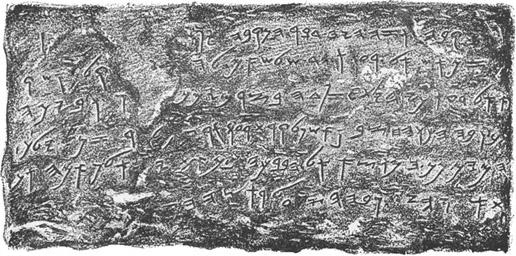
Cumulative review
Twenty-five questions on the whole course. Do them on paper, without the tables above, then check. Any you miss point to the lesson to reread.
- Write the five final letter forms and the letters they belong to.
- Which six letters take dagesh lene, and which three of them change sound in modern Hebrew?
- Read aloud and give a bracket guide: בְּרֵאשִׁית, מִזְמוֹר, חָכְמָה.
- Is the shewa vocal or silent? (a) under ב in בְּרֵאשִׁית (b) under ז in מִזְמוֹר (c) the second shewa in מֵאַרְצְךָ
- Explain the dot in the last letter of וּמֵאִישָׁהּ.
- Add the article: מֶלֶךְ, אִישׁ, חֹשֶׁךְ, הָרִים.
- Add בְּ: הָאָרֶץ, יְמֵי, שְׂדֵי. Add מִן: בֵּית, אִישָׁהּ.
- Add the conjunction "and": שְׁנֵי, בֵין, אֵת, אֱלֹהִים.
- Translate and explain the construct: דְּבַר־יְהוָה.
- Translate: הָעִיר הַגְּדוֹלָה and הָעִיר גְּדוֹלָה. What is the difference?
- Give "his sons" and "her sons" from בָּנִים, as in Ruth 1.
- Write the independent pronouns for I, you (ms), he, she, we, they (m).
- Write the Qal perfect of קטל in full.
- Write the Qal imperfect of קטל in full.
- Give the Qal imperative ms, the infinitive construct, the infinitive absolute and the active participle ms of קטל.
- Give the 3ms perfect of קטל in all seven stems.
- Name the stem: יְקַטֵּל, יַקְטִיל, יִקָּטֵל, מִתְקַטֵּל, מָקְטָל.
- Find the root: וַיִּתֵּן, וַיֵּשְׁבוּ, וַיָּקָם, וַיַּרְא, עֲשׂוֹת.
- What is the difference between יְהִי and וַיְהִי?
- What does the weqatal וְאָהַבְתָּ mean, and where does its stress fall?
- Write the numbers three, five and ten for use with a feminine noun like שָׁנָה.
- Translate: יְהוָה רֹעִי לֹא אֶחְסָר.
- Translate: דּוֹר הֹלֵךְ וְדוֹר בָּא. Why participles?
- What is a ketiv and a qere? Give an example from the course.
- Name two sounds the Tiberian Masoretes had that modern Israeli Hebrew has lost or merged.
Answers to the cumulative review
- ך (כ), ם (מ), ן (נ), ף (פ), ץ (צ).
- ב ג ד כ פ ת. In modern Hebrew ב (b/v), כ (k/kh) and פ (p/f) change.
- [be-re-SHIT], [miz-MOR], [khokh-MA] (qamets hatuf in the first syllable).
- (a) vocal: first letter of a word. (b) silent: it closes the syllable miz. (c) vocal: the second of two shewas.
- Mappiq: the final ה is a consonant, the suffix "her": "and from her husband".
- הַמֶּלֶךְ, הָאִישׁ, הַחֹשֶׁךְ, הֶהָרִים.
- בָּאָרֶץ, בִּימֵי, בִּשְׂדֵי; מִבֵּית, מֵאִישָׁהּ.
- וּשְׁנֵי, וּבֵין, וְאֵת, וֵאלֹהִים (before hateph segol under א the conjunction takes tsere and the א goes silent; Gesenius, section 104).
- "The word of the LORD." דָּבָר in construct shortens to דְּבַר and has no article; it is definite because the name after it is definite.
- "The great city" (attributive: both have the article) and "the city is great" (predicate: the adjective has no article).
- בָנָיו "his sons" (Ruth 1:1) and בָנֶיהָ "her sons" (Ruth 1:3).
- אֲנִי (or אָנֹכִי), אַתָּה, הוּא, הִיא, אֲנַחְנוּ, הֵם (or הֵמָּה).
- קָטַל, קָטְלָה, קָטַלְתָּ, קָטַלְתְּ, קָטַלְתִּי, קָטְלוּ, קְטַלְתֶּם, קְטַלְתֶּן, קָטַלְנוּ.
- יִקְטֹל, תִּקְטֹל, תִּקְטֹל, תִּקְטְלִי, אֶקְטֹל, יִקְטְלוּ, תִּקְטֹלְנָה, תִּקְטְלוּ, תִּקְטֹלְנָה, נִקְטֹל (3ms, 3fs, 2ms, 2fs, 1cs, 3mp, 3fp, 2mp, 2fp, 1cp).
- קְטֹל, קְטֹל, קָטוֹל, קֹטֵל.
- Qal קָטַל, Niphal נִקְטַל, Piel קִטֵּל, Pual קֻטַּל, Hiphil הִקְטִיל, Hophal הָקְטַל, Hithpael הִתְקַטֵּל.
- Piel imperfect, Hiphil imperfect, Niphal imperfect, Hithpael participle, Hophal participle.
- נתן, ישׁב, קום, ראה, עשׂה.
- יְהִי is the jussive, "let there be"; וַיְהִי is the wayyiqtol, "and there was".
- "And you shall love" (Deuteronomy 6:5). The stress moves to the last syllable: [ve-a-hav-TA].
- שָׁלֹשׁ, חָמֵשׁ, עֶשֶׂר.
- "The LORD is my shepherd; I lack nothing." (Psalm 23:1)
- "A generation goes and a generation comes." Participles give ongoing, timeless action. (Ecclesiastes 1:4)
- The ketiv is the written consonantal text; the qere is what the Masoretes say to read. Psalm 100:3: ketiv ולא "and not", qere וְלוֹ "and his". Or the perpetual qere of יְהוָה, read Adonai.
- Any two: the throat sounds of ע and ח; w for ו; the emphatics ט צ ק; the soft sounds of ג ד ת; the open o of qamets; the difference between tsere and segol.
Next steps
The worst thing you can do now is stop reading Hebrew for six months. The second worst is to open a hard prophet with no help. Here is a sensible order.
- Reread this course's readings. All of them, aloud, without the word help. If a passage from lesson 12 still feels hard, the grammar of lesson 12 is not settled yet. Then learn Genesis 1:1, Deuteronomy 6:4 to 5 and Psalm 23 by heart; texts you know by heart become grammar you never forget.
- Read whole books of easy narrative. Finish Ruth (four chapters) and Jonah (four chapters). Then the Joseph story in Genesis 37 to 50, and the stories of Samuel and David in 1 Samuel. Narrative prose repeats its verbs and its vocabulary, which is exactly what a new reader needs. Use tanach.us or Sefaria for the text.
- Get a reader's edition. A reader's Hebrew text glosses the less common words at the foot of the page, so you look up less and read more. A Reader's Hebrew Bible (Zondervan, 2008) and the reader's edition of Biblia Hebraica Stuttgartensia (Hendrickson and the German Bible Society) are the two best known. There are also graded readers built from real passages, arranged from easy narrative to poetry, with notes on every verse; several good ones are in print, and a teacher or a seminary bookshop can point you to them.
- Keep a free grammar at hand. Gesenius' Hebrew Grammar (Kautzsch and Cowley, 1910), which this course cites, is the standard reference and free on the Internet Archive; look things up in it by section. A. B. Davidson's An Introductory Hebrew Grammar, a Scottish textbook first published in 1874 and revised in many editions for decades after, is free too and has graded exercises with every lesson. Benjamin Davidson's Analytical Hebrew and Chaldee Lexicon (1848) parses every form in the text. All three are old, and their English is formal, but their Hebrew is sound.
- Learn vocabulary by frequency. A small number of words make up most of any page. BDB gives the number of occurrences for many words (lesson 20): start with the words that occur most. Keep your word notebook (lesson 20) and add every new root with its family of words, the way BDB does.
- Speak it. The quickest way to make Hebrew feel like a language and not a code is to use it aloud. Modern Hebrew is the obvious way in. An ulpan is a school for intensive study of modern Hebrew; the first, Ulpan Etzion in Jerusalem, was founded in 1949 to teach the language to new immigrants, and ulpan courses, in Israel, online and in many cities abroad, still follow its plan of daily classes in Hebrew with conversation, reading and writing. A modern speaker reads Genesis with much less effort than you do, though the grammar has changed in places (the wayyiqtol, for one, is gone from speech).
- Or learn the classical language by immersion. Some teachers now teach classical Hebrew itself as a spoken language, in Hebrew, with pictures, gestures and stories, the way a child learns. The Polis Institute in Jerusalem, founded in 2011, teaches ancient Hebrew this way, alongside ancient Greek, Latin and other languages, with classes held in the language being learned. Randall Buth's language center publishes a living-language course with recordings, built on the same idea. Aleph with Beth, a free video series by Andrew and Bethany Case, teaches the classical language entirely in Hebrew from the first lesson. Supporters say speaking builds the fast, automatic reading that grammar drills do not; others prefer to spend the time on reading texts with a grammar. Many readers do some of both.
- Read with other people. A weekly hour of reading aloud with others, in person or online, does a lot. Synagogues, churches, universities and online groups host reading circles. Sefaria lets a group read the same text with commentaries and a dictionary side by side.
- Then poetry and the prophets. When narrative feels easy, move to the Psalms (start with the short ones: 1, 8, 23, 100, 121, 133), then Proverbs 1 to 9, then Isaiah 40 to 55. Poetry has rarer words and freer word order, so expect to use BDB more.
- Aramaic, later. Parts of Daniel and Ezra are in Aramaic, a sister language written in the same script. With this course behind you, a few weeks with an Aramaic grammar will make them readable.
A 30-day practice plan
About fifteen to twenty minutes a day. Read everything aloud. Keep the summary tables above open and look things up as often as you need to; by day 30 you will need them much less.
| Days | Read | Grammar to review | Write or say |
|---|---|---|---|
| 1 | Genesis 1:1 to 5 aloud, pointed, then unpointed | alphabet and vowel chart | Copy Genesis 1:1 in print and cursive |
| 2 | Genesis 1:6 to 8 (new) | article and prepositions table | List every article and preposition in verses 1 to 8 |
| 3 | Genesis 1:9 to 13 | wayyiqtol forms | Parse every wayyiqtol in verses 1 to 13 |
| 4 | Genesis 1:14 to 19 | construct chains | Say aloud five construct phrases from the chapter |
| 5 | Genesis 1:20 to 25 | Qal perfect and imperfect of קטל | Write both paradigms from memory |
| 6 | Genesis 1:26 to 31 | pronouns and suffixes | Find every suffix in verses 26 to 31 |
| 7 | Reread Genesis 1 entire, no help | review the week | Record yourself reading verses 1 to 5; listen back |
| 8 | Ruth 1:1 to 5 (lesson 21), then 1:6 to 7 | weak verb signs | Restore the root of every weak verb |
| 9 | Ruth 1:8 to 10 | imperative, jussive, cohortative | Write three commands of your own |
| 10 | Ruth 1:11 to 14 | questions and negatives | Answer aloud: who speaks to whom? |
| 11 | Ruth 1:15 to 18 | suffixes on prepositions | Memorize Ruth 1:16, Ruth's promise to Naomi |
| 12 | Ruth 1:19 to 22 | the Niphal | Write a five-sentence summary of chapter 1 in Hebrew |
| 13 | Ruth 2:1 to 7 | participles | List the characters and their relationships in Hebrew |
| 14 | Reread Ruth 1 entire, no help | review the week | Retell the chapter aloud in simple Hebrew |
| 15 | Jonah 1:1 to 6 | the seven stems grid | Find one form of three different stems |
| 16 | Jonah 1:7 to 16 | numbers, word order | Track the verb ירד through the chapter |
| 17 | Jonah 2 (the prayer, poetry) | parallelism | Mark each verse's two lines and their kind of parallelism |
| 18 | Jonah 3 | infinitives | Write three sentences with לְ + infinitive |
| 19 | Jonah 4 | clauses table | Summarize the whole book in eight Hebrew sentences |
| 20 | Psalm 23 aloud, by heart if you can | verbs with object suffixes | Write Psalm 23 from memory, pointed |
| 21 | Psalm 121 (this lesson's Reading) | the jussive with אַל | Compose a two-line verse with synonymous parallelism |
| 22 | Psalm 1 | antithetic parallelism | Compare the two ways in Psalm 1 in Hebrew phrases |
| 23 | Psalm 8 | questions with מָה | Memorize Psalm 8:2 |
| 24 | Deuteronomy 6:4 to 9 | weqatal as command | List every weqatal and translate it |
| 25 | Micah 6:6 to 8 | infinitives as nouns | Write your own "what is good" sentence with three infinitives |
| 26 | Ecclesiastes 1:2 to 11 | participles, pausal forms | Find every pausal form in the passage |
| 27 | Genesis 12:1 to 9 | the lookup method (lesson 20) | Look up three new words in BDB by root |
| 28 | Genesis 22:1 to 8 | everything | Parse every verb in verses 1 to 3 |
| 29 | Genesis 22:9 to 19 | everything | Retell the story aloud in Hebrew |
| 30 | Reread one passage from each week, aloud, no help | the cumulative review above | Choose your next book and set a daily time |
Some of these passages have a ketiv and qere or a rare word. Printed editions and tanach.us flag the first with a note; BDB handles the second. If a day takes longer than twenty minutes, split it in two. If a day is too easy, read further. The point is the habit.
Practice
- Write the article on each: עִיר, שָׁמַיִם, אוֹר, חָכָם.
- Write לְ + the article + אָדָם, as in Ecclesiastes 1:3.
- Give the Qal imperfect 1cs, 3mp and 2fs of קטל.
- Give the Piel and Hiphil imperfect 3ms of קטל and name the vowel under the prefix in each.
- Name the class of weak verb and the root: וַיֵּרֶד, יָקוּם, יִקַּח, יִבְנֶה.
- Give "my", "your (ms)" and "our" on the noun סוּס.
- Pronounce חֶסֶד, עַמּוֹ and טוֹב in modern Hebrew, then say how the first sound of each was different in the Tiberian reading.
- Translate: אֶשָּׂא עֵינַי אֶל־הֶהָרִים (Psalm 121:1).
- Which next step would you choose first, and why? Name one free resource from the list.
- Write the date you will begin day 1 of the 30-day plan, and the time of day.
Answers
- הָעִיר, הַשָּׁמַיִם, הָאוֹר, הֶחָכָם (before חָ the article is הֶ).
- לָאָדָם.
- אֶקְטֹל, יִקְטְלוּ, תִּקְטְלִי.
- Piel יְקַטֵּל, shewa under the prefix; Hiphil יַקְטִיל, patah under the prefix.
- I-yod, ירד; hollow, קום; לקח, which behaves like a I-nun verb; III-he, בנה.
- סוּסִי, סוּסְךָ, סוּסֵנוּ.
- [KHE-sed], [a-MO], [TOV]. In the Tiberian reading ח was a breathy throat sound [ḥ], not kh; ע was a voiced throat sound [ʕ], not silent; ט was an emphatic t.
- "I lift my eyes to the hills." אֶשָּׂא is the Qal imperfect 1cs of נשׂא, with the nun assimilated.
- Any reasoned answer. Free resources: Gesenius' Hebrew Grammar, A. B. Davidson's grammar, Benjamin Davidson's analytical lexicon and BDB on the Internet Archive; Sefaria; STEP Bible; tanach.us; the Open Scriptures data; Aleph with Beth.
- Your own answer. Write it where you will see it.
Writing drill
Copy. Copy the Qal perfect and imperfect of קטל and the seven-stem grid by hand, saying each form aloud as you write it. Then copy the weak-verb signs table without the examples and fill the examples in from memory. Finish by copying Psalm 121:1 to 2 below in cursive.
Compose. Write a short letter in Hebrew, six to eight sentences, to a friend who is about to start learning Hebrew. Tell them what you learned (perfect), what you are reading now (participle), what you will read next (imperfect), give one piece of advice (imperative), one warning (אַל + jussive), and end with a blessing (jussive, as in Numbers 6:24). Begin with שָׁלוֹם and the friend's name.
Model answer
שָׁלוֹם לְךָ דָּוִד׃
לָמַדְתִּי עִבְרִית בַּשָּׁנָה הַזֹּאת׃
עַתָּה אֲנִי קוֹרֵא אֶת־סֵפֶר רוּת׃
וְאַחֲרֵי כֵן אֶקְרָא אֶת־סֵפֶר יוֹנָה׃
קְרָא בְּכָל־יוֹם וְאַל־תִּירָא מִן־הַפְּעָלִים׃
יְבָרֶכְךָ יְהוָה וְיִשְׁמְרֶךָ׃
[sha-LOM le-KHA da-VID. la-MAD-ti iv-RIT ba-sha-NA ha-ZOT. a-TA a-NI ko-RE et-SE-fer RUT. ve-a-kha-REI KHEN ek-RA et-SE-fer yo-NA. ke-RA be-khol-YOM ve-al-ti-RA min-ha-pe-a-LIM. ye-va-rekh-KHA a-do-NAI ve-yish-me-RE-kha.]
"Peace to you, David. I learned Hebrew this year. Now I am reading the book of Ruth, and after that I will read the book of Jonah. Read every day, and do not be afraid of the verbs. May the LORD bless you and keep you."
Notes: this is made-up practice Hebrew, except the last line, which is Numbers 6:24. לָמַדְתִּי is Qal perfect 1cs of למד "learn"; עִבְרִית "Hebrew (language)" is the later and modern word, the classical texts say יְהוּדִית "Judean" for the language; קוֹרֵא is the Qal participle of קרא; אֶקְרָא the imperfect 1cs; קְרָא the imperative ms; אַל־תִּירָא is אַל with the jussive 2ms of ירא; פְּעָלִים "verbs" is the grammarians' term (singular פֹּעַל), used by medieval and modern Hebrew grammar.
Speaking drill
Read aloud. One line from every reading lesson, three times each, as a last tour of the course.
- וַיֹּאמֶר אֱלֹהִים יְהִי אוֹר וַיְהִי־אוֹר [va-YO-mer e-lo-HIM ye-HI OR va-ye-hi-OR] (Genesis 1:3)
- וַיֵּלֶךְ אִישׁ מִבֵּית לֶחֶם יְהוּדָה [va-YE-lekh ISH mi-BEIT LE-khem ye-hu-DA] (Ruth 1:1)
- קוּם לֵךְ אֶל־נִינְוֵה הָעִיר הַגְּדוֹלָה [KUM LEKH el-ni-ne-VE ha-IR ha-ge-do-LA] (Jonah 1:2)
- שְׁמַע יִשְׂרָאֵל יְהוָה אֱלֹהֵינוּ יְהוָה אֶחָד [she-MA yis-ra-EL a-do-NAI e-lo-HEI-nu a-do-NAI e-KHAD] (Deuteronomy 6:4)
- הֲבֵל הֲבָלִים הַכֹּל הָבֶל [ha-VEL ha-va-LIM ha-KOL HA-vel] (Ecclesiastes 1:2)
Question and answer. A review conversation. Answer in full Hebrew sentences.
- מָה לָמַדְתָּ? [MA la-MAD-ta] "What did you learn?" Sample: לָמַדְתִּי אֶת־הָאוֹתִיּוֹת וְאֶת־הַפְּעָלִים. [la-MAD-ti et-ha-o-ti-YOT ve-et-ha-pe-a-LIM] "I learned the letters and the verbs."
- מָה אַתָּה קוֹרֵא עַתָּה? [MA a-TA ko-RE a-TA] "What are you reading now?" Sample: אֲנִי קוֹרֵא אֶת־סֵפֶר רוּת. [a-NI ko-RE et-SE-fer RUT]
- מָה תִּקְרָא אַחֲרֵי כֵן? [MA tik-RA a-kha-REI KHEN] "What will you read after that?" Sample: אֶקְרָא אֶת־סֵפֶר יוֹנָה. [ek-RA et-SE-fer yo-NA]
- Give a beginner advice aloud: קְרָא בְּכָל־יוֹם. [ke-RA be-khol-YOM] "Read every day." אַל־תִּירָא. [al-ti-RA] "Don't be afraid."
Speakers of modern Hebrew say "you (f) read" as אַתְּ קוֹרֵאת [AT ko-RET]; if your partner is a woman, use it.
Reading
Psalm 121, the first four verses: a pilgrim's song. It uses nearly every piece of grammar on this page: the article as הֶ, a suffix on a dual noun, a construct participle, a jussive with אַל, and synonymous parallelism. Read it, translate it, then check. The text has no ketiv or qere.
שִׁיר לַמַּעֲלוֹת אֶשָּׂא עֵינַי אֶל־הֶהָרִים מֵאַיִן יָבֹא עֶזְרִי׃
Psalm 121:1, Westminster Leningrad Codex
עֶזְרִי מֵעִם יְהוָה עֹשֵׂה שָׁמַיִם וָאָרֶץ׃
Psalm 121:2, Westminster Leningrad Codex
אַל־יִתֵּן לַמּוֹט רַגְלֶךָ אַל־יָנוּם שֹׁמְרֶךָ׃
Psalm 121:3, Westminster Leningrad Codex
הִנֵּה לֹא־יָנוּם וְלֹא יִישָׁן שׁוֹמֵר יִשְׂרָאֵל׃
Psalm 121:4, Westminster Leningrad Codex
[SHIR la-ma-a-LOT / e-SA ei-NAI el-he-ha-RIM / me-A-yin ya-VO ez-RI]
[ez-RI me-IM a-do-NAI / o-SE sha-MA-yim va-A-rets]
[al-yi-TEN la-MOT rag-LE-kha / al-ya-NUM sho-me-RE-kha]
[hi-NE lo-ya-NUM ve-LO yi-SHAN / sho-MER yis-ra-EL]
Word help: שִׁיר לַמַּעֲלוֹת, a song of the ascents (a title shared by Psalms 120 to 134, often taken as songs for pilgrims going up to Jerusalem); אֶשָּׂא, I lift (Qal imperfect 1cs of נשׂא); עֵינַי, my eyes (dual of עַיִן with suffix 1cs); הֶהָרִים, the hills, the mountains (the article as הֶ before unstressed הָ); מֵאַיִן, from where?; יָבֹא, will come; עֶזְרִי, my help (עֵזֶר with suffix); מֵעִם, from (beside), מִן + עִם; עֹשֵׂה, maker of (Qal participle construct of עשׂה); אַל־יִתֵּן, may he not let (jussive of נתן with אַל); לַמּוֹט, to slip, totter (infinitive of מוט with לְ); רַגְלֶךָ, your foot; יָנוּם, slumber (hollow verb נום); שֹׁמְרֶךָ, your keeper (Qal participle of שׁמר with suffix 2ms); הִנֵּה, look!; יִישָׁן, sleep (Qal imperfect of ישׁן, I-yod with the yod kept); שׁוֹמֵר יִשְׂרָאֵל, the keeper of Israel.
Notes. Verse 1 asks a question and verse 2 answers it, picking up the last word, עֶזְרִי, as its first: a step pattern that runs through this psalm. Verse 3 turns to "you" with two negative wishes (אַל + jussive); verse 4 restates the second as a plain fact, with לֹא + imperfect: "he does not slumber". The keeper, שֹׁמֵר, is the Qal participle of the verb whose paradigm stands beside קטל in the tables above.
Translation
A song of ascents.
I lift my eyes to the hills: where will my help come from?
My help comes from the LORD, maker of heaven and earth.
May he not let your foot slip; may your keeper not slumber.
Look, he does not slumber and does not sleep, the keeper of Israel.
Checklist
- I can use the summary tables to check any letter, vowel, prefix, suffix or verb form.
- I can write the Qal perfect and imperfect of קטל and the 3ms of all seven stems from memory.
- I can name the sign of each weak verb class and restore the root.
- I can explain how the Tiberian reading differs from modern Israeli pronunciation.
- I scored at least 20 out of 25 on the cumulative review, and reread the lessons for any I missed.
- I have chosen a next step and started day 1 of the 30-day plan.
Updated October 28, 2026.
Check yourself
1. Which is the Hiphil perfect 3ms of the model verb?
The Hiphil has the prefix הִ in the perfect and a hireq-yod before the last root letter: הִקְטִיל. נִקְטַל is Niphal, קִטֵּל Piel, הִתְקַטֵּל Hithpael (Gesenius, Paradigm B).
2. What form does the article take before הָרִים, as in Psalm 121:1?
ה cannot take dagesh, and before an unstressed הָ or עָ (and before חָ) the article is הֶ. Psalm 121:1 has אֶל־הֶהָרִים, 'to the hills'.
3. You meet יִתֵּן. Which sign tells you the root is נתן?
In I-nun verbs the nun assimilates to the next consonant, which is then doubled: יִנְתֵּן becomes יִתֵּן. The dagesh is the clue (Gesenius, section 66).
4. How did the Tiberian Masoretes pronounce qamets, according to the course?
In the Tiberian reading qamets was an open back vowel like the 'aw' of 'law'; that is still the Ashkenazi pronunciation. Modern Israeli Hebrew merges it with patah as a.
5. What is an ulpan?
Ulpanim were set up after Israel's founding to teach Hebrew quickly to new immigrants, with conversation, reading and writing. They are the standard route into spoken Hebrew.
6. Which free book lists every inflected form that occurs in the Hebrew Bible in alphabetical order, with its parsing?
Davidson's analytical lexicon is arranged by form, not by root, so you can look up a word exactly as it appears. Use it to check your own parsing after you have tried.
Terms in this lesson
- Paradigm
- A model table of all the forms of one word or verb, learned as a pattern for others. The course's model verb is קָטַל, as in Gesenius.
- Binyan (plural binyanim)
- A verb stem: Qal, Niphal, Piel, Pual, Hiphil, Hophal, Hithpael. Each pairs the root with a pattern of vowels and affixes and a kind of meaning.
- Tiberian pronunciation
- The reading tradition of the Masoretes of Tiberias, about 900 AD, which the vowel points and accents record.
- Ulpan
- A school or course for intensive study of modern Hebrew, first set up in Israel in 1949.
- Immersion method
- Teaching a language in that language, with speaking, pictures and gestures, instead of explaining it in another language.
- Reader's edition
- A Hebrew text with footnotes that gloss less common words, so a learner can keep reading the Hebrew page.
Sources
- Gesenius' Hebrew Grammar (Kautzsch and Cowley, 1910), Paradigm B and sections 35, 66, 69, 72 and 75 checked 2026-10
- A. B. Davidson, An Introductory Hebrew Grammar (Edinburgh: Clark, 1907 printing), Internet Archive checked 2026-10
- Benjamin Davidson, The Analytical Hebrew and Chaldee Lexicon, Internet Archive checked 2026-10
- Brown, Driver and Briggs, A Hebrew and English Lexicon (1906), Internet Archive checked 2026-10
- Open Scriptures Hebrew Bible (WLC with morphology; attested forms checked with the course lookup tool) checked 2026-10
- Wikipedia, Ulpan (first ulpan, Ulpan Etzion, Jerusalem, 1949) checked 2026-10
- Wikipedia, The Polis Institute (Jerusalem, founded 2011; courses taught in the target language) checked 2026-10
- Unicode/XML Leningrad Codex (UXLC), tanach.us checked 2026-10