Lesson 11 of 22 · about 46 minutes
The Qal Perfect
You'll be able to
- Recite the nine forms of the Qal perfect of קָטַל and give the meaning of each
- Conjugate a new strong verb, such as שָׁמַר, זָכַר or כָּתַב, and recognize attested forms in verses
- Explain the three stem shapes of the perfect (קָטַל־, קָטְל־, קְטַל־) and why the vowels change
- Translate the perfect correctly: past, present perfect, pluperfect, present for states and mental verbs, and the perfect of promise
- Conjugate the stative verbs כָּבֵד and קָטֹן and translate statives with an English present
- Negate a perfect with לֹא and read X-verb word order in perfect clauses
In the desert the Israelites complain to Moses, and their complaint begins with one verb:
זָכַרְנוּ אֶת־הַדָּגָה אֲשֶׁר־נֹאכַל בְּמִצְרַיִם חִנָּם אֵת הַקִּשֻּׁאִים וְאֵת הָאֲבַטִּחִים וְאֶת־הֶחָצִיר וְאֶת־הַבְּצָלִים וְאֶת־הַשּׁוּמִים׃
Numbers 11:5, Westminster Leningrad Codex
זָכַרְנוּ [za-KHAR-nu] "we remember." The root is ז־כ־ר "remember," the stem is Qal, and the ending ־ְנוּ means "we," the same ־נוּ you saw in אֲנַחְנוּ and in סוּסֵנוּ in lesson 9. That ending is the whole subject. This lesson teaches the form, called the perfect, and the endings that make it. "We remember the fish we used to eat in Egypt for nothing, the cucumbers, the melons, the leeks, the onions and the garlic." (The second verb, נֹאכַל "we used to eat," is an imperfect, the subject of lesson 12.)
The Qal perfect of קָטַל
The perfect is formed by adding endings to the stem. For that reason many grammars call it the suffix conjugation, and modern ones often call it qatal, after its 3ms form. The 3rd masculine singular has no ending at all, which is why it serves as the dictionary form. Here is the paradigm as Gesenius gives it (Gesenius, section 44 and Paradigm B).
| Person | Hebrew | Guide | Meaning | Ending |
|---|---|---|---|---|
| 3rd masculine singular | קָטַל | [ka-TAL] | he killed | none |
| 3rd feminine singular | קָטְלָה | [ka-te-LA] | she killed | ־ָה |
| 2nd masculine singular | קָטַלְתָּ | [ka-TAL-ta] | you (m.) killed | ־ְתָּ |
| 2nd feminine singular | קָטַלְתְּ | [ka-TALT] | you (f.) killed | ־ְתְּ |
| 1st common singular | קָטַלְתִּי | [ka-TAL-ti] | I killed | ־ְתִּי |
| 3rd common plural | קָטְלוּ | [ka-te-LU] | they killed | ־וּ |
| 2nd masculine plural | קְטַלְתֶּם | [ke-tal-TEM] | you (m. pl.) killed | ־ְתֶּם |
| 2nd feminine plural | קְטַלְתֶּן | [ke-tal-TEN] | you (f. pl.) killed | ־ְתֶּן |
| 1st common plural | קָטַלְנוּ | [ka-TAL-nu] | we killed | ־ְנוּ |
Grammars traditionally list the perfect starting with the 3rd person, because the 3ms is the simplest form and the dictionary form. Some textbooks list 1st person first. The forms are the same either way.
Three things to notice at once:
- Only nine forms. The 3rd person plural has one form for men and women: קָטְלוּ "they killed." The 1st person is common gender, as with אֲנִי and אֲנַחְנוּ.
- The guide marks the vocal shewa. In the Tiberian reading the shewa of קָטְלָה and קָטְלוּ is vocal, so the guide writes [ka-te-LA], [ka-te-LU]. Many Israelis today say [kat-LA], [kat-LU]. Both readings put the stress on the ending.
- Stress. The 1st and 2nd person singular and the 1st plural are stressed on the stem: [ka-TAL-ta], [ka-TAL-ti], [ka-TAL-nu]. The 3fs, 3cp and the 2nd plural are stressed on the ending.
Where the endings come from
The endings are old pronouns that grew onto the verb, and most of them still look like the pronouns of lesson 9. Put them side by side:
| Ending | Pronoun | What matches |
|---|---|---|
| ־ְתָּ | אַתָּה | tā, you (m.) |
| ־ְתְּ | אַתְּ | t, you (f.) |
| ־ְתִּי | אָנֹכִי | the final i (the t is borrowed from the 2nd person; the old k shows in אָנֹכִי) |
| ־ְנוּ | אֲנַחְנוּ | nu, we |
| ־ְתֶּם / ־ְתֶּן | אַתֶּם / אַתֵּן | tem, ten, you (pl.): m for men, n for women |
The 3rd person forms have no pronoun inside them: 3ms is bare, 3fs adds the feminine ־ָה, and 3cp adds a plural ־וּ.
Three stem shapes
Hebrew vowels respond to where the stress falls (lesson 4). The perfect shows this cleanly, and once you see it the paradigm is not nine things to memorize but one rule applied three ways (Gesenius, section 44).
- קָטַל־ with no ending or with an ending that begins with a consonant (־ְתָּ, ־ְתְּ, ־ְתִּי, ־ְנוּ). The stress stays on the stem; both vowels stay full.
- קָטְל־ before an ending that is a vowel (־ָה, ־וּ). The ending takes the stress. The patah, now in an open syllable right before the stress, reduces to vocal shewa. The qamets two syllables back stays (in the Tiberian text it carries a meteg).
- קְטַל־ before the heavy endings ־ְתֶּם and ־ְתֶּן. These endings take the stress themselves, so the stem has no stress at all, and the qamets, now two syllables away from the stress in an open syllable, reduces to shewa.
A real verb: שָׁמַר "keep, guard"
Every strong Qal verb takes the same endings. Here is שָׁמַר [sha-MAR], with a verse for each form found in the books the lookup tool covers. Where שָׁמַר itself does not occur in a form, another strong-pattern verb that does is given.
| Person | שָׁמַר | Guide | Meaning | Attested form | Where |
|---|---|---|---|---|---|
| 3ms | שָׁמַר | [sha-MAR] | he kept | שָׁמַר | Genesis 37:11 |
| 3fs | שָׁמְרָה | [sha-me-RA] | she kept | שָׁמְרָה | Psalm 119:167 |
| 2ms | שָׁמַרְתָּ | [sha-MAR-ta] | you (m.) kept | שָׁמַרְתָּ | 1 Samuel 13:13 |
| 2fs | שָׁמַרְתְּ | [sha-MART] | you (f.) kept | זָכַרְתְּ | Isaiah 47:7 ("you remembered") |
| 1cs | שָׁמַרְתִּי | [sha-MAR-ti] | I kept | שָׁמַרְתִּי | 1 Samuel 25:21 |
| 3cp | שָׁמְרוּ | [sha-me-RU] | they kept | שָׁמְרוּ | Deuteronomy 33:9 |
| 2mp | שְׁמַרְתֶּם | [she-mar-TEM] | you (m. pl.) kept | שְׁמַרְתֶּם | 1 Samuel 26:16 |
| 2fp | שְׁמַרְתֶּן | [she-mar-TEN] | you (f. pl.) kept | עֲזַבְתֶּן | Exodus 2:20 ("you left") |
| 1cp | שָׁמַרְנוּ | [sha-MAR-nu] | we kept | זָכַרְנוּ | Numbers 11:5 ("we remember") |
In עֲזַבְתֶּן the first root letter is the throat letter ע, which takes a hatef patah instead of a simple shewa (lesson 16 will make this routine). Otherwise it is exactly the pattern of שְׁמַרְתֶּן. Reuel says it to his seven daughters: לָמָּה זֶּה עֲזַבְתֶּן אֶת־הָאִישׁ "Why is it that you left the man?" (Exodus 2:20).
Other strong verbs to practice on
| Root | 3ms | Meaning | Attested forms |
|---|---|---|---|
| ז־כ־ר | זָכַר | remember | זָכַר Genesis 40:23, זָכַרְתִּי Psalm 119:52, זָכַרְתְּ Isaiah 47:7, זָכְרוּ Psalm 78:42, זָכַרְנוּ Numbers 11:5 |
| פ־ק־ד | פָּקַד | attend to, visit, muster, miss | פָּקַד Genesis 21:1, פָּקַדְתָּ Psalm 17:3, פָּקַדְתִּי Exodus 3:16, פָּקְדוּ Numbers 26:63, פָקַדְנוּ 1 Samuel 25:15 |
| כ־ת־ב | כָּתַב | write | כָּתַבְתִּי Exodus 24:12 |
| מ־ל־ך | מָלַךְ | reign | מָלַךְ 1 Samuel 12:14, מָלְכוּ Genesis 36:31 |
| מ־כ־ר | מָכַר | sell | מָכְרוּ Genesis 37:36, מְכַרְתֶּם Genesis 45:4, מָכַרְתִּי Isaiah 50:1 |
| מ־שׁ־ל | מָשַׁל | rule | מָשְׁלוּ Isaiah 3:12, מָשַׁלְתָּ Isaiah 63:19 |
Watch the begadkephat letters in the endings. The ת of ־ְתָּ, ־ְתִּי, ־ְתֶּם always has a dagesh lene, because it follows the silent shewa that closes the stem. A begadkephat letter at the end of the stem itself is soft, because a vowel comes before it: כָּתַבְתִּי [ka-TAV-ti], פָּקַדְתִּי [pa-KAD-ti] (ד said d either way in the modern reading).
Pausal forms of the perfect
In pause (lesson 9), the vowel that would otherwise reduce or be short comes back long. You will see these all the time at the end of a verse:
- 3ms: מָלַךְ becomes מָלָךְ (Psalm 93:1), and זָכַר becomes זָכָר (Psalm 9:13).
- 3cp: שָׁמְרוּ becomes שָׁמָרוּ (Numbers 9:23), with the stress back on the stem [sha-MA-ru].
- 2ms: כָּתַבְתָּ becomes כָּתָבְתָּ (Exodus 32:32).
- 1cs: שָׁמַרְתִּי becomes שָׁמָרְתִּי (Psalm 119:67).
A glance at roots that change
Some roots meet the endings in ways that make letters merge. When the last root letter is ת and the ending starts with ת, they fuse into one doubled ת. When the last root letter is נ, it assimilates. So נָתַן "give" has נָתַתִּי [na-TA-ti] "I gave" (Genesis 23:11), with no nun before the ending. Lesson 16 collects these. For now, if a perfect seems to be missing a root letter just before the ending, suspect this.
What the perfect means
The perfect presents an action or a state as a whole, from the outside, as a fact. Most often that is something completed, so most perfects in a narrative are translated with the English past. But the Hebrew perfect is not a "past tense" in the English sense. Gesenius lists its uses in section 106. The main ones a reader meets:
1. Completed action: English past or present perfect
The ordinary case. שָׁמַר "he kept," לֹא שָׁמַרְתָּ "you have not kept" (1 Samuel 13:13). English chooses between "you kept" and "you have kept" by whether the result still matters now; Hebrew uses the same form for both.
וַיֹּאמֶר שְׁמוּאֵל אֶל־שָׁאוּל נִסְכָּלְתָּ לֹא שָׁמַרְתָּ אֶת־מִצְוַת יְהוָה אֱלֹהֶיךָ אֲשֶׁר צִוָּךְ
1 Samuel 13:13 (first part), Westminster Leningrad Codex
"Samuel said to Saul, 'You have acted foolishly. You have not kept the command of the LORD your God, which he commanded you.'" נִסְכָּלְתָּ is a Niphal perfect 2ms (lesson 15) and צִוָּךְ a Piel perfect with a pausal 2ms suffix; both take the same perfect endings you have just learned or will learn on other stems.
2. Background in the past: English pluperfect
When a story stops to give background, it often puts the subject first and uses a perfect. English then needs "had."
וְלָבָן הָלַךְ לִגְזֹז אֶת־צֹאנוֹ וַתִּגְנֹב רָחֵל אֶת־הַתְּרָפִים אֲשֶׁר לְאָבִיהָ׃
Genesis 31:19, Westminster Leningrad Codex
"Now Laban had gone to shear his sheep, and Rachel stole the household gods that belonged to her father." וְלָבָן הָלַךְ (subject first, then perfect) sets the scene; וַתִּגְנֹב (a waw-consecutive form, lesson 12) moves the story on.
3. States, and verbs of knowing and remembering: English present
A stative verb in the perfect describes a state that has come about and still holds: זָקַנְתִּי "I am old" (literally "I have become old," Genesis 18:13). Verbs of perceiving, knowing, remembering and feeling behave the same way: יָדַעְתִּי "I know" (Genesis 12:11), לֹא יָדַעְתִּי "I do not know" (Genesis 4:9), זָכַרְנוּ "we remember" (Numbers 11:5) (Gesenius, section 106).
הִנֵּה־נָא יָדַעְתִּי כִּי אִשָּׁה יְפַת־מַרְאֶה אָתְּ׃
Genesis 12:11 (end), Westminster Leningrad Codex
"Look, I know that you are a beautiful woman." Abram's knowing is a present state, and אָתְּ "you (f.)" in pause ends a verbless clause, from lesson 9.
4. Words that do what they say: English present
When the act of speaking is itself the deed (giving, selling, swearing, declaring), Hebrew uses the perfect. English uses the present, often with "hereby." Ephron offers Abraham the field and the cave:
לֹא־אֲדֹנִי שְׁמָעֵנִי הַשָּׂדֶה נָתַתִּי לָךְ וְהַמְּעָרָה אֲשֶׁר־בּוֹ לְךָ נְתַתִּיהָ לְעֵינֵי בְנֵי־עַמִּי נְתַתִּיהָ לָּךְ קְבֹר מֵתֶךָ׃
Genesis 23:11, Westminster Leningrad Codex
"No, my lord, hear me. I give you the field, and the cave that is in it I give to you. In the sight of the sons of my people I give it to you. Bury your dead." Three times נָתַתִּי "I give," the last two with the object suffix "it" (נְתַתִּיהָ). Notice the word order: הַשָּׂדֶה נָתַתִּי לָךְ, object first. And notice לָךְ spoken to Abraham, a man: the pausal form from lesson 9.
God's covenant with Abram uses the same perfect for a gift not yet handed over: לְזַרְעֲךָ נָתַתִּי אֶת־הָאָרֶץ הַזֹּאת "To your offspring I give this land" (Genesis 15:18). The promise is spoken as already done.
5. The prophetic perfect
Prophets sometimes describe a future event with the perfect, as if it had already happened, because they regard it as certain. Gesenius calls this the "prophetic perfect" (Gesenius, section 106). הָעָם הַהֹלְכִים בַּחֹשֶׁךְ רָאוּ אוֹר גָּדוֹל "The people walking in darkness have seen a great light" (Isaiah 9:1). How far to press this in any one verse is a matter of interpretation; as a reader you need to know the usage exists.
Stative verbs
Many Qal verbs describe a state or quality rather than an action: be heavy, be small, be old, be great, be holy. They are called stative. Most of them have a different vowel in the 3ms perfect: tsere (כָּבֵד, זָקֵן) or, less often, holem (קָטֹן). Some statives look exactly like fientive verbs, with patah: גָּדַל "be great, grow up" (Genesis 26:13) (Gesenius, section 43).
| Person | כָּבֵד "be heavy" | Guide | קָטֹן "be small" | Guide |
|---|---|---|---|---|
| 3ms | כָּבֵד | [ka-VED] | קָטֹן | [ka-TON] |
| 3fs | כָּבְדָה | [ka-ve-DA] | קָטְנָה | [ka-te-NA] |
| 2ms | כָּבַדְתָּ | [ka-VAD-ta] | קָטֹנְתָּ | [ka-TON-ta] |
| 2fs | כָּבַדְתְּ | [ka-VADT] | קָטֹנְתְּ | [ka-TONT] |
| 1cs | כָּבַדְתִּי | [ka-VAD-ti] | קָטֹנְתִּי | [ka-TON-ti] |
| 3cp | כָּבְדוּ | [ka-ve-DU] | קָטְנוּ | [ka-te-NU] |
| 2mp | כְּבַדְתֶּם | [ke-vad-TEM] | קְטָנְתֶּם | [ke-ton-TEM] |
| 2fp | כְּבַדְתֶּן | [ke-vad-TEN] | קְטָנְתֶּן | [ke-ton-TEN] |
| 1cp | כָּבַדְנוּ | [ka-VAD-nu] | קָטֹנּוּ | [ka-TO-nu] |
These are Gesenius' model forms for the two kinds of stative (Gesenius, section 44 and Paradigm B). Points to notice:
- The tsere of כָּבֵד appears only in the 3ms. Everywhere else the endings are added to כָּבַד־ exactly as to קָטַל־. So in most persons a tsere-stative looks just like a fientive verb. In the books the lookup tool loads, every כָּבֵד is tagged as the adjective "heavy"; the verb itself shows up there in other persons, such as כָבְדָה and כָּבְדוּ below. The 3ms כָּבֵד in the table is Gesenius' model form.
- The holem of קָטֹן stays before consonant endings: קָטֹנְתִּי. Before the heavy endings it becomes qamets hatuf, said o: קְטָנְתֶּם [ke-ton-TEM].
- In קָטֹנּוּ the last root letter נ and the ending ־נוּ meet, and the two nuns are written as one with a dagesh.
Statives in the text
| Form | Parse | In context | Where |
|---|---|---|---|
| זָקֵן | Qal perfect 3ms of זקן | וַאדֹנִי זָקֵן "and my lord is old" | Genesis 18:12 |
| זָקַנְתִּי | Qal perfect 1cs | וַאֲנִי זָקַנְתִּי "when I am old" | Genesis 18:13 |
| זָקַנְתָּ | Qal perfect 2ms | הִנֵּה אַתָּה זָקַנְתָּ "Look, you are old" | 1 Samuel 8:5 |
| כָבְדָה | Qal perfect 3fs of כבד | וְחַטָּאתָם כִּי כָבְדָה מְאֹד "and their sin, how very heavy it is" | Genesis 18:20 |
| כָּבְדוּ | Qal perfect 3cp | וְעֵינֵי יִשְׂרָאֵל כָּבְדוּ מִזֹּקֶן "Israel's eyes were heavy (dim) with age" | Genesis 48:10 |
| קָטֹנְתִּי | Qal perfect 1cs of קטן | קָטֹנְתִּי מִכֹּל הַחֲסָדִים "I am too small for all the kindnesses" | Genesis 32:11 |
Two notes. First, זָקֵן and כָּבֵד are spelled the same as the adjectives "old" and "heavy," and in a verbless clause you often cannot tell which you have; the meaning is the same. Second, the English tense depends on the story: in Genesis 48:10 the narrator speaks of Israel's eyes in the past, so "were heavy."
The מִן in קָטֹנְתִּי מִכֹּל is comparative: "small compared to all," that is, "too small for all." Hebrew has no comparative ending like English -er; it uses מִן (lesson 8).
Negation with לֹא
A perfect is negated with לֹא [LO] "not," placed directly before the verb (Gesenius, section 152). It is often joined with maqaf.
- לֹא שָׁמַרְתָּ "you did not keep" (1 Samuel 13:13)
- וְלֹא־זָכַר שַׂר־הַמַּשְׁקִים אֶת־יוֹסֵף "but the chief cupbearer did not remember Joseph" (Genesis 40:23)
- לֹא זָכַרְתְּ אַחֲרִיתָהּ "you did not remember its end" (Isaiah 47:7)
- לֹא יָדַעְתִּי "I do not know" (Genesis 4:9)
The other negative, אַל, is used with commands and wishes, never with the perfect (lesson 13). אֵין negates verbless clauses and participles (lesson 9).
וְלֹא־זָכַר שַׂר־הַמַּשְׁקִים אֶת־יוֹסֵף וַיִּשְׁכָּחֵהוּ׃
Genesis 40:23, Westminster Leningrad Codex
"Yet the chief cupbearer did not remember Joseph; he forgot him." The second verb וַיִּשְׁכָּחֵהוּ is a waw-consecutive imperfect with the object suffix "him": the narrator says the same thing twice, once negatively and once positively.
Word order in verbal clauses
The basic order of a Hebrew verbal clause is verb, subject, object (Gesenius, section 142): וַיִּשְׁמֹר אַבְרָהָם ..., וַיִּכְתֹּב מֹשֶׁה אֵת כָּל־דִּבְרֵי יְהוָה "and Moses wrote all the words of the LORD" (Exodus 24:4). In a narrative, that verb-first slot is usually held by the waw-consecutive imperfect of lesson 12.
The perfect, by contrast, often stands second in its clause, after a subject, object or phrase that the writer puts first. Grammarians call this X-qatal order. The word placed first is the topic or the point of contrast.
| What comes first | Example | Effect |
|---|---|---|
| subject | וְאָבִיו שָׁמַר אֶת־הַדָּבָר "but his father kept the matter (in mind)" (Genesis 37:11) | contrast: the brothers were jealous, but his father ... |
| subject | וַיהוָה פָּקַד אֶת־שָׂרָה "And the LORD attended to Sarah" (Genesis 21:1) | opens a new episode, with the LORD as topic |
| object | וְלַחֹשֶׁךְ קָרָא לָיְלָה "and the darkness he called Night" (Genesis 1:5) | contrast with the light just named |
| object | הַשָּׂדֶה נָתַתִּי לָךְ "the field I give you" (Genesis 23:11) | the field is the topic of the bargain |
| time phrase | בְּרֵאשִׁית בָּרָא אֱלֹהִים "In the beginning God created" (Genesis 1:1) | sets the time frame for all that follows |
וַיְקַנְאוּ־בוֹ אֶחָיו וְאָבִיו שָׁמַר אֶת־הַדָּבָר׃
Genesis 37:11, Westminster Leningrad Codex
"His brothers were jealous of him, but his father kept the matter in mind." The first clause is verb-first (a waw-consecutive Piel). The second puts וְאָבִיו first and uses the perfect: the change of order is the "but." English needs a word; Hebrew uses position, the way Greek uses its particles.
The definite direct object is marked with אֶת־ / אֵת (lesson 7), so even when the order changes, you can find the object: אֶת־הַדָּבָר, אֶת־שָׂרָה, אֶת־יוֹסֵף.
A look ahead: the perfect with waw
You will often see a perfect joined to the conjunction וְ where it plainly refers to the future or gives an instruction:
וְשָׁמַרְתָּ אֶת־הַחֻקָּה הַזֹּאת לְמוֹעֲדָהּ מִיָּמִים יָמִימָה׃
Exodus 13:10, Westminster Leningrad Codex
"You shall keep this statute at its appointed time from year to year." This is the waw-consecutive perfect (weqatal). After a command, a future or a habit, a chain of perfects with וְ carries on in the same time frame. In the 2ms and 1cs the stress usually moves to the ending in this use: [ve-sha-mar-TA] (Gesenius, section 49). Lesson 12 teaches this and its partner, the waw-consecutive imperfect. For now: a plain perfect is usually past or present; a perfect with וְ in a chain of instructions or predictions is usually future or a command.
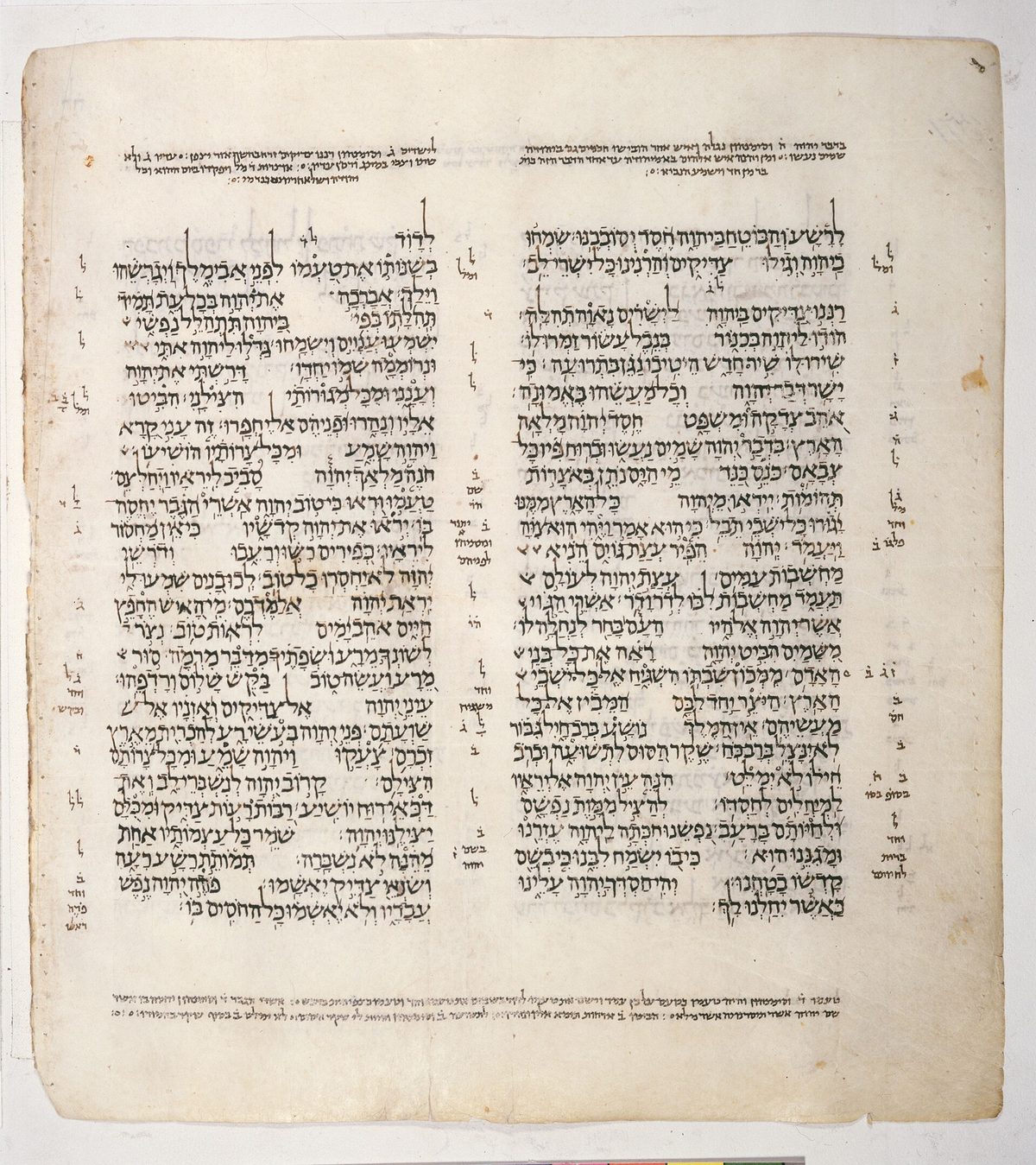
Example: parsing every perfect in Genesis 32:11
קָטֹנְתִּי מִכֹּל הַחֲסָדִים וּמִכָּל־הָאֱמֶת אֲשֶׁר עָשִׂיתָ אֶת־עַבְדֶּךָ כִּי בְמַקְלִי עָבַרְתִּי אֶת־הַיַּרְדֵּן הַזֶּה וְעַתָּה הָיִיתִי לִשְׁנֵי מַחֲנוֹת׃
Genesis 32:11, Westminster Leningrad Codex
Jacob prays before meeting Esau. Find the endings ־ְתִּי and ־ְתָּ:
קָטֹנְתִּי: Qal perfect 1cs of קטן, stative, "I am small."
עָשִׂיתָ: Qal perfect 2ms of עשׂה "do," a III-He verb (the he of the root has become a yod vowel before the ending), "you have done."
עָבַרְתִּי: Qal perfect 1cs of עבר "cross," "I crossed."
הָיִיתִי: Qal perfect 1cs of היה "be, become," another III-He verb, "I have become."
Translation: "I am too small for all the kindnesses and all the faithfulness that you have shown your servant. For with only my staff I crossed this Jordan, and now I have become two camps." Four perfects, translated with three different English tenses: present (a state), present perfect, and simple past. The Hebrew form is the same; the meaning comes from the verb and the setting.
Recognizing a perfect at a glance
When you meet a verb in a verse, you can usually tell in one look whether it is a perfect. Check three things:
- No prefix. The perfect adds nothing to the front of a strong Qal verb (the waw of a waw-consecutive perfect is a conjunction, not part of the verb). A form that starts with א, י, ת or נ before the root is probably an imperfect, the "Ethan" letters of lesson 10.
- An ending from the short list. ־ָה, ־ְתָּ, ־ְתְּ, ־ְתִּי, ־וּ, ־ְתֶּם, ־ְתֶּן, ־ְנוּ, or nothing.
- Qamets under the first root letter in most forms (shewa before the heavy endings).
Look-alikes to watch
| Form | Could be | How to tell |
|---|---|---|
| שֹׁמֵר | not a perfect: Qal participle "keeping, keeper" | holem after the first letter, tsere after the second. The perfect has qamets, patah: שָׁמַר. |
| שָׁמְרָה | 3fs perfect "she kept" | Stress on the ending. A noun in ־ָה would not normally have this verb pattern; context decides when in doubt. |
| זָכַרְנוּ | 1cp perfect "we remembered" | The ending ־ְנוּ follows a shewa and the stress is on the stem [za-KHAR-nu]. On a noun, "our" is ־ֵנוּ with tsere: קֹלֵנוּ "our voice." |
| כָּבֵד / זָקֵן | stative perfect 3ms, or the adjective | Same spelling. In a verbless clause both give the same English: "is heavy," "is old." |
| וְשָׁמַרְתָּ | waw-consecutive perfect "and you shall keep" | Plain וְ on a perfect in a chain of instructions or predictions: lesson 12. |
In an unpointed text, such as a Torah scroll or the Gezer calendar of lesson 10, שמר alone could be the perfect שָׁמַר, the participle written short, the imperative שְׁמֹר or the infinitive. Readers decided from context, and the Masoretic vowel points record their reading. That is one more reason this course always prints the points.
New words for this lesson
| Hebrew | Guide | Meaning |
|---|---|---|
| זָכַר | [za-KHAR] | remember |
| מָכַר | [ma-KHAR] | sell |
| מָשַׁל | [ma-SHAL] | rule (over: בְּ) |
| כָּבֵד | [ka-VED] | be heavy, weighty; also the adjective "heavy" |
| קָטֹן | [ka-TON] | be small, insignificant; also the adjective "small" |
| זָקֵן | [za-KEN] | be old; as a noun, "elder" |
| גָּדַל | [ga-DAL] | be great, grow up |
| לֹא | [LO] | not |
| דָּבָר | [da-VAR] | word, thing, matter |
Practice
- Write the full Qal perfect of זָכַר.
- Translate: שָׁמַרְנוּ, כָּתַבְתְּ, מָלְכוּ, פְּקַדְתֶּם, מָשְׁלָה.
- Parse מְכַרְתֶּם (Genesis 45:4) and explain the shewa under the מ.
- Write in Hebrew: "I remembered," "she ruled," "you (m. sg.) wrote," "they sold."
- Why is it שָׁמָרוּ in Numbers 9:23 but שָׁמְרוּ elsewhere?
- Translate זָקַנְתִּי and explain your choice of English tense.
- Write the 1cs and 1cp perfect of קָטֹן.
- Negate: זָכַרְתִּי. Then translate.
- In וְאָבִיו שָׁמַר אֶת־הַדָּבָר, why does the subject come before the verb?
- How would you translate נָתַתִּי in a contract of sale, and why?
- Is וְשָׁמַרְתָּ in Exodus 13:10 past or future? How can you tell?
- Find the root and parse: כָּתָבְתָּ (Exodus 32:32).
Answers
- זָכַר, זָכְרָה, זָכַרְתָּ, זָכַרְתְּ, זָכַרְתִּי, זָכְרוּ, זְכַרְתֶּם, זְכַרְתֶּן, זָכַרְנוּ
- "We kept"; "you (f.) wrote"; "they reigned"; "you (m. pl.) visited / mustered"; "she ruled" (Psalm 103:19 has the pausal מָשָׁלָה).
- Qal perfect 2mp of מכר, "you sold." The heavy ending ־ְתֶּם takes the stress, so the first qamets reduces to shewa.
- זָכַרְתִּי, מָשְׁלָה, כָּתַבְתָּ, מָכְרוּ.
- Numbers 9:23 has it in pause: the reduced vowel comes back as qamets and the stress returns to the stem.
- "I am old." זָקֵן is stative, and the perfect of a stative describes a state that has come about and still holds.
- קָטֹנְתִּי "I am small"; קָטֹנּוּ "we are small."
- לֹא זָכַרְתִּי "I did not remember" or "I do not remember."
- To contrast the father with the brothers in the clause before. Putting the subject first, with a perfect, often marks contrast or background.
- "I (hereby) give," English present, because saying the words is the act of giving: the performative perfect.
- Future (or a command): it is a waw-consecutive perfect continuing instructions about the festival. The context of law and the וְ tell you.
- Root כתב; Qal perfect 2ms in pause, "you have written."
Writing drill
Copy. Write the Qal perfect of שָׁמַר in print three times, saying each form aloud. Then write it in cursive. Color or underline the endings each time: they are the part that changes person. Then copy the two stative columns (כָּבֵד and קָטֹן) once.
שָׁמַר שָׁמְרָה שָׁמַרְתָּ שָׁמַרְתְּ שָׁמַרְתִּי
שָׁמְרוּ שְׁמַרְתֶּם שְׁמַרְתֶּן שָׁמַרְנוּ
Compose. Write four sentences about things done or remembered, each with a Qal perfect of a strong verb from this lesson. Use one negative with לֹא, one sentence with the object first, and one stative.
Model answer
כָּתַבְתִּי אֶת־הַדָּבָר "I wrote the matter down."
לֹא זָכַרְנוּ אֶת־שְׁמוֹ "We did not remember his name."
אֶת־הַסֵּפֶר שָׁמַרְתָּ "The book you kept" (object first: the book, not something else).
זָקֵן הָאִישׁ "The man is old" (stative, predicate first).
Speaking drill
Chant aloud, clapping on the stressed syllable:
- קָטַל, קָטְלָה, קָטַלְתָּ, קָטַלְתְּ, קָטַלְתִּי [ka-TAL, ka-te-LA, ka-TAL-ta, ka-TALT, ka-TAL-ti]
- קָטְלוּ, קְטַלְתֶּם, קְטַלְתֶּן, קָטַלְנוּ [ka-te-LU, ke-tal-TEM, ke-tal-TEN, ka-TAL-nu]
- זָכַר, זָכְרָה, זָכַרְתָּ, זָכַרְתְּ, זָכַרְתִּי, זָכְרוּ, זְכַרְתֶּם, זְכַרְתֶּן, זָכַרְנוּ [za-KHAR, za-khe-RA, za-KHAR-ta, za-KHART, za-KHAR-ti, za-khe-RU, ze-khar-TEM, ze-khar-TEN, za-KHAR-nu]
Question and answer. Each question uses "you"; answer with "I" or "we." Change the ending, not the stem.
- הֲזָכַרְתָּ אֶת־שְׁמוֹ [ha-za-KHAR-ta et-she-MO] "Did you remember his name?" Answer: זָכַרְתִּי [za-KHAR-ti] "I remembered" or לֹא זָכַרְתִּי [lo za-KHAR-ti].
- כְּתַבְתֶּם [ke-tav-TEM] "Did you (pl.) write?", a question by tone of voice alone. Answer: כָּתַבְנוּ [ka-TAV-nu] "We wrote."
- מִי שָׁמַר אֶת־הַדָּבָר [MI sha-MAR et-ha-da-VAR] "Who kept the matter in mind?" Answer: אָבִיו שָׁמַר [a-VIV sha-MAR] "His father did."
- הֲזָקַנְתְּ [ha-za-KANT] "Are you (f.) old?" Answer: לֹא זָקַנְתִּי [lo za-KAN-ti] "I am not old."
In questions 1 and 4, הֲ is the question marker of lesson 9. In question 2 the heavy ending moves the stress, so the first vowel of the stem is a shewa: כְּתַבְתֶּם, not כָּתַבְתֶּם.
Reading
Two short texts, each turning on Qal perfects. First a psalm line in which the speaker's soul keeps God's testimonies; then the elders of Israel speaking to the aged Samuel.
שָׁמְרָה נַפְשִׁי עֵדֹתֶיךָ וָאֹהֲבֵם מְאֹד׃
Psalm 119:167, Westminster Leningrad Codex
וַיֹּאמְרוּ אֵלָיו הִנֵּה אַתָּה זָקַנְתָּ וּבָנֶיךָ לֹא הָלְכוּ בִּדְרָכֶיךָ עַתָּה שִׂימָה־לָּנוּ מֶלֶךְ לְשָׁפְטֵנוּ כְּכָל־הַגּוֹיִם׃
1 Samuel 8:5, Westminster Leningrad Codex
Word help. נַפְשִׁי "my soul, my self," a feminine noun, so the verb is 3fs שָׁמְרָה, standing first. עֵדֹתֶיךָ "your testimonies" (feminine plural with the plural-type suffix, lesson 9). וָאֹהֲבֵם "and I love them," a waw-consecutive imperfect 1cs of אהב with the suffix "them." In 1 Samuel 8:5: הִנֵּה "look"; אַתָּה זָקַנְתָּ pronoun plus stative perfect, "you are old" (the pronoun is emphatic: "you, you have grown old"); בָּנֶיךָ "your sons"; לֹא הָלְכוּ "have not walked" (Qal perfect 3cp of הלך); בִּדְרָכֶיךָ "in your ways"; שִׂימָה "appoint!"; לְשָׁפְטֵנוּ "to judge us," an infinitive with the suffix "us"; כְּכָל־הַגּוֹיִם "like all the nations."
Translation
Psalm 119:167: "My soul has kept your testimonies, and I love them very much."
1 Samuel 8:5: "They said to him, 'Look, you are old, and your sons have not walked in your ways. Now appoint for us a king to judge us, like all the nations.'"
Count the perfects: שָׁמְרָה (3fs, fientive, "has kept"), זָקַנְתָּ (2ms, stative, "are old"), הָלְכוּ (3cp, negated, "have not walked"). The elders' request opens the story of the monarchy you read about in lesson 10.
Updated October 28, 2026.
Check yourself
1. What does שָׁמַרְתִּי mean?
־ְתִּי is the 1st common singular ending of the perfect. 1 Samuel 25:21 has it: לַשֶּׁקֶר שָׁמַרְתִּי 'in vain I guarded.'
2. Which form is 2nd masculine plural, 'you (m. pl.) kept'?
־ְתֶּם is the 2mp ending. Because it is a heavy ending that takes the stress, the first qamets reduces to shewa: שְׁמַרְתֶּם (1 Samuel 26:16). שָׁמַרְתָּ is 2ms, שָׁמְרוּ 3cp, שָׁמַרְנוּ 1cp.
3. How is קָטֹנְתִּי in Genesis 32:11 best translated?
קָטֹן is a stative verb 'be small.' The perfect of a stative normally describes a present state: 'I am too small for all the kindnesses...' Jacob is saying he is unworthy.
4. Where does לֹא go to negate a perfect?
לֹא stands right before the verb it negates: לֹא שָׁמַרְתָּ 'you did not keep' (1 Samuel 13:13), וְלֹא־זָכַר 'and he did not remember' (Genesis 40:23).
5. Why does 3fs שָׁמְרָה have a shewa under the מ, when 3ms שָׁמַר has patah?
Before a vowel ending (־ָה, ־וּ) the stem becomes קָטְל־. The stress moves to the ending and the patah, left in an open syllable just before the stress, reduces to vocal shewa.
6. In Genesis 23:11 Ephron says הַשָּׂדֶה נָתַתִּי לָךְ. What kind of perfect is נָתַתִּי?
When saying the words is the action (giving, swearing, declaring), Hebrew uses the perfect, and English uses a present: 'I give you the field.' Gesenius treats this under the uses of the perfect (section 106).
Terms in this lesson
- Perfect (qatal, suffix conjugation)
- The verb form built by adding endings to the stem: קָטַלְתִּי, קָטַלְנוּ. It presents an action or state as a whole, usually completed.
- Sufformative
- An ending added to a verb stem to show person, gender and number, such as ־ְתָּ, ־ָה, ־וּ.
- Fientive verb
- A verb of action: שָׁמַר 'keep,' כָּתַב 'write.' Its Qal perfect 3ms has patah: קָטַל.
- Stative verb
- A verb describing a state or quality: כָּבֵד 'be heavy,' קָטֹן 'be small,' זָקֵן 'be old.' Its 3ms perfect often has tsere or holem.
- Heavy ending
- The 2nd person plural endings ־ְתֶּם and ־ְתֶּן, which take the stress and reduce the first vowel of the stem: קְטַלְתֶּם.
- Performative perfect
- A perfect used when the words themselves do the deed, as in giving or swearing: נָתַתִּי 'I (hereby) give.'
- Waw-consecutive perfect (weqatal)
- A perfect with the conjunction וְ that continues a future, command or habitual sequence: וְשָׁמַרְתָּ 'and you shall keep.' Taught in lesson 12.
Sources
- Gesenius' Hebrew Grammar (Kautzsch and Cowley, 1910), sections 43 and 44 (Qal perfect and statives), 106 (uses of the perfect), 142 (word order) and 152 (negatives); Paradigm B checked 2026-10
- Brown, Driver and Briggs, Hebrew and English Lexicon (1906): שָׁמַר, זָכַר, כָּבֵד, קָטֹן checked 2026-10
- Open Scriptures Hebrew Bible (WLC with morphology): attested perfect forms checked 2026-10
- Westminster Leningrad Codex / UXLC checked 2026-10
- Sefaria, Numbers 11:5 checked 2026-10
- Sefaria, Genesis 32:11 checked 2026-10