Lesson 17 of 22 · about 50 minutes
Numbers, Dates and Time
You'll be able to
- Say and write the cardinal numbers 1 to 10 in both genders, absolute and construct, and use them with nouns
- Apply the reverse agreement of 3 to 10 and build the numbers 11 to 19, the tens, 100 and 1,000
- Read the ordinals 1st to 10th and the date formulas of Genesis 1, Genesis 7 and Exodus 12
- Give the numerical value of any Hebrew letter and write numbers with letters, including the 15 and 16 convention
- Name the months by number and by their later names, and give a person's age with בֶּן and בַּת
- Ask and tell the time in modern Hebrew, knowing which words are modern
Numbers are everywhere in the Hebrew Bible: the six days of Genesis 1, the ages in Genesis 5, the flood dated to the day, the census totals of Numbers. They are also the part of Hebrew grammar that surprises beginners most, because the numbers 3 to 10 seem to take the wrong gender. This lesson gives you the whole system: counting, ordinals, dates, months, years and ages, the letters used as numbers, and, at the end, how people tell the time in Israel today.
One fact first. In the Hebrew Bible itself numbers are always spelled out as words. The habit of writing numbers with letters (א = 1, ב = 2) is later. You will see it in printed chapter numbers, in Jewish calendars and on the page numbers of Hebrew books, so you need both. We start with the words.
One and two: they agree like adjectives
The numbers 1 and 2 behave the way you would expect. They have a masculine form for masculine nouns and a feminine form for feminine nouns (Gesenius, section 97).
| Number | With masculine nouns, absolute | Construct | With feminine nouns, absolute | Construct |
|---|---|---|---|---|
| 1 | אֶחָד | אַחַד | אַחַת | אַחַת |
| 2 | שְׁנַיִם | שְׁנֵי | שְׁתַּיִם | שְׁתֵּי |
Say them: אֶחָד [e-KHAD], אַחַת [a-KHAT], שְׁנַיִם [she-NA-yim], שְׁתַּיִם [SHTA-yim], שְׁנֵי [she-NE], שְׁתֵּי [SHTE]. The word for feminine "two" is odd: the dagesh in its ת shows that the ש and the ת were run together, so it begins with the cluster "sht" even in careful reading. In modern speech the shewa of שְׁנַיִם also usually disappears: [SHNA-yim].
"One" stands after its noun, like an adjective (lesson 8). Genesis 1:5 ends יוֹם אֶחָד "one day," and Genesis 11:1 says the whole earth had שָׂפָה אֶחָת "one language." The form אֶחָת is אַחַת in pause, lengthened at a break in the verse. The construct אַחַד means "one of": Kish tells Saul to take אֶת־אַחַד מֵהַנְּעָרִים "one of the servants" (1 Samuel 9:3). With the article, הָאֶחָד ... הַשֵּׁנִי means "the one ... the other."
"Two" usually stands before its noun in the construct: שְׁנֵי הַמְּאֹרֹת "the two lights" (Genesis 1:16), שְׁתֵּי נָשִׁים "two wives" (Genesis 4:19). Literally "a pair of lights." The absolute שְׁנַיִם appears when the number stands alone or after the noun. Both are dual in form (lesson 6), which makes sense for a pair.
וַיִּקַּח־לוֹ לֶמֶךְ שְׁתֵּי נָשִׁים שֵׁם הָאַחַת עָדָה וְשֵׁם הַשֵּׁנִית צִלָּה׃
Genesis 4:19, Westminster Leningrad Codex
"Lamech took for himself two wives. The name of the one was Adah, and the name of the second was Zillah." Count the number words: שְׁתֵּי (two, feminine construct), הָאַחַת (the one, feminine), הַשֵּׁנִית (the second, a feminine ordinal). All three are feminine because אִשָּׁה "woman, wife" is feminine.
Three to ten: the reverse agreement
Here is the surprise. The numbers 3 to 10 have two sets of forms, one ending in ָה (which looks feminine) and one short form (which looks masculine). And Hebrew uses them the other way round: the form in ָה goes with masculine nouns, the short form with feminine nouns (Gesenius, section 97). Grammars call this polarity or reverse agreement. Several explanations have been suggested; none is certain. Learn it as a fact.
| Number | With masculine nouns, absolute | Construct | With feminine nouns, absolute | Construct | Guide (masc. / fem.) |
|---|---|---|---|---|---|
| 3 | שְׁלֹשָׁה | שְׁלֹשֶׁת | שָׁלֹשׁ | שְׁלֹשׁ | [she-lo-SHA] / [sha-LOSH] |
| 4 | אַרְבָּעָה | אַרְבַּעַת | אַרְבַּע | אַרְבַּע | [ar-ba-A] / [AR-ba] |
| 5 | חֲמִשָּׁה | חֲמֵשֶׁת | חָמֵשׁ | חֲמֵשׁ | [kha-mi-SHA] / [kha-MESH] |
| 6 | שִׁשָּׁה | שֵׁשֶׁת | שֵׁשׁ | שֵׁשׁ | [shi-SHA] / [SHESH] |
| 7 | שִׁבְעָה | שִׁבְעַת | שֶׁבַע | שְׁבַע | [shiv-A] / [SHE-va] |
| 8 | שְׁמֹנָה | שְׁמֹנַת | שְׁמֹנֶה | שְׁמֹנֶה | [she-mo-NA] / [she-mo-NE] |
| 9 | תִּשְׁעָה | תִּשְׁעַת | תֵּשַׁע | תְּשַׁע | [tish-A] / [TE-sha] |
| 10 | עֲשָׂרָה | עֲשֶׂרֶת | עֶשֶׂר | עֶשֶׂר | [a-sa-RA] / [E-ser] |
The guides spell every vocal shewa as e, as this course always does. In fast modern speech many of those shewas vanish: Israelis say [shlo-SHA], [shmo-NE]. Notice the pattern in the construct column: the ָה of the masculine-noun form becomes ַת or ֶת, exactly as a feminine noun like שָׁנָה becomes שְׁנַת in the construct (lesson 6). For feminine nouns the absolute and construct are often the same, or differ only in a vowel.
How to use them with a noun
A number from 3 to 10 can stand before its noun in either state, and the meaning is the same (Gesenius, section 134):
- Absolute before a plural noun: שְׁלֹשָׁה בָנִים "three sons" (Genesis 6:10); שְׁלֹשָׁה יָמִים "three days" (Jonah 2:1).
- Construct before a plural noun: שִׁבְעַת יָמִים "seven days" (Genesis 8:10), שְׁלֹשֶׁת יָמִים "three days" (Jonah 3:3). Literally "a seven of days."
- With feminine nouns: שֶׁבַע שָׁנִים "seven years" (Genesis 29:18), שֵׁשׁ שָׁנִים "six years" (Genesis 31:41). שָׁנָה is feminine, so the short form is used.
- After the noun, mainly in lists and inventories, the number can follow in apposition.
וַיּוֹלֶד נֹחַ שְׁלֹשָׁה בָנִים אֶת־שֵׁם אֶת־חָם וְאֶת־יָפֶת׃
Genesis 6:10, Westminster Leningrad Codex
"And Noah fathered three sons: Shem, Ham and Japheth." [va-yo-LED NO-akh she-lo-SHA va-NIM et-SHEM et-KHAM ve-et-YA-fet] The noun בָנִים is masculine, so the number is שְׁלֹשָׁה. The ב of בָנִים has no dagesh because it follows a word ending in a vowel (lesson 2).
וַיְמַן יְהוָה דָּג גָּדוֹל לִבְלֹעַ אֶת־יוֹנָה וַיְהִי יוֹנָה בִּמְעֵי הַדָּג שְׁלֹשָׁה יָמִים וּשְׁלֹשָׁה לֵילוֹת׃
Jonah 2:1, Westminster Leningrad Codex (1:17 in most English Bibles)
"The LORD appointed a great fish to swallow Jonah, and Jonah was in the belly of the fish three days and three nights." Both יוֹם and לַיְלָה are masculine (לַיְלָה only looks feminine), so both get שְׁלֹשָׁה. The divine name is read [a-do-NAI], as in every lesson.
Eleven to nineteen
The teens are a unit plus a word for ten: עָשָׂר [a-SAR] with masculine nouns, עֶשְׂרֵה [es-RE] with feminine nouns. The unit keeps the reverse agreement of 3 to 9, while 11 and 12 agree normally (Gesenius, section 97).
| Number | With masculine nouns | With feminine nouns | Attested in |
|---|---|---|---|
| 11 | אַחַד עָשָׂר, עַשְׁתֵּי עָשָׂר | אַחַת עֶשְׂרֵה, עַשְׁתֵּי עֶשְׂרֵה | Genesis 32:23; Deuteronomy 1:3 |
| 12 | שְׁנֵים עָשָׂר | שְׁתֵּים עֶשְׂרֵה | Genesis 42:13; Genesis 5:8 |
| 13 | שְׁלֹשָׁה עָשָׂר | שְׁלֹשׁ עֶשְׂרֵה | Genesis 17:25 |
| 14 | אַרְבָּעָה עָשָׂר | אַרְבַּע עֶשְׂרֵה | Exodus 12:6; Genesis 14:5 |
| 15 | חֲמִשָּׁה עָשָׂר | חֲמֵשׁ עֶשְׂרֵה | |
| 16 | שִׁשָּׁה עָשָׂר | שֵׁשׁ עֶשְׂרֵה | |
| 17 | שִׁבְעָה עָשָׂר | שְׁבַע עֶשְׂרֵה | Genesis 7:11; Genesis 37:2 |
| 18 | שְׁמֹנָה עָשָׂר | שְׁמֹנֶה עֶשְׂרֵה | |
| 19 | תִּשְׁעָה עָשָׂר | תְּשַׁע עֶשְׂרֵה |
Guides for the pattern: אַחַד עָשָׂר [a-KHAD a-SAR], שְׁתֵּים עֶשְׂרֵה [SHTEM es-RE], חֲמִשָּׁה עָשָׂר [kha-mi-SHA a-SAR], חֲמֵשׁ עֶשְׂרֵה [kha-MESH es-RE]. Texts often join the two words with a maqaf: שְׁבַע־עֶשְׂרֵה. The word עַשְׁתֵּי [ash-TE] is an older alternative for "one" in eleven; Deuteronomy 1:3 dates Moses' last speech בְּעַשְׁתֵּי־עָשָׂר חֹדֶשׁ "in the eleventh month."
After the numbers 11 and up, a few nouns that are counted all the time, above all יוֹם "day," שָׁנָה "year" and אִישׁ "man," usually stay in the singular: שְׁבַע־עֶשְׂרֵה שָׁנָה "seventeen years" (Genesis 37:2), literally "seventeen year." Other nouns go in the plural. English does the same thing in "a ten-year plan" (Gesenius, section 134).
שְׁתֵּים עֶשְׂרֵה שָׁנָה עָבְדוּ אֶת־כְּדָרְלָעֹמֶר וּשְׁלֹשׁ־עֶשְׂרֵה שָׁנָה מָרָדוּ׃
Genesis 14:4, Westminster Leningrad Codex
"Twelve years they served Chedorlaomer, and in the thirteenth year they rebelled." Two teens with the feminine noun שָׁנָה, so both end in עֶשְׂרֵה. Notice that the second phrase, literally "thirteen year," is understood as "the thirteenth year." Hebrew often lets the cardinal do the work of the ordinal in dates (see below). The time phrase comes first in both clauses for emphasis, a word order you will study in lesson 19.
Tens, hundreds and thousands
The tens are plurals of the units, with ִים: שְׁלֹשִׁים 30 from שָׁלֹשׁ, אַרְבָּעִים 40 from אַרְבַּע. Twenty is the plural of ten, עֶשְׂרִים. The tens have one form for both genders.
| Value | Hebrew | Guide | Example |
|---|---|---|---|
| 20 | עֶשְׂרִים | [es-RIM] | Genesis 18:31 |
| 30 | שְׁלֹשִׁים | [she-lo-SHIM] | Genesis 5:3 |
| 40 | אַרְבָּעִים | [ar-ba-IM] | Genesis 7:4; Jonah 3:4 |
| 50 | חֲמִשִּׁים | [kha-mi-SHIM] | Genesis 18:26 |
| 60 | שִׁשִּׁים | [shi-SHIM] | Genesis 5:27 |
| 70 | שִׁבְעִים | [shiv-IM] | Psalm 90:10 |
| 80 | שְׁמֹנִים | [she-mo-NIM] | Genesis 16:16 |
| 90 | תִּשְׁעִים | [tish-IM] | Genesis 17:17 |
| 100 | מֵאָה (construct מְאַת) | [me-A], [me-AT] | Genesis 50:26; Genesis 21:5 |
| 200 | מָאתַיִם | [ma-TA-yim] | Genesis 11:23 |
| 300 | שְׁלֹשׁ מֵאוֹת | [she-LOSH me-OT] | Genesis 9:28 |
| 1,000 | אֶלֶף | [E-lef] | Psalm 90:4 |
| 2,000 | אַלְפַּיִם | [al-PA-yim] | Numbers 4:36 |
| 3,000 | שְׁלֹשֶׁת אֲלָפִים | [she-lo-SHET a-la-FIM] | Numbers 1:46 |
| 10,000 | רְבָבָה, רִבּוֹ | [re-va-VA], [ri-BO] | Genesis 24:60; Jonah 4:11 |
Two things to notice. First, the dual ending ַיִם gives you "two hundred" and "two thousand" in one word, just as it gives יוֹמַיִם "two days" and שְׁנָתַיִם "two years" (Genesis 11:10). Second, the reverse agreement still works on the counted hundreds and thousands. מֵאָה is feminine, so "three hundred" is שְׁלֹשׁ מֵאוֹת, with the short form. אֶלֶף is masculine, so "three thousand" is שְׁלֹשֶׁת אֲלָפִים, with the ָה form in the construct.
Compound numbers
Bigger numbers are added together with וְ "and." Either order is possible, large to small or small to large, and the same book can use both. The conjunction becomes וָ before a stressed syllable, as you learned in lesson 7: תִּשְׁעִים וָתֵשַׁע "ninety-nine" (Genesis 17:24), מֵאָה וָעֶשֶׂר "a hundred and ten" (Genesis 50:26).
וַיִּהְיוּ כָּל־הַפְּקֻדִים שֵׁשׁ־מֵאוֹת אֶלֶף וּשְׁלֹשֶׁת אֲלָפִים וַחֲמֵשׁ מֵאוֹת וַחֲמִשִּׁים׃
Numbers 1:46, Westminster Leningrad Codex
"All those counted were 603,550." Take it apart, right to left: שֵׁשׁ־מֵאוֹת אֶלֶף "six hundred thousand" (600 × 1,000), וּשְׁלֹשֶׁת אֲלָפִים "and three thousand," וַחֲמֵשׁ מֵאוֹת "and five hundred," וַחֲמִשִּׁים "and fifty." Each piece follows the rules you have just learned.
Genesis 5 often puts the smaller number first and repeats the noun: Adam lived שְׁלֹשִׁים וּמְאַת שָׁנָה "thirty and a hundred years" (5:3), and Seth חָמֵשׁ שָׁנִים וּמְאַת שָׁנָה "five years and a hundred years" (5:6), that is, 105. Notice the plural שָׁנִים after five and the singular שָׁנָה after a hundred: the noun after 2 to 10 is plural, after larger numbers usually singular.
וַיִּהְיוּ כָּל־יְמֵי מְתוּשֶׁלַח תֵּשַׁע וְשִׁשִּׁים שָׁנָה וּתְשַׁע מֵאוֹת שָׁנָה וַיָּמֹת׃
Genesis 5:27, Westminster Leningrad Codex
"All the days of Methuselah were 969 years, and he died." The verse shows both states of nine side by side: absolute תֵּשַׁע [TE-sha] in "nine and sixty," and construct תְּשַׁע [te-SHA] bound to מֵאוֹת in "nine hundred." Both are the short form because שָׁנָה and מֵאָה are feminine.
Ordinals: first to tenth
Hebrew has ordinal forms only for 1st to 10th. All but "first" are built from the unit with the ending ִי, often with an extra i-vowel inside; "first," רִאשׁוֹן, comes from רֹאשׁ "head" (Gesenius, section 98). Ordinals are adjectives: they follow the noun, agree with it, and take the article when it is definite.
| Masculine | Guide | Feminine | Example | |
|---|---|---|---|---|
| 1st | רִאשׁוֹן | [ri-SHON] | רִאשׁוֹנָה | Exodus 40:17 בַּחֹדֶשׁ הָרִאשׁוֹן |
| 2nd | שֵׁנִי | [she-NI] | שֵׁנִית | Genesis 1:8 יוֹם שֵׁנִי |
| 3rd | שְׁלִישִׁי | [she-li-SHI] | שְׁלִישִׁית | Genesis 1:13 יוֹם שְׁלִישִׁי |
| 4th | רְבִיעִי | [re-vi-I] | רְבִיעִית | Genesis 1:19 יוֹם רְבִיעִי |
| 5th | חֲמִישִׁי | [kha-mi-SHI] | חֲמִישִׁית | Genesis 1:23 יוֹם חֲמִישִׁי |
| 6th | שִׁשִּׁי | [shi-SHI] | שִׁשִּׁית | Genesis 1:31 יוֹם הַשִּׁשִּׁי |
| 7th | שְׁבִיעִי | [she-vi-I] | שְׁבִיעִית | Genesis 2:2 בַּיּוֹם הַשְּׁבִיעִי |
| 8th | שְׁמִינִי | [she-mi-NI] | שְׁמִינִית | Exodus 22:29 הַשְּׁמִינִי |
| 9th | תְּשִׁיעִי | [te-shi-I] | תְּשִׁיעִית | Numbers 7:60 הַתְּשִׁיעִי |
| 10th | עֲשִׂירִי | [a-si-RI] | עֲשִׂירִית | Genesis 8:5 הַחֹדֶשׁ הָעֲשִׂירִי |
The feminine ordinals double as fractions: חֲמִישִׁית "a fifth" (Joseph's tax on the harvest in Genesis 47:24), עֲשִׂירִית "a tenth," רְבִיעִית "a quarter." "Half" is its own word, חֲצִי [kha-TSI], as in בַּחֲצִי הַלַּיְלָה "at midnight," literally "in the half of the night" (Ruth 3:8).
Above ten, use the cardinal. There is no special word for "seventeenth" or "fortieth." Hebrew says "day seventeen" or "the year of the forty": בִּשְׁנַת הָאַרְבָּעִים "in the fortieth year" (Numbers 33:38). For the day of the month the cardinal is used even for "first": בְּאֶחָד לַחֹדֶשׁ "on the first of the month" (Genesis 8:5; Exodus 40:17).
Days: Genesis 1 and the week
Genesis 1 numbers its days with a refrain. Read the first three endings aloud and compare them.
וַיִּקְרָא אֱלֹהִים לָאוֹר יוֹם וְלַחֹשֶׁךְ קָרָא לָיְלָה וַיְהִי־עֶרֶב וַיְהִי־בֹקֶר יוֹם אֶחָד׃
Genesis 1:5, Westminster Leningrad Codex
וַיִּקְרָא אֱלֹהִים לָרָקִיעַ שָׁמָיִם וַיְהִי־עֶרֶב וַיְהִי־בֹקֶר יוֹם שֵׁנִי׃
Genesis 1:8, Westminster Leningrad Codex
וַיְהִי־עֶרֶב וַיְהִי־בֹקֶר יוֹם שְׁלִישִׁי׃
Genesis 1:13, Westminster Leningrad Codex
Translation. 1:5: "God called the light Day, and the darkness he called Night. And there was evening and there was morning, one day." 1:8: "God called the expanse Heaven. And there was evening and there was morning, a second day." 1:13: "And there was evening and there was morning, a third day."
| Verse | Hebrew | Literal | What to notice |
|---|---|---|---|
| 1:5 | יוֹם אֶחָד | one day | cardinal, no article |
| 1:8 | יוֹם שֵׁנִי | a second day | ordinal, no article |
| 1:13 | יוֹם שְׁלִישִׁי | a third day | ordinal, no article |
| 1:19 | יוֹם רְבִיעִי | a fourth day | ordinal, no article |
| 1:23 | יוֹם חֲמִישִׁי | a fifth day | ordinal, no article |
| 1:31 | יוֹם הַשִּׁשִּׁי | the sixth day | article on the ordinal only |
| 2:2 | בַּיּוֹם הַשְּׁבִיעִי | on the seventh day | article on both words |
Three things to see. The first day is counted with the cardinal אֶחָד, not the ordinal רִאשׁוֹן. Days two to five have no article ("a second day"); the sixth and seventh do. And the refrain puts evening before morning, which is one reason the Jewish day has long been counted from sunset to sunset. Guide for the refrain: [vay-hi E-rev vay-hi VO-ker YOM e-KHAD]. The ב of בֹקֶר has no dagesh after the vowel of וַיְהִי, so it is a v.
The days of the week
The Hebrew Bible names only one day of the week: שַׁבָּת [sha-BAT], the Sabbath, also called יוֹם הַשְּׁבִיעִי "the seventh day" (Exodus 20:10). The others are simply counted. Later Hebrew and modern Hebrew name them by number, and Israeli calendars abbreviate them with letters: יוֹם א׳, יוֹם ב׳, and so on.
| Modern name | Guide | Literal | English |
|---|---|---|---|
| יוֹם רִאשׁוֹן | [yom ri-SHON] | first day | Sunday |
| יוֹם שֵׁנִי | [yom she-NI] | second day | Monday |
| יוֹם שְׁלִישִׁי | [yom she-li-SHI] | third day | Tuesday |
| יוֹם רְבִיעִי | [yom re-vi-I] | fourth day | Wednesday |
| יוֹם חֲמִישִׁי | [yom kha-mi-SHI] | fifth day | Thursday |
| יוֹם שִׁשִּׁי | [yom shi-SHI] | sixth day | Friday |
| שַׁבָּת | [sha-BAT] | rest | Saturday |
שֵׁשֶׁת יָמִים תַּעֲבֹד וְעָשִׂיתָ כָּל־מְלַאכְתֶּךָ׃
Exodus 20:9, Westminster Leningrad Codex
"Six days you shall work and do all your labor." שֵׁשֶׁת is the construct of the masculine-noun form שִׁשָּׁה, bound to יָמִים. The next verse continues וְיוֹם הַשְּׁבִיעִי שַׁבָּת "but the seventh day is a Sabbath."
The week itself is שָׁבוּעַ [sha-VU-a], a "seven" of days; Laban says מַלֵּא שְׁבֻעַ זֹאת "complete this one's week" (Genesis 29:27), and the Feast of Weeks is שָׁבֻעוֹת (Deuteronomy 16:10).
Months
The usual word for month is חֹדֶשׁ [KHO-desh], plural חֳדָשִׁים [kho-da-SHIM]. It comes from the root חדשׁ "new" and first meant the new moon: the Hebrew month was lunar and began when the new crescent appeared. An older word, יֶרַח [YE-rakh], means both "moon" and "month."
Months by number
Most of the Hebrew Bible names months by number, counting from the spring month of the Exodus:
הַחֹדֶשׁ הַזֶּה לָכֶם רֹאשׁ חֳדָשִׁים רִאשׁוֹן הוּא לָכֶם לְחָדְשֵׁי הַשָּׁנָה׃
Exodus 12:2, Westminster Leningrad Codex
"This month shall be for you the head of months; it shall be the first for you of the months of the year." [ha-KHO-desh ha-ZE la-KHEM rosh kho-da-SHIM ri-SHON HU la-KHEM le-khod-SHE ha-sha-NA]
A full date names the year, the month and the day. The standard formula is "in the Nth month, on day N of the month," with בְּ for "in, on" and לְ for "of": בְּאֶחָד לַחֹדֶשׁ "on the first of the month," literally "on one to the month." The most famous date in Genesis is the start of the flood:
בִּשְׁנַת שֵׁשׁ־מֵאוֹת שָׁנָה לְחַיֵּי־נֹחַ בַּחֹדֶשׁ הַשֵּׁנִי בְּשִׁבְעָה־עָשָׂר יוֹם לַחֹדֶשׁ בַּיּוֹם הַזֶּה נִבְקְעוּ כָּל־מַעְיְנֹת תְּהוֹם רַבָּה וַאֲרֻבֹּת הַשָּׁמַיִם נִפְתָּחוּ׃
Genesis 7:11, Westminster Leningrad Codex
Example: taking Genesis 7:11 apart
| Hebrew | Literal | Meaning |
|---|---|---|
| בִּשְׁנַת שֵׁשׁ־מֵאוֹת שָׁנָה | in the year of six hundred year | in the six hundredth year |
| לְחַיֵּי־נֹחַ | to the life of Noah | of Noah's life |
| בַּחֹדֶשׁ הַשֵּׁנִי | in the month, the second | in the second month |
| בְּשִׁבְעָה־עָשָׂר יוֹם | on seventeen day | on the seventeenth day |
| לַחֹדֶשׁ | to the month | of the month |
| בַּיּוֹם הַזֶּה | on the day, this one | on that very day |
"In the six hundredth year of Noah's life, in the second month, on the seventeenth day of the month, on that very day all the springs of the great deep burst open, and the windows of the heavens were opened." Every number rule appears here: שְׁנַת is the construct of שָׁנָה; שֵׁשׁ is the short form because מֵאָה is feminine; הַשֵּׁנִי is an ordinal with the article agreeing with הַחֹדֶשׁ; שִׁבְעָה־עָשָׂר has the masculine-noun teen because יוֹם is masculine, and יוֹם stays singular after it.
The story then keeps a running calendar. The ark rests בַּחֹדֶשׁ הַשְּׁבִיעִי בְּשִׁבְעָה־עָשָׂר יוֹם לַחֹדֶשׁ "in the seventh month, on the seventeenth day of the month" (8:4); the mountaintops appear בָּעֲשִׂירִי בְּאֶחָד לַחֹדֶשׁ "in the tenth, on the first of the month" (8:5); and the earth is dry in the next year:
וּבַחֹדֶשׁ הַשֵּׁנִי בְּשִׁבְעָה וְעֶשְׂרִים יוֹם לַחֹדֶשׁ יָבְשָׁה הָאָרֶץ׃
Genesis 8:14, Westminster Leningrad Codex
"And in the second month, on the twenty-seventh day of the month, the earth was dry." Here the unit comes first: שִׁבְעָה וְעֶשְׂרִים "seven and twenty."
The old names and the later names
A few verses keep older month names. Exodus 13:4 says הַיּוֹם אַתֶּם יֹצְאִים בְּחֹדֶשׁ הָאָבִיב "today you are going out, in the month of Aviv," that is, of the ripening ears of grain. The book of Kings uses three more: זִו Ziv (the second month), הָאֵתָנִים Ethanim (the seventh) and בּוּל Bul (the eighth), each explained in the text by its number (1 Kings 6:1, 8:2, 6:38).
After the exile, Jews adopted the Babylonian month names, and these are the names still used in the Jewish calendar. Esther, Nehemiah and Zechariah use several of them; the others are known from later Hebrew.
| No. | Name | Guide (modern) | Roughly | In the Hebrew Bible |
|---|---|---|---|---|
| 1 | נִיסָן | [ni-SAN] | March to April | Nehemiah 2:1; Esther 3:7 |
| 2 | אִיָּר | [i-YAR] | April to May | later sources |
| 3 | סִיוָן | [si-VAN] | May to June | Esther 8:9 |
| 4 | תַּמּוּז | [ta-MUZ] | June to July | later sources |
| 5 | אָב | [AV] | July to August | later sources |
| 6 | אֱלוּל | [e-LUL] | August to September | Nehemiah 6:15 |
| 7 | תִּשְׁרֵי | [tish-REI] | September to October | later sources |
| 8 | חֶשְׁוָן | [khesh-VAN] | October to November | later sources (also מַרְחֶשְׁוָן) |
| 9 | כִּסְלֵו | [kis-LEV] | November to December | Nehemiah 1:1; Zechariah 7:1 |
| 10 | טֵבֵת | [te-VET] | December to January | Esther 2:16 |
| 11 | שְׁבָט | [she-VAT] | January to February | Zechariah 1:7 |
| 12 | אֲדָר | [a-DAR] | February to March | Esther 3:7 and often in Esther |
Two calendar facts help you read later texts. The months are still numbered from Nisan, as in Exodus 12:2, but the new year, רֹאשׁ הַשָּׁנָה [rosh ha-sha-NA], falls on the first of Tishri, the seventh month. And because twelve lunar months fall about eleven days short of a solar year, the calendar adds a second Adar, אֲדָר שֵׁנִי, in seven years out of every nineteen.
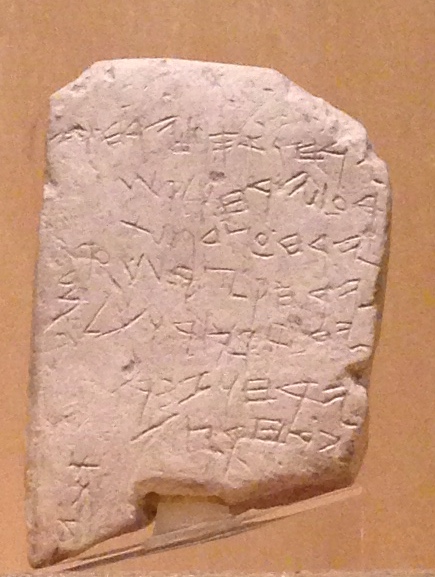
The Gezer calendar is written without vowels, and some words are uncertain. In square letters, unpointed as on the stone, the usual reading runs: ירחו אסף ירחו זרע ירחו לקש ירח עצד פשת ירח קצר שערם ירח קצר וכל ירחו זמר ירח קץ. In English, roughly: "two months of ingathering, two months of sowing, two months of late sowing, a month of hoeing flax, a month of barley harvest, a month of harvest and measuring, two months of vine pruning, a month of summer fruit." The ending of ירחו is debated; "two months" is the most common reading, and it makes the total come to twelve. Compare the words with ones you know: אסף "gather," זרע "seed, sow," קצר "harvest," שערם "barley," and קץ, which matches קַיִץ "summer, summer fruit" in Genesis 8:22.
Years and ages
"Year" is שָׁנָה [sha-NA], feminine; plural שָׁנִים [sha-NIM]; construct שְׁנַת [she-NAT]; dual שְׁנָתַיִם [she-na-TA-yim] "two years." In the Hebrew Bible years are counted from an event (the Exodus, the start of a king's reign) or by a person's age. The Jewish calendar now counts from a traditional date of creation: the year 5787 began in September 2026.
"A son of N years"
Age is given with בֶּן "son of" for a man and בַּת "daughter of" for a woman, plus the number and שָׁנָה:
- וְאַבְרָם בֶּן־חָמֵשׁ שָׁנִים וְשִׁבְעִים שָׁנָה "and Abram was seventy-five years old" (Genesis 12:4)
- יוֹסֵף בֶּן־שְׁבַע־עֶשְׂרֵה שָׁנָה "Joseph, seventeen years old" (Genesis 37:2)
- וְיוֹסֵף בֶּן־שְׁלֹשִׁים שָׁנָה "and Joseph was thirty years old" (Genesis 41:46)
- וּמֹשֶׁה בֶּן־מֵאָה וְעֶשְׂרִים שָׁנָה "and Moses was a hundred and twenty years old" (Deuteronomy 34:7)
These are verbless clauses (lesson 18 and lesson 19 say more): no word for "was" is needed. Abraham's laughing question in Genesis 17:17 uses both: הַלְּבֶן מֵאָה־שָׁנָה יִוָּלֵד "to a son of a hundred years shall a child be born?" and הֲבַת־תִּשְׁעִים שָׁנָה תֵּלֵד "shall a daughter of ninety years give birth?"
Pharaoh asks Jacob his age in a short dialogue you can learn whole:
וַיֹּאמֶר פַּרְעֹה אֶל־יַעֲקֹב כַּמָּה יְמֵי שְׁנֵי חַיֶּיךָ׃
Genesis 47:8, Westminster Leningrad Codex
וַיֹּאמֶר יַעֲקֹב אֶל־פַּרְעֹה יְמֵי שְׁנֵי מְגוּרַי שְׁלֹשִׁים וּמְאַת שָׁנָה
Genesis 47:9 (first part), Westminster Leningrad Codex
"Pharaoh said to Jacob, 'How many are the days of the years of your life?' Jacob said to Pharaoh, 'The days of the years of my sojourning are a hundred and thirty years.'" כַּמָּה [KA-ma] "how many, how much" is the question word for numbers. שְׁנֵי here is the construct plural of שָׁנָה "years of," not the number two. Context tells you which.
יְמֵי־שְׁנוֹתֵינוּ בָהֶם שִׁבְעִים שָׁנָה וְאִם בִּגְבוּרֹת שְׁמוֹנִים שָׁנָה וְרָהְבָּם עָמָל וָאָוֶן כִּי־גָז חִישׁ וַנָּעֻפָה׃
Psalm 90:10, Westminster Leningrad Codex
"The days of our years: in them are seventy years, and if by strength, eighty years; yet their pride is toil and trouble, for it passes quickly, and we fly away." Notice the poetic plural שְׁנוֹתֵינוּ "our years" and the full spelling שְׁמוֹנִים with a vowel letter.
Letters as numbers
Every letter of the alphabet has a number value: the first nine count units, the next nine tens, and the last four hundreds (Gesenius, section 5). This is the system Hebrew readers use for chapter and verse numbers, page numbers, dates in the Jewish calendar and lists.
How to write a number with letters
- Break the number into hundreds, tens and units: 248 = 200 + 40 + 8.
- Write the letters from largest to smallest, right to left: ר (200), מ (40), ח (8), giving רמח.
- Mark it as a number. A single letter gets a geresh after it: ה׳ = 5. Two or more letters get gershayim before the last letter: רמ״ח = 248.
- Above 400, add more hundreds: 500 = ת״ק (400 + 100), 900 = תת״ק (400 + 400 + 100). Some later systems use the final letters ך ם ן ף ץ for 500 to 900, but the usual practice gives the final forms the same value as the ordinary ones.
- Thousands are shown by a letter with a geresh in front: ה׳ = 5,000 in a year number. The year 5787 is written ה׳תשפ״ז, and very often just תשפ״ז.
More examples: Psalm 23 is כ״ג (20 + 3). Genesis chapter 12 is י״ב (10 + 2). Psalm 119 is קי״ט (100 + 10 + 9). Older Hebrew writing used other number signs before the letter system became normal, for example numerals borrowed from Egyptian on ostraca from Arad; by the time of the first Jewish revolt against Rome (66 to 70 AD), silver shekels mark their year with a letter, such as ב for year 2. The later practice of reading hidden meanings into the sums of letters is called gematria גִּימַטְרִיָּה [gi-mat-RI-ya], a word borrowed from Greek.
Times of the day in classical Hebrew
Classical Hebrew has no hours. Its texts mark time by the sun and by daily tasks. These phrases come straight from the readings:
| Hebrew | Guide | Meaning | Where |
|---|---|---|---|
| בֹּקֶר | [BO-ker] | morning | Genesis 1:5 |
| עַד עֲלוֹת הַשָּׁחַר | [ad a-LOT ha-SHA-khar] | until the dawn came up | Genesis 32:25 |
| כְּחֹם הַיּוֹם | [ke-KHOM ha-YOM] | in the heat of the day | Genesis 18:1 |
| צָהֳרַיִם | [tso-ho-RA-yim] | noon (dual in form) | Psalm 55:18; Genesis 43:16 |
| לְרוּחַ הַיּוֹם | [le-RU-akh ha-YOM] | at the breeze of the day (late afternoon) | Genesis 3:8 |
| לְעֵת עֶרֶב | [le-ET E-rev] | at evening time | Genesis 24:11 |
| בֵּין הָעַרְבָּיִם | [ben ha-ar-BA-yim] | between the two evenings, at twilight | Exodus 12:6 |
| לַיְלָה | [LAI-la] | night | Genesis 1:5 |
| כַּחֲצֹת הַלַּיְלָה | [ka-kha-TSOT ha-LAI-la] | about midnight | Exodus 11:4 |
| אַשְׁמוּרָה | [ash-mu-RA] | a night watch | Psalm 90:4 |
Days relative to today: הַיּוֹם [ha-YOM] "today" (literally "the day"), אֶתְמוֹל [et-MOL] or תְּמוֹל [te-MOL] "yesterday," מָחָר [ma-KHAR] "tomorrow," and מִמָּחֳרָת [mi-ma-kho-RAT] "on the next day." All of them are still everyday words in Israel.
עֶרֶב וָבֹקֶר וְצָהֳרַיִם אָשִׂיחָה וְאֶהֱמֶה וַיִּשְׁמַע קוֹלִי׃
Psalm 55:18, Westminster Leningrad Codex (55:17 in most English Bibles)
"Evening and morning and noon I will complain and moan, and he will hear my voice." Once again evening comes first.
Telling the time in modern Hebrew
Ask: מָה הַשָּׁעָה? [ma ha-sha-A] "What is the time?" Answer with הַשָּׁעָה plus a number. Because שָׁעָה is feminine, the hours use the feminine-noun numbers, the short ones for 3 to 10. Modern spelling often adds vowel letters: שָׁלוֹשׁ, שְׁמוֹנֶה.
| Time | Hebrew | Guide |
|---|---|---|
| 1:00 | הַשָּׁעָה אַחַת | [ha-sha-A a-KHAT] |
| 2:00 | הַשָּׁעָה שְׁתַּיִם | [ha-sha-A SHTA-yim] |
| 3:00 | הַשָּׁעָה שָׁלוֹשׁ | [ha-sha-A sha-LOSH] |
| 3:30 | שָׁלוֹשׁ וָחֵצִי | [sha-LOSH va-KHE-tsi] |
| 4:15 | אַרְבַּע וָרֶבַע | [AR-ba va-RE-va] |
| 4:45 | רֶבַע לְחָמֵשׁ | [RE-va le-kha-MESH] |
| 5:10 | חָמֵשׁ וְעֶשֶׂר דַּקּוֹת | [kha-MESH ve-E-ser da-KOT] |
| 7:00 | הַשָּׁעָה שֶׁבַע | [ha-sha-A SHE-va] |
| 11:00 | הַשָּׁעָה אַחַת־עֶשְׂרֵה | [ha-sha-A a-KHAT es-RE] |
| 12:00 | הַשָּׁעָה שְׁתֵּים־עֶשְׂרֵה | [ha-sha-A SHTEM es-RE] |
Add the part of the day: בַּבֹּקֶר [ba-BO-ker] "in the morning," בַּצָּהֳרַיִם [ba-tso-ho-RA-yim] "at midday," אַחַר הַצָּהֳרַיִם [a-KHAR ha-tso-ho-RA-yim] "in the afternoon," בָּעֶרֶב [ba-E-rev] "in the evening," בַּלַּיְלָה [ba-LAI-la] "at night." So שֶׁבַע בָּעֶרֶב is 7 p.m. Timetables in Israel use the 24-hour clock. Notice how many of these words are classical: בֹּקֶר, צָהֳרַיִם, עֶרֶב and לַיְלָה are the words of Genesis and the Psalms. The new words are שָׁעָה, דַּקָּה "minute" (plural דַּקּוֹת) and the clock idioms.
Practice
- Choose the right form: (a) "five sons": חָמֵשׁ or חֲמִשָּׁה בָנִים? (b) "five daughters": חָמֵשׁ or חֲמִשָּׁה בָנוֹת?
- Give the construct form of שִׁבְעָה and translate שִׁבְעַת יָמִים.
- Translate: שְׁתֵּי נָשִׁים and שְׁנֵי בָנִים.
- Write in Hebrew, with the feminine noun שָׁנָה: (a) 12 years (b) 17 years (c) 40 years.
- Write in Hebrew, with the masculine noun יוֹם: (a) the 14th day (b) 3 days (c) 40 days.
- What number is תִּשְׁעִים וָתֵשַׁע? Why does the conjunction have qamets?
- Give the ordinal: (a) the third day (b) the seventh month (c) the tenth month.
- Translate: בַּחֹדֶשׁ הָרִאשׁוֹן בְּאֶחָד לַחֹדֶשׁ.
- Give the numerical value: (a) כ״ג (b) קי״ט (c) תשפ״ז
- Write with letters: (a) 15 (b) 16 (c) 30 (d) 248
- Translate: וְאַבְרָהָם בֶּן־מְאַת שָׁנָה (Genesis 21:5).
- Modern: say in Hebrew "It is half past eight in the evening."
Answers
- (a) חֲמִשָּׁה בָנִים: masculine noun, ָה form. (b) חָמֵשׁ בָּנוֹת: feminine noun, short form.
- שִׁבְעַת; "seven days" (Genesis 8:10).
- "Two wives (women)" and "two sons." Feminine and masculine construct of "two."
- (a) שְׁתֵּים עֶשְׂרֵה שָׁנָה (b) שְׁבַע עֶשְׂרֵה שָׁנָה (c) אַרְבָּעִים שָׁנָה. The noun stays singular after numbers above ten.
- (a) בְּאַרְבָּעָה עָשָׂר יוֹם or יוֹם אַרְבָּעָה עָשָׂר (cardinal above ten, as in Exodus 12:6) (b) שְׁלֹשָׁה יָמִים or שְׁלֹשֶׁת יָמִים (c) אַרְבָּעִים יוֹם (Genesis 7:4; Jonah 3:4).
- 99 (Genesis 17:24). The conjunction becomes וָ before the stressed first syllable of תֵּשַׁע.
- (a) הַיּוֹם הַשְּׁלִישִׁי (b) הַחֹדֶשׁ הַשְּׁבִיעִי (c) הַחֹדֶשׁ הָעֲשִׂירִי
- "In the first month, on the first of the month" (Exodus 40:17 has this with a year added).
- (a) 23 (b) 119 (c) 787
- (a) ט״ו (b) ט״ז (c) ל׳ (d) רמ״ח
- "And Abraham was a hundred years old." מְאַת is the construct of מֵאָה.
- הַשָּׁעָה שְׁמוֹנֶה וָחֵצִי בָּעֶרֶב [ha-sha-A she-mo-NE va-KHE-tsi ba-E-rev]
Writing drill
Copy. In print, copy the ten feminine-noun numbers, אַחַת to עֶשֶׂר, then the ten masculine-noun numbers, אֶחָד to עֲשָׂרָה, saying each aloud. Then copy the same twenty words in cursive, without vowel points, the way you would write them in a notebook: אחת שתים שלש ארבע חמש. Last, copy the refrain of Genesis 1 three times, changing the number: וַיְהִי־עֶרֶב וַיְהִי־בֹקֶר יוֹם אֶחָד, then יוֹם שֵׁנִי, then יוֹם שְׁלִישִׁי.
Compose. (1) Write the ages of three people you know in the classical pattern, with בֶּן or בַּת. (2) Write today's date in the style of Genesis 7:11, using the month number (count from Nisan) and the day. (3) Write the number of this lesson and your own age with letters, using geresh or gershayim.
Model answer
(1) אָבִי בֶּן־שִׁבְעִים שָׁנָה "My father is seventy." אִמִּי בַּת־שִׁשִּׁים וְשֵׁשׁ שָׁנָה "My mother is sixty-six." בְּנִי בֶּן־שְׁתֵּים עֶשְׂרֵה שָׁנָה "My son is twelve." Feminine-noun forms throughout, because שָׁנָה is feminine.
(2) For a day late in October, in the eighth month counting from Nisan: בַּחֹדֶשׁ הַשְּׁמִינִי בְּשִׁבְעָה־עָשָׂר יוֹם לַחֹדֶשׁ "in the eighth month, on the seventeenth day of the month." Your day number will differ; the pattern stays.
(3) Lesson 17 is י״ז (10 + 7). Notice that 17 is written the regular way; only 15 and 16 are changed. Age 34 is ל״ד; age 45 is מ״ה.
Speaking drill
Read aloud. Count steadily, then fast.
- Feminine-noun set (the set used to count in modern Hebrew): אַחַת, שְׁתַּיִם, שָׁלֹשׁ, אַרְבַּע, חָמֵשׁ [a-KHAT, SHTA-yim, sha-LOSH, AR-ba, kha-MESH]; שֵׁשׁ, שֶׁבַע, שְׁמֹנֶה, תֵּשַׁע, עֶשֶׂר [SHESH, SHE-va, she-mo-NE, TE-sha, E-ser]
- Masculine-noun set: אֶחָד, שְׁנַיִם, שְׁלֹשָׁה, אַרְבָּעָה, חֲמִשָּׁה [e-KHAD, she-NA-yim, she-lo-SHA, ar-ba-A, kha-mi-SHA]; שִׁשָּׁה, שִׁבְעָה, שְׁמֹנָה, תִּשְׁעָה, עֲשָׂרָה [shi-SHA, shiv-A, she-mo-NA, tish-A, a-sa-RA]
- Tens: [es-RIM, she-lo-SHIM, ar-ba-IM, kha-mi-SHIM, shi-SHIM, shiv-IM, she-mo-NIM, tish-IM, me-A]
- Genesis 1:5, end: וַיְהִי־עֶרֶב וַיְהִי־בֹקֶר יוֹם אֶחָד [vay-hi E-rev vay-hi VO-ker YOM e-KHAD]
Question and answer. Answer aloud in full sentences.
- כַּמָּה יָמִים בַּשָּׁבוּעַ? [KA-ma ya-MIM ba-sha-VU-a] "How many days are in a week?" Sample: שִׁבְעָה יָמִים [shiv-A ya-MIM].
- כַּמָּה חֳדָשִׁים בַּשָּׁנָה? [KA-ma kho-da-SHIM ba-sha-NA] Sample: שְׁנֵים עָשָׂר חֹדֶשׁ [she-NEM a-SAR KHO-desh]. (חֹדֶשׁ is masculine, and after twelve it can stay singular.)
- בֶּן כַּמָּה אַתָּה? / בַּת כַּמָּה אַתְּ? [ben KA-ma a-TA / bat KA-ma AT] "How old are you?" (modern idiom, built on the classical בֶּן pattern). Sample: אֲנִי בֶּן אַרְבָּעִים [a-NI ben ar-ba-IM].
- מָה הַשָּׁעָה? (modern) Answer with the real time now.
- אֵיזֶה יוֹם הַיּוֹם? [ei-ZE YOM ha-YOM] "What day is today?" (modern) Sample: הַיּוֹם יוֹם רְבִיעִי [ha-YOM yom re-vi-I] "Today is Wednesday."
Reading
Genesis 5:3 to 8, from the list of generations from Adam to Noah. Every verse has numbers. Read each verse aloud before you look at the help.
וַיְחִי אָדָם שְׁלֹשִׁים וּמְאַת שָׁנָה וַיּוֹלֶד בִּדְמוּתוֹ כְּצַלְמוֹ וַיִּקְרָא אֶת־שְׁמוֹ שֵׁת׃
Genesis 5:3, Westminster Leningrad Codex
וַיִּהְיוּ יְמֵי־אָדָם אַחֲרֵי הוֹלִידוֹ אֶת־שֵׁת שְׁמֹנֶה מֵאֹת שָׁנָה וַיּוֹלֶד בָּנִים וּבָנוֹת׃
Genesis 5:4, Westminster Leningrad Codex
וַיִּהְיוּ כָּל־יְמֵי אָדָם אֲשֶׁר־חַי תְּשַׁע מֵאוֹת שָׁנָה וּשְׁלֹשִׁים שָׁנָה וַיָּמֹת׃
Genesis 5:5, Westminster Leningrad Codex
וַיְחִי־שֵׁת חָמֵשׁ שָׁנִים וּמְאַת שָׁנָה וַיּוֹלֶד אֶת־אֱנוֹשׁ׃
Genesis 5:6, Westminster Leningrad Codex
וַיְחִי־שֵׁת אַחֲרֵי הוֹלִידוֹ אֶת־אֱנוֹשׁ שֶׁבַע שָׁנִים וּשְׁמֹנֶה מֵאוֹת שָׁנָה וַיּוֹלֶד בָּנִים וּבָנוֹת׃
Genesis 5:7, Westminster Leningrad Codex
וַיִּהְיוּ כָּל־יְמֵי־שֵׁת שְׁתֵּים עֶשְׂרֵה שָׁנָה וּתְשַׁע מֵאוֹת שָׁנָה וַיָּמֹת׃
Genesis 5:8, Westminster Leningrad Codex
Word help
- וַיְחִי [vay-KHI]: and he lived (Qal waw-consecutive of חָיָה "live," lesson 16).
- וַיּוֹלֶד [va-YO-led]: and he fathered (Hiphil waw-consecutive of יָלַד, lesson 15). In 5:3 the object, "a son," is understood.
- בִּדְמוּתוֹ כְּצַלְמוֹ [bid-mu-TO ke-tsal-MO]: in his likeness, according to his image.
- וַיִּקְרָא אֶת־שְׁמוֹ [va-yik-RA et-she-MO]: and he called his name.
- וַיִּהְיוּ יְמֵי [va-yih-YU ye-ME]: and the days of ... were.
- אַחֲרֵי הוֹלִידוֹ [a-kha-RE ho-li-DO]: after his fathering, after he fathered (Hiphil infinitive construct with a suffix, lesson 14).
- מֵאֹת and מֵאוֹת: the same word, "hundreds," spelled without and with the vowel letter ו.
- אֲשֶׁר־חַי [a-sher-KHAI]: that he lived. A rare short form of the perfect of חָיָה.
- וַיָּמֹת [va-ya-MOT]: and he died (Qal waw-consecutive of מוּת, in pause at the end of the verse).
| Verse | Number phrase | Value | Rule at work |
|---|---|---|---|
| 5:3 | שְׁלֹשִׁים וּמְאַת שָׁנָה | 130 | small before large; construct מְאַת before the noun |
| 5:4 | שְׁמֹנֶה מֵאֹת שָׁנָה | 800 | short form with feminine מֵאָה |
| 5:5 | תְּשַׁע מֵאוֹת שָׁנָה וּשְׁלֹשִׁים שָׁנָה | 930 | large before small; noun repeated |
| 5:6 | חָמֵשׁ שָׁנִים וּמְאַת שָׁנָה | 105 | plural after 5, singular after 100 |
| 5:7 | שֶׁבַע שָׁנִים וּשְׁמֹנֶה מֵאוֹת שָׁנָה | 807 | plural after 7 |
| 5:8 | שְׁתֵּים עֶשְׂרֵה שָׁנָה וּתְשַׁע מֵאוֹת שָׁנָה | 912 | feminine teen; singular after 12 |
Translation
3 When Adam had lived a hundred and thirty years, he fathered a son in his likeness, according to his image, and called his name Seth. 4 The days of Adam after he fathered Seth were eight hundred years, and he fathered sons and daughters. 5 All the days that Adam lived were nine hundred and thirty years, and he died.
6 When Seth had lived a hundred and five years, he fathered Enosh. 7 Seth lived after he fathered Enosh eight hundred and seven years, and he fathered sons and daughters. 8 All the days of Seth were nine hundred and twelve years, and he died.
Checklist
- I can count from 1 to 10 in both sets and say which set goes with masculine nouns.
- I can give the construct forms (שְׁלֹשֶׁת, שִׁבְעַת) and use them before a noun.
- I can build 11 to 19, the tens, 100 and 1,000, and read a long number like Numbers 1:46.
- I can read the day refrain of Genesis 1 and the date formula of Genesis 7:11.
- I can write any number up to 999 in letters, and I know why 15 is ט״ו.
- I can give an age with בֶּן or בַּת and ask and tell the time in modern Hebrew.
Updated October 28, 2026.
Check yourself
1. Genesis 6:10 says Noah fathered 'three sons.' Which form does the verse use?
בֵּן 'son' is masculine, so the number takes the form ending in ָה, which looks feminine: שְׁלֹשָׁה בָנִים. This is the reverse agreement of 3 to 10. שָׁלֹשׁ goes with feminine nouns; שְׁלִישִׁי is the ordinal 'third.'
2. How does Genesis 1:5 name the first day?
Genesis 1:5 ends וַיְהִי־עֶרֶב וַיְהִי־בֹקֶר יוֹם אֶחָד, with the cardinal 'one.' From the second day on the chapter uses ordinals: יוֹם שֵׁנִי, יוֹם שְׁלִישִׁי. Modern Hebrew calls Sunday יוֹם רִאשׁוֹן.
3. Why is the number 15 normally written ט״ו (9 + 6) and not י״ה (10 + 5)?
יה is the short divine name Yah (as in הַלְלוּ־יָהּ). Writing 15 and 16 as ט״ו and ט״ז avoids spelling יה and יו, which are also the first letters of יְהוָה.
4. What does יוֹסֵף בֶּן־שְׁלֹשִׁים שָׁנָה (Genesis 41:46) mean?
Hebrew gives age as 'a son of N years': בֶּן plus the number plus שָׁנָה. A woman is בַּת, 'a daughter of,' as in Genesis 17:17 הֲבַת־תִּשְׁעִים שָׁנָה.
5. Genesis 7:11 dates the flood בְּשִׁבְעָה־עָשָׂר יוֹם לַחֹדֶשׁ. What does that tell you about ordinals above ten?
Hebrew has ordinal forms only from 1st to 10th. Above that it uses the cardinal: 'on day seventeen of the month,' that is, the seventeenth day (Gesenius, section 134).
6. Add up the letters of the year ה׳תשפ״ז (ignoring the ה׳, which stands for 5,000).
ת = 400, ש = 300, פ = 80, ז = 7: 400 + 300 + 80 + 7 = 787. With the 5,000 of ה׳ that is the Jewish year 5787, which began in September 2026.
Terms in this lesson
- Cardinal number
- A counting number: one, two, three (אֶחָד, שְׁנַיִם, שְׁלֹשָׁה).
- Ordinal number
- A number that gives a place in order: first, second, third (רִאשׁוֹן, שֵׁנִי, שְׁלִישִׁי). Hebrew has ordinal forms only for 1st to 10th.
- Reverse agreement (polarity)
- The rule that the numbers 3 to 10 take the form ending in ָה with masculine nouns and the short form with feminine nouns, the opposite of what you expect from adjectives.
- Construct number
- A number in the construct state, bound to the noun it counts: שִׁבְעַת יָמִים 'a seven of days,' that is, seven days.
- Gematria
- Using letters as numbers (א = 1, ב = 2 ... ת = 400), and in later Jewish tradition, interpreting words by the sum of their letters.
- Geresh and gershayim
- The marks ׳ and ״ that show letters are being used as numbers or abbreviations: ה׳ = 5, ט״ו = 15.
- חֹדֶשׁ
- Month, originally 'new moon' (from the root חדשׁ 'new'). The older word יֶרַח means both 'moon' and 'month.'
Sources
- Gesenius' Hebrew Grammar, ed. Kautzsch, trans. Cowley (1910), sections 97 and 98 (numerals) and 134 (syntax of numerals) checked 2026-10
- Brown, Driver and Briggs, Hebrew and English Lexicon (1906), entries for each numeral and for חֹדֶשׁ checked 2026-10
- Open Scriptures Hebrew Bible (WLC with morphology), used to check every number form checked 2026-10
- Westminster Leningrad Codex / UXLC checked 2026-10
- Sefaria, Genesis 7:11 (the flood date formula) checked 2026-10
- Wikimedia Commons, Gezer calendar close up (photo by oncenawhile, CC BY-SA 3.0) checked 2026-10
- Unicode Hebrew block chart (geresh U+05F3 and gershayim U+05F4) checked 2026-10
