Lesson 13 of 22 · about 45 minutes
Imperative, Jussive and Cohortative
You'll be able to
- Form the four Qal imperatives קְטֹל, קִטְלִי, קִטְלוּ, קְטֹלְנָה and the lengthened imperative קָטְלָה, and recognize the same patterns in שְׁמַע, שְׁמֹר, זְכֹר and כְּתֹב
- Recognize the cohortative (אֶקְטְלָה, נִקְטְלָה) by its ending ָה and translate it as let me or let us
- Recognize the jussive, and know where it has its own shorter shape (יְהִי, יַעַשׂ, יָקֵם) and where it looks exactly like the imperfect
- Tell a lasting prohibition with לֹא plus the imperfect from an urgent one with אַל plus the jussive, and know that the imperative is never negated
- Read the particle נָא and the interjection הָבָה in context
- Translate a volitive sequence (imperative, cohortative or jussive joined by וְ to another volitive) as purpose or result
Lessons 11 and 12 gave you the two indicative conjugations, the perfect and the imperfect, plus the waw-consecutive that drives Hebrew storytelling. They state facts: he guarded, he will guard, and he guarded. But people in texts also want things. They order, they urge, they bless, they forbid. Hebrew has three verb forms for wanting, and grammarians group them under one name, the volitives (from Latin volo, I want).
| Person | Volitive | English rough match | Qal of קָטַל |
|---|---|---|---|
| 1st (I, we) | Cohortative | let me kill, let us kill | אֶקְטְלָה, נִקְטְלָה |
| 2nd (you) | Imperative | kill! | קְטֹל |
| 3rd (he, she, they) | Jussive | let him kill, may he kill | יִקְטֹל |
Read the table as a system, not as three unrelated forms. All three are built on the imperfect you learned in lesson 12. The cohortative adds an ending to the first person imperfect. The imperative takes the second person imperfect and drops the prefix. The jussive is the third person imperfect, sometimes shortened. Once you see that, the forms almost learn themselves (Gesenius, sections 46 and 48).
The model verb קָטַל [ka-TAL] "kill" is the grammarians' choice because it has no weak letters, not because it is common; in fact it is rare. The paradigm forms below follow Gesenius' Paradigm B. For real examples this lesson uses verbs that actually turn up in the imperative again and again: שָׁמַע [sha-MA] "hear, listen," שָׁמַר [sha-MAR] "guard, keep," זָכַר [za-KHAR] "remember," and כָּתַב [ka-TAV] "write."
The Qal imperative
Start with the imperfect second person forms you already know, then strip the prefix ת. What is left is the imperative. The vowel changes that follow are the usual ones forced by the rule that two vocal shewas cannot stand side by side at the start of a word.
| Person | Imperfect (you will kill) | Imperative (kill!) | Guide |
|---|---|---|---|
| 2 m. sg. | תִּקְטֹל | קְטֹל | [ke-TOL] |
| 2 f. sg. | תִּקְטְלִי | קִטְלִי | [kit-LI] |
| 2 m. pl. | תִּקְטְלוּ | קִטְלוּ | [kit-LU] |
| 2 f. pl. | תִּקְטֹלְנָה | קְטֹלְנָה | [ke-TOL-na] |
Look at the feminine singular. Drop the prefix from תִּקְטְלִי and you would get *קְטְלִי, with two shewas in a row at the start of the word. Hebrew cannot pronounce that, so the first shewa becomes hireq: קִטְלִי [kit-LI]. The masculine plural works the same way: *קְטְלוּ becomes קִטְלוּ [kit-LU]. (The asterisk marks a form that never occurs; it is only a step in the reasoning.) The two forms that keep the holem, קְטֹל and קְטֹלְנָה, are the two with no vowel ending.
The a-class imperative: שְׁמַע
Verbs whose imperfect has patah instead of holem (lesson 12: יִשְׁמַע, against the holem of יִשְׁמֹר) keep that patah in the imperative. שָׁמַע is the best verb to learn this on, because every form is attested, and because its masculine singular is one of the most famous words in the Hebrew Bible.
| Person | Form | Guide | Where it occurs |
|---|---|---|---|
| 2 m. sg. | שְׁמַע | [she-MA] | Genesis 21:12, and Deuteronomy 6:4 |
| 2 f. sg. | שִׁמְעִי | [shim-I] | Psalms 45:11 |
| 2 m. pl. | שִׁמְעוּ | [shim-U] | Genesis 37:6, Psalms 34:12 |
| 2 f. pl. | שְׁמַעְנָה | [she-MA-na] | Isaiah 32:9 |
| 2 m. sg. lengthened | שִׁמְעָה | [shim-A] | Psalms 17:1, 39:13 |
Deuteronomy 6:4 begins שְׁמַע יִשְׂרָאֵל [she-MA yis-ra-EL] "Hear, Israel." In printed Hebrew Bibles, and in the Leningrad Codex, the ע of שְׁמַע and the ד of the verse's last word אֶחָד are written oversized, a scribal tradition for this verse. A plain-text copy of the codex can lose those two large letters, so this lesson writes the words out rather than pasting the verse.
The other workhorse verbs follow the קְטֹל pattern with holem. All of these are in the books this course loads:
| Verb | m. sg. | m. pl. | Example |
|---|---|---|---|
| שָׁמַר guard | שְׁמֹר | שִׁמְרוּ | Deuteronomy 12:28 [she-MOR]; Isaiah 56:1 [shim-RU] |
| זָכַר remember | זְכֹר | זִכְרוּ | Exodus 32:13 [ze-KHOR]; Psalms 105:5 [zikh-RU] |
| כָּתַב write | כְּתֹב | כִּתְבוּ | Exodus 17:14 [ke-TOV]; Deuteronomy 31:19 [kit-VU] |
Two details worth seeing early. First, a holem can be written full with ו: זְכוֹר in Psalms 132:1, שְׁמוֹר in Ecclesiastes 8:2. Same form, different spelling. Second, when maqaf joins the imperative to the next word, the holem shortens to qamets hatuf, still said o: זְכָר־לִי (Psalms 25:7), כְּתָב־לְךָ (Exodus 34:27), שְׁמָר־לְךָ (Exodus 34:11). The same thing happened to the imperfect יִשְׁמָר־ in lesson 12. The vowel changes; the form and the meaning do not.
Imperatives with object suffixes
Lesson 9 taught the object suffixes. On an imperative the vowel of the first syllable often reduces and the form looks quite different from its bare shape. The masculine singular קְטֹל with a suffix becomes קָטְלֵנִי "kill me," with qamets hatuf (an o vowel) in a closed syllable.
| Form | Guide | Meaning | Where |
|---|---|---|---|
| שָׁמְרֵנִי | [shom-RE-ni] | guard me! | Psalms 16:1 |
| זָכְרֵנִי | [zokh-RE-ni] | remember me! | Psalms 106:4 |
| שְׁמָעֵנִי | [she-ma-E-ni] | hear me! | Genesis 23:11 |
| כָּתְבֵם | [kot-VEM] | write them! | Proverbs 3:3 |
The first vowel of שָׁמְרֵנִי is qamets hatuf, read o, because it stands in a closed, unstressed syllable (lesson 2). If you read it [sha-me-RE-ni] you have mistaken an imperative for something else. This is one of the commonest reading traps at this stage, and the fix is the syllable rule, not memory.
The lengthened imperative in ָה
The masculine singular imperative often adds the ending ָה. Gesenius calls this the lengthened imperative and compares it to the cohortative ending (Gesenius, section 48). In the paradigm, קְטֹל becomes קָטְלָה [kot-LA], again with qamets hatuf. The a-class שְׁמַע becomes שִׁמְעָה [shim-A].
What does the ending add? Grammars describe it as emphasis or urgency, and in prayers it often sounds like a courteous plea. It is not a different person or number; it is still "you (one man), do this." It is very common in the Psalms, where the speaker is addressing God:
תְּפִלָּה לְדָוִד שִׁמְעָה יְהוָה צֶדֶק הַקְשִׁיבָה רִנָּתִי הַאֲזִינָה תְפִלָּתִי בְּלֹא שִׂפְתֵי מִרְמָה׃
Psalms 17:1, Westminster Leningrad Codex
"A prayer of David. Hear, LORD, what is right; attend to my cry; give ear to my prayer, from lips without deceit." There are three lengthened imperatives here. שִׁמְעָה is Qal. הַקְשִׁיבָה and הַאֲזִינָה are Hiphil imperatives (lesson 15) with the same ending. Remember that יְהוָה is read aloud as Adonai [a-do-NAI], and translations print it "the LORD."
Other attested lengthened imperatives you will meet:
- שָׁמְרָה נַפְשִׁי [shom-RA naf-SHI] "guard my life!" (Psalms 25:20).
- קוּמָה יְהוָה [KU-ma a-do-NAI] "Arise, LORD!" (Numbers 10:35), from the hollow verb קוּם, lesson 16.
- שׁוּבָה [SHU-va] "return!" (Numbers 10:36), also hollow.
- שְׁבָה [she-VA] "sit!" and אָכְלָה [okh-LA] "eat!" side by side in Genesis 27:19, from יָשַׁב and אָכַל.
- הָבָה [HA-va], below.
הָבָה: come on!
הָבָה [HA-va] is the lengthened imperative of a rare verb יָהַב "give" (BDB lists it under יָהַב). In use it has stopped meaning "give!" and means "come on! come now!" before another volitive, exactly like English "come, let's ...". The Babel story uses it three times, twice in a row here:
וַיֹּאמְרוּ אִישׁ אֶל־רֵעֵהוּ הָבָה נִלְבְּנָה לְבֵנִים וְנִשְׂרְפָה לִשְׂרֵפָה וַתְּהִי לָהֶם הַלְּבֵנָה לְאָבֶן וְהַחֵמָר הָיָה לָהֶם לַחֹמֶר׃
Genesis 11:3, Westminster Leningrad Codex
וַיֹּאמְרוּ הָבָה נִבְנֶה־לָּנוּ עִיר וּמִגְדָּל וְרֹאשׁוֹ בַשָּׁמַיִם וְנַעֲשֶׂה־לָּנוּ שֵׁם פֶּן־נָפוּץ עַל־פְּנֵי כָל־הָאָרֶץ׃
Genesis 11:4, Westminster Leningrad Codex
"They said to one another, 'Come, let us make bricks and burn them hard.' So they had brick for stone, and bitumen served them for mortar. Then they said, 'Come, let us build ourselves a city and a tower with its top in the heavens, and let us make a name for ourselves, so that we are not scattered over the face of the whole earth.'" Literally "a man to his neighbor" (אִישׁ אֶל־רֵעֵהוּ) is the Hebrew idiom for "to one another." We will take these verbs apart in the cohortative section. Genesis 11:7 answers with God's own הָבָה: הָבָה נֵרְדָה וְנָבְלָה שָׁם שְׂפָתָם "Come, let us go down and confuse their language there."
The particle נָא
The small word נָא [NA] follows a volitive, often joined to it by maqaf. Older translations render it "I pray" and modern ones "please," or leave it out. Gesenius lists it with the interjections and calls it a particle of entreaty (Gesenius, section 105). Some modern grammarians argue that it marks a request as following logically from what was just said ("then do this"), rather than politeness. You do not have to settle that to read it: it goes with requests, and it never changes the form of the verb.
אִמְרִי־נָא אֲחֹתִי אָתְּ לְמַעַן יִיטַב־לִי בַעֲבוּרֵךְ וְחָיְתָה נַפְשִׁי בִּגְלָלֵךְ׃
Genesis 12:13, Westminster Leningrad Codex
Abram to Sarai as they enter Egypt: "Please say you are my sister, so that it may go well with me because of you, and my life may be spared on your account." אִמְרִי [im-RI] is the Qal imperative 2 f. sg. of אָמַר "say." Its first vowel is hireq, as in קִטְלִי; the guttural א just takes it without trouble here.
נָא goes with all three volitives:
- With an imperative: שִׂים־נָא יָדְךָ [sim-NA yad-KHA] "please put your hand" (Genesis 24:2); קוּם־נָא [kum-NA] "please get up" (Genesis 27:19).
- With a cohortative: אָסֻרָה־נָּא וְאֶרְאֶה [a-SU-ra-na ve-er-E] "let me turn aside and see" (Exodus 3:3), Moses at the burning bush; אֵלְכָה־נָּא הַשָּׂדֶה [e-le-KHA-na ha-sa-DE] "let me go to the field" (Ruth 2:2).
- With a negated jussive: אַל־נָא תְהִי מְרִיבָה [al-NA te-HI me-ri-VA] "please let there be no quarrel" (Genesis 13:8).
After a word ending in a vowel, the נ of נָא often takes a dagesh (נָּא), as in Exodus 3:3 and Ruth 2:2. That is the conjunctive dagesh of lesson 2 that links closely joined words; the word is the same.
The cohortative: let me, let us
The cohortative is the first person imperfect with the ending ָה. It expresses the speaker's own will: resolve ("I will, let me"), a request for permission ("let me, may I"), or, in the plural, encouragement of a group ("let us") (Gesenius, sections 48 and 108).
| Imperfect | Cohortative | Guide | Meaning | |
|---|---|---|---|---|
| 1 c. sg. | אֶקְטֹל | אֶקְטְלָה | [ek-te-LA] | let me kill, I will kill |
| 1 c. pl. | נִקְטֹל | נִקְטְלָה | [nik-te-LA] | let us kill |
The ending takes the stress, so the holem of the stem, now in an open syllable right before the stressed ending, drops to vocal shewa: אֶקְטֹל becomes אֶקְטְלָה. With וְ in front: וְנִקְטְלָה [ve-nik-te-LA] "and let us kill." Real examples with the same pattern:
| Form | Guide | Meaning | Where |
|---|---|---|---|
| אֶשְׁמְרָה | [esh-me-RA] | I will guard | Psalms 39:2 |
| אֶזְכְּרָה | [ez-ke-RA] | let me remember | Psalms 42:5 |
| נִלְבְּנָה | [nil-be-NA] | let us make bricks | Genesis 11:3 |
| וְנִשְׂרְפָה | [ve-nis-re-FA] | and let us burn | Genesis 11:3 |
| וְנִשְׁמָעָה | [ve-nish-MA-a] | and we will listen | Exodus 20:19 |
| נֵלְכָה | [ne-le-KHA] | let us go | Genesis 37:17 |
Two of these need a word. וְנִשְׁמָעָה in Exodus 20:19 has qamets under the מ instead of shewa: it stands at a pause in the verse, and pause restores the full vowel and pulls the stress back. נֵלְכָה comes from הָלַךְ "go," which behaves like a I-yod verb in the imperfect (נֵלֵךְ, lesson 16); the cohortative ending reduces the second tsere, and the shewa that results is vocal because it follows the long vowel tsere in an open syllable.
אָמַרְתִּי אֶשְׁמְרָה דְרָכַי מֵחֲטוֹא בִלְשׁוֹנִי אֶשְׁמְרָה לְפִי מַחְסוֹם בְּעֹד רָשָׁע לְנֶגְדִּי׃
Psalms 39:2, Westminster Leningrad Codex
"I said, 'I will guard my ways, so as not to sin with my tongue; I will keep a muzzle on my mouth while the wicked man is in front of me.'" Here the cohortative is resolve: the speaker is making up his mind, twice.
Cohortatives without ָה
Verbs whose root ends in ה (III-he verbs like בָּנָה "build" and עָשָׂה "do, make") almost never take the cohortative ending (Gesenius, section 75). The bare imperfect then carries the cohortative meaning, and only context tells you. Genesis 11:4 has two: נִבְנֶה [niv-NE] "let us build" and וְנַעֲשֶׂה [ve-na-a-SE] "and let us make." The morphology database behind the lookup tool tags both as cohortatives (Vqh) because of the context, though their shape is the plain imperfect. Genesis 1:26 opens the same way: נַעֲשֶׂה אָדָם [na-a-SE a-DAM] "let us make humankind."
Some cohortatives also carry an object suffix, which replaces the ending: לְכוּ וְנַהַרְגֵהוּ [le-KHU ve-na-har-GE-hu] "come, let us kill him" (Genesis 37:20), the brothers' plot against Joseph.
The jussive: let him, may it
The jussive is the third person volitive (and, as you will see, the second person after אַל). It expresses a wish, a blessing, a permission or an indirect command: "let him go," "may the LORD bless you," "let there be light" (Gesenius, section 109).
Here is the catch. In the strong Qal verb, the jussive is identical to the imperfect: יִקְטֹל can mean "he will kill" or "let him kill." In the strong verb only the Hiphil has a separate jussive shape (Gesenius, section 48). Elsewhere context decides, and the commonest clues are a jussive meaning (a blessing, a wish), the negative אַל, or a position at the head of its clause.
The jussive is visible as a separate form only where the imperfect has something to lose:
| Verb type | Imperfect | Jussive | Example |
|---|---|---|---|
| III-he (הָיָה be) | יִהְיֶה | יְהִי | Genesis 1:3, let there be |
| III-he (עָשָׂה do) | יַעֲשֶׂה | יַעַשׂ | Ruth 1:8 (read), may he do |
| Hollow (קוּם rise), Qal | יָקוּם | יָקֹם | let him rise |
| Hiphil (any verb) | יָקִים | יָקֵם | 1 Samuel 1:23, may he establish |
You will meet these verb types properly in lessons 15 and 16. For now, the point is simple: a jussive is usually shorter than the imperfect. The III-he verbs drop their final ֶה (this is called apocopation, "cutting off"), and verbs with a long middle vowel shorten it.
וַיֹּאמֶר אֱלֹהִים יְהִי אוֹר וַיְהִי־אוֹר׃
Genesis 1:3, Westminster Leningrad Codex
[va-YO-mer e-lo-HIM ye-HI OR va-ye-HI-OR] "God said, 'Let there be light,' and there was light." Two forms of the same verb sit side by side. יְהִי [ye-HI] is the jussive, "let there be." וַיְהִי [va-ye-HI] is the waw-consecutive imperfect, "and there was," and it is built on the same short form: the waw-consecutive in lesson 12 also uses the shortened imperfect where one exists (Gesenius, section 48). The tool tags the first HVqj3ms (Qal jussive) and the second HC/Vqw3ms (waw-consecutive).
The blessing in Numbers 6
The priestly blessing is a chain of jussives. Two of them are in derived stems you will learn in lesson 15 (the Piel יְבָרֶכְךָ and the Hiphil יָאֵר); the rest are Qal. Read it now for the meaning; come back to the forms later.
יְבָרֶכְךָ יְהוָה וְיִשְׁמְרֶךָ׃
Numbers 6:24, Westminster Leningrad Codex
יָאֵר יְהוָה פָּנָיו אֵלֶיךָ וִיחֻנֶּךָּ׃
Numbers 6:25, Westminster Leningrad Codex
יִשָּׂא יְהוָה פָּנָיו אֵלֶיךָ וְיָשֵׂם לְךָ שָׁלוֹם׃
Numbers 6:26, Westminster Leningrad Codex
"May the LORD bless you and keep you. May the LORD make his face shine on you and be gracious to you. May the LORD lift up his face toward you and give you peace." וְיִשְׁמְרֶךָ [ve-yish-me-RE-kha] "and may he keep you" is our Qal שָׁמַר with a suffix; nothing in its shape says jussive, only the setting. יָאֵר [ya-ER] "may he make shine" is a Hiphil jussive whose shape does show it: the Hiphil imperfect would be יָאִיר, with hireq-yod. And וְיָשֵׂם [ve-ya-SEM] is the short form of יָשִׂים "he will put."
Ruth 1:8: written one way, read another
Ruth 1:8 gives a rare look at the difference between imperfect and jussive inside the text itself. The consonants written in the scroll (the Ketiv, "what is written") are יעשה, the full imperfect "he will do." The vowels printed with them, and the reading tradition (the Qere, "what is read"), give יַעַשׂ [ya-AS], the shortened jussive "may he do." The lookup tool shows both. A blessing wants a jussive, and the Qere supplies it:
לֵכְנָה שֹּׁבְנָה אִשָּׁה לְבֵית אִמָּהּ
Part of Ruth 1:8, Westminster Leningrad Codex
Naomi to her daughters-in-law: "Go, return, each woman to her mother's house; may the LORD deal kindly with you (Qere יַעַשׂ ... חֶסֶד), as you have dealt with the dead and with me." Notice the two feminine plural imperatives at the start: לֵכְנָה [LEKH-na] "go!" and שֹׁבְנָה [SHOV-na] "return!", the f. pl. forms that the table above gave as קְטֹלְנָה. Isaiah 32:9 has two more: קֹמְנָה שְׁמַעְנָה קוֹלִי "rise, hear my voice."
Prohibitions: לֹא or אַל, never the imperative
Hebrew forbids in two ways, and both use a prefix form, never the imperative.
| Pattern | Force | Example | Guide | Meaning |
|---|---|---|---|---|
| לֹא + imperfect | lasting, categorical: you shall not, ever | לֹא תִּרְצָח | [lo tir-TSAKH] | You shall not murder (Exodus 20:13) |
| אַל + jussive | specific, immediate: don't (now, here) | אַל־תִּירָא | [al-ti-RA] | Don't be afraid (Genesis 15:1) |
Gesenius describes לֹא with the imperfect as the form of permanent prohibition, the language of law (Gesenius, section 107), and אַל with the jussive as the ordinary negative of a wish or command in a particular situation (Gesenius, section 109). The Ten Commandments use לֹא: לֹא תִּרְצָח. לֹא תִּנְאָף. לֹא תִּגְנֹב. [lo tir-TSAKH. lo tin-AF. lo tig-NOV.] "You shall not murder. You shall not commit adultery. You shall not steal." (Exodus 20:13 to 15). These are rules for every day, not reactions to one moment.
אַל is the voice of the moment. At the binding of Isaac the angel calls out just in time:
וַיֹּאמֶר אַל־תִּשְׁלַח יָדְךָ אֶל־הַנַּעַר וְאַל־תַּעַשׂ לוֹ מְאוּמָּה כִּי עַתָּה יָדַעְתִּי כִּי־יְרֵא אֱלֹהִים אַתָּה וְלֹא חָשַׂכְתָּ אֶת־בִּנְךָ אֶת־יְחִידְךָ מִמֶּנִּי׃
Genesis 22:12, Westminster Leningrad Codex
"He said, 'Do not lay your hand on the boy, and do not do anything to him, for now I know that you fear God; you have not withheld your son, your only son, from me.'" Look at the second prohibition: וְאַל־תַּעַשׂ [ve-al-TA-as]. That is the shortened jussive of עָשָׂה, second person: the full imperfect would be תַּעֲשֶׂה. So the shape itself confirms that אַל takes the jussive. In the first one, אַל־תִּשְׁלַח [al-tish-LAKH], the strong verb shows no difference, but the rule is the same.
More אַל prohibitions from the loaded books:
- אַל־תִּשְׁפְּכוּ־דָם [al-tish-pe-KHU-DAM] "Don't shed blood!" (Genesis 37:22), Reuben to his brothers.
- אַל־תִּפְגְּעִי־בִי [al-tif-ge-I-VI] "Don't press me" (Ruth 1:16), Ruth to Naomi.
- אַל־תִּקְרֶאנָה לִי נָעֳמִי [al-tik-RE-na LI na-o-MI] "Don't call me Naomi" (Ruth 1:20).
- אַל־תֵּלְכִי לִלְקֹט [al-te-le-KHI lil-KOT] "Don't go to glean" (Ruth 2:8), Boaz to Ruth.
- וְאַל־יְדַבֵּר עִמָּנוּ אֱלֹהִים "and let God not speak with us" (Exodus 20:19), a third person negative jussive.
You can compare this with Greek, where μή with the aorist subjunctive forbids a single act and μή with the present imperative forbids an ongoing one (see Intro to Classical Greek, lesson 18). Both languages refuse to negate the plain imperative for single acts, and both reach for another mood instead.
The volitive sequence
When one volitive is followed by וְ and another volitive, the second one usually states the purpose or the expected result of the first. English says "do this and you will live"; Hebrew says "do this and live" and means "do this so that you may live." Gesenius treats this under each of the three forms (Gesenius, sections 108, 109 and 110). The combinations are free: imperative plus cohortative, imperative plus jussive, jussive plus imperative, imperative plus imperative.
| Sequence | Hebrew | Literal | Sense | Where |
|---|---|---|---|---|
| imperative + imperative | זֹאת עֲשׂוּ וִחְיוּ | do this and live | do this so that you may live | Genesis 42:18 |
| imperative + cohortative | דַּבֵּר־אַתָּה עִמָּנוּ וְנִשְׁמָעָה | you speak with us and let us listen | you speak to us, and we will listen | Exodus 20:19 |
| imperative + cohortative | לְכוּ וְנֵלְכָה | come and let us go | come, let us go | 1 Samuel 9:9 |
| imperative + jussive | קוּמָה יְהוָה וְיָפֻצוּ אֹיְבֶיךָ | arise, LORD, and let your enemies scatter | arise, so that your enemies scatter | Numbers 10:35 |
| imperfect + imperative | וְיִתְפַּלֵּל בַּעַדְךָ וֶחְיֵה | and he will pray for you, and live | he will pray for you so that you may live | Genesis 20:7 |
| imperative + lengthened imperative | קוּם־נָא שְׁבָה וְאָכְלָה | please get up, sit and eat | sit up and eat | Genesis 27:19 |
A few notes. וִחְיוּ [vikh-YU] is the imperative plural of חָיָה "live"; the conjunction takes hireq here, a special habit before forms of חָיָה and הָיָה (Gesenius, section 104). The same pair, וִחְיוּ after an imperative, recurs in Proverbs 9:6. וְיָפֻצוּ in Numbers 10:35 is tagged as a plain imperfect in the database; its jussive force comes from the sequence after the imperative. In Genesis 20:7 God tells Abimelech to give Sarah back (the Hiphil imperative הָשֵׁב "return!"); then comes וְיִתְפַּלֵּל, which the database tags as a plain Hithpael imperfect "and he will pray," and וֶחְיֵה [vekh-YE], the masculine singular imperative of חָיָה: "and live." The last imperative is the goal of the whole chain. And in Genesis 27:19 Jacob, pretending to be Esau, uses three imperatives in a row and then a purpose clause with בַּעֲבוּר "so that": בַּעֲבוּר תְּבָרֲכַנִּי נַפְשֶׁךָ "so that you yourself may bless me."
Example: reading a volitive chain step by step
גַּדְּלוּ לַיהוָה אִתִּי וּנְרוֹמְמָה שְׁמוֹ יַחְדָּו׃
Psalms 34:4, Westminster Leningrad Codex
- גַּדְּלוּ [gad-de-LU]: ends in וּ with no prefix and no perfect pattern, so it is an imperative plural. The doubled ד marks the Piel (lesson 15): "make great, magnify!"
- לַיהוָה [la-do-NAI]: "to the LORD." The preposition takes the vowel of the Adonai reading.
- אִתִּי [i-TI]: "with me," the preposition אֵת with the 1 sg. suffix.
- וּנְרוֹמְמָה [u-ne-ro-me-MA]: prefix נ (we) plus ending ָה: a cohortative plural. The stem רוֹמֵם is the Polel of רוּם "be high," the stem hollow verbs use in place of the Piel: "let us exalt."
- שְׁמוֹ יַחְדָּו [she-MO yakh-DAV]: "his name together."
- Result: "Magnify the LORD with me, and let us exalt his name together." An imperative plus a cohortative: the psalmist invites, then includes himself.
Three more ways to give an order
Hebrew does not leave commands to the imperative alone. You will see these soon enough, so they deserve a name now.
- The imperfect with לֹא and without it. Law often states commands as plain imperfects ("you shall"), and the waw-consecutive perfect continues them (lesson 12): וְאָהַבְתָּ [ve-a-hav-TA] "and you shall love" (Deuteronomy 6:5).
- The infinitive absolute. Deuteronomy 5:12 begins שָׁמוֹר [sha-MOR] "keep (the sabbath day)." The infinitive absolute can stand in for an imperative. Lesson 14 covers it.
- The participle with הִנֵּה. Not a command, but a "look, it is about to happen," also in lesson 14.
Practice
- Give the four Qal imperatives of זָכַר (m. sg., f. sg., m. pl., f. pl.), following the pattern of קָטַל.
- Parse: (a) שִׁמְעוּ (b) נִקְטְלָה (c) קְטֹלְנָה (d) שִׁמְעָה (e) אֶשְׁמְרָה.
- Why is the f. sg. imperative קִטְלִי and not *קְטְלִי?
- Translate: שְׁמַע בְּקוֹלִי. (קוֹל voice; שָׁמַע בְּקוֹל = obey)
- Write in Hebrew: "Remember (m. pl.) and write (m. pl.)!"
- Which is the jussive, and what does it mean: יִהְיֶה or יְהִי?
- Say "Don't steal!" as a permanent law, and "Don't be afraid!" to one woman at this moment (יָרֵא, imperfect 2 f. sg. תִּירְאִי).
- Why is there no form *אַל־קְטֹל?
- Translate Genesis 42:18 זֹאת עֲשׂוּ וִחְיוּ two ways: literally and showing the purpose.
- What does נָא add in אִמְרִי־נָא, and does it change the form of the verb?
- Find the volitives in Genesis 11:4 and say which is cohortative in meaning without the ending ָה, and why.
- In Ruth 1:8 the Ketiv is יעשה and the Qere is יַעַשׂ. Which form is the jussive, and why does a blessing want it?
Answers
- זְכֹר, זִכְרִי, זִכְרוּ, זְכֹרְנָה [ze-KHOR, zikh-RI, zikh-RU, ze-KHOR-na]. זְכֹר and זִכְרוּ are attested (Exodus 32:13, Psalms 105:5).
- (a) Qal imperative 2 m. pl. of שָׁמַע, "hear!" (b) Qal cohortative 1 c. pl. of קָטַל, "let us kill." (c) Qal imperative 2 f. pl., "kill!" (to women). (d) Qal lengthened imperative 2 m. sg. of שָׁמַע, "hear!" (e) Qal cohortative 1 c. sg. of שָׁמַר, "I will guard, let me guard."
- Dropping the prefix would leave two vocal shewas at the start of the word; the first becomes hireq.
- "Listen to my voice," that is, "obey me." Imperative m. sg.
- זִכְרוּ וְכִתְבוּ. [zikh-RU ve-khit-VU] (Without dagesh in the כ after the vowel of וְ.)
- יְהִי is the jussive (shortened): "let there be, may it be." יִהְיֶה is the imperfect, "it will be."
- לֹא תִּגְנֹב [lo tig-NOV]. אַל־תִּירְאִי [al-tir-I].
- Because the imperative is never negated in Hebrew. A prohibition needs אַל with the jussive (אַל־תִּקְטֹל) or לֹא with the imperfect (לֹא תִקְטֹל).
- Literally "Do this and live." With the purpose shown: "Do this so that you may live."
- It marks a request, traditionally "please" or "I pray" (Gesenius, section 105). It does not change the verb form: אִמְרִי is the ordinary f. sg. imperative.
- הָבָה (lengthened imperative used as "come!"), נִבְנֶה "let us build," וְנַעֲשֶׂה "and let us make." נִבְנֶה and נַעֲשֶׂה are III-he verbs, which rarely take the cohortative ending; context makes them cohortative.
- יַעַשׂ (Qere) is the jussive, shortened by dropping the final ֶה. A blessing is a wish, "may he do," and the jussive is the form of wishes.
Writing drill
Copy. By hand, in print and then in cursive, copy the four imperatives of קָטַל in a column, and next to each write the matching imperfect (תִּקְטֹל, תִּקְטְלִי, תִּקְטְלוּ, תִּקְטֹלְנָה), so you see the prefix fall away. Then copy יְהִי אוֹר and אַל־תִּירָא with every vowel point, and the cohortative pair אֶקְטְלָה and נִקְטְלָה, circling the ending ָה.
Compose. Write five short lines of your own: (1) an order to one man with an imperative of שָׁמַר; (2) the same order to a group; (3) "let us remember" with a cohortative of זָכַר; (4) a prohibition with אַל and a prohibition with לֹא; (5) a volitive sequence that means "listen so that you may live."
Model answer
- שְׁמֹר אֶת־הַדֶּרֶךְ. [she-MOR et-ha-DE-rekh] "Guard the road."
- שִׁמְרוּ אֶת־הַדֶּרֶךְ. [shim-RU et-ha-DE-rekh] "Guard (all of you) the road." (Regular pattern like קִטְלוּ; Isaiah 56:1 has שִׁמְרוּ מִשְׁפָּט "keep justice.")
- נִזְכְּרָה. [niz-ke-RA] "Let us remember."
- אַל־תִּשְׁכַּח. [al-tish-KAKH] "Don't forget (now)." לֹא תִשְׁכַּח. [lo tish-KAKH] "You shall not forget."
- שִׁמְעוּ וִחְיוּ. [shim-U vikh-YU] "Listen, and live," that is, "listen so that you may live."
Speaking drill
Read aloud. Say each line three times. Put the stress where the capitals are; it often moves to the ending in these forms, and that shift is part of what you are learning to hear.
- קְטֹל, קִטְלִי, קִטְלוּ, קְטֹלְנָה [ke-TOL, kit-LI, kit-LU, ke-TOL-na]
- אֶקְטֹל, אֶקְטְלָה [ek-TOL, ek-te-LA] "I will kill, let me kill"
- יְהִי אוֹר וַיְהִי־אוֹר [ye-HI OR va-ye-HI-OR]
- הָבָה נִלְבְּנָה לְבֵנִים [HA-va nil-be-NA le-ve-NIM]
- טַעֲמוּ וּרְאוּ כִּי־טוֹב יְהוָה [ta-a-MU u-re-U ki-TOV a-do-NAI] "Taste and see that the LORD is good" (Psalms 34:9)
Question and answer. One person gives an order; the other answers with a cohortative of resolve, then the pair switches.
- שְׁמַע! [she-MA] "Listen!" Answer: אֶשְׁמְעָה. [esh-me-A] "I will listen." (Attested with וְ in Numbers 9:8.)
- זְכֹר! [ze-KHOR] "Remember!" Answer: אֶזְכְּרָה. [ez-ke-RA] "I will remember." (Psalms 42:5)
- לְכוּ! [le-KHU] "Go! Come on!" Answer: נֵלְכָה. [ne-le-KHA] "Let's go." (Genesis 37:17)
- אַל־תִּירָא. [al-ti-RA] "Don't be afraid." Answer with a jussive wish for the other person: יְהִי שָׁלוֹם. [ye-HI sha-LOM] "Let there be peace."
Reading
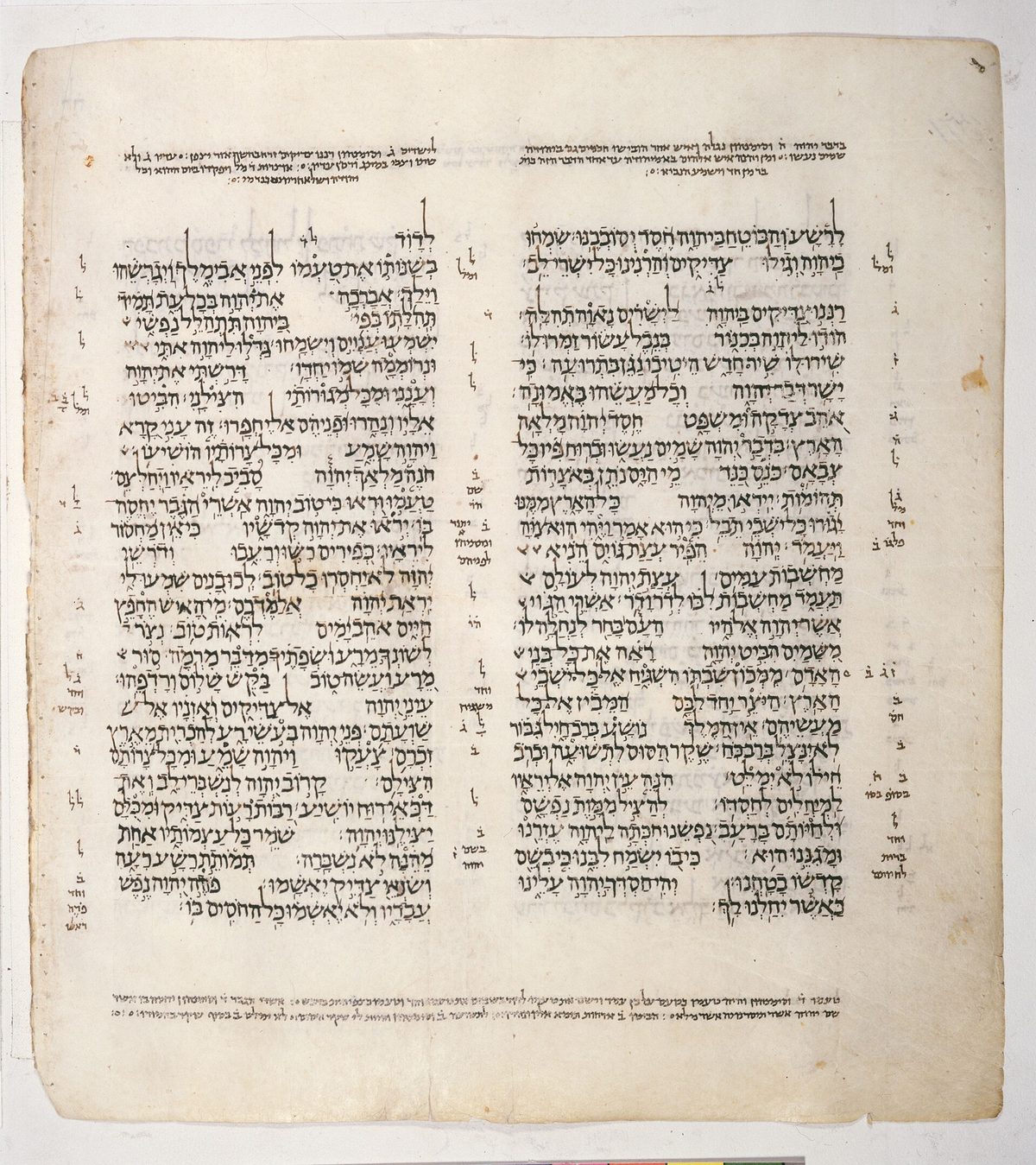
Psalm 34 is an alphabetic acrostic: from verse 2 on, each verse begins with the next letter of the alphabet (the ו line is missing). Its middle verses are a teacher's string of imperatives. Text from the Westminster Leningrad Codex; the translation is this course's own.
לְכוּ־בָנִים שִׁמְעוּ־לִי יִרְאַת יְהוָה אֲלַמֶּדְכֶם׃
Psalms 34:12, Westminster Leningrad Codex
מִי־הָאִישׁ הֶחָפֵץ חַיִּים אֹהֵב יָמִים לִרְאוֹת טוֹב׃
Psalms 34:13, Westminster Leningrad Codex
נְצֹר לְשׁוֹנְךָ מֵרָע וּשְׂפָתֶיךָ מִדַּבֵּר מִרְמָה׃
Psalms 34:14, Westminster Leningrad Codex
סוּר מֵרָע וַעֲשֵׂה־טוֹב בַּקֵּשׁ שָׁלוֹם וְרָדְפֵהוּ׃
Psalms 34:15, Westminster Leningrad Codex
Word help
- לְכוּ [le-KHU]: Qal imperative m. pl. of הָלַךְ "go"; here "come!"
- בָנִים [va-NIM]: "children, sons," used here as a form of address.
- שִׁמְעוּ־לִי [shim-U-LI]: "listen to me," imperative m. pl.
- יִרְאַת יְהוָה [yir-AT a-do-NAI]: "the fear of the LORD," construct of יִרְאָה.
- אֲלַמֶּדְכֶם [a-la-med-KHEM]: "I will teach you (pl.)," Piel imperfect 1 c. sg. with suffix.
- הֶחָפֵץ חַיִּים [he-kha-FETS kha-YIM]: "who desires life," article plus the stative adjective חָפֵץ.
- אֹהֵב יָמִים [o-HEV ya-MIM]: "loving days," a Qal participle (lesson 14).
- לִרְאוֹת טוֹב [lir-OT TOV]: "to see good," infinitive construct with לְ (lesson 14).
- נְצֹר [ne-TSOR]: Qal imperative m. sg. of נָצַר "guard, keep."
- לְשׁוֹנְךָ [le-shon-KHA]: "your tongue."
- מֵרָע [me-RA]: "from evil."
- שְׂפָתֶיךָ [se-fa-TE-kha]: "your lips" (dual).
- מִדַּבֵּר מִרְמָה [mi-da-BER mir-MA]: "from speaking deceit," Piel infinitive with מִן.
- סוּר [SUR]: Qal imperative of the hollow verb סוּר "turn aside."
- וַעֲשֵׂה [va-a-SE]: "and do," Qal imperative of the III-he verb עָשָׂה; III-he imperatives end in ֵה.
- בַּקֵּשׁ [ba-KESH]: "seek," Piel imperative of בָּקַשׁ.
- וְרָדְפֵהוּ [ve-rod-FE-hu]: "and pursue it," Qal imperative of רָדַף with the 3 m. sg. suffix; qamets hatuf, like שָׁמְרֵנִי.
Notes. Count the imperatives: לְכוּ, שִׁמְעוּ, נְצֹר, סוּר, עֲשֵׂה, בַּקֵּשׁ, רְדֹף (in וְרָדְפֵהוּ). Seven commands in four verses. The plural ones address "children"; the singular ones turn to the one "man who desires life," so the psalm moves from a class to a single listener. Verse 13 asks the question that the imperatives answer. Notice too how the pairs work: "turn from evil and do good," "seek peace and pursue it." The second imperative of each pair goes further than the first.
Translation
12 "Come, children, listen to me; I will teach you the fear of the LORD.
13 Who is the man who desires life, who loves many days, to see good?
14 Keep your tongue from evil, and your lips from speaking deceit.
15 Turn from evil and do good; seek peace and pursue it."
Checklist
- I can form the four Qal imperatives of קָטַל and of שָׁמַע, and the lengthened imperative.
- I can read an imperative with a suffix, like שָׁמְרֵנִי, with the right qamets hatuf.
- I can spot a cohortative by its first person prefix and its ending ָה, and translate it "let me" or "let us."
- I know that the strong-verb jussive looks like the imperfect, and I can recognize the short jussives יְהִי, יַעַשׂ and יָקֵם.
- I can forbid with לֹא and the imperfect or אַל and the jussive, and I never negate an imperative.
- I can translate a volitive sequence with "so that."
Updated October 28, 2026.
Check yourself
1. Which form is the Qal imperative, masculine plural, of שָׁמַע?
שִׁמְעוּ is the imperative 2 masculine plural (Ps 34:12). שְׁמַע is the masculine singular imperative, שָׁמְעוּ is the perfect 3 plural (they heard), and יִשְׁמְעוּ is the imperfect 3 masculine plural.
2. How would you say 'Don't fear!' to one man, as Genesis 15:1 does?
The imperative is never negated. An urgent, immediate prohibition uses אַל with the jussive in the second person: אַל־תִּירָא (Gesenius, section 109).
3. What does the ָה ending on נִלְבְּנָה (Genesis 11:3) mark?
First person forms with ָה are cohortatives, expressing the speaker's will or resolve: 'let us make bricks.' The same ending marks direction on nouns (directional he), but on a verb with prefix נ it is the cohortative.
4. In Genesis 1:3 God says יְהִי אוֹר. Why is the verb יְהִי and not the ordinary imperfect יִהְיֶה?
III-he verbs shorten in the jussive by dropping the ending (apocopation): יִהְיֶה becomes יְהִי, 'let there be' (Gesenius, section 75). In the strong verb the jussive looks like the imperfect, so these short forms are where the jussive is easiest to see.
5. How is זֹאת עֲשׂוּ וִחְיוּ (Genesis 42:18) best translated?
Two imperatives joined by וְ: the second states what will follow from the first. This is the volitive sequence: 'Do this, and live' means 'do this so that you may live' (Gesenius, section 110).
6. Which is a lengthened imperative?
שִׁמְעָה is the masculine singular imperative שְׁמַע with the added ָה, a more emphatic or more polite 'hear!' The perfect 3 feminine singular is written שָׁמְעָה, with qamets and stress on the ending.
Terms in this lesson
- Volitive
- A verb form that expresses the speaker's will rather than a fact: the imperative, the cohortative and the jussive. From Latin volo, I want.
- Imperative
- The command form, second person only: קְטֹל, kill! It is built from the imperfect by dropping the prefix, and it is never negated.
- Cohortative
- The first person volitive: let me, let us. Usually marked by the ending ָה on the imperfect: אֶקְטְלָה, let me kill; נִקְטְלָה, let us kill.
- Jussive
- The third person (and negated second person) volitive: let him, may it, do not. In the strong Qal it looks like the imperfect; it is shorter in III-he verbs (יְהִי), hollow verbs (יָקֹם) and the Hiphil (יַקְטֵל).
- Lengthened imperative
- An imperative with the ending ָה added, often more emphatic or courteous: שִׁמְעָה, hear! קוּמָה, arise!
- נָא
- A short particle after imperatives, cohortatives and jussives, traditionally rendered 'please' or 'I pray'; it softens or presses a request.
- Prohibition
- A negative command. Hebrew uses לֹא with the imperfect for lasting, categorical prohibitions and אַל with the jussive for specific, immediate ones.
- Volitive sequence
- A volitive followed by וְ and another volitive, where the second gives the purpose or result of the first: do this and live, that is, so that you live.
Sources
- Gesenius' Hebrew Grammar (Kautzsch and Cowley, 1910), sections 46, 48, 105, 107 to 110 and Paradigm B checked 2026-10
- Brown, Driver and Briggs, Hebrew and English Lexicon (1906): entries נָא, אַל, הָבָה (under יָהַב) checked 2026-10
- Open Scriptures Hebrew Bible (WLC with morphology): source of the Vqv, Vqh and Vqj tags used here checked 2026-10
- Westminster Leningrad Codex / UXLC checked 2026-10
- Sefaria, Psalms 34 (Hebrew text and translations) checked 2026-10
- Sefaria, Genesis 11 (the tower of Babel) checked 2026-10
- Wikimedia Commons, Leningrad Codex folio with Psalms 32 to 34 checked 2026-10