Lesson 9 of 14 · about 60 minutes · Updated November 5, 2026
Reading the Theologia Germanica: The False Light, the True Light and Union with God
You'll be able to
- Find and quote the book's key passages by Winkworth's chapter numbers (I, III, XI, XIV, XVI, XXXIV, XL, L and LIV).
- Explain the book's teaching on sin as the claim of "I and Me and Mine" and on self-will as the root of hell.
- Set out the difference between the True Light and the False Light in the book's own words.
- Read the phrase "in me, too, God must be made man" in its context and say how the book distinguishes Christ from the Godlike man.
- Weigh the charges of pantheism, antinomianism and quietism against the chapters on law, order, the sacraments and the life of Christ.
- Distinguish Luther's own words about the book from later claims about what he took from it.
Start here: the short version
The Theologia Germanica is a short German book of 54 chapters in Susanna Winkworth's English translation, written in the later 1300s by an unnamed priest of the Teutonic Order at Frankfurt. Its argument fits in a sentence that the book itself supplies: "Be simply and wholly bereft of Self." Everything else follows. Sin is the creature's claim to be something of its own, the "I and Me and Mine." Adam fell by that claim, and "had he eaten seven apples, and yet never claimed anything for his own, he would not have fallen." The cure is the same as the cure of Adam's fall: as God was made man in Christ, so "in me, too, God must be made man." The book sets a True Light, which is God or God's grace, against a False Light, which is nature dreaming that it is God, and it warns hard against the "Free Spirits" who claimed to be above law, sacraments, conscience and the life of Christ. It ends with the image of a man who is to God "as his hand is to a man." This lesson reads the book chapter by chapter in Winkworth's words, sets ten long passages before the reader, compares its teaching with Aquinas, Luther and later critics, and rates the claims made about it. Lesson 08 tells the history of the text; this lesson reads what it says.
Lesson 08 of this module told the story of the book: the anonymous Frankfurt priest, the Friends of God, Luther's partial edition of 1516 and full edition of 1518, the Wurzburg manuscript of 1497 that Franz Pfeiffer published in 1851, and the translations that followed. This lesson takes the next step and reads the text itself. The translation used throughout is Susanna Winkworth's, first published in London in 1854 and reissued in Macmillan's Golden Treasury Series in 1874; the text quoted here is the Golden Treasury printing of 1893 as given by the Christian Classics Ethereal Library, with Charles Kingsley's preface, Winkworth's historical introduction and Chevalier Bunsen's letter.1 Winkworth translated from Pfeiffer's edition of the Wurzburg manuscript, which she judged "indisputably superior to the best modern editions based upon Luther's," and she enclosed "between brackets" the passages "not found in Luther's edition."2 Chapter numbers in this lesson are Winkworth's (I to LIV). Readers using a translation made from another German text, such as Bengt Hoffman's The Theologia Germanica of Martin Luther (Paulist Press, 1980), should expect some differences in wording, in the passages included and possibly in the numbering.
For the book's later readers, see Church History, Part C, lesson 01: Holiness and Pietism, where Johann Arndt and Philipp Jakob Spener appear, and for Luther's life Church History, Part A, lesson 11: Luther and the Reformation. The Aquinas lessons of this module (05, 06 and 07) supply the scholastic vocabulary this lesson sets beside the Frankfurt book.
How to read this book
Luther told his readers in the preface to the 1518 edition not to "take offence, to his own hurt, at its bad German, or its crabbed and uncouth words. For this noble book, though it be poor and rude in words, is so much the richer and more precious in knowledge and divine wisdom."3 A modern reader meets the same difficulty in a different form. Winkworth wrote in an English close to that of the Authorised Version: "thou" and "hath," "Behold!" and "Mark ye." The style places the book among the devotional writings that quote Scripture constantly and argue by short questions and answers.
The method of question and answer
The author teaches like a preacher answering his hearers. A chapter states a saying, often of Christ or of Paul, then raises an objection ("But one might say," "Some may ask," "Now it may be asked") and answers it ("Answer," "I answer"). The method is a plain cousin of the scholastic article that lesson 03 described in Aquinas: a question, an objection, an answer, a reply. The Frankfurt author never cites Aristotle and names few authorities. He quotes Paul, Christ, "St. Dionysius," "a Master called Boetius," and Tauler, and he often begins with "It is said" or "It hath been said" without naming who said it.
The key words of the book
The book works with a small vocabulary that it repeats on almost every page. In its own terms:
- The Perfect and that which is in part: God, and everything that flows from God, taken from 1 Corinthians 13:10.
- Substance: what truly is. The book says God is "the Substance of all things," and Kingsley's preface, quoted below, warned readers to take the word in its old sense.
- The creature: anything made, including the human soul "as creature."
- I, Me, Mine, Self: the claim of the creature to own anything good.
- Self-will: "to will otherwise than as the One and Eternal Will of God willeth."
- Obedience and disobedience: the new man and the old man, Christ and Adam.
- Godlike man, or one "made a partaker of the divine nature" (2 Peter 1:4): the person in whom God dwells.
- The True Light and the False Light: God or grace, and nature that thinks itself God.
- Wherefore: a purpose or motive of one's own. The Godlike man acts for goodness "without any Wherefore."
- Free Spirits: the people the book attacks, who claimed to be above law, conscience and the life of Christ.
The book repeats itself on purpose. Bunsen, who wrote to Winkworth on May 11, 1854 that the book had been "for almost forty years an unspeakable comfort" to him, reduced its teaching to four lines: "Sin is selfishness: Godliness is unselfishness: A godly life is the steadfast working out of inward freeness from self: To become thus Godlike is the bringing back of man's first nature."4 That summary is Bunsen's, not the author's, but it is a fair map. The diagram below groups the 54 chapters by subject so the reader can see where each theme sits.
Chapter I: that which is perfect and that which is in part
The book opens with Paul's words in the Authorised Version, the version Winkworth followed in her Scripture quotations: "When that which is perfect is come, then that which is in part shall be done away" (1 Corinthians 13:10, KJV). Paul was speaking of knowledge and prophecy that will pass when the end comes. The Frankfurt author reads the verse as a statement about God and creatures. This is the first passage for close reading.
"That which is perfect" is a Being, who hath comprehended and included all things in Himself and His own Substance, and without whom, and beside whom, there is no true Substance, and in whom all things have their Substance. For He is the Substance of all things, and is in Himself unchangeable and immoveable, and changeth and moveth all things else. But "that which is in part," or the Imperfect, is that which hath its source in, or springeth from the Perfect; just as a brightness or a visible appearance floweth out from the sun or a candle, and appeareth to be somewhat, this or that. And it is called a creature; and of all these "things which are in part," none is the Perfect. So also the Perfect is none of the things which are in part.
Theologia Germanica, chapter I, Winkworth's translation.5
Two claims sit side by side. The first is that God is the only true Substance and that creatures have their being "in" Him. The second is that the Perfect "is none of the things which are in part." The author holds both. Creatures are not pieces of God, and God is not the sum of creatures. They are like light that flows from the sun: real as light, but with no being of their own apart from the source. When the author returns to the question at the end of the chapter, he answers a reader who asks whether something that "floweth out" is not "something beside" God: "That which hath flowed forth from it, is no true Substance, and hath no Substance except in the Perfect, but is an accident, or a brightness, or a visible appearance."5
Then he turns from God to the soul, and the whole book is announced in a few lines:
But when doth it come? I say, when as much as may be, it is known, felt and tasted of the soul. For the lack lieth altogether in us, and not in it. In like manner the sun lighteth the whole world, and is as near to one as another, yet a blind man seeth it not; but the fault thereof lieth in the blind man, not in the sun. ... For in what measure we put off the creature, in the same measure are we able to put on the Creator; neither more nor less.
Chapter I.5
The obstacle is named at once. The soul cannot know the Perfect "in virtue of its creature-nature and qualities, that by which it saith 'I' and 'myself.'" For "in whatsoever creature the Perfect shall be known, therein creature-nature, qualities, the I, the Self and the like, must all be lost and done away."5 The soul goes on existing. What must be "despised and counted for nought" is its claim to be something by itself.
Kingsley's warning about "Substance"
Charles Kingsley, who wrote the preface to Winkworth's translation at Torquay in Lent 1854, saw that English readers might take this chapter for pantheism, the belief that God and the world are one thing. He asked them to read the word "Substance" in its older sense:
When, for instance, it is said that God is the Substance of all things; this expression, in the vulgar Lockite sense of substance, would mean that God is the matter or stuff of which all things are made; which would be the grossest Pantheism: but "Substance" in the true and ancient meaning of the word, as it appears in the Athanasian Creed, signifies the very opposite; namely, that which stands under the appearance and the matter; that by virtue of which a thing has its form, its life, its real existence, as far as it may have any; and thus in asserting that God is the substance of all things, this book means that everything (except sin, which is no thing, but the disease and fall of a thing) is a thought of God.
Charles Kingsley, Preface, 1854.6
Kingsley's reading is one reading. Other readers, as this lesson shows below, judged that some of the book's speculations lean further toward pantheism than he allowed. The reader can test the matter against chapter I itself, which says both that all things have their Substance in God and that the Perfect is none of them.
The fall as "I, Me and Mine": chapters II to V
Chapter II defines sin. The author appeals to "The Scripture and the Faith and the Truth," and his definition follows the line that Augustine had made standard in the Latin West.
Sin is nought else, but that the creature turneth away from the unchangeable Good and betaketh itself to the changeable; that is to say, that it turneth away from the Perfect to "that which is in part" and imperfect, and most often to itself. Now mark: when the creature claimeth for its own anything good, such as Substance, Life, Knowledge, Power, and in short whatever we should call good, as if it were that, or possessed that, or that were itself, or that proceeded from it,--as often as this cometh to pass, the creature goeth astray. What did the devil do else, or what was his going astray and his fall else, but that he claimed for himself to be also somewhat, and would have it that somewhat was his, and somewhat was due to him? This setting up of a claim and his I and Me and Mine, these were his going astray, and his fall. And thus it is to this day.
Chapter II, entire except for its title and its opening words ("The Scripture and the Faith and the Truth say").7
The first half of the definition would have been familiar in any medieval school. Aquinas, writing about a century earlier, put it in nearly the same terms when he explained why the punishment of sin can be eternal: "sin comprises two things. First, there is the turning away from the immutable good, which is infinite, wherefore, in this respect, sin is infinite. Secondly, there is the inordinate turning to mutable good" (ST I-II, q. 87, a. 4).8 The Frankfurt author keeps the turning away and the turning toward, and he presses one point further: the changeable good that the creature turns to is "most often" itself. The sin lies in the claim of ownership, whatever the thing desired may be.
Chapter III applies this to Adam, and it contains the most quoted sentences in the book. This is the second passage for close reading.
What else did Adam do but this same thing? It is said, it was because Adam ate the apple that he was lost, or fell. I say, it was because of his claiming something for his own, and because of his I, Mine, Me, and the like. Had he eaten seven apples, and yet never claimed anything for his own, he would not have fallen: but as soon as he called something his own, he fell, and would have fallen if he had never touched an apple. Behold! I have fallen a hundred times more often and deeply, and gone a hundred times farther astray than Adam; and not all mankind could mend his fall, or bring him back from going astray. But how shall my fall be amended? It must be healed as Adam's fall was healed, and on the self-same wise. By whom, and on what wise was that healing brought to pass? Mark this: man could not without God, and God should not without man. Wherefore God took human nature or manhood upon Himself and was made man, and man was made divine. Thus the healing was brought to pass. So also must my fall be healed. I cannot do the work without God, and God may not or will not without me; for if it shall be accomplished, in me, too, God must be made man; in such sort that God must take to Himself all that is in me, within and without, so that there may be nothing in me which striveth against God or hindereth His Work.
Chapter III.9
The passage moves from Genesis to the Incarnation to the single soul. The author sets the apple aside without denying the story: he places the story's meaning in the claim of ownership. The phrase "man could not without God, and God should not without man" is a compressed form of the old argument for the Incarnation: only God could heal, and only a man ought to make the amends. The chapter then makes the step that later readers argued over: "in me, too, God must be made man." The next sentences make the author's meaning plain. He means that God must "take to Himself all that is in me," so that nothing in the person resists Him, and that in this healing "I can, or may, or shall do nothing of myself, but just simply yield to God, so that He alone may do all things in me and work, and I may suffer Him and all His work and His divine will."9 The section below on "God made man" in the soul returns to this.
Chapter IV adds Isaiah 42:8 ("I will not give My glory to another"): to call any good thing "my own" is to "touch God in His honour and take unto myself what belongeth to God only."10 Chapter V then guards against a misreading. "Certain men say that we ought to be without will, wisdom, love, desire, knowledge, and the like." The author answers that this does not mean there should be "no knowledge in man, and that God is not to be loved by him," for "that were a great loss, and man were like the beasts." It means that a man should know "that in himself he neither hath nor can do any good thing," and he quotes John 15:5, 1 Corinthians 4:7 and 2 Corinthians 3:5 in support. The chapter ends with a sentence that has the feel of a confession: "Then the man says: 'Behold! I, poor fool that I was, imagined it was I, but behold! it is and was, of a truth, God!'"11
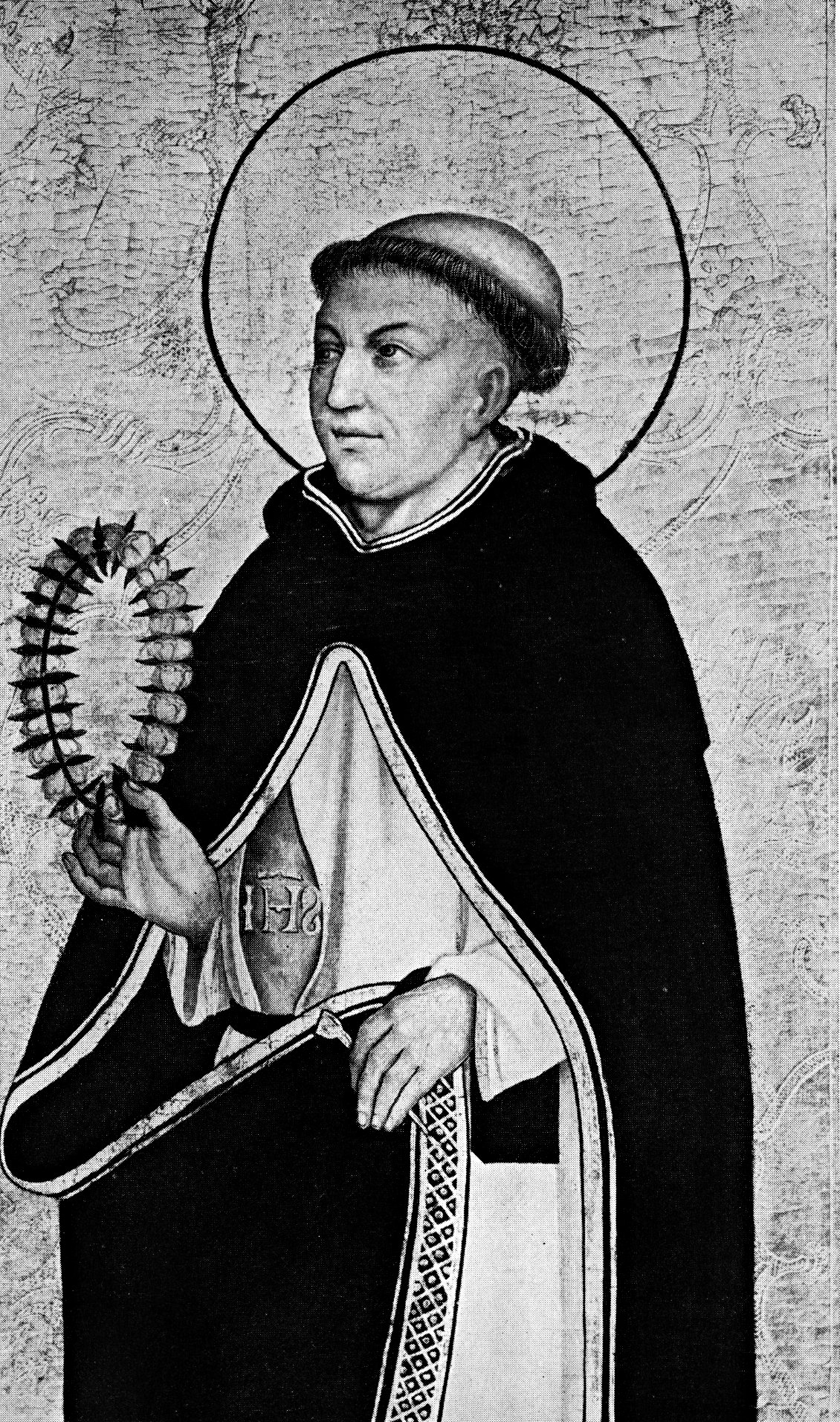

Obedience, the old man and the new man: chapters XV to XVII
Chapters XV and XVI give the book's account of salvation in the language of Paul: Adam and Christ, death and life, the old man and the new. Chapter XV begins with an exchange that reverses itself: "All that in Adam fell and died, was raised again and made alive in Christ, and all that rose up and was made alive in Adam, fell and died in Christ. But what was that? I answer, true obedience and disobedience."12 True obedience is defined in the book's usual terms, as standing "free, being quit of himself, that is, of his I, and Me, and Self, and Mine," and Christ's human nature is the pattern: it "was so utterly bereft of Self, and apart from all creatures, as no man's ever was, and was nothing else but 'a house and habitation of God.'"12
Chapter XVI is the third passage for close reading.
Again, when we read of the old man and the new man we must mark what that meaneth. The old man is Adam and disobedience, the Self, the Me, and so forth. But the new man is Christ and true obedience, a giving up and denying oneself of all temporal things, and seeking the honour of God alone in all things. And when dying and perishing and the like are spoken of, it meaneth that the old man should be destroyed, and not seek its own either in spiritual or in natural things. For where this is brought about in a true divine light, there the new man is born again. ... Behold! where the old man dieth and the new man is born, there is that second birth of which Christ saith, "Except a man be born again, he cannot enter into the kingdom of God." ... For he who is in disobedience is in sin, and sin can never be atoned for or healed but by returning to God, and this is brought to pass by humble obedience. For so long as a man continueth in disobedience, his sin can never be blotted out; let him do what he will, it availeth him nothing. Let us be assured of this. For disobedience is itself sin. But when a man entereth into the obedience of the faith, all is healed, and blotted out and forgiven, and not else.
Chapter XVI, with Ephesians 4:22 and 24, John 3:3 and 1 Corinthians 15:22 quoted by the author.13
The phrase "the obedience of the faith" comes from Paul (Romans 1:5 and 16:26 in the Authorised Version have "obedience to the faith" and "obedience of faith"). The author does not stop to define faith here, and the chapter has been read in more than one direction. A Lutheran reader can point to "let him do what he will, it availeth him nothing" as a denial that works heal sin. A Catholic reader can point to "this is brought to pass by humble obedience" and to chapter XIV's "full confession." The chapter itself says only that healing comes by "returning to God," that the return is obedience, and that obedience is the death of the Self.
The chapter ends with a claim that later readers would weigh carefully: "If then it were possible for a man to renounce himself and all things, and to live as wholly and purely in true obedience, as Christ did in His human nature, such a man were quite without sin, and were one thing with Christ, and the same by grace which Christ was by nature. But it is said this cannot be. So also it is said: 'There is none without sin.'"13 The words "by grace" and "by nature" set a limit. Christ is God by nature; the obedient man is united to Him by grace. The author also grants at once that the condition "cannot be" fully met in this life, and he closes the chapter with a rule of degree: "the more the Self, the I, the Me, the Mine, that is, self-seeking and selfishness, abate in a man, the more doth God's I, that is, God Himself, increase in him."13
Chapter XVII then turns on those who say they have reached that state. "It is reported there be some who vainly think and say that they are so wholly dead to self and quit of it, as to have reached and abide in a state where they suffer nothing and are moved by nothing." The author's answer is short: "Nay verily! the matter standeth not so." No one may take goodness to himself, but no one may excuse his sin by laying it on the devil, "as our first Parents Adam and Eve did," for "it is written, 'There is none without sin.'"14
"God must be made man" in the soul: what the book says and what it does not
The phrase that troubled Kingsley appears in several places. In chapter III the author wrote "in me, too, God must be made man." In chapter XXIV he writes of the state "that God and man should be wholly united, so that it can be said of a truth, that God and man are one," and adds: "Where the Truth always reigneth, so that true perfect God and true perfect man are at one, and man so giveth place to God, that God Himself is there and yet the man too, and this same unity worketh continually, and doeth and leaveth undone without any I, and Me, and Mine, and the like; behold, there is Christ, and nowhere else."15 In chapter XXXVII he writes: "In God, as God, neither sorrow nor grief nor displeasure can have place, and yet God is grieved on account of men's sins. Now since grief cannot befall God without the creature, this cometh to pass where He is made man, or when He dwelleth in a Godlike man."16 In chapter LII the rule for the Christian life is to allow nothing in the heart except what "would beseem him well, if God Himself were made Man."17
Read together, these passages use "God made man" in two ways. The first and controlling use is the Incarnation itself: Christ, in whom "true perfect God and true perfect man are at one." The second is the indwelling of God in the believer, which the author describes with the formula "where He is made man, or when He dwelleth in a Godlike man." The "or" joins the two without making them identical. The book never says that the believer becomes God by nature, and in chapter XLII it says that no I, Me or Mine "ever came to the True Light or Knowledge undeceived, save once only; to wit, in God made Man."18 The "once only" is Christ.
Kingsley noted that the German word that "most startles me" was vergottet, "deified or made divine," and he answered his own worry from the Fathers: Athanasius ("Saint Athanase," in Kingsley's spelling) had written "He became man, that we might be made God," and Augustine "He called men Gods, as being deified by His grace, not as born of His substance."6 Kingsley gave the Greek and the Latin in his notes. The phrase "partaker of the divine nature," which the Frankfurt author uses more than a dozen times, is from 2 Peter 1:4 in the Authorised Version: "that by these ye might be partakers of the divine nature." Eastern Orthodox readers will recognize the line of thought under the name theosis, and Kingsley's own judgment was that "It seems to me safer and wiser to cling to the letter of Scripture: but God forbid that I should wish to make such a man as the Author of the Theologia Germanica an offender for a word!"6
The reader who wants to judge the charge of pantheism should set three sentences side by side. Chapter I: God "is the Substance of all things." Chapter I again: "the Perfect is none of the things which are in part." Chapter XVI: the obedient man would be "the same by grace which Christ was by nature." The first sentence, read alone, could be taken for pantheism. The second and third, read with it, set the line between Creator and creature that pantheism erases. Readers since 1516 have weighed those sentences differently, and this lesson rates the dispute below.
Hell and heaven in this present time: chapter XI
Chapter XI is the fourth passage for close reading, and it is the chapter that readers of Luther most often set beside his own experience of spiritual terror.
Christ's soul must needs descend into hell, before it ascended into heaven. So must also the soul of man. But mark ye in what manner this cometh to pass. When a man truly perceiveth and considereth himself, who and what he is, and findeth himself utterly vile and wicked, and unworthy of all the comfort and kindness that he hath ever received from God, or from the creatures, he falleth into such a deep abasement and despising of himself, that he thinketh himself unworthy that the earth should bear him ... And therefore also he will not and dare not desire any consolation or release, either from God or from any creature that is in heaven or on earth; but he is willing to be unconsoled and unreleased, and he doth not grieve over his condemnation and sufferings; for they are right and just, and not contrary to God, but according to the will of God. ... Nothing grieveth him but his own guilt and wickedness; for that is not right and is contrary to God, and for that cause he is grieved and troubled in spirit. This is what is meant by true repentance for sin.
Chapter XI.19
The chapter does not leave the soul in hell. "Now God hath not forsaken a man in this hell, but He is laying His hand upon him, that the man may not desire nor regard anything but the Eternal Good only." When the man "seeketh not himself, nor his own things, but the honour of God only, he is made a partaker of all manner of joy, bliss, peace, rest and consolation, and so the man is henceforth in the Kingdom of Heaven." The two states pass and return "ofttimes," "nay even within the space of a day and night, and all without his own doing," and the chapter ends with a little rhyme: "For this hell shall pass away, / But Heaven shall endure for aye."19
Two features of the chapter matter for its later history. The first is that both hell and heaven come "in such sort, that he knoweth not whence they come," and the man "can of himself do nothing towards it"; the author quotes John 3:8, "The wind bloweth where it listeth." The second is that the state of hell is called "true repentance." The soul agrees with God's judgment against itself. Luther, who ranked this book next to the Bible and Augustine, set out what he called the theology of the cross at the Heidelberg Disputation of April 1518. In the translation given at bookofconcord.org, thesis 18 reads: "It is certain that man must utterly despair of his own ability before he is prepared to receive the grace of Christ," and thesis 21: "A theology of glory calls evil good and good evil. A theology of the cross calls the thing what it actually is."20 The Frankfurt book quotes the same verse of Isaiah behind that thesis in chapter XLI: "Woe unto them that call evil good, and good evil; that put darkness for light, and light for darkness" (Isaiah 5:20, KJV).21 The Heidelberg theses do not cite the Theologia Germanica, and the shared verse does not prove that Luther drew the thesis from it. It shows a common use of Isaiah by two writers who both described the sinner's agreement with God's judgment as the way into grace.
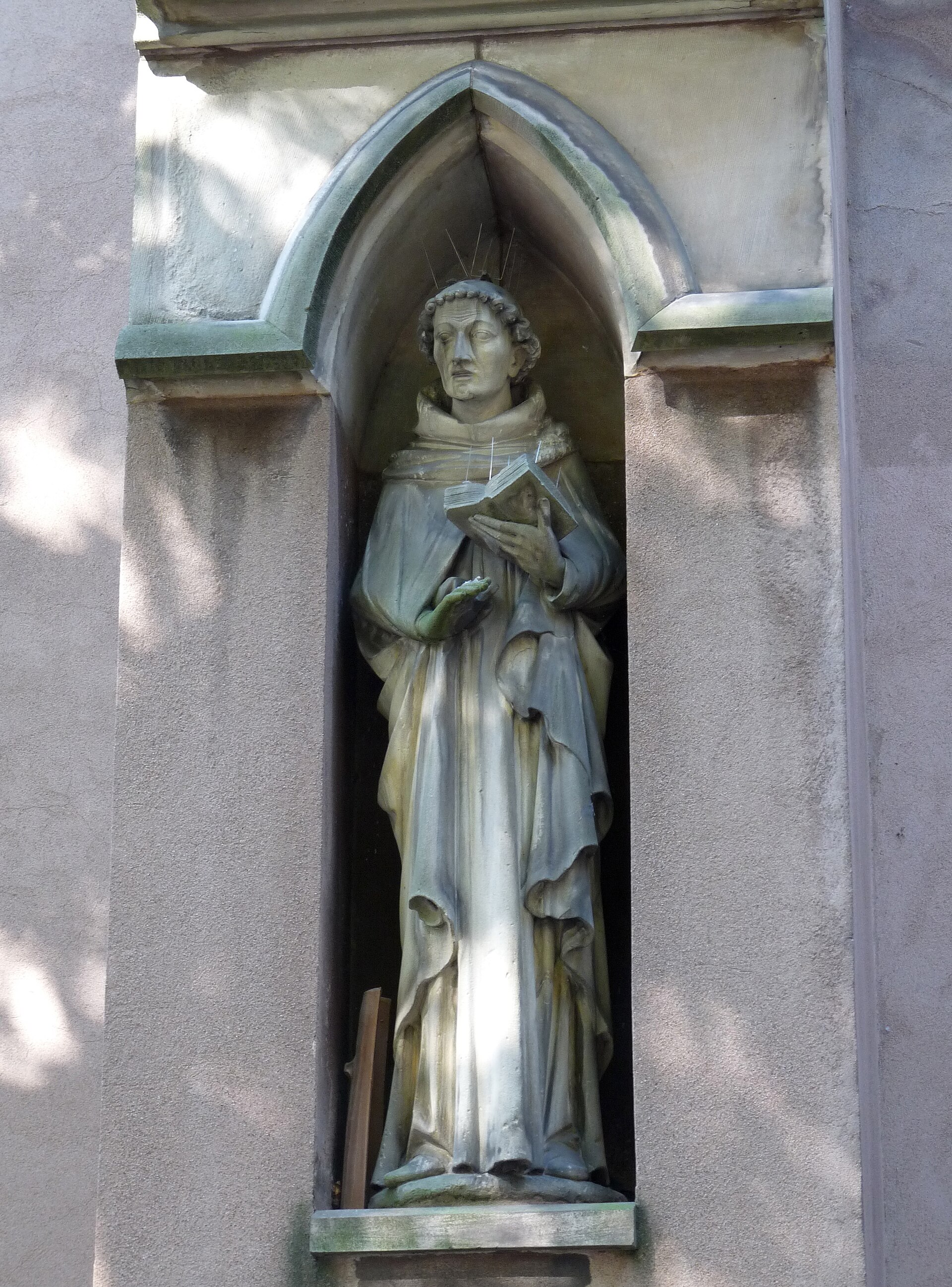

Three stages: purification, enlightening, union (chapter XIV)
Chapter XIV is one of the shortest chapters in the book and one of the most traditional. It is quoted here in full as the fifth passage.
Now be assured that no one can be enlightened unless he be first cleansed or purified and stripped. So also, no one can be united with God unless he be first enlightened. Thus there are three stages: first, the purification; secondly, the enlightening; thirdly, the union. The purification concerneth those who are beginning or repenting, and is brought to pass in a threefold wise; by contrition and sorrow for sin, by full confession, by hearty amendment. The enlightening belongeth to such as are growing, and also taketh place in three ways: to wit, by the eschewal of sin, by the practice of virtue and good works, and by the willing endurance of all manner of temptation and trials. The union belongeth to such as are perfect, and also is brought to pass in three ways: to wit, by pureness and singleness of heart, by love, and by the contemplation of God, the Creator of all things.
Chapter XIV, entire.22
The threefold way goes back to the writings that circulated under the name of Dionysius the Areopagite, the convert of Acts 17:34, though the Catholic Encyclopedia of 1909, after the studies of Hugo Koch and Joseph Stiglmayr published in 1895, placed their author "at the very earliest" in "the latter half of the fifth century," and he is now called Pseudo-Dionysius.23 The Frankfurt author quotes "St. Dionysius" by name in chapter VIII, from the "Epistle to Timothy" (the opening of the Mystical Theology, which is addressed to Timothy): "shalt thou forsake sense and the things of the flesh ... and enter into union with Him who is, and who is above all existence and all knowledge."24 The threefold division of contrition, confession and amendment (in the older term, satisfaction) is the ordinary medieval teaching on penance. Aquinas uses a parallel threefold scheme for the growth of charity. In ST II-II, q. 24, a. 9 he writes that "at first it is incumbent on man to occupy himself chiefly with avoiding sin and resisting his concupiscences ... this concerns beginners," that "in the second place man's chief pursuit is to aim at progress in good, and this is the pursuit of the proficient," and that "man's third pursuit is to aim chiefly at union with and enjoyment of God: this belongs to the perfect."25 The comparison below shows how closely the Frankfurt author keeps to the common scheme.
The chapter matters for the book's later history because it is so plainly medieval and Catholic in its parts. "Full confession" is sacramental confession to a priest. Readers who have presented the Theologia Germanica as a Protestant book before its time have to account for this chapter; readers who have presented it as a danger to the Church's order have to account for it too.
The life of Christ as the pattern: chapters XVIII to XXIII
A reader who expects a book of mysticism to float above the Gospels will be surprised by how often this one comes back to the earthly life of Jesus. Chapter XVIII states the rule: "there is no life so noble and good and well pleasing to God, as the life of Christ, and yet it is to nature and selfishness the bitterest life. A life of carelessness and freedom is to nature and the Self and the Me, the sweetest and pleasantest life, but it is not the best; and in some men may become the worst." It ends with a sentence that admits no exception: "wherever this Perfect and true Good is known, there also the life of Christ must be led, until the death of the body. And he who vainly thinketh otherwise is deceived, and he who saith otherwise, lieth."26
Chapter XIX denies that the way can be learned from books alone: "Let no one suppose, that we may attain to this true light and perfect knowledge, or life of Christ, by much questioning, or by hearsay, or by reading and study, nor yet by high skill and great learning." The proof texts are Christ's: "If any man will come after Me, let him deny himself, and take up his cross, and follow Me" (Matthew 16:24), and the hard saying of Luke 14:26.27 The sentence is often quoted as if the author despised learning. His claim is narrower: study does not bring a man to the life of Christ "so long as a man taketh account of anything which is this or that, whether it be himself, or any other creature." Chapter XX names where the danger is greatest: "this happeneth most of all, where there are high natural gifts of reason, for that soareth upwards in its own light and by its own power, till at last it cometh to think itself the true Eternal Light, and giveth itself out as such, and is thus deceived in itself, and deceiveth other people along with it."28 That sentence is the seed of the doctrine of the False Light.
Chapter XXII gives the one-line summary that this lesson quoted at the start. "For the Self, the I, the Me and the like, all belong to the Evil Spirit, and therefore it is, that he is an Evil Spirit. Behold one or two words can utter all that hath been said by these many words: 'Be simply and wholly bereft of Self.'"29 The chapter goes on to a homely comparison drawn from the crafts. "To learn an art which thou knowest not, four things are needful": great desire and diligence, "a copy or ensample by which thou mayest learn," attention and obedience to "the master," and putting "thy own hand to the work."29 Winkworth noted that the heading of chapter XXIV, "four Things are needful," fits this part of chapter XXII and not the chapter it heads, but that both the Wurzburg manuscript and Luther's editions keep it there, so she kept it too.15 The pattern for the apprentice is Christ. Chapter XXIII calls it "the lovely life of Christ" and "the humble life of Jesus Christ," and ends with Matthew 10:22: "For he that endureth to the end shall be saved."30
The theme returns near the end. Chapter XLV says: "He who knoweth and understandeth Christ's life, knoweth and understandeth Christ Himself; and in like manner, he who understandeth not His life, doth not understand Christ Himself." It joins the book's main terms into one: "When we speak of obedience, of the new man, of the True Light, the True Love, or the life of Christ, it is all the same thing." And it names the sacrament: "he who hath received this life in the Holy Sacrament, hath verily and indeed received Christ, and the more of that life he hath received, the more he hath received of Christ, and the less, the less of Christ."31
Self-will: "nothing burneth in hell but self-will"
The saying for which the book is best known in English stands in chapter XXXIV. A questioner proposes that since God wills the best for everyone, He ought to arrange things "that they should fall out according to his will and fulfil his desires, so that one might be a Pope, another a Bishop, and so forth." The answer is the sixth passage for close reading.
Be assured, he who helpeth a man to his own will, helpeth him to the worst that he can. For the more a man followeth after his own self-will, and self-will groweth in him, the farther off is he from God, the true Good, for nothing burneth in hell but self-will. Therefore it hath been said, "Put off thine own will, and there will be no hell." Now God is very willing to help a man and bring him to that which is best in itself, and is of all things the best for man. But to this end, all self-will must depart, as we have said. And God would fain give man His help and counsel thereunto, for so long as a man is seeking his own good, he doth not seek what is best for him, and will never find it. For a man's highest good would be and truly is, that he should not seek himself nor his own things, nor be his own end in any respect, either in things spiritual or things natural, but should seek only the praise and glory of God and His holy will.
Chapter XXXIV.32
The exact wording in Winkworth is "nothing burneth in hell but self-will," with "Put off thine own will, and there will be no hell" given as a saying ("it hath been said"). The author does not claim the second line as his own. Chapter XLIX repeats the thought in another form: "It hath been said, that there is of nothing so much in hell as of self-will. The which is true, for there is nothing else there than self-will, and if there were no self-will, there would be no Devil and no hell." The same chapter defines the term once more: "when we say Self-will, we mean, to will otherwise than as the One and Eternal Will of God willeth."33
Chapter L turns the garden of Eden into a picture of the present world. This is the seventh passage.
What is Paradise? All things that are; for all are goodly and pleasant, and therefore may fitly be called a Paradise. It is said also, that Paradise is an outer court of Heaven. Even so this world is verily an outer court of the Eternal, or of Eternity, and specially whatever in Time, or any temporal things or creatures, manifesteth or remindeth us of God or Eternity; for the creatures are a guide and a path unto God and Eternity. Thus this world is an outer court of Eternity, and therefore it may well be called a Paradise, for it is such in truth. And in this Paradise, all things are lawful, save one tree and the fruits thereof. That is to say: of all things that are, nothing is forbidden and nothing is contrary to God but one thing only: that is, Self-will, or to will otherwise than as the Eternal Will would have it.
Chapter L.34
The chapter guards its own boldness in its last sentence: "It is not that every work which is thus wrought is in itself contrary to the Eternal Will, but in so far as it is wrought from a different will, or otherwise than from the Eternal and Divine Will."34 The sentence permits no deed. It places the root of every wrong deed in the will set against God's will, and the author spends the next chapter on the question a reader would ask: why did God create a will that could do this?
Chapter LI, the longest in the book, gives two answers. The first rebukes the question. The man who wants to know "wherefore God doeth this, or doeth not that" desires "the same as Adam and the Devil," for "this desire is seldom from aught else than that the man taketh delight in knowing, and glorieth therein, and this is sheer pride."35 The second answer explains. Reason and will are "the most noble and delightful gift that is bestowed on any creature," without which "there would be no reasonable creatures, but only brutes." The created will "is as truly God's as the Eternal Will, and is not of the creature," and God "hath a right to work out His own will by means of the will which is in man, and yet is God's." Then comes the turn: "Now cometh the Devil or Adam, that is to say, false nature, and taketh this will unto itself and maketh the same its own, and useth it for itself and its own ends. And this is the mischief and wrong, and the bite that Adam made in the apple."35 Freedom, in this account, is the will left in its own nature as God's gift. "Wherever there is a man in whom the will is not enslaved, but continueth noble and free, there is a true freeman not in bondage to any, one of those to whom Christ said: 'The truth shall make you free.'"35
The chapter's account of heaven and hell repeats chapter XXXIV and chapter XI: "In heaven there is no ownership; hence there are found content, true peace, and all blessedness. If any one there took upon him to call anything his own, he would straightway be thrust out into hell, and would become an evil spirit. But in hell everyone will have self-will ... But if there were one in hell who should get quit of his self-will and call nothing his own, he would come out of hell into heaven."35 Taken literally, the last sentence describes an escape from hell, which no medieval church taught. The author's next words show that he is drawing a lesson for the present life: "Now, in this present time, man is set between heaven and hell, and may turn himself towards which he will."35
The True Light and the False Light: chapters XXXI and XL to XLIII
The doctrine of the two lights is the part of the book that most concerned its first circle of readers, because it was written against a real group. Winkworth's historical introduction described the Beghards or "Brothers and Sisters of the Free Spirit" as "a kind of antinomian pantheists, teaching that the Spirit is bound by no law, and annihilating the distinction between the Creator and the creature," and she noted that the book itself alludes to them by name in chapter XXXIX as "the Free Spirits."236 Ferdinand Cohrs, writing the article "Theologia Germanica" for the New Schaff-Herzog Encyclopedia in 1911, read a passage of the book as showing that its author "wrote at a time when this community had to clear itself from the charge of connection with the sect of the 'false free spirits' who tried to protect themselves with the name of the Friends of God."37
The two lights are first named in chapter XXXI, where the author is answering the Free Spirits' claim that the perfect may cast off the life of Christ:
There are two kinds of Light; the one is true and the other is false. The true light is that Eternal Light which is God; or else it is a created light, but yet divine, which is called grace. And these are both the true Light. So is the false light Nature or of Nature.
Chapter XXXI.38
The sentence is short and exact. The True Light is either God or "a created light, but yet divine, which is called grace." The author uses the scholastic distinction between uncreated and created grace without the scholastic terms. The False Light is "Nature." The author places it inside the soul: it is the soul's own natural light, which becomes false when it takes itself for God.
Chapter XL, "A good Account of the False Light and its Kind," is the eighth passage for close reading.
Now mark, the True Light is God or divine, but the False Light is Nature or natural. Now it belongeth to God, that He is neither this nor that, neither willeth nor desireth, nor seeketh anything in the man whom He hath made a partaker of the divine nature, save Goodness as Goodness, and for the sake of Goodness. This is the token of the True Light. But to the Creature and Nature it belongeth to be somewhat, this or that, and to intend and seek something, this or that, and not simply what is good without any Wherefore. And as God and the True Light are without all self-will, selfishness, and self-seeking, so do the I, the Me, the Mine, and the like, belong unto the natural and false Light; for in all things it seeketh itself and its own ends, rather than Goodness for the sake of Goodness. ... Secondly, it dreameth itself to be that which it is not, for it dreameth itself to be God, and is truly nothing but nature. And because it imagineth itself to be God, it taketh to itself what belongeth to God; and not that which is God's, when He is made man, or dwelleth in a Godlike man, but that which is God's, and belongeth unto Him, as He is in eternity, without the creature.
Chapter XL.39
The distinction at the end is the center of the argument. God "as He is in eternity, without the creature," is untroubled, needs nothing and is above all law. God "made man" in Christ suffered, obeyed and kept the law. The False Light copies the first and refuses the second: "Therefore it thinketh and declareth itself to be above all works, words, customs, laws and order, and above that life which Christ led in the body which He possessed in His holy human nature."39 The author follows the claim to its end with a report of something he had heard: "Further, this False Light saith that it hath got above conscience and the sense of sin, and that whatever it doeth is right. Yea, it was said by such a false Free Spirit, who was in this error, that if he had killed ten men he should have as little sense of guilt as if he had killed a dog."39 The author names no one, and no other source quoted in this lesson identifies the speaker.
The answer to the Free Spirits is a single argument from Christ. "This False Light saith, that we should be without conscience or sense of sin ... and this it will prove by saying that Christ was without conscience or sense of sin. We may answer and say: Satan is also without them, and is none the better for that. ... Now he who is without sense of sin is either Christ or the Evil Spirit." The chapter closes with the image of seed: "For the True Light is God's seed, and therefore it bringeth forth the fruits of God. And so likewise the False Light is the seed of the Devil; and where that is sown, the fruits of the Devil spring up."39 In so far as the False Light "imagineth itself to be God," the author says, "it is Lucifer, the Evil Spirit," and in so far as "it setteth at nought the life of Christ," it is "Antichrist, for it teacheth contrary to Christ."39
Chapter XLI insists that light is not enough without love: "this Light or knowledge is worth nothing without Love," and "Let a man know much about God and divine things, nay, dream that he seeth and understandeth what God Himself is, if he have not Love, he will never become like unto God."21 Chapter XLII adds that there are two loves as well as two lights, "and each kind of Love is taught or guided by its own kind of Light," and it describes the false natural light as a restless love of knowing: "it is always longing to know more and more, and never cometh to rest and satisfaction ... knowledge and discernment come to be more loved than that which is discerned."18 It has a sharp word for the reader who quotes Scripture without living it: "when, through hearsay, or reading, or great acquaintance with Scripture, some fancy themselves to know much ... Yet this is not knowledge, but belief."18 Chapter XLIII brings the two lights to their conclusion: "the false Light is the Evil Spirit, and the Evil Spirit is this false Light," and "where nature is conquered the Devil is also conquered."40 The chart below gathers the marks of each light as the book gives them, chapter by chapter.
Law, order and the "Free Spirits": chapters XXV, XXVI, XXX, XXXI and XXXIX
The charge of antinomianism (the teaching that the Christian is free from the moral law) was made against the Free Spirits, and it was later made against some readers of the Frankfurt book. The book's own chapters on law are therefore worth reading closely, because they say two things that can be pulled apart.
The two sisters: spiritual pride and false freedom
Chapter XXV describes "two evil Fruits that do spring up from the Seed of the Evil Spirit, and are two Sisters who love to dwell together. The one is called spiritual Pride and Highmindedness, the other is false, lawless Freedom." The devil "puffeth up the man, till he thinketh himself to have climbed the topmost pinnacle, and to have come so near to heaven, that he no longer needeth Scripture, nor teaching, nor this nor that." Such a spirit "giveth no heed to the admonitions, order, laws and precepts of the holy Christian Church, nor to the Sacraments, but mocketh at them and at all men who walk according to these ordinances and hold them in reverence."41 The chapter is the plainest evidence in the book that its author defended the sacraments and the Church's order against those who despised them.
"For those who are perfect are under no law"
Chapter XXVI, on poverty of spirit, contains the sentence that critics quote. The context is given here at length so the reader can see how it falls.
... when a man hath this poor and humble spirit, he cometh to see and understand aright, how that all men are bent upon themselves, and inclined to evil and sin, and that on this account it is needful and profitable that there be order, customs, law and precepts, to the end that the blindness and foolishness of men may be corrected, and that vice and wickedness may be kept under, and constrained to seemliness. For without ordinances, men would be much more mischievous and ungovernable than dogs and cattle. And few have come to the knowledge of the truth but what have begun with holy practices and ordinances, and exercised themselves therein so long as they knew nothing more nor better. Therefore one who is poor in spirit and of a humble mind doth not despise or make light of law, order, precepts and holy customs, nor yet of those who observe and cleave wholly to them ... For those who are perfect are under no law. So order, laws, precepts and the like are merely an admonition to men who understand nothing better and know and perceive not wherefore all law and order is ordained. And the perfect accept the law along with such ignorant men as understand and know nothing better, and practise it with them, to the intent that they may be restrained thereby, and kept from evil ways, or if it be possible, brought to something higher.
Chapter XXVI.42
The phrase "under no law" echoes Romans 6:14 ("ye are not under the law, but under grace") and Galatians 5:18, both of which the author quotes elsewhere. In context it means that the perfect do not need law to teach or compel them, and the same paragraph says they "accept the law" and "practise it." The chapter goes on to say that Christ "did not despise and set at nought the law and the commandments," that "He kept the law and was subject unto it to the end of His mortal life," and that he pressed his followers "to what is higher and better": "the law forbiddeth evil works, but Christ condemneth also evil thoughts; the law alloweth us to take vengeance on our enemies, but Christ commandeth us to love them."42
Chapters XXX and XXXI make the same point by separating "some truth, and some falsehood" in the Free Spirits' claim. It is true that those "led by the Spirit of God" (Romans 8:14) need no outward precept to teach them, and true that they do not keep the law "in order to seek or win something thereby." It is "altogether false and a lie" that "we ought to throw off and cast aside the life of Christ, and all laws and commandments, customs and order and the like, and pay no heed to them."4338
Four sorts of men
Chapter XXXIX sorts people by how they keep "order, laws, and customs." Some keep them "from constraint." The second sort "obey for the sake of reward," imagining "that by keeping them they may obtain the kingdom of Heaven and Eternal Life, and not otherwise." The third sort "are wicked, false-hearted men, who dream and declare that they are perfect and need no ordinances, and make a mock of them." The fourth are "enlightened with the True Light," who keep order "from love alone," and who "know very well that order and fitness are better than disorder, and therefore they choose to walk orderly, yet know at the same time that their salvation hangeth not thereon." This fourth sort is blamed from both sides: "the hirelings say that they neglect their duties ... and the others (that is, the Free Spirits) hold them in derision." The author's verdict: "these enlightened men keep the middle path, which is also the best."36
The sentence "their salvation hangeth not thereon" is one that Protestant readers have often quoted. The author does not say what salvation does hang on in that chapter. Read with chapters XVI and LIV, his answer is obedience in love, the life of Christ received from God.
Union with God and the will: chapters X, XXVII, XXVIII, XXXVIII and LIV
Chapter XXVII asks what the union with God is, and answers in the book's most direct definition:
Now what is this union? It is that we should be of a truth purely, simply, and wholly at one with the One Eternal Will of God, or altogether without will, so that the created will should flow out into the Eternal Will, and be swallowed up and lost therein, so that the Eternal Will alone should do and leave undone in us. Now mark what may help or further us towards this end. Behold, neither exercises, nor words, nor works, nor any creature nor creature's work can do this. ... Yet outward things must be, and we must do and refrain so far as is necessary, especially we must sleep and wake, walk and stand still, speak and be silent and much more of the like. These must go on so long as we live.
Chapter XXVII.44
Union is a union of wills, and the chapter says that no work can produce it. Chapter XXVIII describes the result: "the inward man standeth henceforward immoveable in this union; and God suffereth the outward man to be moved hither and thither." The outward man says, "I have no will to be or not to be, to live or die, to know or not to know, to do or to leave undone and the like; but I am ready for all that is to be, or ought to be, and obedient thereunto, whether I have to do or to suffer." Where this union is, "there is no spiritual pride or irreverent spirit, but boundless humility, and a lowly broken heart; also an honest blameless walk, justice, peace, content, and all that is of virtue must needs be there. Where they are not, there is no right union."45 Chapter XXIX then refuses the claim that a man can reach, before death, a state "in which nothing hath power to move or grieve the soul," as Christ was after His resurrection: "Christ did not attain thereunto, before He had passed through and suffered His natural death ... Therefore no man can or ought to come to it so long as he is mortal and liable to suffer."46
Love without reward
Chapter X says that the perfect "have lost the fear of pain or hell, and the hope of reward or heaven, but are living in pure submission to the Eternal Goodness, in the perfect freedom of fervent love," and it gives the image that the last chapter will repeat: "every enlightened man could say: 'I would fain be to the Eternal Goodness, what His own hand is to a man.'"47 Chapter XXXVIII applies the same rule to the life of Christ: "he who hath put on the life of Christ with the intent to win or deserve ought thereby, hath taken it up as an hireling and not for love, and is altogether without it." The chapter ends: "God rejoiceth more over one man who truly loveth, than over a thousand hirelings."48
The teaching of chapter X raised questions in later centuries. If the perfect have lost the hope of heaven, is the hope of heaven a lower motive? In 1699 Pope Innocent XII condemned twenty-three propositions drawn from Archbishop Fénelon's Explication des Maximes des Saints, a book on pure and disinterested love, as the Catholic Encyclopedia's article "Quietism" records.49 That controversy lies outside this lesson, and the Frankfurt author wrote three centuries earlier and answered for his own words only. His own words make the hope of heaven no sin. They describe a love that keeps going when comfort is withdrawn: "a true lover of God, loveth Him or the Eternal Goodness alike, in having and in not having, in sweetness and bitterness."47
"As his hand is to a man": the last chapter
Chapter LIV is the ninth passage for close reading, and it is the author's own summary.
If a man may attain thereunto, to be unto God as his hand is to a man, let him be therewith content, and not seek farther. This is my faithful counsel, and here I take my stand. That is to say, let him strive and wrestle with all his might to obey God and His commandments so thoroughly at all times and in all things, that in him there be nothing, spiritual or natural, which opposeth God; and that his whole soul and body with all their members may stand ready and willing for that to which God hath created them; as ready and willing as his hand is to a man, which is so wholly in his power, that in the twinkling of an eye, he moveth and turneth it whither he will. And when we find it otherwise with us, we must give our whole diligence to amend our state; and this from love and not from fear, and in all things whatsoever, seek and intend the glory and praise of God alone.
Chapter LIV.50
The final chapter returns to the commandments in the words of the Gospels: "If thou wilt enter into life, keep the commandments" (Matthew 19:17) and the two great commandments of love (Luke 10:27). It warns once more that the man who "hath come so far, and climbed so high, that he thinketh and weeneth he standeth sure" may "fall into a foolish, lawless freedom and licentiousness," which happens to the man "who hath not entered, or refuseth to enter in by the right Way and the right Door (which is Christ)." And it ends in prayer: "That we may thus deny ourselves, and forsake and renounce all things for God's sake, and give up our own wills, and die unto ourselves, and live unto God alone and to His will, may He help us, who gave up His will to His Heavenly Father,--Jesus Christ our Lord, to whom be blessing for ever and ever. Amen."50
The tenth passage, from chapter LIII, shows how the author reads John 6:44, which he gives as "No man cometh unto Me, except the Father, which hath sent Me, draw him." "When somewhat of this Perfect Good is discovered and revealed within the soul of man, as it were in a glance or flash, the soul conceiveth a longing to approach unto the Perfect Goodness, and unite herself with the Father. And the stronger this yearning groweth, the more is revealed unto her; and the more is revealed unto her, the more is she drawn toward the Father ... and thus the soul is taught of Him who draweth her unto Himself, that she cannot enter into a union with Him except she come unto Him by the life of Christ."51 The order matters for the book's theology. God's drawing comes first. The soul's longing follows. And the way to the Father is the life of Christ, which chapter LII calls "the right Door."17
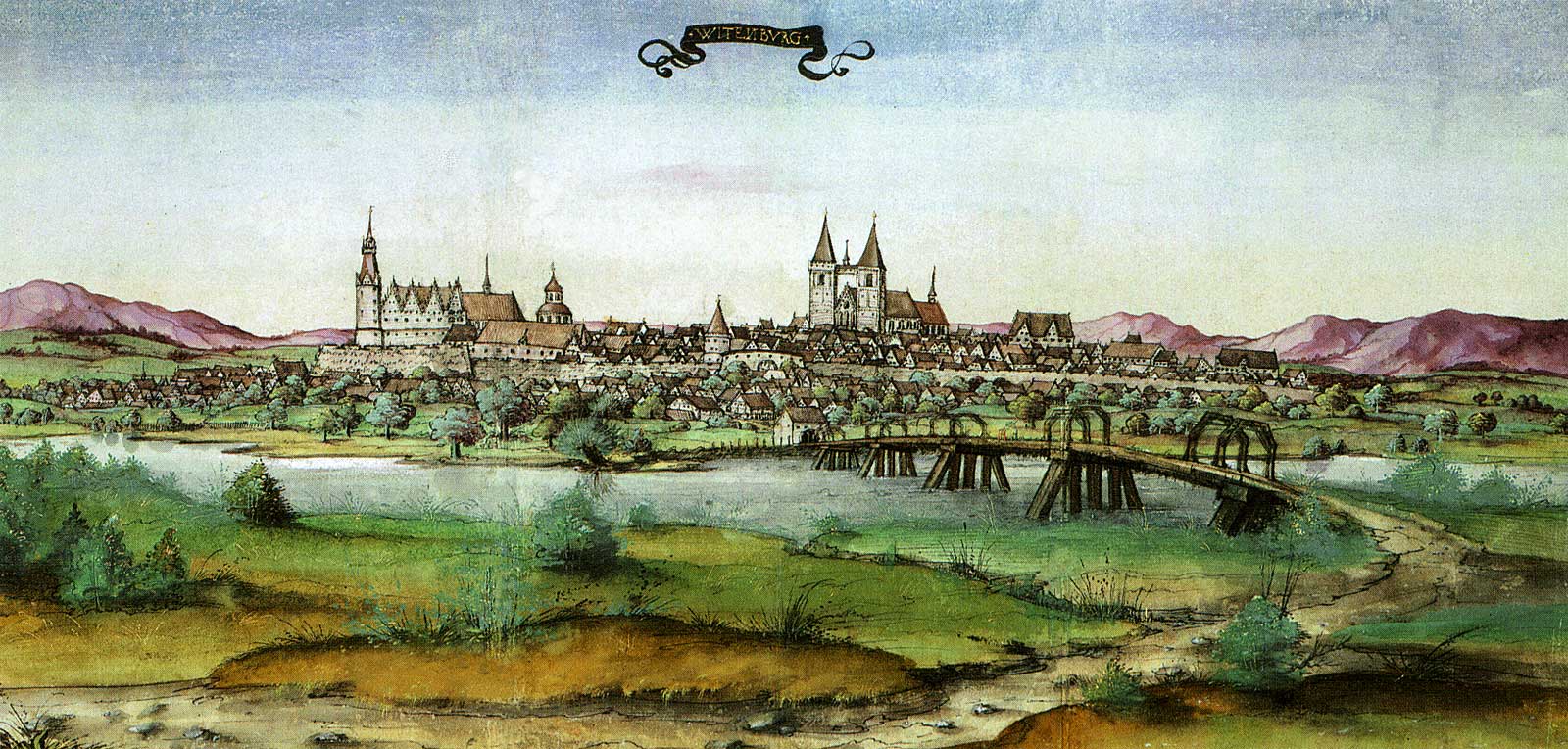

What Luther drew from it
Luther's own judgment is the reason most readers have heard of the book, and the words should be read exactly. In the preface to the 1518 edition, as Winkworth translated it, he wrote: "I will say, though it be boasting of myself and 'I speak as a fool,' that next to the Bible and St. Augustine, no book hath ever come into my hands, whence I have learnt, or would wish to learn more of what God, and Christ, and man and all things are."3 He used the book to answer a charge: "certain of the learned have said in scorn of us theologians of Wittemberg, that we would be thought to put forward new things, as though there had never been men elsewhere and before our time." His reply was that the book showed the old roots of what Wittenberg taught: "Let as many as will, read this little book, and then say whether Theology is a new or an old thing among us; for this book is not new." He added a remark about language that his readers have quoted ever since: "I thank God, that I have heard and found my God in the German tongue, as neither I nor they have yet found Him in the Latin, Greek, or Hebrew tongue."3
The preface also complains that "for a long time past such things have not been treated of in our universities; nay, it has gone so far, that the Holy Word of God is not only laid on the shelf, but is almost mouldered away with dust and moths."3 The complaint is aimed at the schools, which lesson 07 discusses through Luther's Disputation against Scholastic Theology of September 1517. Luther's praise of the Frankfurt book and his attack on the scholastic method came in the same two years.
What did he take from it? Historians have answered in different ways, and the answers should be attributed. Bengt Hoffman, whose Paulist Press translation of Luther's 1518 edition appeared in 1980, argued in its introduction and in his earlier book Luther and the Mystics (1976) that mystical experience was more central to Luther's faith than many Lutheran scholars had allowed.52 Steven Ozment, in Mysticism and Dissent: Religious Ideology and Social Protest in the Sixteenth Century (1973), traced how the same mystical writings, the Theologia Germanica among them, fed the dissenters and spiritualists who broke with Luther.53 The texts allow a modest summary. The book gave Luther a German witness from before his time to several things he was teaching in 1516 to 1518: that the creature has no good of its own before God (chapters II to V); that self-seeking corrupts even religious works done for reward (chapters X, XXXVIII and XXXIX); that true repentance agrees with God's judgment against the self (chapter XI); and that the Christian life is the life of Christ, entered by Christ as "the right Door" (chapters LII to LIV). The book also teaches things that Luther did not take over as his own system, such as the threefold way of purification, enlightening and union (chapter XIV), and it uses the word "faith" rarely.
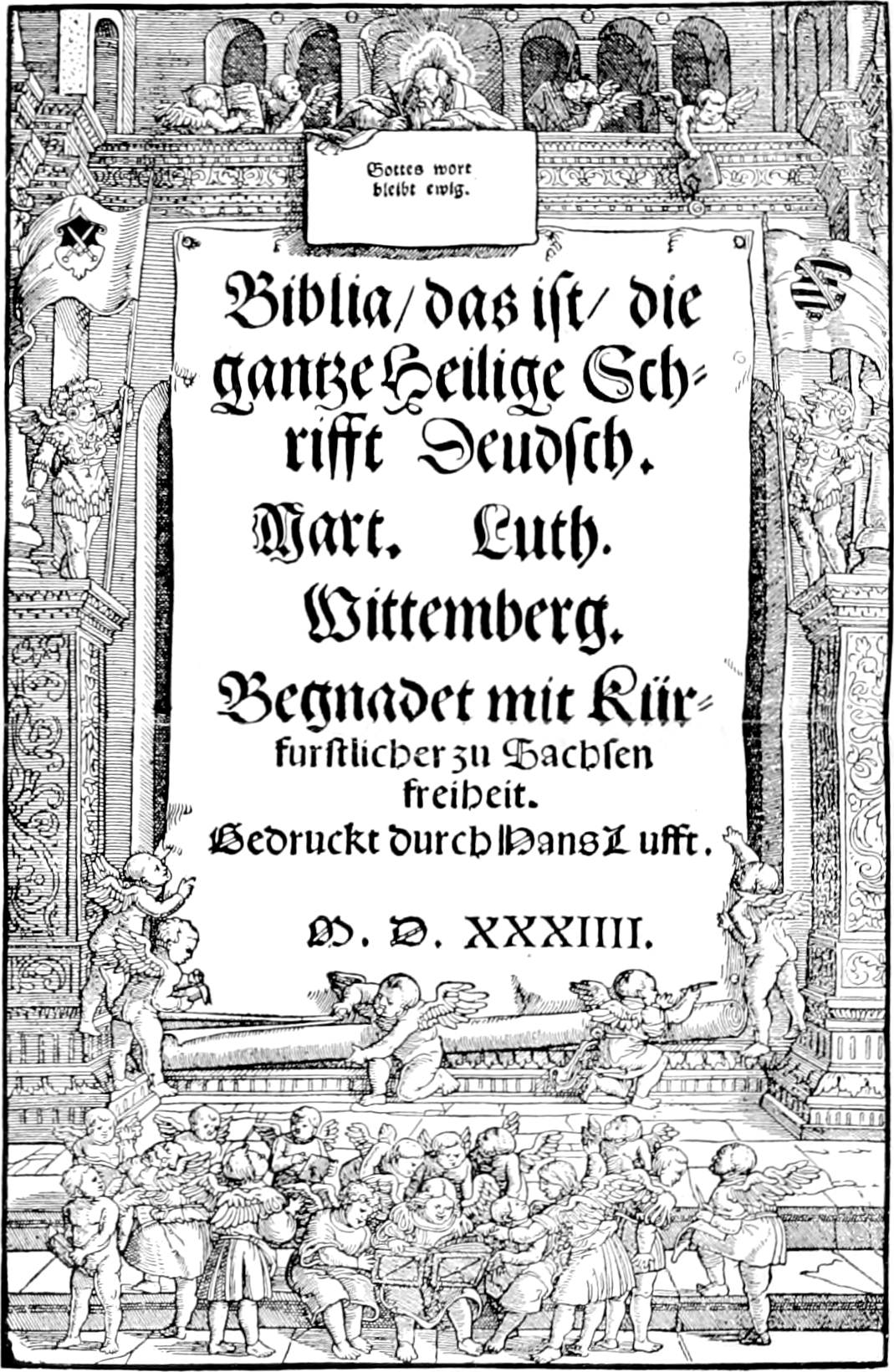

The dangers later readers saw
The same book that Luther praised was read by people Luther opposed, and it was judged dangerous by some Reformed and some Catholic authorities. Lesson 08 follows the editions and translations. Here the question is narrower: what in the text did critics fasten on, and what does the text say at those points?
The charge of pantheism
Kingsley's preface of 1854 already defended the book against the charge, as quoted above. Ferdinand Cohrs, in the New Schaff-Herzog Encyclopedia (1911), judged that "alongside of deeply religious practical thoughts lie occult speculations of a decidedly pantheistic color; alongside of suggestions of Evangelical impulses, there are relics of medieval piety."37 The sixth volume of Schaff's History of the Christian Church (1910) reported that "Stöckl and other Catholics, though not all, are bitter against the Theologia and charge it with pantheism."54 The passages that support the charge are chapter I ("He is the Substance of all things"), chapter XXXVI ("God is the Being of all that are, and the Life of all that live, and the Wisdom of all the wise; for all things have their being more truly in God than in themselves"), and chapter XLVI ("for, in truth, All is One and One is All in God").55556 The passages against it are the ones that keep the creature distinct: chapter I ("the Perfect is none of the things which are in part"), chapter XVI ("the same by grace which Christ was by nature"), chapter XLII ("save once only; to wit, in God made Man"), and chapter XLVII, which explains that sin is "merely nought" because it has no being in God.57 Chapter XXXI shows the author's own sense of danger in this territory. After a passage on God "as Godhead" and God "as God," he stops himself: "Here we must turn and stop, or we might follow this matter and grope along until we knew not where we were, nor how we should find our way out again."38
The charge of antinomianism
The book's critics have pointed to the sentence "those who are perfect are under no law" in chapter XXVI and to the teaching that the inward man needs "no outward commandment or teaching" (chapter XXXIX). Its defenders point to chapters XXV, XXX, XXXI, XL, LII and LIV, which attack the Free Spirits by name and insist on the law, the commandments, the Church's order and the sacraments.36 Cohrs wrote that the book "appealed to a variety of men: to Johann Denck, to fructify his speculative mystical Anabaptist ideas, the same on account of which Calvin warned the Frankfort church in 1559; to the Pietists Spener and Arndt; and to Luther for its Evangelical motives."37
Calvin's warning
Calvin's letter to the French-speaking Reformed congregation at Frankfurt in 1559 is often summed up by the claim that he called the book poison. Cohrs reports the fact of the warning. The wording most often repeated in English, that the book was "conceived by Satan's cunning" and "contains a hidden poison which can poison the church," is reported in reference works from Bengt Hoffman's introduction to his 1980 translation (page 26).58 The Latin or French original of Calvin's letter was not opened for this lesson, so the exact words are not quoted here as Calvin's own and are listed as unverified. The reason for the warning, on Cohrs's account, was the use that Anabaptist and spiritualist readers had made of the book. Lesson 08 gives the fuller history.
The charge of quietism, and Wesley
"Quietism" is the name of a later controversy, of the 1600s, over prayer that is wholly passive. The word should not be pressed back onto a book of the 1300s without care. What later readers found in the Theologia Germanica that worried them was its teaching that "neither exercises, nor words, nor works, nor any creature nor creature's work" can bring about union (chapter XXVII), and its language of lying "still under God's hand" (chapters XXIII and XLVI).443056 The book's own answer is chapter XXVII's next lines, which require that "outward things must be," and chapter XLVI's limit: "we may indeed, without sin, prevent affliction, or avoid it, or flee from it."56
John Wesley read the mystics in the 1730s and then turned against them. In a letter to his brother Samuel dated November 23, 1736, he wrote: "I think the rock on which I had the nearest made shipwreck of the faith was the writings of the Mystics; under which term I comprehend all, and only those, who slight any of the means of grace." He said he had drawn up "a short scheme of their doctrines," partly from "their most approved writers, such as Tauler, Molinos, and the author of Theologia Germanica."59 Wesley's charge was against mystics who neglect prayer, Scripture, the Lord's Supper and the other means of grace. The Frankfurt author's chapters XXV and XLV take the side of the means of grace, and a reader can fairly ask whether Wesley's complaint fits this book or others he read with it.
The Index of Prohibited Books
The book was placed on the Catholic Index of Prohibited Books in the early 1600s. The printed Index settles the year. The Index of Benedict XIV (1758) and the Index of Gregory XVI (1841) list "Theologia Germanica; libellus aureus ... studio Joannis Theophili," that is, Castellio's Latin version, with the date "Decr. 16. Martii 1621" (decree of March 16, 1621).63 Cohrs (1911) and Schaff's History (1910) also give 1621.3754 A widely used modern reference work gives 1612 under Pope Paul V, as lesson 08 reports, but no Index opened for this lesson supports that year, and no entry for the book was found in the text of the revised Index of Leo XIII (1900).63 Cohrs added his own judgment that the listing "as well as the claim that its author was a forerunner of the Reformation was wholly superfluous, since it is now conceded as containing nothing antagonistic to the Roman Catholic Church."37 That is Cohrs's judgment in 1911, not a ruling of the Church.
What Catholic readers find in it
A Catholic reader can point to the parts of the book that sit squarely inside medieval Catholic practice: "full confession" in chapter XIV; the "holy Christian Church" and "the Sacraments" defended in chapter XXV; Christ received "in the Holy Sacrament" in chapter XLV; obedience to "those who are in authority over him" in chapter XL; Dionysius and Boethius quoted as authorities in chapters VI and VIII; and Kingsley's own note in 1854 that the author "considered himself, and was considered, as far as we know, by his contemporaries, an orthodox member of the Latin Church."2241316 Kingsley's further statement that the book "incurred no ecclesiastical censure whatsoever" in the 170 years before the Reformation is his claim, and it concerns only the time before the Index listing.6
What the record shows and what it does not
- Documented fact: Winkworth's translation has 54 chapters, translated from Pfeiffer's 1851 edition of the Wurzburg manuscript of 1497, with Luther's 1518 preface printed in her introduction.2
- The author's own words: "nothing burneth in hell but self-will" (chapter XXXIV); "in me, too, God must be made man" (chapter III); the True Light is God "or else it is a created light, but yet divine, which is called grace" (chapter XXXI); "those who are perfect are under no law" (chapter XXVI), followed in the same paragraph by "the perfect accept the law ... and practise it."
- Luther's own words: "next to the Bible and St. Augustine, no book hath ever come into my hands, whence I have learnt, or would wish to learn more of what God, and Christ, and man and all things are" (preface of 1518).
- Later judgment, attributed: Kingsley (1854) defended the word "Substance" against a pantheist reading; Bunsen (1854) summed the book as "Sin is selfishness"; Cohrs (1911) found "speculations of a decidedly pantheistic color" beside "relics of medieval piety."
- Reported, not checked against the original here: the wording of Calvin's 1559 letter, known in English through Hoffman's 1980 introduction.
- Documented fact: the printed Index of 1758 and 1841 dates the listing to a decree of March 16, 1621.63
- Open questions: exactly which ideas Luther drew from the book and which he already held.
Claims checked
These claims appear in popular histories, sermons, devotional reprints and websites. Each is rated by the texts opened for this lesson.
"The Theologia Germanica says that nothing burns in hell but self-will": Supported
Winkworth's chapter XXXIV reads "for nothing burneth in hell but self-will," followed by the saying "Put off thine own will, and there will be no hell," which the author introduces with "it hath been said." Chapter XLIX repeats the thought: "there is nothing else there than self-will."3233 The second line is a quoted saying, not the author's own coinage, and its source is not given.
"The book says Adam fell by self-claiming, not by eating the apple": Supported
Chapter III: "Had he eaten seven apples, and yet never claimed anything for his own, he would not have fallen." The author does not deny that Adam ate the apple; he says where the fall lay.9
"Luther ranked it next to the Bible and Augustine": Supported
The 1518 preface, in Winkworth's translation: "next to the Bible and St. Augustine, no book hath ever come into my hands, whence I have learnt, or would wish to learn more of what God, and Christ, and man and all things are."3 Bunsen in 1854 said he would place it "before rather than after St. Augustine," which is Bunsen's ranking, not Luther's.4
"Luther wrote it" or "Tauler wrote it": Refuted (Luther); Unsupported (Tauler)
Luther printed the book and wrote prefaces to it; he did not write it, and the Wurzburg manuscript of 1497 is older than his editions.2 Luther's 1516 preface said the matter was very much after the manner of Tauler, which Cohrs read as a supposition that Tauler was the author, but the complete text quotes Tauler by name ("Tauler saith," chapter XIII), and Cohrs called the attribution "an assumption which has been refuted by the complete edition."6037 The prologue found in both Luther's 1518 text and the Wurzburg manuscript names the author only as a priest and warden of the Teutonic Order's house at Frankfurt.2
"The book teaches pantheism": Unresolved
This is a question of interpretation. Kingsley (1854) defended the book's word "Substance" against a pantheist reading; Cohrs (1911) found "speculations of a decidedly pantheistic color." The text contains sentences on both sides (chapters I, XVI, XXXVI, XLII, XLVI and XLVII), and readers must weigh them.637
"The book teaches that the perfect are above all law": Partly supported
Chapter XXVI says "those who are perfect are under no law," and chapter XXX grants that in one sense "we may rise above all law and virtue." The same chapters say the perfect "accept the law" and "practise it," and chapter XXXI calls the claim that we may "cast aside the life of Christ, and all laws and commandments" "altogether false and a lie."424338 Quoting the first sentence without the others misstates the book.
"The book rejects the sacraments and the Church": Refuted
Chapter XXV condemns the spirit that "giveth no heed to the admonitions, order, laws and precepts of the holy Christian Church, nor to the Sacraments." Chapter XIV requires "full confession." Chapter XLV speaks of receiving Christ "in the Holy Sacrament."412231
"The book teaches justification by faith alone": Unsupported
Bunsen wrote in 1854 that the Friends of God, "by teaching that man is justified by faith, and by faith alone, ... prepared the popular intellectual element of the Reformation."4 That is Bunsen's claim about the movement. In Winkworth's text of the book itself the word "faith" occurs four times (once each in chapters II and XVI and twice in chapter XLVIII, a chapter which teaches that "a man, while he is in this present time, hath not knowledge; and he cannot attain unto it, unless he first believe").61 The nearest statement is chapter XVI: "when a man entereth into the obedience of the faith, all is healed, and blotted out and forgiven." The chapter's stress is on obedience. The phrase "faith alone" does not occur.13
"Calvin called it poison": Partly supported
Cohrs (1911) confirms that Calvin warned the Frankfurt congregation about the book in 1559. The English words "hidden poison" come through Hoffman's 1980 introduction; Calvin's original letter was not opened for this lesson.3758
"Rome condemned it": Partly supported
The book, in Castellio's Latin, was placed on the Index of Prohibited Books by a decree of March 16, 1621, as the printed Index of 1758 and 1841 records; Cohrs and Schaff also give 1621.63 The year 1612 given by one modern reference work is not supported by the Index. No formal doctrinal condemnation of particular propositions from the book was found in the sources opened for this lesson.3754
"The book despises reason and learning": Partly supported
Chapter XIX says the life of Christ is not reached "by reading and study, nor yet by high skill and great learning," and chapter XX warns that "high natural gifts of reason" are where self-deception is strongest. But chapter V says that to have "no knowledge in man" would be "a great loss," and chapter LI calls reason and will "the most noble and delightful gift that is bestowed on any creature."27281135
"The book says God becomes man in every believer just as in Christ": Partly supported
Chapter III says "in me, too, God must be made man," and chapter XXXVII joins "where He is made man" with "when He dwelleth in a Godlike man." But chapter XVI says the obedient man would be "the same by grace which Christ was by nature," and chapter XLII says that no I, Me or Mine came to the True Light undeceived "save once only; to wit, in God made Man." The book keeps Christ's union with God apart from the believer's union by grace.9161318
"Luther took his theology of the cross from the Theologia Germanica": Unsupported
Luther printed the full book in 1518 and set out the theology of the cross at Heidelberg in April of the same year. The two texts share themes, among them the creature's emptiness before God and the sinner's agreement with God's judgment (chapter XI), and both use Isaiah 5:20. The Heidelberg theses do not name the book, and the 1518 preface does not claim it as the source of any thesis. A borrowing can be argued as a reading, but the texts opened for this lesson do not show it.203
"John Wesley rejected the Theologia Germanica": Partly supported
In his letter of November 23, 1736 to his brother Samuel, Wesley called "the writings of the Mystics" the rock on which he had nearly "made shipwreck of the faith," and he named "the author of Theologia Germanica" among their "most approved writers." The letter judges the mystics as a group by one test, whether they "slight any of the means of grace," and it does not quote or discuss particular chapters of the book.59
Hard questions and answers
A Catholic reader asks: is this a Catholic book, given that the Church once listed it?
The book was written by a priest of a military religious order in the late 1300s, defends the sacraments, confession and the Church's order, and quotes Dionysius, Boethius and Tauler. Kingsley in 1854 wrote that its author "considered himself, and was considered, as far as we know, by his contemporaries, an orthodox member of the Latin Church," and Cohrs in 1911 judged that it contained "nothing antagonistic to the Roman Catholic Church."637 The Index listing in the 1600s came after a century in which the book had circulated mainly in Protestant and spiritualist editions. A Catholic reader will judge its bolder sentences, such as chapter XXVI's "under no law," by the qualifications the author himself gives, and by the Church's teaching on grace and merit set out in lesson 07.
A Lutheran reader asks: if healing comes "by humble obedience," how could Luther praise it?
Luther praised the book for what it taught about "what God, and Christ, and man and all things are," and he used it to show that Wittenberg's theology was "not new."3 The chapters he could most easily claim are those that deny the creature any good of its own (II to V), attack religion done for reward (X, XXXVIII, XXXIX) and describe repentance as agreement with God's judgment (XI). The book's language of obedience is a language of the will's surrender to God, which it says no work can bring about (chapter XXVII). The book also says little about the forgiveness of sins as a promise to be believed: in chapter XVI the word "forgiven" names the result of "the obedience of the faith."13 The Augsburg Confession, Article IV (1530), teaches that men "are freely justified for Christ's sake, through faith, when they believe that they are received into favor, and that their sins are forgiven for Christ's sake," and the Frankfurt book never states the doctrine in that form.62
A Reformed reader asks: was Calvin right to warn against it?
Calvin's warning was given to a congregation in 1559, when the book was in the hands of Anabaptist and spiritualist teachers, as Cohrs explains.37 A Reformed reader can grant both that the text contains strong warnings against those very groups and that some of its sentences (chapters XXVI, XXXIX and XLVI) were easily used to set the inward Spirit above the written word. The book's chapter XLII, which calls knowledge drawn from "great acquaintance with Scripture" mere "belief," would trouble a reader who holds Scripture to be the rule of faith. Whether the warning was right depends on whether one judges the book by its best chapters or by its uses.
An Orthodox reader asks: is "God made man in me" the same as theosis?
Kingsley himself answered the worry with Athanasius: "He became man, that we might be made God."6 The Frankfurt book's formula, "the same by grace which Christ was by nature" (chapter XVI), is close to the patristic line that humans become by grace what God is by nature. The book lacks other parts of the Eastern teaching, such as the distinction between God's essence and energies, and its vocabulary comes from the Latin West (Augustine's definition of sin, Dionysius in Latin translation). The likeness is real, and so are the differences.
A skeptical reader asks: is losing the "I" a psychological idea dressed up as theology?
The book does not teach that the person ceases to exist. It keeps "the man" with his "sense of liking and disliking, pleasure and pain" (chapter LI) and with the need to "sleep and wake, walk and stand still" (chapter XXVII). What is lost is the claim of ownership, "that by which it saith 'I' and 'myself'" in the sense of claiming good as one's own (chapter I).35445 The book's reasons are theological: God alone is good, all good comes from God, and the claim to own it is the fall of Lucifer and Adam. A reader may reject those premises; the book does not offer the idea apart from them.
An evangelical reader asks: should I read it devotionally?
Readers from Luther to Arndt and Spener did so (see Church History, Part C, lesson 01). The book's own advice is to read slowly and to test every claim by the life of Christ: "in what man the life of Christ is not, of him the true Good and eternal Truth will nevermore be known" (chapter XVIII).26 A reader who keeps Scripture beside it will find that most of its chapters are built on a verse of Paul or a saying of Christ, and that the chapters on the True and False Light are a warning against the very spiritual pride a devotional reader is tempted toward.
Learn more
- Theologia Germanica (Winkworth), CCEL: The whole book with Kingsley's preface, Winkworth's introduction (with Luther's 1518 preface) and Bunsen's letter; read chapters I to III, XI, XIV, XVI, XXXIV, XL and LIV first.
- Lesson 08: The Theologia Germanica, its author, Luther's editions and Winkworth: The history of the text, the 1497 manuscript, the editions, Calvin's warning and the Index.
- Church History, Part C, lesson 01: Holiness and Pietism: Arndt and Spener, who read and reprinted the book.
- Church History, Part A, lesson 11: Luther and the Reformation: Luther's life around the years 1516 to 1518.
- Heidelberg Disputation (1518): Luther's theses on the theology of the cross, to set beside chapters XI and XL.
- Lesson 07: Faith, grace and works: Aquinas, Trent, the Augsburg Confession and Calvin on justification, for comparison with chapter XVI.
Still being checked (5 items)
These points could not be confirmed against a primary source when this lesson was written and fact checked in October 2026. The text above states each one as uncertain.
- The exact words of Calvin's 1559 letter to the French congregation at Frankfurt: the English wording ("conceived by Satan's cunning," "a hidden poison") is known here only through reference works quoting Bengt Hoffman's 1980 introduction, p. 26; neither Hoffman nor the French original was opened.
- The year 1612 for the Index listing (given by a modern reference work under Paul V) is not supported by the printed Index of 1758 and 1841, which cites a decree of March 16, 1621; whether any earlier prohibition of 1612 existed was not found.
- Bengt Hoffman's arguments (1976, 1980) and Steven Ozment's (1973) are given as commonly summarized; their books were not opened for this lesson.
- The alt text of the Henry Suso painting and the Tauler statue describes them in general terms; the images were not viewed at full size during this build. The Suso painting's date (15th century) and size come from its Commons record.
- Whether Luther drew any specific thesis of the Heidelberg Disputation from the Theologia Germanica: not shown by the texts opened.
Notes
- Title page and printing history of Susanna Winkworth, trans., Theologia Germanica (London: Longman, 1854; Golden Treasury Series, Macmillan, 1874; new edition 1893), Christian Classics Ethereal Library text of the 1893 printing: "First published as a volume of the Golden Treasury Series in 1874. New Edition 1893," with Kingsley's preface, Winkworth's historical introduction and Bunsen's letter (retrieved Nov. 5, 2026). Read it online. ↩
- Susanna Winkworth, "Historical Introduction by the Translator," in Susanna Winkworth, trans., Theologia Germanica (London: Longman, 1854; Golden Treasury Series, Macmillan, 1874; new edition 1893), Christian Classics Ethereal Library text of the 1893 printing, including her account of the Wurzburg manuscript of 1497, Pfeiffer's edition, the bracketed passages, the preface naming the author as "a priest and a warden in the house of the Teutonic order in Frankfort," the Friends of God and the "Brothers and Sisters of the Free Spirit" (retrieved Nov. 5, 2026). Read it online. ↩
- Martin Luther, preface to the edition of 1518 (Eyn deutsch Theologia), in Winkworth's translation as printed in her historical introduction, in Susanna Winkworth, trans., Theologia Germanica (London: Longman, 1854; Golden Treasury Series, Macmillan, 1874; new edition 1893), Christian Classics Ethereal Library text of the 1893 printing (retrieved Nov. 5, 2026). Read it online. ↩
- Chevalier Bunsen, "Letter from Chevalier Bunsen to the Translator," St. Leonard's-on-Sea, May 11, 1854, in Susanna Winkworth, trans., Theologia Germanica (London: Longman, 1854; Golden Treasury Series, Macmillan, 1874; new edition 1893), Christian Classics Ethereal Library text of the 1893 printing (retrieved Nov. 5, 2026). Read it online. ↩
- Theologia Germanica, chapter I, in Susanna Winkworth, trans., Theologia Germanica (London: Longman, 1854; Golden Treasury Series, Macmillan, 1874; new edition 1893), Christian Classics Ethereal Library text of the 1893 printing (retrieved Nov. 5, 2026). Read it online. ↩
- Charles Kingsley, Preface, dated Torquay, Lent, 1854, in Susanna Winkworth, trans., Theologia Germanica (London: Longman, 1854; Golden Treasury Series, Macmillan, 1874; new edition 1893), Christian Classics Ethereal Library text of the 1893 printing, with his notes citing Athanasius, On the Incarnation of the Word, and Augustine on Psalm 49 (retrieved Nov. 5, 2026). Read it online. ↩
- Theologia Germanica, chapter II, in Susanna Winkworth, trans., Theologia Germanica (London: Longman, 1854; Golden Treasury Series, Macmillan, 1874; new edition 1893), Christian Classics Ethereal Library text of the 1893 printing (retrieved Nov. 5, 2026). Read it online. ↩
- Thomas Aquinas, Summa Theologiae I-II, q. 87, a. 4, "Whether the debt of punishment is infinite in quantity," trans. Fathers of the English Dominican Province, 2nd rev. ed. (London: Burns Oates and Washbourne, 1920), New Advent text (retrieved Nov. 5, 2026). Read it online. ↩
- Theologia Germanica, chapter III, in Susanna Winkworth, trans., Theologia Germanica (London: Longman, 1854; Golden Treasury Series, Macmillan, 1874; new edition 1893), Christian Classics Ethereal Library text of the 1893 printing (retrieved Nov. 5, 2026). Read it online. ↩
- Theologia Germanica, chapter IV, in Susanna Winkworth, trans., Theologia Germanica (London: Longman, 1854; Golden Treasury Series, Macmillan, 1874; new edition 1893), Christian Classics Ethereal Library text of the 1893 printing (retrieved Nov. 5, 2026). Read it online. ↩
- Theologia Germanica, chapter V, in Susanna Winkworth, trans., Theologia Germanica (London: Longman, 1854; Golden Treasury Series, Macmillan, 1874; new edition 1893), Christian Classics Ethereal Library text of the 1893 printing (retrieved Nov. 5, 2026). Read it online. ↩
- Theologia Germanica, chapter XV, in Susanna Winkworth, trans., Theologia Germanica (London: Longman, 1854; Golden Treasury Series, Macmillan, 1874; new edition 1893), Christian Classics Ethereal Library text of the 1893 printing (retrieved Nov. 5, 2026). Read it online. ↩
- Theologia Germanica, chapter XVI, in Susanna Winkworth, trans., Theologia Germanica (London: Longman, 1854; Golden Treasury Series, Macmillan, 1874; new edition 1893), Christian Classics Ethereal Library text of the 1893 printing (retrieved Nov. 5, 2026). Read it online. ↩
- Theologia Germanica, chapter XVII, in Susanna Winkworth, trans., Theologia Germanica (London: Longman, 1854; Golden Treasury Series, Macmillan, 1874; new edition 1893), Christian Classics Ethereal Library text of the 1893 printing (retrieved Nov. 5, 2026). Read it online. ↩
- Theologia Germanica, chapter XXIV, in Susanna Winkworth, trans., Theologia Germanica (London: Longman, 1854; Golden Treasury Series, Macmillan, 1874; new edition 1893), Christian Classics Ethereal Library text of the 1893 printing With Winkworth's note on the chapter heading, which she judged "perfectly suits the latter half of Chapter xxii" but kept because it is "common both to the Wurtzburg MS. and Luther's editions." (retrieved Nov. 5, 2026). Read it online. ↩
- Theologia Germanica, chapter XXXVII, in Susanna Winkworth, trans., Theologia Germanica (London: Longman, 1854; Golden Treasury Series, Macmillan, 1874; new edition 1893), Christian Classics Ethereal Library text of the 1893 printing (retrieved Nov. 5, 2026). Read it online. ↩
- Theologia Germanica, chapter LII, in Susanna Winkworth, trans., Theologia Germanica (London: Longman, 1854; Golden Treasury Series, Macmillan, 1874; new edition 1893), Christian Classics Ethereal Library text of the 1893 printing (retrieved Nov. 5, 2026). Read it online. ↩
- Theologia Germanica, chapter XLII, in Susanna Winkworth, trans., Theologia Germanica (London: Longman, 1854; Golden Treasury Series, Macmillan, 1874; new edition 1893), Christian Classics Ethereal Library text of the 1893 printing (retrieved Nov. 5, 2026). Read it online. ↩
- Theologia Germanica, chapter XI, in Susanna Winkworth, trans., Theologia Germanica (London: Longman, 1854; Golden Treasury Series, Macmillan, 1874; new edition 1893), Christian Classics Ethereal Library text of the 1893 printing (retrieved Nov. 5, 2026). Read it online. ↩
- Martin Luther, Heidelberg Disputation (April 1518), theses 18 and 21, with the introductory note on the meeting of the Augustinian order at Heidelberg, English translation at BookOfConcord.org (retrieved Nov. 5, 2026). Read it online. ↩
- Theologia Germanica, chapter XLI, in Susanna Winkworth, trans., Theologia Germanica (London: Longman, 1854; Golden Treasury Series, Macmillan, 1874; new edition 1893), Christian Classics Ethereal Library text of the 1893 printing (retrieved Nov. 5, 2026). Read it online. ↩
- Theologia Germanica, chapter XIV, in Susanna Winkworth, trans., Theologia Germanica (London: Longman, 1854; Golden Treasury Series, Macmillan, 1874; new edition 1893), Christian Classics Ethereal Library text of the 1893 printing (retrieved Nov. 5, 2026). Read it online. ↩
- "Dionysius the Pseudo-Areopagite," The Catholic Encyclopedia, vol. 5 (New York: Robert Appleton Company, 1909), New Advent text, on the date and author of the writings and the studies of Hugo Koch and Joseph Stiglmayr (1895). A 1900s Catholic reference (retrieved Nov. 5, 2026). Read it online. ↩
- Theologia Germanica, chapter VIII, in Susanna Winkworth, trans., Theologia Germanica (London: Longman, 1854; Golden Treasury Series, Macmillan, 1874; new edition 1893), Christian Classics Ethereal Library text of the 1893 printing (retrieved Nov. 5, 2026). Read it online. ↩
- Thomas Aquinas, Summa Theologiae II-II, q. 24, a. 9, "Whether charity is fittingly distinguished into three degrees," English Dominican translation, 2nd rev. ed. (1920), New Advent text (retrieved Nov. 5, 2026). Read it online. ↩
- Theologia Germanica, chapter XVIII, in Susanna Winkworth, trans., Theologia Germanica (London: Longman, 1854; Golden Treasury Series, Macmillan, 1874; new edition 1893), Christian Classics Ethereal Library text of the 1893 printing (retrieved Nov. 5, 2026). Read it online. ↩
- Theologia Germanica, chapter XIX, in Susanna Winkworth, trans., Theologia Germanica (London: Longman, 1854; Golden Treasury Series, Macmillan, 1874; new edition 1893), Christian Classics Ethereal Library text of the 1893 printing (retrieved Nov. 5, 2026). Read it online. ↩
- Theologia Germanica, chapter XX, in Susanna Winkworth, trans., Theologia Germanica (London: Longman, 1854; Golden Treasury Series, Macmillan, 1874; new edition 1893), Christian Classics Ethereal Library text of the 1893 printing (retrieved Nov. 5, 2026). Read it online. ↩
- Theologia Germanica, chapter XXII, in Susanna Winkworth, trans., Theologia Germanica (London: Longman, 1854; Golden Treasury Series, Macmillan, 1874; new edition 1893), Christian Classics Ethereal Library text of the 1893 printing (retrieved Nov. 5, 2026). Read it online. ↩
- Theologia Germanica, chapter XXIII, in Susanna Winkworth, trans., Theologia Germanica (London: Longman, 1854; Golden Treasury Series, Macmillan, 1874; new edition 1893), Christian Classics Ethereal Library text of the 1893 printing (retrieved Nov. 5, 2026). Read it online. ↩
- Theologia Germanica, chapter XLV, in Susanna Winkworth, trans., Theologia Germanica (London: Longman, 1854; Golden Treasury Series, Macmillan, 1874; new edition 1893), Christian Classics Ethereal Library text of the 1893 printing (retrieved Nov. 5, 2026). Read it online. ↩
- Theologia Germanica, chapter XXXIV, in Susanna Winkworth, trans., Theologia Germanica (London: Longman, 1854; Golden Treasury Series, Macmillan, 1874; new edition 1893), Christian Classics Ethereal Library text of the 1893 printing (retrieved Nov. 5, 2026). Read it online. ↩
- Theologia Germanica, chapter XLIX, in Susanna Winkworth, trans., Theologia Germanica (London: Longman, 1854; Golden Treasury Series, Macmillan, 1874; new edition 1893), Christian Classics Ethereal Library text of the 1893 printing (retrieved Nov. 5, 2026). Read it online. ↩
- Theologia Germanica, chapter L, in Susanna Winkworth, trans., Theologia Germanica (London: Longman, 1854; Golden Treasury Series, Macmillan, 1874; new edition 1893), Christian Classics Ethereal Library text of the 1893 printing (retrieved Nov. 5, 2026). Read it online. ↩
- Theologia Germanica, chapter LI, in Susanna Winkworth, trans., Theologia Germanica (London: Longman, 1854; Golden Treasury Series, Macmillan, 1874; new edition 1893), Christian Classics Ethereal Library text of the 1893 printing (retrieved Nov. 5, 2026). Read it online. ↩
- Theologia Germanica, chapter XXXIX, in Susanna Winkworth, trans., Theologia Germanica (London: Longman, 1854; Golden Treasury Series, Macmillan, 1874; new edition 1893), Christian Classics Ethereal Library text of the 1893 printing The chapter's note refers the "Free Spirits" to the Historical Introduction. (retrieved Nov. 5, 2026). Read it online. ↩
- Ferdinand Cohrs, "Theologia Germanica," in The New Schaff-Herzog Encyclopedia of Religious Knowledge, ed. Samuel Macauley Jackson, vol. XI (New York and London: Funk and Wagnalls, 1911), p. 339; scanned text at the Internet Archive (retrieved Nov. 5, 2026). Read it online. ↩
- Theologia Germanica, chapter XXXI, in Susanna Winkworth, trans., Theologia Germanica (London: Longman, 1854; Golden Treasury Series, Macmillan, 1874; new edition 1893), Christian Classics Ethereal Library text of the 1893 printing (retrieved Nov. 5, 2026). Read it online. ↩
- Theologia Germanica, chapter XL, in Susanna Winkworth, trans., Theologia Germanica (London: Longman, 1854; Golden Treasury Series, Macmillan, 1874; new edition 1893), Christian Classics Ethereal Library text of the 1893 printing (retrieved Nov. 5, 2026). Read it online. ↩
- Theologia Germanica, chapter XLIII, in Susanna Winkworth, trans., Theologia Germanica (London: Longman, 1854; Golden Treasury Series, Macmillan, 1874; new edition 1893), Christian Classics Ethereal Library text of the 1893 printing (retrieved Nov. 5, 2026). Read it online. ↩
- Theologia Germanica, chapter XXV, in Susanna Winkworth, trans., Theologia Germanica (London: Longman, 1854; Golden Treasury Series, Macmillan, 1874; new edition 1893), Christian Classics Ethereal Library text of the 1893 printing (retrieved Nov. 5, 2026). Read it online. ↩
- Theologia Germanica, chapter XXVI, in Susanna Winkworth, trans., Theologia Germanica (London: Longman, 1854; Golden Treasury Series, Macmillan, 1874; new edition 1893), Christian Classics Ethereal Library text of the 1893 printing (retrieved Nov. 5, 2026). Read it online. ↩
- Theologia Germanica, chapter XXX, in Susanna Winkworth, trans., Theologia Germanica (London: Longman, 1854; Golden Treasury Series, Macmillan, 1874; new edition 1893), Christian Classics Ethereal Library text of the 1893 printing (retrieved Nov. 5, 2026). Read it online. ↩
- Theologia Germanica, chapter XXVII, in Susanna Winkworth, trans., Theologia Germanica (London: Longman, 1854; Golden Treasury Series, Macmillan, 1874; new edition 1893), Christian Classics Ethereal Library text of the 1893 printing (retrieved Nov. 5, 2026). Read it online. ↩
- Theologia Germanica, chapter XXVIII, in Susanna Winkworth, trans., Theologia Germanica (London: Longman, 1854; Golden Treasury Series, Macmillan, 1874; new edition 1893), Christian Classics Ethereal Library text of the 1893 printing (retrieved Nov. 5, 2026). Read it online. ↩
- Theologia Germanica, chapter XXIX, in Susanna Winkworth, trans., Theologia Germanica (London: Longman, 1854; Golden Treasury Series, Macmillan, 1874; new edition 1893), Christian Classics Ethereal Library text of the 1893 printing (retrieved Nov. 5, 2026). Read it online. ↩
- Theologia Germanica, chapter X, in Susanna Winkworth, trans., Theologia Germanica (London: Longman, 1854; Golden Treasury Series, Macmillan, 1874; new edition 1893), Christian Classics Ethereal Library text of the 1893 printing (retrieved Nov. 5, 2026). Read it online. ↩
- Theologia Germanica, chapter XXXVIII, in Susanna Winkworth, trans., Theologia Germanica (London: Longman, 1854; Golden Treasury Series, Macmillan, 1874; new edition 1893), Christian Classics Ethereal Library text of the 1893 printing (retrieved Nov. 5, 2026). Read it online. ↩
- "Quietism," The Catholic Encyclopedia, vol. 12 (New York: Robert Appleton Company, 1911), New Advent text, on Fenelon's Explication des Maximes des Saints and the twenty-three propositions condemned by Innocent XII in 1699. A 1900s Catholic reference (retrieved Nov. 5, 2026). Read it online. ↩
- Theologia Germanica, chapter LIV, in Susanna Winkworth, trans., Theologia Germanica (London: Longman, 1854; Golden Treasury Series, Macmillan, 1874; new edition 1893), Christian Classics Ethereal Library text of the 1893 printing (retrieved Nov. 5, 2026). Read it online. ↩
- Theologia Germanica, chapter LIII, in Susanna Winkworth, trans., Theologia Germanica (London: Longman, 1854; Golden Treasury Series, Macmillan, 1874; new edition 1893), Christian Classics Ethereal Library text of the 1893 printing (retrieved Nov. 5, 2026). Read it online. ↩
- Bengt R. Hoffman, trans., The Theologia Germanica of Martin Luther, Classics of Western Spirituality (New York: Paulist Press, 1980), and Bengt R. Hoffman, Luther and the Mystics (Minneapolis: Augsburg, 1976). Cited for the author's position as commonly summarized; neither book was opened for this lesson. ↩
- Steven E. Ozment, Mysticism and Dissent: Religious Ideology and Social Protest in the Sixteenth Century (New Haven: Yale University Press, 1973). Cited for its subject and argument as commonly summarized; not opened for this lesson. ↩
- Philip Schaff, History of the Christian Church, vol. 6, The Middle Ages, 1294 to 1517 (New York: Charles Scribner's Sons, 1910), section 36, "The German Theology," with note 529; CCEL text (retrieved Nov. 5, 2026). Lesson 08 of this module gives the modern reference that dates the Index listing to 1612. Read it online. ↩
- Theologia Germanica, chapter XXXVI, in Susanna Winkworth, trans., Theologia Germanica (London: Longman, 1854; Golden Treasury Series, Macmillan, 1874; new edition 1893), Christian Classics Ethereal Library text of the 1893 printing (retrieved Nov. 5, 2026). Read it online. ↩
- Theologia Germanica, chapter XLVI, in Susanna Winkworth, trans., Theologia Germanica (London: Longman, 1854; Golden Treasury Series, Macmillan, 1874; new edition 1893), Christian Classics Ethereal Library text of the 1893 printing (retrieved Nov. 5, 2026). Read it online. ↩
- Theologia Germanica, chapter XLVII, in Susanna Winkworth, trans., Theologia Germanica (London: Longman, 1854; Golden Treasury Series, Macmillan, 1874; new edition 1893), Christian Classics Ethereal Library text of the 1893 printing (retrieved Nov. 5, 2026). Read it online. ↩
- Bengt R. Hoffman, trans., The Theologia Germanica of Martin Luther (New York: Paulist Press, 1980), Introduction, p. 26, as quoted in reference works for Calvin's 1559 letter to the French congregation at Frankfurt. Neither Hoffman's book nor Calvin's French original (printed in Calvin's collected works in the Corpus Reformatorum) was opened for this lesson; see lesson 08 of this module. Read it online. ↩
- John Wesley to Samuel Wesley, November 23, 1736, in The Letters of the Rev. John Wesley, ed. John Telford, 1736 letters, Wesley Center Online text (retrieved Nov. 5, 2026). Read it online. ↩
- Theologia Germanica, chapter XIII, in Susanna Winkworth, trans., Theologia Germanica (London: Longman, 1854; Golden Treasury Series, Macmillan, 1874; new edition 1893), Christian Classics Ethereal Library text of the 1893 printing (retrieved Nov. 5, 2026). Read it online. ↩
- Theologia Germanica, chapter XLVIII, in Susanna Winkworth, trans., Theologia Germanica (London: Longman, 1854; Golden Treasury Series, Macmillan, 1874; new edition 1893), Christian Classics Ethereal Library text of the 1893 printing (retrieved Nov. 5, 2026). Read it online. ↩
- Augsburg Confession (1530), Article IV, "Of Justification," English translation at BookOfConcord.org (retrieved Nov. 5, 2026). Read it online. ↩
- Index librorum prohibitorum sanctissimi domini nostri Benedicti XIV pontificis maximi iussu recognitus, atque editus (Rome, 1758), and Index librorum prohibitorum sanctissimi domini nostri Gregorii XVI pontificis maximi jussu editus (1841), entry "Theologia Germanica; libellus aureus, quomodo sit exuendus vetus homo, induendusque novus, ex Germanico translatus, studio Joannis Theophili," with "Idem aliter: Theologia Mystica a pio quodam Ordinis Dominorum Teutonicorum Sacerdote ... a Joanne Theophilo in Latinum translata," "Decr. 16. Martii 1621"; checked against the Index librorum prohibitorum issued under Leo XIII (Rome, 1900), in whose text no entry for the book was found. Internet Archive scans bub_gb_52UMjNpdCBAC (1758), bub_gb_u1FXyUxkutYC (1841) and indexlibrorumpr00roma (1900) (retrieved Nov. 5, 2026). Read it online. ↩
Check yourself
1. According to chapter III, why did Adam fall?
Chapter III: "Had he eaten seven apples, and yet never claimed anything for his own, he would not have fallen."
2. Where in Winkworth's translation does the sentence "nothing burneth in hell but self-will" appear?
It is in chapter XXXIV, followed by the saying "Put off thine own will, and there will be no hell," which the author introduces with "it hath been said." Chapter XLIX repeats the thought.
3. How does chapter XXXI define the True Light?
"The true light is that Eternal Light which is God; or else it is a created light, but yet divine, which is called grace." The False Light is "Nature or of Nature."
4. What does chapter XL say the False Light "dreameth" itself to be?
"It dreameth itself to be God, and is truly nothing but nature," and so it takes to itself what belongs to God "as He is in eternity, without the creature."
5. What are the three stages of chapter XIV, in order?
"First, the purification; secondly, the enlightening; thirdly, the union." Purification includes "full confession."
6. In chapter XXVI, after saying "those who are perfect are under no law," what does the author say the perfect do?
"The perfect accept the law along with such ignorant men as understand and know nothing better, and practise it with them." Chapter XXXI calls the Free Spirits' claim "altogether false and a lie."
7. Which of these did Luther write in his 1518 preface, as Winkworth translates it?
The preface says "next to the Bible and St. Augustine, no book hath ever come into my hands, whence I have learnt, or would wish to learn more of what God, and Christ, and man and all things are."
8. In his letter of November 23, 1736, whom did John Wesley name among the "most approved writers" of the mystics?
Wesley named "Tauler, Molinos, and the author of Theologia Germanica," and defined mystics as "all, and only those, who slight any of the means of grace."
Terms in this lesson
- The Perfect
- The book's name for God, from 1 Corinthians 13:10: the Being in whom all things have their Substance, which is itself "none of the things which are in part" (chapter I).
- That which is in part
- Everything that flows from the Perfect, the creature, likened to the brightness that flows from the sun or a candle (chapter I).
- I, Me and Mine
- The book's phrase for the creature's claim to own anything good; the fall of the devil and of Adam (chapters II and III).
- Self-will
- "To will otherwise than as the One and Eternal Will of God willeth" (chapter XLIX); the one forbidden tree in the Paradise of this world (chapter L).
- True Light
- God, "or else ... a created light, but yet divine, which is called grace" (chapter XXXI).
- False Light
- Nature that "dreameth itself to be God" and claims to be above law, conscience and the life of Christ (chapter XL).
- Free Spirits
- The people the book attacks by name (chapter XXXIX); Winkworth's introduction identifies them with the "Brothers and Sisters of the Free Spirit."
- Godlike man
- One "made a partaker of the divine nature" (2 Peter 1:4) in whom God dwells; the book distinguishes this union by grace from Christ's union by nature (chapters XVI and XXXVII).
- The old man and the new man
- From Ephesians 4: the old man is "Adam and disobedience, the Self, the Me"; the new man is "Christ and true obedience" (chapter XVI).
- Three stages
- Purification, enlightening and union, each brought about in three ways (chapter XIV); the threefold way of medieval spiritual writing.
- Wherefore
- In the book, a purpose or motive of one's own; the True Light seeks "what is good without any Wherefore" (chapter XL).
- Theology of the cross
- Luther's term at the Heidelberg Disputation of April 1518; thesis 21: "A theology of the cross calls the thing what it actually is."
- Antinomianism
- The teaching that the Christian is free of the moral law; charged against the Free Spirits, whom the book itself opposes (chapters XXV, XXXI and XL).
Sources
- Theologia Germanica, trans. Susanna Winkworth (1854; Golden Treasury Series 1874, new ed. 1893), CCEL full text (late 1300s (translation 1854)) checked 2026-10
- Theologia Germanica, CCEL table of contents (Kingsley's preface, Winkworth's introduction with Luther's 1518 preface, Bunsen's letter, chapters I to LIV) (1854) checked 2026-10
- Thomas Aquinas, Summa Theologiae I-II, q. 87 (English Dominican translation, 1920) (1265 to 1273 (translation 1920)) checked 2026-10
- Thomas Aquinas, Summa Theologiae II-II, q. 24 (English Dominican translation, 1920) (1265 to 1273 (translation 1920)) checked 2026-10
- Martin Luther, Heidelberg Disputation (1518), BookOfConcord.org (April 1518) checked 2026-10
- Augsburg Confession, Article IV, Of Justification, BookOfConcord.org (1530) checked 2026-10
- John Wesley, letters of 1736 (Telford edition), Wesley Center Online (November 23, 1736) checked 2026-10
- Ferdinand Cohrs, Theologia Germanica, New Schaff-Herzog Encyclopedia of Religious Knowledge, vol. XI (1911), Internet Archive (1911) checked 2026-10
- Philip Schaff, History of the Christian Church, vol. 6, section 36, The German Theology (CCEL) (1910) checked 2026-10
- Dionysius the Pseudo-Areopagite, Catholic Encyclopedia (1909), New Advent (1909) checked 2026-10
- Quietism, Catholic Encyclopedia (1911), New Advent (1911) checked 2026-10
- Bengt R. Hoffman, trans., The Theologia Germanica of Martin Luther (Paulist Press, 1980) (1980) checked 2026-10
- Bengt R. Hoffman, Luther and the Mystics (Augsburg, 1976) (1976) checked 2026-10
- Steven E. Ozment, Mysticism and Dissent (Yale University Press, 1973) (1973) checked 2026-10
- Wikimedia Commons: Heinrich v Berg (Henry Suso), 15th-century painting (15th century) checked 2026-10
- Wikimedia Commons: Wittenberg 1536, Ottheinrich travel album (1536) checked 2026-10
- Wikimedia Commons: Title page of Luther's first edition of the entire Bible, Wittenberg 1534 (Reu, 1917) (1534 (reproduction 1917)) checked 2026-10
- Wikimedia Commons: Tauler statue, Saint-Pierre-le-Jeune, Strasbourg (photo Ji-Elle) (2010) checked 2026-10
- Index librorum prohibitorum of Benedict XIV (Rome, 1758), entry "Theologia Germanica" (1758) checked 2026-10