Lesson 12 of 12 · about 50 minutes · Updated November 21, 2026
How to Report on Building Quality and Permitting
You'll be able to
- Name the office that holds each record for a new house in Idaho and what each record can and cannot prove.
- Read a Census Building Permits Survey file and separate reported permits from imputed estimates.
- Write a public records request for permit and inspection data that names the fields, the date range and the format.
- Compute first-time pass and re-inspection rates and complaint rates with clear numerators and denominators.
- Explain what DOPL contractor registration requires and which DOPL complaint and discipline records are public.
- Test a construction defect claim against the permit file, independent reports and court and lien records before naming anyone.
Start here: the short version
- Every city and county building permit carries a contractor number. Since Jan. 1, 2006, Idaho Code 54-5209 has required every county, city or district permit office to ask for an Idaho contractor registration number before issuing a construction permit and to print it on the face of the permit, or to write "no contractor registration provided" for an exempt owner. That number is the link between a permit file and the state's contractor records.1
- Registration is not a skills test. The application under Idaho Code 54-5210 asks for owners' names, proof of workers' compensation coverage or a reason it is not required, general liability insurance of at least $300,000 and a fee of no more than $150 a year. The statute names no examination.2
- Complaints are secret; final discipline is not. Idaho Code 67-2615 makes complaints, investigations and informal proceedings of DOPL boards exempt from the Public Records Act. DOPL says a stipulation and consent order "is a final disciplinary action and therefore is a public record." DOPL's FY2026 performance report counts 580 complaints against registered contractors and 42 final disciplinary actions.345
- Census permit counts include estimates. The Census Bureau's Building Permits Survey fills in for offices that do not report. In its 2020 county file, Gooding County shows 32 single-family units authorized, but only 12 were reported by the permit offices; the rest were imputed.67
- Some cities publish their own numbers. Boise posts permit processing times that separate "City time" from applicant time; Meridian posts a weekly list of every permit issued with address, valuation and contractor; Twin Falls posts a permit dashboard and monthly permit lists.8910
- Septic and well files are online for the Magic Valley. South Central Public Health District's septic records portal covers Blaine, Camas, Cassia, Jerome, Gooding, Lincoln, Minidoka and Twin Falls counties (with no records before 1971, when permits began), and IDWR's Find a Well map holds scanned well driller's reports.1112
- A resident's records request gets an answer in three working days. Under Idaho Code 74-103 an agency must grant or deny a resident's request within three working days (21 days for a nonresident), with written notice extending that to 10 working days (35 days for a nonresident). Silence past the deadline counts as a denial.13
Law: Idaho Code as amended through the 2026 regular session (statute pages read Nov. 21, 2026); Idaho Court Administrative Rule 32 as posted by the Idaho Supreme Court; data: Census Building Permits Survey county annual files for 2020 and 2025, DOPL Performance Report for FY2023 to FY2026, Boise, Meridian and Twin Falls reports as dated in each note; checked Nov. 21, 2026. Portals, fees and record systems change; check the issuing office.
Stories about new houses usually start with a complaint: a cracked foundation, a roof that leaks in the first winter, a buyer who waited eight months for a certificate of occupancy, a subdivision where three neighbors found the same defect. The records that can test those complaints are scattered across a dozen offices. A city building department holds the permit file and the inspection history. The state Division of Occupational and Professional Licenses (DOPL) holds contractor registrations, trade licenses and the final orders of its boards, and it holds the electrical, plumbing and HVAC permits and inspections wherever no local trade program replaces them. (Where no city or county runs a building program, a private house gets no building permit; DOPL's building permit covers state buildings.) A public health district holds the septic file; the Idaho Department of Water Resources holds the well log; the county recorder holds liens; the courts hold lawsuits. The Census Bureau holds the count of permits that turns a single story into a trend.
This lesson is a working guide to those records for reporters, advocates, council members, legislative staff and homeowners who want to document what happened. It explains what each record is, what it can and cannot prove, how to ask for it, and how to turn a pile of permits or inspection results into numbers without overstating them. It closes with interviewing, fairness and libel risk, and five story checklists. It describes procedures and the law behind them; it does not tell any reader what to do about a particular house or builder.
It builds on the rest of this module. Who touches a new house, office by office, is in lesson 01, Who Touches a New House: The Permit Map. Whether quality is getting worse, and what data exists to test that, is in lesson 06, Is Construction Quality Getting Worse?, and the causes are in lesson 07, Why Quality Can Fall Even as Code Grows. The legal remedies a homeowner has, including the Notice and Opportunity to Repair Act, are in lesson 11, When Things Go Wrong: Remedies. Housing records more broadly (evictions, HOA liens, assessor data, LLC owners) are in Part C's How to Report on Housing. The site's Idaho Public Records Requests course covers the Public Records Act in depth, the Court Records Research course covers iCourt and court files, and the Data and Statistics training covers rates, medians and charts.


The records map: who holds what
Every record below is a "public record" under Idaho Code 74-101(13) if a state agency or a local agency holds it: the statute covers any writing "containing information relating to the conduct or administration of the public's business" in any format, and its definition of "local agency" in 74-101(8) includes counties, cities, districts and public health districts. Private companies (builders, warranty firms, insurers, title companies) are not agencies, and their records are reachable only if they file them with an agency or a court, or share them voluntarily.14
| Record | Who holds it | What it shows | What it does not show | How to get it |
|---|---|---|---|---|
| Building permit and application | City building department; county building department where one exists (no building permit for a private house where neither runs a program; DOPL's building permit covers state buildings) | Address, owner, contractor and registration number (Idaho Code 54-5209), valuation, square footage, date issued | Whether the house was built well; the sale price | City portal or list; records request; DOPL portal115 |
| Inspection history | Same office that issued the permit; DOPL for state electrical, plumbing and HVAC permits | Each inspection type, date, result, inspector, correction notes, re-inspections | Defects inspectors did not look for or could not see; finish quality | Records request; some portals show results by permit |
| Plan review comments | City or county building department; DOPL plan review | Corrections required before a permit is issued, resubmittals, approval date | What was built; field changes | Records request |
| Certificate of occupancy | Building department | Date the building was approved for use, any conditions | Warranty status; later problems | Records request; sometimes in the permit file |
| Contractor registration | DOPL Idaho Contractors Board | Registration status, owners named on the application, dates | Skill or test results (there is no test); complaints | DOPL online lookup; records request215 |
| Trade licenses (electrical, plumbing, HVAC) | DOPL boards | License type and status for individuals and firms | Work quality on a given job | DOPL online lookup |
| Final disciplinary orders | DOPL boards | Findings, sanctions, fines, consent orders | Complaints that did not lead to formal action | Records request; DOPL says consent orders are public records4 |
| Complaint counts by board | DOPL | Annual counts of complaints and final discipline | Names, outcomes of individual complaints | DOPL performance report5 |
| Septic permit and inspection | Public health district (South Central Public Health District for the Magic Valley) | System design, site evaluation, installer, final inspection | Systems built before 1971 permits | SCPHD septic records portal11 |
| Well driller's report and permit | Idaho Department of Water Resources | Well depth, geology, water level, driller | Water quality | IDWR Find a Well map and Well Construction Search12 |
| Code adoption record | Idaho Building Code Board (DOPL); Legislature | Draft legislation, rulemaking, votes, testimony | How codes are enforced locally | DOPL minutes page; legislature.idaho.gov16 |
| Liens | County recorder | Claims of unpaid labor or materials, amount, property | Whether the claim is valid | County recorder index17 |
| Lawsuits | Idaho courts | Pleadings, orders, judgments | Disputes settled before filing or sent to arbitration | iCourt public access; clerk1819 |
| Permit counts | U.S. Census Bureau | Units authorized by county and place, monthly and annually | Completions, quality, prices | Census BPS files20 |
Step 1: Count the permits
Most building stories need a denominator. Ten complaints mean something different in a county that permitted 30 houses than in one that permitted 3,000. The standard source for that denominator is the U.S. Census Bureau's Building Permits Survey (BPS), which the bureau describes as "national, state, and local statistics on new privately-owned residential construction," published monthly, year to date and annually at the national, state, metro area (CBSA), county and place levels. Final 2025 annual estimates were released May 14, 2026. The raw files are comma-delimited text at www2.census.gov/econ/bps, by state, CBSA, county and place.20
What the Census counts
The survey counts units, buildings and valuation authorized by building permits, split into one-unit, two-unit, three-and-four-unit and five-or-more-unit structures. According to the technical documentation, the universe held "approximately 19,900 permit-issuing places" as of January 2023; about 8,400 report monthly and the rest annually. The bureau says "over 99 percent of all privately-owned residential buildings constructed are in permit-issuing places." Valuation is the figure written on the permit, and the bureau warns that "the dollar volume of residential construction should be used with caution" because it may not match actual cost. Response is voluntary: for the 2025 annual survey, the unit response rate "for all monthly and annual offices was approximately 80%."6
A permit is an authorization, not a finished house. Some permitted houses are never started, and a permit issued in December may be finished a year later. The BPS does not report completions, sale prices or quality. Annexations also move permits from a county's unincorporated area into a city, so a place's count can jump without any change on the ground.6
Reported versus imputed
When a permit office does not answer, the Census Bureau estimates its numbers. The documentation says the bureau first looks for other sources, and otherwise multiplies the place's prior-year figures by an "imputation factor" built from offices that did report; since January 2025 those factors are calculated at a mix of Census division and large individual state levels (Florida, Texas and California). Each annual county file therefore has two sets of columns: estimates with imputation, and units actually reported.6
The difference matters in small counties. In the 2020 county file, Gooding County shows 32 single-family units authorized, but the reported columns show 12, so 20 of the 32 were estimated. Jerome County shows 94 single-family units with 89 reported, and Canyon County 2,827 with 2,645 reported. In the 2025 file, Gooding County shows 34 with 32 reported, while Jerome, Twin Falls, Ada and Canyon counties show every single-family unit as reported.721
| County | Single-family units, 2020 (estimate) | Reported, 2020 | Single-family units, 2025 (estimate) | Reported, 2025 | Change, 2020 to 2025 | Permit valuation per single-family unit, 2025 |
|---|---|---|---|---|---|---|
| Ada | 5,029 | 5,029 | 4,637 | 4,637 | -392 (-7.8%) | $310,079 |
| Canyon | 2,827 | 2,645 | 3,045 | 3,045 | +218 (+7.7%) | $216,081 |
| Twin Falls | 797 | 797 | 501 | 501 | -296 (-37.1%) | $304,580 |
| Jerome | 94 | 89 | 143 | 143 | +49 (+52.1%) | $245,933 |
| Gooding | 32 | 12 | 34 | 32 | +2 (+6.25%) | $251,037 |
Source: Census Bureau BPS county annual files, 2020 and 2025, one-unit columns; changes and valuation per unit are our calculations (see the methods box).721
How we figured it: Census permit counts
Inputs. We downloaded the Census Bureau's county annual files co2020a.txt and co2025a.txt from www2.census.gov/econ/bps/County/ and pulled the Idaho rows for Ada (FIPS 16001), Canyon (16027), Gooding (16047), Jerome (16053) and Twin Falls (16083) counties. The first set of one-unit columns holds buildings, units and valuation with imputation; the set labeled "1-unit rep" holds what offices reported.721
Change. 2025 units minus 2020 units, divided by 2020 units. Twin Falls County: (501 minus 797) / 797 = -37.1 percent. Jerome County: (143 minus 94) / 94 = +52.1 percent. Gooding County: (34 minus 32) / 32 = +6.25 percent. Ada and Canyon are computed the same way.
Valuation per unit. 2025 one-unit valuation divided by 2025 one-unit units. Jerome County: $35,168,473 / 143 = $245,933. Twin Falls County: $152,594,402 / 501 = $304,580. Ada County: $1,437,834,112 / 4,637 = $310,079. This is the average value written on permits, which the Census Bureau warns may not match construction cost, and it excludes land. It is not a house price.6
Chart scale. Treasure Valley bars: 1 pixel per 10.9 units (5,029 units = 461 pixels). Magic Valley bars: 1 pixel per 1.455 units (797 units = 548 pixels).
Step 2: Get city and county permit data
The Census tells you how many; the local office tells you which ones. City permit lists give addresses, builders and dates, which let a reporter connect a permit to an inspection history, a contractor registration, a lien or a lawsuit. What each Idaho jurisdiction publishes varies widely.
What three cities publish
Boise. Boise's Planning and Development Services posts permit processing timeframe reports. The report for May 1 to July 31, 2026, sets a target first review of under 10 working days for "Single Family Level 1" permits and under 14 days for "Single Family Level 2" permits, and reports average first review of 10 and 11 days for those categories. It defines its terms: "Average first review days are City time. Average ready to issue days include both City and applicant time (when resubmittals are required)," and "Days noted are working business days and do not include holidays or weekends." It also reported that as of Aug. 4, 2026, 112 new single-family dwellings were under building permit review, up from 102 a year earlier. Boise also posts a monthly construction report; the July 2026 report counts 27 single-family dwellings permitted that month against 39 in July 2025.822
The distinction between city time and applicant time is the most useful thing in that report for a permit-delay story. A builder who says the city took four months may be counting the weeks the builder's designer spent answering correction letters. The city's own definition lets a reporter ask for both clocks for a given permit.
The July 2026 Boise monthly report also states that single-family permits for the month were "18% below July 2025," while its table shows 27 against 39, which is about 31 percent lower. We could not tell from the report why the two figures differ. That is the kind of discrepancy to raise with the office before publishing either number.22
Meridian. Meridian posts weekly "Building Permits for the Week" reports. The report for July 6 to 10, 2026, lists 49 permits with total valuation of $7,532,265.81, including 40 residential permits valued at $5,133,995.81 and 19 permits in the "New" category. For each permit it gives the permit number and type, issue date, valuation, address, residential and commercial square footage, subdivision, lot and block, owner, contractor name, address and phone, and a project description. It does not include inspections.9
Twin Falls. The City of Twin Falls Building Safety Department's permit page links to a Building Permit Dashboard (an ArcGIS map application), an interactive map of current commercial permits, a "Permit Lists By Month" archive and the online Building Permit Portal. The page says, "Permit reports are posted on a monthly basis."10
Small towns and counties
Lesson 03, Getting a Residential Permit: City vs. County, sets out who issues building permits and who inspects electrical and plumbing work in Jerome, Twin Falls, Kimberly, Gooding, Buhl and Hagerman and their counties. For this lesson we did not confirm which of the smaller Magic Valley towns post permit lists online, and a small town's permit records may exist only as paper files or in a vendor system that has no public view. In those places the records request is the main tool, and a phone call to the clerk before sending it often saves days: ask what system the town uses, what fields it holds and whether it can export a spreadsheet.
DOPL's Building Program issues building permits for state-owned and state-occupied buildings (Idaho Code 39-4103 and 39-4111), not for private houses in places with no local program; lesson 01 explains the split. DOPL's permits page offers plan review, building permit, manufactured home installation and modular applications, a plan review fee table and a fee calculator, and DOPL's home page links to an online map of permits and to its eDOPL system for inspection requests. DOPL's FY2026 performance report counts 66,237 permits issued and 145,855 permit inspections completed in FY2026; a footnote says those figures cover "Building, modular, manufactured housing, electrical, plumbing, & HVAC permits and permit inspections," so they cannot be read as a count of new houses.23155
What to ask for in a permit export
Permit systems store far more than any posted list shows. A request for a permit data extract works best when it names fields. A typical list for new houses:
- Permit number, permit type and subtype (for example new single-family dwelling, duplex, manufactured home set).
- Application date, date the application was deemed complete, issue date, final inspection date and certificate of occupancy date.
- Site address and parcel number, subdivision, lot and block.
- Applicant, owner of record at application, contractor name and Idaho contractor registration number (Idaho Code 54-5209 requires the number on the face of the permit).1
- Valuation and square footage as stated on the permit.
- Status (issued, finaled, expired, withdrawn) and status date.
- Number of plan review cycles and the dates of each correction letter and resubmittal.
- Fees assessed and paid, by type (permit, plan review, impact, connection).
Ask for the data "in the native electronic format or as a spreadsheet, if kept electronically," and ask first for the field list or data dictionary. Under Idaho Code 74-103(2), the conversion of records to a requested format follows a timeline the agency and the requester agree on.13
Step 3: Inspection logs and re-inspection rates
The inspection history is the closest thing to a quality record that a public office keeps. Each permit carries a sequence of inspections (lesson 03 lists the usual order: footing, foundation, under-slab plumbing, framing, rough electrical, plumbing and mechanical, insulation, drywall where required, and final), and each inspection is recorded as passed, failed or partial, often with a correction note. A failed inspection followed by a re-inspection is a documented instance of work that did not meet the adopted code on the first visit. Across hundreds of permits, failure and re-inspection rates can show whether a builder, a subdivision or a whole city's output is drawing more corrections over time.
No Idaho agency we found publishes those rates. Neither the Boise timeframe report, the Meridian weekly list nor DOPL's performance report contains pass or fail data.895 The data usually exists inside the permit software, and getting it means a records request.
The fields to request
- Permit number and address (so results can be joined to the permit list from Step 2).
- Inspection type, using the office's own codes, and a code list that translates them.
- Requested date, scheduled date and completed date.
- Result (pass, fail, partial, cancelled, not ready) and the office's definitions of each.
- Inspector name or ID number.
- Correction or comment text.
- Re-inspection flag and any re-inspection fee charged.
- For state electrical, plumbing and HVAC permits, the same fields from DOPL, because a city building permit may not cover those trades. Lesson 01 explains when DOPL, rather than the city, inspects them.
Request wording
A request that names the date range, the permit types and the format is easier to fill and harder to deny as unclear. Idaho Code 74-102(4) lets an agency require a written request that "specifically describes the subject matter and records sought, including a specific date range," along with the requester's name, mailing address, email address, phone number and a sworn statement of whether the requester is an Idaho resident, and 74-103(1) requires that the request "clearly indicate that it is a public records request."2413 A model, for illustration:
This is a public records request under Idaho Code Title 74, Chapter 1. Please provide, in spreadsheet or other native electronic format if kept electronically, the inspection records for all permits for new one- and two-family dwellings issued by [city] from Jan. 1, 2023, through Oct. 31, 2026, including for each inspection: permit number, site address, inspection type, scheduled date, completed date, result, inspector name or ID, comment or correction text, and any re-inspection fee assessed. Please also provide the list of inspection type codes and result codes with their meanings. If any part of this request is denied, please cite the statute relied on.
Fees are limited for residents. Idaho Code 74-102(10)(a) bars any fee "for the first two (2) hours of labor in responding to a request submitted by a resident" or for copying the first 100 pages, and 74-102(10)(f) requires a waiver of copy and labor costs for a resident whose request is likely to contribute significantly to public understanding of government, is not primarily in the requester's own interest, and would not be made if fees were charged because the requester cannot pay.24 The Public Records course's lesson on fees covers the details: Fees and Fee Waivers.
Turning a log into a rate
Once the log arrives, the counting choices decide what the number means. The first-time pass rate (inspections passed on the first visit, divided by first visits) is the cleanest measure of whether work was ready. The re-inspection rate (re-inspections divided by permits) shows how much extra inspector time the work consumed. Both should be computed by inspection type, because a failed final often reflects paperwork or a missing smoke alarm, while a failed framing or foundation inspection reflects structural work. "Not ready" and "cancelled" results are not failures of the work and should be counted separately. Results should be compared within one office across years, never across cities, because each office codes results its own way.
How we figured it: inspection rates, a hypothetical example
Hypothetical log. A made-up city issues 200 permits for new single-family houses in a year. Its log shows 200 first framing inspections: 150 passed, 40 failed and 10 were marked "not ready." The 40 failed houses each needed one framing re-inspection, and 6 of those failed again. These numbers are for illustration only and are not any Idaho city's data.
First-time pass rate for framing. Exclude the 10 "not ready" visits, because no work was judged. Passed on first visit: 150. First visits where work was judged: 190. Rate: 150 / 190 = 78.9 percent.
Re-inspections per permit for framing. Re-inspections: 40 first re-inspections plus 6 second re-inspections = 46. Per permit: 46 / 200 = 0.23.
Reading it. A change from 0.23 to 0.40 re-inspections per permit in one city over three years is a lead, not a conclusion: a new inspector, a new code edition or a change in how results are recorded can each move the number. The story is in the explanation the office and the builders give, checked against the comment text.
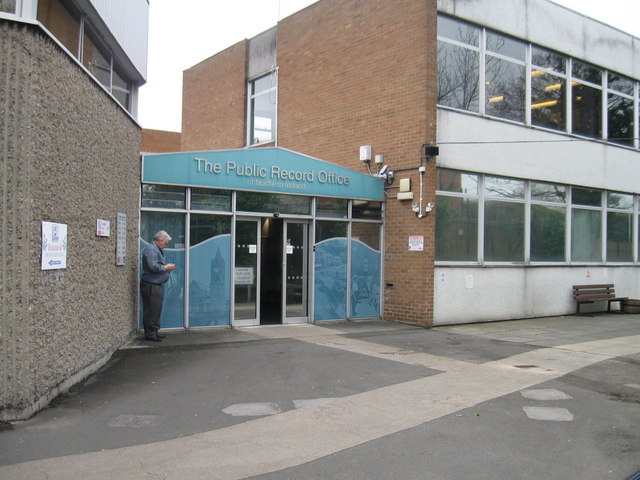

Step 4: Plan review letters and certificates of occupancy
Before a permit is issued, a plans examiner checks the drawings against the adopted codes and sends correction letters listing what must change. Those letters show what the office caught on paper: a missing engineered truss layout, an undersized beam, a stairway that does not meet the residential code, an energy compliance form left blank. They are public records in the permit file. Requesting the correction letters for a sample of permits from one builder, or for one subdivision, shows whether the same problems recur. Comparing letters with the final inspection results shows whether problems caught on paper were also caught in the field.
Two legal points shape a plan review story. First, Idaho Code 39-4116(6) says permits are governed by the laws in effect when the application is received, so a house permitted under an older code edition is judged against that edition even if it is built after a newer one takes effect. Lesson 02, The Codes: What Idaho Adopts and Who Decides, explains which editions apply and when.25 Second, house plans are not secret records under the critical-infrastructure exemption. Idaho Code 74-105(4)(b) exempts "plans, blueprints" and similar records only when they relate to "proposed or existing critical infrastructure" and only "when the disclosure of such information is reasonably likely to jeopardize the safety of persons." An agency that denies a request for ordinary house plans must cite whatever other statute it relies on, as 74-103 requires.2613
The certificate of occupancy (C of O) is the building official's approval to use the building. The C of O date marks the end of the permit process and often the start of builder warranty periods, and the statute of repose discussed in lesson 11 runs from final completion. A request for C of O dates for every new house in a subdivision gives a reporter the timeline for each lot.
Step 5: DOPL registration, licenses and discipline
The Idaho Division of Occupational and Professional Licenses runs the boards that register contractors and license the trades. Its home page links to a license and registration lookup and a downloadable licensee list in the eDOPL system, and to its complaint page.15
What contractor registration means
The Idaho Contractor Registration Act, Idaho Code 54-5201 onward, has 17 sections and has been in force since Jan. 1, 2006. Section 54-5204 makes it unlawful to "engage in the business of, or hold himself out as, a contractor" without registering, and bars a contractor from hiring another contractor who must be registered without "satisfactory proof" of current registration. Section 54-5205 lists exemptions.2728 The application under 54-5210 is made under oath and must name every owner; show workers' compensation coverage or explain why none is required; show general liability insurance with products and completed operations coverage "in the sum of not less than three hundred thousand dollars ($300,000) single limit"; describe the type of work; and state whether any owner has had a contractor license or registration denied, surrendered or revoked anywhere. The fee is set by the board at no more than $150 a year. The statute requires no examination and no bond.2
A story that calls a builder "licensed" should check which credential it means. Electricians, plumbers and HVAC installers hold licenses that require tested qualifications; general contractors hold registrations. Lesson 07, Why Quality Can Fall Even as Code Grows, compares the two systems and other states' contractor licensing.
What is public and what is not
Complaint files are closed. Idaho Code 67-2615(1), added in 2022, says complaints, investigations and informal proceeding records of DOPL boards "are the property of the division" and "are exempt from disclosure under the public records act," citing 74-106(9). That subsection exempts information gathered in an inquiry into a person's fitness for a license, and it also says agencies holding such records "shall annually make available a statistical summary of the number and types of matters considered." A request for that summary from the Contractors Board, by year and type of complaint, is a request the statute anticipates.329
Final discipline is public. DOPL's process page says a complaint is screened; if the board has jurisdiction, an investigator may interview the parties and gather documents; if there is no "clear and convincing evidence" of a violation the case is closed; otherwise the board's prosecutor files an administrative complaint, which can end in a stipulation and consent order or a hearing before an independent hearing officer and a final order by the board. "The Stipulation and Consent Order is a final disciplinary action and therefore is a public record."4
Grounds and penalties for registered contractors are in Idaho Code 54-5215: violating the registration chapter (including lapsed registration or insurance), fraudulent misrepresentation to consumers, fraud in obtaining a registration or a building permit, "dishonest or dishonorable dealings," discipline in another jurisdiction and other grounds. The board may issue an informal letter of reprimand or a formal reprimand, suspend or revoke a registration, and impose a civil penalty of up to $1,000.30 House Bill 703 (2026), a House Business Committee bill signed March 27, 2026, as Session Laws chapter 221 and effective July 1, 2026, added Idaho Code 67-2616, a single set of discipline tools for every board DOPL administers: refusal to renew, revocation, suspension, required training, public reprimand, restitution, fines of up to $1,000 per count unless another law sets a different amount, and costs and fees. It also says informal dispositions "may remain confidential."3132 DOPL's legal counsel briefed the Idaho Building Code Board on the new law at its Aug. 11, 2026, meeting.33
DOPL complaint and discipline counts
DOPL's FY2026 performance report, a PDF whose document properties show it was created Oct. 13, 2026, and which covers state fiscal years 2023 to 2026, gives each board's license count, complaints and final disciplinary actions. For the four construction boards:5
| Board | Measure | FY2023 | FY2024 | FY2025 | FY2026 |
|---|---|---|---|---|---|
| Contractors Board | Registrations ("Total Number of Licenses") | 21,775 | 22,773 | 20,597 | 25,269 |
| Complaints against licensees | 217 | 419 | 485 | 580 | |
| Final disciplinary actions | 89 | 1 | 15 | 42 | |
| Electrical Board | Licenses | 12,413 | 17,230 | 19,173 | 23,801 |
| Complaints | 95 | 66 | 47 | 62 | |
| Final disciplinary actions | 75 | 64 | 16 | 29 | |
| Plumbing Board | Licenses | 8,670 | 9,174 | 8,970 | 10,894 |
| Complaints | 102 | 73 | 81 | 12 | |
| Final disciplinary actions | 78 | 72 | 14 | 16 | |
| HVAC Board | Licenses | 8,846 | 7,093 | 6,991 | 7,780 |
| Complaints | 51 | 39 | 53 | 47 | |
| Final disciplinary actions | 32 | 36 | 3 | 23 |
Source: DOPL Performance Report, FY2026, board tables. Idaho's fiscal year runs July 1 to June 30.5
Complaints against registered contractors grew from 217 in FY2023 to 580 in FY2026, while registrations grew from 21,775 to 25,269. By our calculation that is about 10.0 complaints per 1,000 registrations in FY2023 and 23.0 per 1,000 in FY2026 (methods box below). That increase is a fact about complaints filed with DOPL. It does not by itself show that contractors' work got worse: complaints rise when more people learn they can file, when DOPL changes its intake, or when a downturn leaves more jobs unfinished. Lesson 06 explains why complaint counts are a reported measure, not a measured one. The discipline numbers swing too much (89, then 1, then 15, then 42) to read as a trend without asking DOPL how cases are counted and when they close.
How we figured it: DOPL complaint rates
Inputs. Contractors Board figures from DOPL's FY2026 performance report: registrations 21,775 (FY2023), 22,773 (FY2024), 20,597 (FY2025), 25,269 (FY2026); complaints 217, 419, 485, 580; final disciplinary actions 89, 1, 15, 42.5
Complaints per 1,000 registrations. Complaints divided by registrations, times 1,000: FY2023 217 / 21,775 x 1,000 = 10.0; FY2024 18.4; FY2025 23.5; FY2026 23.0.
Why we did not compute a discipline rate per complaint. A final order in one fiscal year often resolves a complaint filed in an earlier year, so dividing one year's orders by the same year's complaints mixes different cases. Over the four years together the report counts 1,701 complaints and 147 final disciplinary actions; that ratio (8.6 per 100) is a rough indicator only.
Other states show more
Neighboring states put more of a contractor's history in the public lookup. Washington's Department of Labor and Industries says its Verify tool lets the public "find out if they have any lawsuits against their bond," see "safety citations or other infractions," confirm owners' names and check workers' compensation coverage. Washington raised its contractor bond to $30,000 for general contractors and $15,000 for specialty contractors effective July 1, 2024, under a law passed by the 2023 Legislature.3435 Oregon's Construction Contractors Board says a license check shows whether the contractor is "actively licensed and has a surety bond," carries workers' compensation, and "had any complaints or disciplinary actions filed with the CCB in the past 10 years."36 Idaho's statute requires no bond for registration and makes complaint files exempt, so the Idaho record a reporter can reach is narrower: registration status and owners, insurance at the time of application, and final orders.23
Step 6: Septic files and well logs
Outside the sewer line, two more agencies hold a house's records. Lesson 04, Septic, Wells and Water, explains the permit rules; this section covers the files.
Septic. South Central Public Health District (SCPHD) reviews applications and issues permits for new, enlarged and replacement subsurface sewage systems, reviews subdivisions to remove sanitary restrictions, reviews proposals for planning and zoning bodies, licenses and tests installers, and publishes lists of installers and pumpers "as a public service," without recommending them.37 Its septic records portal is searchable by county and then by city or town; for rural grid addresses the district advises searching by street name first. The records cover Blaine, Camas, Cassia, Jerome, Gooding, Lincoln, Minidoka and Twin Falls counties, and the district notes that "Septic permits were not required before 1971," so older systems may have no file. Requests for records the portal does not show go to the district's septic email address or its Twin Falls phone line.11 Central District Health, which serves Ada County, and Southwest District Health, which serves Canyon County, keep their own septic files; lesson 01 maps the seven districts.
A septic file shows the site evaluation (test holes and soil), the approved design, the installer and the final inspection. For a defect-cluster story in a subdivision on septic, the files show whether every lot used the same installer and the same system type.
Wells. The Idaho Department of Water Resources (IDWR) offers a Find a Well map that shows well dimensions, subsurface geology and water levels and holds "scanned images of historical well documents, such as the Well Driller's Report (Log)," a Well Construction Search, a Licensed Well Driller Search and an online drilling permit application. IDWR says owners and drillers "must first obtain a drilling permit from IDWR" before drilling.12 A well log is the driller's record of what was drilled, not a test of water quality; water testing results for a private well are generally the owner's records unless they were filed with a health district or a lender.
Step 7: Building Code Board and DOPL board minutes
The Idaho Building Code Board, a ten-member board administered by DOPL, posts agendas and minutes on DOPL's building program pages, including public hearing minutes for its rulemaking. Its list showed regular meetings on Sept. 9 and Oct. 21, 2025, Feb. 10, June 9 and Aug. 11, 2026, and an agenda for Oct. 28, 2026, along with public hearing minutes from Oct. 15 and Nov. 12, 2025.3816
Minutes are short but they flag what is coming. At the Aug. 11, 2026, meeting, according to its minutes, DOPL legal counsel Gabriel Arroyo reviewed draft executive agency legislation for Idaho Code 39-4101 that "would adopt the 2024 International Building Code, 2024 International Residential Code, 2024 International Energy Conservation Code, and the 2024 International Existing Building Code with all current amendments, revisions, or modifications made by the Board through Negotiated Rulemaking," and that "would take effect July 1, 2028 if passed." The board also reviewed battery safety provisions in the 2027 International Fire Code and said it would watch the State Fire Marshal's adoption. No one offered public comment.33 A draft like that is the start of a code-fight story: it must pass the Legislature, and lesson 02 tells the story of earlier fights over code editions.
The Contractors Board, the Electrical, Plumbing and HVAC boards and the Factory Built Structures Advisory Board also meet in public under Idaho's open meeting law, and DOPL lists all board meetings on one calendar. Their minutes record rule changes, discipline approved in open session and staff reports. The site's Idaho Open Meetings course explains what must happen in public.15
Step 8: Legislative records
Every bill on legislature.idaho.gov has a page with the bill text, amendments, engrossed versions, the statement of purpose and fiscal note, a dated history with floor votes and the session law chapter once signed. For example, the page for Senate Bill 1352 (2026), the starter-home bill covered in Part B, shows a Senate vote of 25-10-0 on March 19, a House vote of 36-34-0 on March 26, the governor's signature on March 31 and Session Laws chapter 264, effective July 1, 2026; the full roll calls list every legislator's vote.39 House Bill 703 (2026), the DOPL discipline bill discussed above, shows the House Business Committee as sponsor, the governor's signature on March 27, 2026, chapter 221 and a July 1, 2026, effective date.31
Standing committee pages hold minutes, posted after the committee approves them, and the legislature notes that the electronic versions are reproductions while the official minutes stay with each committee. Exhibits can be requested from the committee secretary or, after the session, from the Legislative Reference Library, and a Digital Media Archive holds past agendas, minutes and audio and video.40 For a code or contractor bill, the minutes name who testified for and against it, and the audio has what they said.
The statute itself is a record too. The history line at the bottom of each Idaho Code section lists every session law that changed it. Idaho Code 39-4116, the section on local adoption and amendment of building codes, was added in 2002 and amended in 2004, three times in 2009, in 2010, 2014, 2018 and 2022, in 2025 (chapter 40) and again in 2026 (chapter 320).25 Each chapter number leads to a bill, and each bill to its hearings. The site's Testifying and Public Comment course explains how those hearings work.
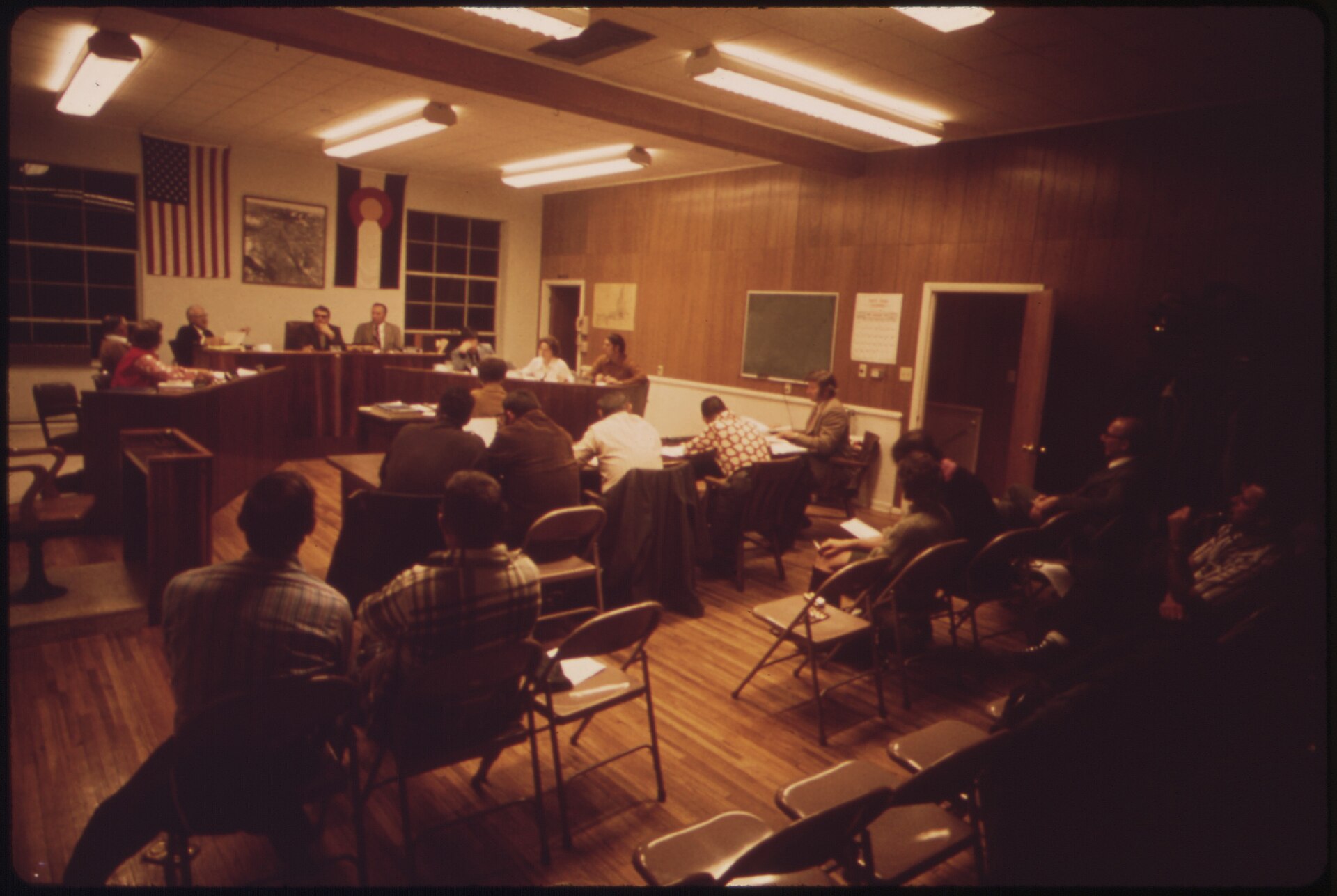

Step 9: Court filings and liens
Construction disputes leave two kinds of public trace: liens at the county recorder and lawsuits in the courts.
Liens. Under Idaho Code 45-507, a contractor, subcontractor or supplier claiming a lien must record the claim with the county recorder where the property sits within 90 days after completing the work or furnishing the materials, and must serve a copy on the owner within five business days of filing. The claim states the amount owed, the owner, who hired the claimant, a description of the property and, for work covered by 45-525, proof of the required disclosure, all verified under oath.17 A cluster of liens filed by subcontractors and suppliers against one builder's houses can be an early sign that a builder is not paying its trades. A lien is a claim, not a finding: it shows what the claimant says it is owed.
Lawsuits. Idaho's courts post case information through the iCourt Public Access Portal; the legacy Smart Search and Hearings Search portals remain available until Dec. 1, 2026.19 Idaho Court Administrative Rule 32 governs access. Under I.C.A.R. 32(d), indexes, calendars, dockets, orders, judgments, minutes and filed pleadings and motions are open unless an exemption applies. Under 32(e), bulk distribution of electronic court data is not allowed, though the Supreme Court may grant exceptions for journalistic, scholarly and other purposes; under 32(f), anyone may request "existing compiled information," and the Supreme Court must respond within ten working days. A court custodian must respond to a records request within three working days under 32(k).18 The iCourt portal lesson in the Court Records Research course shows how to search.
What courts do not show. Idaho's Notice and Opportunity to Repair Act requires a homeowner to serve a written notice of claim on the construction professional before suing over a construction defect; the professional has 21 days to respond, and a suit filed without the notice must be dismissed without prejudice (Idaho Code 6-2503). Those notices and responses are private letters, not court filings, and statements made in the process are not admissible as admissions in a later action.41 Many builder contracts also send disputes to arbitration, which is private. A court docket therefore shows only the disputes that were not resolved by repair, settlement or arbitration. Lesson 11 explains each step.
Insurance and warranty data: what you cannot get
The records that would best measure defects in new houses are mostly private. Builder warranty claims, third-party home warranty company claims, insurer claims for water damage or roof failure and homeowner association reserve studies sit with companies or private associations that are not "public agencies" under Idaho Code 74-101(11), so the Public Records Act does not reach them.14 They become public only when they are filed in court, attached to a public body's record (for example, a city's own claim file), or released voluntarily. A company's summary statistics, when offered, are the company's own and should be labeled that way. Lesson 06 lists the national surveys and datasets that do exist and how to label them.
Interviewing inspectors, officials, trades, builders and buyers fairly
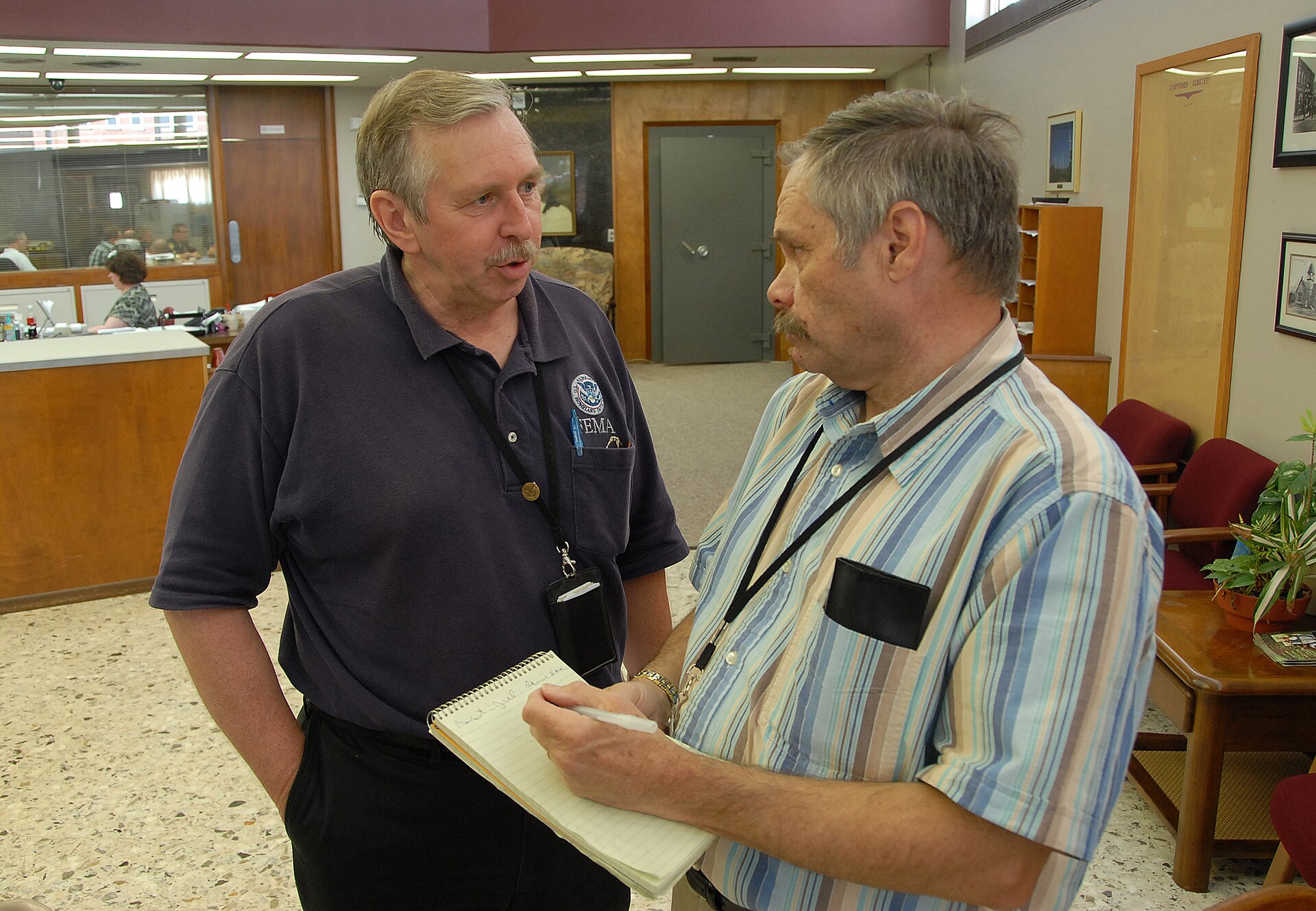

Every side in a building dispute has information the records lack, and every side has a reason to frame it. Interviews work best after the records are in hand, so questions can be specific.
Inspectors. Field inspectors know what they see daily but often need permission from a building official to speak. Ask about workload in concrete terms (inspections per inspector per day, the share of inspections done the day requested), what they check at each stage and what they cannot see. Ask whether results are recorded consistently. Avoid asking an inspector to judge a named builder off the record; the inspection log is the on-the-record version.
Building officials and city managers. Ask for staffing over time (budgeted and filled inspector and plans examiner positions), permit counts for the same years, the use of contract or third-party plan review and inspection (39-4116(1) lets a local government contract with a public or private entity to run its program), turnaround targets and how they are measured.25 Boise's split between city time and applicant time is a model for the question.8
Trades. Licensed electricians, plumbers and HVAC installers see the work of many builders. They can describe schedule pressure, pay methods and what they are asked to skip, but they also compete with each other and depend on builders for work. Their accounts are leads to check against inspection records, not findings.
Builders. A builder named in a story is entitled to see the specific claims and documents and to respond in time to be included. Ask about their warranty process, how many warranty requests they receive and close, their trades and supervision, and the specific houses at issue. Builders can also explain market pressures (land, materials, labor, interest rates) that lessons 08 and 09 document.
Buyers. Homeowners with defects are the people with the most at stake and often the least documentation. Ask for the purchase contract, the warranty, every written notice and reply, photos with dates, inspection reports they paid for and any engineer's report. Note whether a NORA notice or arbitration is pending, because those processes shape what they can say and what the builder can say. Some will be in settlement talks that require confidentiality.
Verifying a defect claim
A defect claim can be a photo of a cracked slab that is normal shrinkage, or a photo of a crack that an engineer says reflects a failed footing. The steps below are a sequence for testing a claim before any story calls it a defect.
- Identify the house: address, parcel number, permit number, builder, contractor registration number from the permit and the certificate of occupancy date.
- Get the permit file: plan review letters, inspection history with results and comments, and any field correction notices.
- Match the claim to an inspection stage. A foundation claim points to footing and foundation inspections; a leak points to roofing, flashing and window installation, which a building inspector may not check in detail.
- Collect the owner's documents: dated photos, the warranty and claim correspondence, any NORA notice and the builder's response.
- Look for an independent technical report: a licensed professional engineer's report, a home inspector's report (label it as such) or a manufacturer's representative's findings. Note who paid for each.
- Check for patterns: other houses by the same builder in the same subdivision or years, using the city permit list, liens at the recorder and lawsuits in iCourt.
- Check the builder's DOPL registration and any final orders, and the trades' licenses.
- Put every specific claim to the builder and to the building department in writing, with time to respond.
- Describe the claim at the level the evidence supports: "the owners say," "an engineer hired by the owners found," "the city's inspection record shows," or "a court found."
Fairness and libel risk when naming builders
A false statement that a named builder did defective work can damage a business, and builders do sue. The legal rules set the floor for fairness, not the ceiling.
The federal constitutional rules. In New York Times Co. v. Sullivan, 376 U.S. 254 (decided March 9, 1964), the U.S. Supreme Court held that a public official suing over criticism of official conduct must prove "actual malice," that the statement was made "with knowledge that it was false or with reckless disregard of whether it was false or not."42 In Gertz v. Robert Welch, Inc., 418 U.S. 323 (decided June 25, 1974), the Court held that for private-figure plaintiffs "so long as they do not impose liability without fault, the States may define for themselves the appropriate standard of liability," but that states "may not permit recovery of presumed or punitive damages" without proof of knowledge of falsity or reckless disregard.43 A building official is a public official. Most builders, subcontractors and homeowners are private figures for most purposes, which means a lower fault standard can apply to statements about them.
The Idaho deadline. Idaho Code 5-219(5) sets a two-year limitation period for "an action for libel, slander, assault, battery, false imprisonment or seduction."44
Practices that keep a story on the record.
- Attribute every defect claim to its source: the owner, an engineer, the city's inspection log, a DOPL order or a court. Do not convert an allegation into a fact by dropping the attribution.
- Quote records exactly. A failed inspection is "failed framing inspection, corrections noted," not "the framing was dangerous," unless the record says so.
- Describe a lawsuit as a lawsuit: the complaint's allegations are claims, and a dismissal or settlement is not a finding either way. Report the outcome or say the case is pending.
- Describe a lien as a claim of unpaid amounts, not as proof the builder owes them.
- Separate the builder from the trades and the inspector. A failed electrical rough-in may reflect a licensed electrical subcontractor's work.
- Give the builder the specific claims, the documents and a fair deadline, and report what the builder says or that the builder did not respond.
- Keep the counts honest. "Twelve owners in one subdivision filed warranty claims about roof leaks" is a fact if documented; "the builder's roofs leak" is a conclusion.
Privacy. Permit lists can include homeowners' names and phone numbers; Meridian's weekly list has an owner and phone column.9 A homeowner who pulled a permit has not agreed to be in a story. Publishing a data set of permits can be done without owner names and phone numbers, and a story about one family's house is a choice to make with that family. Idaho Code 74-120 also bars an agency from distributing or selling a list of persons for use as a mailing or telephone list without the listed people's permission; Part C's reporting lesson discusses it.45
Story checklists
Five common building stories, with the records each one needs. Each is a list of records and questions, not a conclusion to reach.
An inspector caseload story
- Permits by year for the city or county, from the local list and the Census BPS county or place file (note imputed figures).20
- Inspections completed by year, from the permit system.
- Budgeted and filled inspector and plans examiner positions by year, from adopted budgets and personnel records.
- Any contract inspection or plan review agreements and their costs.
- Turnaround measures, defined the way the office defines them (Boise's city time and applicant time).8
- Computed: inspections per inspector per working day, and permits per plans examiner, with the method shown.
- Interviews: the building official, inspectors (with permission), builders and their trade association, and the council or commission that sets the budget.
A defect-cluster story
- The permit list for the subdivision or builder, with contractor registration numbers.
- Inspection histories for every permit in the cluster, not just the complaining owners' houses.
- Owners' documents and any independent engineer reports, labeled by who paid.
- Liens recorded against the lots; lawsuits and arbitration awards confirmed in court records.
- DOPL registration and final orders for the builder and licenses for the trades.
- The HOA's status: whether the builder still controls the association as declarant (Part C's How HOAs Are Born and Who Controls Them).
- The builder's response to each documented claim.
A materials-price story
- The national Producer Price Index series lesson 08 identifies, with series ID, base period and seasonal adjustment; there is no Idaho PPI.
- Federal Register notices for tariffs and duties, with dates and rates.
- Inflation adjustment, with the method shown.
- Local evidence labeled as such: lumber yard quotes, builder bids and change orders.
- Materials' share of the full price from lesson 09, labeled as industry survey data.
Lesson 08, Raw Materials: How Much, Why, and the Trend, has the series and the tariff record.
A code-fight story
- The Building Code Board's agendas, minutes and rulemaking hearing records (for example the Aug. 11, 2026, draft to adopt the 2024 codes effective July 1, 2028, if passed).33
- The bill page: text, statement of purpose, fiscal note, roll calls and session law chapter.39
- Committee minutes, exhibits and audio for each hearing.40
- The statute's history line, which lists each session law that changed it.25
- Positions of each interest in their own words: builders' associations, energy and efficiency groups, building officials, insurers, fire officials and homeowners, each labeled.
- Cost and benefit claims checked against their sources, with industry and advocacy studies labeled.
A permit-delay story
- Application, completeness, correction letter, resubmittal and issue dates for each permit in the sample.
- The office's own definitions of its turnaround measures, and whether it separates its own time from the applicant's.8
- Staffing and permit volume for the same months.
- Which other offices had to sign off (fire, public works, health district, highway district) and their dates; lesson 01 lists them.
- Idaho Code 39-4116(6): which code edition applied to the application.25
- The applicant's and the office's accounts of the specific delay.
The Magic Valley angle
In the Magic Valley, permit volumes are small enough that a reporter can read every file. Twin Falls County's 501 single-family units authorized in 2025, Jerome County's 143 and Gooding County's 34 (Census BPS) are counts a newsroom can match permit by permit to inspection histories, septic files and liens.21 Small numbers also cut the other way: one builder's problems can move a county rate, and a year with two failed foundations is not a trend.
The records sit in more places than in Boise. A house in unincorporated Jerome or Gooding County may have its building permit with the county building department (lesson 03 says Jerome County runs one) or no building permit at all where no local program exists, its electrical and plumbing permits with DOPL, its septic file with SCPHD in Twin Falls, its well log with IDWR, its address and parcel with the county and its liens with the county recorder. Lesson 03 confirms which office holds which permit in each Magic Valley town and county. SCPHD's online septic portal is the strongest single online source for rural Magic Valley houses, and Twin Falls' dashboard and monthly lists are the strongest city source we found.1110 Part A's Magic Valley case study gives the growth figures behind the permits.
Small departments are also short of people to answer requests. A clerk handling a records request may also be the permit technician. A narrow request is easier for a one-person office to fill within the deadlines and extensions of 74-103.13
Pictures, Numbers and Infographics
| Measure | Idaho | U.S. or other states | Place or year | Source |
|---|---|---|---|---|
| Contractor registration required | Since Jan. 1, 2006; number on every permit | Washington and Oregon license contractors and require bonds | Idaho Code 54-5204, 54-5209 | 281 |
| Registration requirements | $300,000 liability insurance; workers' comp or reason none needed; fee up to $150 a year; no exam | Washington bond $30,000 general, $15,000 specialty (since July 1, 2024) | Idaho Code 54-5210 | 235 |
| Complaints against registered contractors | 217 (FY2023), 580 (FY2026) | Oregon license check shows complaints for past 10 years | DOPL FY2026 report | 536 |
| Complaints per 1,000 registrations | 10.0 (FY2023), 23.0 (FY2026) | No comparable published U.S. figure found | Our calculation | 5 |
| Final discipline, Contractors Board | 89, 1, 15, 42 (FY2023 to FY2026) | DOPL FY2026 report | 5 | |
| DOPL permits and inspections (all types) | 66,237 permits; 145,855 inspections (FY2026) | Statewide, DOPL only | 5 | |
| Single-family units authorized | Ada 4,637; Canyon 3,045; Twin Falls 501; Jerome 143; Gooding 34 | About 19,900 permit-issuing places in the U.S. universe (2023) | 2025 | 216 |
| BPS response rate | Not published by state | About 80% of offices (2025 annual survey) | U.S. | 6 |
| Records request deadline | 3 working days (resident), 21 days (nonresident); 10 working days and 35 days with notice | Idaho Code 74-103 | 13 | |
| Lien claim deadline | 90 days after completion; serve owner within 5 business days | Idaho Code 45-507 | 17 | |
| NORA response time | 21 days after notice | Idaho Code 6-2503 | 41 | |
| Libel limitation period | 2 years | Idaho Code 5-219(5) | 44 | |
| Septic permits required | Since 1971 (SCPHD) | Magic Valley counties | 11 | |
| Next code edition proposed | 2024 IBC, IRC, IECC, IEBC; effective July 1, 2028, if passed | Building Code Board, Aug. 11, 2026 | 33 |
Common mistakes
- Treating a Census permit count as a full count. The BPS imputes for offices that do not report; in 2020, 20 of Gooding County's 32 single-family units were estimates. Check the reported columns before writing about a small county.76
- Reading permit valuation as a price. The Census Bureau says valuation "should be used with caution"; it is the figure on the permit, excludes land and is not a sale price.6
- Calling a registered contractor "licensed." Idaho's Contractor Registration Act requires insurance and a fee, not an exam; electricians, plumbers and HVAC installers hold licenses.2
- Reading a rise in complaints as a rise in bad work. DOPL's Contractors Board complaints rose from 217 to 580 between FY2023 and FY2026, but complaint counts depend on who complains and how DOPL takes them in.5
- Expecting to see complaint files. Idaho Code 67-2615 exempts complaints, investigations and informal proceedings; ask for final orders and the annual statistical summary that 74-106(9) requires.329
- Reading a passed final inspection as a quality guarantee. An inspection checks the adopted code's minimums at the stages the office inspects; lesson 07 explains what the code covers.
- Assuming a city building permit file includes the electrical, plumbing and HVAC record. Where DOPL issues those permits, their inspection history is with DOPL; lesson 01 explains who holds each.
- Treating a lien or a lawsuit as proof. A lien is a sworn claim under Idaho Code 45-507; a complaint in court is an allegation until a court rules.17
- Assuming no court case means no dispute. NORA notices under Idaho Code 6-2503 and arbitration happen outside court.41
- Comparing inspection failure rates across cities. Each office codes results differently; compare one office with itself over time.
- Taking a single headline number from a report without checking its table. Boise's July 2026 report states an 18 percent drop while its table shows 27 permits against 39.22
What we know, what we don't, and what the data can show
What we know
- Every permit since 2006 must carry a contractor registration number or an exemption note (Idaho Code 54-5209).1
- Contractor registration requires insurance and a fee but no exam or bond (Idaho Code 54-5210).2
- DOPL complaint files are exempt, final orders are public, and DOPL publishes annual counts by board.345
- The Census BPS covers permit-issuing places that account for over 99 percent of new private residential buildings, with imputation for nonreporters.6
- SCPHD's septic records and IDWR's well records are searchable online.1112
What we don't know
- Inspection pass, fail and re-inspection rates for any Idaho city: none we found are published.
- Inspector staffing over time compared with permit volume, city by city.
- Which Magic Valley small towns post permit lists online and how far back their electronic records go.
- What share of construction defect disputes end in NORA settlements, arbitration or warranty repairs that never reach a court.
- How DOPL counts a "complaint" and a "final disciplinary action" and why FY2024's count of final discipline for contractors was 1.
What the data can show
- Census BPS county and place files: permits per year by structure type and how much was imputed.20
- City permit exports (Meridian weekly lists, Twin Falls monthly lists): permits by builder, subdivision and year.910
- City or DOPL inspection logs obtained by request: first-time pass rates and re-inspections per permit, by inspection type and year.
- DOPL performance reports: complaints and final discipline per 1,000 registrations or licenses, by board and year.5
- County recorder indexes and iCourt: liens and construction cases per 1,000 permits, by builder and year.1718
- Boise's timeframe reports: city review time compared with applicant time, by permit type.8
Questions people ask
Can anyone see the permit and inspection records for a house?
Generally yes. Permit and inspection records held by a city, county or DOPL are public records under Idaho Code 74-101(13) unless a specific exemption applies, and the agency must cite that exemption if it withholds anything. Owners do not have to consent. Some cities post permits online; others require a request.1413
Why can't I see complaints against a contractor?
Idaho Code 67-2615 makes complaints, investigations and informal proceedings of DOPL's boards exempt from the Public Records Act. Final disciplinary orders, including stipulations and consent orders, are public, and 74-106(9) requires agencies holding licensing inquiry records to make an annual statistical summary available.3429
Does a registration number on a permit prove the builder was registered?
No. Idaho Code 54-5209 requires the permit office to ask for the number and print it, or to print "no contractor registration provided" for an exempt applicant, and it says the office does not have to verify that an applicant is exempt. Checking the number against DOPL's lookup for the dates of the work is a separate step.115
Where do I find septic records for an older rural house?
In the Magic Valley, South Central Public Health District's online portal covers its eight counties; houses with systems installed before 1971 may have no permit because permits were not required. Other districts keep their own files.11
Are construction defect lawsuits easy to find?
Filed cases are searchable through iCourt by party name, but there is no case type that isolates construction defects, bulk downloads of court data are not allowed without Supreme Court permission under I.C.A.R. 32(e), and many disputes end in NORA settlements or arbitration before any filing. A compiled data request under 32(f) is one route to a list.1841
How current are Census permit numbers?
Monthly revised figures are typically published on the 17th workday of the following month, and final annual figures come months after the year ends; final 2025 estimates were released May 14, 2026.20
Hard questions
Should Idaho make contractor complaints public?
For opening them: Oregon's license check shows complaints and discipline for the past 10 years, and buyers of a new house in Idaho cannot see whether others have complained about the same builder until a case reaches a final order.36 For keeping them closed: a complaint is an unproven allegation, competitors or unhappy customers can file them, and DOPL's own process closes cases without "clear and convincing evidence" of a violation; publishing every complaint could punish contractors who did nothing wrong.4 What the evidence shows: Idaho law currently chooses confidentiality (67-2615), with aggregate counts available. We found no study comparing outcomes for buyers in states with open and closed complaint records.3
Should cities publish inspection pass and fail rates?
For: they are the only public measure of how often work fails code at each stage, and publication would let buyers and councils see trends. Against: each office codes results differently, a high failure rate can reflect a careful inspector rather than bad builders, and rates by builder could be misread without context. What the evidence shows: none of the Idaho reports we reviewed publish these rates; Boise's timeframe report shows that an office can define and publish a measure carefully.8
Should Idaho require contractor bonds or exams?
For: Washington requires bonds of $30,000 and $15,000 and its Verify tool shows lawsuits against them, giving consumers both a fund and a public record.3534 Against: registration costs are low (no more than $150 a year under 54-5210), bonds and exams add costs that small contractors and their customers would bear, and Idaho already licenses electrical, plumbing and HVAC work through separate boards. What the evidence shows: Idaho Code 54-5210 requires liability insurance and no bond or exam; lesson 07 covers bills on contractor licensing.2
Is a story about one builder's defects fair to the builder?
For naming: buyers make large purchases and benefit from documented patterns, and public records (permits, liens, court filings, final orders) are fair to report accurately. For caution: one subdivision's problems may come from a subcontractor, a supplier, soils or a design, and a builder may have repaired most claims. What the evidence shows: the legal standard for private figures allows liability for fault short of actual malice under Gertz, so accuracy, attribution and the builder's response carry the weight.43
For reporters and advocates
Records that exist. City and county permit files, plan review correction letters, inspection logs and certificates of occupancy; DOPL trade permit and inspection records where the state inspects; DOPL contractor registrations, trade licenses, final orders and annual board counts; SCPHD and other health district septic files; IDWR well permits and driller's reports; Idaho Building Code Board and DOPL board agendas and minutes; legislative bill pages, statements of purpose, roll calls and committee minutes; county recorder lien indexes; court filings through iCourt; the Census BPS county and place files.15111216401820
Questions to ask officials.
- To a building official: How many inspectors and plans examiners were budgeted and filled each year since 2020, and how many permits and inspections were completed? What share of inspections happen on the day requested? Does the office use contract inspectors or plan reviewers?
- To the same office: What fields does the permit system hold, and can it export them? How are "fail," "partial" and "not ready" defined?
- To DOPL: What is the annual statistical summary of Contractors Board matters by type under Idaho Code 74-106(9)? How are complaints and final actions counted, and why did FY2024 record one final action?295
- To the Building Code Board or DOPL: What is the status of the draft legislation to adopt the 2024 codes, and who has commented?33
- To a health district: How many septic permits, failures and replacement permits were issued by county and year?
- To legislators: what problem a code or contractor bill is meant to solve, and what evidence the committee received.
Public records requests. Under Idaho Code Title 74, residents get an answer in three working days (10 with written notice), nonresidents in 21 days (35 with notice), and residents pay nothing for the first two hours of labor or 100 pages.1324 The Idaho Public Records Requests course has model requests and appeal steps, and the Court Records Research course covers court files.
The Magic Valley angle. Small permit counts make full-file reviews possible; SCPHD's septic portal and Twin Falls' permit lists are online; small towns' records may need a request, and county and DOPL jurisdiction must be checked house by house using lesson 03's table.1110
Where to go next
- DOPL license and registration lookup (eDOPL): Free state search of contractor registrations and trade licenses by name or number; shows status, not complaints.
- Census Bureau BPS data files: Free comma-delimited permit files by state, metro area, county and place; open in any spreadsheet and use the reported columns to spot imputation.
- South Central Public Health District Septic Records Portal: Free online search of septic permits for eight Magic Valley counties, by county, town and street; no records before 1971.
- IDWR wells page (Find a Well and Well Construction Search): Free state map and search tools for well driller's reports, permits and licensed drillers.
- Idaho iCourt portal: The Idaho courts' public access portal for case and hearing information; searching is free, copies may carry fees.
- DOPL Idaho Building Code Board agendas and minutes: Free posted agendas, minutes and rulemaking hearing records for the board that recommends Idaho's building codes.
- City of Twin Falls Building Permit Information: Twin Falls' permit dashboard, monthly permit lists and online portal; free to view.
- Idaho Legislature bill and committee pages: Free committee minutes, agendas and links to audio and video archives for every standing committee.
Still being checked (6 items)
These points could not be fully confirmed against a primary source when this lesson was written and fact checked in November 2026. The text above states each one as uncertain.
- Whether Jerome, Kimberly, Gooding, Buhl and Hagerman post building permit lists or inspection results online was not checked for this lesson; lesson 03 covers who issues permits in each.
- No Idaho city was found publishing inspection pass, fail or re-inspection rates, but this lesson did not survey every city's website.
- Boise's July 2026 monthly construction report states single-family permits were 18 percent below July 2025, while its table shows 27 against 39 (about 31 percent lower); we could not determine which basis the 18 percent uses.
- DOPL's performance report does not define how complaints and final disciplinary actions are counted, or why the Contractors Board recorded 1 final action in FY2024; we did not obtain DOPL's explanation.
- The photo of a city council meeting is identified as Rifle from the National Archives file title on Wikimedia Commons; the Commons page could not be loaded to confirm the full description when this lesson was written.
- Whether DOPL publishes the annual statistical summary of licensing inquiry matters that Idaho Code 74-106(9) requires, beyond the board tables in its performance report, was not confirmed.
Last verified November 21, 2026. General education, not legal, tax, financial or real estate advice; every figure names its source and year in the Notes and Sources below. Data is revised: check the newest release before relying on any number.
Notes
- Idaho Code section 54-5209, Building permits and contractor registration number, posting at site; history: added 2005, ch. 153 (read Nov. 21, 2026). Read it online. ↩
- Idaho Code section 54-5210, Application for registration (insurance, workers' compensation, owners, fee of not more than $150 per year); history: added 2005, ch. 153; am. 2009, ch. 89 (read Nov. 21, 2026). Read it online. ↩
- Idaho Code section 67-2615, confidentiality of complaints, investigations and informal proceedings of boards administered by the Division of Occupational and Professional Licenses; history: added 2022, ch. 275 (read Nov. 21, 2026). Read it online. ↩
- Idaho Division of Occupational and Professional Licenses, Investigation and Disciplinary Process page (read Nov. 21, 2026). Read it online. ↩
- Idaho Division of Occupational and Professional Licenses, Performance Report (FY2026), Profile of Cases Managed and board tables for the Contractors, Electrical, Plumbing and HVAC boards, FY2023 to FY2026 (PDF created Oct. 13, 2026; read Nov. 21, 2026). Read it online. ↩
- U.S. Census Bureau, Building Permits Survey: Technical Documentation (universe of about 19,900 permit-issuing places as of January 2023; imputation method; "over 99 percent" coverage; valuation caution; about 80 percent unit response rate for the 2025 annual survey) (read Nov. 21, 2026). Read it online. ↩
- U.S. Census Bureau, Building Permits Survey, county annual file co2020a.txt, Idaho rows for Ada, Canyon, Gooding, Jerome and Twin Falls counties (downloaded Nov. 21, 2026). Read it online. ↩
- City of Boise, Planning and Development Services, Permit Processing Timeframes, May 1 to July 31, 2026 (read Nov. 21, 2026). Read it online. ↩
- City of Meridian, Building Permits for the Week, July 6 to 10, 2026 (13 pages) (read Nov. 21, 2026). Read it online. ↩
- City of Twin Falls, Building Safety Department, Building Permit Information page (Building Permit Dashboard, Permit Lists By Month, Building Permit Portal) (read Nov. 21, 2026). Read it online. ↩
- South Central Public Health District, Septic Records page and Septic Records Portal (read Nov. 21, 2026). Read it online. ↩
- Idaho Department of Water Resources, Wells overview page (Find a Well map, Well Construction Search, Licensed Well Driller Search, online drilling permit application) (read Nov. 21, 2026). Read it online. ↩
- Idaho Code section 74-103, Request and response to request for examination of public records: three working days for residents and 21 days for nonresidents, 10 working days and 35 days with written notice, deemed denial, contents of a denial; history: added 2015, amended 2022, 2024 and 2025 (read Nov. 21, 2026). Read it online. ↩
- Idaho Code section 74-101, Definitions, subsections (3), (8), (11) and (13); history: added 2015, ch. 140; am. 2018, ch. 143; am. 2020, ch. 338; am. 2022, ch. 306; am. 2023, ch. 256; am. 2025, ch. 298 (read Nov. 21, 2026). Read it online. ↩
- Idaho Division of Occupational and Professional Licenses, home page: license and registration lookup, licensee list, complaint link, permits map and eDOPL inspection requests, board calendar (read Nov. 21, 2026). Read it online. ↩
- Idaho Division of Occupational and Professional Licenses, Idaho Building Code Board meeting agendas and minutes page (read Nov. 21, 2026). Read it online. ↩
- Idaho Code section 45-507, Claim of lien; history: enacted 1893, most recently amended 2022, ch. 66 (read Nov. 21, 2026). Read it online. ↩
- Idaho Supreme Court, Idaho Court Administrative Rule 32, Records of the Judicial Department, subsections (d), (e), (f), (g) and (k) (read Nov. 21, 2026). Read it online. ↩
- Idaho Supreme Court, iCourt portal page (Public Access Portal; legacy Smart Search and Hearings Search available until 12/01/2026) (read Nov. 21, 2026). Read it online. ↩
- U.S. Census Bureau, Building Permits Survey, main page: geographic levels, release schedule, data file links; final 2025 annual estimates released May 14, 2026 (read Nov. 21, 2026). Read it online. ↩
- U.S. Census Bureau, Building Permits Survey, county annual file co2025a.txt, Idaho rows for Ada, Canyon, Gooding, Jerome and Twin Falls counties, one-unit columns with imputation and reported-only (downloaded Nov. 21, 2026). Read it online. ↩
- City of Boise, Monthly Construction Report, July 2026 (read Nov. 21, 2026). Read it online. ↩
- Idaho Division of Occupational and Professional Licenses, Plan Review and Permits page (building, manufactured housing and modular applications; fee table and calculators) (read Nov. 21, 2026). Read it online. ↩
- Idaho Code section 74-102, Public records, right to examine, subsections (4) and (10)(a) and (f) (read Nov. 21, 2026). Read it online. ↩
- Idaho Code section 39-4116, International codes, local governments, subsections (1), (2), (4) and (6); history: added 2002, ch. 345; amended 2004, 2009 (three acts), 2010, 2014, 2018, 2022, 2025 (ch. 40) and 2026 (ch. 320) (read Nov. 21, 2026). Read it online. ↩
- Idaho Code section 74-105, Records exempt from disclosure, law enforcement records, investigatory records, security records, subsection (4)(b) (critical infrastructure) (read Nov. 21, 2026). Read it online. ↩
- Idaho Code Title 54, Chapter 52, Idaho Contractor Registration Act, chapter index (sections 54-5201 to 54-5217) (read Nov. 21, 2026). Read it online. ↩
- Idaho Code section 54-5204, Registration required; history: added 2005, ch. 153 (read Nov. 21, 2026). Read it online. ↩
- Idaho Code section 74-106, Records exempt from disclosure, personnel records, personal information, health records, professional discipline, subsection (9) (licensing inquiries; annual statistical summary) (read Nov. 21, 2026). Read it online. ↩
- Idaho Code section 54-5215, Authority to investigate and discipline, suspension or revocation of registration; history: added 2005, ch. 153; am. 2018, ch. 348; am. 2020, ch. 320 (read Nov. 21, 2026). Read it online. ↩
- Idaho Legislature, House Bill 703 (2026), Occupational and Professional Licensing, bill page: sponsor House Business Committee; signed by the governor March 27, 2026; Session Laws ch. 221; effective July 1, 2026 (read Nov. 21, 2026). Read it online. ↩
- Idaho Code section 67-2616, division proceedings against a license, permit, certificate or registration; history: added 2026, ch. 221, sec. 31 (read Nov. 21, 2026). Read it online. ↩
- Idaho Building Code Board, Meeting Minutes of 08/11/2026 (DOPL) (read Nov. 21, 2026). Read it online. ↩
- Washington State Department of Labor and Industries, Verify a Contractor, Tradesperson or Business page (read Nov. 21, 2026). Read it online. ↩
- Washington State Department of Labor and Industries, news release 24-13, "Higher contractor bonds will help consumers stuck with shoddy construction," July 1, 2024 (read Nov. 21, 2026). Read it online. ↩
- Oregon Construction Contractors Board, Consumer Tools page (read Nov. 21, 2026). Read it online. ↩
- South Central Public Health District, Land Development page (read Nov. 21, 2026). Read it online. ↩
- Idaho Division of Occupational and Professional Licenses, Building Program page (Idaho Building Code Board and Factory Built Structures Board; members; meeting links) (read Nov. 21, 2026). Read it online. ↩
- Idaho Legislature, Senate Bill 1352 (2026), bill page: history, roll calls, Session Laws ch. 264 (read Nov. 21, 2026). Read it online. ↩
- Idaho Legislature, 2026 Standing Committees page (minutes, exhibits, Digital Media Archive) (read Nov. 21, 2026). Read it online. ↩
- Idaho Code section 6-2503, Notice of claim and opportunity to repair (Notice and Opportunity to Repair Act); history: added 2003, ch. 133 (read Nov. 21, 2026). Read it online. ↩
- New York Times Co. v. Sullivan, 376 U.S. 254 (1964), decided March 9, 1964 (Legal Information Institute text) (read Nov. 21, 2026). Read it online. ↩
- Gertz v. Robert Welch, Inc., 418 U.S. 323 (1974), decided June 25, 1974 (Legal Information Institute text) (read Nov. 21, 2026). Read it online. ↩
- Idaho Code section 5-219, Actions against officers, for penalties, on bonds, and for professional malpractice or for personal injuries, subsection 5 (read Nov. 21, 2026). Read it online. ↩
- Idaho Code section 74-120, Prohibition on distribution or sale of mailing or telephone number lists, subsections (1) and (2); history: added 2015, ch. 140; am. 2022, ch. 111; am. 2022, ch. 306 (read Nov. 21, 2026). Read it online. ↩
Check yourself
1. Under Idaho Code 54-5209, what must a city permit office do before issuing a construction permit?
Idaho Code 54-5209(1) requires the permit authority to request the registration number and put it on the face of the permit, or state "no contractor registration provided" for an exempt person.
2. What does the application for Idaho contractor registration require under Idaho Code 54-5210?
Idaho Code 54-5210 lists those items and names no examination or bond.
3. Which DOPL records are exempt from the Public Records Act under Idaho Code 67-2615?
Idaho Code 67-2615(1) makes complaints, investigations and informal proceeding records exempt; DOPL says a stipulation and consent order is a final disciplinary action and a public record.
4. In the Census Bureau's 2020 county file, how many of Gooding County's 32 single-family units were reported by permit offices?
The 2020 BPS county file shows 32 units with imputation and 12 in the reported-only columns, so 20 were estimated.
5. How many complaints against registered contractors did DOPL count in FY2026?
DOPL's FY2026 performance report lists 580 complaints, 42 final disciplinary actions and 25,269 registrations for the Contractors Board in FY2026.
6. How long does an Idaho agency have to grant or deny a resident's public records request before any extension?
Idaho Code 74-103(2) sets three working days for residents and 21 days for nonresidents, extendable with written notice to 10 working days and 35 days.
7. In the hypothetical inspection log in this lesson, why are "not ready" visits left out of the first-time pass rate?
The methods box explains that a not-ready visit is not a judgment of the work, so it is counted separately from passes and failures.
8. Under Idaho Code 45-507, when must a lien claim be recorded?
Idaho Code 45-507 requires recording with the county recorder within 90 days after completion and service on the owner within five business days of filing.
9. What did the Idaho Building Code Board review at its Aug. 11, 2026, meeting?
The board's Aug. 11, 2026, minutes describe draft executive agency legislation for Idaho Code 39-4101 adopting the 2024 codes, effective July 1, 2028, if passed.
10. Under Gertz v. Robert Welch, Inc. (1974), what may states not do in defamation suits by private figures?
Gertz, 418 U.S. 323, held that states may set their own standard of liability for private figures so long as they do not impose liability without fault.
Terms in this lesson
- Building Permits Survey (BPS)
- The Census Bureau's monthly and annual count of housing units, buildings and valuation authorized by building permits, published by state, metro area, county and place.
- Imputation
- An estimate the Census Bureau substitutes for a permit office that did not report, usually the office's prior-year figure times a factor based on offices that did report.
- Permit valuation
- The construction value written on a building permit; it excludes land and may not match actual cost or sale price.
- Inspection log
- The permit system's record of each inspection: type, dates, result, inspector and comments.
- First-time pass rate
- Inspections passed on the first visit divided by first visits at which work was judged.
- Re-inspection
- A return visit after a failed or partial inspection; some offices charge a fee for it.
- Plan review correction letter
- The plans examiner's written list of changes required before a permit is issued.
- Contractor registration number
- The number DOPL assigns a registered contractor under the Idaho Contractor Registration Act, which Idaho Code 54-5209 requires on every construction permit.
- Stipulation and consent order
- A settlement in which a licensee or registrant accepts discipline and waives a hearing; DOPL treats it as a final, public disciplinary action.
- Statistical summary (74-106(9))
- The annual summary of the number and types of licensing inquiry matters that agencies holding those exempt records must make available.
- Compiled data request
- A request under Idaho Court Administrative Rule 32(f) for existing compiled court information, answered by the Supreme Court within ten working days.
- Claim of lien
- A sworn claim recorded with the county recorder by someone who says they were not paid for work or materials on a property (Idaho Code 45-507).
- Actual malice
- The defamation standard from New York Times Co. v. Sullivan: a statement made with knowledge that it was false or with reckless disregard of whether it was false.
- Data dictionary
- An agency's list of the fields in a database and what each code means; asking for it first makes a data request precise.
Sources
- Census Bureau, Building Permits Survey and technical documentation (2026-11-21) checked 2026-11
- Census Bureau, BPS county annual file 2025 (co2025a.txt) (2026-11-21) checked 2026-11
- Idaho Code Title 54, Chapter 52, Idaho Contractor Registration Act (2026-11-21) checked 2026-11
- Idaho Code 74-103, request and response deadlines (2026-11-21) checked 2026-11
- Idaho Code 67-2615, confidentiality of DOPL complaints (2026-11-21) checked 2026-11
- DOPL Performance Report FY2026 (2026-11-21) checked 2026-11
- Idaho Building Code Board minutes, Aug. 11, 2026 (2026-11-21) checked 2026-11
- Idaho Code 39-4116, local adoption and amendment of codes (2026-11-21) checked 2026-11
- City of Boise, Permit Processing Timeframes, May to July 2026 (2026-11-21) checked 2026-11
- City of Meridian, Building Permits for the Week, July 6 to 10, 2026 (2026-11-21) checked 2026-11
- South Central Public Health District, Septic Records (2026-11-21) checked 2026-11
- Idaho Department of Water Resources, Wells (2026-11-21) checked 2026-11
- Idaho Court Administrative Rule 32 (2026-11-21) checked 2026-11
- Idaho Code 45-507, claim of lien (2026-11-21) checked 2026-11