Lesson 7 of 12 · about 55 minutes · Updated November 22, 2026
Dual Eligibles: People on Both Programs
You'll be able to
- Explain the difference between full-benefit and partial-benefit dual eligibles and name the four Medicare Savings Programs.
- Find Idaho's 2026 QMB, SLMB and QI income and resource limits and explain how IDAPA 16.03.05 ties them to the federal formula.
- Describe who pays first for a dual eligible, how a crossover claim works and what the QMB billing ban requires of providers.
- Summarize what P.L. 119-21, section 71101, paused in the 2023 Medicare Savings Program rule and what still applies.
- Describe Idaho's Medicare Medicaid Coordinated Plan and Idaho Medicaid Plus, the 2025 contract change, and D-SNP integration levels.
- Compare Idaho's dual counts and spending shares with the United States and neighboring states using named CMS, KFF and budget sources.
Start here: the short version
- About one Idahoan with Medicare in eight also has Medicaid. CMS's Medicare Monthly Enrollment file counts 53,100 dual eligibles in Idaho in July 2026, 12.7 percent of the state's 417,781 Medicare beneficiaries, against 17.0 percent nationally. Of the Idaho total, 28,728 had full Medicaid benefits and 24,372 had only help with Medicare costs.1
- The Medicare Savings Program limits for 2026 are set by federal formula. In Idaho the Qualified Medicare Beneficiary (QMB) program has a monthly income limit of $1,350 for one person and $1,824 for a couple, and all three main programs use the federal resource limit of $9,950 and $14,910. IDAPA 16.03.05, sections 810 to 813, ties Idaho's resource limit to the federal amount, so Idaho has not raised or dropped the asset test.234
- Medicare pays first and Medicaid pays last. Section 1902(a)(25) of the Social Security Act makes Medicaid the payer of last resort, and section 1902(n)(3)(B) bars every Medicare provider, including Medicare Advantage providers and pharmacies, from billing a QMB for Medicare deductibles, coinsurance or copays.56
- Congress paused most of a 2023 enrollment rule until 2034. P.L. 119-21 (July 4, 2025), section 71101, bars CMS from carrying out parts of the September 2023 Medicare Savings Program rule through Sept. 30, 2034. The part that makes states enroll most people on SSI into QMB automatically took effect Oct. 1, 2024, and still applies.78
- Idaho changed integrated-plan contractors in 2025 and 2026. Health and Welfare ended Blue Cross of Idaho's duals contract in June 2025; Molina Healthcare of Idaho and UnitedHealthcare Community Plan of Idaho now run the Medicare Medicaid Coordinated Plan (MMCP), UnitedHealthcare from Jan. 1, 2026. CMS counted 22,580 Idahoans in dual eligible special needs plans (D-SNPs) in November 2026, 17,204 of them in fully integrated plans.91011
- Duals are a small share of Medicaid enrollment and a large share of the money. Idaho's Legislative Budget Book shows the Coordinated Medicaid Plan, the budget program for people with both programs, had 8.4 percent of Medicaid caseload in state fiscal year 2025 and 21.8 percent of benefit payments, $1.04 billion.12
Law: Social Security Act titles XVIII and XIX and 42 CFR parts 422, 423 and 435 as amended through Nov. 22, 2026, including P.L. 119-21 (2025), sections 71101 and 71102; Idaho Code Title 56 and IDAPA 16.03.05 (sections 810 to 813, effective July 1, 2024) as in force Nov. 22, 2026; 2026 Medicare Savings Program limits from Idaho Health and Welfare (effective January 2026) and the CMS informational bulletin of Dec. 9, 2025; enrollment from CMS's Medicare Monthly Enrollment file (July 2026) and Special Needs Plan report (November 2026); 2027 plans from the CMS plan file dated November 2026; checked Nov. 22, 2026. Limits, plans and rates change every year; check with Idaho Health and Welfare.
Two federal health programs that were written into law on the same day in 1965 serve many of the same people. Medicare, title XVIII of the Social Security Act, covers people 65 and older and people with long-term disabilities, whatever their income. Medicaid, title XIX, covers people with low incomes, run by each state under federal rules. A person who qualifies for both is called a dual eligible, or a "dual." In Idaho that is more than 53,000 people: retirees on small Social Security checks, adults with disabilities who receive SSI or Social Security Disability Insurance, people living in nursing homes after their savings ran out, and adults with developmental disabilities who aged into Medicare through a parent's work record.
Being on both programs does not mean getting two sets of the same benefits. It means a set of rules about which program pays which bill, which program pays which premium, and which insurance card a person shows. This lesson explains those rules: the kinds of dual eligibility, the Medicare Savings Programs and their 2026 limits in Idaho, how many Idahoans are duals by county, who pays first and how a "crossover" claim moves from Medicare to Medicaid, the ban on billing Qualified Medicare Beneficiaries, how Idaho Medicaid pays Medicare premiums, what the 2025 federal law paused, and how Idaho's integrated plans (the Medicare Medicaid Coordinated Plan and Idaho Medicaid Plus) changed when the state switched contractors.
This is general education. It describes the rules and the choices that exist; it does not tell any reader to apply for a program, join or leave a plan, or keep or move money, and it gives no medical, legal, insurance, tax or financial advice. Any person or bill made up to illustrate a rule is labeled as a hypothetical example.
Several other lessons carry the background. Medicare's parts are explained in Part A of this series, What Medicare Is: Parts A, B, C and D, and Medicare Advantage in Original Medicare vs. Medicare Advantage. Extra Help for drug costs is in Part D and Drug Costs, and premiums are in Premiums, IRMAA and What Seniors Pay. Why most Medicaid money goes to older and disabled people is lesson 01 of this course, Medicaid's Second Job: Long-Term Care; nursing homes are lesson 02, Nursing Homes in Idaho; home care is lesson 03, Home and Community-Based Services; and the asset and estate rules for long-term care are lesson 08, Spend-Down, Asset Rules and Estate Recovery. Basic Medicaid eligibility is in module 74, Who Qualifies and Who Is Covered.

Who dual eligibles are
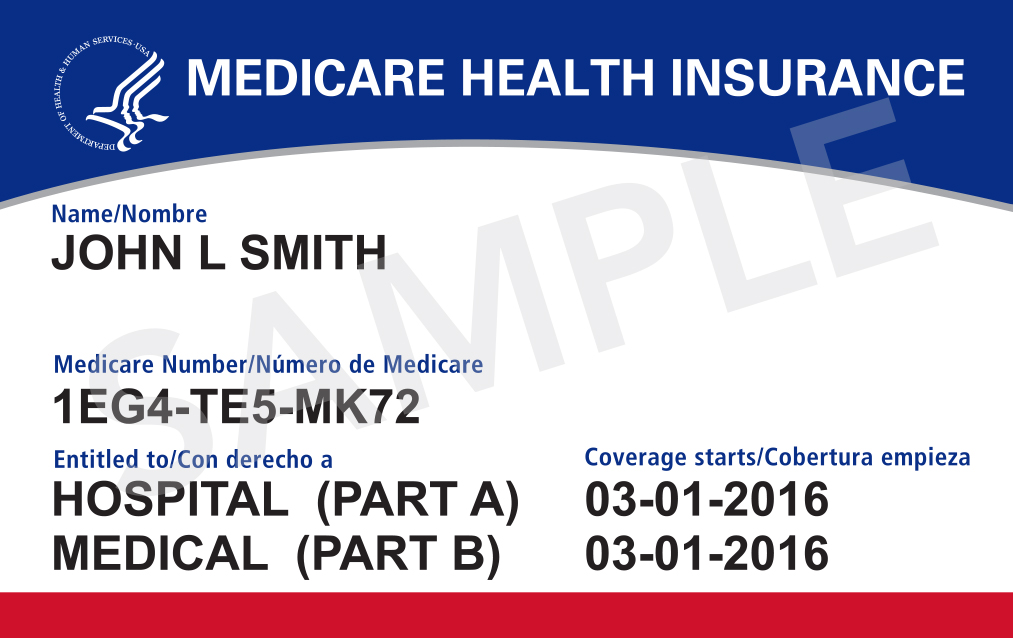
A dual eligible is a person who is enrolled in Medicare (Part A, Part B or both) and who also qualifies for some kind of help from their state's Medicaid program. Federal law sorts that help into two broad groups, and CMS counts people in each.131
Full-benefit and partial-benefit duals
Full-benefit duals qualify for the full Idaho Medicaid benefit package. They get there through one of the regular Medicaid doors for older and disabled people: receiving Supplemental Security Income (SSI) or Idaho's Aid to the Aged, Blind and Disabled (AABD), meeting the long-term care income and asset rules for nursing home care or the Aged and Disabled waiver, being in Medicaid for Workers with Disabilities, or another group. For them Medicaid pays for services Medicare does not cover at all, chiefly long-term services and supports (LTSS) such as nursing facility care after Medicare's skilled-nursing days end, personal care at home, and waiver services, plus some things like non-emergency medical transportation and dental care. Most full-benefit duals also get help with Medicare premiums and cost sharing through the Medicare Savings Programs described below; CMS calls them "QMB Plus" or "SLMB Plus."12
Partial-benefit duals do not qualify for full Medicaid. Medicaid helps them only with Medicare's own costs: the Part B premium, and for some, the Part A premium and Medicare's deductibles and coinsurance. CMS calls them "QMB only," "SLMB only," "QI" and "QDWI." They have no Medicaid card for doctor visits, no Medicaid long-term care and no Medicaid dental benefit.114
The split matters because the two groups use the health system differently and cost Medicaid very different amounts. In 2022, according to the joint MedPAC and MACPAC data book, full-benefit duals were 74 percent of the 13.6 million people who were dual at some point that year, and they accounted for $465.0 billion of the $548.8 billion that Medicare and Medicaid together spent on duals.15 Idaho has an unusually high share of partial-benefit duals: 45.9 percent of its duals in July 2026, against 28.7 percent nationally (our calculation from the CMS counts; see the methods box later in this lesson).1
The Medicare Savings Programs
The Medicare Savings Programs (MSPs) are Medicaid eligibility groups whose only benefit is help with Medicare costs. Federal law defines them in section 1905(p) and section 1902(a)(10)(E) of the Social Security Act (42 U.S.C. 1396d(p) and 1396a(a)(10)(E)); Idaho Health and Welfare runs them under IDAPA 16.03.05, sections 810 to 813.1354 There are four:
- Qualified Medicare Beneficiary (QMB). Income at or below 100 percent of the federal poverty guideline. Medicaid pays the Part B premium, the Part A premium if the person owes one, and Medicare's deductibles, coinsurance and copays for Parts A and B.
- Specified Low-Income Medicare Beneficiary (SLMB). Income above 100 and up to 120 percent of poverty. Medicaid pays the Part B premium only. Idaho's page calls this group "SLMB I."
- Qualifying Individual (QI). Income above 120 and up to 135 percent of poverty. Medicaid pays the Part B premium only, with 100 percent federal money but a yearly national funding cap; a person in QI cannot be eligible for any other Medicaid. IDAPA 16.03.05.812 says new applications are denied when Idaho's annual limit is reached.
- Qualified Disabled and Working Individual (QDWI). For people under 65 who lost premium-free Part A because they went back to work after a disability, with income up to 200 percent of poverty. Medicaid pays the Part A premium only.
The table shows Idaho's 2026 limits as Health and Welfare posts them.
| Program (Idaho, effective January 2026) | Income level | Monthly income limit, one person | Monthly income limit, couple | Resource limit, one person / couple | What Medicaid pays |
|---|---|---|---|---|---|
| QMB | Up to 100 percent of poverty | $1,350 | $1,824 | $9,950 / $14,910 | Part B premium; Part A premium if owed; Medicare deductibles, coinsurance and copays |
| SLMB (SLMB I) | 100 to 120 percent | $1,616 | $2,184 | $9,950 / $14,910 | Part B premium |
| QI | 120 to 135 percent | $1,816 | $2,455 | $9,950 / $14,910 | Part B premium (capped federal funds) |
| QDWI | Up to 200 percent of the one-person poverty line | Not posted on the Idaho page | Not posted | $4,000 / $6,000 (federal, not indexed) | Part A premium |
Sources: Idaho Department of Health and Welfare, Medicaid program income limits page (last updated April 20, 2026); CMS informational bulletin of Dec. 9, 2025, for the 2026 resource standards; IDAPA 16.03.05.813 for QDWI.234
How Idaho sets the limits
Idaho does not pick its own numbers. IDAPA 16.03.05.810 says the QMB income limit "is the poverty line for a family of one (1) person" or two persons for a couple, and that the resource limit "is equal to the amount defined under 42 USC 1396d(p)(1)(C)," the federal formula. Sections 811 and 812 set SLMB at up to 120 percent and QI at up to 135 percent of the poverty guidelines and use the same federal resource limit.4 Under federal law the MSP resource limit equals the limit for the full Part D low-income subsidy (Extra Help), which rises each year with inflation; for 2026 CMS set it at $9,950 for one person and $14,910 for a married couple.316
The rule also says two technical things that affect real people. Each January the Social Security cost-of-living increase is not counted as income until the month after the new poverty guidelines are published, so a raise in a Social Security check does not push someone out of QMB before the limits catch up. And income of a dependent child, parent or sibling living in the home is not counted.4
Some states use more generous rules. MACPAC reported that in 2023, 18 states and the District of Columbia used income or asset limits above the federal minimum; the District of Columbia, for example, covers QMB up to 300 percent of poverty.17 Idaho's rule follows the federal floor. Whether to raise or drop the asset test is a choice states can make through their Medicaid state plans; Idaho's current rule has not done so.
How we figured it: where the 2026 dollar limits come from
The inputs. HHS's 2026 poverty guidelines, published in the Federal Register on Jan. 15, 2026, are $15,960 a year for one person and $21,640 for two in the 48 contiguous states.18 Monthly, that is $1,330.00 and $1,803.33.
The calculation. 100 percent: $1,330.00 and $1,803.33. 120 percent: $1,596.00 and $2,164.00. 135 percent: $1,795.50 and $2,434.50. Each Idaho limit on Health and Welfare's page is $20 higher than these figures ($1,350, $1,824, $1,616, $2,184, $1,816 and $2,455, after rounding). That $20 matches the general income exclusion that SSI-related Medicaid programs apply to unearned income; IDAPA 16.03.05.810 says "the income exclusions and disregards used for AABD are used for QMB."24
What this shows and does not show. The match between the posted limits and poverty-plus-$20 is our own arithmetic; Health and Welfare's page does not explain how it built the figures. Actual eligibility depends on which income counts and which exclusions apply to a particular person, which this example does not try to decide.
When coverage starts
The start dates differ by program, and the differences are written into Idaho's rule. QMB coverage begins "no earlier than the first day of the month after the approval month," and a QMB participant "is not entitled to backdated Medicaid." SLMB and QI coverage begin on the first day of the application month and may be backdated up to three calendar months.4 The 2023 federal rule described below would have changed QMB start dates for some people who pay a Part A premium, but that part is now paused by P.L. 119-21.8
The full-benefit routes, briefly
Full-benefit duals reach Medicaid through the same doors as anyone else who is older or disabled, and those doors are covered elsewhere in this course. Idaho's 2026 figures, from Health and Welfare's income limits page: the Aid to the Aged, Blind and Disabled (AABD) cash and Medicaid limit is $1,047 a month for one person with $2,000 in resources; the nursing home and Home and Community-Based Services limit in the department's table is $3,002 a month with $2,000 in resources (CMS lists the federal cap, 300 percent of the 2026 SSI federal benefit rate of $994, as $2,982; the $20 gap matches the AABD standard disregard, an inference lesson 08 explains, since the department does not say how it reached $3,002); and Medicaid for Workers with Disabilities allows income up to 500 percent of poverty with premiums and a $10,000 resource limit.23 How those rules count a house, a car or a spouse's income is in lesson 08, Spend-Down, Asset Rules and Estate Recovery; what the waiver pays for is in lesson 03, Home and Community-Based Services.
How the rules were built, 1965 to 2034
The rules for duals were added one law at a time. In 1965 Medicaid could already pay Medicare premiums and cost sharing for people on cash assistance, and section 1843 of the Social Security Act let states sign "buy-in" agreements to enroll their cash-assistance recipients in Part B and pay the premium.1920 The Medicare Savings Programs came later, in the budget laws of the late 1980s and 1990s. Integrated managed care for duals came in the 2000s, and the newest changes are about enrollment paperwork and how tightly Medicare and Medicaid plans must be linked.
| Year | Law, rule or event | What changed | Source |
|---|---|---|---|
| 1965 | Social Security Amendments of 1965, P.L. 89-97 (July 30, 1965) | Created Medicare and Medicaid; Medicaid could pay Part B premiums and Medicare cost sharing, with federal matching for premiums limited to cash-assistance recipients | MACPAC milestones19 |
| 1986 | Omnibus Budget Reconciliation Act of 1986, P.L. 99-509 | Created QMB as a state option, the first Medicare Savings Program | MACPAC milestones19 |
| 1988 | Medicare Catastrophic Coverage Act, P.L. 100-360 | Required all states to cover QMBs; most of the act was repealed in 1989, but the QMB requirement stayed | MACPAC milestones19 |
| 1989 | Omnibus Budget Reconciliation Act of 1989, P.L. 101-239 | Created QDWI; barred providers from billing QMBs above the Medicare rate | MACPAC milestones19 |
| 1990 | Omnibus Budget Reconciliation Act of 1990, P.L. 101-508 | Created SLMB | MACPAC milestones19 |
| 1997 | Balanced Budget Act of 1997, P.L. 105-33 | Created QI; let states pay the "lesser of" Medicare cost sharing or the Medicaid rate; barred billing beneficiaries for the difference | MACPAC milestones19 |
| 2003 | Medicare Prescription Drug, Improvement, and Modernization Act, P.L. 108-173 | Created Part D and Extra Help; full duals' drug coverage moved from Medicaid to Medicare on Jan. 1, 2006; created special needs plans | MACPAC milestones; 42 U.S.C. 1395w-1141916 |
| 2008 | Medicare Improvements for Patients and Providers Act, P.L. 110-275 | Raised MSP asset limits from $4,000 and $6,000 to the Extra Help levels, indexed to inflation; required SSA to send Extra Help applications to states as MSP leads | MACPAC milestones19 |
| 2010 | Patient Protection and Affordable Care Act, P.L. 111-148 | Ended Part D copays for full duals receiving home and community-based services; limited Medicare Advantage cost sharing for duals | MACPAC milestones19 |
| 2014 | Idaho's duals program begins with Blue Cross of Idaho | Blue Cross of Idaho first partnered with the state on the duals program | Idaho Statesman, April 4, 202521 |
| 2015 | Medicare Access and CHIP Reauthorization Act, P.L. 114-10 | Made QI permanent | MACPAC milestones19 |
| 2018 | Bipartisan Budget Act of 2018, P.L. 115-123 | Made D-SNPs permanent and required more Medicare and Medicaid integration, effective 2021 | CMS Medicare-Medicaid Coordination Office22 |
| 2023 | MSP final rule, 88 Fed. Reg. 65230 (Sept. 21, 2023) | Automatic QMB enrollment for most SSI recipients; use of Extra Help data; alignment with Extra Help counting rules | Federal Register23 |
| 2024 | CMS-4205-F, 89 Fed. Reg. 30448 (April 23, 2024) | Monthly special enrollment periods for duals from 2025; limits on D-SNP enrollment from 2027 | CMS fact sheet, April 4, 202424 |
| 2025 | Idaho Information Release MA25-03 (Feb. 5, 2025); contract change June 1, 2025 | Duals in 34 counties moved to Molina or UnitedHealthcare; Blue Cross's contract ended | Health and Welfare10 |
| 2025 | P.L. 119-21, signed July 4, 2025, section 71101 | Paused most of the 2023 MSP rule through Sept. 30, 2034 | P.L. 119-217 |
| 2026 | UnitedHealthcare MMCP coverage begins Jan. 1, 2026 | Idaho has two MMCP plans again | Health and Welfare9 |
| 2027 | 42 CFR 422.514(h) takes effect | Where a company runs both a D-SNP and a Medicaid plan in the same area, new D-SNP enrollment is limited to members of its Medicaid plan | CMS FAQ, April 202625 |
| 2030 | 42 CFR 422.514(h), second step | Those D-SNPs may enroll or keep only people aligned with the affiliated Medicaid plan | CMS FAQ, April 202625 |
| 2034 | Sept. 30, 2034, end of the P.L. 119-21 moratorium | CMS may again carry out the paused parts of the 2023 rule, unless Congress acts | P.L. 119-217 |
How many Idahoans are dual eligible
The newest monthly count comes from CMS's Medicare Monthly Enrollment file on data.cms.gov, which reports every state and county each month and breaks duals into full-benefit and partial-benefit groups. The figures below use July of each year, the latest month published as of Nov. 22, 2026, so each row is the same point in the year.1
Idaho's counts, 2013 to 2026
| July of | All Idaho Medicare beneficiaries | Dual eligibles | Full-benefit | Partial-benefit | Duals as share of Medicare |
|---|---|---|---|---|---|
| 2013 | 260,443 | 36,333 | 22,724 | 13,609 | 14.0% |
| 2016 | 294,263 | 44,321 | 26,469 | 17,852 | 15.1% |
| 2019 | 334,683 | 48,271 | 28,193 | 20,078 | 14.4% |
| 2020 | 349,782 | 50,094 | 28,938 | 21,156 | 14.3% |
| 2021 | 362,182 | 52,122 | 31,286 | 20,836 | 14.4% |
| 2022 | 371,995 | 54,276 | 34,021 | 20,255 | 14.6% |
| 2023 | 383,041 | 52,726 | 30,863 | 21,863 | 13.8% |
| 2024 | 394,987 | 51,478 | 28,294 | 23,184 | 13.0% |
| 2025 | 407,530 | 51,989 | 28,320 | 23,669 | 12.8% |
| 2026 | 417,781 | 53,100 | 28,728 | 24,372 | 12.7% |
Source: CMS, Medicare Monthly Enrollment, state level, July of each year (data.cms.gov, release dated July 2026). Shares are our calculation.1
Three patterns stand out. First, the number of Idaho duals grew 46.1 percent from July 2013 to July 2026, slower than Idaho's total Medicare enrollment, which grew 60.4 percent, so duals became a smaller share of a fast-growing older population. Second, full-benefit duals rose to 34,021 in July 2022 and then fell to 28,294 by July 2024. That rise and fall lines up with the federal COVID-19 continuous coverage requirement, which kept people on Medicaid from March 2020 until states resumed regular renewals in 2023; module 74 covers Idaho's "unwinding" in Who Qualifies and Who Is Covered. Third, partial-benefit duals kept growing through the whole period, from 13,609 to 24,372.
By program group
The same CMS file splits duals into the groups described above. In July 2026, Idaho's 53,100 duals were:
| CMS group (July 2026) | Idaho | Share of Idaho duals | What the group gets |
|---|---|---|---|
| QMB Plus (full-benefit) | 19,088 | 35.9% | Full Medicaid plus QMB help with Medicare premiums and cost sharing |
| SLMB Plus (full-benefit) | 2,814 | 5.3% | Full Medicaid plus Part B premium |
| Other full-benefit | 6,826 | 12.9% | Full Medicaid; income above the MSP limits (for example, nursing home residents under the long-term care rules) |
| QMB only (partial) | 11,936 | 22.5% | Medicare premiums and cost sharing, no other Medicaid |
| SLMB only (partial) | 7,685 | 14.5% | Part B premium only |
| QI and QDWI (partial) | 4,751 | 8.9% | Part B premium (QI) or Part A premium (QDWI) |
| Total | 53,100 | 100% |
Source: CMS, Medicare Monthly Enrollment, Idaho, July 2026. Shares are our calculation; they may not add to 100 because of rounding.1
Put together, 31,024 Idahoans (QMB Plus and QMB only) had QMB status in July 2026, so the QMB billing protections described below applied to them.1
Idaho and its neighbors
| State (July 2026) | Medicare beneficiaries | Dual eligibles | Duals as share of Medicare | Full-benefit share of duals | Part A buy-in or group payer |
|---|---|---|---|---|---|
| Idaho | 417,781 | 53,100 | 12.7% | 54.1% | Buy-in |
| Utah | 491,386 | 39,966 | 8.1% | 81.2% | Group payer |
| Oregon | 973,880 | 169,966 | 17.5% | 55.2% | Buy-in |
| Washington | 1,586,306 | 239,101 | 15.1% | 62.9% | Buy-in |
| Montana | 273,047 | 24,400 | 8.9% | 63.5% | Buy-in |
| Wyoming | 133,449 | 11,984 | 9.0% | 55.6% | Buy-in |
| Nevada | 630,832 | 84,427 | 13.4% | 36.7% | Buy-in |
| United States | 70,736,624 | 11,991,216 | 17.0% | 71.3% | 37 states and D.C. buy-in; 13 group payer |
Sources: CMS, Medicare Monthly Enrollment, July 2026 (counts; shares are our calculation); Social Security Administration, POMS HI 00801.140, effective Oct. 15, 2026 (Part A buy-in and group payer states).126
Idaho's dual share sits in the middle of its region: above Utah, Montana and Wyoming, below Oregon, Washington and the national rate. KFF, a nonprofit health research group, reached a similar ranking for 2026 from the same CMS source, with Idaho at 13 percent against 17 percent nationally.27 What sets Idaho apart is the high partial-benefit share. Only Nevada, among the neighbors, has a higher share of duals who get help with Medicare costs but no other Medicaid.
County by county
The CMS file also reports each county. The share of Medicare beneficiaries who are dual varies more than fourfold across Idaho, from about 5.1 percent in Teton and Blaine counties to 22.0 percent in Lewis County; among the counties in the table below, Gooding (17.5 percent) and Bannock (17.3 percent) are highest.
| County (July 2026) | Region | Medicare beneficiaries | Dual eligibles | Full-benefit | Partial-benefit | Dual share |
|---|---|---|---|---|---|---|
| Ada | Treasure Valley | 107,097 | 10,445 | 6,180 | 4,265 | 9.8% |
| Canyon | Treasure Valley | 49,664 | 7,806 | 4,132 | 3,674 | 15.7% |
| Twin Falls | Magic Valley | 19,507 | 3,191 | 1,655 | 1,536 | 16.4% |
| Gooding | Magic Valley | 3,504 | 612 | 294 | 318 | 17.5% |
| Lincoln | Magic Valley | 980 | 160 | 80 | 80 | 16.3% |
| Minidoka | Magic Valley | 4,567 | 743 | 363 | 380 | 16.3% |
| Cassia | Magic Valley | 4,628 | 774 | 420 | 354 | 16.7% |
| Camas | Magic Valley | 325 | 22 | Suppressed | Suppressed | 6.8% |
| Blaine | Magic Valley | 6,391 | 329 | 168 | 161 | 5.1% |
| Bonneville | Eastern Idaho | 22,850 | 3,587 | 2,220 | 1,367 | 15.7% |
| Bannock | Eastern Idaho | 17,929 | 3,101 | 1,812 | 1,289 | 17.3% |
| Bingham | Eastern Idaho | 9,506 | 1,503 | 823 | 680 | 15.8% |
| Kootenai | Northern Idaho | 48,831 | 5,193 | 2,648 | 2,545 | 10.6% |
| Nez Perce | Northern Idaho | 11,086 | 1,672 | 937 | 735 | 15.1% |
| Idaho County | Northern Idaho | 5,658 | 706 | 354 | 352 | 12.5% |
Source: CMS, Medicare Monthly Enrollment, county level, July 2026. CMS replaces small counts with an asterisk to protect privacy; in Camas County the full and partial counts are suppressed. Shares are our calculation.1
In the Magic Valley, the farm and food-processing counties along the Snake River (Twin Falls, Gooding, Lincoln, Minidoka and Cassia, which include Twin Falls, Kimberly, Buhl, Gooding, Hagerman, Wendell, Burley and Rupert) all have dual shares between 16 and 18 percent, above the state rate. Blaine County, home to the Wood River Valley resort towns, ties Teton County for the lowest share in the state (both about 5.1 percent), and tiny Camas County has 22 duals. In the Treasure Valley, Canyon County's dual share is more than half again as high as Ada County's, even though Ada has more duals in total. In eastern Idaho, Bannock County (Pocatello) has the highest share among the large counties.
How we figured it: why dual counts differ
Three sources, three numbers. CMS's monthly file counts people who were dual in a given month: 53,100 Idahoans in July 2026.1 The MedPAC and MACPAC data book counts anyone who was dual for at least one month of a calendar year, which gives a larger number: 60,000 Idahoans in 2022 (39,000 full-benefit and 21,000 partial-benefit), against 54,276 in the CMS file for July 2022.15 Idaho's Legislative Budget Book counts average monthly enrollment in the state's Coordinated Medicaid Plan, a budget program for people who are mostly 65 or older (any dual may choose it), which is close to the full-benefit count: 27,399 in state fiscal year 2025.12
Shares. Every percentage in this lesson's tables is our calculation: the group count divided by the total, from the same file and month. For example, 53,100 divided by 417,781 is 12.7 percent; 24,372 partial-benefit duals divided by 53,100 duals is 45.9 percent; nationally, 3,440,114 divided by 11,991,216 is 28.7 percent.
Limits. State and county counts are by the beneficiary's address on Medicare's records. The file does not report race or income for duals by county. The July 2026 counts may be revised in later releases.
Who pays first
For a person with both programs, the order of payment is set by federal law. Medicare pays first for anything Medicare covers. Medicaid pays second, and only for what is left: Medicare's deductibles and coinsurance (for people in QMB, and for full-benefit duals to the extent the state plan covers them), and services Medicare does not cover at all. Section 1902(a)(25) of the Social Security Act requires state Medicaid programs to seek payment from any other liable party first, which is why Medicaid is called the "payer of last resort."5
What each program covers for a full-benefit dual
| Service | Who pays first | What Medicaid adds |
|---|---|---|
| Hospital stay | Medicare Part A | The Part A deductible ($1,736 per benefit period in 2026; $1,776 in 2027) and daily coinsurance, for QMBs |
| Doctor visits, outpatient care, equipment | Medicare Part B | The Part B deductible ($283 in 2026; $292 in 2027) and 20 percent coinsurance, for QMBs |
| Prescription drugs | Medicare Part D, with Extra Help | Generally nothing; Medicaid stopped paying for most drugs for full duals on Jan. 1, 2006 |
| Skilled nursing facility after a qualifying hospital stay | Medicare Part A, up to 100 days per benefit period | The daily coinsurance for days 21 to 100 ($217 in 2026; $222 in 2027), for QMBs |
| Long-term nursing home care | Not covered by Medicare | Medicaid pays, after the resident's own income goes to the cost (lesson 08) |
| Personal care and waiver services at home | Not covered by Medicare | Medicaid pays through the state plan or a waiver (lesson 03) |
| Non-emergency rides to appointments | Generally not covered by Medicare | Medicaid benefit |
| Dental care | Original Medicare covers very little | Medicaid dental benefit for adults; some Medicare Advantage plans add dental |
Sources: CMS, 2026 and 2027 Medicare Parts A and B premiums and deductibles fact sheets (Nov. 14, 2025, and Nov. 17, 2026); Social Security Act section 1902(a)(25); MACPAC legislative milestones; Idaho Health and Welfare, Medicare Medicaid Members page.28295199
A partial-benefit dual gets only the Medicare-cost help their program pays for. A person in SLMB only, for example, has the Part B premium paid and nothing else from Medicaid; a hospital deductible is the person's own bill (or their Medigap or Medicare Advantage plan's).
How a crossover claim works
When a person in QMB or a full-benefit dual sees a doctor in Original Medicare, the bill moves from Medicare to Medicaid through a "crossover." CMS's billing guide for providers says nearly all states and many Medicaid managed care plans use an electronic crossover system, and crossover claims are noted on the Medicare remittance advice. States must let every Medicare-enrolled provider enroll to submit these claims, even providers who are not otherwise Medicaid providers.6 In outline:
- The provider checks the patient's Medicare and Medicaid status, for example through the Medicare contractor's portal, the state's eligibility system, or the patient's Medicaid card.
- The provider bills Medicare first. Medicare decides what it covers and pays its share (for most Part B services, 80 percent of the approved amount after the deductible).
- Medicare's claims system sends the claim to the state Medicaid program (or the person's Medicaid plan) with the leftover deductible and coinsurance. This is the crossover claim.
- Medicaid pays some, all or none of that leftover amount under the state's payment rule, described next.
- For a QMB, the provider must accept Medicare's payment plus Medicaid's payment, if any, as payment in full. The provider may not bill the patient for the difference.
- Certain providers, such as hospitals and skilled nursing facilities, may claim unpaid QMB cost sharing as Medicare "bad debt," but only after billing the state and receiving a Medicaid remittance advice.
The "lesser-of" rule
Medicaid does not always pay the full Medicare coinsurance. The Balanced Budget Act of 1997 added section 1902(n)(2) of the Social Security Act, which lets a state pay no more than the amount by which its own Medicaid rate for a service exceeds what Medicare already paid. If Medicare's payment is already higher than the Medicaid rate, the state may pay nothing.519
A hypothetical example: Medicare approves $100 for an office visit and pays $80. The 20 percent coinsurance is $20. If the state's Medicaid rate for the same visit is $85, a state using the lesser-of rule pays $5 (the $85 Medicaid rate minus the $80 Medicare paid). If the Medicaid rate is $75, the state pays nothing. In both cases a provider seeing a QMB must treat the payment as payment in full. These figures are made up to show how the rule works; they are not Idaho rates.
Idaho's own crossover payment method is set in its Medicaid state plan and provider rules. This lesson did not confirm from a primary Idaho source which method Idaho applies to each type of service, so it is listed as unverified below. What the 2025 and 2026 budget documents do show is that Health and Welfare cut most Medicaid provider rates 4 percent in fall 2025 in response to Executive Order 2025-05 (with exemptions that include hospice, tribal providers and home and community-based services), and the Legislative Budget Book prices forecast adjustments for the Coordinated Medicaid Plan with and without that cut.12 Under any lesser-of method, a lower Medicaid rate can mean a smaller crossover payment.
The ban on billing Qualified Medicare Beneficiaries
Section 1902(n)(3)(B) of the Social Security Act says that for a QMB, a provider must accept the Medicare payment and the state's payment, if any, as payment in full, and the person is not liable for Medicare cost sharing. CMS's provider guide (MLN7936176, last updated September 2025) says the rule applies to all Original Medicare and Medicare Advantage providers and suppliers, including pharmacies, whether or not they accept Medicaid; that QMBs cannot choose to pay; that it applies even when the person's QMB benefit comes from another state; and that providers who break it may violate their Medicare provider agreements or Medicare Advantage obligations and face sanctions. Providers must recall bills sent to collections and refund money collected.6
The ban is not always followed. On Oct. 31, 2024, the Consumer Financial Protection Bureau and CMS issued a joint statement saying survey data and complaints show QMBs still get improper bills and that refunds are hard to get. The statement warned that debt collectors who claim a QMB owes these amounts may violate the Fair Debt Collection Practices Act (15 U.S.C. 1692e), and that reporting such debts to credit bureaus may violate the Fair Credit Reporting Act.30 CMS also sent a memo telling Medicare Advantage plans to tell their network providers, including pharmacies, which members have QMB status.
Many people in QMB do not know the term. CMS's guide lists the Medicare Summary Notice a person receives after Original Medicare claims, and the remittance advice providers receive, among the ways to identify QMB status.6 The billing ban covers Medicare deductibles, coinsurance and copays; it does not cover services Medicare never covers, such as most dental care, which follow Medicaid's own rules for full duals.
Drugs and Extra Help
Since Jan. 1, 2006, full-benefit duals get prescription drugs through Medicare Part D, not Medicaid. Federal law treats every full-benefit dual and every MSP enrollee as automatically eligible for Extra Help, the Part D low-income subsidy, without a separate application; that is what CMS's file calls "deemed" eligibility (section 1860D-14 of the Social Security Act, 42 U.S.C. 1395w-114).16 In July 2026, CMS counted 54,468 Idaho Part D enrollees deemed eligible for full Extra Help.1 Medicare.gov says people in any Medicare Savings Program also get Extra Help.14 Lesson 06 of Part A explains what Extra Help pays and the 2027 Part D amounts: Part D and Drug Costs.
States still help pay for this drug coverage. Section 1935(c) of the Social Security Act (42 U.S.C. 1396u-5(c)) requires each state to make a monthly "phased-down state contribution" to Medicare for its full-benefit duals, often called the "clawback," based on what the state would have spent on their drugs under Medicaid.31 This lesson did not find Idaho's 2026 clawback payment in a primary Idaho document; it is listed as unverified.
Two federal enrollment rules help duals change drug and health plans. Since Jan. 1, 2025, duals and other Extra Help enrollees can switch to a stand-alone drug plan once a month, under 42 CFR 423.38(c)(4), and full-benefit duals have a separate monthly "integrated care" special enrollment period to join an integrated D-SNP, under 42 CFR 423.38(c)(35). Before 2025 the dual special enrollment period could be used once a quarter.3222
Nursing home stays
Duals are heavily represented in nursing homes. The MedPAC and MACPAC data book found that 11 percent of all duals lived in an institution in 2022, and that among full-benefit duals in fee-for-service Medicare and Medicaid, the 16 percent who used institutional long-term care accounted for 37 percent of Medicaid spending on that group, at combined Medicare and Medicaid spending of $113,698 per person.15
The order of payment during a nursing home stay follows the same rule. After a hospital stay of at least three days as an inpatient, Medicare Part A can pay for up to 100 days of skilled nursing care in a benefit period, with a daily coinsurance from day 21 ($217 in 2026). For a QMB, Medicaid covers that coinsurance. When the person no longer needs skilled care, or the 100 days run out, Medicare stops, and a full-benefit dual's long-term stay is paid by Medicaid, with the resident's own income going first toward the cost except for a personal needs allowance. The "three-day rule" and Medicare's skilled nursing benefit are explained in Part A, What Medicare Is; Idaho's nursing homes are in lesson 02, Nursing Homes in Idaho; and the patient liability and personal needs allowance rules are in lesson 08.28


Medicaid paying Medicare premiums: the buy-in
The largest single thing the Medicare Savings Programs do is pay Medicare premiums. States do this through "buy-in" agreements with CMS under section 1843 of the Social Security Act (Part B) and section 1818(g) (Part A), which let the state enroll eligible people and pay their premiums directly to Medicare instead of having the premium taken from a Social Security check.2026
Part B
Idaho pays the standard Part B premium for everyone in QMB, SLMB and QI, and for full-benefit duals. The standard premium was $202.90 a month in 2026 and is $209.40 in 2027, according to CMS.2829 Over a year, that is $2,434.80 in 2026 and $2,512.80 in 2027 for each person (our arithmetic, 12 times the monthly premium). When the state starts paying, the premium stops being deducted from the person's Social Security benefit; Part A of this series explains how premiums are normally collected, in Premiums, IRMAA and What Seniors Pay.
Part A: Idaho is a buy-in state
Most people get Part A without a premium because they or a spouse worked at least 40 quarters. People who did not must pay a Part A premium to enroll: $565 a month in 2026 for those with fewer than 30 quarters ($597 in 2027), or $311 ($328 in 2027) for those with 30 to 39 quarters.2829 For QMBs who owe it, Medicaid pays that premium.
How a person gets enrolled depends on whether the state has a Part A buy-in agreement. The Social Security Administration's operations manual, POMS HI 00801.140 (effective Oct. 15, 2026), lists Idaho as a Part A buy-in state. In those states, a person who qualifies for QMB can be enrolled in premium Part A at any time, with the state paying the premium. In the 13 "group payer" states, which include Utah among Idaho's neighbors, a person generally must first enroll in premium Part A during a Medicare enrollment period before the state will pay.26 Oregon, Washington, Montana, Wyoming and Nevada are, like Idaho, buy-in states.
The 2023 enrollment rule and the 2025 pause
What the 2023 rule did
On Sept. 21, 2023, CMS published a final rule titled "Streamlining Medicaid; Medicare Savings Program Eligibility Determination and Enrollment" (88 Fed. Reg. 65230), effective Nov. 17, 2023, with compliance dates from 2024 to 2026.238 CMS's press release of Sept. 18, 2023, said the rule would make coverage more affordable for about 860,000 people and save older adults and people with disabilities nearly 19 million hours of paperwork a year. Then-HHS Secretary Xavier Becerra said the rule would "expand access and coverage for older Americans and people with disabilities."33 The rule:
- required states to enroll most people who receive SSI and are eligible for Medicare into QMB automatically (42 CFR 435.909(b), by Oct. 1, 2024);
- required states to treat Extra Help application data sent by the Social Security Administration (called "leads data") as an application for the Medicare Savings Programs and use it to enroll people;
- lined up how states count family size, income and assets for the MSPs with how the Extra Help program counts them; and
- for some people who pay a Part A premium, started QMB coverage sooner.
MACPAC's June 2024 report to Congress says CMS had extended the deadline for state compliance with most of the rule's provisions to April 1, 2026.17
What P.L. 119-21 paused
The 2025 reconciliation law, P.L. 119-21, was signed July 4, 2025. Section 71101 says the Secretary of Health and Human Services "shall not, during the period beginning on the date of the enactment of this section and ending September 30, 2034, implement, administer, or enforce" the amendments the 2023 rule made to five sections of the Code of Federal Regulations: 42 CFR 406.21(c), 435.4, 435.601, 435.911 and 435.952.7 Section 71102 does the same for the April 2, 2024, Medicaid and CHIP eligibility and enrollment rule (89 Fed. Reg. 22780) through the same date; lesson 12 covers that rule and the rest of the law: What the 2025 Federal Law Does Beyond Work Requirements.
CMS's Nov. 18, 2025, informational bulletin explains the effect. While the moratorium is in effect, the bulletin says, CMS "will, in general, revert to the regulations in place as of November 16, 2023" for the paused provisions. The provisions not paused include 42 CFR 435.909(b)(1), which requires states to automatically enroll most SSI recipients who are eligible for Medicare into QMB, effective Oct. 1, 2024, and an option for group payer states to do the same for SSI recipients without premium-free Part A.834
The cost argument
The Congressional Budget Office estimated that delaying the MSP rule saves about $66 billion in federal spending over ten years, and that delaying both rules saves about $122 billion, about 12 percent of the law's total federal Medicaid reductions, according to an analysis by KFF published Sept. 22, 2025. KFF reported that CBO projects 400,000 more uninsured people in 2034 from the two delays, and that the number of people losing Medicaid would be larger, since some duals keep Medicare but would no longer be enrolled in Medicaid.35 Those savings come largely from people who would have been enrolled in an MSP under the rule and will not be during the pause, which is the reason supporters of the pause and supporters of the rule read the same figure differently (see "Hard questions" below).
For Idaho, the pause means Health and Welfare is not required by the 2023 rule to use Extra Help leads to enroll people in the MSPs or to align its counting rules with Extra Help before Oct. 1, 2034, though federal law since 2008 already requires SSA to send states that leads data.19 No primary Idaho estimate of how many Idahoans the pause affects was found for this lesson.


Integrated care in Idaho
A full-benefit dual in Original Medicare and fee-for-service Medicaid deals with two sets of rules, two cards, two appeal systems and, often, no one in charge of the whole picture. Integrated care puts both programs' benefits, or at least their coordination, under one organization. Idaho does this through two linked programs: the Medicare Medicaid Coordinated Plan (MMCP), which is a Medicare Advantage plan of a special kind, and Idaho Medicaid Plus (IMPlus), a Medicaid managed care program for duals.
D-SNPs in plain words
A dual eligible special needs plan (D-SNP) is a Medicare Advantage plan limited to people with both Medicare and Medicaid. Under 42 CFR 422.2, every D-SNP must coordinate Medicare and Medicaid services, must have a contract with the state Medicaid agency, and since Jan. 1, 2021, must meet at least one federal integration standard.36 CMS sorts D-SNPs by how much Medicaid they include:
- Coordination-only (CO) D-SNP. Covers Medicare benefits and coordinates with Medicaid, but the plan does not itself cover Medicaid services. These plans can enroll partial-benefit duals.
- Highly integrated D-SNP (HIDE SNP). The plan, its parent or an affiliate holds a capitated state contract covering Medicaid long-term services and supports or behavioral health services, and from plan year 2025, the contract covers the plan's whole service area.
- Fully integrated D-SNP (FIDE SNP). One organization holds both the Medicare Advantage contract and a Medicaid managed care contract that covers primary and acute care, long-term services and supports including at least 180 days of nursing facility care a year, behavioral health, home health, and medical supplies and equipment. From plan year 2025 a FIDE SNP must have "exclusively aligned enrollment," meaning the state limits the plan to people who also get their Medicaid through the same organization.
- Applicable integrated plan (AIP). A CMS label for D-SNPs that meet the federal "unified" appeals and grievances requirements, so a member can appeal a Medicare and Medicaid denial through one process and keep getting services during the appeal.22
A plan is "aligned" when a person's D-SNP and Medicaid managed care plan are run by the same company; "exclusively aligned" when state policy allows only such people in the D-SNP.36
The state Medicaid agency contract
No D-SNP can operate in Idaho without a contract with Health and Welfare. Federal rule 42 CFR 422.107 requires each D-SNP to have a state Medicaid agency contract (SMAC, sometimes called a MIPPA contract) that at minimum spells out the plan's responsibility to coordinate Medicaid benefits, the categories of duals it may enroll, the Medicaid benefits it covers, cost-sharing protections, how it will verify Medicaid eligibility, and how it will share information with the state.37 CMS's 422.514(h) guidance adds that a state may use the SMAC to limit the number of D-SNPs a company offers or to permit exceptions.25 The SMAC is how Idaho sets the terms for the MMCP: which counties, which benefits, which members. CMS and Idaho also jointly write the plan member materials for Idaho's integrated D-SNPs; CMS's Medicare-Medicaid Coordination Office released the final 2026 Idaho models on June 17, 2025, including the summary of benefits, provider directory, drug list and member ID card.38
The MMCP and Idaho Medicaid Plus
Health and Welfare's "Medicare Medicaid Members" page, last updated June 25, 2026, describes the two programs for adults over 21 who have Medicare Parts A, B and D and Medicaid "enhanced plan" benefits:9
- MMCP. Voluntary and at no cost to the member. It combines Medicare and Medicaid coverage into one plan, which the page says gives members one set of benefits, one accountable entity to coordinate services and one care management team; Medicaid pays the member's Medicare premiums, and it includes supplemental benefits. Developmental disability services, non-emergency medical transportation and dental benefits stay with Idaho Medicaid, outside the MMCP.
- IMPlus. A mandatory Medicaid managed care program that covers the Medicaid enhanced plan benefits only, with no change to the person's Medicare coverage. It applies to duals who live in a mandatory county and are not in the MMCP. In those counties the person still chooses their own Medicare coverage.
The page says Molina Healthcare of Idaho and UnitedHealthcare Community Plan of Idaho both offer the MMCP "in many of Idaho's counties," with UnitedHealthcare starting Jan. 1, 2026, and that IMPlus members may choose Molina or UnitedHealthcare and change plans once a month. Complaints go through the Bureau of Long Term Care's online complaint system.9
IMPlus is mandatory in 34 of Idaho's 44 counties, including Ada, Canyon, Twin Falls, Gooding, Lincoln, Minidoka, Cassia and Blaine in the regions this course uses, and Bannock, Bingham, Bonneville, Kootenai, Nez Perce and Idaho counties.910 A Health and Welfare spokesman told Idaho Reports in February 2025 that duals in the other 10 counties use fee-for-service Medicaid.39 By our comparison of the county list with Idaho's 44 counties, those 10 are Bear Lake, Butte, Camas, Caribou, Custer, Franklin, Lemhi, Lewis, Oneida and Teton, which means Camas County is the one Magic Valley county where duals stay in fee-for-service Medicaid unless they choose the MMCP.
The programs are older than the current contracts. A 2020 Idaho Department of Insurance SHIBA handout listed two MMCP plans at the time, Blue Cross of Idaho's True Blue Special Needs Plan and Molina's Medicare Options Plus, and described passive enrollment into the Blue Cross plan in nine rural counties beginning April 1, 2020, with the right to opt out. It listed tribal members, pregnant women and people in the Adult Developmental Disabilities Waiver as excluded from mandatory IMPlus enrollment.40 Whether those exclusions still apply in 2026 was not confirmed on Health and Welfare's current page.
The 2025 contract change
On Feb. 5, 2025, Juliet Charron, deputy director of the Division of Medicaid and Behavioral Health, signed Information Release MA25-03. It said that starting June 1, 2025, duals in the 34 listed counties must enroll in IMPlus with Molina or UnitedHealthcare unless they chose Molina's MMCP; that members then with Blue Cross of Idaho would be moved automatically to UnitedHealthcare's IMPlus plan unless they chose Molina; that Molina would be the only MMCP from June 1 to Dec. 31, 2025; and that UnitedHealthcare's MMCP coverage would begin Jan. 1, 2026. The department moved UnitedHealthcare's IMPlus start up from Jan. 1, 2026, to June 1, 2025, saying the earlier start "should provide a smoother transition for members and providers." Members had 90 days to choose a plan after notice.10
The Idaho Statesman reported on April 4, 2025, that the change ended Blue Cross of Idaho's decade-long role in the program, which began in 2014. The paper reported that 2024 was the first time the state had put the program out to bid, that Blue Cross bid to continue but the state health department "decided in December to go in a different direction," and that the state expected to save up to $40 million. Blue Cross told the Idaho Department of Labor in a March 28, 2025, letter that about 135 employees would be laid off between June and October. Health and Welfare spokesman AJ McWhorter said the department "procured this contract in order to drive new initiatives forward with quality and performance"; Blue Cross spokesman Bret Rumbeck called the layoffs "a decision no one at the company takes lightly"; and Meridian Mayor Robert Simison objected to the award "to out-of-state insurers." Both new contractors are for-profit companies based outside Idaho. Both news reports said the program served about 26,000 people.2139 The $40 million savings figure is the state's expectation as reported; this lesson did not find a published state analysis behind it.
D-SNP enrollment in Idaho, 2024 to 2026
CMS's monthly Special Needs Plan report lists every special needs plan with more than 10 members by state, with its integration status. The November reports for 2024, 2025 and 2026 show the shift.
| Plan (contract and plan number) | Type | Nov. 2024 | Nov. 2025 | Nov. 2026 |
|---|---|---|---|---|
| Blue Cross of Idaho, True Blue Special Needs Plan (H9656, plans 001 and 002) | FIDE | 7,944 | Blank (10 or fewer) | Not listed |
| Molina Medicare Complete Care (H5628, plan 008 in 2024 and 2025; plan 013, two segments, in 2026) | FIDE, AIP | 5,571 | 12,051 | 10,083 |
| Molina Medicare Complete Care Select (H5628, plan 011; plan 014, two segments, in 2026) | Coordination-only | 1,801 | 2,073 | 2,836 |
| UHC Dual Complete ID-Y1 (H4032-001) | FIDE, AIP | Not offered | Not offered | 7,121 |
| UHC Dual Complete ID-Q1 (H4032-002) | Coordination-only | Not offered | Not offered | 2,540 |
| All Idaho D-SNPs listed | 15,316 | 14,124 | 22,580 | |
| Of which in FIDE plans | 13,515 | 12,051 | 17,204 |
Sources: CMS, Special Needs Plan reports, November 2024, November 2025 and November 2026. Totals are our sums of the listed plans; CMS leaves counts of 1 to 10 blank.114142
Nationally, CMS counted 6,493,673 people in 1,082 D-SNPs in November 2026: 3,359,907 in coordination-only plans, 2,317,785 in HIDE plans and 815,981 in FIDE plans.11 Idaho is unusual in having no HIDE plans and in having most of its D-SNP members in FIDE plans: 76.2 percent in November 2026, against 12.6 percent nationally (our calculation). Comparing CMS's November D-SNP count with its July dual count, about 42.5 percent of Idaho duals and 54.2 percent of duals nationally were in a D-SNP; because the months differ, those shares are approximate.
The 2027 plans
CMS's plan file for 2027, the November 2026 version, lists five D-SNP plan segments in Idaho:43
| 2027 plan (contract-plan-segment) | Organization | Integration status | Counties | Plan premium listed (Part C plus D) | Premium for Extra Help members |
|---|---|---|---|---|---|
| UHC Dual Complete ID-Y1 (H4032-001-0) | UnitedHealthcare | FIDE, AIP | All 44 | $26.40 | $0.00 |
| UHC Dual Complete ID-YL (H4032-003-0), new for 2027 | UnitedHealthcare | FIDE, AIP | All 44 | $21.20 | $0.00 |
| UHC Dual Complete ID-QV1 (H4032-002-0) | UnitedHealthcare | Coordination-only | All 44 | $0.00 | $0.00 |
| Molina Medicare Complete Care (H5628-013-1) | Molina Healthcare of Utah and Idaho | FIDE, AIP | Ada, Boise, Canyon, Gem, Owyhee | $45.50 | $0.00 |
| Molina Medicare Complete Care (H5628-013-2) | Molina Healthcare of Utah and Idaho | FIDE, AIP | 38 other counties (all but Lemhi and the five above) | $45.50 | $0.00 |
Source: CMS, 2027 Medicare Advantage plan file, November 2026. "Premium for Extra Help members" is the file's low-income beneficiary premium amount. Molina's coordination-only "Select" plan, which appears in CMS's November 2026 SNP report, is not in the 2027 file.43
The file also lists two institutional special needs plans (I-SNPs) for people who live in nursing homes or need that level of care: American Health Advantage of Idaho in 10 southern Idaho counties, including Twin Falls, Cassia, Lincoln and Blaine, and a new UHC Nursing Home Plan in Kootenai County.43 The Part A course covers the full 2027 plan year in The 2027 Plan Year in Idaho.
The federal integration rules
CMS's contract year 2025 rule, CMS-4205-F, issued April 4, 2024, and published April 23, 2024, made several changes aimed at duals.2444
- Monthly enrollment windows, from 2025. The quarterly special enrollment period for duals and Extra Help enrollees became a once-a-month chance to join a stand-alone drug plan, and full-benefit duals gained a monthly "integrated care" period to join an integrated D-SNP.3222
- Enrollment limits, from 2027. Under 42 CFR 422.514(h), when the same parent company offers a D-SNP and a Medicaid managed care plan for full duals in overlapping areas, it may generally offer only one D-SNP for full duals there, and new enrollment is limited to people in, or joining, its Medicaid plan.25
- Aligned enrollment only, from 2030. Those D-SNPs may then enroll or keep only people aligned with the affiliated Medicaid plan. From 2027 to 2029, existing unaligned members can generally stay.25
- "Look-alike" plans. The threshold at which CMS treats an ordinary Medicare Advantage plan with many duals as an unofficial D-SNP dropped from 80 percent duals to 70 percent in 2025 and 60 percent in 2026.24
In Idaho, both companies running the MMCP also hold IMPlus Medicaid contracts, so the 2027 and 2030 limits apply to how their Idaho D-SNPs enroll. How CMS and Health and Welfare apply the exceptions in 422.514(h)(3), for example for coordination-only plans that serve partial-benefit duals, is set in the SMAC; the 2027 Idaho SMAC was not available to this lesson.
The money
Idaho's Coordinated Medicaid Plan budget
Idaho's Medicaid budget is split into four benefit plans, and one of them is built around duals. The Legislative Budget Book for fiscal year 2027, prepared by the Legislative Services Office for the Joint Finance-Appropriations Committee, defines the Coordinated Medicaid Plan this way: "Beneficiaries covered in this plan primarily consist of those who are age 65 and older. All individuals dually eligible for Medicaid and Medicare, regardless of age, may elect to receive coverage under this plan."12 Its division profile gives caseload and benefit payments by plan, in all funds (state and federal), by state fiscal year (July 1 to June 30):
| Idaho Medicaid plan | FY 2025 caseload | FY 2025 benefit payments | FY 2025 cost per member per month | FY 2026 estimate | FY 2027 request |
|---|---|---|---|---|---|
| Coordinated Plan | 27,399 (8.4%) | $1,037,303,300 (21.8%) | $3,154.93 | 27,711 people; $1,313,626,300 | 28,282 people; $1,325,581,800 |
| Enhanced Plan | 42,242 (13.0%) | $1,416,925,500 (29.7%) | $2,795.25 | 42,568; $1,468,214,700 | 43,358; $1,502,635,000 |
| Basic Plan | 166,737 (51.1%) | $1,151,619,200 (24.2%) | $575.57 | 166,749; $975,408,700 | 169,156; $1,102,494,100 |
| Expansion Plan | 89,784 (27.5%) | $1,157,569,700 (24.3%) | $1,074.40 | 92,245; $1,236,961,900 | 94,857; $1,316,653,000 |
| Total | 326,162 | $4,763,417,700 | $1,217.04 | 329,273; $4,994,211,600 | 335,653; $5,247,363,900 |
Source: Idaho Legislative Services Office, FY 2027 Legislative Budget Book, Department of Health and Welfare, Division of Medicaid, division profile (page 2-44). Percentages are the book's. The book says the figures include Disproportionate Share Hospital and Upper Payment Limit payments and other non-claims contracts.12
The Coordinated Plan's cost per member was 2.6 times the all-plan average in fiscal year 2025 (our calculation: $3,154.93 divided by $1,217.04), and its estimated share of benefit payments rose to 26.3 percent in fiscal year 2026. That higher cost reflects who is in the plan: older people, many in nursing homes or on the Aged and Disabled waiver, for whom Medicaid pays long-term care Medicare does not cover, plus Medicare premiums and cost sharing. Lesson 01 explains why long-term care drives these costs: Medicaid's Second Job.
The budget book also shows how the Coordinated Plan figured in the 2026 session's budget work. Health and Welfare's supplemental request for fiscal year 2026 and its forecast adjustments for fiscal year 2027 each include a separate Coordinated Plan line, priced with and without the 4 percent provider rate reduction Health and Welfare made in response to Executive Order 2025-05 (August 2025).12 What the Legislature finally appropriated for each plan is covered in lesson 01 and module 75, Idaho State Budget.
Duals' share of spending, Idaho and the U.S.
Two independent sources agree that duals are a much bigger share of Medicaid spending than of Medicaid enrollment. KFF's analysis of 2023 federal Medicare and Medicaid claims files (the Master Beneficiary Summary File and preliminary T-MSIS Analytic Files) found duals were 12 percent of Idaho's Medicaid enrollees and 26 percent of Idaho's Medicaid spending, compared with 13 percent and 30 percent nationally. Among neighbors, the spending share ranged from 14 percent in Nevada to 37 percent in Wyoming.4546 KFF's spending figure includes estimated Medicare Part A and B premiums paid by Medicaid, which are not in the claims data.
Nationally, the MedPAC and MACPAC data book found that in 2022, duals were 13 percent of Medicaid beneficiaries and 27 percent of Medicaid spending, and 20 percent of Medicare beneficiaries and 36 percent of Medicare spending. Medicaid spent $14,535 per dual against $6,082 per other enrollee; Medicare spent $25,871 per dual against $11,834 per other beneficiary.15
| State (KFF, 2023) | Duals' share of Medicaid enrollees | Duals' share of Medicaid spending |
|---|---|---|
| Idaho | 12% | 26% |
| Utah | 9% | 21% |
| Oregon | 12% | 23% |
| Washington | 11% | 30% |
| Montana | 11% | 23% |
| Wyoming | 16% | 37% |
| Nevada | 10% | 14% |
| United States | 13% | 30% |
Source: KFF (nonprofit research), State Health Facts, "Dual-Eligible Individuals as a Share of Medicaid Enrollment" and "Medicaid Spending for Dual-Eligible Individuals as a Share of Total Medicaid Spending," 2023.4546

Pictures, Numbers and Infographics
The key numbers, rules and dates in this lesson, in one place.
| Measure | Idaho | U.S. or other states | Year | Source |
|---|---|---|---|---|
| Dual eligibles | 53,100 | 11,991,216 (U.S.) | July 2026 | CMS Medicare Monthly Enrollment1 |
| Duals as share of Medicare beneficiaries | 12.7% | 17.0% U.S.; 8.1% Utah to 17.5% Oregon | July 2026 | CMS (our calculation)1 |
| Full-benefit / partial-benefit duals | 28,728 / 24,372 | 8,551,102 / 3,440,114 (U.S.) | July 2026 | CMS1 |
| People with QMB status (QMB Plus and QMB only) | 31,024 | July 2026 | CMS (our sum)1 | |
| Deemed eligible for full Extra Help | 54,468 | July 2026 | CMS1 | |
| QMB income limit, one person / couple | $1,350 / $1,824 a month | Same federal formula in most states | 2026 | Health and Welfare2 |
| SLMB and QI limits, one person | $1,616 and $1,816 a month | 2026 | Health and Welfare2 | |
| MSP resource limit, one person / couple | $9,950 / $14,910 | Same federal amount; 18 states and D.C. more generous (2023) | 2026 | CMS; MACPAC317 |
| Standard Part B premium paid by Medicaid | $202.90 (2026); $209.40 (2027) | Same nationally | 2026, 2027 | CMS2829 |
| Part A buy-in status | Buy-in state | Utah group payer; other neighbors buy-in | Oct. 2026 | SSA POMS26 |
| People in Idaho D-SNPs (of which FIDE) | 22,580 (17,204) | 6,493,673 (815,981) U.S. | Nov. 2026 | CMS SNP report11 |
| 2027 D-SNP plan segments in Idaho | 5 (UnitedHealthcare 3, Molina 2) | 2027 | CMS plan file43 | |
| Coordinated Plan caseload and payments | 27,399; $1.04 billion (8.4% and 21.8%) | SFY 2025 | Legislative Budget Book12 | |
| Duals' share of Medicaid spending | 26% | 30% U.S. | 2023 | KFF45 |
| MSP rule pause ends | Sept. 30, 2034 (P.L. 119-21, section 71101) | 2025 law | P.L. 119-217 | |
| D-SNP enrollment limits | 2027 (new enrollment); 2030 (all enrollment) | Rule of 2024 | 42 CFR 422.514(h)25 | |
Common mistakes
- Thinking "dual eligible" means full Medicaid. In Idaho, 45.9 percent of duals in July 2026 were partial-benefit duals, who get help with Medicare costs and nothing else from Medicaid.1 A story or a policy that treats all 53,100 as having Medicaid long-term care, dental or transportation benefits overstates what most of them have.
- Treating QMB as optional for the patient. CMS's provider guide says QMBs cannot choose to pay Medicare cost sharing, and the ban applies to Medicare Advantage providers and pharmacies too.6 A provider or collection agency that bills a QMB for a Medicare copay is not following the rule, even if the patient offers to pay.
- Assuming the billing ban covers everything. The QMB protection covers Medicare deductibles, coinsurance and copays for Medicare-covered services. It does not make non-covered services free; a partial-benefit QMB has no Medicaid coverage for services Medicare excludes.6
- Mixing up monthly counts, yearly counts and budget caseloads. CMS's July 2026 count (53,100), the data book's 2022 "ever dual" count (60,000) and the budget book's average Coordinated Plan caseload (27,399 in FY 2025) measure different things, as the methods box above explains.11512 Use one source per comparison and say which.
- Mixing state and federal fiscal years. Idaho's budget book uses state fiscal years that run July 1 to June 30 (FY 2025 ended June 30, 2025); CMS's enrollment file uses calendar months; KFF and the data book use calendar years.12
- Reading the 2025 law as ending the Medicare Savings Programs. P.L. 119-21, section 71101, paused parts of a 2023 enrollment rule. It did not change who is eligible under the statute, the income limits in IDAPA 16.03.05, or the QMB billing ban, and the SSI-to-QMB automatic enrollment rule stayed in effect.78
- Assuming Medicare pays for long-term nursing home care. Medicare Part A pays only for limited skilled nursing care after a qualifying hospital stay, up to 100 days a benefit period. Long-term custodial care for a full-benefit dual is paid by Medicaid.28
- Treating the MMCP and IMPlus as the same thing. The MMCP is a Medicare Advantage D-SNP that also covers Medicaid benefits and is voluntary; IMPlus is mandatory Medicaid-only managed care in 34 counties and leaves Medicare coverage unchanged.9
- Calling every D-SNP "integrated." Coordination-only D-SNPs do not cover Medicaid services. In Idaho in November 2026, 5,376 D-SNP members were in coordination-only plans.11
- Comparing dollars across decades without adjusting. Limits such as the MSP resource standard rise every year with inflation by law (it was $9,430 in 2024 and $9,950 in 2026).173 Name the year for every dollar figure.
What we know, what we don't, and what the data can show
What we know
- Idaho had 53,100 dual eligibles in July 2026, 12.7 percent of its Medicare beneficiaries, below the 17.0 percent national share, with an unusually high partial-benefit share (45.9 percent).1
- Idaho's 2026 MSP limits follow the federal formula: 100, 120 and 135 percent of the poverty guidelines and the federal resource limit of $9,950 and $14,910, under IDAPA 16.03.05.810 to 812.42
- Idaho is a Part A buy-in state.26
- Health and Welfare replaced Blue Cross of Idaho with Molina and UnitedHealthcare for the duals program in 2025; D-SNP enrollment fell from 15,316 in November 2024 to 14,124 in November 2025 and rose to 22,580 in November 2026.10424111
- P.L. 119-21 paused most of the 2023 MSP enrollment rule through Sept. 30, 2034.7
What we don't know
- How many Idahoans are eligible for a Medicare Savings Program but not enrolled. CMS says only about half of eligible people nationally are enrolled, and MACPAC's most cited take-up estimates (53 percent for QMB and 32 percent for SLMB) are from 2009 and 2010 data; no Idaho-specific estimate was found.4717
- How many Idahoans would have gained MSP coverage under the paused parts of the 2023 rule.
- Whether the 2025 contract change saved the "up to $40 million" the state expected, and how care quality changed for the people moved from Blue Cross to UnitedHealthcare.21
- How often Idaho providers improperly bill QMBs; no Idaho complaint count was found.
- Exactly how Idaho Medicaid prices crossover claims for each service type, and how the 2025 provider rate cut changed those payments.
What the data can show
- CMS Medicare Monthly Enrollment (data.cms.gov): duals by state and county each month since 2013, split by QMB, SLMB, QI and full-benefit groups, plus Extra Help counts.1
- CMS Special Needs Plan reports: D-SNP enrollment by plan and integration status each month.11
- CMS plan files: every Medicare Advantage plan by county with premiums, integration status and star ratings.43
- MedPAC and MACPAC duals data book: national spending and service use for duals, and state counts.15
- Idaho Legislative Budget Book: Coordinated Plan caseload and payments by state fiscal year.12
- KFF State Health Facts (T-MSIS based): duals' share of each state's Medicaid enrollment and spending.45
Questions people ask
Is a dual eligible the same as someone on Medicaid?
Not always. Every dual has Medicare. A full-benefit dual also has the full Idaho Medicaid benefit package; a partial-benefit dual has Medicaid help only with Medicare costs through a Medicare Savings Program. In July 2026, Idaho had 28,728 full-benefit and 24,372 partial-benefit duals.1
What is the difference between QMB and SLMB?
QMB, for people with income up to 100 percent of poverty ($1,350 a month for one person in Idaho in 2026), pays Part B and any Part A premium and Medicare's deductibles and coinsurance, and triggers the federal ban on billing for Medicare cost sharing. SLMB, for income from 100 to 120 percent ($1,616 a month), pays the Part B premium only.24
Does Idaho count a house or car toward the MSP resource limit?
IDAPA 16.03.05 says the resource exclusions used for Idaho's Aid to the Aged, Blind and Disabled program are used for QMB, SLMB and QI.4 Under those SSI-based rules a home the person lives in and generally one vehicle are excluded; lesson 08 explains how Idaho counts and excludes resources: Spend-Down, Asset Rules and Estate Recovery.
Who runs the MMCP in Idaho now?
Molina Healthcare of Idaho and UnitedHealthcare Community Plan of Idaho, according to Health and Welfare's page updated June 25, 2026. UnitedHealthcare's MMCP coverage began Jan. 1, 2026; Blue Cross of Idaho's contract ended in June 2025.910
Can a dual change plans during the year?
Federal rules give duals more chances than most Medicare beneficiaries. Since 2025, duals and other Extra Help enrollees may switch to a stand-alone drug plan once a month, and full-benefit duals may join an integrated D-SNP in any month.3222 Health and Welfare's page says IMPlus members can change their Medicaid plan once per month.9 This lesson describes the rules only; it does not suggest any change.
Where do complaints about the duals plans go?
Health and Welfare's Bureau of Long Term Care runs an online complaint system for the programs, and complaints are routed to a triage team and the health plan, according to the department's page.9
Hard questions
Should Medicare Savings Program enrollment be automatic?
The case for. CMS said in 2023 that its rule would help about 860,000 people and save nearly 19 million hours of paperwork a year, and MACPAC has recommended since 2020 that states use the same income and asset definitions as Extra Help and that SSA send states continuing Extra Help data.3317 Supporters point out that the people who qualify have, by definition, very low incomes and that national estimates find many eligible people unenrolled.
The case against the 2023 approach. Congress paused most of the rule in P.L. 119-21, and CBO estimated the pause on the MSP rule saves about $66 billion in federal spending over ten years.735 The argument for the pause is about cost and who decides: the rule would have raised federal and state spending through a regulation rather than a change in the statute, and the pause leaves enrollment practices to each state within the existing law.
What the evidence shows. The savings estimate and the coverage loss estimate measure the same thing from two sides: the money saved is largely Medicare premiums and cost sharing that would otherwise have been paid for low-income people. Idaho-level effects have not been published.
Should Idaho raise or drop the MSP asset test?
The case for change. MACPAC reports that 18 states and D.C. used more generous income or asset rules in 2023, and the states it interviewed described asset tests as a barrier to enrollment.17 An asset test means documents and verification for applicants who often have very little.
The case for the current rule. Any loosening adds enrollees, and Idaho pays a share of the cost of QMB and SLMB benefits from the General Fund; the Coordinated Plan is already the most expensive Medicaid plan per member.12 Keeping the federal floor keeps Idaho's rules tied to a standard set by Congress.
What the evidence shows. No Idaho estimate of the cost or enrollment effect of changing the asset test was found; any such estimate would come from Health and Welfare or the Legislative Services Office.
Was the 2025 contract change good for duals?
The state's case. Health and Welfare said it bid the contract for the first time to "drive new initiatives forward with quality and performance," expected savings of up to $40 million, and gave members two plan choices instead of moving them all to one.2110
The concerns raised. Blue Cross of Idaho, a Meridian-based company, had run the program since 2014; about 135 jobs were cut; Meridian's mayor objected to the award to out-of-state insurers; and thousands of members were moved automatically to a new plan.21
What the evidence shows. D-SNP enrollment recovered and grew after the change, to 22,580 in November 2026.11 Quality data for the new plans are not yet available: CMS's 2027 plan file lists UnitedHealthcare's Idaho D-SNPs as "Plan Too New To Be Measured," and Molina's plan has a 3.0-star rating.43 Whether savings were realized has not been published.
Should all full-benefit duals be in integrated plans?
The case for. CMS says integration gives members one set of materials, unified appeals and continued services during appeals, and reduces aggressive year-round marketing; its 2024 rule pushes plans toward aligned enrollment by 2030.24
The case for choice. Integrated plans use networks and care management; a person in Original Medicare can see any provider who takes Medicare. The MMCP is voluntary under Health and Welfare's rules, and some people prefer to keep their doctors or their Medicare coverage as it is.9
What the evidence shows. Nationally, most D-SNP members are still in coordination-only plans (3.36 million of 6.49 million in November 2026), while Idaho has gone further toward full integration, with 76 percent of its D-SNP members in FIDE plans.11 Outcome comparisons for Idaho's plans are not published.
For reporters and advocates
Records that exist. CMS's Medicare Monthly Enrollment file (state and county duals by type, monthly); CMS Special Needs Plan reports (monthly, by plan and integration status); CMS plan files by county; the D-SNP model materials and SMAC submissions process run by CMS's Medicare-Medicaid Coordination Office; MedPAC and MACPAC data books and reports; KFF's T-MSIS-based state tables; Idaho's Legislative Budget Book and Health and Welfare budget requests; Health and Welfare information releases such as MA25-03; IDAPA 16.03.05; and the duals program contracts and procurement file for the 2024 bid.1114322151210
Questions to ask. Of Health and Welfare: how many people are in the MMCP and in IMPlus with each plan, by county; how many members were moved automatically in 2025 and how many chose a plan; what the "up to $40 million" savings estimate was based on and what has been realized; how many MSP applications came from SSA leads data in each of the last five years; how crossover claims are priced and what the 2025 rate cut did to them; and what the 2027 SMAC requires of each D-SNP. Of the plans: grievance and appeal counts for Idaho members. Of CMS: Idaho QMB billing complaints.
Getting records. Idaho agency records, such as contracts, procurement evaluations and complaint counts, can be requested under the Idaho Public Records Act, Idaho Code Title 74; module 47, Idaho Public Records Requests, explains how. Records held by CMS can be requested under the federal Freedom of Information Act. For working with enrollment counts and shares, see Data and Statistics; for testifying on budgets and rules, see module 49, Testifying and Public Comment; for how IDAPA rules are made and changed, module 27, Laws and Rules. Medicaid records about individuals are confidential; the privacy rules are covered in module 69, Privacy and Data Security Laws.
The Idaho angle. Idaho has more partial-benefit duals, relative to full-benefit duals, than most states; 76 percent of its D-SNP members were in fully integrated plans in November 2026, against 13 percent nationally; and it switched contractors in 2025 after a decade with a single in-state insurer. County data show dual shares above 16 percent across the Magic Valley's Snake River counties and in Canyon and Bannock counties. Appeals of Medicaid decisions follow the process in module 74, If You Are Denied or Cut Off, and managed care contracts generally are covered in Managed Care and Privatization.
Where to go next
- Idaho Department of Health and Welfare: Medicare Medicaid Members: The state's official page on the MMCP and Idaho Medicaid Plus, with plan phone numbers, the duals enrollment line and the online complaint system. Free. For duals, families and caregivers who want the current plan list and county rules.
- Idaho Department of Health and Welfare: Medicaid Program Income Limits: Current Idaho limits for the Medicare Savings Programs, AABD, long-term care and other groups, updated when federal figures change. Free. Applications are handled through Health and Welfare and idalink.
- Idaho Department of Insurance: SHIBA (Senior Health Insurance Benefits Advisors): Idaho's free, state-run Medicare counseling program, which explains Medicare Savings Programs, Extra Help and Medicare plan rules one-on-one. No cost and no sales.
- Medicare.gov: Medicare Savings Programs: The federal explanation of QMB, SLMB, QI and QDWI and the national limits. Free. Useful for comparing Idaho's posted figures with the federal ones.
- CMS: Prohibition on Billing Qualified Medicare Beneficiaries (MLN7936176): CMS's plain-language guide to the QMB billing ban, written for providers and useful for anyone checking whether a Medicare bill is allowed. Free PDF.
- CMS: Medicare Monthly Enrollment data: The federal dataset behind this lesson's counts, with duals by state and county each month. Free; can be filtered online or downloaded.
- Idaho Commission on Aging and the Area Agencies on Aging: State agency and regional offices that provide information about services for older Idahoans and caregivers, including benefits counseling referrals. Free.
Still being checked (8 items)
These points could not be fully confirmed against a primary source when this lesson was written and fact checked in November 2026. The text above states each one as uncertain.
- Idaho's method for paying Medicare cost sharing on crossover claims (full cost sharing or the lesser-of amount, by service type) was not confirmed from the Idaho Medicaid state plan or provider rules.
- Idaho's 2026 Part D phased-down state contribution (clawback) payment was not found in a primary Idaho document.
- Current enrollment in the MMCP and in Idaho Medicaid Plus by plan and county was not published on Health and Welfare's page; the lesson uses CMS D-SNP counts instead.
- Whether the 2020 exclusions from mandatory Idaho Medicaid Plus enrollment (tribal members, pregnant women, Adult DD waiver participants) still apply in 2026 was not confirmed.
- The 'up to $40 million' savings from the 2025 duals contract change is the state's expectation as reported by the Idaho Statesman; no published state analysis was found.
- The $20 difference between Idaho's posted MSP income limits and the 2026 poverty guidelines is our inference (the general income exclusion); Health and Welfare's page does not explain it.
- No Idaho estimate was found of how many Idahoans the P.L. 119-21 pause on the 2023 MSP rule affects, or of how many eligible Idahoans are not enrolled in an MSP.
- The 2027 Idaho state Medicaid agency contract (SMAC) terms for D-SNPs were not available.
Last verified November 22, 2026. General education, not legal, medical, insurance or financial advice; every figure names its source and year in the Notes and Sources below. Data is revised: check the newest release before relying on any number.
Notes
- CMS, Medicare Monthly Enrollment, data.cms.gov, national, state and county rows through July 2026 (fields for total, full-benefit and partial-benefit duals; QMB only, QMB Plus, SLMB only, SLMB Plus, QDWI and QI, other full-benefit; and Part D enrollees deemed eligible for full Extra Help); counts by beneficiary address; small county counts suppressed (read Nov. 22, 2026). Read it online. ↩
- Idaho Department of Health and Welfare, "Medicaid Program Income Limits" page, figures effective January 2026, page last updated April 20, 2026 (Medicare Savings Program, AABD, HCBS, long-term care and Medicaid for Workers with Disabilities limits) (read Nov. 22, 2026). Read it online. ↩
- CMS Center for Medicaid and CHIP Services, informational bulletin, "2026 SSI, Spousal Impoverishment, and Medicare Savings Program Resource Standards," Dec. 9, 2025 (SSI federal benefit rate $994; MSP resource standards $9,950 and $14,910; QDWI $4,000 and $6,000) (read Nov. 22, 2026). Read it online. ↩
- IDAPA 16.03.05, "Eligibility for Aid to the Aged, Blind, and Disabled (AABD)," sections 810 (QMB), 811 (SLMB), 812 (QI) and 813 (QDWI), each effective July 1, 2024, Idaho Administrative Code current edition (read Nov. 22, 2026). Read it online. ↩
- Social Security Act section 1902 (42 U.S.C. 1396a), including subsections (a)(10)(E) (Medicare cost-sharing groups), (a)(25) (third party liability) and (n) (payment amounts for Medicare cost sharing, including (n)(2) and (n)(3)), Legal Information Institute text (read Nov. 22, 2026). Read it online. ↩
- CMS, Medicare Learning Network, "Prohibition on Billing Qualified Medicare Beneficiaries," MLN7936176, September 2025 (citing Social Security Act sections 1902(n)(3)(B), 1902(n)(3)(C), 1905(p)(3), 1866(a)(1)(A) and 1848(g)(3)(A)) (read Nov. 22, 2026). Read it online. ↩
- P.L. 119-21, 139 Stat. (signed July 4, 2025), section 71101 (moratorium on the MSP rule, 88 Fed. Reg. 65230, through Sept. 30, 2034, as to 42 CFR 406.21(c), 435.4, 435.601, 435.911 and 435.952) and section 71102 (moratorium on the April 2, 2024, eligibility and enrollment rule, 89 Fed. Reg. 22780), GPO public law text (read Nov. 22, 2026). Read it online. ↩
- CMS Center for Medicaid and CHIP Services, informational bulletin, "'Working Families Tax Cut' Legislation, Public Law 119-21: Summary of Medicaid and Children's Health Insurance Program (CHIP) Related Provisions," Nov. 18, 2025 (sections 71101 and 71102; provisions not subject to the moratorium, including 42 CFR 435.909(b)(1), effective Oct. 1, 2024) (read Nov. 22, 2026). Read it online. ↩
- Idaho Department of Health and Welfare, "Medicare Medicaid Members" page, last updated June 25, 2026 (MMCP and Idaho Medicaid Plus; Molina Healthcare of Idaho and UnitedHealthcare Community Plan of Idaho; mandatory county list; complaint system) (read Nov. 22, 2026). Read it online. ↩
- Idaho Department of Health and Welfare, Division of Medicaid and Behavioral Health, Information Release MA25-03, "Medicare and Medicaid Dual Eligible Program Updates," signed by Deputy Director Juliet Charron, Feb. 5, 2025, copy posted by Idaho Reports (read Nov. 22, 2026). Read it online. ↩
- CMS, Special Needs Plan Comprehensive Report, November 2026 (Idaho plan rows; national totals by SNP type and by integration status: CO, HIDE, FIDE); enrollment of 1 to 10 left blank (read Nov. 22, 2026). Read it online. ↩
- Idaho Legislative Services Office, Budget and Policy Analysis, FY 2027 Idaho Legislative Budget Book, Department of Health and Welfare, Division of Medicaid: historical summary (program definitions), analysis of funds and division profile, "Medicaid Plans: Caseloads and Trustee and Benefit Payments (All Funds)," FY 2025 expenditures, FY 2026 estimate and FY 2027 request; supplemental 3 on the 4 percent provider rate reduction under Executive Order 2025-05, pages 2-41 to 2-44 and 2-48 (read Nov. 22, 2026). Read it online. ↩
- Social Security Act section 1905 (42 U.S.C. 1396d), subsection (p) (definitions of qualified Medicare beneficiary, Medicare cost sharing and the resource standard) and subsection (s) (qualified disabled and working individuals), Legal Information Institute text (read Nov. 22, 2026). Read it online. ↩
- Medicare.gov, "Medicare Savings Programs" page (what QMB, SLMB, QI and QDWI pay; enrollees in these programs also get Extra Help) (read Nov. 22, 2026). Read it online. ↩
- MedPAC and MACPAC, Data Book: Beneficiaries Dually Eligible for Medicare and Medicaid, December 2025, calendar year 2022 data (Exhibits 2, 4, 7, 18, 22 and 27; Appendix A, Table 5, state counts) (read Nov. 22, 2026). Read it online. ↩
- Social Security Act section 1860D-14 (42 U.S.C. 1395w-114), premium and cost-sharing subsidies for low-income individuals (Extra Help), including treatment of full-benefit dual eligibles and MSP enrollees as subsidy eligible and the indexed resource standard, Legal Information Institute text (read Nov. 22, 2026). Read it online. ↩
- MACPAC, Report to Congress on Medicaid and CHIP, June 2024, Chapter 3, "Medicare Savings Programs: Enrollment Trends" (2021 enrollment; 18 states and D.C. with more generous limits in 2023; take-up estimates from Caswell and Waidmann 2017 using 2009 and 2010 data; MACPAC's June 2020 recommendations; 2024 resource limit $9,430) (read Nov. 22, 2026). Read it online. ↩
- HHS, Office of the Assistant Secretary for Planning and Evaluation, "Poverty Guidelines" page, 2026 guidelines published in the Federal Register Jan. 15, 2026 (document 2026-00755): $15,960 for one person and $21,640 for two in the 48 contiguous states (read Nov. 22, 2026). Read it online. ↩
- MACPAC, "Legislative Milestones in Medicaid Coverage of Premiums and Cost Sharing for Low-Income Medicare Beneficiaries" (as of March 2016; 1965 to 2015) (read Nov. 22, 2026). Read it online. ↩
- Social Security Act section 1843 (42 U.S.C. 1395v), state agreements for coverage of eligible individuals under Part B (buy-in), Legal Information Institute text (read Nov. 22, 2026). Read it online. ↩
- Angela Palermo, "Blue Cross of Idaho cuts jobs as state gives contract to for-profit insurers," Idaho Statesman, April 4, 2025, as republished by EastIdahoNews.com (about 26,000 members; program began 2014; first bid in 2024; up to $40 million expected savings; the state health department "decided in December to go in a different direction"; WARN letter of March 28, 2025; quotes from AJ McWhorter, Bret Rumbeck and Robert Simison) (read Nov. 22, 2026). Read it online. ↩
- CMS, Medicare-Medicaid Coordination Office, "D-SNPs: Integration and Unified Appeals and Grievance Requirements" page (Bipartisan Budget Act of 2018; 2021 unified appeals; monthly Dual/LIS and Integrated Care special enrollment periods from Jan. 1, 2025; 42 CFR 422.514(h) from 2027; Idaho AIP D-SNP model materials for 2026 and 2027) (read Nov. 22, 2026). Read it online. ↩
- CMS, final rule, "Streamlining Medicaid; Medicare Savings Program Eligibility Determination and Enrollment," 88 Fed. Reg. 65230 (Sept. 21, 2023), CMS-2427-F (read Nov. 22, 2026). Read it online. ↩
- CMS, fact sheet, "Contract Year 2025 Medicare Advantage and Part D Final Rule (CMS-4205-F)," April 4, 2024 (monthly SEPs; enrollment limits for certain D-SNPs; look-alike threshold of 70 percent in 2025 and 60 percent in 2026) (read Nov. 22, 2026). Read it online. ↩
- CMS, "Frequently Asked Questions on 42 CFR 422.514(h)," updated April 2026 for contract year 2027 (one D-SNP for full duals per overlapping service area and new enrollment limited to aligned members from 2027; aligned enrollment only from 2030; exceptions in 422.514(h)(3); state limits through the SMAC) (read Nov. 22, 2026). Read it online. ↩
- Social Security Administration, Program Operations Manual System, HI 00801.140, "Premium-Part A Enrollments for Qualified Medicare Beneficiaries (QMBs): Part A Buy-In States and Group Payer States," TN 90, effective Oct. 15, 2026 (read Nov. 22, 2026). Read it online. ↩
- KFF (nonprofit health research), State Health Facts, "Dual-Eligible Individuals as a Share of Medicare Enrollment," 2026, from CMS Medicare Monthly Enrollment (accessed April 2026): Idaho 0.13, U.S. 0.17 (read Nov. 22, 2026). Read it online. ↩
- CMS, fact sheet, "2026 Medicare Parts A and B Premiums and Deductibles," Nov. 14, 2025 (Part B premium $202.90, deductible $283; Part A deductible $1,736; skilled nursing coinsurance $217 a day; Part A premiums $565 and $311) (read Nov. 22, 2026). Read it online. ↩
- CMS, fact sheet, "2027 Medicare Parts A and B Premiums and Deductibles," Nov. 17, 2026 (Part B premium $209.40, deductible $292; Part A deductible $1,776; skilled nursing coinsurance $222 a day; Part A premiums $597 and $328) (read Nov. 22, 2026). Read it online. ↩
- Consumer Financial Protection Bureau and CMS, "Joint Statement: Protecting Qualified Medicare Beneficiaries from Improper Bills," Oct. 31, 2024 (citing 15 U.S.C. 1692e and 15 U.S.C. 1681s-2(a)) (read Nov. 22, 2026). Read it online. ↩
- Social Security Act section 1935 (42 U.S.C. 1396u-5), subsection (c), phased-down state contribution to Medicare Part D drug costs for full-benefit dual eligibles, Legal Information Institute text (read Nov. 22, 2026). Read it online. ↩
- 42 CFR 423.38, "Enrollment periods," paragraphs (c)(4) (once-per-month election into a PDP for full and other subsidy-eligible individuals) and (c)(35) (integrated care special election period for full-benefit dual eligibles), eCFR current text (read Nov. 22, 2026). Read it online. ↩
- CMS, press release, "HHS Takes Most Significant Action in a Decade to Make Care for Older Adults and People with Disabilities More Affordable," Sept. 18, 2023 (about 860,000 people; about 19 million hours of paperwork a year; quotes from Xavier Becerra and Chiquita Brooks-LaSure) (read Nov. 22, 2026). Read it online. ↩
- 42 CFR 435.909, "Automatic entitlement to Medicaid following a determination of eligibility under other programs," paragraph (b) (automatic QMB enrollment of SSI recipients), eCFR current text (read Nov. 22, 2026). Read it online. ↩
- Anna Mudumala, Maiss Mohamed, Jennifer Tolbert and Alice Burns, "The Impact of H.R. 1 on Two Medicaid Eligibility Rules," KFF (nonprofit health research), Sept. 22, 2025, summarizing Congressional Budget Office estimates (about $66 billion for the MSP rule delay and $122 billion for both rules over ten years; 400,000 more uninsured in 2034) (read Nov. 22, 2026). Read it online. ↩
- 42 CFR 422.2, definitions of "dual eligible special needs plan," "fully integrated dual eligible special needs plan," "highly integrated dual eligible special needs plan," "aligned enrollment" and "exclusively aligned enrollment," eCFR current text (read Nov. 22, 2026). Read it online. ↩
- 42 CFR 422.107, "Special needs plans and dual-eligibles: Contract with State Medicaid Agency," eCFR current text (read Nov. 22, 2026). Read it online. ↩
- CMS, Medicare-Medicaid Coordination Office, memo to Idaho Applicable Integrated Plan D-SNPs, "Contract Year 2026 Model Materials," signed by Deputy Director Kerry Branick, June 17, 2025 (read Nov. 22, 2026). Read it online. ↩
- Ruth Brown, "Disability coverage for some patients will see automatic insurance change," Idaho Reports (Idaho Public Television), Feb. 20, 2025 (about 26,000 duals; 34 counties; other 10 counties fee-for-service, per Health and Welfare spokesman AJ McWhorter) (read Nov. 22, 2026). Read it online. ↩
- Idaho Department of Insurance, Senior Health Insurance Benefits Advisors (SHIBA), "MMCP Plans and Medicaid Plus" handout, content current as of Jan. 1, 2020 (True Blue Special Needs Plan; Molina Medicare Options Plus; passive enrollment from April 1, 2020; exclusions from mandatory enrollment) (read Nov. 22, 2026). Read it online. ↩
- CMS, Special Needs Plan Comprehensive Report, November 2025 (Idaho plan rows) (read Nov. 22, 2026). Read it online. ↩
- CMS, Special Needs Plan Comprehensive Report, November 2024 (Idaho plan rows, including Blue Cross of Idaho Care Plus contract H9656) (read Nov. 22, 2026). Read it online. ↩
- CMS, CY2027 Medicare Advantage and Part D plan data file (the "landscape" file), November 2026 version, Idaho rows for D-SNP and I-SNP plans (integration status, AIP identifier, counties, premiums, low-income beneficiary premium, star ratings) (read Nov. 22, 2026). Read it online. ↩
- CMS, final rule, "Medicare Program; Changes to the Medicare Advantage and the Medicare Prescription Drug Benefit Program for Contract Year 2024, Remaining Provisions and Contract Year 2025 Policy and Technical Changes," CMS-4201-F3 and CMS-4205-F, 89 Fed. Reg. 30448 (April 23, 2024) (read Nov. 22, 2026). Read it online. ↩
- KFF (nonprofit health research), State Health Facts, "Medicaid Spending for Dual-Eligible Individuals as a Share of Total Medicaid Spending," 2023 (T-MSIS claims plus estimated Medicare premiums) (read Nov. 22, 2026). Read it online. ↩
- KFF (nonprofit health research), State Health Facts, "Dual-Eligible Individuals as a Share of Medicaid Enrollment," 2023 (Master Beneficiary Summary File merged with preliminary T-MSIS Analytic Files) (read Nov. 22, 2026). Read it online. ↩
- CMS, "Medicare Open Enrollment" state-by-state fact sheets for 2027, Sept. 28, 2026, published with the CMS plan files (the "landscape" fact sheets); each says only about half of eligible people are enrolled in the Medicare Savings Programs (read Nov. 22, 2026). Read it online. ↩
Check yourself
1. In July 2026, about what share of Idaho's Medicare beneficiaries were dual eligible, according to CMS's Medicare Monthly Enrollment file?
CMS counted 53,100 duals among 417,781 Idaho Medicare beneficiaries in July 2026, 12.7 percent by our calculation; the national share was 17.0 percent.
2. What does the Qualified Medicare Beneficiary (QMB) program pay that SLMB does not?
IDAPA 16.03.05.810 says QMB pays Medicare premiums, coinsurance and deductibles; section 811 says Medicaid pays only the Part B premium for an SLMB.
3. What was Idaho's 2026 QMB monthly income limit for one person, as posted by Health and Welfare?
Health and Welfare's Medicaid program income limits page (effective January 2026) lists $1,350 for one person and $1,824 for a couple.
4. Which law makes it illegal for a Medicare provider to bill a QMB for Medicare cost sharing?
CMS's MLN7936176 (September 2025) cites section 1902(n)(3)(B) and says the ban applies to all Original Medicare and Medicare Advantage providers, including pharmacies.
5. Until what date does P.L. 119-21, section 71101, bar CMS from enforcing most of the 2023 Medicare Savings Program rule?
Section 71101 covers the period from enactment (July 4, 2025) through Sept. 30, 2034.
6. Which part of the 2023 MSP rule was NOT paused by P.L. 119-21?
CMS's Nov. 18, 2025, bulletin lists 42 CFR 435.909(b)(1), effective Oct. 1, 2024, among the provisions not subject to the moratorium.
7. Which companies offer Idaho's Medicare Medicaid Coordinated Plan in 2026, according to Health and Welfare?
Health and Welfare's Medicare Medicaid Members page (updated June 25, 2026) names Molina and UnitedHealthcare; Blue Cross's contract ended in June 2025 under Information Release MA25-03.
8. What is a fully integrated dual eligible special needs plan (FIDE SNP) required to have from plan year 2025 under 42 CFR 422.2?
42 CFR 422.2 requires a FIDE SNP to have exclusively aligned enrollment and a capitated state contract covering the whole service area for plan year 2025 and later.
9. Idaho is listed in SSA's POMS HI 00801.140 as which kind of state for Part A premiums?
POMS HI 00801.140 (effective Oct. 15, 2026) lists Idaho among the Part A buy-in states; Utah is a group payer state.
10. In state fiscal year 2025, what share of Idaho Medicaid benefit payments went to the Coordinated Medicaid Plan, which had 8.4 percent of caseload?
The FY 2027 Legislative Budget Book's division profile shows the Coordinated Plan with 27,399 people (8.4 percent) and $1,037,303,300 (21.8 percent) of benefit payments in FY 2025.
Terms in this lesson
- Dual eligible
- A person enrolled in Medicare who also qualifies for some help from Medicaid, either full Medicaid benefits or help with Medicare costs only.
- Full-benefit dual
- A dual eligible who qualifies for the state's full Medicaid benefit package, including long-term care, in addition to Medicare.
- Partial-benefit dual
- A dual eligible whose only Medicaid benefit is help with Medicare premiums and, for QMBs, Medicare cost sharing through a Medicare Savings Program.
- Medicare Savings Programs (MSPs)
- Medicaid eligibility groups (QMB, SLMB, QI and QDWI) that pay Medicare premiums and, for QMB, Medicare deductibles and coinsurance.
- QMB (Qualified Medicare Beneficiary)
- The MSP for people with income up to 100 percent of poverty; pays Part A and B premiums and Medicare cost sharing, and carries a federal ban on billing the person for Medicare cost sharing.
- SLMB (Specified Low-Income Medicare Beneficiary)
- The MSP for income from 100 to 120 percent of poverty; pays the Part B premium.
- QI (Qualifying Individual)
- The MSP for income from 120 to 135 percent of poverty; pays the Part B premium from capped federal funds; the person cannot have other Medicaid.
- QDWI (Qualified Disabled and Working Individual)
- The MSP that pays the Part A premium for working people under 65 with disabilities who lost premium-free Part A, with income up to 200 percent of poverty.
- Crossover claim
- A claim that Medicare sends on to Medicaid after Medicare pays, for the deductible or coinsurance left over.
- Lesser-of payment
- A state option under Social Security Act section 1902(n)(2) to pay Medicare cost sharing only up to the amount by which the Medicaid rate exceeds what Medicare paid.
- Buy-in
- An agreement under which a state enrolls eligible people in Medicare Part B (and in buy-in states, Part A) and pays their premiums directly to Medicare.
- Group payer state
- A state without a Part A buy-in agreement, where a person generally must enroll in premium Part A during a Medicare enrollment period before the state pays the premium.
- D-SNP (dual eligible special needs plan)
- A Medicare Advantage plan limited to people with Medicare and Medicaid that must have a contract with the state Medicaid agency.
- FIDE SNP and HIDE SNP
- Fully and highly integrated D-SNPs under 42 CFR 422.2; a FIDE SNP covers Medicare and most Medicaid benefits through one organization with exclusively aligned enrollment, and a HIDE SNP covers Medicaid long-term care or behavioral health.
- SMAC (state Medicaid agency contract)
- The contract every D-SNP must have with the state Medicaid agency under 42 CFR 422.107, setting its Medicaid responsibilities.
- MMCP and Idaho Medicaid Plus
- Idaho's voluntary Medicare Medicaid Coordinated Plan (an integrated D-SNP) and its mandatory Medicaid-only managed care program for duals in 34 counties.
Sources
- CMS, Medicare Monthly Enrollment (data.cms.gov), July 2026 (2026-11-22) checked 2026-11
- Idaho Health and Welfare, Medicaid Program Income Limits (effective January 2026) (2026-11-22) checked 2026-11
- IDAPA 16.03.05, Eligibility for Aid to the Aged, Blind, and Disabled, sections 810 to 813 (2026-11-22) checked 2026-11
- CMS informational bulletin, 2026 SSI, Spousal Impoverishment and MSP Resource Standards, Dec. 9, 2025 (2026-11-22) checked 2026-11
- Social Security Act section 1902 (42 U.S.C. 1396a) (2026-11-22) checked 2026-11
- CMS, Prohibition on Billing Qualified Medicare Beneficiaries, MLN7936176, September 2025 (2026-11-22) checked 2026-11
- P.L. 119-21 (July 4, 2025), sections 71101 and 71102 (2026-11-22) checked 2026-11
- CMS informational bulletin on P.L. 119-21 Medicaid and CHIP provisions, Nov. 18, 2025 (2026-11-22) checked 2026-11
- Idaho Health and Welfare, Medicare Medicaid Members (updated June 25, 2026) (2026-11-22) checked 2026-11
- Idaho Health and Welfare, Information Release MA25-03, Feb. 5, 2025 (2026-11-22) checked 2026-11
- CMS, Special Needs Plan report (monthly), November 2026 (2026-11-22) checked 2026-11
- Idaho Legislative Services Office, FY 2027 Legislative Budget Book, Division of Medicaid (2026-11-22) checked 2026-11
- MedPAC and MACPAC, Data Book: Beneficiaries Dually Eligible for Medicare and Medicaid, December 2025 (2026-11-22) checked 2026-11
- 42 CFR 422.2 and 422.107 (D-SNP definitions and state Medicaid agency contracts) (2026-11-22) checked 2026-11
- SSA, POMS HI 00801.140, Part A Buy-In States and Group Payer States (Oct. 15, 2026) (2026-11-22) checked 2026-11