Lesson 6 of 12 · about 55 minutes · Updated November 22, 2026
Part D and Drug Costs: The Cap, Extra Help and Negotiated Prices
You'll be able to
- Describe the two ways to get Part D (stand-alone plans and Medicare Advantage drug plans) and how many Idahoans use each.
- Explain the redesigned Part D benefit, including the 2026 and 2027 deductibles and out-of-pocket caps and how the cap is indexed.
- Explain how the Medicare Prescription Payment Plan, the $35 insulin limit, $0 adult vaccines and the late enrollment penalty work under the law and CMS rules.
- Identify who qualifies for Extra Help in 2026, what it pays in 2027 and how Idaho's enrollment compares with the nation.
- Summarize how the Drug Price Negotiation Program selects drugs, the prices negotiated for 2026 and 2027, and how the courts have ruled.
- Use CMS plan, enrollment and prescriber files to count Idaho drug plans and measure Idaho's Part D spending.
Start here: the short version
- The yearly cap on what a Part D enrollee pays for covered drugs is $2,100 in 2026 and $2,400 in 2027. The Inflation Reduction Act (P.L. 117-169, signed Aug. 16, 2022) set the cap at $2,000 for 2025 and indexed it after that; CMS's CY 2027 Rate Announcement of April 6, 2026, raised the standard deductible from $615 to $700 at the same time.12
- Idaho has fewer stand-alone drug plans than at any time since Part D began. Our count of the CMS plan files finds 44 stand-alone prescription drug plans (PDPs) offered in Idaho in 2006, 10 in 2026 and 8 for 2027, from four parent companies, with monthly premiums from $5.30 to $238.00 and no $0-premium plan.345
- The national base beneficiary premium rises 6 percent, to $41.33 a month, in 2027, and the temporary premium stabilization demonstration ends. CMS announced both on July 28, 2026; the demonstration had cut stand-alone plan premiums by $15 a month in 2025 and $10 in 2026.67
- Ten drugs carry Medicare-negotiated prices since Jan. 1, 2026, and 15 more join on Jan. 1, 2027. CMS's own fact sheets put the negotiated prices 38 to 79 percent below 2023 list prices for the first ten and 38 to 85 percent below 2024 list prices for the next 15, including semaglutide (Ozempic, Rybelsus, Wegovy) at $274 for a 30-day supply.89
- The drug makers' constitutional challenges have failed so far. The U.S. Supreme Court denied review in the AstraZeneca, Novo Nordisk, Boehringer Ingelheim, Janssen, Bristol Myers Squibb and Novartis cases on May 18, 2026, leaving in place appeals court rulings for the government.10111213
- In July 2026, 326,629 Idahoans had Part D coverage, and 58,474 of them got Extra Help. That is 17.9 percent of Idaho Part D enrollees compared with 24.5 percent nationally (our calculation from the CMS Medicare Monthly Enrollment file). Extra Help's 2026 limits are $23,940 in income and $18,090 in resources for one person.1415
- Idaho prescribers wrote Part D prescriptions with a gross cost of about $1.30 billion in 2024, led by Eliquis ($109.8 million), Ozempic ($66.9 million) and Jardiance ($47.6 million), according to the CMS Part D Prescribers by Geography and Drug file released in 2026.16
Law: Social Security Act title XVIII part D (sections 1860D-1 to 1860D-43) and part E of title XI (the drug price negotiation program), as amended by P.L. 117-169 and P.L. 119-21, and 42 CFR part 423, as in effect Nov. 22, 2026. 2025, 2026 and 2027 amounts as announced by CMS on April 1, 2024, April 7, 2025, April 6, 2026, July 28, 2025, and July 28, 2026; negotiated prices as published by CMS in August 2024 and November 2025; plan counts from the CMS plan data files for 2006 through 2027 (2027 file dated November 2026); enrollment from the CMS Medicare Monthly Enrollment file for July 2026; drug spending from the 2024 Part D Prescribers file. Checked Nov. 22, 2026. Amounts change every year; check Medicare.gov.
Part D is the part of Medicare that pays for prescription drugs you pick up at a pharmacy or get by mail. It is also the part of Medicare that has changed most since 2022. In four years the law capped what an enrollee can spend in a year, ended the "donut hole," made insulin $35 a month and adult vaccines free at the pharmacy, widened Extra Help, let people spread their drug bills across the year, and for the first time allowed Medicare to negotiate prices for some of the most expensive brand-name drugs. At the same time, the stand-alone drug plan market in Idaho shrank to eight plans, premiums for some of those plans jumped, and the people who run the plans warned that the new rules shift costs to them and, through them, to premiums.
This lesson explains how the benefit works in 2026 and 2027, where each rule comes from, what it costs, and what the public record shows for Idaho. It describes rules and choices; it does not tell any reader which plan to pick, whether to keep or drop drug coverage, or which drug to take. Where a figure is our own calculation from a public file, the lesson says so and shows the method. Any sample drug bill is labeled as a hypothetical example.
Other lessons carry the background. What Parts A, B, C and D are and who pays for each is in lesson 01, What Medicare Is: Parts A, B, C and D. How Medicare Advantage plans with drug coverage are paid and regulated is in lesson 04, Original Medicare vs. Medicare Advantage. The extra premium that higher-income people pay for Part D (Part D IRMAA) is in lesson 07, Premiums, IRMAA and What Seniors Pay. Plan changes county by county for 2027 are in lesson 08, The 2027 Plan Year in Idaho, and drug-plan scams and fake "Medicare" callers are in lesson 11, Medicare Fraud and Scams Aimed at Seniors. Medicaid and the Medicare Savings Programs, which make many people automatically eligible for Extra Help, are covered in the Idaho Medicaid course, Who Qualifies and Who Is Covered.

What Part D is and how people get it
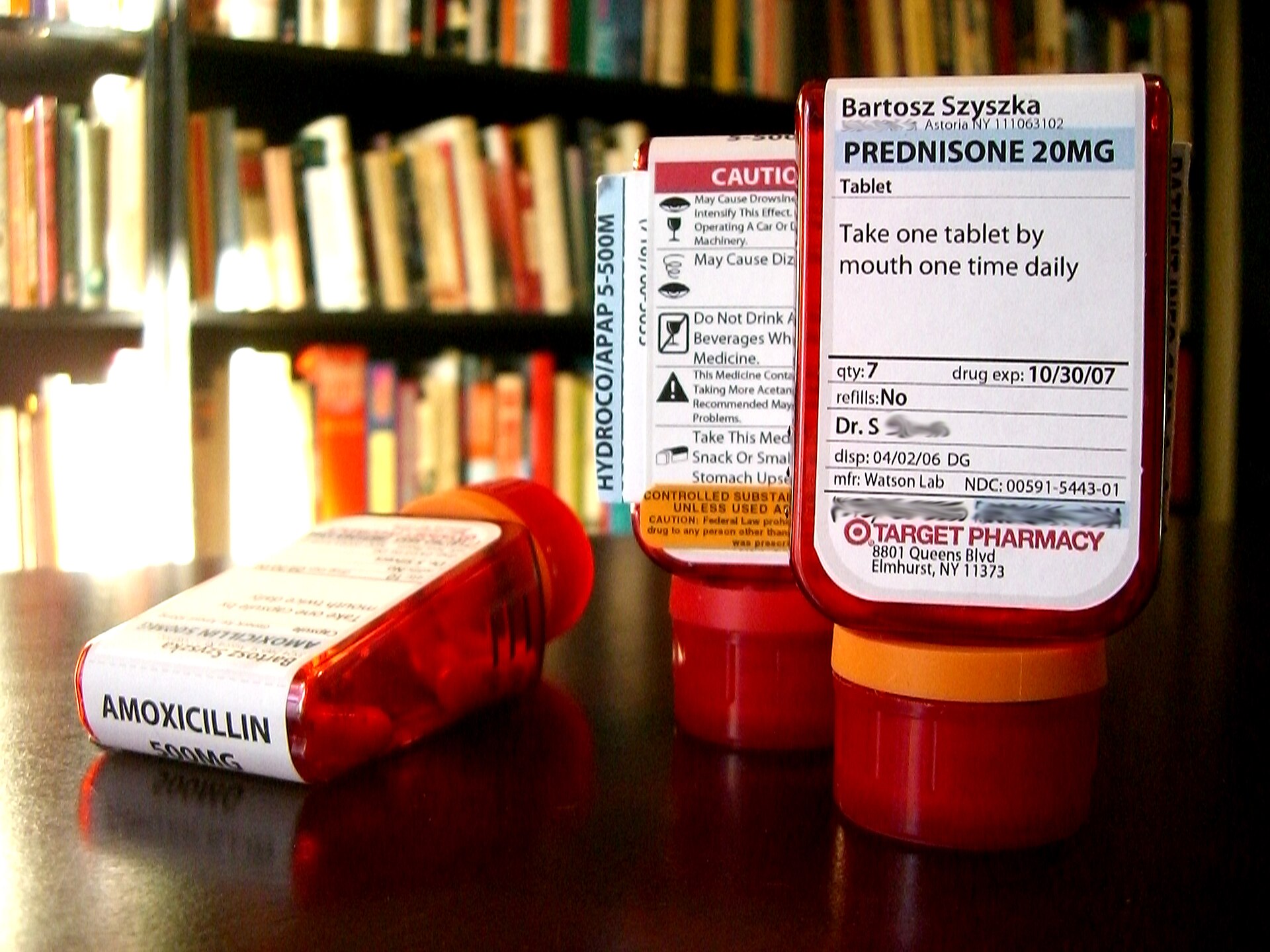
Part D was created by the Medicare Prescription Drug, Improvement, and Modernization Act of 2003 (P.L. 108-173, signed Dec. 8, 2003) and began paying for drugs on Jan. 1, 2006. Unlike Parts A and B, Medicare does not run the drug benefit itself. Private companies offer drug plans under contracts with CMS, compete on premiums and formularies, and are paid partly by Medicare and partly by enrollees' premiums. Lesson 02, How Medicare Grew, 1965 to 2026, tells how the 2003 law passed. The benefit is voluntary: a person with Part A or Part B may enroll, and a person who goes without Part D or other "creditable" drug coverage for too long may owe a penalty later (see below).17
Two ways to get Part D: a stand-alone plan or a Medicare Advantage plan
There are two ways to get Part D coverage, and the difference matters for everything else in this lesson.
- A stand-alone prescription drug plan (PDP) covers drugs only. People in Original Medicare (Parts A and B, with or without a Medigap policy; see lesson 05, Medigap in Idaho) who want Part D buy a PDP. PDPs are sold by region: Idaho and Utah form one of CMS's 34 PDP regions (region 31), so the same eight PDPs are offered in every Idaho and Utah county in 2027.3
- A Medicare Advantage prescription drug plan (MA-PD) folds drug coverage into a Medicare Advantage plan that also covers hospital and doctor care. MA-PDs are offered county by county, and an MA enrollee generally gets drug coverage through the MA plan rather than a separate PDP.
In Idaho the two are close to even. In July 2026, the CMS Medicare Monthly Enrollment file counted 417,781 Idahoans with Medicare, of whom 326,629 (78.2 percent) had Part D: 155,673 in stand-alone PDPs and 170,956 in MA-PDs. Nationally, 81.1 percent of Medicare beneficiaries had Part D, and 44.2 percent of them were in PDPs, so Idaho leans a little more toward stand-alone plans than the country does (our calculation; the file includes people in employer-sponsored Part D plans and counts them by plan type).14 The 21.8 percent of Idaho beneficiaries without Part D are not necessarily uninsured for drugs: many have retiree, union, TRICARE or VA drug coverage instead.
The split moved sharply at the start of 2026. Between December 2025 and January 2026, the number of Idahoans in PDPs rose from 134,333 to 154,795 (up 20,462, or 15.2 percent), while MA-PD enrollment fell from 189,540 to 167,242 (down 22,298, or 11.8 percent).14 The enrollment file does not say why. The timing matches the 2026 plan year, when some Medicare Advantage plans left Idaho counties; the Idaho Department of Insurance's October 2026 open enrollment release said that across the country, changes in Medicare Advantage had led some carriers to "scale back benefits, narrow provider networks, or exit certain regions entirely," and that about 46 percent of Idaho Medicare enrollees were in Medicare Advantage as of June 2026.18 Lesson 08 follows the plan exits county by county.
Formularies, tiers and pharmacy networks
Each plan has a formulary, its list of covered drugs. Federal rules set a floor. A plan must cover at least two drugs in each therapeutic category and class that are not therapeutically equivalent and bioequivalent, under 42 CFR 423.120(b)(2)(i).19 Section 1860D-4(b)(3)(G)(iv) of the Social Security Act names six "categories and classes of clinical concern" in which plans must cover substantially all drugs: anticonvulsants, antidepressants, antineoplastics (cancer drugs), antipsychotics, antiretrovirals (HIV drugs) and immunosuppressants for the treatment of transplant rejection.20 Plans may still use prior authorization (the plan must approve the drug first), step therapy (try a cheaper drug first) and quantity limits.
Formularies are organized in tiers. A typical plan puts preferred generics on the lowest tier with the smallest copay and specialty drugs (very high-cost drugs) on the highest tier with coinsurance, a percentage of the drug's price. Plans also have pharmacy networks, and many have "preferred" pharmacies where cost sharing is lower. Tiers, copays and networks differ from plan to plan and change every January, which is why the Annual Notice of Change each plan sends in the fall matters. The Idaho Department of Insurance's 2026 release said all enrollees would receive their Annual Notice of Change from their carrier by Oct. 1, 2026.18
When a person starts a new plan and is taking a drug the plan does not cover, the plan must provide a temporary "transition" supply: 42 CFR 423.120(b)(3) requires access to a temporary supply within the first 90 days of coverage, generally at least a month's supply.19 That transition fill buys time to ask for an exception or switch to a covered drug.
Asking the plan to cover a drug: coverage determinations and exceptions
When a plan will not cover a drug, or covers it only at a high tier, the enrollee (or the prescriber, on the enrollee's behalf) can ask for a coverage determination, including an exception to the formulary or tier rules. The deadlines are set by regulation:
- Ask the plan for a coverage determination or exception. The request can come from the enrollee or the prescriber. An exception request needs a supporting statement from the prescriber explaining why the covered alternatives would not work.
- Standard decision: 72 hours. Under 42 CFR 423.568(b), the plan must decide no later than 72 hours after it receives the request, or, for an exception, 72 hours after it receives the prescriber's supporting statement.21
- Expedited decision: 24 hours. When waiting could seriously harm the enrollee's health, 42 CFR 423.572(a) requires a decision no later than 24 hours after the request (or after the prescriber's statement, for an exception).22
- If no prescriber statement arrives within 14 calendar days, the clock starts at the end of that 14-day period under the same two rules.2122
- If the answer is no, the denial notice explains the appeal levels: redetermination by the plan, then review by an independent review entity, then an administrative law judge, the Medicare Appeals Council and federal court. Lesson 04 describes the Medicare appeal ladder in more detail.
The late enrollment penalty
Part D's penalty is meant to keep people from waiting until they are sick to sign up. Under 42 CFR 423.46(a), a person owes a late enrollment penalty if, after the initial enrollment period, there was a continuous period of 63 days or longer when the person was eligible for Part D, had no creditable prescription drug coverage, and was not in a Part D plan.23 Creditable coverage is drug coverage, such as many employer or union plans, that is expected to pay at least as much as standard Part D; employers must tell workers each year whether their coverage counts.
The penalty is permanent and is added to the monthly premium. Under 42 CFR 423.286(d)(3), it is the greater of an amount CMS determines is actuarially sound or 1 percent of the national base beneficiary premium for each uncovered month.24 Because the base premium changes every year, so does the penalty. People who qualify for Extra Help do not pay a late enrollment penalty, under 42 CFR 423.780(e).25
Hypothetical example. A made-up Idaho retiree went 20 full months without Part D or creditable coverage after her initial enrollment period. In 2027 her penalty would be 20 x 1 percent x $41.33 (the 2027 base beneficiary premium) = $8.27, which Medicare rounds to the nearest 10 cents, so $8.30 a month, added to her plan premium for as long as she has Part D, and recalculated each year from the new base premium.624 The made-up retiree is not a real person; the arithmetic follows the rule.
The old benefit and the donut hole
From 2006 through 2024, Part D's "defined standard benefit" had four stages. The 2003 law set the 2006 amounts in the statute: a $250 deductible, an initial coverage limit at $2,250 in total drug costs, and an annual out-of-pocket threshold of $3,600, with each amount indexed every year after that.17
- Deductible. The enrollee paid the full cost of drugs up to the deductible.
- Initial coverage. The enrollee paid 25 percent coinsurance (or the plan's equivalent copays) until total drug costs reached the initial coverage limit.
- The coverage gap, or "donut hole." Above the initial coverage limit, the 2006 standard benefit paid nothing until the enrollee's out-of-pocket spending reached the threshold. The Affordable Care Act of 2010 (P.L. 111-148) and later laws phased the gap down with manufacturer discounts and added plan coverage, written into section 1860D-2(b)(2)(C) and (D), until enrollees paid 25 percent in the gap, much as in initial coverage.17 The gap still existed as a stage of the benefit, and it still mattered because of how costs counted toward the threshold.
- Catastrophic coverage. Above the threshold, the enrollee paid about 5 percent coinsurance (or a small minimum copay) with no upper limit. For someone on a cancer drug costing $15,000 a month, 5 percent of every fill for the rest of the year was a large bill.
CMS's CY 2024 Rate Announcement (March 31, 2023) shows the last years of that design. For 2023 the deductible was $505, the initial coverage limit $4,660, and the out-of-pocket threshold $7,400; total covered drug spending at the threshold was estimated at $11,206.28 for people taking brand-name drugs, and catastrophic cost sharing was at least $4.15 for a generic and $10.35 for other drugs. For 2024 the deductible rose to $545, the initial coverage limit to $5,030 and the threshold to $8,000, and the catastrophic cost sharing line reads "Not Applicable": the Inflation Reduction Act ended cost sharing in catastrophic coverage starting in 2024.2627
| Year | Deductible | Initial coverage limit (total drug costs) | Out-of-pocket threshold or cap | Enrollee cost sharing above the threshold | Source |
|---|---|---|---|---|---|
| 2006 | $250 | $2,250 | $3,600 | About 5 percent or a minimum copay | Social Security Act section 1860D-2(b)17 |
| 2023 | $505 | $4,660 | $7,400 | At least $4.15 generic / $10.35 other | CY 2024 Rate Announcement26 |
| 2024 | $545 | $5,030 | $8,000 | $0 (catastrophic cost sharing ended) | CY 2025 Rate Announcement27 |
| 2025 | $590 | Not applicable (gap eliminated) | $2,000 | $0 | CY 2025 and CY 2026 Rate Announcements2728 |
| 2026 | $615 | Not applicable | $2,100 | $0 | CY 2026 Rate Announcement28 |
| 2027 | $700 | Not applicable | $2,400 | $0 | CY 2027 Rate Announcement2 |
The amounts are for the defined standard benefit. Many plans charge a lower deductible, or none, or use flat copays instead of 25 percent coinsurance, as long as the plan is actuarially equivalent to the standard benefit or better. Before 2025, the out-of-pocket threshold also counted certain payments made on the enrollee's behalf, including the drug makers' coverage gap discounts on brand-name drugs, so a person taking brand-name drugs reached the $8,000 threshold of 2024 having personally paid less than $8,000.26
What the Inflation Reduction Act changed, year by year
President Biden signed H.R. 5376, the Inflation Reduction Act of 2022, on Aug. 16, 2022; it became Public Law 117-169. Its prescription drug provisions are in title I, subtitle B, sections 11001 through 11408. Congress passed it under budget reconciliation, with no Republican voting for it in either chamber.12930 In plain words, the drug sections did these things:
| Effective | IRA section | What changed | Source |
|---|---|---|---|
| Oct. 1, 2022 (Part D); Jan. 1, 2023 (Part B), with Part B coinsurance changes from April 1, 2023 | 11101, 11102 | Drug makers owe Medicare rebates when prices for certain drugs rise faster than inflation; Part B coinsurance for those drugs can be reduced | P.L. 117-1691 |
| Jan. 1, 2023 | 11401 | No deductible or cost sharing for adult vaccines recommended by the Advisory Committee on Immunization Practices (ACIP) under Part D | P.L. 117-169; CY 2027 Rate Announcement note 1312 |
| Jan. 1, 2023 (Part D); July 1, 2023 (Part B pump insulin) | 11406, 11407 | Insulin cost sharing capped at $35 for a month's supply, with no deductible; for 2026 and later, the lesser of $35, 25 percent of the negotiated maximum fair price, or 25 percent of the plan's negotiated price | P.L. 117-1691 |
| Jan. 1, 2024 | 11201 | Enrollee cost sharing in the catastrophic stage eliminated | CY 2025 Rate Announcement27 |
| Jan. 1, 2024 | 11404 | Full Extra Help (low-income subsidy) extended to people with incomes up to 150 percent of poverty who meet the resource test; the partial subsidy for 135 to 150 percent of poverty ended | P.L. 117-169; CY 2027 Rate Announcement note 312 |
| 2024 to 2029 | 11201 | Growth in the national base beneficiary premium limited to 6 percent a year | CMS bid memo, July 28, 20266 |
| Jan. 1, 2025 | 11201 | Coverage gap eliminated; $2,000 out-of-pocket cap; Coverage Gap Discount Program replaced by the Manufacturer Discount Program; plans carry more of the catastrophic cost | P.L. 117-169; CY 2025 Rate Announcement127 |
| Jan. 1, 2025 | 11202 | Medicare Prescription Payment Plan lets enrollees pay out-of-pocket drug costs in monthly installments | 42 CFR 423.13731 |
| Jan. 1, 2026 | 11001 to 11004 | First ten negotiated "maximum fair prices" take effect | CMS fact sheet, August 20248 |
| Jan. 1, 2027 | 11001 | Fifteen more negotiated prices take effect | CMS fact sheet, November 20259 |
| Jan. 1, 2028 | 11001 | Third-cycle prices, including the first drugs paid under Part B, take effect if agreed | CMS fact sheet, January 202632 |
The vote count is part of the record. The Senate passed the bill on Aug. 7, 2022, on a 50 to 50 tie broken by Vice President Kamala Harris (Senate roll call vote 325), and the House agreed to the Senate version 220 to 207 on Aug. 12, 2022 (House roll call 420), with every Democrat voting yes and every Republican voting no. Idaho's two senators, Mike Crapo and Jim Risch, and its two House members, Mike Simpson and Russ Fulcher, voted no.2930
The out-of-pocket cap and why it rises every year
The statute set the cap at $2,000 for 2025, and for later years it rises by the "annual percentage increase," which section 1860D-2(b)(6) defines as the growth in average per capita Part D drug spending for Part D enrollees.172 The deductible rises by the same percentage. For 2027 CMS calculated that increase at 13.65 percent: a 9.37 percent trend for 2026 plus a 3.92 percent revision for prior years. Applying it to the 2026 amounts and rounding as the statute directs gives the 2027 cap of $2,400 and deductible of $700.2 The 2026 cap was $2,100 and the deductible $615; in 2025 they were $2,000 and $590.28
The size of the 2027 jump drew comment. In the Rate Announcement, CMS reported that a commenter asked it to use "existing flexibility" to smooth the index for affordability. CMS answered that the method is fixed by section 1860D-2(b)(6) of the Act, that it had written the method into regulation in the CY 2027 final rule, and that it "does not have flexibility to change the API calculation methodology."2 Another commenter asked CMS to consider changing enrollee copay limits because of rising use of specialty drugs, including GLP-1 drugs; CMS said that was outside the scope of the announcement.2
Two other facts about the cap are easy to miss. First, it counts only what the enrollee (or certain others paying on the enrollee's behalf, such as Extra Help) pays for covered Part D drugs on the plan's formulary, filled at network pharmacies or through an approved exception; premiums do not count, and neither do drugs the plan does not cover. Second, it is a calendar-year cap. It resets every Jan. 1, so a person with very high drug costs can pay up to the cap again each year.
Who pays after the cap: plans, drug makers and Medicare
Before 2025, Medicare paid 80 percent of drug costs above the catastrophic threshold through "reinsurance," the enrollee paid about 5 percent, and the plan paid the rest. The IRA changed that split, starting in 2025, to push plans and drug makers to hold down high costs:1
- Drug makers. Under the new Manufacturer Discount Program (section 1860D-14C), a maker of a brand-name drug or biologic must sell it to Part D enrollees at 90 percent of the plan's negotiated price before the enrollee reaches the cap, a 10 percent discount, and at 80 percent of the price after the cap, a 20 percent discount, with phase-ins for some small manufacturers and drugs used by people with Extra Help.1
- Medicare. Reinsurance above the cap fell to 20 percent of costs for brand-name drugs and biologics and 40 percent for other drugs, mostly generics, under section 1860D-15(b) as amended.1
- Plans. By subtraction, the plan pays the remaining 60 percent above the cap for both kinds of drugs, and 65 percent of brand-name costs in the initial stage (100 percent minus the enrollee's 25 percent and the manufacturer's 10 percent) under the standard benefit. These are our calculations from the percentages in the law.
MedPAC, the commission that advises Congress on Medicare payment, estimated in its March 2026 report that about 82 percent of the jump in the national average Part D bid in 2025 came from moving money out of cost-based reinsurance and enrollee cost sharing into the monthly per-person payments Medicare makes to plans, and that most of the 2026 increase reflected higher expected spending.33 Those bids drive premiums, which is the subject of a later section.
The Medicare Prescription Payment Plan: spreading the cost over the year
A $2,400 cap still means a large bill if most of it comes due at the pharmacy in January. Section 11202 of the IRA created what CMS calls the Medicare Prescription Payment Plan. Every Part D plan, stand-alone or Medicare Advantage, must offer it. An enrollee who opts in pays $0 at the pharmacy for covered drugs and gets a monthly bill from the plan instead. It does not lower the total: CMS's page says participation is free and the option "doesn't save you money or lower your drug costs."34 The rules are in 42 CFR 423.137, which CMS codified in its CY 2026 final rule:31
- The monthly amount. In the first month, the maximum bill is the annual out-of-pocket cap minus what the enrollee has already paid that year, divided by the number of months left in the year (counting the current month). In later months it is any balance carried forward plus new costs, divided by the months left (423.137(c)).
- No interest or fees. The plan "must not charge late fees, interest payments, or other fees" (423.137(g)(1)(iii)).
- Missed payments. After a missed payment, the plan must give a grace period of at least two months from its notice before ending participation (423.137(f)(3)). Ending participation in the payment plan does not end the drug coverage.
- Who is "likely to benefit." Plans must flag people likely to benefit, defined as someone who incurs $600 or more in out-of-pocket costs for a single drug, or who incurred $2,000 in out-of-pocket costs in the first nine months of the prior year (423.137(e)(1)(i)). Pharmacies then tell those people at the counter that the option exists.
- Timing. A plan must process a complete election request within 24 hours during the plan year (423.137(d)(4)(ii)(A)), and, starting with 2026, must automatically renew participation for the next year unless the enrollee opts out (423.137(d)(9)).
How we figured it: a hypothetical payment plan bill
Hypothetical example. A made-up Twin Falls enrollee has not paid anything toward Part D in 2027 and starts a drug whose cost sharing alone would reach the $2,400 cap with the first January fill. Without the payment plan, the enrollee would owe $2,400 at the pharmacy in January and $0 for covered drugs the rest of the year. With the payment plan elected before that fill, the first month's maximum bill is ($2,400 minus $0) divided by 12 months = $200, and with no new costs (the cap has been reached) each later month is also $200, for a total of $2,400. If the same person elected the plan in July instead, with no earlier costs, the first bill would be $2,400 divided by 6 months = $400. Inputs: the 2027 cap of $2,400 (CY 2027 Rate Announcement, Table V-2) and the formula in 42 CFR 423.137(c).231 Actual bills depend on the plan's cost sharing and on when costs are incurred; this example is illustration only.
Insulin at $35 and vaccines at $0
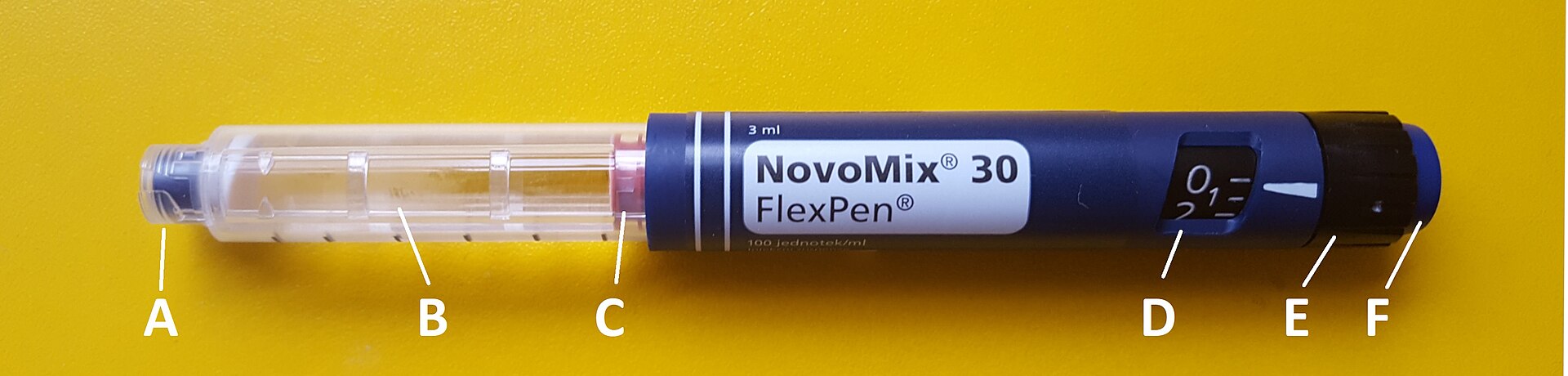
Since Jan. 1, 2023, Part D plans may not charge more than $35 for a month's supply of each covered insulin product, and the deductible does not apply. The law gave plans until March 31, 2023, to fix their pharmacy systems and required them to repay enrollees within 30 days for anything charged above $35 in the first three months. From 2026, the cap is the lesser of $35, 25 percent of a negotiated maximum fair price, or 25 percent of the plan's negotiated price, which matters because NovoLog and Fiasp insulin carry a negotiated price starting in 2026. For insulin used through a pump covered as durable medical equipment under Part B, the $35 cap began July 1, 2023.1
Insulin is a large line in Idaho's Part D bill. Idaho prescribers wrote Part D insulin claims with a gross drug cost of $40.1 million in 2024, across 112,802 claims (our sum of the 84 insulin rows in the CMS Part D Prescribers by Geography and Drug file for Idaho).16 The $35 cap limits what the enrollee pays; it does not lower the price the plan and Medicare pay.
Since Jan. 1, 2023, Part D has also covered adult vaccines recommended by the Advisory Committee on Immunization Practices with no deductible and no cost sharing, under section 1860D-2(b)(8) as added by IRA section 11401. Some vaccines, such as the flu shot, are covered under Part B instead of Part D.21

GLP-1 drugs for weight loss: a separate, temporary bridge
Part D law excludes the drugs that state Medicaid programs may exclude, and that list, in section 1927(d)(2)(A) of the Social Security Act, includes "agents when used for anorexia, weight loss, or weight gain." So Part D plans cover GLP-1 drugs such as Ozempic for diabetes, and Wegovy for its approved cardiovascular use, but not for weight loss alone.17359 In 2026, CMS began a separate demonstration outside the Part D benefit. Its Medicare GLP-1 Bridge page, updated July 13, 2026, says the bridge started July 1, 2026, gives eligible Part D enrollees access to "certain GLP-1 drugs" for a $50 copay, does not apply the Part D deductible, does not provide Extra Help, and does not count toward the out-of-pocket cap. Because CMS's planned BALANCE model will not start in 2027, CMS extended the bridge through Dec. 31, 2027. CMS cites demonstration authority in section 402(a)(1)(A) of the Social Security Amendments of 1967, made applicable to Part D by section 1860D-42(b).36 The page does not list the eligibility criteria, which it posts at Medicare.gov; readers checking eligibility rules should use that page and not this summary.
Extra Help: the low-income subsidy
Extra Help, the program's formal name for which is the Part D low-income subsidy (LIS), pays most or all of a Part D premium and deductible for people with limited income and resources and lowers their copays. It is run jointly: the Social Security Administration (SSA) takes applications and decides eligibility for most people, state Medicaid agencies (in Idaho, the Department of Health and Welfare) identify people who qualify automatically, and CMS pays the plans.3715
Who qualifies in 2026 and what it pays in 2027
Medicare.gov lists the 2026 limits as $23,940 in income and $18,090 in resources for one person, and $32,460 in income and $36,100 in resources for a married couple living together. The resource limits include $1,500 per person that a person may set aside for burial expenses; CMS's CY 2027 Rate Announcement gives the same $18,090 and $36,100 figures for 2026 and says the 2027 resource limits would be published in a fall 2026 memo after the September 2026 inflation figure.152 SSA asks for income and resource information during the application.37
Some people get Extra Help without applying. Medicare.gov says a person qualifies automatically if the person gets full Medicaid coverage, gets help from the state paying Part B premiums through a Medicare Savings Program, or gets Supplemental Security Income (SSI).15 Idaho's Medicare Savings Programs and Medicaid eligibility are explained in the Idaho Medicaid course, Who Qualifies and Who Is Covered, and the "dual eligibles" who have both programs will get their own lesson in a later part of this health series.
| Extra Help group | Deductible | Most a covered generic costs, 2026 / 2027 | Most a covered brand-name drug costs, 2026 / 2027 | After the out-of-pocket cap |
|---|---|---|---|---|
| Full Medicaid, living in a nursing home or getting certain home and community-based services | $0 | $0 / $0 | $0 / $0 | $0 |
| Full Medicaid, income at or below 100 percent of poverty | $0 | $1.60 / $1.65 | $4.90 / $5.00 | $0 |
| All others with Extra Help (income up to 150 percent of poverty and resources under the limit) | $0 | $5.10 / $5.80 | $12.65 / $14.40 | $0 |
Source: CMS CY 2027 Rate Announcement, Table V-2, which lists the maximum copayments by low-income category for 2026 and 2027.2 Medicare.gov's Extra Help page gives the same 2027 amounts for most people: up to $5.80 for each generic and $14.40 for each brand-name drug, $0 premium in a plan at or below the regional benchmark, and $0 after total drug costs reach the cap.15 The premium is $0 only in a "benchmark" plan; a person with Extra Help who picks a more expensive plan pays the difference.
How many Idahoans get Extra Help
In July 2026 the CMS Medicare Monthly Enrollment file counted 54,468 Idaho Part D enrollees "deemed eligible" for full Extra Help (the automatic group) and 4,006 more who applied and were approved, 58,474 in all, or 17.9 percent of Idaho's 326,629 Part D enrollees. The national share was 24.5 percent (our calculations from the same file).14 CMS's 2027 state fact sheet for Idaho reports that 18.17 percent of Idaho's stand-alone PDP enrollees get Extra Help.5 MedPAC reported that national Extra Help enrollment, 13.6 million in 2025, declined for the first time in the program's history.33 The data do not say how many Idahoans are eligible but not enrolled; that would require income and asset data the enrollment file does not contain.
Applying for Extra Help: the steps
- Check whether it is automatic. People with full Medicaid, a Medicare Savings Program or SSI get Extra Help automatically and do not need to apply.15
- Gather income and resource figures. SSA says it will ask for financial information during the application; bank statements, investment statements and income records answer most questions.37
- Apply to SSA. SSA takes applications online or by phone at 1-800-772-1213 (TTY 1-800-325-0778). A person can apply before or after joining a Part D plan.37
- Watch for the decision letter. SSA notifies the applicant of its decision; the copay limits in the table above then apply at the pharmacy.
- Look at the Medicare Savings Programs too. These state programs, run in Idaho by the Department of Health and Welfare, help with Part B premiums and bring Extra Help with them automatically. Lesson 07 and the Medicaid course cover them.15
Premiums: how they are set and why some jumped
Each year, every Part D plan submits a bid to CMS: what it expects the basic benefit to cost per enrollee per month. CMS averages the bids, weighted by enrollment, to get the national average monthly bid amount. The law sets enrollees' share of the basic benefit at 25.5 percent, adjusted for reinsurance, and the result is the base beneficiary premium. Each plan's actual basic premium is the base premium plus or minus the difference between that plan's bid and the national average, plus any premium for enhanced (extra) coverage, plus any late enrollment penalty, minus any Medicare Advantage rebate dollars a plan uses to buy down the drug premium.6
Section 11201 of the IRA added a brake for 2024 through 2029: the base premium may not rise more than 6 percent a year. In CMS's July 28, 2026, memo, the formula produced $94.06 for 2027, but the 6 percent limit held the base premium to $41.33 ($38.99 x 1.06).6 The gap between those two numbers is one measure of how much of the cost of the redesign has moved into plan bids.
| Year | National average monthly bid | Base beneficiary premium | Premium stabilization demonstration (stand-alone PDPs) | Source |
|---|---|---|---|---|
| 2025 | Not restated here | $36.78 | $15 base premium reduction; premium increases limited to $35; narrowed risk corridors | CMS memo and fact sheet, July 28, 20257 |
| 2026 | $239.27 | $38.99 | $10 reduction; increases limited to $50; narrowed risk corridors eliminated | CMS memo and fact sheet, July 28, 20257 |
| 2027 | $296.05 | $41.33 | Ended Dec. 31, 2026 | CMS memo, July 28, 20266 |
The premium stabilization demonstration and its end
When the 2025 bids came in far higher than before, CMS used its demonstration authority to create a voluntary Part D Premium Stabilization Demonstration for stand-alone PDPs. In 2025 it cut participating plans' base premium by $15 a month, limited a plan's year-over-year premium increase to $35, and narrowed the risk corridors that share plans' gains and losses with Medicare. For 2026, CMS cut the reduction to $10, raised the increase limit to $50 and dropped the narrowed corridors.7 On July 28, 2026, CMS announced it would "discontinue the demonstration at the end of CY 2026," saying the 2027 bids showed plan sponsors had "sufficient experience under the redesigned Part D benefit" to support their assumptions.6
The fight over the demonstration shows the interests at stake. In comments on the 2027 Rate Announcement, several commenters called it "a necessary bridge mechanism" for the stand-alone market while plans absorb the new catastrophic costs and the spread of high-cost specialty drugs including GLP-1s. A few commenters opposed continuing it, arguing it could complicate bids, "distort market incentives" or delay pricing changes. CMS said it could not decide without first seeing the 2027 bids.2 MedPAC's March 2026 report had warned that stand-alone premiums remained higher than MA-PD premiums and that the gap could widen when the demonstration ended.33
What 2027 premiums look like nationally
CMS's Sept. 28, 2026, release projected the average monthly stand-alone PDP premium at $36 in 2027, up less than $1 from $35.09 in 2026, and the average Part D premium in Medicare Advantage drug plans, after MA rebates, at $7, down from $11.32.38 KFF, a nonprofit health policy research organization, published a different measure on Oct. 30, 2026: if current enrollees do not switch plans, the average PDP premium would rise 50 percent, from $34 to $51 a month, and "there are no zero premium PDPs available in 2027." KFF also put the average 2027 PDP deductible at $643, up from $540.39 The two figures answer different questions: CMS's figure is an average across plans, and KFF's assumes everyone stays in the plan they have. Both agree that the price of staying put differs widely from plan to plan.
Higher-income enrollees also pay a Part D income-related monthly adjustment amount (Part D IRMAA) on top of the plan premium, collected by SSA; the brackets are in lesson 07, Premiums, IRMAA and What Seniors Pay.

Idaho's drug plan choices, 2006 to 2027
Every fall CMS publishes plan data files that list each plan offered in each state and county with its premium, deductible and star rating. We counted the stand-alone PDPs listed for Idaho in each year's file, from the first plan year, 2006, through 2027. The results:
| Plan year | Stand-alone PDPs in Idaho | Sponsors (names as listed) | Lowest monthly premium | Median monthly premium | Highest monthly premium |
|---|---|---|---|---|---|
| 2006 | 44 | 19 | $6.33 | $37.26 | $68.88 |
| 2007 | 56 | 23 | $13.30 | $37.40 | $75.50 |
| 2008 | 54 | 21 | $17.10 | $39.40 | $99.50 |
| 2009 | 51 | 22 | $18.50 | $44.00 | $113.70 |
| 2010 | 48 | 21 | $18.70 | $45.40 | $106.20 |
| 2011 | 30 | 17 | $14.80 | $54.75 | $121.70 |
| 2012 | 33 | 18 | $15.10 | $54.80 | $112.50 |
| 2013 | 27 | 15 | $15.00 | $48.60 | $116.30 |
| 2014 | 35 | 18 | $12.60 | $49.60 | $138.80 |
| 2015 | 30 | 14 | $15.70 | $46.25 | $144.70 |
| 2016 | 26 | 14 | $18.40 | $51.70 | $162.10 |
| 2017 | 22 | 11 | $17.00 | $40.10 | $159.30 |
| 2018 | 25 | 12 | $20.40 | $53.10 | $184.50 |
| 2019 | 26 | 10 | $15.50 | $39.50 | $110.00 |
| 2020 | 28 | 10 | $13.20 | $35.60 | $119.00 |
| 2021 | 28 | 10 | $7.30 | $35.80 | $123.50 |
| 2022 | 22 | 9 | $6.90 | $40.20 | $112.00 |
| 2023 | 23 | 9 | $5.10 | $39.90 | $103.60 |
| 2024 | 20 | 7 | $0.50 | $49.40 | $108.00 |
| 2025 | 12 | 5 | $0.00 | $58.40 | $121.90 |
| 2026 | 10 | 5 | $0.00 | $42.00 | $132.60 |
| 2027 | 8 | 4 | $5.30 | $63.70 | $238.00 |
How we figured it: Idaho PDP counts and premiums
We counted each distinct contract and plan number listed for Idaho in the stand-alone PDP file for each year (for 2006, the rows marked "Medicare Prescription Drug Plan" in CMS's 2006 plan and premium file; for 2025 to 2027, the rows marked "PDP" in the combined files). Premiums are each plan's total monthly Part D premium as listed, before any Extra Help; the median is the middle plan's premium, not weighted by enrollment, so it is not what the typical Idahoan paid. "Sponsors" counts distinct company names as each file lists them; the files used marketing or company names through 2024 and parent organizations from 2025, so sponsor counts are not exactly comparable over time. Files used: the CMS CY 2006 to CY 2025 archive (one file per year, the latest version in the archive), the CY 2026 file dated September 2026 and the CY 2027 file dated November 2026.4403 The 2027 count of 8 matches CMS's Idaho state fact sheet.5 For 2025 the sources differ: CMS's Idaho fact sheet of Sept. 27, 2024, counted 14 stand-alone plans for 2025, while the June 2025 version of the 2025 file in CMS's archive, which we counted, lists 12. The files do not explain the difference.524
The eight Idaho PDPs for 2027
The table lists every stand-alone PDP in the CMS file for Idaho for 2027, with the same plan's 2026 figures where it was offered in 2026. "Benchmark" means the plan's basic premium is at or below the regional low-income benchmark, so a person with full Extra Help pays $0 premium in it. Star ratings are CMS's Part D summary ratings shown in the files. The listing is factual and is not a ranking or a recommendation; a plan that is cheap for one person's drugs can be expensive for another's.
| Parent organization (as listed by CMS) | Plan (contract and plan number) | Type | 2026 premium / deductible | 2027 premium / deductible | 2027 Extra Help benchmark | Part D stars shown, 2026 / 2027 file |
|---|---|---|---|---|---|---|
| Centene Corporation | Wellcare Classic (PDP), S4802-021 | Basic | $23.70 / $615 | $7.30 / $700 | Yes | 3.5 / 3.0 |
| Centene Corporation | Wellcare Value Script (PDP), S4802-162 | Enhanced | $9.60 / $615 | $5.30 / $700 | Not applicable | 3.5 / 3.0 |
| Health Care Service Corporation | HealthSpring Assurance Rx (PDP), S5617-153 in 2026; S5715-048 in 2027 | Basic | $128.60 / $615 | $94.80 / $700 | No | 2.5 / 2.5 |
| Humana Inc. | Humana Basic Rx Plan (PDP), S5884-147 | Basic | $0.00 / $615 | $30.60 / $700 | Yes | 3.0 / 4.5 |
| Humana Inc. | Humana Premier Rx Plan (PDP), S5884-177 | Enhanced | $115.50 / $0 | $134.00 / $350 | Not applicable | 3.0 / 4.5 |
| Humana Inc. | Humana Value Rx Plan (PDP), S5884-210 | Enhanced | $19.40 / $601 | $34.70 / $687 | Not applicable | 3.0 / 4.5 |
| UnitedHealth Group, Inc. | AARP Medicare Rx Saver from UHC (PDP), S5921-375 | Basic | $56.50 / $615 | $92.70 / $700 | No | 2.0 / 3.0 |
| UnitedHealth Group, Inc. | AARP Medicare Rx Preferred from UHC (PDP), S5921-412 | Enhanced | $132.60 / $130 | $238.00 / $300 | Not applicable | 2.0 / 3.0 |
Sources: CMS plan data files for 2026 (September 2026 version) and 2027 (November 2026 version).403 Two 2026 Idaho PDPs do not appear in the 2027 file: CVS Health Corporation's SilverScript Choice (S5601-062, $27.70 a month in 2026) and Health Care Service Corporation's HealthSpring Extra Rx (S5617-381, $56.30). The HealthSpring Assurance Rx plan appears under a different contract number in 2027; the files do not say whether that is the same plan. CMS's Idaho fact sheet says 100 percent of Idaho PDP enrollees have access to a plan with a lower premium than they paid in 2026, and gives the lowest 2027 PDP premium as $5.30.5
Read the premium column with care. In 2027 the lowest premium belongs to an enhanced plan, Wellcare Value Script, at $5.30, but it carries the full $700 deductible. The basic plan that cost $0 a month in 2026, Humana Basic Rx, costs $30.60 in 2027. And the unweighted median premium of the eight plans rose from $42.00 in 2026 to $63.70 in 2027 (our calculation). A premium is only one part of the cost; the deductible, the tier of each drug and the pharmacy network decide the rest.
Idaho compared with neighboring states
| State (PDP region) | PDPs 2026 | PDPs 2027 | Lowest / median / highest premium, 2027 | Part D enrollees in PDPs, July 2026 | Part D enrollees with Extra Help, July 2026 |
|---|---|---|---|---|---|
| Idaho (31, with Utah) | 10 | 8 | $5.30 / $63.70 / $238.00 | 47.7% | 17.9% |
| Utah (31, with Idaho) | 10 | 8 | $5.30 / $63.70 / $238.00 | 35.9% | 13.5% |
| Oregon (30, with Washington) | 10 | 8 | $5.30 / $23.35 / $184.20 | 38.0% | 23.3% |
| Washington (30, with Oregon) | 10 | 8 | $5.30 / $23.35 / $184.20 | 40.1% | 21.2% |
| Montana (25, seven-state region) | 11 | 9 | $5.30 / $33.30 / $222.90 | 64.7% | 15.9% |
| Wyoming (25, seven-state region) | 11 | 9 | $5.30 / $33.30 / $222.90 | 83.3% | 14.8% |
| Nevada (29) | 10 | 9 | $5.30 / $86.60 / $232.60 | 36.3% | 21.2% |
| United States | 360 distinct PDPs | 316 distinct PDPs | No $0-premium PDP in any region in 2027 | 44.2% | 24.5% |
Sources and method: PDP counts and premiums are our count from the CMS plan data files for 2026 and 2027 (50 states and the District of Columbia for the U.S. row); enrollment shares are our calculation from the CMS Medicare Monthly Enrollment file for July 2026 (PDP enrollees divided by all Part D enrollees; Extra Help enrollees, deemed plus approved, divided by all Part D enrollees).40314 MedPAC's March 2026 report gives the same national count of 360 PDPs for 2026, down 22 percent from 464 in 2025.33 Medians are unweighted.
Drug coverage in Medicare Advantage plans, by county
Medicare Advantage drug plans are sold county by county, so choices differ more inside Idaho than PDP choices do. Our count of MA plans with Part D coverage (MA-PDs, including special needs plans, excluding employer-only plans, which are not in the files) for selected counties:
| County | MA-PD plans, 2026 | MA-PD plans, 2027 |
|---|---|---|
| Ada | 25 | 21 |
| Canyon | 25 | 21 |
| Twin Falls | 16 | 12 |
| Gooding | 13 | 10 |
| Lincoln | 12 | 9 |
| Minidoka | 11 | 6 |
| Cassia | 12 | 7 |
| Blaine | 11 | 7 |
| Camas | 9 | 9 |
| Bonneville | 13 | 13 |
| Bannock | 12 | 9 |
| Kootenai | 11 | 11 |
| Nez Perce | 9 | 6 |
| Idaho County | 9 | 5 |
| Idaho, all counties (distinct plans) | 40 | 37 |
Source: our count of distinct contract, plan and segment numbers with "Part D Coverage Indicator" marked yes in the CMS plan data files for 2026 (September 2026 version) and 2027 (November 2026 version).403 CMS's Idaho fact sheet, which counts all Medicare Advantage plans including those without drug coverage, gives 48 in 2026 and 44 in 2027.5 Which insurers left which counties, and what people in those plans can do, is the subject of lesson 08, The 2027 Plan Year in Idaho.
The Medicare Drug Price Negotiation Program
For its first 17 years, Part D had a "noninterference" clause: the 2003 law barred the Secretary of Health and Human Services from negotiating drug prices or requiring a particular formulary, leaving price bargaining to the private plans.41 Section 11001 of the IRA added part E to title XI of the Social Security Act (sections 1191 to 1198, codified at 42 U.S.C. 1320f to 1320f-7), which carves out an exception for a limited number of high-spending drugs and directs the Secretary to negotiate a "maximum fair price" (MFP) for each.142
How drugs are selected
- How many. The law sets the number of drugs selected for each year the prices first apply: 10 for 2026, 15 for 2027, 15 for 2028 and 20 for 2029 and every year after (42 U.S.C. 1320f-1(a)). The first two rounds were Part D drugs only; from 2028 on, drugs paid under Part B (usually given in a doctor's office or clinic) may be selected.42
- Which drugs. Only "qualifying single source drugs": a drug at least 7 years past FDA approval, or a biologic at least 11 years past licensure, with no generic or biosimilar on the market. Among those, CMS ranks by total Medicare spending.42
- What is excluded. Low-spend drugs (under $200 million in combined Part B and D spending in the base period, indexed after 2026), drugs made from human blood or plasma, and orphan drugs for rare diseases. Section 71203 of P.L. 119-21, the 2025 reconciliation law signed July 4, 2025, widened the orphan drug exclusion, starting with prices that apply in 2028, from drugs designated for "only one rare disease or condition" to drugs designated for one or more rare diseases when every approved use is for a rare disease.4243
- What the price may be. The law caps the MFP at a ceiling tied to the drug's prices to other buyers, with the ceiling lower for drugs that have been on the market longer (the statute uses 75, 65 and 40 percent tiers), and lists factors CMS considers, such as research costs, unmet need and therapeutic alternatives.1
- What happens if a maker refuses. Section 11003 imposes an excise tax on sales of a selected drug while the maker is out of compliance, unless the maker withdraws all of its drugs from Medicare and Medicaid coverage agreements. Drug makers argue that this makes participation coerced; the courts' answer is below.144
Round one: ten drugs priced for 2026
CMS announced the first ten drugs on Aug. 29, 2023, and the negotiated prices in August 2024. All ten makers signed agreements. CMS's fact sheet compares each price with the 2023 list price (wholesale acquisition cost) for a 30-day supply:8
| Drug | Commonly used for | 2023 list price, 30 days | Negotiated price (MFP), 30 days, 2026 | Discount from list | Part D enrollees who used it, 2023 |
|---|---|---|---|---|---|
| Januvia | Diabetes | $527 | $113 | 79% | 843,000 |
| Fiasp; NovoLog | Diabetes (insulin) | $495 | $119 | 76% | 785,000 |
| Farxiga | Diabetes, heart failure, chronic kidney disease | $556 | $178.50 | 68% | 994,000 |
| Enbrel | Rheumatoid arthritis, psoriasis, psoriatic arthritis | $7,106 | $2,355 | 67% | 48,000 |
| Jardiance | Diabetes, heart failure, chronic kidney disease | $573 | $197 | 66% | 1,883,000 |
| Stelara | Psoriasis, psoriatic arthritis, Crohn's disease, ulcerative colitis | $13,836 | $4,695 | 66% | 23,000 |
| Xarelto | Blood clot prevention and treatment | $517 | $197 | 62% | 1,324,000 |
| Eliquis | Blood clot prevention and treatment | $521 | $231 | 56% | 3,928,000 |
| Entresto | Heart failure | $628 | $295 | 53% | 664,000 |
| Imbruvica | Blood cancers | $14,934 | $9,319 | 38% | 17,000 |
CMS estimated that if the prices had applied in 2023, Medicare would have saved about $6 billion in net covered drug costs, 22 percent lower net spending on these drugs, and that people with Part D would save an estimated $1.5 billion in 2026 under the standard benefit design.8 The list price is not what Medicare was paying before negotiation: plans already received confidential rebates from drug makers, which is why CMS measures savings against net spending (after rebates) and why the discount from list is much larger than the savings percentage.
Round two: fifteen drugs priced for 2027
CMS selected the second 15 drugs in January 2025 and announced the negotiated prices on Nov. 25, 2025. CMS said agreements were reached for all 15, eight during negotiation meetings or price exchanges and seven through CMS's written final offer. The prices take effect Jan. 1, 2027:459
| Drug | Commonly used for | 2024 list price, 30 days | Negotiated price (MFP), 30 days, 2027 | Discount from list |
|---|---|---|---|---|
| Ozempic; Rybelsus; Wegovy (semaglutide) | Type 2 diabetes; cardiovascular disease and obesity or overweight (Wegovy) | $959 | $274 | 71% |
| Trelegy Ellipta | Asthma; COPD | $654 | $175 | 73% |
| Xtandi | Prostate cancer | $13,480 | $7,004 | 48% |
| Pomalyst | Kaposi sarcoma; multiple myeloma | $21,744 | $8,650 | 60% |
| Ofev | Idiopathic pulmonary fibrosis | $12,622 | $6,350 | 50% |
| Ibrance | Breast cancer | $15,741 | $7,871 | 50% |
| Linzess | Chronic constipation; IBS with constipation | $539 | $136 | 75% |
| Calquence | Chronic lymphocytic leukemia; mantle cell lymphoma | $14,228 | $8,600 | 40% |
| Austedo; Austedo XR | Chorea in Huntington's disease; tardive dyskinesia | $6,623 | $4,093 | 38% |
| Breo Ellipta | Asthma; COPD | $397 | $67 | 83% |
| Xifaxan | Hepatic encephalopathy; IBS with diarrhea | $2,696 | $1,000 | 63% |
| Vraylar | Bipolar I disorder; major depressive disorder; schizophrenia | $1,376 | $770 | 44% |
| Tradjenta | Type 2 diabetes | $488 | $78 | 84% |
| Janumet; Janumet XR | Type 2 diabetes | $526 | $80 | 85% |
| Otezla; Otezla XR | Behcet's disease oral ulcers; plaque psoriasis; psoriatic arthritis | $4,722 | $1,650 | 65% |
CMS estimated that had these prices applied in 2024, they would have saved about $12 billion in net covered drug costs, about 44 percent lower net spending; counting the old Coverage Gap Discount Program payments, the estimate is about $8.5 billion, or 36 percent. It projected about $685 million in lower out-of-pocket costs for enrollees in 2027. About 5.3 million of 53 million Part D enrollees used these drugs in 2024, at a gross cost of $42.5 billion, about 15 percent of Part D gross drug costs.9 Negotiated prices rise each year with the consumer price index (CPI-U), and a drug can be renegotiated.9 The CMS press release of Nov. 25, 2025, used the 44 percent and $12 billion figures; the January 2026 release used the 36 percent and $8.5 billion figures, so readers comparing news accounts will see both.4546
Round three: fifteen drugs for 2028, including the first Part B drugs
On Jan. 27, 2026, CMS selected 15 drugs for prices that would take effect Jan. 1, 2028, the first round that includes drugs paid under Part B, and picked Tradjenta for the first renegotiation. CMS did not say in the release which of the 15 are Part B drugs. By CMS's count the 15 accounted for about $27 billion, about 6 percent, of combined Part B and Part D spending from November 2024 to October 2025, and were used by about 1.8 million people. All 15 makers chose to participate, CMS reported March 13, 2026.463247
| Drug | Commonly used for (CMS wording, shortened) | Total Part B and D spending, Nov. 2024 to Oct. 2025 | People who used it |
|---|---|---|---|
| Trulicity | Type 2 diabetes | $4.90 billion | 617,000 |
| Biktarvy | HIV-1 infection | $3.90 billion | 101,000 |
| Orencia | Psoriatic arthritis; rheumatoid arthritis | $2.45 billion | 72,000 |
| Cosentyx | Plaque psoriasis; psoriatic arthritis | $2.33 billion | 40,000 |
| Erleada | Prostate cancer | $1.95 billion | 19,000 |
| Kisqali | Breast cancer | $1.58 billion | 17,000 |
| Entyvio | Crohn's disease; ulcerative colitis | $1.48 billion | 37,000 |
| Verzenio | Breast cancer | $1.43 billion | 15,000 |
| Botox; Botox Cosmetic | Chronic migraine; overactive bladder; spasticity | $1.14 billion | 390,000 |
| Lenvima | Thyroid, endometrial, liver and kidney cancers | $1.09 billion | 10,000 |
| Xolair | Asthma; chronic hives | $1.08 billion | 40,000 |
| Rexulti | Depression; schizophrenia; agitation with Alzheimer's dementia | $1.08 billion | 119,000 |
| Xeljanz; Xeljanz XR | Psoriatic arthritis; rheumatoid arthritis; ulcerative colitis | $1.01 billion | 22,000 |
| Anoro Ellipta | COPD | $0.81 billion | 281,000 |
| Cimzia | Crohn's disease; psoriasis; psoriatic and rheumatoid arthritis | $0.79 billion | 38,000 |
CMS's schedule called for negotiations to end Nov. 1, 2026, and for CMS to publish any agreed prices by Nov. 30, 2026.32 As of Nov. 22, 2026, we did not find the third-round prices published on CMS's site, so this lesson does not report them.
How pharmacies get paid the negotiated price
A negotiated price changes what Medicare and the enrollee pay; it also changes what a pharmacy is paid, and that raised its own problem. Pharmacies buy drugs from wholesalers at prices near list, then dispense to a Medicare enrollee at the MFP. The drug maker must make up the difference. CMS's final guidance for 2026 and 2027 says enrollees "will not pay more than the MFP" at the counter, requires each maker to ensure the MFP is available, and created a Medicare Transaction Facilitator to pass claim data between pharmacies and makers. Makers must pay pharmacies within a 14-day "prompt MFP payment window," and their plans must address pharmacies' cash-flow concerns from waiting for those refunds; pharmacies could tell CMS whether they expected material cash-flow problems.48 Idaho has many independent and rural pharmacies, for whom a two-week float on expensive drugs is a real cost; whether the system works for them is a question the public record does not yet answer for Idaho specifically.


The lawsuits: what the courts decided
Drug makers and business groups sued in several federal courts beginning in 2023. Their main arguments were that the program takes property without just compensation (Fifth Amendment), compels speech by requiring them to sign agreements calling the price "fair" (First Amendment), and coerces participation through the excise tax and the threat of leaving Medicare and Medicaid (the unconstitutional conditions doctrine and due process). The government argued that no company is required to sell to Medicare and that Medicare, as a buyer, may set the terms on which it buys. In the government's words in a March 2026 brief, courts had "thus far unanimously rejected constitutional challenges" to the program, and on May 18, 2026, the Supreme Court denied review in six of the cases.4410
| Case | Appeals court decision | Supreme Court |
|---|---|---|
| AstraZeneca Pharmaceuticals LP v. HHS | 3d Cir., May 8, 2025, 137 F.4th 116: for the government | No. 25-348, review denied May 18, 202610 |
| Boehringer Ingelheim Pharmaceuticals, Inc. v. HHS | 2d Cir., Aug. 7, 2025, 150 F.4th 76: for the government | No. 25-799, review denied May 18, 202612 |
| Janssen Pharmaceuticals, Inc. v. Kennedy; Bristol Myers Squibb Co. v. Kennedy | 3d Cir., Sept. 4, 2025, 155 F.4th 245: for the government | Nos. 25-749 and 25-751, review denied May 18, 202613 |
| Novartis Pharmaceuticals Corp. v. Kennedy | 3d Cir., Sept. 11, 2025, 155 F.4th 223: for the government | No. 25-902, review denied May 18, 202613 |
| Novo Nordisk Inc. v. Kennedy | 3d Cir., Oct. 6, 2025, 154 F.4th 105: for the government | No. 25-761, review denied May 18, 202611 |
| National Infusion Center Association v. Kennedy | 5th Cir. revived the case on standing in 2024 (116 F.4th 488); the district court then ruled for the government in 2025 (798 F. Supp. 3d 748, W.D. Tex.); appeal argued in the 5th Cir. Oct. 7, 2025; 5th Cir. affirmed for the government Aug. 26, 2026 (No. 25-50661) | No Supreme Court action found as of Nov. 22, 20264450 |
| Teva Pharmaceuticals USA, Inc. v. Kennedy | District court (D.D.C.) ruled Nov. 20, 2025; D.C. Cir. ruled Aug. 18, 2026 (No. 25-5425), upholding CMS's grouping of drugs for selection and rejecting the due process claim, while holding that Teva's challenge to CMS's generic "bona fide marketing" standard is ripe for review | No Supreme Court action found as of Nov. 22, 20264451 |
A denial of review is not a ruling on the merits; it leaves the appeals courts' decisions in place. In August 2026 both remaining appeals went the government's way on the constitutional claims: the Fifth Circuit affirmed judgment for the government in the infusion centers' case on Aug. 26, and the D.C. Circuit rejected Teva's due process claim on Aug. 18 but left open Teva's narrower challenge to how CMS decides whether a generic is being marketed. Whether either side will seek further review was not settled in the records we found as of Nov. 22, 2026.5051
What Idaho prescribers' Part D drugs cost
CMS publishes Part D claims summarized by the state where the prescriber practices and by drug. The newest file, for 2024, released in 2026, lists 1,812 drug rows for Idaho prescribers. Added together, those rows show 8.37 million claims with a gross drug cost of about $1.30 billion, about 0.45 percent of the $288.6 billion national total in the same file (our calculations).16 Gross drug cost is what plans, enrollees and others paid the pharmacy, including the dispensing fee and before manufacturer rebates; it is not Medicare's net cost. Idaho had about 0.56 percent of the nation's Part D enrollees in 2024 (307,081 of 54.4 million, annual figures in the Medicare Monthly Enrollment file), so Idaho prescribers' share of spending was smaller than Idaho's share of enrollees.14 The file counts prescriptions by where the prescriber is, not where the patient lives, and it leaves out drugs with very few claims to protect privacy, so the totals are close but not exact.
| Rank | Drug (brand as listed) | Generic name | Gross drug cost, Idaho prescribers, 2024 | Claims | Enrollees | Negotiation status |
|---|---|---|---|---|---|---|
| 1 | Eliquis | Apixaban | $109.8 million | 121,772 | 26,226 | Negotiated price from 2026 |
| 2 | Ozempic | Semaglutide | $66.9 million | 57,735 | 10,757 | Negotiated price from 2027 |
| 3 | Jardiance | Empagliflozin | $47.6 million | 45,031 | 10,924 | Negotiated price from 2026 |
| 4 | Mounjaro | Tirzepatide | $33.9 million | 29,113 | 5,102 | Not selected |
| 5 | Farxiga | Dapagliflozin | $29.2 million | 31,536 | 7,399 | Negotiated price from 2026 |
| 6 | Trulicity | Dulaglutide | $28.4 million | 22,906 | 4,247 | Selected for 2028 |
| 7 | Xarelto | Rivaroxaban | $25.2 million | 26,014 | 5,730 | Negotiated price from 2026 |
| 8 | Humira (CF) Pen | Adalimumab | $24.3 million | 2,830 | 433 | Not selected |
| 9 | Revlimid | Lenalidomide | $23.8 million | 1,304 | 216 | Not selected |
| 10 | Trelegy Ellipta | Fluticasone, umeclidinium and vilanterol | $23.6 million | 28,949 | 5,673 | Negotiated price from 2027 |
Source: CMS, Medicare Part D Prescribers by Geography and Drug, data year 2024, rows for Idaho; negotiation status from the CMS fact sheets cited above.168932 The most-filled drugs are different: by claims, Idaho's top five in 2024 were generics, led by atorvastatin (330,319 claims), levothyroxine (287,757), omeprazole (205,370), amlodipine (202,570) and lisinopril (201,074).16
How we figured it: Idaho spending on negotiated drugs
We added the 2024 gross drug cost of every Idaho row whose brand name begins with the name of a selected drug (for example, "Enbrel," "Enbrel Mini" and "Enbrel Sureclick"; all Fiasp and NovoLog forms; Ozempic, Rybelsus and Wegovy for semaglutide). The ten drugs with prices from 2026 accounted for $281.6 million, or 21.6 percent of Idaho prescribers' $1.30 billion; the 15 drugs with prices from 2027 for $196.4 million, or 15.1 percent; and the Part D claims for the 15 drugs selected for 2028 for $80.2 million, or 6.2 percent (Part B spending on those drugs is not in this file). The national shares in the same file are 21.2, 14.7 and 6.5 percent. Eliquis alone averaged about $902 per Idaho claim and about $4,188 per Idaho enrollee who used it in 2024. These are gross costs before rebates, so they overstate what Medicare will save; the shares show how much of Idaho's Part D drug bill the program touches.16
Insulin, discussed above, was $40.1 million of the Idaho total in 2024. Three GLP-1 type drug groups, semaglutide (Ozempic, Rybelsus and Wegovy, $74.3 million), Mounjaro ($33.9 million) and Trulicity ($28.4 million), together came to about $136.5 million, more than a tenth of Idaho prescribers' gross Part D drug cost in 2024 (our sum).16 That growth is one reason plan bids rose and one reason commenters on the 2027 Rate Announcement singled out GLP-1 drugs.233
Pictures, Numbers and Infographics
The key numbers from this lesson in one table, followed by two charts.
| Measure | Idaho | U.S. or other states | Year | Source |
|---|---|---|---|---|
| Part D out-of-pocket cap (standard benefit) | $2,100 / $2,400 | Same nationwide | 2026 / 2027 | CMS Rate Announcements282 |
| Standard deductible | $615 / $700 | Same nationwide | 2026 / 2027 | CMS Rate Announcements282 |
| Base beneficiary premium | $38.99 / $41.33 | Same nationwide | 2026 / 2027 | CMS bid memos76 |
| Stand-alone PDPs offered | 44 / 10 / 8 | U.S.: 360 in 2026, 316 in 2027 (distinct plans) | 2006 / 2026 / 2027 | Our count, CMS plan files4403 |
| Lowest PDP premium per month | $5.30 | No $0-premium PDP anywhere | 2027 | CMS Idaho fact sheet; KFF539 |
| Medicare beneficiaries with Part D | 326,629 (78.2%) | U.S. 57.4 million (81.1%) | July 2026 | CMS Monthly Enrollment14 |
| Part D enrollees in stand-alone PDPs | 47.7% | U.S. 44.2%; Utah 35.9%; Montana 64.7% | July 2026 | Our calculation, CMS Monthly Enrollment14 |
| Part D enrollees with Extra Help | 58,474 (17.9%) | U.S. 24.5%; Oregon 23.3%; Utah 13.5% | July 2026 | Our calculation, CMS Monthly Enrollment14 |
| Extra Help limits, one person | $23,940 income; $18,090 resources | Same in 48 states and D.C. | 2026 | Medicare.gov15 |
| Gross Part D drug cost, Idaho prescribers | About $1.30 billion | U.S. about $288.6 billion | 2024 | CMS Part D Prescribers file16 |
| Share of that cost from the 10 drugs negotiated for 2026 | 21.6% | U.S. 21.2% | 2024 claims | Our calculation16 |
| Drugs with negotiated prices in effect | 10, then 25 | Same nationwide | 2026, then 2027 | CMS fact sheets89 |
Common mistakes
- Thinking the $2,100 or $2,400 cap covers everything. It counts only cost sharing for covered Part D drugs. Premiums, Part D IRMAA, drugs the plan does not cover (unless an exception is granted) and drugs given in a doctor's office under Part B do not count toward it, and the cap resets every Jan. 1.172
- Assuming the donut hole still exists. It ended Jan. 1, 2025. Plans and websites that still describe a "coverage gap" are out of date. The 2025 Rate Announcement lists the initial coverage limit as "Not Applicable" for 2025.27
- Treating the Medicare Prescription Payment Plan as a discount. It spreads the same costs over the year; CMS says it "doesn't save you money or lower your drug costs."3431
- Comparing plans by premium alone. In Idaho in 2027, the plan with the lowest premium has the full $700 deductible, and the plan that cost $0 in 2026 costs $30.60 in 2027. The total a person pays depends on that person's drugs, each drug's tier and the pharmacy.403
- Assuming last year's plan is still the best fit, or still exists. Two of Idaho's ten 2026 PDPs are not in the 2027 file, and the plans that remain changed premiums and deductibles. KFF projects a 50 percent jump in the average PDP premium for enrollees who do not switch.339
- Reading a negotiated price as the enrollee's copay. The MFP is the price Medicare's plans pay for the drug. The enrollee still pays the plan's cost sharing (copay or coinsurance) up to the cap, though coinsurance is now figured on a lower price.488
- Reading list-price discounts as Medicare's savings. CMS's own estimates of net savings (22 percent for the first ten drugs, 36 to 44 percent for the next 15) are far below the 38 to 85 percent discounts from list, because plans already got rebates.89
- Missing the late enrollment penalty clock. A gap of 63 days or more without Part D or creditable coverage after the initial enrollment period can trigger a penalty for life; the rule turns on whether any employer or union drug coverage in between was creditable.23
- Assuming Extra Help is only for people on Medicaid. People with income up to 150 percent of poverty who meet the resource limit can apply even without Medicaid; since 2024 they get the full subsidy, not a partial one.115
What we know, what we don't, and what the data can show
What we know
- The standard benefit's numbers for 2025, 2026 and 2027, including the $2,000, $2,100 and $2,400 caps and the $590, $615 and $700 deductibles, are set in CMS Rate Announcements.27282
- The base beneficiary premium is $41.33 for 2027, and the premium stabilization demonstration ended Dec. 31, 2026.6
- Idaho has 8 stand-alone PDPs for 2027, from four parent organizations; there were 44 in 2006 and a peak of 56 in 2007.43
- Negotiated prices for 10 drugs apply in 2026 and for 15 more in 2027, and every constitutional challenge decided on the merits by an appeals court through August 2026 failed.8944
What we don't know
- How much Idaho enrollees will actually save from negotiated prices. CMS publishes national estimates only, and Part D rebates are confidential.
- How many Idahoans are eligible for Extra Help but not enrolled. The enrollment file counts enrollees, not eligible people.
- Why 20,462 more Idahoans were in stand-alone PDPs in January 2026 than in December 2025. The timing matches Medicare Advantage plan exits, but the enrollment file does not record reasons.14
- How much each Idaho PDP's enrollment will change in 2027, until CMS publishes 2027 enrollment by plan.
- The third-round negotiated prices (due by Nov. 30, 2026), and whether any party seeks further review of the Fifth Circuit and D.C. Circuit decisions of August 2026.325051
What the data can show
- CMS plan data files by year: every plan offered in Idaho, its premium, deductible, Extra Help benchmark status and star rating.43
- CMS Medicare Monthly Enrollment (data.cms.gov): Part D, PDP, MA-PD and Extra Help enrollment by state and county, monthly from 2013.14
- CMS Medicare Part D Prescribers by Geography and Drug and by Provider and Drug: claims, enrollees and gross drug cost by drug for Idaho prescribers, and by individual prescriber, by year.16
- CMS Monthly Contract and Enrollment Summary and Part D enrollment by plan files: how many Idahoans are in each PDP (small counts suppressed).
- CMS negotiation program fact sheets and the "explanation of the MFP" documents: CMS's stated reasons for each negotiated price.9
- MedPAC's annual Part D status report: national spending, plan counts, bids and risk adjustment.33
Questions people ask
Does a person on Medicare have to have Part D?
No. Part D is voluntary. But a person who goes 63 days or more without Part D or other creditable drug coverage after the initial enrollment period may owe a permanent late enrollment penalty, figured as 1 percent of the national base premium ($41.33 in 2027) for each month without coverage.2324 People with Extra Help do not pay the penalty.25
What does the $2,400 cap mean for someone on a very expensive drug?
Under the standard benefit in 2027, once the enrollee's cost sharing for covered drugs reaches $2,400, the enrollee pays $0 for covered drugs for the rest of the calendar year. Before 2024, that person would have kept paying about 5 percent of every fill above the old threshold with no limit.226 The plan, the drug maker and Medicare split the cost above the cap.1
If a drug was negotiated, will it cost less at the pharmacy?
The negotiated price is what the plan pays, and the enrollee "will not pay more than the MFP."48 Whether the enrollee's own copay falls depends on the plan: an enrollee paying coinsurance (a percentage) sees it figured on a lower price, while an enrollee paying a flat copay may see no change. The plan's Annual Notice of Change and its 2027 formulary show the copay.
Why did some Idaho drug plan premiums rise so much for 2027?
Three reasons appear in the public record. The redesign moved more of the cost of high spenders onto plans, which raised bids; the national average bid rose from $239.27 to $296.05. The premium stabilization demonstration, which had cut participating PDPs' premiums by $10 a month in 2026, ended. And spending on high-cost drugs, including GLP-1 drugs, kept growing.76332 The base premium itself rose only 6 percent because of the IRA's limit, but individual plan premiums can move far more.
Who in Idaho helps people compare drug plans?
The Idaho Department of Insurance runs SHIBA (Senior Health Insurance Benefits Advisors), a free, confidential counseling program whose counselors review coverage options, help with plan comparisons and help with enrollment; its helpline is 1-800-247-4422.1849 Medicare's Plan Finder at Medicare.gov lists each plan's cost for a specific list of drugs and pharmacies. SHIBA and Medicare do not tell anyone which plan to choose; they show the options.
When can a person change drug plans?
The annual open enrollment period runs Oct. 15 to Dec. 7, with changes effective Jan. 1; for 2027 coverage the window runs Oct. 15 through Dec. 7, 2026.18 People whose plan leaves their area, who move, or who qualify for Extra Help have special enrollment periods; lesson 08 lists them.
Hard questions
Will price negotiation mean fewer new drugs?
The drug makers' case: lower prices late in a drug's life cut the returns that pay for research, and the 7-year limit for pill-form drugs (versus 11 years for biologics) tilts investment away from small-molecule drugs. The program's defenders' case: only a small number of drugs, all at least 7 or 11 years past approval and among the highest-spending, are affected, and Congress designed it to address high out-of-pocket costs. What the evidence shows: the program is too new for measured effects on research. CMS's own figures show the reach: the first ten drugs were about $50 billion of gross Part D costs in their base year, and the second 15 were about 15 percent of 2024 Part D gross costs.449 Congress responded to one complaint, about orphan drugs, by widening that exclusion in P.L. 119-21.43
Should CMS have kept propping up stand-alone plan premiums?
For continuing: commenters called the demonstration a "necessary bridge mechanism" while plans adjust to new catastrophic costs; stand-alone plans serve nearly half of Idaho's Part D enrollees, many of them in Original Medicare with Medigap. Against: other commenters said it could "distort market incentives" and delay pricing changes, and it spent federal money outside the regular payment formula. What the evidence shows: CMS ended it after concluding that 2027 bids reflected enough experience; Idaho went from 10 PDPs to 8, with no $0-premium plan, and the median listed premium rose from $42.00 to $63.70.26403 Whether premiums settle in 2028 depends on bids not yet filed.
Who should pay for the out-of-pocket cap?
The case for the current design: a hard cap protects the sickest enrollees, and putting plans and manufacturers on the hook above the cap gives them a reason to manage high costs. The plans' case: plans can no longer use cost sharing to manage spending above the cap, and that risk shows up in premiums, which every enrollee pays. What the evidence shows: MedPAC found the national average bid rose about 180 percent in 2025 and another 33 percent in 2026, mostly from moving costs out of reinsurance in 2025, and warned that risk adjustment tends to underpredict costs for stand-alone plans.33 The 6 percent limit on base premium growth expires after 2029.6
Is it fair that the cap rose 14 percent in one year?
For the formula: Congress tied the cap to Part D spending growth so the program's balance between enrollees and payers stays roughly constant; CMS says the law leaves it no discretion. Against: a commenter on the 2027 Rate Announcement argued the indexing is producing increases that threaten affordability and asked CMS to smooth it. What the evidence shows: the 2027 index of 13.65 percent took the cap from $2,100 to $2,400 and the deductible from $615 to $700, far faster than the 3.00 percent consumer price index figure CMS used the same year for Extra Help copays.2 Changing the formula would take an act of Congress.
For reporters and advocates
Records and data that exist. CMS publishes the plan data files each fall and a corrected version later; the 2006 to 2025 archive is one zip file.4 The Medicare Monthly Enrollment file gives Part D and Extra Help counts by state and county.14 The Part D Prescribers files show what Idaho doctors prescribe and what it cost, down to the individual prescriber.16 CMS's bid memo each late July gives the base premium and national average bid; the Rate Announcement each early April gives the next year's benefit numbers.62 MedPAC's March report has a Part D status chapter every year.33 Court records for the negotiation cases are on the Supreme Court's docket and in the appeals courts' opinions.10
What to ask. Ask the Idaho Department of Insurance how many SHIBA counseling contacts in the 2026 open enrollment involved Part D plan changes, how many involved people losing a Medicare Advantage plan, and how many Extra Help applications SHIBA helped file. Ask SSA's regional office for Idaho Extra Help application and approval counts. Ask Idaho pharmacies, and pharmacy groups in Idaho, whether manufacturers' payments for negotiated-price drugs are arriving within 14 days. Ask plan sponsors why a given Idaho premium rose; their bids are confidential, but their public statements are not. Ask Idaho's congressional delegation where they stand on extending or changing the premium growth limit that ends after 2029.
Public records. SHIBA program data, Department of Insurance consumer complaints and correspondence are Idaho public records subject to the Idaho Public Records Act, Idaho Code Title 74, chapter 1; see the course on Idaho Public Records Requests. CMS and SSA records can be requested under the federal Freedom of Information Act, though plan bids and rebate data are protected as trade secrets. For working with the CMS files, the Data and Statistics course covers working with public data files like these.
The Idaho angle. Idaho's Part D enrollees lean toward stand-alone plans (47.7 percent versus 44.2 percent nationally) at the moment the stand-alone market is thinnest. Idaho's Extra Help share (17.9 percent) is below the national 24.5 percent. And the January 2026 shift of about 20,000 Idahoans into stand-alone PDPs as Medicare Advantage enrollment fell is a story the enrollment file shows but does not explain.14 Rural readers in the Magic Valley, from Buhl to Rupert, buy the same eight PDPs as Boise residents, but have fewer Medicare Advantage drug plans: 6 in Minidoka County and 7 in Cassia County for 2027, against 21 in Ada County.3
Where to go next
- Medicare Plan Finder (Medicare.gov): Medicare's free official tool for comparing Part D and Medicare Advantage plans by a person's own drug list and pharmacies; it shows estimated yearly costs, not a recommendation.
- Idaho SHIBA (Senior Health Insurance Benefits Advisors): The Idaho Department of Insurance's free, confidential Medicare counseling program, with counselors and volunteers statewide and a Medicare Help Line at 1-800-247-4422; it explains options and helps with enrollment and Extra Help paperwork.
- Social Security: Extra Help with Medicare Prescription Drug Plan Costs: SSA's page for applying for Extra Help online or by phone at 1-800-772-1213; free.
- Medicare.gov: Medicare Prescription Payment Plan: Medicare's plain-language explanation of the monthly payment option and a short set of questions about whether it fits a person's situation; free.
- CMS Medicare Drug Price Negotiation Program: CMS's official pages with the selected drug lists, negotiated prices, guidance and explanations; free, for readers who want the primary documents.
- Senior Medicare Patrol national resource center: The federal program that trains volunteers to help people spot Medicare and drug-plan fraud and scams; free; see lesson 11 for how it works in Idaho.
- 1-800-MEDICARE (Medicare.gov contact page): Medicare's 24-hour help line, 1-800-633-4227, for questions about coverage, plans and claims; free.
Still being checked (7 items)
These points could not be fully confirmed against a primary source when this lesson was written and fact checked in November 2026. The text above states each one as uncertain.
- Third-round negotiated prices (initial price applicability year 2028), which CMS's schedule required it to publish by Nov. 30, 2026: not found on CMS's site as of Nov. 22, 2026.
- Which of the 15 third-round drugs are Part B drugs: CMS's release and fact sheet do not say.
- The 2027 Extra Help resource limits: CMS said they would be issued in a fall 2026 memo; we did not find it and report the 2026 limits.
- The reason about 20,000 Idahoans moved into stand-alone PDPs between December 2025 and January 2026: the CMS enrollment file does not record reasons.
- Eligibility criteria and the specific drugs covered by the Medicare GLP-1 Bridge: CMS's program page does not list them.
- National Part D comparisons from the 2024 Part D Prescribers by Geography and Drug file (U.S. total of about $288.6 billion and national shares of 21.2, 14.7 and 6.5 percent): our saved copy holds only the Idaho rows, so the fact checker recomputed the Idaho figures but not the national ones.
- The D.C. Circuit's Aug. 18, 2026 Teva decision is described from a law firm's summary; the fact checker did not read the opinion. Whether rehearing or Supreme Court review is pending in the Teva or National Infusion Center cases was not confirmed.
Last verified November 22, 2026. General education, not legal, medical, insurance or financial advice; every figure names its source and year in the Notes and Sources below. Data is revised: check the newest release before relying on any number.
Notes
- P.L. 117-169, the Inflation Reduction Act of 2022 (Aug. 16, 2022), title I, subtitle B, sections 11001 to 11408 (drug pricing negotiation, inflation rebates, Part D redesign, the maximum monthly cap on cost sharing, adult vaccines, low-income subsidy expansion and insulin), 136 Stat. 1818 (read Nov. 22, 2026). Read it online. ↩
- CMS, Announcement of Calendar Year (CY) 2027 Medicare Advantage (MA) Capitation Rates and Part C and Part D Payment Policies, April 6, 2026: Attachment IV (responses to comments on Part D payment policy) and Attachment V, Tables V-1 (annual percentage increase 13.65 percent; September CPI 3.00 percent) and V-2 (2026 and 2027 benefit parameters, including note 13 on insulin and ACIP vaccines and note 3 on LIS resource limits) (read Nov. 22, 2026). Read it online. ↩
- CMS, the CMS plan data files, CY 2027 Landscape file dated November 2026 (CY2027_Landscape_202611.csv); our count of Idaho and neighboring-state PDPs, premiums, deductibles, benchmark status, star ratings and MA plans with Part D coverage by county (read Nov. 22, 2026). Read it online. ↩
- CMS, the CMS plan data files and plan and premium files, CY 2006 to CY 2025 archive (one zip of yearly files, including the 2006 Part D premium file of Nov. 10, 2005, and the PDP source files for 2007 to 2024 and the combined 2025 file of June 2025); our count of Idaho PDPs and premiums. Listed on CMS's Prescription Drug Coverage page (read Nov. 22, 2026). Read it online. ↩
- CMS, 2027 Medicare Advantage and Part D Landscape: State-by-State Fact Sheets, September 2026, Idaho page (416,679 people with Medicare; 8 PDPs in 2027; lowest PDP premium $5.30; 18.17 percent of PDP enrollees with Extra Help; 48 MA plans in 2026 and 44 in 2027) (read Nov. 22, 2026). Read it online. ↩
- CMS, Center for Medicare and Office of the Actuary, Annual Release of Part D National Average Monthly Bid Amount and Other Part C and D Bid Information, July 28, 2026 (CY 2027 national average monthly bid $296.05, base beneficiary premium $41.33, de minimis $2, conclusion of the Part D Premium Stabilization Demonstration) (read Nov. 22, 2026). Read it online. ↩
- CMS, Annual Release of Part D National Average Monthly Bid Amount and Other Part C and D Bid Information, July 28, 2025 (CY 2026 bid $239.27; base beneficiary premium $38.99, computed as $36.78 x 1.06), and CMS fact sheet, 2026 Medicare Part D Bid Information and Part D Premium Stabilization Demonstration Parameters, July 28, 2025 (read Nov. 22, 2026). Read it online. ↩
- CMS, Medicare Drug Price Negotiation Program: Negotiated Prices for Initial Price Applicability Year 2026, fact sheet, August 2024 (list prices, negotiated prices, discounts, enrollees; estimated $6 billion and 22 percent net savings; $1.5 billion estimated enrollee savings) (read Nov. 22, 2026). Read it online. ↩
- CMS, Medicare Drug Price Negotiation Program: Negotiated Prices for Initial Price Applicability Year 2027, fact sheet, November 2025 (list prices, negotiated prices and discounts for 15 drugs; $12 billion and 44 percent, or $8.5 billion and 36 percent with Coverage Gap Discount Program spending; $685 million projected out-of-pocket savings; 5.3 million users; CPI-U updates; common conditions including Wegovy for cardiovascular disease and obesity or overweight) (read Nov. 22, 2026). Read it online. ↩
- Supreme Court of the United States, docket No. 25-348, AstraZeneca Pharmaceuticals LP v. Kennedy (from 3d Cir. No. 24-1819, decided May 8, 2025): petition denied May 18, 2026 (read Nov. 22, 2026). Read it online. ↩
- Supreme Court of the United States, docket No. 25-761, Novo Nordisk Inc. v. Kennedy (from 3d Cir. No. 24-2510, decided Oct. 6, 2025): petition denied May 18, 2026 (read Nov. 22, 2026). Read it online. ↩
- Supreme Court of the United States, docket No. 25-799, Boehringer Ingelheim Pharmaceuticals, Inc. v. Department of Health and Human Services (from 2d Cir. No. 24-2092, decided Aug. 7, 2025): petition denied May 18, 2026 (read Nov. 22, 2026). Read it online. ↩
- Supreme Court of the United States, dockets No. 25-749, Janssen Pharmaceuticals, Inc. v. Kennedy (3d Cir. No. 24-1821, decided Sept. 4, 2025); No. 25-751, Bristol Myers Squibb Co. v. Kennedy (3d Cir. No. 24-1820, decided Sept. 4, 2025); and No. 25-902, Novartis Pharmaceuticals Corp. v. Kennedy (3d Cir. No. 24-2968, decided Sept. 11, 2025): petitions denied May 18, 2026 (read Nov. 22, 2026). Read it online. ↩
- CMS, Medicare Monthly Enrollment, data.cms.gov (dataset updated Oct. 22, 2026), state rows for Idaho, Utah, Oregon, Washington, Montana, Wyoming, Nevada and the nation, July 2026 and earlier months and annual figures: total beneficiaries, Part D total, PDP, MA-PD, deemed full LIS and full LIS enrollees; shares are our calculations (read Nov. 22, 2026). Read it online. ↩
- Medicare.gov, "Help with drug costs" (Extra Help): 2026 income and resource limits; what people pay under Extra Help in 2027; automatic eligibility (read Nov. 22, 2026). Read it online. ↩
- CMS, Medicare Part D Prescribers - by Geography and Drug, data year 2024 (file MUP_DPR_RY26_P04_V10_DY24_Geo, released May 2026), Idaho and national rows: total claims, enrollees and gross drug cost by drug; sums and shares are our calculations (read Nov. 22, 2026). Read it online. ↩
- Social Security Act section 1860D-2 (42 U.S.C. 1395w-102), requirements for qualified prescription drug coverage, including (b)(1) to (b)(4) (2006 deductible $250, initial coverage limit $2,250 and out-of-pocket threshold $3,600; $2,000 for 2025), (b)(6) (annual percentage increase) and (e)(2)(A) (excluded drugs), Legal Information Institute text (read Nov. 22, 2026). Read it online. ↩
- Idaho Department of Insurance, news release, "Medicare Open Enrollment Begins October 15: Idaho Department of Insurance Urges Beneficiaries to Review Coverage Carefully," Oct. 13, 2026 (read Nov. 22, 2026). Read it online. ↩
- 42 CFR 423.120(b)(2)(i) (at least two drugs per category or class) and (b)(3) (transition process: temporary supply within the first 90 days, at least an approved month's supply), Legal Information Institute text (read Nov. 22, 2026). Read it online. ↩
- Social Security Act section 1860D-4(b)(3)(G)(iv) (42 U.S.C. 1395w-104(b)(3)(G)(iv)), categories and classes of clinical concern, Legal Information Institute text (read Nov. 22, 2026). Read it online. ↩
- 42 CFR 423.568(b), standard timeframe for coverage determinations (72 hours; exceptions measured from receipt of the prescriber's supporting statement; 14-day rule), Legal Information Institute text (read Nov. 22, 2026). Read it online. ↩
- 42 CFR 423.572(a), timeframe for expedited coverage determinations (24 hours; exceptions measured from receipt of the prescriber's supporting statement), Legal Information Institute text (read Nov. 22, 2026). Read it online. ↩
- 42 CFR 423.46(a), late enrollment penalty (continuous period of 63 days or longer without creditable coverage), Legal Information Institute text (read Nov. 22, 2026). Read it online. ↩
- 42 CFR 423.286(d)(3), increase in the base beneficiary premium for the late enrollment penalty (greater of an actuarially sound amount or 1 percent of the base beneficiary premium per uncovered month), eCFR (read Nov. 22, 2026); Medicare.gov, Part D costs page: the penalty "is rounded to the nearest $.10 and added to your monthly premium" (medicare.gov/health-drug-plans/part-d/basics/costs, read Nov. 22, 2026). Read it online. ↩
- 42 CFR 423.780(e), waiver of the late enrollment penalty for subsidy-eligible individuals, Legal Information Institute text (read Nov. 22, 2026). Read it online. ↩
- CMS, Announcement of Calendar Year (CY) 2024 Medicare Advantage (MA) Capitation Rates and Part C and Part D Payment Policies, March 31, 2023, Part D benefit parameter table (2023 and 2024 deductible, initial coverage limit, out-of-pocket threshold, total covered spending at the threshold and catastrophic minimum cost sharing) (read Nov. 22, 2026). Read it online. ↩
- CMS, Announcement of Calendar Year (CY) 2025 Medicare Advantage (MA) Capitation Rates and Part C and Part D Payment Policies, April 1, 2024, Part D benefit parameter table (2024 and 2025: deductible $545 and $590; initial coverage limit $5,030 and not applicable; out-of-pocket threshold $8,000 and $2,000) and Attachment IV (read Nov. 22, 2026). Read it online. ↩
- CMS, Announcement of Calendar Year (CY) 2026 Medicare Advantage (MA) Capitation Rates and Part C and Part D Payment Policies, April 7, 2025, Attachment V, Table V-2 (2025 and 2026 Part D benefit parameters) (read Nov. 22, 2026). Read it online. ↩
- U.S. Senate, Roll Call Vote 117th Congress, 2nd Session, Vote No. 325, on passage of H.R. 5376 as amended, Aug. 7, 2022 (50 yeas, 50 nays, Vice President voting yea; Crapo and Risch nay) (read Nov. 22, 2026). Read it online. ↩
- Office of the Clerk, U.S. House of Representatives, Roll Call 420, H.R. 5376, on motion to concur in the Senate amendment, Aug. 12, 2022 (220 yeas, 207 nays; Simpson and Fulcher nay) (read Nov. 22, 2026). Read it online. ↩
- 42 CFR 423.137, Medicare Prescription Payment Plan, paragraphs (c) (maximum monthly cap), (d)(4) and (d)(9) (elections and automatic renewal), (e)(1)(i) (likely to benefit), (f)(3) (grace period) and (g)(1)(iii) (no fees or interest), as codified by the CY 2026 final rule (CMS-4208-F, 90 FR, April 15, 2025), eCFR (read Nov. 22, 2026). Read it online. ↩
- CMS, Medicare Drug Price Negotiation Program: Selected Drug List for Initial Price Applicability Year 2028, fact sheet, January 2026 (15 drugs, spending and users Nov. 2024 to Oct. 2025; Tradjenta for renegotiation; timeline ending with publication of agreed prices by Nov. 30, 2026) (read Nov. 22, 2026). Read it online. ↩
- Medicare Payment Advisory Commission (MedPAC), Report to the Congress: Medicare Payment Policy, March 2026, chapter 13, "The Medicare prescription drug program (Part D): Status report" (enrollment, spending, plan counts, bids, risk adjustment) (read Nov. 22, 2026). Read it online. ↩
- CMS, Medicare Prescription Payment Plan program page, with Part One and Part Two guidance and model notices, and Medicare.gov, "Medicare Prescription Payment Plan" (no cost to participate; does not lower drug costs) (read Nov. 22, 2026). Read it online. ↩
- Social Security Act section 1927(d)(2)(A) (42 U.S.C. 1396r-8(d)(2)(A)), drugs that may be excluded or restricted, including agents when used for anorexia, weight loss or weight gain, applied to Part D by section 1860D-2(e)(2)(A), Legal Information Institute text (read Nov. 22, 2026). Read it online. ↩
- CMS, Medicare GLP-1 Bridge program page (page updated July 13, 2026): start July 1, 2026; extension through Dec. 31, 2027; $50 copay; not counted toward the out-of-pocket cap; authority under section 402(a)(1)(A) of the Social Security Amendments of 1967 and section 1860D-42(b) (read Nov. 22, 2026). Read it online. ↩
- Social Security Administration, "Extra Help with Medicare Prescription Drug Plan Costs" (how to apply online or at 1-800-772-1213; page updated May 29, 2026) (read Nov. 22, 2026). Read it online. ↩
- CMS press release, Medicare Advantage and Medicare Prescription Drug Programs Expected to Remain Stable in 2027, Sept. 28, 2026 (read Nov. 22, 2026). Read it online. ↩
- KFF (nonprofit health policy research organization), news release on 2027 Part D stand-alone plan premiums, Oct. 30, 2026 (average PDP premium projected to rise from $34 to $51 if enrollees do not switch; no zero-premium PDPs in 2027; average PDP deductible $643) (read Nov. 22, 2026). Read it online. ↩
- CMS, the CMS plan data files, CY 2026 Landscape file dated September 2026 (CY2026_Landscape_202609.csv); our count (read Nov. 22, 2026). Read it online. ↩
- Social Security Act section 1860D-11(i) (42 U.S.C. 1395w-111(i)), noninterference, as amended by P.L. 117-169 to except part E of title XI, Legal Information Institute text (read Nov. 22, 2026). Read it online. ↩
- Social Security Act section 1192 (42 U.S.C. 1320f-1), selection of negotiation-eligible drugs: (a) number of drugs per year; (e)(1) qualifying single source drug (7 and 11 years); (e)(3) exclusions for orphan, low-spend and plasma-derived drugs, with the 2025 amendment by P.L. 119-21, Legal Information Institute text (read Nov. 22, 2026). Read it online. ↩
- CMS press release, CMS Releases Final Guidance for Initial Price Applicability Year 2028, Sept. 30, 2025 (implementing the orphan drug exclusion as amended by section 71203 of P.L. 119-21, signed July 4, 2025, and including Part B drugs) (read Nov. 22, 2026). Read it online. ↩
- Brief for the Federal Respondents in Opposition, Novo Nordisk Inc. v. Kennedy, U.S. Supreme Court No. 25-761 (filed March 30, 2026), table of authorities and pp. 6 to 7, 22 and 28 (case citations for AstraZeneca, 137 F.4th 116; Boehringer Ingelheim, 150 F.4th 76; Bristol Myers Squibb, 155 F.4th 245; Novartis, 155 F.4th 223; Novo Nordisk, 154 F.4th 105; National Infusion Center Association, 116 F.4th 488 and 798 F. Supp. 3d 748, appeal No. 25-50661; Teva, 2025 WL 3240267, appeal No. 25-5425; first-cycle selection Aug. 29, 2023, and manufacturer agreements) (read Nov. 22, 2026). Read it online. ↩
- CMS press release, CMS Delivers Savings for Seniors on 15 Major Drugs for Cancer, Chronic Disease, Nov. 25, 2025 (read Nov. 22, 2026). Read it online. ↩
- CMS press release, CMS Announces Selection of Drugs for Third Cycle of Medicare Drug Price Negotiation Program, Including First-Ever Part B Drugs, Jan. 27, 2026 (read Nov. 22, 2026). Read it online. ↩
- CMS fact sheet, CMS Announces Manufacturer Participation in the Third Cycle of the Medicare Drug Price Negotiation Program, March 13, 2026 (read Nov. 22, 2026). Read it online. ↩
- CMS, Medicare Drug Price Negotiation Program: Final Guidance for Initial Price Applicability Year 2027 and Manufacturer Effectuation of the Maximum Fair Price in 2026 and 2027, fact sheet, October 2024 (Medicare Transaction Facilitator; 14-day prompt MFP payment window; dispenser cash-flow provisions) (read Nov. 22, 2026). Read it online. ↩
- Idaho Department of Insurance, Senior Health Insurance Benefits Advisors (SHIBA) page (Medicare Help Line 1-800-247-4422; 2026 Shopper's Guide) (read Nov. 22, 2026). Read it online. ↩
- U.S. Court of Appeals for the Fifth Circuit, National Infusion Center Association v. Kennedy, No. 25-50661, opinion filed Aug. 26, 2026 (affirming summary judgment for the government on nondelegation, excessive fines and due process claims) (read Nov. 22, 2026). Read it online. ↩
- Duane Morris LLP (a law firm), client alert on the D.C. Circuit's Aug. 18, 2026 decision in Teva Pharmaceuticals USA, Inc. v. Kennedy, No. 25-5425, published Aug. 20, 2026 (court upheld CMS's treatment of products with the same active ingredient as one qualifying single source drug and rejected the due process claim; held the challenge to the bona fide marketing standard ripe) (read Nov. 22, 2026). A law firm summary; we did not read the opinion itself. Read it online. ↩
- CMS, Medicare Open Enrollment in Idaho, 2025, state fact sheet in CMS's 2025 state-by-state fact sheets, Sept. 27, 2024 (14 stand-alone Medicare prescription drug plans available in Idaho in 2025) (read Nov. 22, 2026). Read it online. ↩
Check yourself
1. What is the out-of-pocket cap for covered Part D drugs under the standard benefit in 2027?
CMS's CY 2027 Rate Announcement (April 6, 2026), Table V-2, raises the out-of-pocket threshold from $2,100 in 2026 to $2,400 in 2027.
2. Why did the cap and the deductible rise so much from 2026 to 2027?
Section 1860D-2(b)(6) sets the annual percentage increase; the CY 2027 Rate Announcement, Table V-1, puts it at 13.65 percent, and CMS said it has no flexibility to change the method.
3. How many stand-alone prescription drug plans (PDPs) are offered in Idaho for 2027?
Our count of the CMS 2027 plan file and CMS's Idaho state fact sheet both show 8 PDPs; there were 10 in 2026 and 44 in 2006.
4. Under 42 CFR 423.137, what may a plan charge for the Medicare Prescription Payment Plan?
42 CFR 423.137(g)(1)(iii) says the sponsor must not charge late fees, interest payments or other fees.
5. Which of these groups gets Extra Help automatically, according to Medicare.gov?
Medicare.gov's Extra Help page lists full Medicaid, help paying Part B premiums through a Medicare Savings Program, and Supplemental Security Income.
6. What share of Idaho's Part D enrollees had Extra Help in July 2026?
The CMS Medicare Monthly Enrollment file shows 58,474 of 326,629 Idaho Part D enrollees with full Extra Help (17.9 percent), compared with 24.5 percent nationally (our calculation).
7. What happened to the Part D Premium Stabilization Demonstration for 2027?
CMS's July 28, 2026, bid memo said it would discontinue the demonstration at the end of CY 2026; it had cut PDP base premiums by $15 in 2025 and $10 in 2026.
8. What is the negotiated (maximum fair) price for a 30-day supply of semaglutide (Ozempic, Rybelsus, Wegovy) starting Jan. 1, 2027?
CMS's November 2025 fact sheet for initial price applicability year 2027 lists a $959 list price and a $274 negotiated price, a 71 percent discount.
9. What did the U.S. Supreme Court do on May 18, 2026, in the drug makers' challenges to the negotiation program?
The Supreme Court dockets for Nos. 25-348, 25-749, 25-751, 25-761, 25-799 and 25-902 show the petitions denied May 18, 2026.
10. Which drug had the highest gross Part D drug cost among Idaho prescribers in 2024?
The CMS Part D Prescribers by Geography and Drug file for 2024 shows Eliquis at about $109.8 million for Idaho prescribers; atorvastatin had the most claims but a low cost.
Terms in this lesson
- Stand-alone prescription drug plan (PDP)
- A private plan that covers only Part D drugs, bought by people in Original Medicare; sold by CMS region, and Idaho shares a region with Utah.
- MA-PD
- A Medicare Advantage plan that includes Part D drug coverage.
- Defined standard benefit
- The basic Part D benefit design set in law each year (deductible, coinsurance and out-of-pocket cap); plans may offer equivalent or better designs.
- Out-of-pocket cap (threshold)
- The yearly amount of cost sharing for covered Part D drugs after which the enrollee pays $0: $2,000 in 2025, $2,100 in 2026 and $2,400 in 2027.
- Coverage gap (donut hole)
- A stage of the Part D benefit from 2006 through 2024 between the initial coverage limit and the catastrophic threshold; eliminated Jan. 1, 2025.
- Annual percentage increase
- The growth in average Part D drug spending per enrollee that the law uses to raise the deductible and the out-of-pocket cap each year.
- The national figure, set each July by CMS from plan bids, from which plan premiums and the late enrollment penalty are calculated: $41.33 for 2027.
- Creditable coverage
- Drug coverage, such as many employer plans, expected to pay at least as much as standard Part D; having it avoids the late enrollment penalty.
- Late enrollment penalty
- A permanent premium add-on of 1 percent of the base beneficiary premium for each month a person went without Part D or creditable coverage after a gap of 63 days or more.
- Medicare Prescription Payment Plan
- An option every Part D plan must offer since 2025 that spreads out-of-pocket drug costs into monthly bills with no interest or fees.
- Benchmark plan
- A basic Part D plan whose premium is at or below the regional low-income subsidy amount, so a person with full Extra Help pays $0 premium.
- Maximum fair price (MFP)
- The price negotiated by CMS under the Drug Price Negotiation Program for a selected drug; it rises each year with the consumer price index.
- Qualifying single source drug
- A drug at least 7 years past FDA approval, or a biologic at least 11 years past licensure, with no generic or biosimilar on the market; only these can be selected for negotiation.
- Manufacturer Discount Program
- The IRA program, since 2025, under which brand-name drug makers give 10 percent discounts before the cap and 20 percent after it.
- Medicare Transaction Facilitator
- The CMS contractor system that passes claim data between pharmacies and drug makers so pharmacies are repaid the difference on negotiated-price drugs.
Sources
- P.L. 117-169, Inflation Reduction Act of 2022 (Aug. 16, 2022) (2026-11-22) checked 2026-11
- CMS, CY 2027 Rate Announcement (April 6, 2026) (2026-11-22) checked 2026-11
- CMS, CY 2027 Part D national average bid and base beneficiary premium memo (July 28, 2026) (2026-11-22) checked 2026-11
- Social Security Act section 1860D-2 (42 U.S.C. 1395w-102) (2026-11-22) checked 2026-11
- 42 CFR 423.137, Medicare Prescription Payment Plan (2026-11-22) checked 2026-11
- CMS, Negotiated Prices for Initial Price Applicability Year 2026 (August 2024) (2026-11-22) checked 2026-11
- CMS, Negotiated Prices for Initial Price Applicability Year 2027 (November 2025) (2026-11-22) checked 2026-11
- CMS, Selected Drug List for Initial Price Applicability Year 2028 (January 2026) (2026-11-22) checked 2026-11
- CMS Prescription Drug Coverage page with yearly plan data files, 2006 to 2027 (2026-11-22) checked 2026-11
- CMS, Medicare Monthly Enrollment (data.cms.gov) (2026-11-22) checked 2026-11
- CMS, Medicare Part D Prescribers by Geography and Drug, 2024 (2026-11-22) checked 2026-11
- MedPAC, March 2026 Report to the Congress, chapter 13, Part D status report (2026-11-22) checked 2026-11
- Brief for the Federal Respondents in Opposition, Novo Nordisk Inc. v. Kennedy, No. 25-761 (March 2026) (2026-11-22) checked 2026-11
- Medicare.gov, Help with drug costs (Extra Help) (2026-11-22) checked 2026-11