Lesson 3 of 12 · about 55 minutes · Updated November 22, 2026
Home and Community-Based Services
You'll be able to
- Explain why nursing facility care is a required Medicaid benefit while most home and community-based services are optional, and name the federal authorities (1915(c), 1915(i), 1915(k), state plan personal care) that pay for HCBS.
- List the eligibility tests for Idaho's Aged and Disabled waiver and compute the 2026 and 2027 income limits from the SSI benefit.
- Describe the services the A&D waiver and state plan personal care cover, and where people live while receiving them.
- Summarize the 2014 HCBS settings rule, Idaho's transition plan and the 2024 Access Rule's 80 percent and reporting requirements with their start dates.
- Compare Idaho with the U.S. and neighboring states on waiting lists, HCBS share of long-term care spending and aide wages, naming the source and year of each figure.
- Identify the public records and data sets that show HCBS enrollment, spending, rates and access in Idaho.
Start here: the short version
- Home care is optional; nursing home care is not. Federal law requires every state Medicaid program to cover nursing facility services for adults, but almost all home and community-based services (HCBS) are optional benefits a state chooses to offer, mostly through waivers under Social Security Act section 1915(c) and the rules at 42 CFR part 441, subpart G.123
- Idaho's main program for older adults and adults with physical disabilities is the Aged and Disabled (A&D) waiver (CMS control number ID.1076). A person must be 18 or older, need the level of care a nursing facility provides, have countable resources of $2,000 or less and, under the special income rule, income no higher than three times the SSI benefit: $2,982 a month in 2026 and $3,087 in 2027 by the federal arithmetic (Health and Welfare's own 2026 table lists $3,002; see the income test below).46856
- Idaho reports no HCBS waiting list. KFF's 2026 survey counts 0 Idahoans waiting for waiver services, against 649,905 people nationally and 13,316 in Utah; Idaho's own rules still allow a waiting list if a waiver's yearly cap is reached (IDAPA 16.03.26.541).789
- Most Idaho long-term care money now goes to home and community settings. HCBS made up 77.3 percent of Idaho Medicaid long-term services and supports (LTSS) spending in 2023, compared with 63.8 percent nationally, in the CMS and Mathematica series built from state claims data.10
- The workforce is the pressure point. Idaho's 20,770 home health and personal care aides earned a mean $16.45 an hour in May 2025, below the U.S. mean of $17.36 and the Idaho mean of $18.80 for nursing assistants; the Legislature's Office of Performance Evaluations estimated in 2023 that Idaho was about 3,000 direct care workers short.1112
- Federal rules set new tests. The 2024 Access Rule (CMS-2442-F) requires states to show by July 9, 2030, that 80 percent of Medicaid payments for homemaker, home health aide and personal care services go to direct care worker pay, and requires waiting list reporting from July 9, 2027; it remained in the Code of Federal Regulations on Nov. 19, 2026.131415
- Idaho's 2025 and 2026 budget fights reached home care. A 4 percent Medicaid provider rate cut took effect Sept. 1, 2025, and Health and Welfare's January 2026 list of budget options for legislators included removing HCBS entirely ($176,564,100 from the general fund); lesson 04 covers the disability service cuts the Legislature made.1617
Law: Social Security Act title XIX (sections 1902, 1905 and 1915) and 42 CFR parts 435, 441 and 447 as amended through Nov. 19, 2026, including P.L. 119-21 (2025) and the 2024 Access Rule (CMS-2442-F); Idaho Code Title 39 chapters 33 and 35 and Title 56 through the 2026 session; IDAPA 16.03.05 (marked 7-1-24) and IDAPA 16.03.26 (marked 7-1-26); 2026 and 2027 SSI amounts as published by the Social Security Administration; data as named in each table; checked Nov. 22, 2026. Limits, rates and program rules change every year; check with Idaho Health and Welfare.
Most people who need help with bathing, dressing, eating, moving around or taking medicine get it at home, from family. When family care is not enough, and the person has low income and few assets, Medicaid is the largest public payer of paid help. That help can come in a nursing home, or it can come to the person's own house, apartment, a certified family home or an assisted living facility. The second group of services is called home and community-based services, or HCBS. In Idaho it pays for attendants who come to a person's home, adult day health centers, home-delivered meals, emergency call buttons, respite for family caregivers, ramps and grab bars, and the care portion of a stay in a residential assisted living facility or certified family home.
This lesson explains the federal rules that make HCBS possible, the Idaho program that serves the most older adults and adults with physical disabilities (the Aged and Disabled waiver), state plan personal care, the places people live while getting these services, the question of waiting lists, the workforce that delivers the care, and the money: how much Idaho spends, how that share has changed, and what the 2025 and 2026 budget decisions did. It compares Idaho with the United States and with Utah, Oregon, Washington, Montana, Wyoming and Nevada where data exist, and it uses Treasure Valley and Magic Valley figures where the state or federal government publishes them.
This is general education. It describes the rules, programs and choices that exist; it does not tell any reader to apply or not apply, which service or provider to choose, or what to do with income or assets, and it gives no medical, legal, insurance, tax or financial advice. Any person or household made up to illustrate a rule is labeled as a hypothetical example.
Other lessons carry the background. Why Medicare mostly does not pay for long-term care, and how Medicaid became the main payer, is in lesson 01, Medicaid's Second Job: Long-Term Care, which also covers the Olmstead decision in its timeline. Nursing homes are lesson 02, Nursing Homes in Idaho. Services for adults with developmental disabilities, including the Adult DD waiver, residential habilitation and the 2026 cuts under House Bill 863, are lesson 04, Developmental Disability Services. People on both Medicare and Medicaid, who get Idaho waiver services through a health plan, are lesson 07, Dual Eligibles: People on Both Programs. How income and assets are counted, the five-year look-back, spousal protections and estate recovery are lesson 08, Spend-Down, Asset Rules and Estate Recovery. Basic Medicaid eligibility for everyone else is in the Idaho Medicaid course, Who Qualifies and Who Is Covered.


What home and community-based services are
Long-term services and supports (LTSS) are the help a person needs over months or years because of age, disability or chronic illness: help with activities of daily living (ADLs) such as bathing, dressing, eating, toileting and moving from bed to chair, and with instrumental activities of daily living such as cooking, cleaning, shopping and managing medicine. LTSS can be delivered in an institution or in the community. Medicaid divides them the same way.
Institutional care means a nursing facility (a nursing home), an intermediate care facility for individuals with intellectual disabilities (ICF/IID), or, for some ages, a psychiatric hospital. Medicaid pays for the whole stay: care, room and meals. Home and community-based services are services delivered anywhere else: a person's own home, a family member's home, a certified family home, an assisted living facility, an adult day center or a job site. Medicaid pays for the services but, by federal rule, not for room and board; the person pays rent and food from their own income, which is why the income rules in this lesson and in lesson 08 matter so much.189
The words used in this lesson
- Level of care
- The degree of need that would qualify a person for an institution. Idaho's A&D waiver requires "nursing facility level of care"; the DD waivers require ICF/IID level of care. Idaho measures it with an in-person functional assessment, the Uniform Assessment Instrument (UAI), done by nurse reviewers in Health and Welfare's Bureau of Long Term Care.919
- Functional assessment
- A structured interview and observation that scores what a person can and cannot do without help. The scores set eligibility and, in Idaho, the number of service hours authorized.
- Waiver
- Permission from CMS to "waive" certain Medicaid rules, such as the rule that a benefit must be offered statewide to everyone eligible, so a state can offer a package of services to a defined group.2
- Waiver slot
- One of a limited number of places in a waiver. A state tells CMS how many people a waiver will serve each year; the number caps enrollment (42 CFR 441.303(f)(6)).20
- Waiting list
- A list of people who asked for waiver services after the slots were full. Federal law allows waiting lists for waivers; it does not allow them for state plan entitlements.
- State plan service
- A benefit in the state's Medicaid plan that every eligible person can get if they meet the medical need test, with no cap on enrollment. Idaho's personal care services (PCS) are a state plan benefit.
- Self-direction
- An arrangement in which the participant, or a representative, hires, trains, schedules and fires their own workers, with a fiscal intermediary handling payroll and taxes.
- Direct care worker
- The aide, attendant, homemaker, direct support professional or nursing assistant who gives hands-on help. Federal rules list them at 42 CFR 441.302(k)(1)(ii).14
Why nursing homes are required and home care is not
When Congress wrote Medicaid in 1965, long-term care meant institutions. Section 1905(a)(4)(A) of the Social Security Act lists nursing facility services for people 21 and older among the services a state must cover. Personal care services became a separate optional benefit, now section 1905(a)(24).1 Nearly everything else in this lesson exists because a state chose to ask for it.
That history has a practical meaning. A person who qualifies for Medicaid and needs nursing facility care is entitled to it; the state cannot cap the number of nursing home residents it pays for. A person who would rather stay home is entitled to state plan services such as personal care, but the larger waiver package is available only up to the number of slots the state funds. Lesson 01 explains why the institutional bias in the 1965 law has shaped long-term care spending ever since.
The federal toolbox: five ways to pay for HCBS
States pay for HCBS under several sections of the Social Security Act. They overlap, and many states use three or four at once. The table lists each, the law that created it, what it allows and whether Idaho uses it as of November 2026.
| Authority | Law and year | What it allows | Main limits | Idaho, Nov. 2026 |
|---|---|---|---|---|
| Section 1915(c) waiver | Omnibus Budget Reconciliation Act of 1981, P.L. 97-35, section 217621 | A package of services for a target group that would otherwise need a hospital, nursing facility or ICF/IID | Institutional level of care required; average cost per person may not exceed institutional cost; enrollment caps allowed | Yes: Aged and Disabled waiver (ID.1076); Adult DD waiver (ID.0076); lesson 04 covers the DD waivers22 |
| State plan personal care | Section 1905(a)(24) | Hands-on help with ADLs for anyone eligible who meets the need test | Must be statewide; no waiting list | Yes: personal care services (PCS), up to 16 hours a week for adults (IDAPA 16.03.26.552)9 |
| Section 1915(i) state plan HCBS | Deficit Reduction Act of 2005, P.L. 109-171, section 6086; changed by the Affordable Care Act, section 24022324 | HCBS for people who meet needs-based criteria less strict than institutional level of care | No enrollment caps or waiting lists; may target groups | Yes, for people with developmental disabilities; the children's DD option was renewed effective July 1, 2026, through June 30, 2031 (lessons 04 and 06)25 |
| Section 1915(k) Community First Choice | Affordable Care Act, P.L. 111-148, section 240124 | Attendant services in the state plan, with a 6 percentage point higher federal match | Must be statewide; requires institutional level of care | No. Idaho's transition plan states "Idaho does not have a 1915(k) waiver."26 |
| Section 1115 demonstration | Social Security Act section 1115 | Broad experiments, including managed LTSS | Budget neutrality to the federal government | Not used for A&D services; the Idaho Behavioral Health Transformation demonstration carried the authority to pay parents and spouses as personal care workers until 2025 (see below)27 |
Two smaller authorities round out the toolbox. Section 1915(j), also from the 2005 Deficit Reduction Act (section 6087), lets states offer self-directed personal assistance with a cash allowance. Section 1915(b) lets states require people to enroll in managed care; Idaho uses managed care for people on both Medicare and Medicaid, and lesson 07 explains how those plans deliver waiver services.23
How a 1915(c) waiver works
A 1915(c) waiver is an application the state writes on a CMS template and CMS approves, at first for three years and then in five-year renewals. It names the target group (older adults and adults with physical disabilities; adults with intellectual and developmental disabilities; children who are medically fragile), the level of care required, the services offered, provider qualifications, rates, quality measures and the number of people the state will serve each year.3
The central test is cost neutrality. Under 42 CFR 441.303(f), the average cost per person of waiver services plus all other Medicaid services for waiver participants (D + D') may not exceed the estimated average cost per person of institutional care plus other services for the same people if they were in an institution (G + G'). The state reports actual numbers every year on form CMS-372, a report that is not routinely posted to the public.20
Cost neutrality is measured on average, not person by person. Idaho's rules add a person-level test: the cost of an A&D participant's waiver and other services may not exceed the average daily cost of nursing facility care (IDAPA 16.03.26.541.05).9
A new option from the 2025 federal law
P.L. 119-21, signed July 4, 2025, added a new section 1915(c)(11) through section 71121. Beginning July 1, 2028, states may run a 1915(c) waiver for people who do not meet institutional level of care, using needs-based criteria the Secretary approves. A state must show that the new waiver will not materially increase average waiting times for people who do meet institutional level of care in its other waivers, and must attest that average per capita spending will not exceed average per capita institutional spending. The section also appropriates $100 million for fiscal year 2027 for state HCBS systems, shared by each state's share of national HCBS users. CMS summarized the provision in an informational bulletin on Nov. 18, 2025.2829 Health and Welfare listed the option in its July 29, 2025, briefing to the Legislature's Medicaid Review Panel; as of November 2026 this lesson found no public sign that Idaho had applied. The rest of P.L. 119-21 is lesson 12, What the 2025 Federal Law Does Beyond Work Requirements.30
How HCBS grew: a timeline
The table runs from the 1965 law to the dates already written into federal rules for 2030. Lesson 01 tells the larger story of Medicaid long-term care; this timeline keeps to the home and community side.
| Year | Law, rule or event | What changed | Source |
|---|---|---|---|
| 1965 | Social Security Act title XIX | Medicaid created; nursing facility care becomes a core benefit; home care limited to home health | Section 19051 |
| 1981 | Omnibus Budget Reconciliation Act of 1981, P.L. 97-35, signed Aug. 13, 1981 | Section 1915(c) lets states offer HCBS waivers to people who would otherwise need institutional care | Section 217621 |
| 1999 | Olmstead v. L.C., decided June 22, 1999 | Supreme Court holds that unjustified institutional isolation of people with disabilities can be discrimination under Title II of the Americans with Disabilities Act | 527 U.S. 58131 |
| 2006 | Deficit Reduction Act of 2005, P.L. 109-171, signed Feb. 8, 2006 | Creates section 1915(i) state plan HCBS, section 1915(j) self-directed personal assistance and the Money Follows the Person demonstration | Sections 6071, 6086, 608723 |
| 2010 | Affordable Care Act, P.L. 111-148, signed March 23, 2010 | Adds section 1915(k) Community First Choice with a 6 point higher federal match; broadens 1915(i) | Sections 2401, 240224 |
| 2014 | HCBS settings rule, 79 FR 2948, published Jan. 16, 2014, effective March 17, 2014 | Sets the qualities every HCBS setting must have (community access, privacy, choice) and requires statewide transition plans | CMS-2249-F and CMS-2296-F32 |
| 2016 | 21st Century Cures Act, P.L. 114-255, signed Dec. 13, 2016 | Requires electronic visit verification (EVV) for Medicaid personal care and home health visits, with federal match penalties for states that do not comply | Section 12006; 42 U.S.C. 1396b(l)33 |
| 2018 | CMS letter to Idaho, Oct. 3, 2018 | Final approval of Idaho's HCBS Statewide Transition Plan | CMS letter34 |
| 2021 | American Rescue Plan Act, P.L. 117-2, signed March 11, 2021 | Section 9817: 10 percentage point higher federal match for HCBS for April 2021 to March 2022, to be reinvested in HCBS | Section 981735 |
| 2023 | CMS approval of Idaho corrective action plan, June 14, 2023 | Gives Idaho more time on some settings criteria for the A&D and DD waivers after the March 17, 2023, deadline | CMS letter22 |
| 2024 | Ensuring Access to Medicaid Services rule, CMS-2442-F, 89 FR 40542, May 10, 2024, effective July 9, 2024 | 80 percent direct care pay test, waiting list and access reporting, grievance systems, rate publication | Final rule13 |
| 2025 | CMS approval, May 15, 2025; P.L. 119-21, signed July 4, 2025 | Idaho ends paid parents and spouses as personal care workers (effective July 15, 2025); federal law creates the 1915(c)(11) option starting July 1, 2028 | CMS letter; section 711212729 |
| 2026 | Justice Department notice, 91 FR 45287, July 20, 2026 | Department says its 2011 Olmstead enforcement statement is not enforceable and it will not rely on it | Federal Register notice36 |
| 2030 | 42 CFR 441.302(k)(8) | 80 percent minimum applies from July 9, 2030 | eCFR14 |
Olmstead and the integration mandate
In Olmstead v. L.C., decided June 22, 1999, the U.S. Supreme Court held that a state's unjustified placement of people with mental disabilities in institutions, when treatment professionals find community care appropriate, the person does not oppose it and it can be reasonably accommodated, can violate Title II of the Americans with Disabilities Act. The decision also said a state can defend itself by showing it has a working plan for placing qualified people in less restrictive settings and a waiting list that moves at a reasonable pace.31
For two decades Olmstead was the legal engine behind state efforts to move Medicaid money from institutions to homes. In 2011 the Justice Department's Civil Rights Division published a statement on how it would enforce the "integration mandate." That changed in 2026. On June 18, 2026, according to news reports of the document, the department's Office of Legal Counsel issued an opinion concluding that neither Section 504 of the Rehabilitation Act nor Title II of the ADA requires services in the most integrated setting appropriate.37 On July 20, 2026, the Civil Rights Division published a notice in the Federal Register (91 FR 45287) saying the 2011 guidance and similar documents "are not enforceable," that it "will not rely upon the Olmstead Guidance" in enforcing Title II, and that it plans to revisit the guidance in light of the Supreme Court's 2024 Loper Bright decision.36
The Supreme Court's decision itself was not overturned; private parties can still sue under it, and Medicaid's own HCBS rules are separate from the ADA. What changed is the federal government's enforcement posture. The Arc of the United States, a national disability rights organization, called the opinion a threat to "the right of people with disabilities to live in the community";38 supporters of the change argue that guidance documents should not carry the force of law and that states, not federal agencies, should set the balance between institutional and community care. Lesson 01 places Olmstead in the longer history.
The settings rule and Idaho's transition
CMS's January 2014 rule (79 FR 2948) defined, for the first time, what makes a place "home and community-based." Under 42 CFR 441.301(c)(4), a setting must be integrated in and support full access to the greater community, be selected by the person from options that include a non-disability-specific setting, protect privacy, dignity and freedom from coercion, support independence in daily choices, and support choice of services and who provides them. Provider-owned or controlled housing, such as an assisted living facility or certified family home, must also give the person a lease or similar legal protection, a lockable door to their unit, choice of roommate, freedom to furnish and decorate, control of their own schedule, access to food at any time and visitors at any time. Any limit on these rights must be justified in the person-centered plan.1832
Every state had to write a statewide transition plan. Idaho put its plan out for formal public comment five times between October 2014 and June 2018 and resubmitted it to CMS several more times. The plan reported that Idaho assessed 113 residential assisted living facilities and three certified family homes with an extra "isolation" questionnaire and found four residential settings located in or next to an institution, which triggered "heightened scrutiny" review by CMS. It also recorded that Idaho added supporting rules effective July 1, 2016, and finished setting assessments Jan. 4, 2018.26 CMS gave Idaho's plan final approval in a letter dated Oct. 3, 2018. (Health and Welfare's provider page says Idaho "received final approval in 2019"; the CMS letter itself is dated 2018.)3419
The national compliance deadline, pushed back because of COVID-19, was March 17, 2023. In a letter dated June 14, 2023, CMS approved an Idaho corrective action plan covering the Developmental Disabilities waiver (ID.0076) and the A&D waiver (ID.1076). The plan gave Idaho more time on criteria hurt by the pandemic, including community integration, choice of setting with a private unit option, roommate choice and control of schedules, with deadlines tied to CMS's heightened scrutiny findings.22
The 2024 Access Rule
CMS published "Medicaid Program; Ensuring Access to Medicaid Services" (CMS-2442-F) on May 10, 2024, effective July 9, 2024. Its HCBS parts sit in 42 CFR 441.301, 441.302, 441.303, 441.311, 441.312 and 447.203. Most of the requirements start years later.13
| Requirement | Rule | What it requires | Start date in the rule |
|---|---|---|---|
| Rate publication | 42 CFR 447.203(b) | Publish fee-for-service rates and a disclosure of average hourly rates for personal care, home health aide, homemaker and habilitation services | By July 1, 2026, then every two years39 |
| Rate advisory group | 42 CFR 447.203(b)(6) | A group that includes direct care workers and participants advises on rates at least every two years | Required by the rule; meets at least every two years39 |
| Grievance system | 42 CFR 441.301(c)(7) | Fee-for-service HCBS participants can file grievances | July 9, 2026; CMS announced an 18-month enforcement delay on Feb. 26, 20261840 |
| Incident management | 42 CFR 441.302(a)(6) | Define critical incidents, investigate them, track them electronically | July 9, 2027 (electronic system July 9, 2029)14 |
| Person-centered planning | 42 CFR 441.301(c)(3) | Reassess and update at least 90 percent of plans every 12 months | July 9, 202718 |
| Waiting list and access reporting | 42 CFR 441.311(d) | Report how waiting lists work, how many people are on them, average wait, time from approval to service, percent of authorized hours delivered | July 9, 202715 |
| Quality measures and payment adequacy reporting | 42 CFR 441.311(c) and (e) | Report the HCBS Quality Measure Set and the share of payments going to direct care worker pay | July 9, 202815 |
| 80 percent minimum | 42 CFR 441.302(k) | At least 80 percent of Medicaid payments for homemaker, home health aide and personal care services go to direct care worker compensation; states may set a different level for small providers and grant hardship exemptions | July 9, 203014 |
"Compensation" counts wages, benefits such as health insurance and paid leave, and the employer's share of payroll taxes; training, travel and protective equipment are excluded from the calculation. Self-directed services in which the participant sets the worker's wage are left out of the 80 percent test, and Indian Health Service and tribal programs are exempt.14
The rule is contested. In a Feb. 3, 2025, letter, Rep. Buddy Carter of Georgia and eight other House Energy and Commerce Committee Republicans asked President Trump to "eliminate the unnecessary and harmful 80/20 rule," according to LeadingAge's tracker; provider groups argue that a fixed percentage ignores real costs of supervision, scheduling, compliance and rural travel, and could push small agencies out. Supporters, including worker and disability groups, argue that Medicaid money meant for care should reach the people giving it. As of Nov. 19, 2026, the 80 percent requirement was still in the Code of Federal Regulations, and this lesson found no final rule rescinding it; a May 22, 2026, CMS proposed rule on state directed payments (CMS-2449-P) did not, in the parts read for this lesson, propose changing it.401441
Idaho's Aged and Disabled waiver
The Aged and Disabled (A&D) waiver, CMS control number ID.1076, is Idaho's 1915(c) waiver for adults 65 and older and for adults 18 to 64 who meet Social Security disability criteria, when either group needs nursing facility level of care. Health and Welfare's Bureau of Long Term Care runs the assessments and oversees providers. The waiver's rules moved on July 1, 2026, into IDAPA 16.03.26, "Medicaid Plan Benefits," sections 539 to 549; the financial eligibility rules remain in IDAPA 16.03.05, sections 787 and 788.694
Who qualifies for the A&D waiver
Idaho's rules set six tests. Each is a fact about the rule, not a description of how any person should apply.
- Age and disability. Age 65 or older, or age 18 to 64 and meeting the disability criteria in IDAPA 16.03.05, section 156.4
- Nursing facility level of care. A Bureau of Long Term Care nurse reviewer completes the Uniform Assessment Instrument and the Department sets the person's level of impairment (IDAPA 16.03.26.541.08). Health and Welfare's provider page warns that "due to the extremely high volume of referred assessments," assessments are scheduled in the order received.919
- Income. Income may not exceed three times the federal SSI monthly benefit for one person (IDAPA 16.03.05.787.02). The SSI federal benefit is $994 a month in 2026 and $1,029 in 2027, so the limit is $2,982 a month in 2026 and $3,087 in 2027 (after the 3.6 percent cost-of-living increase announced Oct. 14, 2026).42 This is the "special income level" that 42 CFR 435.236 and 435.1005 allow, up to 300 percent of the SSI rate. Health and Welfare's own table, "Medicaid Income and Resource Limits" (marked "Effective January 2026"), lists $3,002 a month for an individual for HCBS and long-term facility care. The department does not say how it reaches that figure; $3,002 is $2,982 plus $20, the amount of the standard income disregard in IDAPA 16.03.05, but that link is our inference, not a statement by the department (lesson 08 walks through it).68 Idaho's rules also describe an irrevocable income trust for people whose income is above the limit; lesson 08 explains how it works.4543
- Resources. Countable resources of $2,000 or less, the Aid to the Aged, Blind and Disabled limit for a single person (IDAPA 16.03.05.201 and 787.01). Married couples are counted under the method that applies to them, including the federal spousal impoverishment rules (lesson 08).4
- Safe, cost-effective community care. The person can be maintained safely and effectively at home or in the community, and the cost of waiver and other Medicaid services cannot exceed the average daily cost of nursing facility care (IDAPA 16.03.26.541.03 and .05).9
- Use of services and a slot. The person must need and receive waiver services for 30 consecutive days, and a person who goes 30 days without using a waiver service is terminated unless services were not available. Enrollment is limited to the number of users in the CMS-approved waiver; a person who applies after the maximum is reached goes on a waiting list until the next waiver year under IDAPA 16.03.26.541, while the eligibility rule says such an applicant "must be denied waiver services" (IDAPA 16.03.05.787.05 and .07).94
Once eligible, the person must have a state-approved person-centered plan and an annual redetermination, and can be dropped for declining person-centered planning or not responding to three or more contact attempts (IDAPA 16.03.26.539). Services can start no earlier than the day the participant or designee signs the individual service plan, and services beyond what the plan authorizes are not paid.9
What the A&D waiver pays for
IDAPA 16.03.26.542 lists 19 services. The table gives each with the limits written into the rule. Room and board is not paid in any setting.9
| Service | What it is under Idaho's rule | Limits in the rule |
|---|---|---|
| Attendant care | Hands-on help or prompts with daily living tasks and medical tasks an unlicensed person may do or be delegated | Worker must be an agency employee; claims require electronic visit verification |
| Homemaker | Errands and routine housekeeping when no one else in the household can do them | Agency employee; electronic visit verification |
| Respite care | Short breaks for unpaid caregivers, at home, in a certified family home, RALF, DD agency or adult day health center | No room and board; electronic visit verification |
| Adult day health | Supervised daytime program with health and social services outside the home | No room and board |
| Adult residential care | Care in a licensed residential assisted living facility or certified family home: medication help, ADL help, meals, laundry, housekeeping, transportation, recreation | Pays for care only, not room and board |
| Home-delivered meals | One or two meals a day | Person must rent or own a home, be alone for long periods and be unable to cook without help; each meal meets one third of the USDA Recommended Daily Allowance |
| Personal emergency response system (PERS) | Call device linked to a staffed response center | Person lives alone or with unpaid caregivers and is alone for long periods |
| Companion services | Supervision and socialization for a person who cannot be left alone | Light tasks only |
| Chore services | Heavy cleaning and upkeep for a safe home | Only when no one else, including a landlord, is responsible or able |
| Environmental accessibility adaptations | Ramps, grab bars and other minor changes | Permanent changes generally only in a home owned by the participant or unpaid family; portable changes in rentals |
| Specialized medical equipment and supplies | Devices not covered by the state plan | Most cost-effective option preferred |
| Non-medical transportation | Rides to waiver and community services | Unpaid help and public transit used first |
| Skilled nursing | Intermittent nursing oversight or care by an RN or supervised LPN | Cannot cost more than a home health visit |
| Consultation (self-direction) | Training a participant or family to hire and manage their own workers | Through a personal assistance agency |
| Residential habilitation and day habilitation | Skills training for daily living, money management, mobility and community participation | Certified residential habilitation agency staff |
| Supported employment | Help keeping a competitive job in an integrated setting | Not available when another program funds it |
| Transition services | Deposits, furnishings, moving costs for a person leaving an institution after at least 45 days | $2,000 per participant, once every two years |
| A&D case management | Help gaining and coordinating access to services | Case manager's agency cannot also be a fiscal intermediary; case managers may not provide other services |
Two of these are new. KFF's survey of states reported that in 2025 Idaho added case management and began offering day services for its waiver serving older adults and people with physical disabilities, and Health and Welfare's provider page now posts an A&D case manager handbook.4419 Idaho's fiscal year 2025 budget included a $4,200,000 line for "Personal Care Services Case Mgmt," according to the Legislative Services Office's January 2026 base review.17
Self-direction and electronic visit verification
Under Idaho's rule, the participant or a representative can be the "employer of fact," hiring, firing and directing workers, while a personal assistance agency acting as a fiscal intermediary is the "employer of record" that bills Medicaid, withholds taxes, runs background checks and pays the workers. A family member can be the employer of fact. The worker cannot be the participant's spouse (IDAPA 16.03.26.544.03).9
Federal law since the 21st Century Cures Act (section 12006, signed Dec. 13, 2016) requires states to use electronic visit verification (EVV) for Medicaid personal care and home health visits or lose part of their federal match. EVV records the type of service, the person served, the worker, the date, the location and the start and end times. Idaho's rule makes EVV a condition of payment for attendant care, homemaker and respite claims (IDAPA 16.03.26.545.02).339
People on Medicare and Medicaid get waiver services through a plan
Many A&D participants, and nearly everyone 65 and older, also have Medicare. Idaho's Coordinated Medicaid Plan covers people 65 and older and lets any person dually eligible for both programs, regardless of age, choose to receive coverage through it; it had 27,393 participants in state fiscal year 2025, according to the Legislative Services Office.17 For those enrolled in a dual plan, the health plan handles A&D waiver, personal care and behavioral health authorizations. As of April 28, 2026, Health and Welfare named two plans for that purpose: Molina Healthcare of Idaho and UnitedHealthcare Community Plan.19 Lesson 07 explains how those plans work. The 2025 law that ordered Idaho Medicaid into managed care (House Bill 345) and Health and Welfare's 2026 planning, which lists HCBS among the benefits being designed for the transition, are covered in the Idaho Medicaid course, Managed Care and Privatization.45
How many Idahoans use HCBS
Idaho does not post annual A&D waiver enrollment and spending on a public dashboard, and the federal CMS-372 waiver reports that hold those numbers are not routinely published. The best public counts come from three places, and they measure different things.
| Measure | Idaho | Year | Source |
|---|---|---|---|
| Medicaid enrollees using any home care (all ages, all programs) | 27,000 | 2024 (preliminary) | KFF analysis of T-MSIS research files46 |
| Of those, using section 1915(c) waiver services (all Idaho waivers, including DD) | 24,300 | 2024 (preliminary) | Same46 |
| Adults 65+, blind or disabled getting HCBS at home to avoid a nursing facility | 9,780 | 2021 | Office of Performance Evaluations, 202312 |
| Adults with a disability getting care through Medicaid in a certified family home or assisted living facility | About 6,000 | 2021 | Same12 |
| Adults with developmental disabilities getting HCBS | 12,660 | 2021 | Same (lesson 04)12 |
| Medicaid spending on personal care services | $151,970,227 | State fiscal year 2025 | Health and Welfare, Medicaid Review Panel, July 29, 202530 |
KFF's counts show Idaho's home care users rising from 25,200 in 2019 to 27,300 in 2023 and 27,000 in 2024, with KFF cautioning that the data for 2023 and 2024 are preliminary and that state data quality varies from year to year.46 Personal care services were Idaho Medicaid's seventh-largest expense in state fiscal year 2025, ahead of Medicare Part B premiums ($100,858,552) and fee-for-service nursing facility services ($84,967,858); the nursing facility line counts fee-for-service payments, while care paid through the plans for people on both programs is counted in the "Duals MCOs" line, the fifth largest at $427,526,611.30
Paying part of the cost
Medicaid does not always pay the whole bill. Under 42 CFR 435.726, a state must reduce its payment for waiver services by the part of a participant's income left after allowances for the person's own maintenance needs, a spouse or family at home, and certain medical expenses. Idaho's rules call this "participant participation" for HCBS (and "patient liability" in a nursing home) and set out the counting methods for married people in IDAPA 16.03.05, sections 731 to 734. How much a participant keeps, and how the spousal allowances work, are in lesson 08.474
State plan personal care services
Personal care services (PCS) are Idaho's state plan benefit for people who need hands-on help at home but may not need nursing facility level of care. Because PCS is a state plan benefit, there is no enrollment cap. The Department assesses whether a person's condition impairs their physical or mental function and whether they can remain safely at home with PCS, and reassesses every year (IDAPA 16.03.26.551).9
- What it covers. Personal care and grooming, bladder and bowel routines, food and nutrition, self-administered medications, some tube feedings under RN delegation, and, when no unpaid help is available, minimal housekeeping tied to personal care, rides to medical appointments and shopping for health-related items.
- What it excludes. Sterile procedures, catheter insertion, injections and medications not authorized by the supervising RN.
- How much. Adults may receive up to 16 hours a week; children can receive more when authorized under EPSDT, the federal child health benefit explained in lesson 06.
- Where. The person's home, a certified family home, a residential assisted living facility, a PCS family alternate care home for children, or in the community when daily activities take the person out.
- Who provides it. Personal assistance agencies that hire, train and supervise workers, with an RN (or, for people with developmental disabilities, a qualified intellectual disability professional) overseeing service plans.
Idaho sets PCS rates from a yearly survey of wages paid in Idaho nursing facilities and ICFs/IID. The Department computes a weighted average hourly rate (WAHR) for comparable positions, then multiplies it by a factor for travel, administration, training, payroll taxes and benefits reported by agencies in the most recent state fiscal year. In certified family homes and assisted living facilities, PCS is paid by assessed level: 1.25 hours a day for level I, 1.5 for level II, 2.25 for level III, and 1.79 for level IV, which applies only to residents with serious and persistent mental illness, developmental disability or Alzheimer's disease and related dementias who score at level one or two (IDAPA 16.03.26.555).9
The end of paid parents and spouses
During the COVID-19 emergency Idaho let parents of minor children and spouses be paid as personal care and attendant care workers. The 2020 emergency amendment to the A&D waiver noted that "spouses and parents of minor children may provide personal care services," and the arrangement later continued as the Family Personal Care Services (FPCS) program under the authority of Idaho's Behavioral Health Transformation section 1115 demonstration.627 Health and Welfare announced in late 2024 that it would end the program. The Idaho Capital Sun reported that nearly 1,200 Idaho children were enrolled in October 2024, that enrollment had climbed in recent years, and that the department cited "identified instances of fraud, waste and abuse" (the words of Juliet Charron, then Medicaid deputy director) among the reasons for rising costs.48
CMS approved the change in a letter effective May 15, 2025, ending the demonstration's authority for "legally responsible individuals" to be paid for personal care, with a 60-day phase-out. Health and Welfare's provider page states that FPCS "has terminated effective July 15, 2025," and that legally responsible individuals "are no longer allowed to be the paid caregiver."2719 A CMS spokesperson told the Capital Sun that the amendment "maintains beneficiary access to needed personal care services." Parents who had been paid caregivers argued that nobody knew their children's needs better and that agencies could not find enough outside workers to fill the hours. Both points can be checked against data the state holds: authorized hours, hours delivered and agency staffing, which the Access Rule will require Idaho to report from July 2027.4815
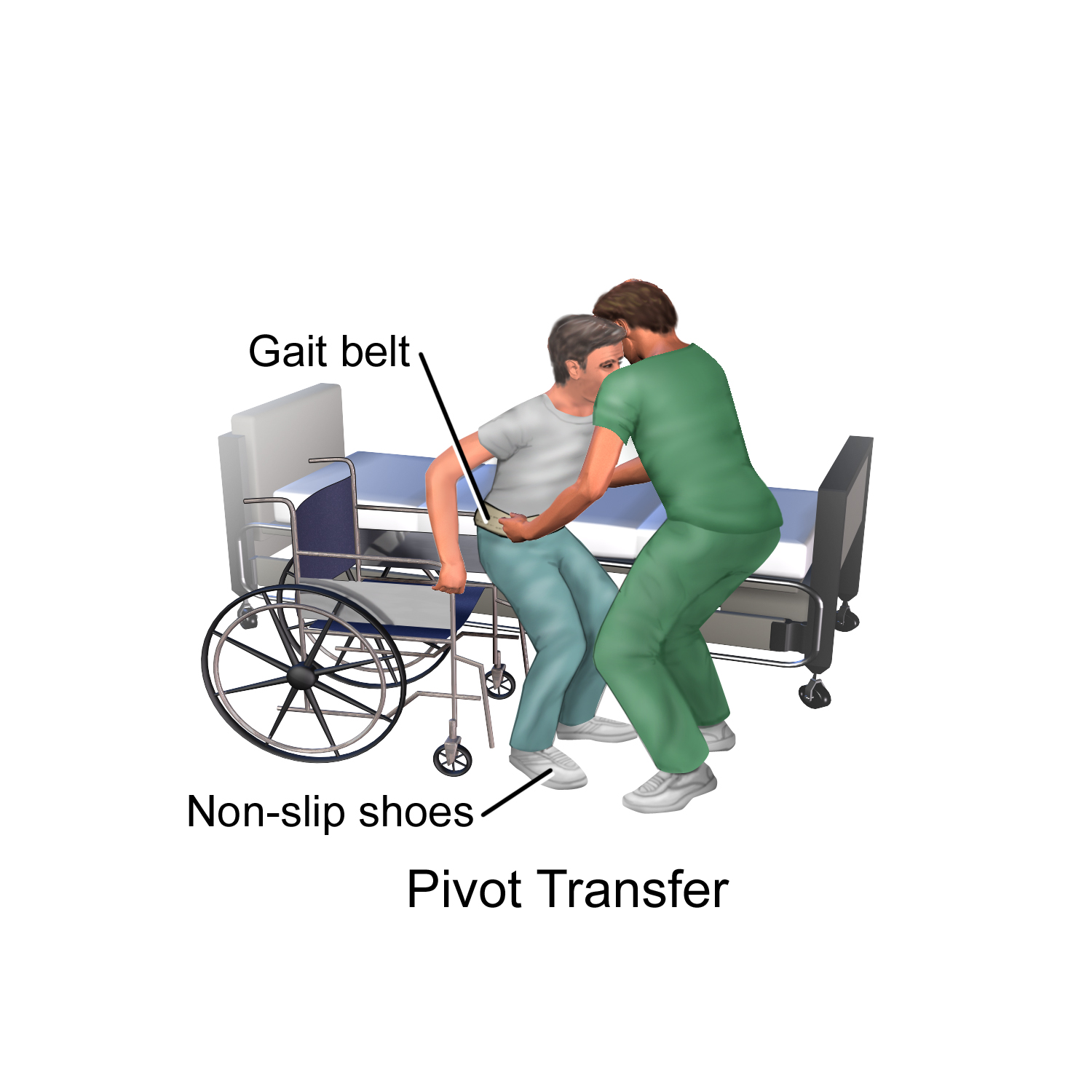

Where people live while getting HCBS
An Idahoan who qualifies for long-term care through Medicaid can receive it in four kinds of places. In three of them, Medicaid pays for care and the person pays rent and food from their own income; in a nursing facility Medicaid pays for everything after the person's income is applied to the bill. The grid and table compare them.
Residential assisted living facilities
A residential assisted living facility (RALF) is, in Health and Welfare's words, a group living arrangement "operated on either a profit or non-profit basis for the purpose of providing necessary supervision, personal assistance, meals, and lodging to three or more adults" not related to the owner.49 RALFs are licensed under the Idaho Residential Care or Assisted Living Act, Idaho Code Title 39, chapter 33, and the rules at IDAPA 16.03.22.5051 In its Oct. 29, 2025, letter certifying Idaho's compliance with the federal Keys Amendment (Social Security Act section 1616(e)), Health and Welfare reported 271 licensed RALFs, ranging from six to 152 residents, and no RALF license revocations or suspensions in federal fiscal year 2025. The year before, the department reported 276.5253
The 2025 Legislature rewrote the assisted living law. Senate Bill 1102 amended about 20 sections of chapter 33: definitions, payment levels, admissions, assessments, negotiated service agreements, resident rights and a new notice of rights, responses to incidents and complaints, administrator qualifications, medication, licensing, inspections, plans of correction, complaints and enforcement. It also declared certain rules in IDAPA 16.03.22 null, void and of no force and effect. The bill passed the Senate 35-0 and the House 67-1-2 and was signed by Gov. Brad Little on March 28, 2025, as 2025 session law chapter 208, effective July 1, 2025.54
Health and Welfare's RALF survey team conducts initial licensing surveys, regular surveys (typically yearly) and complaint investigations, and posts survey results in an online search. The department's page also links an online form to appeal an involuntary discharge and the Community Care Advisory Council for RALF and certified family home issues.49 The Idaho Commission on Aging's Long-Term Care Ombudsman program, which advocates for residents, reported investigating 1,232 complaints in state fiscal year 2025 and listed the top assisted living complaints as discharge and evictions, medication, gross neglect, rights and preferences, and billing and charges.55
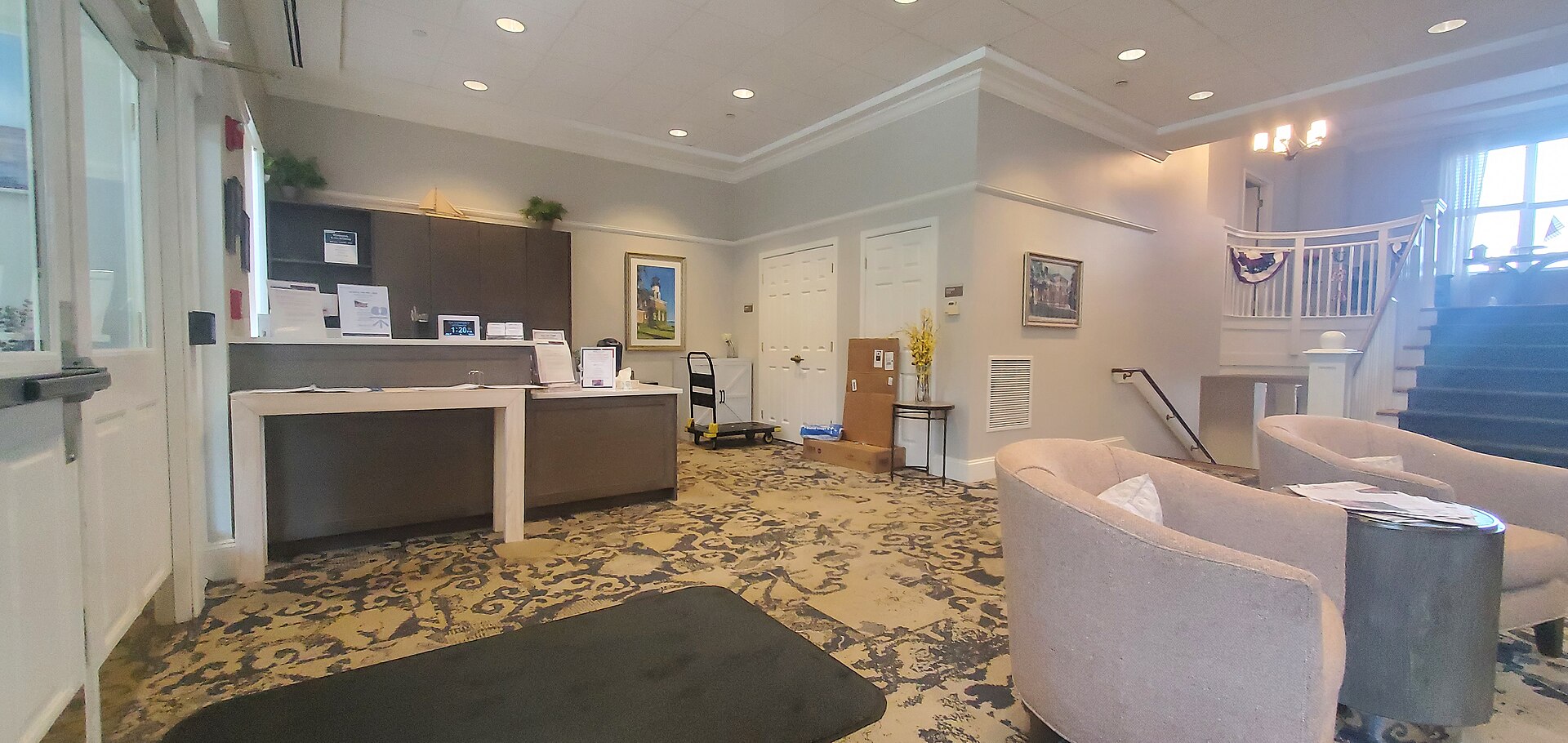

Certified family homes
A certified family home (CFH) is a private home where a provider cares for one to four adults, certified under Idaho Code Title 39, chapter 35, and IDAPA 16.03.19. Health and Welfare reported 2,844 CFHs in its October 2025 Keys letter, up from 2,681 the year before, and said the homes are inspected annually. It reported five certificate suspensions or revocations for failure to meet state standards in federal fiscal year 2025 (one under appeal at the time), down from 11 the year before.525356 The federal settings rule treats a CFH as provider-owned or controlled housing, so the same lease, privacy and choice rules apply as in assisted living.18
The Magic Valley and the Treasure Valley
The Commission on Aging's ombudsman program counts licensed facilities and beds in each of Idaho's six Area Agency on Aging regions. Its counts are higher than the licensing count because, it notes, "some licensed facilities may encompass multiple buildings." Area III covers southwest Idaho, including Ada and Canyon counties. Area IV, run by the College of Southern Idaho in Twin Falls, covers Magic Valley counties including Twin Falls, Gooding, Lincoln, Minidoka, Cassia, Camas and Blaine.55
| Area Agency on Aging region | RALF buildings | RALF beds | Nursing facilities | Nursing facility beds | Home-delivered meal clients (Older Americans Act) | Meals delivered |
|---|---|---|---|---|---|---|
| I (north) | 44 | 1,793 | 12 | 988 | 574 | 70,604 |
| II (north central) | 29 | 862 | 10 | 760 | 373 | 45,573 |
| III (southwest, including Ada and Canyon) | 164 | 5,129 | 29 | 2,432 | 1,102 | 150,953 |
| IV (Magic Valley) | 58 | 1,051 | 11 | 746 | 696 | 85,765 |
| V (southeast, including Bannock) | 38 | 1,113 | 10 | 528 | 730 | 57,848 |
| VI (east, including Bonneville) | 32 | 1,158 | 8 | 577 | 854 | 100,786 |
| Idaho | 365 | 11,106 | 80 | 6,031 | 4,329 | 511,529 |
Source: Idaho Commission on Aging, Annual Report SFY 2025 (facility counts drawn from the Health and Welfare website in 2025; meals are Older Americans Act Title III-C2, not Medicaid).55 Two patterns stand out. In the Magic Valley region, assisted living beds (1,051) outnumber nursing facility beds (746) by about 1.4 to 1; in southwest Idaho the ratio is about 2.1 to 1 (5,129 to 2,432), our calculation from the same table. And the Magic Valley region's 58 assisted living buildings average about 18 beds each, against about 31 in southwest Idaho. County-level counts of Medicaid residents in RALFs and CFHs are not published.

Does Idaho have a waiting list?
By the state's own report to KFF, no. KFF's 2026 survey of states counts 0 Idahoans on waiting lists for waiver services. Nationally, KFF counted 649,905 people on waiting or interest lists in 2026 in 40 states, up about 7 percent from 2025, with most waiting for services for intellectual and developmental disabilities.78
| State | People waiting, all waivers (2026) | I/DD | Older adults and people with physical disabilities | Screens people for eligibility |
|---|---|---|---|---|
| Idaho | 0 | 0 | 0 | Not applicable |
| Utah | 13,316 | 12,947 | 50 | Yes |
| Nevada | 4,016 | 828 | 3,188 | Yes |
| Oregon | 3,119 | 10 | 0 | No |
| Montana | 2,884 | 1,776 | 458 | Yes |
| Wyoming | 534 | 534 | 0 | Yes |
| Washington | 294 | 294 | 0 | Yes |
| United States | 649,905 | 576,672 | 205,137 | 32 states screen |
Source: KFF State Health Facts, 2026. Oregon's total includes 3,097 people in an "other" category and Montana's includes 650 in mental health waivers; U.S. categories overlap and do not sum to the total.7
A zero has limits. First, Idaho's rules still provide for a waiting list: when a waiver reaches the number of users CMS approved, new applicants are placed on a waiting list for the next waiver year (IDAPA 16.03.26.541), and the eligibility rule says applicants after the annual limit "must be denied waiver services" (IDAPA 16.03.05.787.07).94 Second, a person can wait without being on a list: for an assessment, for a provider with an open schedule, or for authorized hours that go unstaffed. Health and Welfare's provider page reports an "extremely high volume of referred assessments," and the Office of Performance Evaluations found in 2023 that the direct care shortage shows up as waitlists at agencies, providers declining new clients and fewer services delivered.1912 Third, Idaho's Adult DD services have had a waiting list question of their own; lesson 04 covers that system. From July 9, 2027, the Access Rule requires every state to report the average time from service approval to start and the percent of authorized hours delivered for personal care, homemaker, home health aide and habilitation services, which will give the first official measure of this hidden wait.15
Leaving a nursing home: Idaho Home Choice
Money Follows the Person (MFP) is a federal grant program created by section 6071 of the Deficit Reduction Act of 2005 to help states move people from institutions to the community, with extra federal money for the first year after each move. The Consolidated Appropriations Act, 2021 (division CC, section 204) cut the institutional stay needed to qualify from 90 to 60 consecutive days and funded the program at $450 million a year for fiscal years 2021 to 2023.57 Through Dec. 31, 2025, MFP grant recipients nationally had moved 144,651 people to community living since 2008, including 8,728 in calendar year 2025, according to CMS's contractor Mathematica.58
Idaho's version is called Idaho Home Choice. Health and Welfare's program page, last updated March 31, 2026, says a participant must have lived at least 45 consecutive days in a nursing facility or ICF/IID, be an Idaho resident, be Medicaid eligible at discharge, qualify for the A&D or a DD waiver and move to a "qualified residence." It lists transition managers, up to $2,000 for furnishings, household goods, moving costs and deposits, and waiver and state plan benefits.59 The same help is written into IDAPA 16.03.26: transition management of up to 72 hours per move, with follow-up for up to 12 months, and transition services of up to $2,000 every two years after a qualifying stay of at least 45 days.9 Idaho's own count of transitions is not in the text of CMS's 2025 report, which gives state detail only in appendix tables; that number is listed below as unverified.
The direct care workforce
Home care is labor. Almost every dollar of attendant care, homemaker and personal care pays for a worker's time, travel and supervision. That makes wages the main limit on how much HCBS Idaho can deliver, whatever the rules say a person is eligible for.
What Idaho aides earn
The Bureau of Labor Statistics' Occupational Employment and Wage Statistics survey for May 2025 counts 20,770 home health and personal care aides employed in Idaho, with a mean wage of $16.45 an hour ($34,220 a year) and a median of $16.72. The national mean was $17.36. The table compares Idaho with its neighbors and with jobs that compete for the same workers.11
| Area or occupation (May 2025) | Employment | Mean hourly wage |
|---|---|---|
| Home health and personal care aides, Idaho | 20,770 | $16.45 |
| Same, Boise City metropolitan area | 9,850 | $16.66 |
| Same, Twin Falls metropolitan area | 1,280 | $15.19 |
| Same, United States | 4,305,810 | $17.36 |
| Same, Utah | 17,130 | $17.72 |
| Same, Oregon | 42,330 | $21.46 |
| Same, Washington | 103,260 | $23.18 |
| Same, Montana | 10,400 | $17.68 |
| Same, Wyoming | 3,410 | $17.22 |
| Same, Nevada | 17,940 | $15.62 |
| Nursing assistants, Idaho | Not shown | $18.80 |
| Retail salespersons, Idaho | Not shown | $17.95 |
| Cashiers, Idaho | Not shown | $15.11 |
| All occupations, Idaho (median) | Not shown | $23.06 (median) |
Source: U.S. Bureau of Labor Statistics, OEWS, May 2025, retrieved Nov. 22, 2026.11 Idaho's aides earn less than aides in every neighboring state except Nevada, and much less than in Oregon and Washington, which border North Idaho, the Palouse and the Snake River towns of Lewiston and Payette County.
How we figured it: comparing aide wages
Inputs. BLS OEWS May 2025 mean hourly wages: home health and personal care aides (SOC 31-1120) in Idaho $16.45, U.S. $17.36, Oregon $21.46, Washington $23.18, Twin Falls metropolitan area $15.19, Boise City metropolitan area $16.66; Idaho nursing assistants (31-1131) $18.80; Idaho median for all occupations $23.06.11
Calculations (ours). Idaho versus U.S.: 16.45 divided by 17.36 = 0.948, so Idaho aides earn about 94.8 percent of the national mean, or 5.2 percent less. Versus Oregon: 16.45 / 21.46 = 76.7 percent. Versus Washington: 16.45 / 23.18 = 71.0 percent. Versus Idaho nursing assistants: 18.80 minus 16.45 = $2.35 an hour, or 12.5 percent less than the nursing assistant mean. Versus the Idaho median for all jobs: 16.45 / 23.06 = 71.3 percent. Twin Falls versus Boise: 16.66 minus 15.19 = $1.47, or 8.8 percent less in Twin Falls. A full-time year at the Idaho mean is 16.45 x 2,080 hours = $34,216, which matches the BLS annual mean of $34,220 after rounding.
Limits. OEWS counts jobs in all industries, not only Medicaid-funded jobs, and does not count self-employed workers or many workers hired directly by families. Means can be pulled up by a few higher-paid jobs. The figures are nominal dollars for one year and are not adjusted for local cost of living.
What the Legislature's auditors found
In February 2023 the Legislature's Office of Performance Evaluations (OPE) published Sustainability of Idaho's Direct Care Workforce, requested by the Joint Legislative Oversight Committee in March 2022. Its findings, in the report's own numbers:12
- More than 33,000 people with disabilities and older adults in Idaho relied on Medicaid-funded direct care at home and in the community, and more than 750 businesses offered these services.
- Idaho had about 23,000 direct care jobs in 2022 and was "about 3,000 workers, or 13 percent, short of national staffing levels." Without changes, the shortfall was projected to reach 9,500 by 2032. The shortage was worse in North Idaho, in counties bordering Washington and Oregon, and in businesses most reliant on Medicaid.
- Survey respondents earned $14 an hour on average, more than 75 percent of workers looking for a new job said higher pay was the main thing that would keep them, and direct care workers could have received a 36 to 39 percent pay increase by leaving the field.
- Medicaid rates are built on a "target wage." Wages supported by rates were often close to the target right after a cost survey "but tended to drift away over time"; for attendant and personal care the gap reached $2.62 an hour in the years OPE sampled (2017 to 2022).
- OPE recommended that Medicaid build wage targets from several similar and competing occupations, adjust rates more often, consider regional rates and support a career ladder.
OPE's finding about rates matters because Idaho's rules tie them to wage surveys: the personal care rate starts from the weighted average hourly rate paid in Idaho nursing facilities and ICFs/IID, and, according to OPE, other HCBS wage targets come from a BLS occupation profile that the Division of Medicaid selects with feedback from outside groups.912 When the survey is old, the rate is old.
The 2025 rate cut and the 2026 budget
On Aug. 15, 2025, Gov. Brad Little ordered nearly all state agencies to cut spending by 3 percent. On Aug. 22, Health and Welfare Director Juliet Charron announced a 4 percent reduction in Medicaid provider rates, effective Sept. 1, 2025, initially covering nearly every Medicaid service, including home and community-based services, citing a Medicaid forecast that had grown from the 8 percent the 2025 Legislature assumed to 19 percent. Robert Vande Merwe, executive director of the Idaho Health Care Association, which represents nursing homes and assisted living facilities, said, "I am certain these cuts will cause providers to accept fewer Medicaid clients, or none at all." A department spokesperson said the cuts would have been "considerably higher" if the state had waited for the 2026 session.16 The final shape of the cut was narrower. The Legislative Budget Book for fiscal year 2027 (January 2026) says that during the federally required review of the rate reduction, Health and Welfare "adjusted the 4% reduction to exempt" several services, among them hospice, Money Follows the Person/Idaho Home Choice grant-funded services, payments to tribal providers, and "home and community-based services, including personal care services and certified family homes."69 What that review document does not show is the CMS approval paperwork for the adjusted cut, and the Budget Book is a legislative staff summary of the department's request.
In October 2025 the Idaho Capital Sun reported that the state had asked federal officials to hold personal care services and certified family homes harmless from the rate cut; spokesperson Greg Stahl said the requests "held harmless personal care services and certified family homes from rate adjustments." Lindsey Hendricks, president of the Idaho Association of HomeCare Agencies, an industry group, said, "We're still so far behind on where we should be with reimbursement rates," and her group's survey found that about a quarter of personal care agencies could close within a year if payments stayed on their course.60 This lesson could not confirm from a CMS approval document whether the exemption was granted; it is listed under unverified.
The cut became part of the next budget. The Idaho Capital Sun reported on Oct. 30, 2025, that state budget plans extended the 4 percent cut into fiscal year 2027 and that the extension accounted for $41.6 million of the next year's planned cuts.61 The Legislative Services Office's Jan. 22, 2026, base review for the Joint Finance-Appropriations Committee showed a provider rate cut line of $84,812,200 in all funds for fiscal 2027, and an additional Governor's recommended reduction of $22,000,000 from the general fund and $45,000,000 in federal funds. Because those cuts required legislative action, Health and Welfare listed options; the largest was "Removal of Home and Community Bases Services ($176,564,100 GF)," and others included an additional reduction to residential habilitation rates ($21,858,900 GF), removal of case management ($6,368,700 GF) and removal of adult in-home nursing ($258,900 GF).17 KFF Health News reported that Little referred to "a list of seven different options" at a Feb. 17, 2026, press event and that a four-hour town hall drew more than 500 people to the Capitol.62 Lesson 04 covers what the Legislature did to disability services, including House Bill 863.
The 2021 federal HCBS money
Section 9817 of the American Rescue Plan Act (P.L. 117-2, signed March 11, 2021) raised the federal match for HCBS by 10 percentage points for April 1, 2021, to March 31, 2022, and required states to spend the freed-up state money on new or expanded HCBS; CMS later allowed spending through March 31, 2025.3563 Idaho's spending plan amendment, with a cover letter dated July 18, 2023, estimated that Idaho would claim $72.6 million in ARPA-attributable federal funds and listed these uses, with the enhanced federal share and the total federal funding the plan gives for each:63
| Idaho ARPA section 9817 initiative | Enhanced federal funds | Total federal funds |
|---|---|---|
| Assisted living facility rate increase | $13.8 million | $46.2 million |
| Residential habilitation rate increase | $10 million | $31.3 million |
| Developmental disability agency rate increase | $7.4 million | $24.9 million |
| Certified family home rate increase | $5.4 million | $17.9 million |
| Personal assistance agency rate increase | $3.2 million | $7.6 million |
| Private duty nursing rate increase | $1.4 million | $3.2 million |
| Service coordinator rate increase | $1.4 million | $4.8 million |
| Supported employment rate increase | $467,000 | $1.5 million |
| Home-delivered meals rate increase | $455,000 | $1.5 million |
| Managed care mid-year capitation adjustment | $11.3 million | Not stated |
| Direct care worker bonuses or wage increases (plan's Table 1 only) | $17.5 million | $58.5 million |
The amounts above come from the plan's narrative, except the direct care worker line, which appears only in its Table 1; Table 1 gives slightly different totals for some lines (for example, $10.9 million in total federal funds for the personal assistance agency increase and $46.1 million for assisted living).63 Rate increases paid with one-time money create a question the next budget has to answer: whether the state continues the higher rate with its own funds. The 2023 OPE report and the 2025 and 2026 budget debates show that question still open.1217
How the money has shifted
The "rebalancing ratio" is HCBS spending as a share of all Medicaid LTSS spending. CMS's contractor, Mathematica, has published it by state for decades. The series changed source in 2021: reports through fiscal 2020 used state expenditure reports (form CMS-64 and related data), and reports from 2021 on use claims and encounter data from T-MSIS. The two series are not strictly comparable, and the fiscal 2020 Idaho figure leaves out Idaho's managed LTSS spending, which the state did not report that year.6465
| Year | Idaho HCBS share of LTSS spending | U.S. | Data source |
|---|---|---|---|
| FY 2018 | 60.0% | 56.1% | Expenditure report, Table C.864 |
| FY 2019 | 58.5% | 58.6% | Same |
| FY 2020 | 69.4% (excludes Idaho managed LTSS) | 62.5% | Same |
| 2021 | 71.8% | 63.2% | T-MSIS brief, July 24, 202465 |
| 2022 | 74.3% | 64.6% | T-MSIS brief, Aug. 29, 202466 |
| 2023 | 77.3% | 63.8% | T-MSIS brief, Oct. 17, 202510 |
In fiscal 2019, the last year with full Idaho dollars in the older series, Idaho spent $813,031,075 on Medicaid LTSS: $475,289,291 on HCBS and $337,741,784 on institutional care.64 Among neighbors in fiscal 2020, Oregon (83.9 percent) and Washington (75.1 percent) had higher HCBS shares; Utah (53.4), Montana (57.8), Wyoming (52.6) and Nevada (56.8) had lower ones. In 2023, Mathematica's brief listed Idaho's 77.3 percent with New Mexico (77.4) and New York (76.6) among the higher-ranking states, below Oregon (80.5) and Washington (82.7); in 2022 it placed Idaho in the top quarter.6410 By users rather than dollars, 87.4 percent of Idaho's LTSS users received HCBS in 2021, down from 90.8 percent in 2019.65
How we figured it: reading the rebalancing series
What we did. We took published percentages; we did not recompute them, except to check fiscal 2019: $475,289,291 in HCBS divided by $813,031,075 in total LTSS = 58.46 percent, which rounds to the published 58.5.64
Plotting. The vertical scale runs from 40 to 90 percent. Each point's height is 360 minus 6 times (value minus 40) in the graphic's coordinates; for example, 77.3 percent plots at 360 minus 6 x 37.3 = 136.2.
Cautions. The jump from 58.5 to 69.4 percent between fiscal 2019 and 2020 is partly an artifact: the fiscal 2020 report left out Idaho's managed LTSS spending, and Idaho's reported institutional spending fell from $337,741,784 in fiscal 2019 to $178,608,573 in fiscal 2020, so that year's split is incomplete. The 2021 to 2023 series comes from a different data system and also shows a national dip in 2023 (64.6 to 63.8 percent) that may reflect data changes. The direction for Idaho, a rising HCBS share since 2019, appears in both series.
Pictures, Numbers and Infographics
The lesson's main numbers, rules and dates in one table, followed by the workforce wage chart.
| Measure | Idaho | U.S. or other states | Year | Source |
|---|---|---|---|---|
| A&D waiver income limit (3 x SSI) | $2,982 a month (Health and Welfare's table: $3,002) | Federal maximum for this group: 300% of SSI | 2026 ($3,087 in 2027) | IDAPA 16.03.05.787; SSA; Health and Welfare4568 |
| A&D waiver resource limit, single person | $2,000 | Not compared | 2026 | IDAPA 16.03.05.2014 |
| State plan personal care, adult maximum | 16 hours a week | Not compared | Rule effective July 1, 2026 | IDAPA 16.03.26.5529 |
| Transition services cap | $2,000 every two years | Not compared | Rule effective July 1, 2026 | IDAPA 16.03.26.5429 |
| People on HCBS waiver waiting lists | 0 | U.S. 649,905; Utah 13,316; Nevada 4,016 | 2026 | KFF7 |
| Medicaid enrollees using any home care | 27,000 | U.S. 5,289,400; Utah 17,500; Oregon 139,000 | 2024 (preliminary) | KFF, T-MSIS46 |
| HCBS share of LTSS spending | 77.3% | U.S. 63.8%; Oregon 80.5%; Washington 82.7% | 2023 | Mathematica for CMS10 |
| Personal care services spending | $151,970,227 | Not compared | State FY 2025 | Health and Welfare30 |
| Licensed RALFs | 271 | 276 a year earlier | Oct. 2025 letter | Keys letters5253 |
| Certified family homes | 2,844 | 2,681 a year earlier | Oct. 2025 letter | Keys letters5253 |
| Home health and personal care aides employed | 20,770 | U.S. 4,305,810 | May 2025 | BLS OEWS11 |
| Aide mean hourly wage | $16.45 | U.S. $17.36; Oregon $21.46; Washington $23.18 | May 2025 | BLS OEWS11 |
| Direct care worker shortfall | About 3,000 (13%); 9,500 projected by 2032 | Measured against national staffing levels | 2022 estimate | OPE12 |
| Medicaid provider rate cut | 4% | Not compared | Effective Sept. 1, 2025; HCBS, personal care and certified family homes later exempted | Idaho Reports16; LSO Budget Book69 |
| Budget option to remove HCBS | $176,564,100 general fund | Not adopted as listed | FY 2027 options, Jan. 2026 | LSO base review17 |
| 80 percent direct care pay test | Applies to Idaho | All states | From July 9, 2030 | 42 CFR 441.302(k)14 |
| New non-institutional 1915(c)(11) option | Available | All states | From July 1, 2028 | P.L. 119-21, section 7112129 |
Common mistakes
- "Medicare pays for home care for older people." Medicare's home health benefit covers part-time skilled care for people who are homebound and need skilled services; it does not pay for ongoing personal care, homemaker help or assisted living. Medicaid, for people who qualify financially, is the main public payer for that help. Lesson 01 and Medicare lesson 01 explain the difference.
- "A waiver slot is an entitlement." It is not. Nursing facility care is a mandatory benefit; 1915(c) waiver services are available up to the number of participants the state's approved waiver allows, and Idaho's rule provides for a waiting list when that number is reached.1209
- "Idaho has no waiting list, so nobody waits." KFF's zero counts formal waiver lists. It does not count waits for assessments, for an agency with open staff, or for authorized hours that go unfilled; the Access Rule's first reports on those measures are due from July 2027.715
- "Medicaid pays for assisted living." In Idaho, Medicaid pays for the care in a RALF or certified family home (adult residential care or personal care). It does not pay room and board, which residents pay from their own income.9
- "The 80 percent rule is already in force." The requirement is in the regulations but applies from July 9, 2030; reporting on the share starts July 9, 2028.1415
- "The 2026 Justice Department notice overturned Olmstead." It did not. The notice withdrew reliance on the department's 2011 enforcement guidance; the 1999 Supreme Court decision and the ADA still stand.3631
- "HCBS share went from 58 to 69 percent in one year." The fiscal 2020 figure leaves out Idaho's managed LTSS spending, and the series changed data sources in 2021. Compare within a series, as CMS's contractor cautions.6465
- "A home care worker earns the Medicaid rate." The rate is what the agency is paid per hour; it covers wages plus taxes, benefits, training, supervision, scheduling and travel. Idaho's personal care rate formula multiplies a target wage by a factor for those costs.9
- Mixing fiscal years. Idaho's state fiscal year runs July 1 to June 30; the federal fiscal year runs Oct. 1 to Sept. 30; KFF and Mathematica T-MSIS counts are by calendar year. The personal care spending figure in this lesson is state fiscal 2025; the HCBS share is calendar 2023.
What we know, what we don't, and what the data can show
What we know
- Idaho's A&D waiver rules, eligibility tests, service list and personal care limits are written in IDAPA 16.03.05 and 16.03.26, the latter rewritten effective July 1, 2026.49
- Idaho reports no formal HCBS waiting list in 2026, unlike Utah, Nevada, Oregon, Montana, Wyoming and Washington.7
- Idaho spends a larger share of its LTSS money on HCBS than the nation, 77.3 percent against 63.8 percent in 2023.10
- Idaho's home care aides earn less than the national mean and much less than aides in Oregon and Washington.11
- The state cut provider rates 4 percent from Sept. 1, 2025, ended paid parent and spouse caregivers July 15, 2025, and in January 2026 put removal of all HCBS on a list of budget options.161917
What we don't know
- How many people are enrolled in the A&D waiver alone, and what it costs per person, because Idaho's CMS-372 reports and approved waiver cost tables are not in the public documents read for this lesson.
- How long Idahoans wait between referral, assessment and the first service, and what share of authorized hours go unstaffed.
- The CMS approval paperwork for the adjusted 4 percent cut; the exemption of home and community-based services comes from the Legislative Budget Book's summary of the department's request.
- How many Idahoans Idaho Home Choice has moved out of institutions, and whether Idaho still receives a federal MFP grant.
- How the move to managed care under House Bill 345 (2025) will change authorizations and rates for HCBS.
What the data can show
- KFF State Health Facts (T-MSIS research files): home care users by program type and state, 2019 to 2024; waiting lists by state and population, 2016 to 2026.467
- Mathematica LTSS expenditure reports and rebalancing briefs: HCBS and institutional spending and users by state and year.6410
- BLS OEWS: aide employment and wages by state and metro area each May, back to the late 1990s, for real-wage trends using the CPI-U.11
- Access Rule reports (from July 2027 and July 2028): waiting list counts and times, time to start services, percent of authorized hours delivered, and the share of payments going to worker pay.15
- Rate disclosures under 42 CFR 447.203: Idaho's published average hourly rates for personal care, homemaker, home health aide and habilitation services, first due July 1, 2026.39
- Keys Amendment letters and Health and Welfare survey results: counts of RALFs and CFHs and enforcement actions each year.5249
Questions people ask
Is the A&D waiver only for people over 65?
No. Idaho's rule covers people 65 and older and people 18 to 64 who meet disability criteria, if they need nursing facility level of care and meet the financial tests (IDAPA 16.03.05.788).4 Adults with intellectual and developmental disabilities are usually served through the DD waiver and services in lesson 04.
Can a family member be paid to provide care?
Some can. Since July 15, 2025, parents of minor children and spouses, the "legally responsible individuals," can no longer be paid caregivers in Idaho, and A&D direct care workers cannot be the participant's spouse.199 Other relatives are not barred by those provisions, and a family member can act as the "employer of fact" who directs a self-directed worker.9
Does Medicaid pay rent in assisted living?
No. In a RALF or certified family home Medicaid pays for care; the resident pays room and board from income. Idaho's Aid to the Aged, Blind and Disabled rules set specific monthly allowances for RALF and CFH residents on personal care, by care level (IDAPA 16.03.05, sections 513 to 515).49
What happens if the waiver is full?
Under IDAPA 16.03.26.541, applicants after the cap is reached are placed on a waiting list and processed when the new waiver year begins. State plan personal care, which has no cap, remains available to people who meet its need test.9
Who checks on quality?
Health and Welfare's Bureau of Long Term Care runs quality assurance reviews of waiver and personal care providers and hosts an online complaint system; Licensing and Certification surveys RALFs and CFHs; the Commission on Aging's ombudsman program advocates for facility residents; and Adult Protective Services takes reports of abuse, neglect and exploitation.194955
Will the 2025 federal law change HCBS in Idaho?
Directly, P.L. 119-21 adds the optional 1915(c)(11) waiver from July 1, 2028, and $100 million nationally for HCBS systems in fiscal 2027. Indirectly, its financing changes (lesson 12) reduce federal money flowing to Idaho, and HCBS is optional, so it competes with other services in each budget.2962
Hard questions
Should Idaho pay more for home care when the budget is short?
For higher rates: the Office of Performance Evaluations found that low Medicaid-driven pay causes the worker shortage, that rates drift below target wages between surveys, and that people end up in costlier institutions or with poor care when workers leave. HCBS costs less per person than a nursing facility, a condition of every 1915(c) waiver.1220 For restraint: Idaho's Medicaid forecast jumped from 8 to 19 percent growth in 2025, the federal law reduces future federal funds, and every dollar of rate increase must be matched by state money in a year when the Governor sought $22 million in general fund cuts.161762 Evidence: the state has not published data linking rate changes to staffing and hours delivered; the Access Rule's reports from 2027 and 2028 would make that test possible.
Is the 80 percent rule good for Idaho?
For: it directs Medicaid money to the workers whose wages OPE found too low, and gives the public a measure of where the money goes. Against: provider commenters on the proposed rule argued, as CMS summarized in the final rule, that a fixed share ignores real costs; in Idaho that share must also cover supervision, nurse oversight required by Idaho's rules, EVV systems, insurance and rural travel. Nine House Republicans asked the President in 2025 to eliminate it. The rule lets states set lower targets for small providers and grant hardship exemptions.131440 Evidence: no Idaho data yet show what share agencies now spend on compensation; the first state reports are due in 2028.
Was ending paid parent caregivers right?
For ending it: Health and Welfare cited growing enrollment, rising costs and identified fraud, waste and abuse, and the federal authority began as a pandemic measure.48 Against: families said parents know their children best and agencies could not fill the hours; the program existed in part because of the worker shortage OPE documented.4812 Evidence: the public record does not yet show how many former FPCS children now receive all their authorized hours from agency staff.
Should HCBS be a required benefit?
Because HCBS is optional, it was on Idaho's January 2026 list of possible cuts, while nursing facility care could not be.17 Making HCBS mandatory would end that imbalance; Home Health Care News reported that Democratic senators introduced an "HCBS Access Act" in August 2026 to do so.67 Opponents of a mandate argue it would add a large open-ended federal and state cost and take decisions away from states. The evidence on cost per person favors HCBS; the evidence on total cost is less clear, because more people use services when they can get them at home.
For reporters and advocates
Records that exist. The approved A&D (ID.1076) and DD (ID.0076) waiver documents, amendments and Appendix K filings on Medicaid.gov; Idaho's statewide transition plan, CMS approval letters and corrective action plan; CMS-372 annual waiver reports (request them); Idaho's ARPA section 9817 spending plans and quarterly reports; Health and Welfare's rate disclosures under 42 CFR 447.203 (due July 1, 2026); the Legislative Budget Book and LSO base reviews for the Division of Medicaid; Medicaid Review Panel presentations; OPE report 22-02; Keys Amendment letters; RALF survey results online; Commission on Aging annual reports; and, from 2027 and 2028, Access Rule reports on waiting lists, access and payment adequacy.6226317125255
Questions to ask. Of Health and Welfare: How many people were enrolled in the A&D waiver last year, what was the approved cap, and how many applicants were waiting at any point? What is the median time from referral to assessment and from assessment to the first service? What share of authorized personal care and attendant hours were delivered? Which CMS approval documents cover the adjusted 4 percent cut and its exemption of home and community-based services? How many people has Idaho Home Choice moved, by year? Of agencies and the Idaho Association of HomeCare Agencies: what share of revenue goes to worker pay today? Of the managed care plans: how many waiver authorizations were reduced or denied?
Getting records. Idaho agency records can be requested under the Idaho Public Records Act, Idaho Code Title 74, chapter 1; module 47, Idaho Public Records Requests, explains how. CMS-372 reports and CMS correspondence can be requested from CMS under the federal Freedom of Information Act. For budget documents, see Idaho State Budget; for testifying on rules and budgets, see Testifying and Public Comment; for rulemaking, Laws and Rules. For working with rates, shares and wages without errors, see Data and Statistics. Participant data are private health information; requests for aggregate counts avoid that problem, and module 69, Privacy and Data Security Laws, explains the limits.
The Idaho angle. Idaho does more of its long-term care at home than most states, with no formal waiting list, on one of the lower aide wages in the region. That combination depends on a workforce that OPE found 3,000 people short in 2022, on rates the state cut in 2025, and on optional benefits that were on the cut list in 2026. The Magic Valley shows the tension: Twin Falls aides earned $15.19 an hour in May 2025, and the region has more assisted living beds than nursing home beds. Lesson 12, What the 2025 Federal Law Does Beyond Work Requirements, covers the federal money that will shape the next budgets, and the Idaho Medicaid course's Having a Say covers public comment on Medicaid changes.
Where to go next
- Idaho Health and Welfare: Idaho Home Choice (Money Follows the Person): The state page for Idaho Home Choice, which helps people move from a nursing facility or ICF/IID to the community with transition managers and up to $2,000 in moving help; links to the referral form. Free; run by the agency that decides eligibility.
- Idaho Health and Welfare: Residential Assisted Living Facilities and survey results: Explains RALF licensing, the complaint process and the involuntary discharge appeal form, and links to a search of facility survey results. Free; useful to families comparing facilities and to reporters.
- Idaho Commission on Aging and the Area Agencies on Aging: State agency for older adults; the six Area Agencies on Aging (including the College of Southern Idaho in Twin Falls for the Magic Valley) run information and assistance, home-delivered meals, caregiver support and the Long-Term Care Ombudsman. Free services funded by the Older Americans Act and the state.
- Idaho Council on Developmental Disabilities: State council that publishes plain-language explanations of Medicaid rule changes and the direct care workforce issue. Free.
- DisAbility Rights Idaho: Idaho's federally designated protection and advocacy organization for people with disabilities (an advocacy group); publishes information on HCBS rights, the settings rule and Medicaid changes. Free.
- KFF Medicaid HCBS state data: Nonprofit research tables comparing states on home care users and waiting lists, by year. Free; useful for checking Idaho against neighbors.
- Medicaid.gov home and community-based services pages: CMS's federal pages with waiver documents, statewide transition plans, ARPA spending plans and Access Rule guidance by state. Free.
Still being checked (8 items)
These points could not be fully confirmed against a primary source when this lesson was written and fact checked in November 2026. The text above states each one as uncertain.
- Idaho's current A&D waiver enrollment cap, actual enrollment and cost per participant: the approved waiver tables and CMS-372 reports were not available in public documents read for this lesson.
- The CMS approval documents for the adjusted 4 percent provider rate cut effective Sept. 1, 2025. The exemption of home and community-based services, personal care services and certified family homes is stated in the LSO Legislative Budget Book for FY 2027 (January 2026), a legislative staff summary of the department's request.
- Whether Idaho Home Choice is still funded by a federal Money Follows the Person grant, and its transition counts; the state page's 45-day stay requirement differs from the 60-day federal MFP minimum set in 2021.
- Idaho's personal care and attendant care hourly payment rates in 2026; the state's rate disclosure under 42 CFR 447.203 (due July 1, 2026) was not located.
- The text of the June 18, 2026, Office of Legal Counsel opinion on Olmstead was not read; its content is described from news reports.
- The final outcome of the HCBS removal and other options on Health and Welfare's January 2026 budget reduction list beyond House Bill 863 (lesson 04); the disposition of each other option in the final 2026 budget bills was not traced for this lesson.
- Health and Welfare's provider page says the statewide transition plan received final approval in 2019; the CMS approval letter is dated Oct. 3, 2018, and this lesson uses the CMS date.
- KFF's count of 700 Idahoans using personal care through the state plan in 2024 appears low compared with Idaho's $151,970,227 in personal care spending in state fiscal 2025; the difference may reflect how T-MSIS codes personal care delivered in residential settings or through plans, and is not used as a headline figure.
Last verified November 22, 2026. General education, not legal, medical, insurance or financial advice; every figure names its source and year in the Notes and Sources below. Data is revised: check the newest release before relying on any number.
Notes
- Social Security Act section 1905 (42 U.S.C. 1396d), definition of medical assistance, including nursing facility services (a)(4)(A) and personal care services (a)(24), Legal Information Institute text (read Nov. 22, 2026). Read it online. ↩
- Social Security Act section 1915 (42 U.S.C. 1396n), including subsections (c) home and community-based services waivers, (i) state plan HCBS, (j) self-directed personal assistance and (k) Community First Choice; and section 1915(c)(11) as added by P.L. 119-21, section 71121, Legal Information Institute text (read Nov. 22, 2026). Read it online. ↩
- 42 CFR part 441, subpart G, Home and Community-Based Services: Waiver Requirements (sections 441.300 to 441.312), eCFR, current as of Nov. 19, 2026 (read Nov. 22, 2026). Read it online. ↩
- IDAPA 16.03.05, "Eligibility for Aid to the Aged, Blind, and Disabled (AABD)," sections 201 (resource limit of $2,000 for a single person), 787 (HCBS eligibility: income no more than three times the federal SSI benefit; annual limit on waiver participants) and 788 (Aged and Disabled waiver), marked 7-1-24, Idaho Administrative Code (read Nov. 22, 2026). Read it online. ↩
- Social Security Administration, Office of the Chief Actuary, "SSI Federal Payment Amounts": $994 a month for an eligible individual in 2026 and $1,029 in 2027 (read Nov. 22, 2026). Read it online. ↩
- Idaho Appendix K emergency amendment for the Aged and Disabled Waiver, control number ID.1076.R06.07, start date Jan. 27, 2020, signed by the state June 18, 2020, Medicaid.gov (read Nov. 22, 2026). Read it online. ↩
- KFF (nonprofit health policy research), State Health Facts, "Number of People Waiting for Medicaid Home Care (HCBS), by Target Population and Whether States Screen for Eligibility," 2026 survey data (read Nov. 22, 2026). Read it online. ↩
- KFF (nonprofit health policy research), Alice Burns, Abby Wolk and Molly O'Malley Watts, "A Look at Waiting Lists for Medicaid Home- and Community-Based Services from 2016 to 2026," Oct. 5, 2026 (read Nov. 22, 2026). Read it online. ↩
- IDAPA 16.03.26, "Medicaid Plan Benefits," Idaho Department of Health and Welfare, sections 539 (HCBS participant eligibility), 540 to 545 (Aged and Disabled waiver services), 549 (transition management) and 550 to 556 (personal care services), each marked effective 7-1-26, Idaho Administrative Code (read Nov. 22, 2026). Read it online. ↩
- Alexandra Carpenter, Cara Stepanczuk, Caitlin Murray and Andrea Wysocki (Mathematica) for CMS, "Trends in Users and Expenditures for Home and Community-Based Services as a Share of Total Medicaid Long-Term Services and Supports Users and Expenditures, 2023," Oct. 17, 2025 (read Nov. 22, 2026). Read it online. ↩
- U.S. Bureau of Labor Statistics, Occupational Employment and Wage Statistics, May 2025: home health and personal care aides (SOC 31-1120), nursing assistants (31-1131), cashiers (41-2011), retail salespersons (41-2031) and all occupations, national, state and metropolitan estimates, retrieved through the BLS Public Data API (read Nov. 22, 2026). Read it online. ↩
- Idaho Legislature, Office of Performance Evaluations, Sustainability of Idaho's Direct Care Workforce, report 22-02, Feb. 15, 2023, and report highlights (read Nov. 22, 2026). Read it online. ↩
- CMS, "Medicaid Program; Ensuring Access to Medicaid Services," final rule CMS-2442-F, RIN 0938-AU68, 89 Federal Register 40542, May 10, 2024, effective July 9, 2024 (read Nov. 22, 2026). Read it online. ↩
- 42 CFR 441.302(k), HCBS payment adequacy, including the 80 percent minimum performance level at (k)(3) and the applicability date at (k)(8) ("6 years after July 9, 2024"), and (a)(6) incident management, eCFR, current as of Nov. 19, 2026 (read Nov. 22, 2026). Read it online. ↩
- 42 CFR 441.311, Reporting requirements, including (d)(1) waiver waiting lists, (d)(2) time from authorization to services and (e) payment adequacy reporting, with applicability dates at (f) (3 and 4 years after July 9, 2024), eCFR, current as of Nov. 19, 2026 (read Nov. 22, 2026). Read it online. ↩
- Melissa Davlin, Idaho Reports (Idaho Public Television), "Providers brace for 4% Medicaid reduction," Aug. 29, 2025 (read Nov. 22, 2026). Read it online. ↩
- Idaho Legislative Services Office, Budget and Policy Analysis, Alex Williamson, "Department of Health and Welfare, Division of Medicaid, Base Review," Joint Finance-Appropriations Committee, Jan. 22, 2026, Attachment 1 (pages 11, 20 and 21: FY 2025 participants by plan, FY 2027 provider rate cut and Governor's budget reduction options) (read Nov. 22, 2026). Read it online. ↩
- 42 CFR 441.301, Contents of request for a waiver, including (c)(4) home and community-based settings qualities, (c)(3) person-centered planning performance levels and (c)(7) grievance process with its applicability date, eCFR, current as of Nov. 19, 2026 (read Nov. 22, 2026). Read it online. ↩
- Idaho Department of Health and Welfare, "Long Term Care Provider Enrollment and General Information" (Bureau of Long Term Care services list, statewide transition plan note, A&D case management, Family Personal Care Services termination effective July 15, 2025, assessment scheduling notice, dual eligible plan contacts), page last updated April 28, 2026 (read Nov. 22, 2026). Read it online. ↩
- 42 CFR 441.303, Supporting documentation required, including paragraph (f) cost-neutrality formula (D + D' less than or equal to G + G') and (f)(6) limits on the number of participants, eCFR, current as of Nov. 19, 2026 (read Nov. 22, 2026). Read it online. ↩
- Omnibus Budget Reconciliation Act of 1981, P.L. 97-35 (Aug. 13, 1981), section 2176, adding section 1915(c) to the Social Security Act, congress.gov (read Nov. 22, 2026). Read it online. ↩
- CMS approval of Idaho's corrective action plan for HCBS settings criteria in the Developmental Disabilities waiver (ID.0076) and Aged and Disabled waiver (ID.1076), letter dated June 14, 2023, CAP effective March 17, 2023 (read Nov. 22, 2026). Read it online. ↩
- Deficit Reduction Act of 2005, P.L. 109-171 (Feb. 8, 2006), sections 6071 (Money Follows the Person), 6086 (section 1915(i)) and 6087 (section 1915(j)), congress.gov (read Nov. 22, 2026). Read it online. ↩
- Patient Protection and Affordable Care Act, P.L. 111-148 (March 23, 2010), sections 2401 (Community First Choice, section 1915(k)) and 2402 (changes to section 1915(i)), congress.gov (read Nov. 22, 2026). Read it online. ↩
- Idaho State Plan Amendment ID-26-0001, renewal of the section 1915(i) Children's HCBS state plan option for children with developmental disabilities, approved June 26, 2026, effective July 1, 2026, through June 30, 2031, Medicaid.gov (read Nov. 22, 2026). Read it online. ↩
- Idaho Department of Health and Welfare, "Idaho Statewide Transition Plan: Coming Into Compliance with HCBS Setting Requirements," version 7 submitted Sept. 4, 2018 (554 pages; states "Idaho does not have a 1915(k) waiver"; isolation addendum for 113 RALFs and three CFHs) (read Nov. 22, 2026). Read it online. ↩
- CMS letter approving an amendment to the Idaho Behavioral Health Transformation section 1115 demonstration (11-W-00339/10) to end expenditure authority for legally responsible individuals to be paid for personal care services, effective May 15, 2025, with a 60-day phase-out (read Nov. 22, 2026). Read it online. ↩
- P.L. 119-21 (July 4, 2025), H.R. 1, 119th Congress, congress.gov bill record (read Nov. 22, 2026). Read it online. ↩
- CMS Center for Medicaid and CHIP Services, Informational Bulletin, "'Working Families Tax Cut' Legislation, Public Law 119-21: Summary of Medicaid and Children's Health Insurance Program (CHIP) Related Provisions," Nov. 18, 2025, section 71121 (new section 1915(c)(11) option beginning July 1, 2028; $100 million for fiscal year 2027) (read Nov. 22, 2026). Read it online. ↩
- Idaho Department of Health and Welfare, presentation to the Legislature's Medicaid Review Panel, July 29, 2025, slide 26, "Top 10 Medicaid Expenditures in FY2025" (read Nov. 22, 2026). Read it online. ↩
- Olmstead v. L.C. ex rel. Zimring, 527 U.S. 581 (1999), decided June 22, 1999, Legal Information Institute (read Nov. 22, 2026). Read it online. ↩
- CMS, "Medicaid Program; State Plan Home and Community-Based Services, 5-Year Period for Waivers, Provider Payment Reassignment, and Home and Community-Based Setting Requirements for Community First Choice and Home and Community-Based Services (HCBS) Waivers," final rule CMS-2249-F and CMS-2296-F, 79 Federal Register 2948, Jan. 16, 2014, effective March 17, 2014 (read Nov. 22, 2026). Read it online. ↩
- Social Security Act section 1903(l) (42 U.S.C. 1396b(l)), electronic visit verification requirement added by the 21st Century Cures Act, P.L. 114-255 (Dec. 13, 2016), section 12006, Legal Information Institute (read Nov. 22, 2026). Read it online. ↩
- CMS letter to Matt Wimmer, Idaho Department of Health and Welfare, granting final approval of Idaho's HCBS Statewide Transition Plan, Oct. 3, 2018 (read Nov. 22, 2026). Read it online. ↩
- American Rescue Plan Act of 2021, P.L. 117-2 (March 11, 2021), section 9817 (temporary 10 percentage point increase in the federal match for HCBS, April 1, 2021, to March 31, 2022), congress.gov (read Nov. 22, 2026). Read it online. ↩
- U.S. Department of Justice, Civil Rights Division, "Clarification on Department of Justice Guidance Titled, 'Statement of the Department of Justice on Enforcement of the Integration Mandate of Title II of the Americans With Disabilities Act and Olmstead v. L.C.'," notice, 91 Federal Register 45287, July 20, 2026, document 2026-14566 (read Nov. 22, 2026). Read it online. ↩
- American Journal of Managed Care (news), "DOJ Abandons Olmstead Defense as Texas v Kennedy Advances," Aug. 28, 2026, reporting the June 18, 2026, Office of Legal Counsel opinion and the July 20, 2026, notice (read Nov. 22, 2026). Read it online. ↩
- The Arc of the United States (national disability rights organization), Jackie Dilworth, "DOJ Actions on Olmstead Threaten the Right of People With Disabilities to Live in the Community," blog post, June 19, 2026, responding to the Justice Department legal opinion of June 18, 2026 (read Nov. 22, 2026). Read it online. ↩
- 42 CFR 447.203(b), payment rate transparency, comparative rate analysis and HCBS payment rate disclosure (first publication by July 1, 2026) and (b)(6) interested parties advisory group, eCFR, current as of Nov. 19, 2026 (read Nov. 22, 2026). Read it online. ↩
- LeadingAge (national association of nonprofit aging services providers), "CMS Significant Medicaid Rules Addressing Access and Quality," running tracker, entries dated Feb. 11, 2025 (Feb. 3, 2025, letter from Rep. Buddy Carter and eight other House Energy and Commerce Republicans on the 80/20 provision) and Feb. 27, 2026 (CMS's Feb. 26, 2026, announcement of an 18-month enforcement delay for the fee-for-service HCBS grievance requirement) (read Nov. 22, 2026). Read it online. ↩
- CMS, "Medicaid Program; Medicaid Managed Care State Directed Payments and Medicaid Fee-for-Service Targeted ..." proposed rule CMS-2449-P, 91 Federal Register 30400, May 22, 2026, comments due July 21, 2026 (read Nov. 22, 2026). Read it online. ↩
- Social Security Administration, "Cost-of-Living Adjustment (COLA) Information": 3.6 percent increase for 2027, announced Oct. 14, 2026 (read Nov. 22, 2026). Read it online. ↩
- 42 CFR 435.217 (people receiving HCBS under a waiver who would be eligible if institutionalized), 435.236 (special income level group) and 435.1005 (federal match limited to income up to 300 percent of the SSI federal benefit rate), eCFR, current as of Nov. 19, 2026 (read Nov. 22, 2026). Read it online. ↩
- KFF (nonprofit health policy research), Maiss Mohamed, Alice Burns and Molly O'Malley Watts, "Medicaid Home Care (HCBS) in 2025," Jan. 5, 2026 (read Nov. 22, 2026). Read it online. ↩
- Idaho Department of Health and Welfare, House Bill 345 and P.L. 119-21 implementation update and managed care stakeholder feedback, Senate Health and Welfare Committee, Feb. 26, 2026, Attachment 1 (read Nov. 22, 2026). Read it online. ↩
- KFF (nonprofit health policy research), State Health Facts, "Medicaid Enrollees Using Home Care Services (HCBS)," 2019 to 2024, KFF analysis of the T-MSIS Research Identifiable Files (2023 and 2024 preliminary; counts rounded to the nearest 100) (read Nov. 22, 2026). Read it online. ↩
- 42 CFR 435.726, Post-eligibility treatment of income of individuals receiving home and community-based services furnished under a waiver, eCFR, current as of Nov. 19, 2026 (read Nov. 22, 2026). Read it online. ↩
- Idaho Capital Sun via States Newsroom, "Idaho parental disability caregiver program to end, following federal approval," May 20, 2025 (read Nov. 22, 2026). Read it online. ↩
- Idaho Department of Health and Welfare, "Residential Assisted Living Facilities (RALF)" page, RALF survey team, complaint process and survey results search (read Nov. 22, 2026). Read it online. ↩
- Idaho Code Title 39, chapter 33 (Idaho Residential Care or Assisted Living Act) and chapter 35 (certified family homes), Idaho Legislature (read Nov. 22, 2026). Read it online. ↩
- IDAPA 16.03.22, "Residential Assisted Living Facilities," Idaho Administrative Code, current edition (read Nov. 22, 2026). Read it online. ↩
- Idaho Department of Health and Welfare, Director Juliet Charron, Keys Amendment compliance letter to the Social Security Administration for federal fiscal year 2026, Oct. 29, 2025 (271 licensed RALFs; 2,844 certified family homes; enforcement actions in FFY 2025), posted by HUD (read Nov. 22, 2026). Read it online. ↩
- Idaho Department of Health and Welfare, Director Alex J. Adams, Keys Amendment compliance letter for federal fiscal year 2025 (276 licensed RALFs; 2,681 certified family homes; 11 CFH suspensions or revocations), posted by HUD (read Nov. 22, 2026). Read it online. ↩
- Senate Bill 1102 (2025), Idaho Residential Care or Assisted Living Act amendments: passed Senate 35-0 Feb. 24, 2025, passed House 67-1-2 March 19, 2025, signed by Gov. Brad Little March 28, 2025, 2025 Idaho Session Laws chapter 208, effective July 1, 2025 (read Nov. 22, 2026). Read it online. ↩
- Idaho Commission on Aging, Annual Report SFY 2025, published January 2026: home-delivered meals by Area Agency on Aging (page 21), homemaker (page 28), Long-Term Care Ombudsman facility and bed counts by region and complaint data (pages 37 and 38), Area Agency on Aging host organizations (page 40) (read Nov. 22, 2026). Read it online. ↩
- IDAPA 16.03.19, "Certified Family Homes," Idaho Administrative Code, current edition (read Nov. 22, 2026). Read it online. ↩
- Congressional Research Service, "Medicaid's Money Follows the Person Rebalancing Demonstration Program," IF11839, May 26, 2021 (DRA 2005 section 6071; Consolidated Appropriations Act, 2021, division CC, section 204) (read Nov. 22, 2026). Read it online. ↩
- Cassidy Kantoris, Alexandra Carpenter and Jessica Ross (Mathematica) for CMS, "Money Follows the Person: Updated MFP Grant Recipient Transitions as of December 31, 2025," September 2026 (read Nov. 22, 2026). Read it online. ↩
- Idaho Department of Health and Welfare, "Idaho Home Choice" program page, last updated March 31, 2026 (read Nov. 22, 2026). Read it online. ↩
- Idaho Capital Sun, "Idaho Medicaid cuts could force disability providers to close. The state wants to exempt services," Oct. 13, 2025 (read Nov. 22, 2026). Read it online. ↩
- Idaho Capital Sun, "As Idaho permanently extends governor's budget cuts, Medicaid will keep provider pay cuts," Oct. 30, 2025 (read Nov. 22, 2026). Read it online. ↩
- Bram Sable-Smith, KFF Health News, "Families Defend Disability Services Amid Medicaid Cuts," March 2, 2026 (read Nov. 22, 2026). Read it online. ↩
- Idaho Department of Health and Welfare, American Rescue Plan Act section 9817 HCBS spending plan amendment, cover letter July 18, 2023, pages dated Jan. 30, 2024 (narrative funding figures and Table 1), Medicaid.gov (read Nov. 22, 2026). Read it online. ↩
- Caitlin Murray and others (Mathematica) for CMS, Medicaid Long Term Services and Supports Annual Expenditures Report: Federal Fiscal Year 2020, June 9, 2023, Tables C.5 to C.8 and Table IV.1 (read Nov. 22, 2026). Read it online. ↩
- Mathematica for CMS, "Trends in Users and Expenditures for Home and Community-Based Services as a Share of Total Medicaid LTSS Users and Expenditures, 2019 to 2021," July 24, 2024 (read Nov. 22, 2026). Read it online. ↩
- Mathematica for CMS, "Trends in Users and Expenditures for Home and Community-Based Services as a Share of Total Medicaid LTSS Users and Expenditures, 2022," Aug. 29, 2024 (read Nov. 22, 2026). Read it online. ↩
- MK Manoylov, Home Health Care News, "The State Of HCBS In 2026: Policy Upheaval, Staffing Shortages Squeeze Providers," Nov. 3, 2026 (read Nov. 22, 2026). Read it online. ↩
- Idaho Department of Health and Welfare, "Medicaid Income and Resource Limits," tables marked "Effective January 2026," page last updated April 20, 2026: Home and Community Based Services and long-term facility care income $3,002 for an individual and $5,984 for a couple, resources $2,000 (read Nov. 22, 2026). Read it online. ↩
- Idaho Legislative Services Office, Budget and Policy Analysis, FY 2027 Idaho Legislative Budget Book, Department of Health and Welfare, Medicaid, provider rate reduction decision unit, p. 2-44 (January 2026) (read Nov. 22, 2026). Read it online. ↩
Check yourself
1. Which of these is a mandatory Medicaid benefit for adults that a state cannot cap?
Social Security Act section 1905(a)(4)(A) lists nursing facility services for people 21 and older among required benefits; 1915(c) waiver services, including meals and adult day health, are optional and may be capped by the number of approved slots (42 CFR 441.303(f)(6)).
2. Three times the 2026 SSI federal benefit rate, the income cap in Idaho's rule for the A&D waiver, equals how much a month?
IDAPA 16.03.05.787.02 sets the limit at three times the federal SSI benefit for one person; SSA's 2026 benefit is $994, so 3 x $994 = $2,982. The 2027 figure is $3,087 (3 x $1,029). Health and Welfare's own 2026 table lists $3,002, which equals $2,982 plus the $20 standard income disregard; that link is an inference, since the department does not explain its figure.
3. Under IDAPA 16.03.26.552, how many hours a week of state plan personal care services can an adult receive?
IDAPA 16.03.26.552.05 limits participants to 16 hours per week unless authorized under EPSDT for children.
4. How many Idahoans were on Medicaid HCBS waiver waiting lists in KFF's 2026 survey?
KFF State Health Facts reports 0 for Idaho in 2026; 13,316 is Utah, 4,016 is Nevada and 649,905 is the U.S. total.
5. When does the Access Rule's requirement that 80 percent of payments for homemaker, home health aide and personal care services go to direct care worker compensation apply?
42 CFR 441.302(k)(8) applies the requirement beginning six years after July 9, 2024, which is July 9, 2030; it remained in the eCFR as of Nov. 19, 2026.
6. What does Medicaid pay for when an Idaho A&D participant lives in a residential assisted living facility?
IDAPA 16.03.26.542.02 says adult residential care payment does not include room and board; residents pay room and board from their own income.
7. What share of Idaho's Medicaid long-term services and supports spending went to HCBS in 2023?
Mathematica's 2023 rebalancing brief for CMS (Oct. 17, 2025) lists Idaho at 77.3 percent; 63.8 percent is the U.S. figure, 58.5 percent is Idaho in FY 2019 and 90.8 percent is Idaho's 2019 user share.
8. What was the May 2025 mean hourly wage of home health and personal care aides in Idaho?
BLS OEWS May 2025: Idaho $16.45; Washington $23.18; U.S. $17.36; Idaho nursing assistants $18.80.
9. What did the Justice Department's July 20, 2026, Federal Register notice do?
The notice at 91 FR 45287 says the 2011 guidance is not enforceable and the department will not rely on it in enforcing Title II; the 1999 Supreme Court decision still stands and the settings rule is a separate CMS regulation.
10. What new option did P.L. 119-21, section 71121, create?
CMS's Nov. 18, 2025, informational bulletin says section 71121 adds section 1915(c)(11), available beginning July 1, 2028, using needs-based criteria, plus $100 million for fiscal 2027.
Terms in this lesson
- Home and community-based services (HCBS)
- Medicaid long-term services delivered outside institutions, in a person's home, a certified family home, an assisted living facility or the community; Medicaid pays for the services but not room and board.
- Section 1915(c) waiver
- A CMS-approved program under Social Security Act section 1915(c) that offers HCBS to a target group who would otherwise need hospital, nursing facility or ICF/IID care, with enrollment caps allowed and average costs no higher than institutional care.
- Aged and Disabled (A&D) waiver
- Idaho's 1915(c) waiver (ID.1076) for adults 65 and older and adults 18 to 64 with disabilities who need nursing facility level of care.
- Nursing facility level of care
- The degree of functional need that would qualify a person for a nursing home; Idaho measures it with the Uniform Assessment Instrument.
- Uniform Assessment Instrument (UAI)
- Idaho's standard functional assessment, completed by Bureau of Long Term Care nurse reviewers, used to set eligibility and service hours for the A&D waiver and personal care.
- State plan personal care services (PCS)
- Idaho's uncapped Medicaid benefit for hands-on help with daily living at home or in a residential setting, up to 16 hours a week for adults.
- Special income level
- An optional eligibility group that lets a state cover people needing long-term care with income up to 300 percent of the SSI benefit; Idaho uses three times the SSI benefit for HCBS.
- Residential assisted living facility (RALF)
- An Idaho-licensed group residence providing supervision, personal assistance, meals and lodging to three or more unrelated adults, under Idaho Code Title 39, chapter 33, and IDAPA 16.03.22.
- Certified family home (CFH)
- A private Idaho home certified under Idaho Code Title 39, chapter 35, and IDAPA 16.03.19 in which a provider cares for one to four adults.
- HCBS settings rule
- CMS's 2014 rule (79 FR 2948) at 42 CFR 441.301(c)(4) listing the qualities every Medicaid HCBS setting must have, such as community access, privacy, a lockable door and choice of roommate.
- Access Rule
- CMS's 2024 rule "Ensuring Access to Medicaid Services" (CMS-2442-F), which adds HCBS grievance systems, incident management, waiting list and access reporting, rate publication and the 80 percent direct care pay requirement.
- Electronic visit verification (EVV)
- An electronic record of each home care visit (service, person, worker, date, place, times) required by Social Security Act section 1903(l) since the 21st Century Cures Act.
- Fiscal intermediary
- In Idaho's self-directed option, the personal assistance agency that serves as employer of record: it bills Medicaid, withholds taxes and pays workers the participant directs.
- Rebalancing ratio
- HCBS spending (or users) as a share of all Medicaid long-term services and supports spending (or users), the standard measure of the shift from institutions to community care.
- Money Follows the Person (MFP)
- A federal grant program created by the Deficit Reduction Act of 2005 to help people move from institutions to the community; Idaho's version is Idaho Home Choice.
Sources
- Social Security Act section 1915 (42 U.S.C. 1396n) (2026-11-22) checked 2026-11
- 42 CFR part 441, subpart G, Home and Community-Based Services: Waiver Requirements (eCFR) (2026-11-22) checked 2026-11
- CMS, Ensuring Access to Medicaid Services final rule, 89 FR 40542 (May 10, 2024) (2026-11-22) checked 2026-11
- CMS, HCBS settings final rule, 79 FR 2948 (Jan. 16, 2014) (2026-11-22) checked 2026-11
- IDAPA 16.03.26, Medicaid Plan Benefits (A&D waiver and personal care, effective July 1, 2026) (2026-11-22) checked 2026-11
- IDAPA 16.03.05, Eligibility for Aid to the Aged, Blind, and Disabled (2026-11-22) checked 2026-11
- CMS final approval of Idaho's HCBS Statewide Transition Plan (Oct. 3, 2018) (2026-11-22) checked 2026-11
- CMS informational bulletin on P.L. 119-21 Medicaid provisions (Nov. 18, 2025) (2026-11-22) checked 2026-11
- Idaho Office of Performance Evaluations, Sustainability of Idaho's Direct Care Workforce (Feb. 2023) (2026-11-22) checked 2026-11
- Idaho LSO, Division of Medicaid base review for JFAC (Jan. 22, 2026) (2026-11-22) checked 2026-11
- Mathematica for CMS, HCBS share of Medicaid LTSS, 2023 (Oct. 17, 2025) (2026-11-22) checked 2026-11
- BLS, Occupational Employment and Wage Statistics, Home Health and Personal Care Aides, May 2025 (2026-11-22) checked 2026-11
- Idaho Health and Welfare, Keys Amendment letter for FFY 2026 (Oct. 29, 2025) (2026-11-22) checked 2026-11
- KFF, Number of People Waiting for Medicaid Home Care (HCBS), 2026 (labeled nonprofit research) (2026-11-22) checked 2026-11