Lesson 4 of 10 · about 55 minutes · Updated October 28, 2026
Non-Denominational Churches: Independence, House Churches, Megachurches and Who Holds the Pastor to Account
You'll be able to
- You'll be able to explain what makes a church non-denominational and name four older streams of church independence in America.
- You'll be able to compare the 2020 U.S. Religion Census, the National Congregations Study, Pew's survey and the Hartford megachurch studies, and say what each one measures.
- You'll be able to describe the seeker model of Willow Creek and Saddleback, the arena church of Lakewood, and Donald E. Miller's idea of new paradigm churches.
- You'll be able to identify the elder-led, pastor-led (Moses model), congregational, board of directors and outside-overseer models, and find in a church's bylaws who can remove the pastor.
- You'll be able to state the IRS rules on church exemption and Form 990 and list the documents a member can ask a church to provide.
- You'll be able to summarize the documented facts and church responses in the Willow Creek (2018 to 2019), Mars Hill (2014) and Harvest Bible Chapel (2019) cases.
Start here: the short version
A "non-denominational" church is a congregation that answers to no denomination: no bishop, presbytery, conference or convention owns its building, approves its pastor or can remove him. The idea is old. New England Congregationalists wrote congregational self-government into the Cambridge Platform in 1648, and the Restoration Movement of Barton Stone and Thomas and Alexander Campbell set out after 1800 to be, in its own slogan, "Christians only." What is new is the scale. The 2020 U.S. Religion Census counted 44,319 non-denominational congregations with about 21.1 million adherents, more adherents than the Southern Baptist Convention, making the independent churches taken together the largest Protestant group in the country.12 Most of them are small (a median of about 60 people), and a small minority are very large: the Hartford Institute for Religion Research counts roughly 1,800 Protestant megachurches, churches with 2,000 or more people in weekly worship, and in its 2020 survey about 40 percent of megachurches called themselves non-denominational.345
Independence has a cost. With no denomination above it, the only body that can discipline or remove a pastor is the one written into the church's own articles of incorporation and bylaws, and in many churches that body is a small board the pastor helped choose. U.S. churches are also treated as tax exempt without applying to the IRS and do not file the public Form 990 that other charities file.6 This lesson explains where independent churches came from, how big the movement is according to each major data source, why it grew, how house churches and megachurches differ, how church government models decide who holds the pastor to account, and what three well-documented failures (Willow Creek, Mars Hill and Harvest Bible Chapel) show about those models. It closes with the documents any member can ask for and the questions any member can put to a board.
What "non-denominational" means
A denomination is an association of congregations that share a name, a doctrinal standard and a government above the local church: the United Methodist Church with its bishops and annual conferences, the Presbyterian Church (U.S.A.) with its presbyteries and General Assembly, the Assemblies of God with its district councils, the Southern Baptist Convention with its state conventions and annual meeting. A non-denominational church is a congregation that has no such body above it. It writes its own statement of faith, chooses and removes its own pastor, owns its own property, and decides for itself whether to join any network.
The word describes structure. It says nothing about belief: some independent churches are Pentecostal in worship, some are strictly cessationist, some are Calvinist, some Wesleyan, some teach the Restoration Movement's view of baptism. Pew Research Center's 2023-24 survey of religious identity (its RLS series) found that about 6 percent of U.S. adults identify as nondenominational Protestants in the evangelical tradition and about 1 percent as nondenominational Protestants in the mainline tradition, which shows that even pollsters sort "nondenominational" people into older theological families.78
The line between "denomination" and "network" is blurry. The Hartford Institute's Scott Thumma, who counted independent churches for the 2010 and 2020 Religion Census, calls the definition of nondenominational "somewhat suspect at best," and asks what separates the two categories "given the reality of loose networks, overlapping affiliations, fluid categories, and dynamic switching." In his 2020 survey, about 75 percent of nondenominational churches said they belonged to some loose network (he names the Willow Creek Association, Catalyst and Acts 29 as examples).5 Calvary Chapel and the Vineyard, the subjects of lessons 05 through 10 of this module, began as networks of independent churches that resisted the label "denomination." Calvary Chapel still describes its governing model as pastor-led within each congregation, while the Vineyard organized a national association with its own board and policies (see lesson 06 and lesson 09).
Three practical tests tell a reader whether a church is really independent:
- Who holds title to the building? In a hierarchical denomination the deed or a trust clause often gives the denomination an interest in local property. In an independent church the local corporation holds title.
- Who can remove the pastor? In a denomination, a bishop, district or presbytery usually has some authority over ministers' credentials. In an independent church only the body named in the bylaws can act.
- Who writes the doctrine? An independent church may adopt a network's statement of faith, but it can change it by its own vote.

The older roots of independence
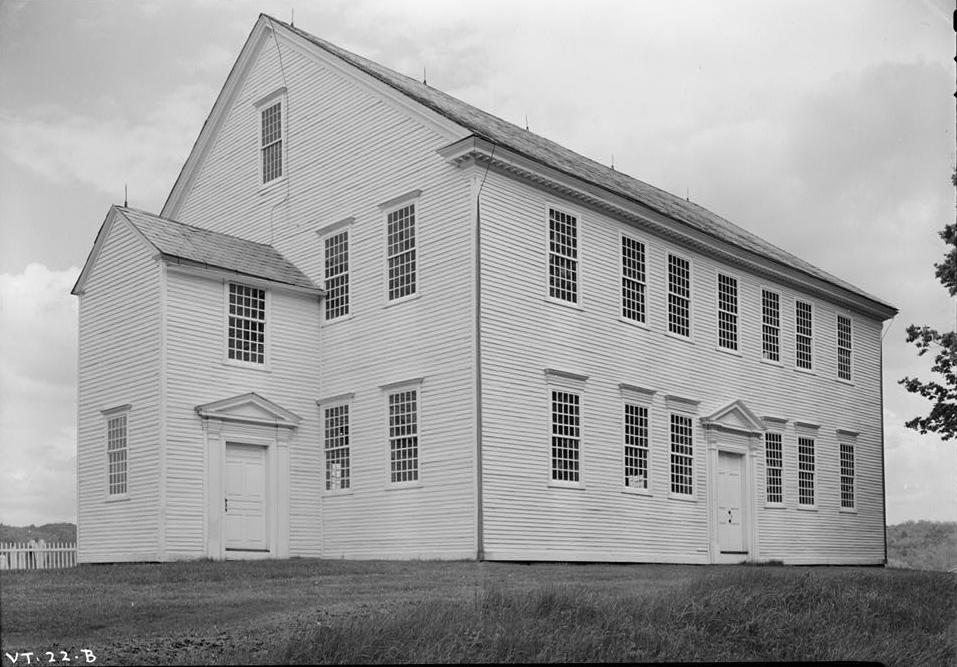
About half of the non-denominational churches in Thumma's 2020 survey were founded after 1970 (the median founding year was 1970, against 1958 for denominational evangelical churches), but the principles they rely on are centuries old.5 Four older streams matter most.
Congregational independence: the Cambridge Platform, 1648
The Puritans who settled Massachusetts Bay rejected both the Church of England's bishops and the Presbyterian system of governing councils. Their synod at Cambridge, Massachusetts, wrote the Cambridge Platform in 1648, the first full statement of what came to be called congregational polity, in which each gathered church governs itself.9 The Unitarian Universalist Association, one of the heirs of that tradition, summarizes the principle this way: congregational polity "views each congregation as autonomous."9 Baptists adopted the same principle of local church autonomy, and it is the legal and theological ancestor of every independent church in this lesson.
The Restoration Movement: "Christians only"
On the Kentucky and western Pennsylvania frontier around 1800, several Protestant ministers concluded that denominations themselves were the problem. Barton W. Stone, after the Cane Ridge revival, helped organize congregations that called themselves simply "Christians." Thomas Campbell, a Presbyterian minister who came to America in 1807, was suspended for practicing open communion, formed the Christian Association of Washington (Pennsylvania), and in 1809 published the Declaration and Address, which rejected denominationalism. His son Alexander joined him that year. In 1832 Campbell's "Disciples" and Stone's "Christians" united at Lexington, Kentucky.10 Thomas Campbell's best-known lines are "The Church of Christ on earth is essentially, intentionally, and constitutionally one" and the rule "Where the Scriptures speak, we speak; where the Scriptures are silent; we are silent" (as printed by the movement's own magazine, the Christian Standard).11 The movement's slogans, still taught at its colleges, include "No creed but Christ, no book but the Bible, no law but love" and "Not the only Christians, but Christians only."12
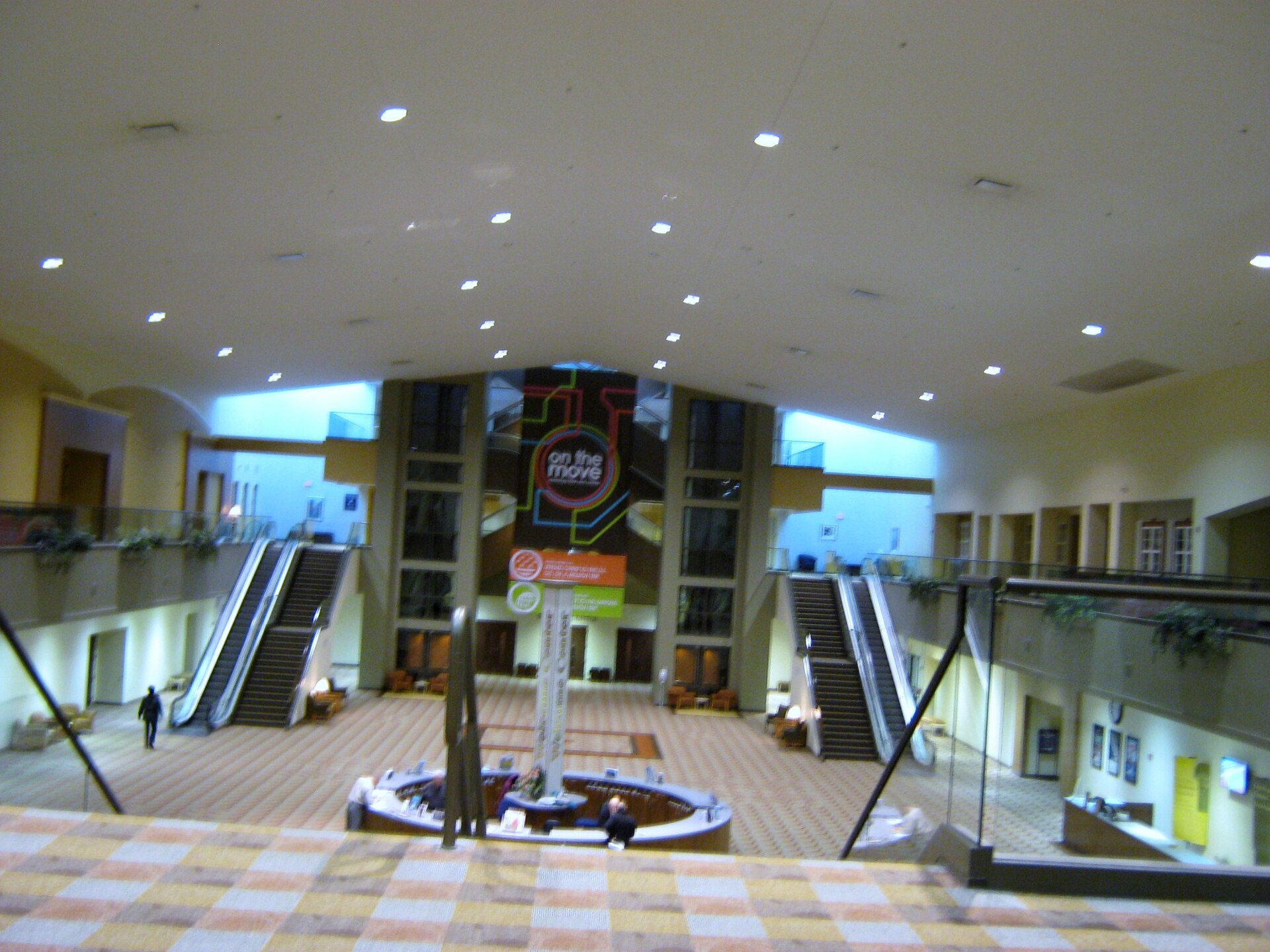
The movement that set out to end denominations produced three of them. The U.S. Census Bureau's Religious Bodies report of 1906 listed the Churches of Christ separately from the Disciples of Christ, and in 1927 congregations that would not follow the Disciples' cooperative agencies formed the North American Christian Convention, listed by 1971 as the Christian Churches and Churches of Christ.10 The New Georgia Encyclopedia describes the Restoration churches as "congregational in polity, with elders and deacons serving as officers," and says the a cappella churches of Christ, which call themselves "undenominational," have "no central headquarters or presiding officer."10 Southeast Christian Church in Louisville, Kentucky, pictured below, uses a similar elder pattern and describes itself as "first and foremost an elder-led church": its elders "provide oversight, vision, and guidance to the corporate side of the church" and "most importantly the spiritual side of the church," while the senior pastor "provides the leadership and everyday decision making for the paid staff."13

Bible churches and the IFCA, 1930
The fundamentalist and modernist controversies of the 1920s (covered in lesson 03) left many theologically conservative Protestants unwilling to stay in denominations they believed had abandoned the faith, and unwilling to start new denominations. Many of their congregations took the name "Bible church." In June 1930 a group of them organized in Cicero, Illinois, as the Independent Fundamental Churches of America (now IFCA International), succeeding the American Conference of Undenominational Churches. Its rules show how carefully the founders tried to avoid becoming what they had left: member churches may not affiliate with any denomination, and the fellowship itself is barred from organizing as a denomination; annually elected trustees administer it.14
Independent Baptists
Baptists have always taught the autonomy of the local church, but most Baptist congregations cooperate through conventions that pool money for missions and schools. Independent Baptist churches refuse even that cooperation, or join only loose fellowships of pastors. Because they share a family name with convention Baptists, census-takers and pollsters do not count them consistently: some are reported as Baptists, some as "independent" or "non-denominational," which is one reason Thumma's caution about the category applies to every number in the next section.5
The numbers: how many independent churches and megachurches
No single count of independent churches is authoritative, because no central office keeps their records. Four sources do most of the work, and they measure different things: the U.S. Religion Census counts congregations and adherents; the National Congregations Study samples congregations to describe the typical one; the Hartford Institute's megachurch research counts and surveys the largest churches; and Pew Research Center surveys individuals about how they identify. Readers should always ask which of these a number comes from.
The U.S. Religion Census, 2020
The U.S. Religion Census is a once-a-decade count of congregations and their adherents. In 2020 it counted 356,739 congregations of all faiths.15 The census "has traditionally relied on central denominational offices" to report their numbers, and its organizers note that the effort "has become increasingly challenging as more congregations decline to affiliate with traditional denominations."16 To fill the gap, Thumma and his team at Hartford built a list of independent churches and collected attendance reports congregation by congregation.1
The results:
- Congregations: 44,319 non-denominational congregations in 2020, up from 35,496 in 2010.1 The census's own national overview says that "since 2010, their number of congregations has increased by nearly 9,000."16
- Adherents: 21,095,641 in 2020, up from 12,241,329 in 2010.2 The overview says adherents rose "by nearly nine million."16
- Rank: "Non-denominational Christian Churches comprise the second-largest body as measured by adherents in the 2020 USRC," behind only the Catholic Church. The Southern Baptist Convention, with 17,649,040 adherents, ranks third by adherents but still has more congregations than any other body.162
- Geography: Non-denominational adherents exceed 10 percent of the population in Washington, Oklahoma, Ohio, Alabama, North Carolina and Alaska.16
Thumma told Christianity Today that there were almost certainly more independent churches than the 2010 count found, and he described the trend as "individualism at the congregational level," an "organizational individualism that parallels personal individualism."1 His separate 2020 survey of independent churches used a national listing of "over 60,000" churches, a much larger figure than the 44,319 the census could confirm, so the honest range for the number of independent congregations in the United States is roughly 44,000 to 60,000 depending on how strictly a congregation's existence and independence are confirmed.5
The National Congregations Study
The National Congregations Study (NCS), directed by sociologist Mark Chaves at Duke University, surveys a nationally representative sample of congregations in waves (1998, 2006 to 2007, 2012 and 2018 to 2019). Its 2021 report, Congregations in 21st Century America, by Chaves, Joseph Roso, Anna Holleman and Mary Hawkins, found that the share of congregations with no denominational affiliation rose from 18 percent in 1998 to 24 percent in 2012 and then "may have plateaued."17 In 2018 to 2019 non-denominationalism was found "mainly among white evangelicals and Black Protestants, with about one-quarter of each group claiming no official denominational connection."17
The NCS also shows why both small churches and megachurches matter at once. "The median congregation had only 70 regular participants, counting both adults and children," with a median budget of $100,000, yet "the largest 9% of congregations contain about half of all churchgoers," and the average attendee worships in a congregation of 360 regular participants.17 Thumma's 2020 survey found the median nondenominational church even smaller than the median evangelical church (60 against 70 people), with 49 percent of nondenominational churches having 50 or fewer in attendance, but a higher median income ($200,000 against $100,000).5 The typical independent church, in other words, is a small congregation with a part-time pastor: only 19 percent of nondenominational clergy in that survey were full time, against 32 percent of evangelical clergy, and 30 percent held a Master of Divinity, against 47 percent.5
The megachurch studies: 2005, 2015 and 2020
The Hartford Institute defines megachurches as "very large Protestant congregations that share several distinctive characteristics," with a size threshold of "2000 or more persons in attendance at weekly worship, counting adults and children at all locations." It puts their number at "approximately 1800 at present" and maintains a public megachurch database.3 Its surveys, conducted with Leadership Network and in 2020 also with the Evangelical Council for Financial Accountability (ECFA), are the main source on how these churches are organized.18
- 2005. Megachurches Today 2005, by Scott Thumma, Dave Travis and Warren Bird, counted 1,210 confirmed Protestant megachurches (1,319 if churches within 200 of the threshold were included). Thirty-six percent of surveyed megachurches were nondenominational (34 percent of all megachurches in its appendix), a figure the authors called imprecise because "quasi-denominational" groups may answer either way. The authors wrote that "size is the primary definitive characteristic of megachurches."19
- 2015. Recent Shifts in America's Largest Protestant Churches, released Dec. 3, 2015, counted 1,650 megachurches. Co-author Warren Bird said, "In any given weekend, almost 1 out of 10 people who attend a Protestant church go to a megachurch."20
- 2020. Megachurch 2020: The Changing Reality in America's Largest Churches, by Thumma and Bird, surveyed 582 megachurches. About 40 percent were nondenominational, and 60 percent of those said they had been founded that way. Median attendance was 2,779 across all campuses, the median budget was $5.3 million, about 70 percent worshipped in more than one location, the senior pastor's average age was 53, 83 percent had an internal board of members, 78 percent had their financial statements audited each year by an outside CPA, and 76 percent said their governance required a majority of independent board members.4 Religion News Service, reporting on the release, wrote that the report found megachurches continuing to grow and to "steer clear of politics."21
The 2020 governance and audit figures come from churches that chose to answer a survey co-sponsored by an accountability organization, so they likely describe the better-governed end of the megachurch world. They are self-reports, not audits of the audits.

Why independent churches grew
Scholars and church leaders give overlapping explanations. None of them is proven in the way a census count is proven, so each is attributed here to the person who made it.
Donald E. Miller's "new paradigm" churches, 1997
The sociologist Donald E. Miller of the University of Southern California studied three Southern California movements, Calvary Chapel, the Vineyard Christian Fellowship and Hope Chapel, for Reinventing American Protestantism: Christianity in the New Millennium (University of California Press, 1997). He called them "new paradigm churches," and described them (in the paraphrase of a Publishers Weekly review) as mega-organizations that go beyond denominational structures to reach more people.22 Reviewers summarized his description: in these churches "dress is casual," ministers "are often untrained," adherents "are encouraged to take an active role in congregational growth," there are "lay-led Bible studies and healing circles" and "small support groups," and worship is "culturally relevant (guitars, small support groups, and beach baptisms)."23 That is Miller's interpretation, and lessons 05 through 10 of this module test it against the histories of Calvary Chapel and the Vineyard.
The seeker model: Willow Creek, 1975, and Saddleback, 1980
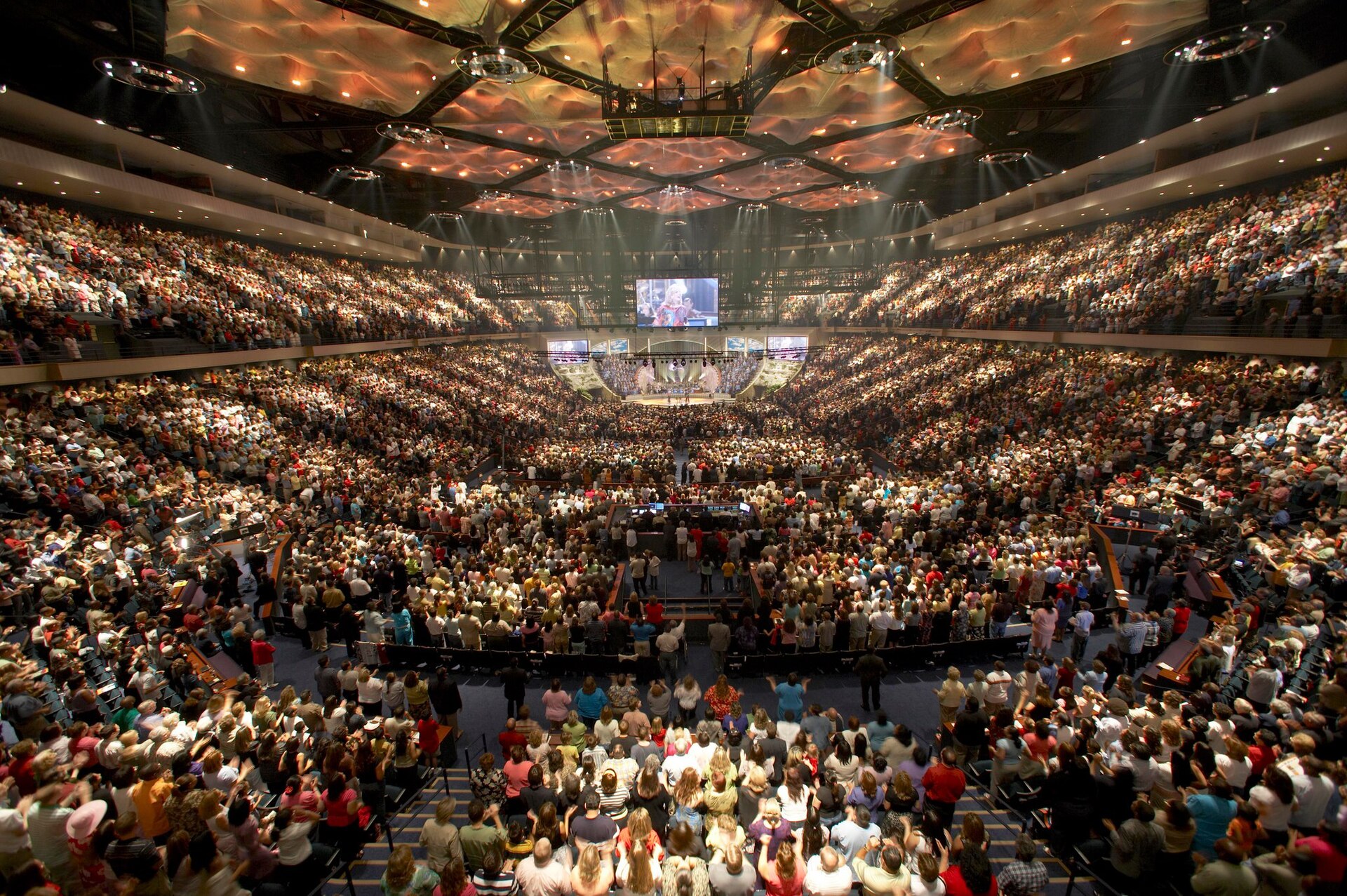
Willow Creek Community Church first met on Oct. 12, 1975, in the Willow Creek Theater in Palatine, Illinois, started by leaders of Son City, a youth program at South Park Church in Park Ridge. Bill Hybels became its pastor. Its services grew from 125 people to 2,000 within two years, it moved to South Barrington in 1981, and by 2000 it drew 15,000 people a week.24 Willow Creek's "seeker services" were aimed, in the Encyclopedia of Chicago's description, at the curious and the unchurched.24 Religion News Service reported that "at its peak, Willow Creek's model drew more than 25,000 worshippers each weekend."25 Through the Willow Creek Association, which Thumma's survey lists among the networks independent churches joined, the model spread to other congregations.5
Saddleback Church in Orange County, California, launched on Easter Sunday 1980 with about 200 people, meeting in a high school. Its founding pastor Rick Warren had studied the 100 largest U.S. churches while in seminary and noticed that large, growing churches had long-tenured pastors. Baptist Press, marking the 40th anniversary in 2020, cited the Orange County Register's report that Saddleback "averages 30,000 attendees."26 Saddleback is a reminder that the seeker model was never limited to non-denominational churches: for most of its history it was one of the largest Southern Baptist churches in the country.26 In February 2023 the Southern Baptist Convention ousted Saddleback for naming a woman as a pastor, and in June 2023 the convention's messengers affirmed the ouster, so Saddleback today operates outside the convention.27

Lakewood and the arena church
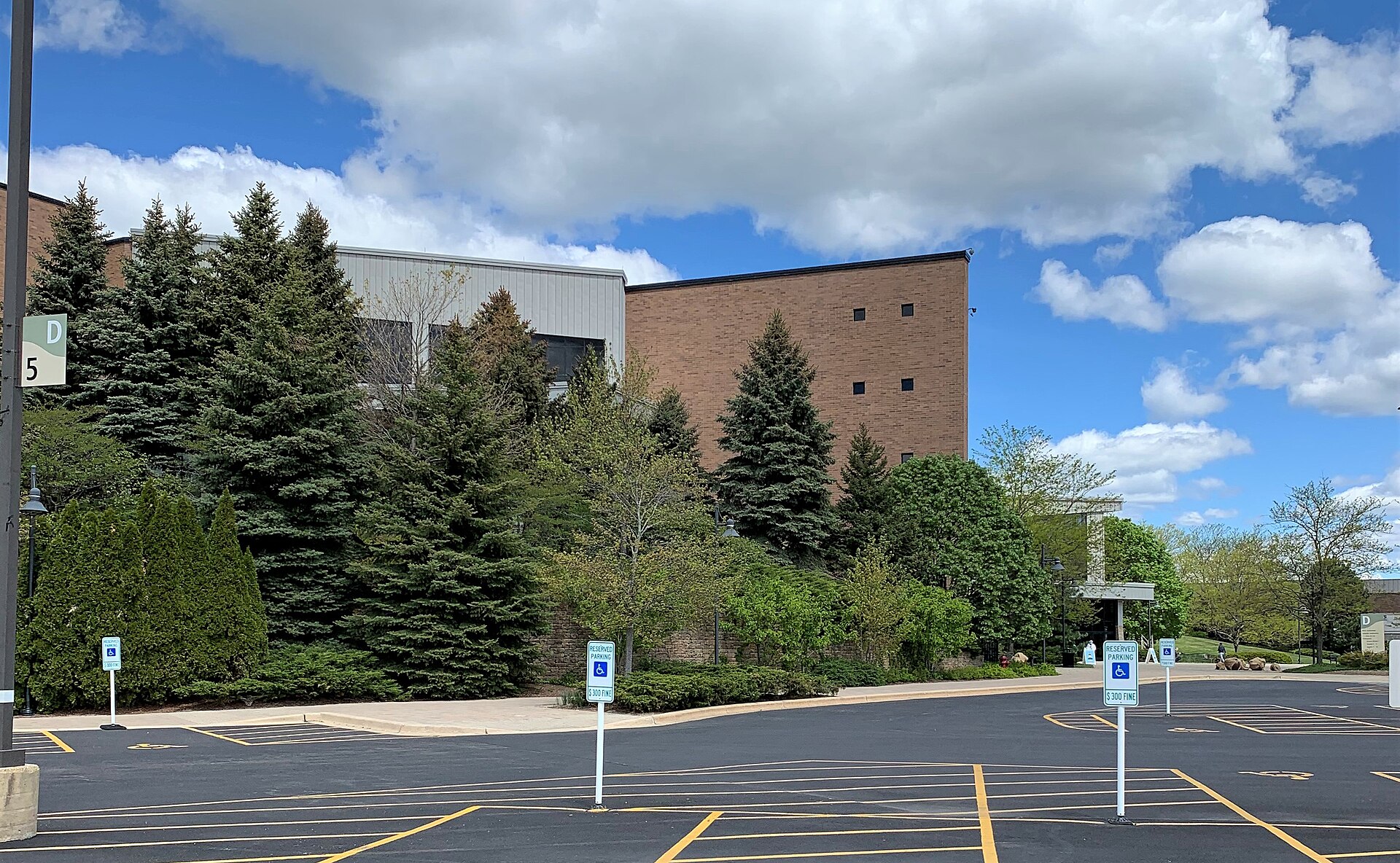
Lakewood Church in Houston began in 1959 in an abandoned feed store, founded by John Osteen. His son Joel Osteen became pastor in 1999, and by 2005 the congregation had grown almost fivefold. On July 16, 2005, the church held its first service in the former Compaq Center, a professional basketball arena renovated for about $75 million into a 16,000-seat sanctuary; the Associated Press reported that 16,000 people filled it and that the service was televised live. Osteen asked the crowd, "How do you like our new home?" and added, "This is a dream come true."28 Lakewood shows a second path to size: television and publishing (Osteen's Your Best Life Now had sold almost 3 million copies by then) combined with a single charismatic preacher, in place of Willow Creek's program-by-program strategy.28
Other explanations
- The denominational brand weakened. Thumma linked independent church growth to the same forces behind denominational decline, pointing to weakened denominational brands and rising divisions over issues such as women's ordination and sexuality, which he suggested led some people to seek out or start nondenominational churches.15
- Newcomers face no expectations. Thumma also called independence "an evangelistic advantage": "A potential attender at a nondenominational church doesn't have cultural expectations of what they might find inside the way they do if the brand is Episcopalian or Assemblies of God or Southern Baptist."1
- Some leave labels behind. Thumma described people looking for language other than "evangelical" to describe themselves, "as if the brand is tarnished beyond a repolishing."1
- Founding is easy. An independent church needs no approval from anyone to begin. Thumma's 2020 survey found that 88 percent of nondenominational churches were founded that way, and only 12 percent had left a denomination (most of those after 1980).5
Readers interested in how the evangelical coalition itself formed, and why the label "evangelical" carries political weight today, will find that history in lesson 03, and the cultural argument of Francis Schaeffer that shaped many 1970s independent churches in the Liberty module on Schaeffer and L'Abri and the 1970s life-and-death questions.
House churches and microchurches
At the other end of the size scale are churches that meet in homes, with no building at all. The house church is as old as the New Testament, which greets "the church that is in their house" (Romans 16:5, KJV), and it has been the normal form of Christianity under persecution. In the United States house churches are mostly independent by definition, since a gathering in a living room rarely belongs to a denomination.
Counting them is hard. The Barna Group reported in June 2006, from surveys conducted January 2005 through May 2006, that "9% of adults attend a house church during a typical week" and that "one out of five adults attends a house church at least once a month," distinguishing house churches from small groups that belong to a conventional church.29 Those figures are far higher than any congregation-based count would suggest and have not been confirmed by a later independent count, so they are best read as Barna's estimate of how many adults said they took part in a home-based church gathering, not as a census.
A newer term, "microchurch," describes small groups that see themselves as complete churches and often belong to a network that provides training and shared services. Brian Sanders, founder of The Underground in Tampa, Florida, defines a microchurch by "three essentials: worship, community and mission," adding that when those overlap in a group "you're looking at the church."30 Some microchurch networks incorporate as one nonprofit that holds the bank account and insurance for all of its groups, which means the accountability questions in the next section apply to the network's board rather than to each living room.
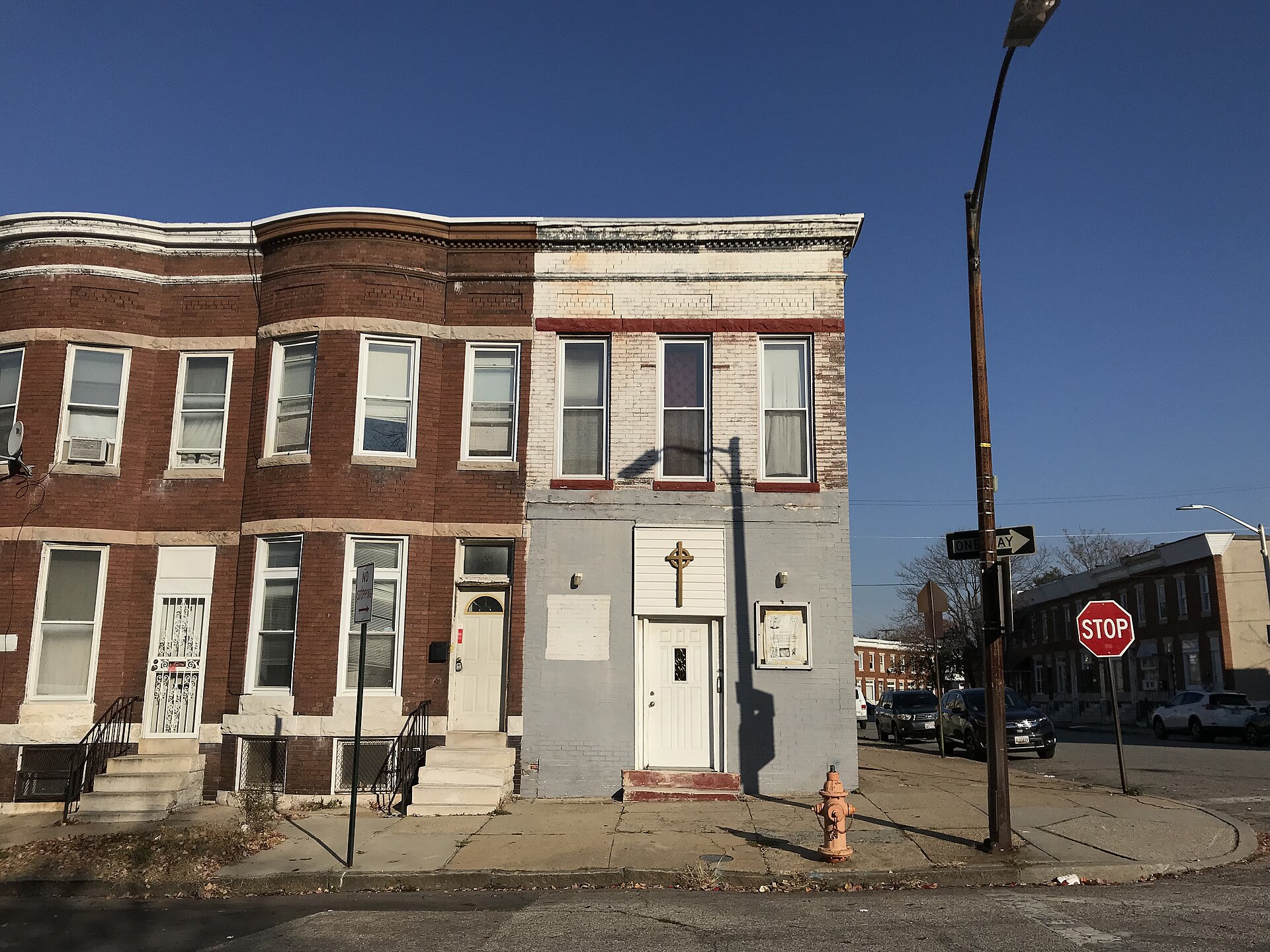

Who governs an independent church
When there is no denomination, the church's own documents decide everything. Independent churches use five broad models, often mixed. Each has defenders who argue from Scripture and practice, and each has failed somewhere.
Elder-led
A plural board of elders (in some churches called overseers or shepherds) holds final spiritual and often legal authority, and the senior pastor is one elder among them or answers to them. Defenders point to the New Testament pattern of elders appointed "in every church" (Acts 14:23, KJV) and to the safety of plural leadership. Southeast Christian Church in Louisville describes itself as "first and foremost an elder-led church," with elders who "provide oversight, vision, and guidance to the corporate side of the church" and "most importantly the spiritual side of the church."13 The New Georgia Encyclopedia describes the churches of the Restoration Movement as congregational in polity, "with elders and deacons serving as officers."10 The weak point: an elder board can become a circle of the pastor's friends, appointed by him and renewing itself, which is what the Willow Creek review found had happened in practice (see below).
Pastor-led: the "Moses model"
In the pastor-led model the senior pastor holds primary authority under God, and a board (often small and often chosen by the pastor) handles legal and financial duties and advises him. Calvary Chapel calls this the "Moses Model." Its own website says: "Within most Calvary Chapel congregations, we lead our churches using the 'Moses Model' of church government," and quotes Chuck Smith: "As pastors, we need to be like Moses, in touch with Jesus and receiving His direction and guidance."31 Christianity Today reported in 2007 that Smith's book Calvary Chapel Distinctives teaches that senior pastors should be answerable to God, not to a denominational hierarchy or board of elders, and Smith told the magazine, "We take the model from the work that God established in the nation of Israel"; the elder board at Calvary Chapel Costa Mesa, he said, reviewed the budget without directing the church's affairs.32 Defenders argue that a single accountable leader can act decisively, keeps a church from rule by committee, and follows the biblical pattern of Moses, Joshua and the apostles. Critics quoted in the same article said the model produced pastors who resisted challenges to their authority and avoided financial audits; a regional Calvary Chapel overseer, Bill Ritchie, told the magazine, "I've seen travesty in every form of governance that exists."32 The full argument, with Calvary Chapel's own case, is in lesson 06, and the record of how it worked in the network is in lesson 07.
Congregational
The members, voting in a meeting, hold final authority: they call and dismiss the pastor, elect officers, adopt budgets and approve property sales. This is the Cambridge Platform's model and the usual Baptist model.9 The syllabus (the reporter's summary printed with the opinion) of the U.S. Supreme Court's decision in Watson v. Jones (1871) describes such a church as one "of the strictly congregational or independent form of church government, owing no submission to any organization outside the congregation," and says that in such a church the disputed question is "to be determined by the majority of the society, or by such organization of the society, as by its own rules constitute its government."33 Defenders say congregational government gives every member a voice and a check; its weak points are low turnout, factional fights and the practical difficulty of a congregation investigating anything confidential.
Board of directors (corporate)
Many large independent churches, especially those organized as nonprofit corporations in the late twentieth century, are run like other charities: a board of directors (sometimes including outsiders) hires and supervises the senior pastor, while a separate group of elders or pastors handles spiritual care. In the Hartford Institute's 2020 megachurch survey, 83 percent of responding megachurches had "an internal board of members," and 76 percent said their governance required a majority of independent board members.4
Networks and outside overseers
Some independent churches add an outside layer by choice: a board of overseers made up of pastors from other churches, membership in a network with a code of conduct, or accreditation by the Evangelical Council for Financial Accountability, whose site describes it as "Setting the Standard for Financial Integrity in Churches and Christ-Centered Nonprofits."34 These bodies have only the power the church grants them. A network can remove a church from membership, and the ECFA can suspend or end accreditation, but neither can remove a pastor.35
How the bylaws decide who can remove a pastor
In every model the answer to "who can remove the pastor?" sits in a short list of documents: the articles of incorporation filed with the state, the bylaws (sometimes called a constitution), and any employment agreement with the pastor. The questions to read for are concrete:
- Does the church have legal "members" at all? Many bylaws say the church has no voting members and that the board is self-perpetuating, which means no one in the pews has any legal vote.
- Who appoints the board, and for what term? Can the senior pastor nominate or veto board members?
- Is the senior pastor a voting member of the board that supervises him? Does he chair it?
- What vote removes the pastor (a simple majority, two-thirds, unanimous)? Can the pastor vote on his own removal?
- Who can amend the bylaws, and how much notice is required? A pastor who can rewrite the bylaws with a board he appoints has, in practice, no one above him.
- Is there an outside body (overseers, a network, an accreditor) with any written authority, and what exactly can it do?
Courts asked to settle church property disputes try to avoid deciding doctrine. In Jones v. Wolf (1979) the Supreme Court approved a "neutral principles of law" approach in which a court looks at deeds, state statutes governing church property, the local church's charter and any general church constitution.36 For an independent church, that means the paper documents are what count when a dispute reaches a judge.
The legal shell: corporations, associations and the IRS
Most U.S. churches exist in law in one of two forms. Many incorporate under their state's nonprofit corporation law, which gives the church a legal identity separate from its members, lets it own property and sign contracts in its own name, and requires articles of incorporation, a registered agent and a board. Others remain unincorporated associations, groups of people who worship together under a constitution, sometimes holding property through trustees. Which form a church uses, and what its articles and bylaws say, determines who has a vote and what records exist. Idaho's own rules for nonprofit corporations, tax exemption and public inspection are covered in the Issues modules on choosing 501(c)(3) or 501(c)(4) status and on state tax exemption, 990s and public inspection, and the limits on church political activity in schools, churches and religious organizations. This lesson does not reteach that law.
Three federal tax rules matter for accountability, and all come from the IRS's Tax Guide for Churches & Religious Organizations (Publication 1828):
- "Churches that meet the requirements of IRC Section 501(c)(3) are automatically considered tax exempt" and do not have to apply to the IRS for recognition of exemption.6
- Churches are first on the IRS list of organizations "not required to file Form 990, 990-EZ, or 990-N," the annual information returns that other charities must file and make available to the public.6
- "Congress has imposed special limitations, found in IRC Section 7611, on how and when the IRS may conduct" civil tax inquiries and examinations of churches.6
The IRS decides whether a group is a "church" by looking at characteristics such as a "distinct legal existence," a "recognized creed and form of worship," a "definite and distinct ecclesiastical government," "regular congregations" and "regular religious services," among 14 listed traits.37 A house church or microchurch network may or may not meet that description; a network that does not may be classed as some other kind of religious organization and have to file.
What this means for financial transparency
A secular charity's Form 990 is a public document that shows its revenue, its expenses, its highest paid employees and their pay, and its transactions with insiders. Because churches do not file it, there is no public filing that shows a church's income, its pastor's salary, housing allowance, book royalties or benefits, or any business dealings between the church and its leaders' families. The only way a member or reporter learns those things is if the church chooses to publish them, if the church's own bylaws require disclosure to members, or if a dispute brings records into a public filing. Some churches publish audited statements voluntarily, and in the Hartford 2020 survey 78 percent of responding megachurches said an outside CPA audited their statements every year.4 An audit, however, tests whether the books are accurate; it does not tell members what the pastor is paid unless the church releases that detail.
What members can ask to see
Any attender can ask for these documents, and a church that wants trust has reasons to provide them. A refusal is itself information.
- Articles of incorporation (also on file with the Secretary of State in the church's state, often searchable online by the church's legal name).
- Bylaws or constitution, including every amendment and the date it was adopted.
- The current list of board members, elders or trustees, with how and when each was chosen and when each term ends.
- The annual budget and year-end financial statements, and whether they were audited, reviewed or only compiled, and by whom.
- The compensation policy: who sets the senior pastor's total pay (salary, housing allowance, benefits, retirement), whether the pastor is in the room for that vote, and whether any outside data are used.
- The conflict-of-interest policy and any disclosed transactions between the church and its leaders or their relatives.
- The written process for complaints against a pastor or elder, including whether there is any person or body outside the pastor's reporting line who receives them.
- Network, overseer or accreditation agreements, and what authority those bodies actually hold.
Questions to put to the board follow directly: Who on this board was not appointed by the senior pastor? When did this board last vote against the pastor's recommendation? Who would receive a complaint about the pastor, and has any complaint been received in the past five years? Does the church require nondisclosure agreements of departing staff, and what do they cover? Will the church give members its audited statements? Lesson 10 turns these into a reader's checklist.
When accountability failed: three documented cases
The three cases below were chosen because each was documented by the church's own statements, by named reporting in Religion News Service and Christianity Today, and (at Willow Creek) by a published independent report. Each illustrates a different governance failure. The facts stated are those the churches and the cited reports published. No claim here goes beyond what those sources said.
Willow Creek, 2018 to 2019
In March 2018 the Chicago Tribune published an investigation into allegations of misconduct by Bill Hybels, with further reporting by Christianity Today. Hybels denied the allegations, and the church and Hybels initially dismissed them as "lies."3839 Hybels, who had been planning to retire, resigned on April 10, 2018.25 After the New York Times published further allegations from a former employee, Pat Baranowski, the church's leadership collapsed in August 2018: lead teaching pastor Steve Carter resigned, citing differences over the church's handling of the allegations, and on Aug. 8, 2018, at a congregational "family meeting," lead pastor Heather Larson announced she would step down and that the entire elder board would leave by year's end. Elder Missy Rasmussen said, "We exhort Bill to acknowledge his sin and publicly apologize."38
The church and the Willow Creek Association then commissioned an Independent Advisory Group of four unpaid evangelical leaders: Jo Anne Lyon (general superintendent emerita of the Wesleyan Church), Leith Anderson (president of the National Association of Evangelicals), Margaret Diddams (provost of Wheaton College) and Gary Walter (past president of the Evangelical Covenant Church). Its report was posted on Feb. 28, 2019. It found the allegations of "sexually inappropriate words and actions" credible, said their credibility "would have been sufficient" to begin discipline had Hybels remained pastor, and reported that he had also verbally and emotionally intimidated employees. On governance it said: "Over multiple decades, the Willow Creek Community Church boards were unable to provide effective oversight of Bill Hybels." It said the association should have "taken greater responsibility to understand the nature and the context of the allegations." It recommended financial help for those harmed and counseling for Hybels, and concluded that "the church should not take further action."39 Willow Creek's own history page now records that in 2018 "the founding pastor and Elders resigned" and that the church overhauled its "leadership structure."40 By mid-May 2025, Bob Smietana of RNS reported weekend attendance back near 10,000 and the budget "back in the black."25
The lesson the review itself drew is the governance lesson: an elder board existed, met and had formal authority, and for decades did not use it.
Mars Hill Church, Seattle, 2014
Mars Hill Church, founded by Mark Driscoll, grew to 15 sites across five states.41 By 2014 Driscoll faced allegations of plagiarism and of inflating his book sales; of the plagiarism charges he had said late in 2013, "Mistakes were made that I am grieved by and apologize for."42 The church's board of overseers reviewed charges brought against Driscoll and reported, in a document obtained by Religion News Service, that he had "at times, been guilty of arrogance," and of responding to conflict "with a quick temper and harsh speech," that "Pastor Mark has never been charged with any immorality, illegality or heresy," that "we do not believe him to be disqualified from pastoral ministry," and that "some of the accusations against Pastor Mark" were "altogether unfair or untrue." Driscoll resigned on Oct. 14, 2014.42
On Oct. 31, 2014, primary teaching pastor Dave Bruskas told the church that "the existing Mars Hill Church organization will be dissolved." Each of the 13 remaining local churches had until Jan. 1, 2015, to become an independent church, merge with an existing church or disband; properties "will either be sold, or the loans on the individual properties will be assumed" by the new independent churches, subject to lender approval. By Jan. 6, 2015, eleven former Mars Hill congregations (nine in Washington, one in Oregon and one in New Mexico) had taken new names and begun operating independently.41
Mars Hill shows the opposite design problem from Willow Creek. A multisite church had concentrated authority in one central organization and one preacher; when he left, the central organization had no reason to exist, and the only way to keep the congregations alive was to make each of them independent.
Harvest Bible Chapel, 2019
Harvest Bible Chapel in the Chicago suburbs was led by its founding pastor James MacDonald for more than 30 years.35 In 2018 the church sued the journalist Julie Roys, who had been reporting on the church, and the authors of a blog called The Elephant's Debt; the church dropped the suit in January 2019 after a judge denied its request to delay discovery and to block the defendants from publishing related documents.43 On Feb. 12, 2019, the day Chicago radio host Erich "Mancow" Muller aired recordings of remarks attributed to MacDonald that insulted critics, the elders terminated his employment "effective today, February 12, 2019," for "engaging in conduct that the Elders believe is contrary and harmful to the best interests of the church."43
The following weekend the elders said they "acknowledge failures in direction, discipline and response time," cited in MacDonald "a sinful pattern of inappropriate language, anger and domineering behavior," and announced that the elders' executive committee would step down. Executive committee member Bill Sterling said the elder board, which had more than 30 men, would be restructured because its size made decisions difficult. The church created a "Harvest 2020" review team on oversight, accountability and transparency, dropped plans for a new campus and returned its Naples campus to its former elders and staff.44 In March 2019 the ECFA suspended Harvest's accreditation while it investigated the church's past financial practices.35
Harvest shows that a large elder board is no guarantee of oversight. The elders had the legal power to remove the pastor all along. What changed in February 2019 was public evidence.
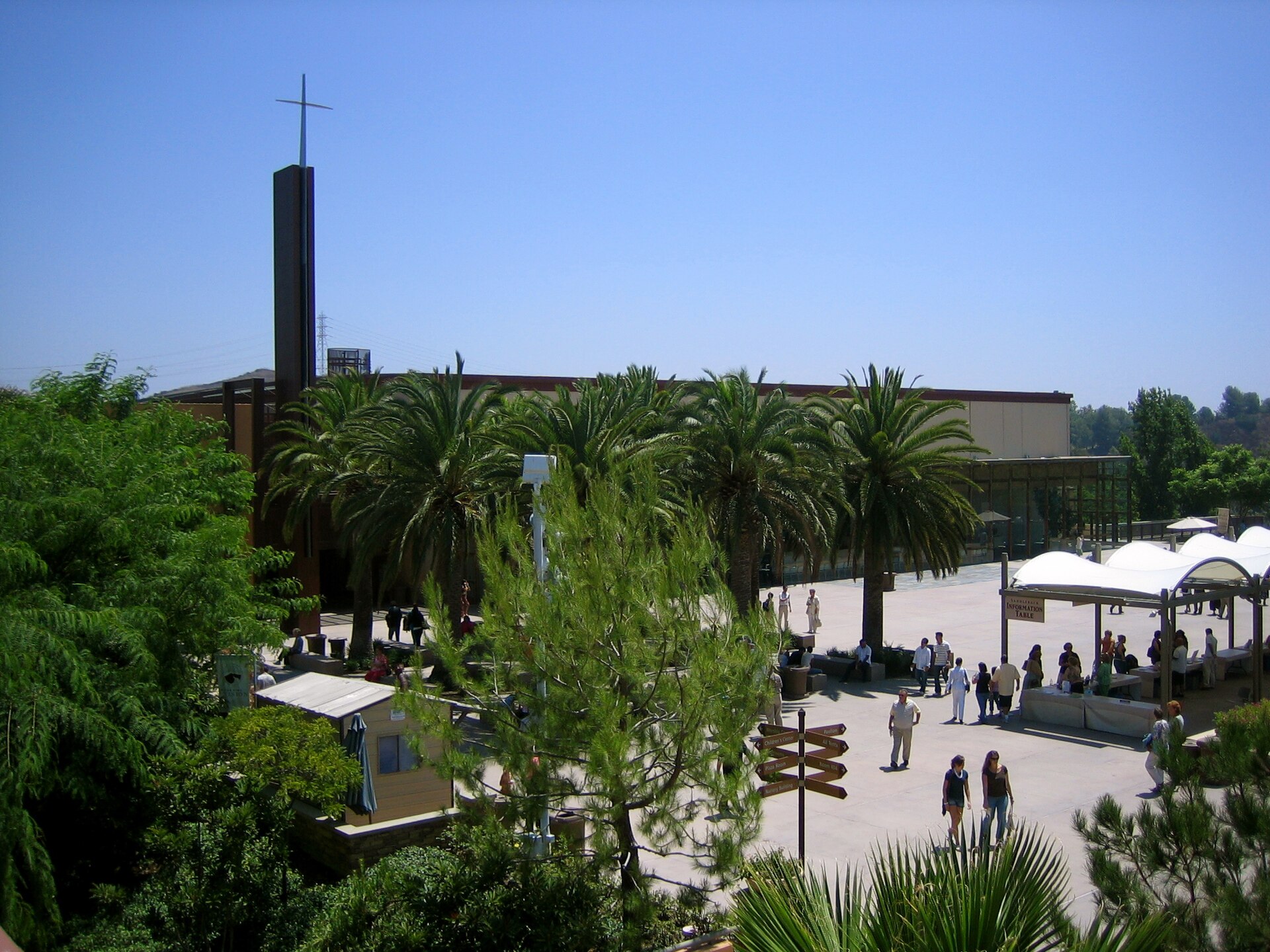

What the three cases share, and what they do not
Each of the three churches had a governing board with the legal power to act. Willow Creek had elders; Mars Hill had a board of overseers; Harvest had an elder board of more than 30 men. In each case, by the account of the church's own leaders or the report it commissioned, the board did not act until outside reporting made the problem public.394244 The cases differ in outcome. Willow Creek survived with new leadership and a rebuilt structure; Mars Hill dissolved its central organization and its congregations became independent; Harvest restructured its board and had its ECFA accreditation suspended.404135
None of these cases proves that independent churches fail more often than denominational ones. Denominations have their own documented scandals, and the Hybels review was carried out by leaders of denominations and of the National Association of Evangelicals. What the cases show is narrower: in an independent church, if the board does not act, there is no one else with authority to act, so the quality of the board is the whole of the system.
What the record shows and what it does not
- Documented fact: The 2020 U.S. Religion Census counted 44,319 non-denominational congregations and about 21.1 million adherents, second only to the Catholic Church in adherents and ahead of the Southern Baptist Convention.1216
- Documented fact: The Hartford Institute defines a megachurch as a Protestant church with 2,000 or more weekly attenders and counts about 1,800; about 40 percent of megachurches in its 2020 survey were nondenominational.34
- Documented fact: The IRS treats churches that meet 501(c)(3) requirements as exempt without application and does not require them to file Form 990.6
- Documented fact: Willow Creek's 2019 advisory report found that its boards "were unable to provide effective oversight" of Bill Hybels "over multiple decades."39
- Movement's own claim: Calvary Chapel says its "Moses Model" follows a pattern God established in Israel; Southeast Christian says it is "first and foremost an elder-led church."313213
- Scholarly reading: Donald E. Miller (1997) read Calvary Chapel, the Vineyard and Hope Chapel as "new paradigm churches" reshaping American Protestantism; Scott Thumma reads the growth of independent churches as "organizational individualism that parallels personal individualism."221
- Open question: How many independent congregations there really are (44,000 confirmed, more than 60,000 listed) and how many Americans worship in house churches (Barna's 2006 estimate of 9 percent weekly has not been confirmed by any congregation count).529
- Open question: Whether independent churches, as a class, have more or fewer leadership failures than denominational churches. No study cited here measures that.
Claims checked
"Non-denominational churches are now the largest Protestant group in America."
Supported, if independent churches are counted together as one group. The 2020 U.S. Religion Census ranks "Non-denominational Christian Churches" second among all religious bodies in adherents, behind the Catholic Church and ahead of the Southern Baptist Convention (21.1 million against 17.6 million adherents).162 The Southern Baptist Convention still has more congregations than any other body.16 The comparison groups thousands of unrelated congregations into one category, which no single church body would recognize as itself.
"Churches don't have to report anything to the IRS."
Partly supported. Churches do not have to apply for exemption and do not file Form 990.6 They are not free of all federal rules: Publication 1828 describes employment tax obligations, limits on political campaign activity, and the special procedures of IRC Section 7611 for church tax inquiries, which exist because the IRS can examine churches under limited conditions.6 The accurate claim is that churches file no public annual information return.
"Megachurches are mostly non-denominational."
Partly supported. Nondenominational churches are the largest single category of megachurches, but not a majority: 36 percent of surveyed megachurches in 2005 and about 40 percent in 2020.194 Many of the largest churches belong to denominations, as Saddleback did when it was Southern Baptist.26
"Megachurches are political machines."
Unsupported as a general statement, on the evidence of the Hartford surveys. The 2020 report said megachurches "overwhelmingly avoid political action," and RNS summarized the finding as megachurches steering "clear of politics."1821 Individual megachurch pastors have been politically active, and the survey reflects what churches reported about themselves.
"Tens of millions of Americans worship in house churches."
Unresolved. Barna's 2006 report that "9% of adults attend a house church during a typical week" would imply roughly that many people, but it measured self-reported participation and has not been matched by any count of actual house churches.29
"An independent pastor answers to no one."
Partly supported. No outside body can remove the pastor of a truly independent church, but every incorporated church has a board with legal authority, and Willow Creek's elders, Mars Hill's overseers and Harvest's elders each exercised theirs in the end.384243 Whether a given pastor answers to anyone depends on who chose that board and what the bylaws let it do.
"The Willow Creek investigation cleared Hybels."
Refuted. The Independent Advisory Group found the allegations of "sexually inappropriate words and actions" credible. It recommended no further church action because he had already resigned, which is a different thing from clearing him.39
Hard questions and answers
Is congregational independence more biblical than denominational government?
Each tradition makes its case from the New Testament. Congregationalists and Baptists point to local churches choosing their own leaders and disciplining their own members; Presbyterians point to the council at Jerusalem in Acts 15, where apostles and elders settled a dispute for many churches; Episcopal churches point to apostolic succession and the pastoral letters. The record shows that every one of these structures has produced both faithful leaders and abusive ones. This lesson leaves the theology to readers and asks them to look at what a given church's documents actually require.
Why should a church publish its pastor's pay if the law does not require it?
Because members give the money and, in an independent church, may have no other way to know how it is used. Arguments against publishing include privacy, the risk of envy and the claim that a trusted board is enough. The Hybels review found that boards with formal authority did not provide "effective oversight" for decades, which is evidence that trust in a board is not a substitute for information.39 A middle course used by some churches is to publish total compensation for the senior pastor as a single figure set by a committee the pastor does not sit on.
Wouldn't a bigger elder board fix the problem?
Harvest Bible Chapel had more than 30 elders, and one of them said that size made decisions difficult.44 The evidence from these cases points to independence of the board (who chose its members, whether the pastor chairs it, whether members can be removed for disagreeing) more than to its size.
Are outside overseers real accountability or decoration?
They are as real as the documents make them. At Mars Hill an overseer board reviewed the charges and reported findings; at Harvest the ECFA could suspend accreditation, and did.4235 Neither body had power to keep a church in the arrangement if the church chose to leave. A member should ask for the written agreement and what it allows the overseers to do.
Do these questions apply to a 60-person church with a part-time pastor?
Yes, often more so. The median independent church is about 60 people, and fewer than one in five has a full-time pastor.5 Small churches seldom have audits, written complaint procedures or independent board members, and a single family can hold every office. The same documents (articles, bylaws, board list, financial statements) answer the same questions, and in a small church they are usually only a few pages long.
What should a reporter check first about an independent church?
The state corporation filing (legal name, date of incorporation, registered agent, listed officers), any assumed business names, property records in the county where the church owns land, the church's own published statement of faith and bylaws if posted, and whether it belongs to a network or accreditor that publishes a member list. Local Idaho churches may be named in reporting only from their own public statements, as this module does in lesson 10. For how Idaho clergy have acted together in public life, see the Liberty module lesson on how Idahoans answered.
Learn more
- Hartford Institute for Religion Research, megachurch research and database: The definition, the counts and the survey reports behind most megachurch numbers.
- Congregations in 21st Century America (National Congregations Study, 2021): The best picture of the typical American congregation, small and large.
- Report on the 2020 FACT Survey of Nondenominational and Independent Churches: Scott Thumma's profile of independent churches: size, clergy, finances and networks.
- IRS Publication 1828, Tax Guide for Churches and Religious Organizations: The IRS's own explanation of church exemption, filing and inquiry rules.
- Independent report finds allegations against Willow Creek founder Bill Hybels credible (RNS, 2019): The clearest published account of how an elder board's oversight failed, in the review's own words.
Still being checked (12 items)
These points could not be confirmed against a primary source when this lesson was written and fact checked in October 2026. The text above states each one as uncertain.
- Alt text for the six photographs was checked against reduced copies of the image files during fact check (Oct. 28, 2026) and four descriptions were corrected; fine details remain unverified.
- The exact wording of the Cambridge Platform was not quoted; the lesson relies on the Unitarian Universalist Association's summary of congregational polity.
- Donald E. Miller's own wording was not quoted from the book; his views are given through the Publishers Weekly and Kirkus reviews.
- The Encyclopedia of Chicago's description of seeker services is paraphrased because the exact wording could not be confirmed.
- Barna's 2006 house church figures (9 percent weekly) are self-reported participation and have not been confirmed by any later congregation count.
- Idaho Code provisions on members' rights to inspect nonprofit corporation records could not be retrieved; the lesson does not cite a specific statute and points readers to Issues module 61, lesson 08.
- The Chicago Tribune's March 2018 investigation and the New York Times report of August 2018 were not opened directly; they are described as reported by Religion News Service.
- The Christianity Today article of Nov. 16, 2022, on the Religion Census and the RNS stories of Aug. 8, 2018, and Feb. 13 and 19, 2019, carried no byline in the fetched text; they are cited without an author name.
- The Megachurch 2020 summary data report median attendance of 2,779, while RNS reported an average of about 4,100 attenders; the lesson uses the report's median.
- Web search for this lesson reached its per-turn limit before the Idaho statute and the ECFA founding date could be checked; neither is stated in the lesson.
- IFCA's present name, IFCA International, is not stated in the Britannica entry cited; it comes from the organization's own usage.
- The CalvaryChapel.com page "The Moses Model" returns an HTTP 404 status to scripts although its text displays; its wording was confirmed through a page reader on Oct. 28, 2026.
Notes
- Christianity Today, "'Nondenominational' Is Now the Largest Segment of American Protestants," Nov. 16, 2022 (44,319 congregations in 2020, 35,496 in 2010; Scott Thumma quotations; no byline in the fetched text) (retrieved Oct. 28, 2026). Read it online. ↩
- Leonardo Blair, "Nondenominational churches surpass Southern Baptists in adherents," The Christian Post, Nov. 16, 2022 (21,095,641 adherents in 2020; 12,241,329 in 2010; SBC 17,649,040) (retrieved Oct. 28, 2026). Read it online. ↩
- Hartford Institute for Religion Research, "Megachurch definition" and megachurch database pages (definition: 2,000 or more in weekly attendance; "approximately 1800 at present") (retrieved Oct. 28, 2026). Read it online. ↩
- Scott Thumma and Warren Bird, Megachurch 2020 summary data (N=582), Hartford Institute for Religion Research, 2020 (nondenominational 40%; median attendance 2,779; median budget $5.3 million; 70% multisite; average pastor age 53; 83% internal board; 78% annual outside CPA audit; 76% majority independent board) (retrieved Oct. 28, 2026). Read it online. ↩
- Scott Thumma, Report on the 2020 Faith Communities Today Survey of Nondenominational and Independent Churches, Hartford Institute for Religion Research (median size 60; median founding year 1970; 88% founded nondenominational; 75% in loose networks; 19% full-time clergy; 30% M.Div.; median income $200,000; national listing of over 60,000 churches; definition "somewhat suspect at best") (retrieved Oct. 28, 2026). Read it online. ↩
- Internal Revenue Service, Tax Guide for Churches & Religious Organizations, Publication 1828 (Rev. 8-2015), sections on recognition of exemption, filing requirements (organizations not required to file Form 990) and church tax inquiries under IRC Section 7611 (retrieved Oct. 28, 2026). Read it online. ↩
- Pew Research Center, RLS 2023-24 religious family profile, "Nondenominational Protestants in the evangelical tradition" (6% of U.S. adults) (retrieved Oct. 28, 2026). Read it online. ↩
- Pew Research Center, RLS 2023-24 religious family profile, "Nondenominational Protestants in the mainline tradition" (1% of U.S. adults) (retrieved Oct. 28, 2026). Read it online. ↩
- Unitarian Universalist Association, curriculum workshop on the Cambridge Platform (1648) and congregational polity (retrieved Oct. 28, 2026). Read it online. ↩
- "Restoration Movement," New Georgia Encyclopedia, Georgia Humanities (Stone, the Campbells, 1809, 1832, 1906 Religious Bodies, 1927 North American Christian Convention, congregational polity) (retrieved Oct. 28, 2026). Read it online. ↩
- Victor Knowles, "What Do You Know About the Declaration and Address?" Christian Standard, June 1, 2008 (retrieved Oct. 28, 2026). Read it online. ↩
- Mid-South Christian College, "Heritage" (Restoration Movement slogans) (retrieved Oct. 28, 2026). Read it online. ↩
- Southeast Christian Church, Louisville, Ky., "About" ("first and foremost an elder-led church") (retrieved Oct. 28, 2026). Read it online. ↩
- Encyclopaedia Britannica, "Independent Fundamental Churches of America" (organized June 1930, Cicero, Ill.) (retrieved Oct. 28, 2026). Read it online. ↩
- U.S. Religion Census, 2020 press release (356,739 congregations; Scott Thumma on independent church growth) (retrieved Oct. 28, 2026). Read it online. ↩
- Clifford Grammich et al., "Introduction and National Overview," 2020 U.S. Religion Census: Religious Congregations and Membership Study, Association of Statisticians of American Religious Bodies, 2023 (retrieved Oct. 28, 2026). Read it online. ↩
- Mark Chaves, Joseph Roso, Anna Holleman and Mary Hawkins, Congregations in 21st Century America (Durham, N.C.: Duke University Department of Sociology, 2021), pp. 5 and 10 (National Congregations Study) (retrieved Oct. 28, 2026). Read it online. ↩
- Warren Bird and Scott Thumma, Megachurch 2020: The Changing Reality in America's Largest Churches, Hartford Institute for Religion Research, ECFA and Leadership Network, 2020, including the section "Megachurches Overwhelmingly Avoid Political Action" (retrieved Oct. 28, 2026). The Hartford Seminary press release of October 2020 cited in an earlier draft no longer loads. Read it online. ↩
- Scott Thumma, Dave Travis and Warren Bird, Megachurches Today 2005: Summary of Research Findings, Hartford Institute for Religion Research and Leadership Network, 2005 (retrieved Oct. 28, 2026). Read it online. ↩
- Leadership Network and Hartford Institute, press release on Recent Shifts in America's Largest Protestant Churches: Megachurches 2015 Report, PR Newswire, Dec. 3, 2015 (retrieved Oct. 28, 2026). Read it online. ↩
- Bob Smietana, "Report: Megachurches continue to grow and diversify, steer clear of politics," Religion News Service with the Association of Religion Data Archives, Oct. 29, 2020 (retrieved Oct. 28, 2026). Read it online. ↩
- Publishers Weekly, review of Donald E. Miller, Reinventing American Protestantism: Christianity in the New Millennium (University of California Press, 1997), Sept. 1, 1997 (retrieved Oct. 28, 2026). Read it online. ↩
- Kirkus Reviews, review of Donald E. Miller, Reinventing American Protestantism, release date Sept. 1, 1997 (retrieved Oct. 28, 2026). Read it online. ↩
- "Willow Creek Community Church," Encyclopedia of Chicago, Chicago Historical Society and Newberry Library (first met Oct. 12, 1975; moved to South Barrington 1981; 15,000 weekly by 2000) (retrieved Oct. 28, 2026). Read it online. ↩
- Bob Smietana (Religion News Service), "Willow Creek turns 50," MinistryWatch, Oct. 10, 2025 (Hybels resignation April 10, 2018; peak of more than 25,000; nearly 10,000 in May 2025) (retrieved Oct. 28, 2026). Read it online. ↩
- Tobin Perry, "Easter marks 40 years of changed lives at Saddleback Church," Baptist Press, 2020 (retrieved Oct. 28, 2026). Read it online. ↩
- Religion News Service, Saddleback Church coverage: Adelle M. Banks, "Southern Baptists oust Rick Warren's Saddleback Church for naming a female pastor," Feb. 21, 2023; Adelle M. Banks and Bob Smietana, "Ouster of Saddleback and Fern Creek from SBC over women pastors is affirmed," June 14, 2023 (retrieved Oct. 28, 2026). Read it online. ↩
- Associated Press, "Nation's largest church opens in stadium," via NBC News, July 2005 (retrieved Oct. 28, 2026). Read it online. ↩
- Barna Group, "House Church Involvement Is Growing," June 19, 2006 (retrieved Oct. 28, 2026). Read it online. ↩
- Exponential, "A Smaller Way: The Microchurch Movement Reaching Beyond Church Walls," Outreach Magazine, April 5, 2021 (retrieved Oct. 28, 2026). Read it online. ↩
- Brian Kelly, "The Moses Model," CalvaryChapel.com (retrieved Oct. 28, 2026). The page displays in a browser but returns an HTTP 404 status to automated link checkers. Read it online. ↩
- Rob Moll, "Day of Reckoning," Christianity Today, March 2007 issue (posted Feb. 16, 2007), section "How Accountable Was Moses?" (retrieved Oct. 28, 2026). Read it online. ↩
- Watson v. Jones, 80 U.S. (13 Wall.) 679 (1871), syllabus items 5 and 8 (retrieved Oct. 28, 2026); checked against the Library of Congress scan of United States Reports, vol. 80. Read it online. ↩
- Evangelical Council for Financial Accountability, home page ("Setting the Standard for Financial Integrity in Churches and Christ-Centered Nonprofits") (retrieved Oct. 28, 2026). Read it online. ↩
- CBN News, "Evangelical Council for Financial Accountability Suspends Harvest Bible Chapel," March 19, 2019 (retrieved Oct. 28, 2026). Read it online. ↩
- Jones v. Wolf, 443 U.S. 595, 603 (1979) (retrieved Oct. 28, 2026). Read it online. ↩
- Internal Revenue Service, "Churches Defined" (14 characteristics) (retrieved Oct. 28, 2026). Read it online. ↩
- Religion News Service, "Willow Creek elders and lead pastor resign in wake of Hybels revelations," Aug. 8, 2018 (retrieved Oct. 28, 2026). Read it online. ↩
- Emily McFarlan Miller and Bob Smietana, Religion News Service, "Independent report finds allegations against Willow Creek founder Bill Hybels credible," The Presbyterian Outlook, March 4, 2019 (report of the Independent Advisory Group posted Feb. 28, 2019) (retrieved Oct. 28, 2026). Read it online. ↩
- Willow Creek Community Church, "About" and history timeline (retrieved Oct. 28, 2026). Read it online. ↩
- Morgan Lee, "Goodbye, Mars Hill: Mark Driscoll's Multisite Empire Will Sell Properties and Dissolve," Christianity Today, Oct. 31, 2014, updated Jan. 6, 2015 (retrieved Oct. 28, 2026). Read it online. ↩
- Sarah Pulliam Bailey, "Exclusive: Mark Driscoll resigns from Mars Hill Church," Religion News Service, Oct. 15, 2014 (resignation letter Oct. 14; board of overseers findings) (retrieved Oct. 28, 2026). Read it online. ↩
- Religion News Service, "James MacDonald fired as pastor of Harvest Bible Chapel by church elders," Feb. 13, 2019 (retrieved Oct. 28, 2026). Read it online. ↩
- Religion News Service, "Harvest announces executive committee will resign, more changes after MacDonald fired," Feb. 19, 2019 (retrieved Oct. 28, 2026). Read it online. ↩
Check yourself
1. How many non-denominational congregations did the 2020 U.S. Religion Census count?
Christianity Today reported 44,319 congregations in 2020, up from 35,496 in 2010. The 60,000-plus figure is Thumma's broader national listing, not the confirmed census count.
2. What attendance threshold does the Hartford Institute use to define a megachurch?
Hartford's definition is 2,000 or more persons in attendance at weekly worship, counting adults and children at all locations.
3. About what share of megachurches in the Hartford 2020 survey called themselves nondenominational?
The 2020 summary data list nondenominational at 40 percent; the 2005 study found 36 percent.
4. Which document from 1648 first fully stated congregational self-government in New England?
The Cambridge Platform of 1648 articulated congregational polity. The Declaration and Address was Thomas Campbell's 1809 Restoration Movement document.
5. Under IRS Publication 1828, which statement is accurate?
Publication 1828 says such churches are automatically considered tax exempt and lists churches first among organizations not required to file Form 990; IRC Section 7611 limits, but does not forbid, church tax inquiries.
6. What did Willow Creek's Independent Advisory Group report (Feb. 28, 2019) say about the church's boards?
The report said: "Over multiple decades, the Willow Creek Community Church boards were unable to provide effective oversight of Bill Hybels."
7. What happened to Mars Hill Church after Mark Driscoll resigned in October 2014?
On Oct. 31, 2014, Dave Bruskas announced the organization would dissolve; by Jan. 6, 2015, eleven former congregations were operating independently under new names.
8. Calvary Chapel's name for its pastor-led form of church government is:
Calvary Chapel's own site says most of its congregations use the "Moses Model" of church government.
Terms in this lesson
- Non-denominational church
- A congregation with no denomination above it: it owns its property, writes its own doctrine and chooses and removes its own pastor.
- Congregational polity
- Church government in which each local congregation governs itself, first fully stated in New England's Cambridge Platform of 1648.
- Restoration Movement
- The Stone-Campbell movement that began around 1800 to unite Christians on the New Testament alone, using slogans such as "Not the only Christians, but Christians only."
- Bible church
- An independent, theologically conservative congregation, many of which joined the Independent Fundamental Churches of America (now IFCA International), organized in 1930.
- Megachurch
- In the Hartford Institute's definition, a Protestant congregation with 2,000 or more people in weekly worship, counting adults and children at all locations.
- New paradigm church
- Donald E. Miller's 1997 term for movements such as Calvary Chapel, the Vineyard and Hope Chapel that grew outside denominational structures with informal, lay-involved worship.
- Seeker service
- A worship service designed for people who do not attend church, made famous by Willow Creek Community Church after 1975.
- House church
- A congregation that meets in a home and considers itself a complete church, as distinct from a small group belonging to a larger church.
- Microchurch
- A small group that understands itself as a full church, often linked to a network; Brian Sanders defines it by worship, community and mission.
- Moses model
- Calvary Chapel's name for pastor-led church government, in which the senior pastor leads under God with an advisory board.
- Elder-led church
- A church in which a plural board of elders holds final spiritual and often corporate authority over the pastor and staff.
- Bylaws
- The church's governing rules, which state who the members are, how the board is chosen and what vote can remove the pastor.
- Form 990
- The annual public information return most tax-exempt charities file with the IRS; churches are not required to file it.
- Neutral principles of law
- The approach approved in Jones v. Wolf (1979) for church property disputes, in which courts read deeds, statutes, charters and constitutions instead of deciding doctrine.
Sources
- Christianity Today: 'Nondenominational' Is Now the Largest Segment of American Protestants (2022-11-16) checked 2026-10
- Christian Post: Nondenominational churches surpass Southern Baptists in adherents (2022-11-16) checked 2026-10
- Hartford Institute for Religion Research: megachurch definition (undated web page) checked 2026-10
- Thumma and Bird, Megachurch 2020 summary data (2020) checked 2026-10
- Thumma, Report on the 2020 FACT Survey of Nondenominational and Independent Churches (2021) checked 2026-10
- IRS Publication 1828, Tax Guide for Churches and Religious Organizations (2015-08) checked 2026-10
- Pew Research Center: Nondenominational Protestants in the evangelical tradition (2025) checked 2026-10
- Pew Research Center: Nondenominational Protestants in the mainline tradition (2025) checked 2026-10
- Unitarian Universalist Association: the Cambridge Platform (undated web page) checked 2026-10
- New Georgia Encyclopedia: Restoration Movement (undated web page) checked 2026-10
- Victor Knowles, What Do You Know About the Declaration and Address? (Christian Standard) (2008-06-01) checked 2026-10
- Mid-South Christian College: Heritage (undated web page) checked 2026-10
- Southeast Christian Church: About (retrieved 2026-10-28) checked 2026-10
- Britannica: Independent Fundamental Churches of America (undated web page) checked 2026-10
- U.S. Religion Census 2020 press release (2022-11) checked 2026-10
- 2020 U.S. Religion Census: Introduction and National Overview (2023) checked 2026-10
- Chaves et al., Congregations in 21st Century America (2021) checked 2026-10
- Hartford Seminary: Hartford Institute Releases Major Report on Megachurches (2020-10) checked 2026-10
- Thumma, Travis and Bird, Megachurches Today 2005 (2005) checked 2026-10
- PR Newswire: Leadership Network and Hartford Institute megachurch findings (2015-12-03) checked 2026-10
- RNS/ARDA: Megachurches continue to grow and diversify, steer clear of politics (2020-10-29) checked 2026-10
- Publishers Weekly review of Miller, Reinventing American Protestantism (1997-09-01) checked 2026-10
- Kirkus review of Miller, Reinventing American Protestantism (1997-09-01) checked 2026-10
- Encyclopedia of Chicago: Willow Creek Community Church (undated web page) checked 2026-10
- MinistryWatch/RNS: Willow Creek turns 50 (2025-10-10) checked 2026-10
- Baptist Press: Easter marks 40 years of changed lives at Saddleback Church (2020) checked 2026-10
- Religion News Service: Saddleback Church coverage (2023) checked 2026-10
- AP via NBC News: Nation's largest church opens in stadium (2005-07) checked 2026-10
- Barna Group: House Church Involvement Is Growing (2006-06-19) checked 2026-10
- Outreach Magazine: A Smaller Way, the microchurch movement (2021-04-05) checked 2026-10
- CalvaryChapel.com: The Moses Model (undated web page) checked 2026-10
- Rob Moll, Christianity Today, Calvary Chapel report (2007-03) checked 2026-10
- Watson v. Jones, 80 U.S. 679 (1871) (1871) checked 2026-10
- Jones v. Wolf, 443 U.S. 595 (1979) (1979-07-02) checked 2026-10
- IRS: Churches Defined (undated web page) checked 2026-10
- ECFA home page (undated web page) checked 2026-10
- CBN News: ECFA suspends Harvest Bible Chapel (2019-03-19) checked 2026-10
- RNS: Willow Creek elders and lead pastor resign (2018-08-08) checked 2026-10
- RNS via Presbyterian Outlook: Independent report finds allegations against Hybels credible (2019-03-04) checked 2026-10
- Willow Creek Community Church: About (retrieved 2026-10-28) checked 2026-10
- RNS: Mark Driscoll resigns from Mars Hill Church (2014-10-15) checked 2026-10
- Christianity Today: Goodbye, Mars Hill (2014-10-31) checked 2026-10
- RNS: James MacDonald fired as pastor of Harvest Bible Chapel (2019-02-13) checked 2026-10
- RNS: Harvest announces executive committee will resign (2019-02-19) checked 2026-10