Lesson 6 of 6 · about 16 minutes
Worked Example: The 31-Second Vote
You'll be able to
- Turn an evidence table into a polemic outline
- See how the claim, concession, remedy and Interrogatories fit together in one piece
- Draft your own polemic from the outline template
Everything here is invented: Ashby Crossing, its council, its water study and its burrito. The craft is real.
The situation
Ashby Crossing is a town of about 9,800 people with 4,200 water hookups. On March 12, the five-member city council approved a consent agenda in one vote. Two items on it:
- Item 7: Ordinance 2026-04, raising residential water rates 20 percent. The base charge goes from $38.00 to $45.60 a month.
- Item 8: Resolution 26-11, raising council pay from $300 to $390 a month, a 30 percent increase. The mayor's stipend goes from $600 to $780.
Dana, a first-time volunteer writer, watched the meeting video and requested the rate study. Her evidence table:
| Fact | Document | Location |
|---|---|---|
| Rates up 20 percent, $38.00 to $45.60 | Ordinance 2026-04 | Sec. 2 |
| Council pay $300 to $390; mayor $600 to $780 | Resolution 26-11 | p. 1 |
| Both on consent agenda, items 7 and 8 | March 12 agenda | p. 2 |
| Vote took 31 seconds, no discussion, 4 to 1 | Meeting video | 1:14:20 to 1:14:51 |
| Motion by Ortega, second by Reyes; Pell voted no | Draft minutes | p. 4 |
| Study found 14 miles of mains past service life | Harlan Engineering rate study | p. 9 |
| Study said 12 percent covers the five-year repair plan | Same | p. 23, table 4 |
| Council rules let any member pull a consent item | Council Rules of Procedure | Sec. 4.3 |
| Spring newsletter mentioned the rate study but neither the increase nor the raise | Spring newsletter | p. 3 |
| Asked Mayor Lund for comment March 18, deadline March 22; no reply | Dana's sent email | Saved |
| Councilmember Pell's emailed explanation of her no vote | Pell email, March 19 | Saved |
Step 1: the claim
Dana's first draft claim was The council is greedy and sneaky. Not provable. Her second was "The council raised our rates and its own pay at the same time." True, but it misses what actually bothers her. Her final:
On March 12, the Ashby Crossing council raised water rates 20 percent, 8 points more than its own consultant said was needed, and gave itself a 30 percent raise in the same 31-second consent vote, with no public discussion of either.
Long, but every piece sits in the table.
Step 2: the outline
Outline
- Headline: Thirty-one seconds, two raises, one of them yours to pay.
- Opening scene: The video timestamp. What happened in 31 seconds. No adjectives. (Video, agenda)
- Nut graf: The claim, plainly. Why it matters: every household's bill, plus a pay raise nobody debated. (Ordinance, resolution)
- The numbers: Old rate, new rate, what it costs a typical household per year. Old pay, new pay. (Ordinance, resolution)
- The concession: The pipes really are failing. Quote the study's 14 miles. Say rates have not moved since 2019. (Study p. 9)
- The gap: The same study says 12 percent. The council passed 20. Where do the 8 points go? (Study p. 23)
- The process: Consent agenda rules. Any member could have pulled it. Only Pell voted no; quote her email. The newsletter mentioned neither. (Rules 4.3, Pell email, newsletter)
- Their side: Mayor asked for comment March 18; no reply by deadline. State the best case for them anyway, from the staff memo. (Email, staff memo)
- Remedy: Show up April 9. Ask the council to reconsider both items as separate agenda items with public comment. Give the time, address, and how to sign up to speak.
- Interrogatories: Six hard questions with full answers.
- Sources: List of every document, with links where they are posted.
Notice what is missing: the mayor's personality, the town's decline, any guess about where the 8 points go. Dana does not know that last one, so she asks.
Step 3: the excerpt
The opening sections and two interrogatories:
Excerpt
Thirty-one seconds, two raises, one of them yours to pay
Commentary by Dana Whitcomb
At 1 hour, 14 minutes and 20 seconds into the March 12 Ashby Crossing city council meeting, Mayor Carol Lund asked for a motion to approve the consent agenda. Councilmember Dan Ortega moved. Councilmember Lisa Reyes seconded. Four hands went up, one stayed down, and at 1:14:51 the mayor moved on to a presentation about holiday lights.
Thirty-one seconds. About as long as it takes to microwave a burrito halfway.
Buried in that consent agenda were items 7 and 8. Item 7 raised every residential water bill in town by 20 percent. Item 8 raised council pay by 30 percent. Nobody on the dais said a word about either one, and nobody in the audience got the chance.
Here is what that means at your kitchen table. The base residential charge goes from $38.00 a month to $45.60, an extra $91.20 a year before you run a single tap. Council members go from $300 a month to $390. The mayor goes from $600 to $780.
Now, the part the council gets right. Ashby Crossing's water mains are old. The city's own engineering study, by Harlan Engineering, found 14 miles of pipe past its service life, and anybody who lived on Fifth Street during last January's main break knows it. Rates have not gone up since 2019. Something had to give.
But the same study, on page 23, says a 12 percent increase covers the full five-year repair plan. Not 15. Not 20. Twelve. The council passed 20 and did not explain the difference. I have read all 41 pages of the study twice and could not find the other 8 points anywhere in it.
The council's own Rules of Procedure, Section 4.3, let any member pull an item off the consent agenda for discussion. Councilmember Ruth Pell voted no on the whole agenda. In an email to me she said she "should have pulled items 7 and 8, and didn't." The other four did not pull them either.
On March 18 I emailed Mayor Lund the specific facts in this column and asked for her response by March 22. As of publication, I have not received one. I will add her answer here if it comes.
On April 9 at 7 p.m., the council meets again at City Hall, 200 Main Street. Public comment sign-up sheets are by the door. Ask the council to bring items 7 and 8 back as separate agenda items, with the rate study on the table and the public allowed to speak on both. That is the whole ask: a real vote, out loud, on each one.
Interrogatories
Q: Council pay hadn't gone up in twelve years. Aren't you just begrudging volunteers a few bucks?
No. $300 in 2014 does not buy what it used to, and I would probably support a raise argued in public. My objection is to the method: tied to a rate hike, put on a consent agenda, with no mention in the newsletter. A raise you are proud of is a raise you discuss.
Q: The study gives a minimum. Maybe the council wants a cushion for emergencies. Isn't 20 percent just being responsible?
Maybe. That would be a reasonable argument. It is also an argument nobody on the council has made, in public or to me. If the extra 8 points are an emergency reserve, say so, put the number in the ordinance and let residents weigh in. I asked. The answer so far has been silence.
Notes on the choices
- The opening is a scene, built from a timestamp. Every detail in the first paragraph is on video. The reader gets the anger from the clock, not from Dana.
- One joke. The burrito line is hyperbole about a documented fact. Dana resisted a second one.
- The concession comes before the main charge. By the time Dana says "12, not 20," the reader trusts her because she just admitted the pipes are bad.
- Named officials, for votes only. Ortega, Reyes and Lund appear for what they did in office. No motives assigned, nobody called corrupt.
- A remedy you can do on a Tuesday. A place, a time, a specific ask. A resignation demand would lose readers who like the mayor.
- Interrogatories concede when honest, then return to the claim: it was hidden.
What Dana cut
Her first draft had more. Some of the cuts hurt.
- "Mayor Lund, who drives a brand-new truck, apparently thinks we can all afford more." Personal, irrelevant and implies a fact about the mayor's finances Dana cannot show.
- "I suspect the extra money is going straight into the council's pockets." An implied factual charge with nothing behind it. Exactly the Milkovich problem from Lesson 5.
- A grocery-store neighbor calling the council "crooks." Repeating an unproven accusation is still publishing it.
After it runs
Keep the evidence table and every document in one folder. If the mayor replies, add the reply at the top with the date. If a fact turns out wrong, correct it visibly. If the council puts items 7 and 8 back on the agenda, write a short follow-up. Writers who follow through get read the next time.
Try it
Write your own polemic about the local decision you have carried through this module.
- Copy the 11-part outline above and fill in each line with your section and the documents it uses.
- Draft the opening scene from a document or timestamp. No adjectives in the first paragraph.
- Write the full piece, 700 to 1,200 words, plus at least 5 interrogatories.
- Run the pre-publication checklist from Lesson 5 against it.
- Send your comment request to the official and wait for the deadline before publishing.
- Run any links through the Source Checker. Then read the whole thing aloud to someone who has not made up their mind about the issue, and watch their face.
Pictures, Numbers and Infographics
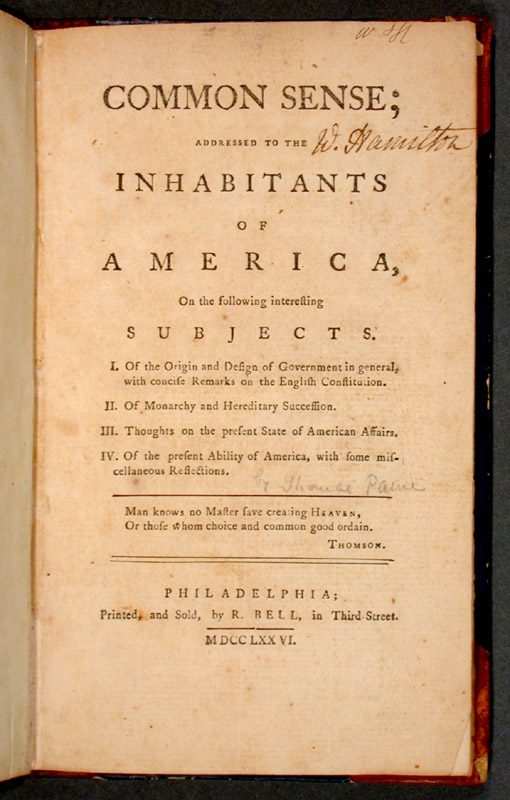
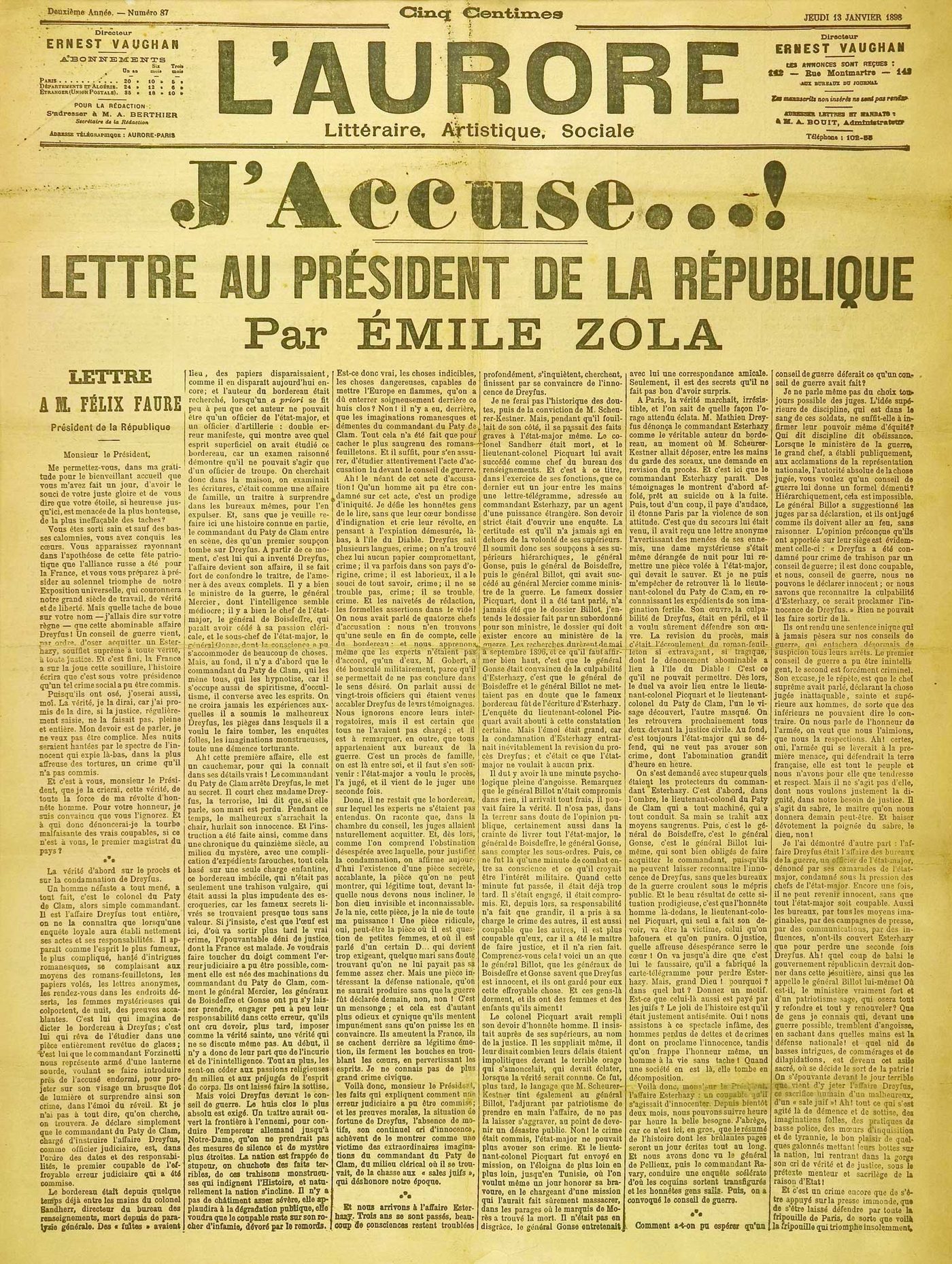
The pamphlets in lesson 1 were printed artifacts, and two of them survive as the pages shown here. The numbers that follow come from the Supreme Court cases that set the limits on hard commentary, and from a Pew test of whether readers can tell a fact claim from an opinion.
By the numbers
- 9-0: the vote in New York Times v. Sullivan, decided March 9, 1964, which set the actual malice standard for public officials. Oyez, Sullivan
- 8-1: the vote in St. Amant v. Thompson, decided April 29, 1968, which tied reckless disregard to serious doubts about truth. Oyez, St. Amant
- 8-0: the vote in Greenbelt Cooperative Publishing Assn. v. Bresler, decided May 18, 1970, the "blackmail" hyperbole case. Oyez, Greenbelt
- 8-0: the vote in Hustler Magazine v. Falwell, decided February 24, 1988, on parody of a public figure. Oyez, Hustler
- 7-2: the vote in Milkovich v. Lorain Journal Co., decided June 21, 1990, which held there is no separate privilege for anything labeled opinion. Oyez, Milkovich
- 36% and 17%: share of Americans with high and with low political awareness who correctly sorted all five factual statements in a 2018 test of five factual and five opinion statements. Pew Research Center, 2018
- 44% and 21%: share of very digitally savvy Americans, and of the less tech savvy, who correctly identified all five opinion statements. Pew Research Center, 2018
Current: In the News
News coverage
- "During final opinions week, the Supreme Court quietly upheld a free press precedent", National Constitution Center, Constitution Daily, July 9, 2026. Explains where Sullivan's actual malice rule stands after the Court turned down a challenge in 2026, including Justice Thomas's dissent arguing it should be reconsidered.
External resources
- "Raj Mankad, Sharon Steinmann, Lisa Falkenberg and Leah Binkovitz of the Houston Chronicle", The Pulitzer Prizes. The 2025 Pulitzer Prize for Editorial Writing: a series that picks one local target (dangerous rail crossings) and builds the case piece by piece.
Check yourself
1. Why does the example piece open with the 31-second vote instead of the writer's opinion of the council?
Facts first, heat after. The reader reaches the anger with the writer instead of being told to feel it.
2. Where in the outline does the writer concede that the pipes really need repair?
The concession comes early enough to earn trust and just before the writer shows the gap between 12 and 20 percent.
3. What makes the remedy in the example effective?
A remedy is something a reader can actually do by a deadline. Resignation demands are rarely met and make the piece look unserious.
4. How does the example handle Mayor Lund's non-response?
Reporting the request and the silence is fair and factual. Guessing at motive would be an unproven implied fact.
5. Which line from the example is hyperbole rather than a factual charge?
The burrito line is a comic comparison about a documented time. The others are checkable facts.
Terms in this lesson
- Outline
- The skeleton of a piece: claim, sections in order, the evidence each one uses and the remedy.
- Remedy
- The specific action a polemic asks readers or officials to take, ideally with a date.
- Nut graf
- The paragraph near the top that states plainly what the piece is about and why it matters.