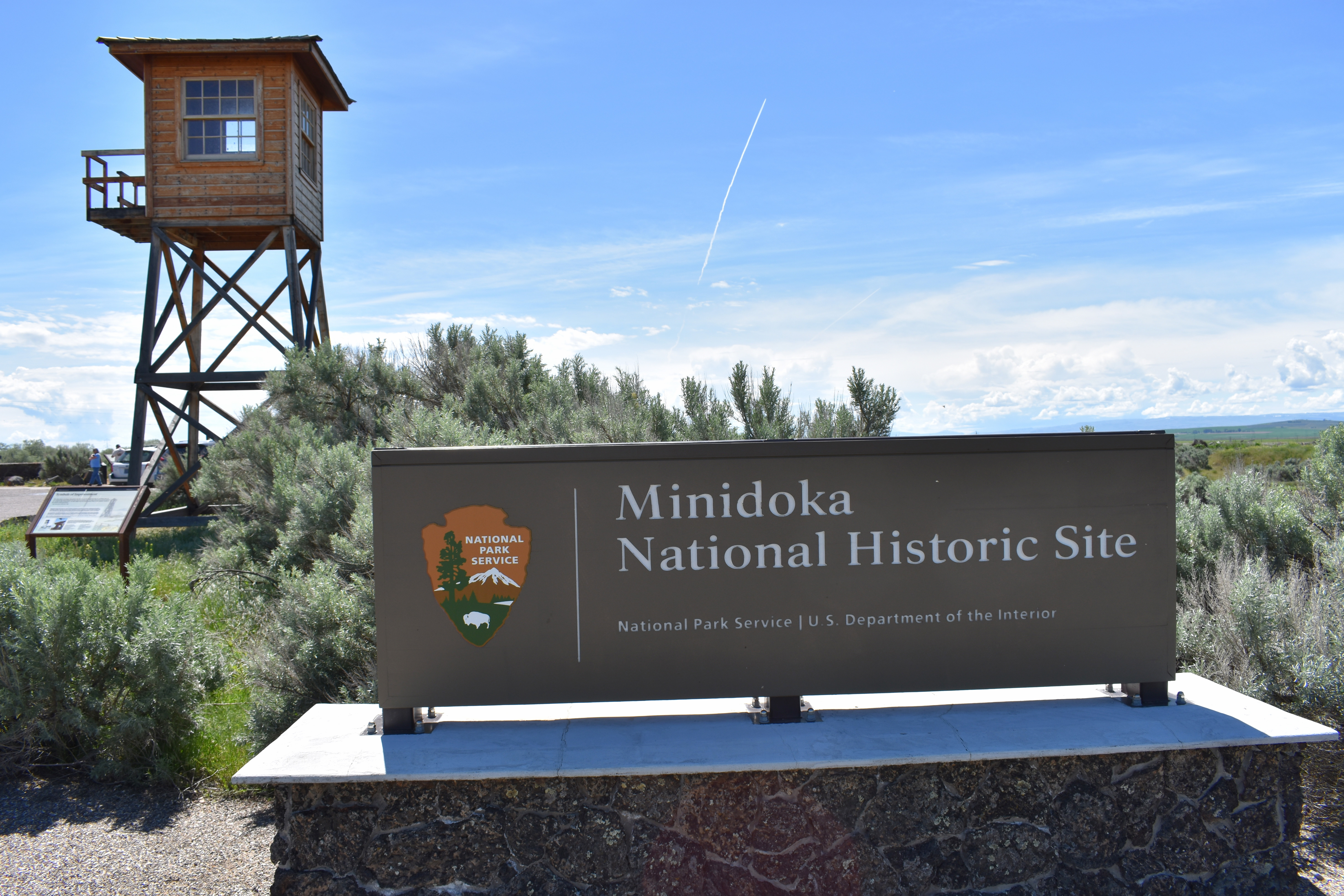
Located in Hunt, Jerome County, in the Snake River Plain at nearly 4,000 feet elevation. Japanese Americans, most of them U.S. citizens, were forcibly relocated from their homes in Washington, Oregon, and Alaska. The camp was built by Morrison-Knudsen Company on remote high desert — temperatures swung from well below zero to over 100°F.
The facility consisted of 44 housing blocks, each containing 12 barracks divided into six living areas, plus laundry facilities, bathrooms, and mess halls. The camp included schools, recreational facilities, shops, and fire stations — a self-contained community built behind barbed wire. The camp closed October 28, 1945. Designated a National Monument in 2001 and a National Historic Site in 2008.
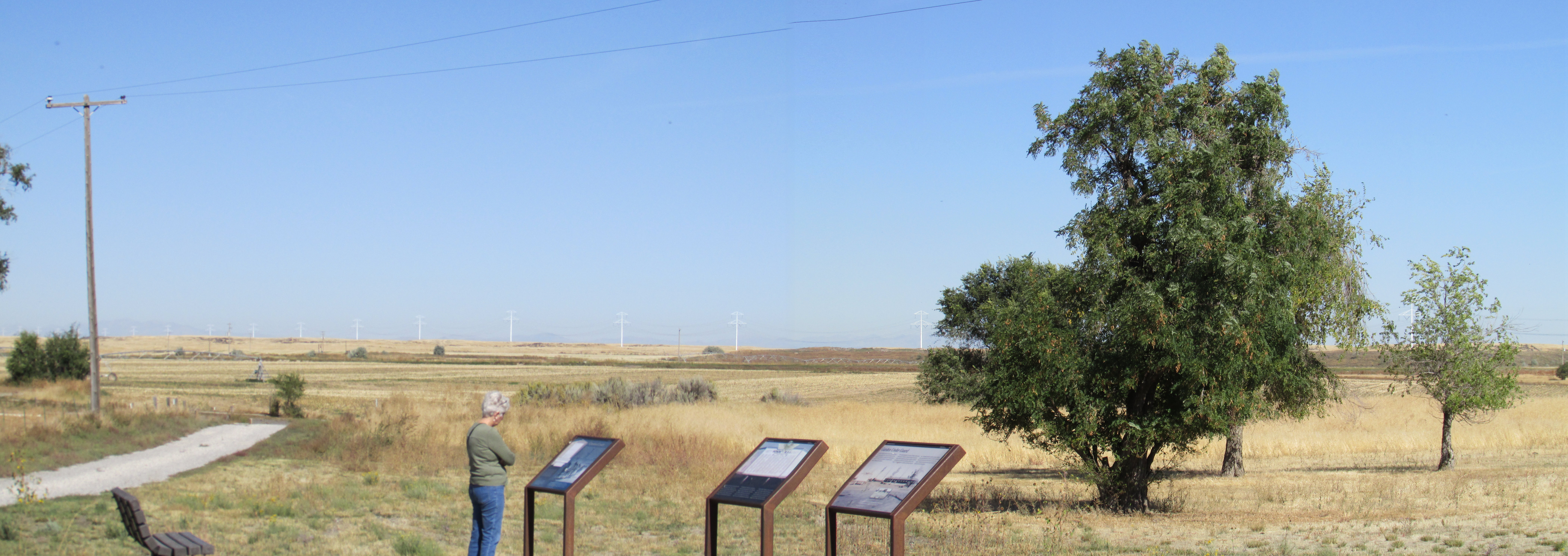


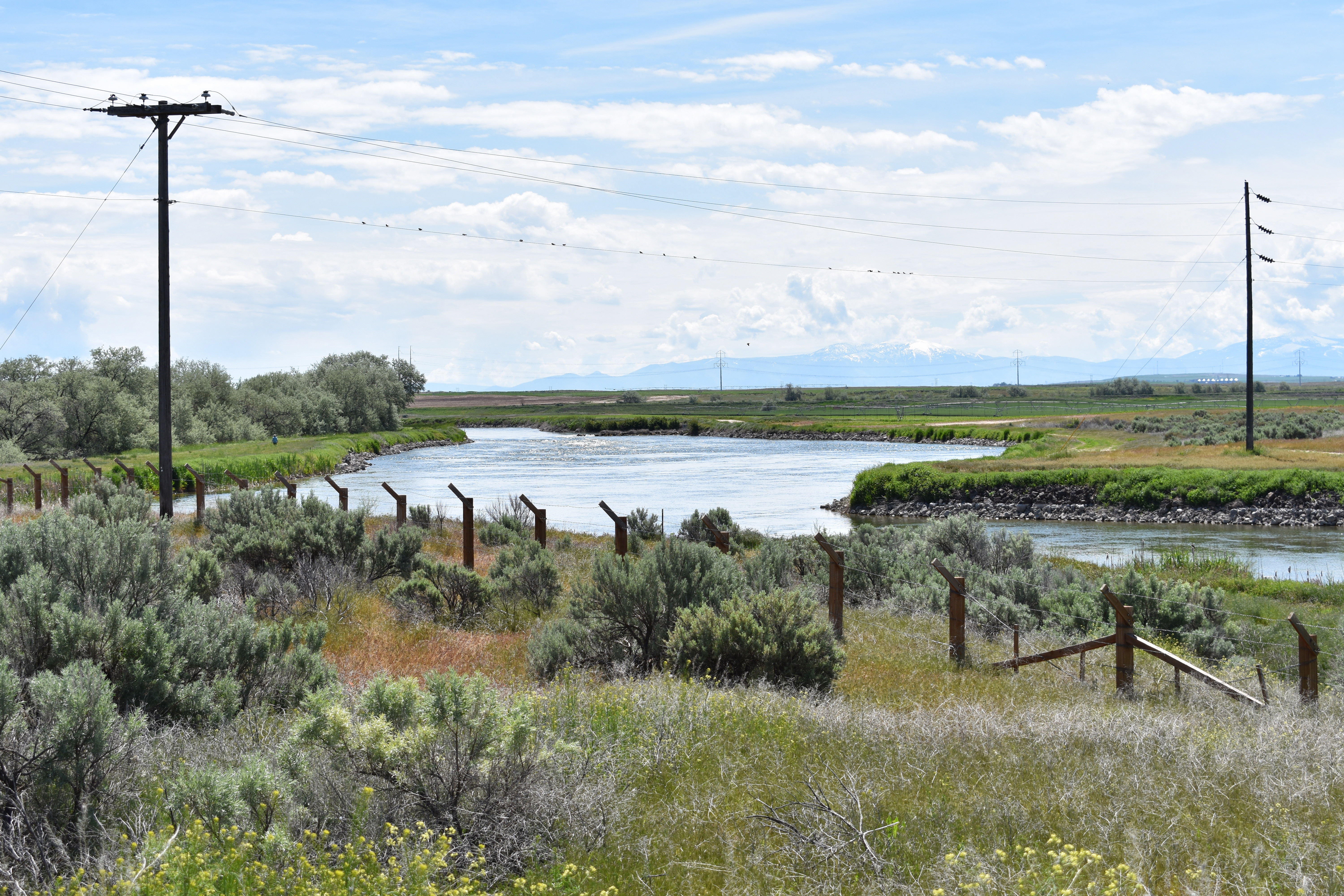

The Carey Act and Milner Dam transformed what observers called "a vast, uninhabitable solitude" into some of the most productive ground in the Northwest. Over a century of farming — demanding "hard, backbreaking work with little rest and less reward" from early homesteaders — built Jerome County into an agricultural giant. Today, dairy processing alone accounts for 10% of all employment in the Magic Valley.
"We stepped off the train and there was nothing but sagebrush clear to the horizon. My father said, 'This is where we'll build.' And by God, we did."— Martha Ellis, arrived Jerome 1909
"They told us the water would come and the desert would bloom. Most folks laughed. But when that canal filled up for the first time, nobody was laughing — they were crying with joy."— Harold Benson, pioneer farmer
"The first winter was the hardest. We lived in a tent with a coal stove. The wind never stopped. But come spring, when we broke ground and the irrigation ditch ran full, we knew we'd made the right choice."— Agnes Crawford, homesteader, 1908
"The canals changed everything. One year it was rattlesnakes and dust. The next, we had green fields of alfalfa running a quarter mile in every direction."— Robert Jensen, irrigation worker, 1912
"My job was walking the ditch banks. You had to keep those headgates clear or a man's whole crop could go dry overnight."— Frank Yamada, canal tender, 1930s
"We watched the buses come through town carrying Japanese families to the camp. Kids pressing their faces against the windows. I was twelve and I knew something was wrong."— Dorothy Caldwell, Jerome resident, 1942
"After the war, hardly anyone talked about the camp. It was like the whole town agreed to forget. But you can't forget something like that. You shouldn't."— George Tanaka, Minidoka survivor
"When I moved here in the '90s, people said Jerome was just a farm town. Now look at it — new businesses, new families, the dairy industry booming. The spirit of those original homesteaders is still here."— Maria Gutierrez, Jerome resident since 1994
"My grandfather came for the land. My father stayed for the community. I stay because this is home. Three generations of Jerome dirt under our fingernails."— Bill Parsons, third-generation farmer